In the 1970s, wildlife encounters were a regular part of daily life for many people. Rural areas were less developed, chemical regulations were weaker, and ecosystems were more stable than they are today. Animals that once appeared along roadsides, farms, rivers, and backyards have steadily declined due to habitat loss, pollution, climate change, and modern land use practices. While conservation has helped a few species rebound, many familiar sightings from that era have become rare or highly localized. These changes highlight how quickly wildlife populations can shift within a single human lifetime.
1. Monarch Butterflies Covering Fields and Roadsides
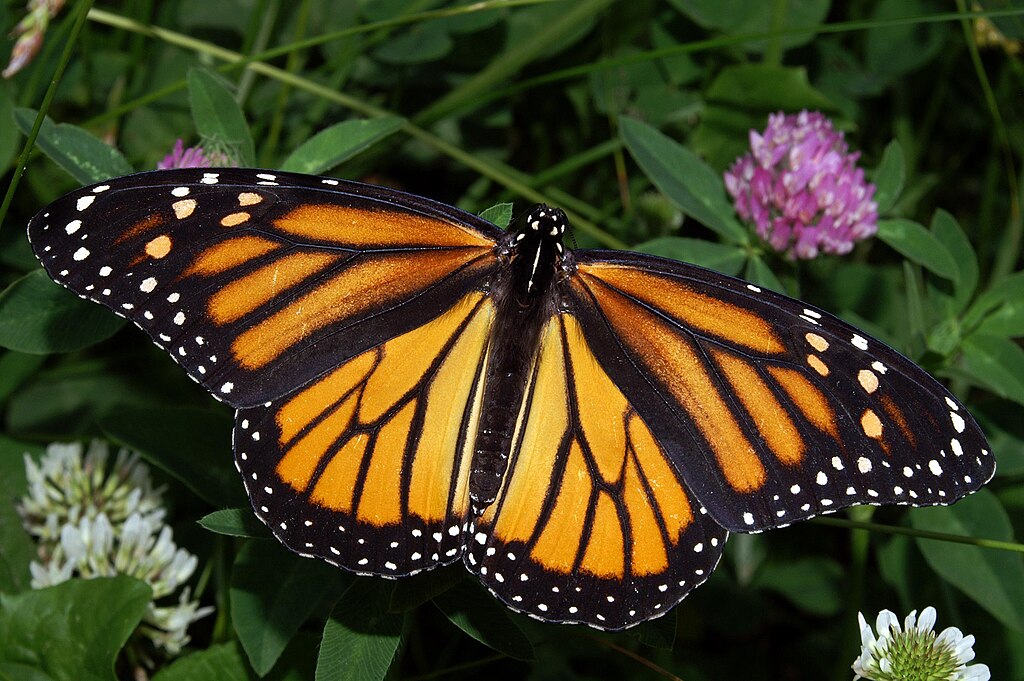
During the 1970s, monarch butterflies were commonly seen in massive numbers during migration seasons. Fields, roadside ditches, and backyard gardens are often filled with bright orange wings drifting south in the fall. Milkweed was widespread, providing essential breeding habitat. Over time, herbicide use eliminated much of that food source, while climate shifts disrupted migration timing. Today, monarchs still migrate, but sightings of large groups are far less common. Seeing even a small cluster now feels special, compared to the widespread abundance many people remember from decades ago.
2. Bobwhite Quail Walking Farm Edges
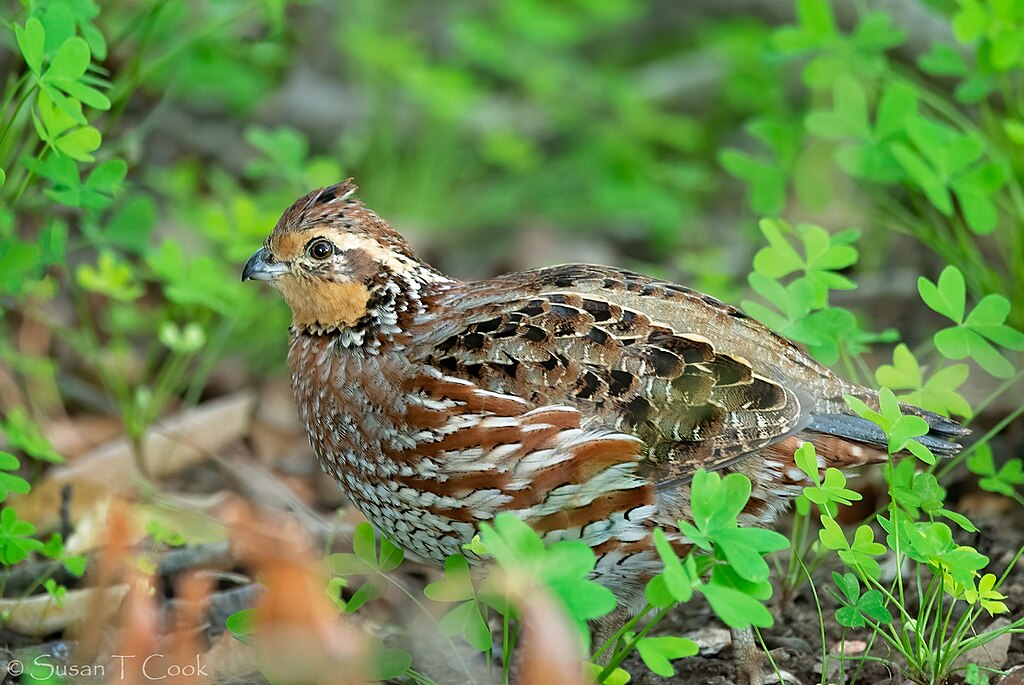
Bobwhite quail were once a familiar sight along farm fields, fence lines, and grassy margins throughout much of the United States. Their calls were a regular sound during warm mornings. In the 1970s, small farms created an ideal nesting habitat. As agriculture became more industrial, fields grew larger and natural cover disappeared. Pesticide use and harsh weather further reduced survival rates. Today, wild bobwhite quail are rare in many areas where they once thrived, making sightings increasingly limited to managed lands or restoration zones.
3. Fireflies Filling Summer Evenings
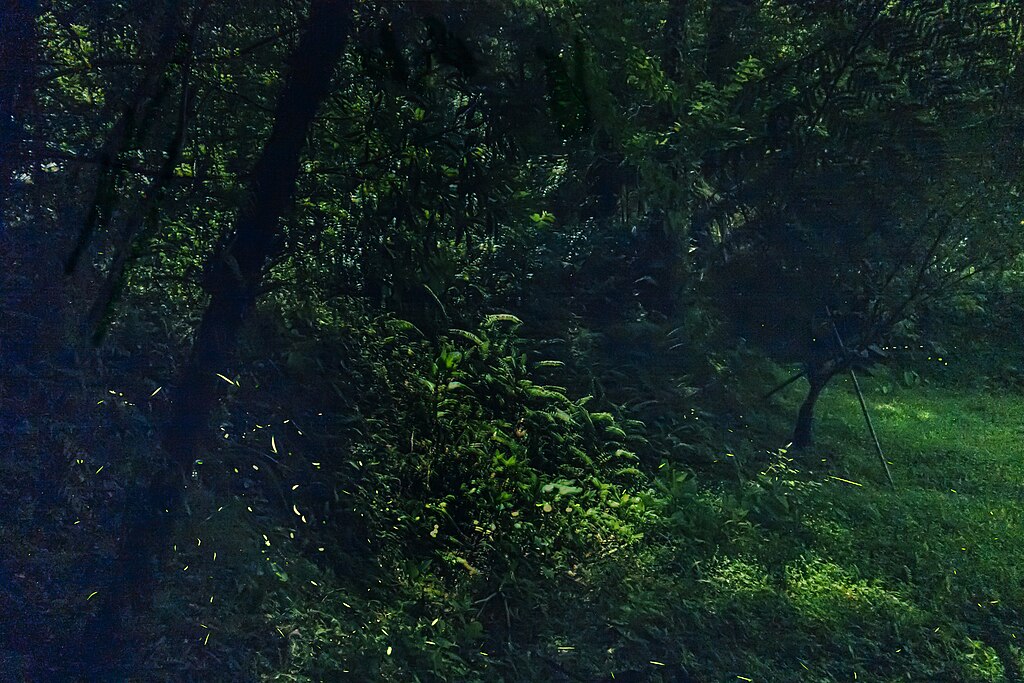
Summer nights in the 1970s often glowed with fireflies blinking across yards, meadows, and wooded edges. Children grew up watching their lights flicker in large numbers. Fireflies depend on dark skies, clean soil, and moist habitats. As light pollution increased and pesticides became more common, their populations declined. Many areas that once hosted hundreds now see only a few. Large firefly displays still exist, but they are localized and seasonal, making widespread sightings far less common than they were decades ago.
4. River Otters Along Everyday Waterways
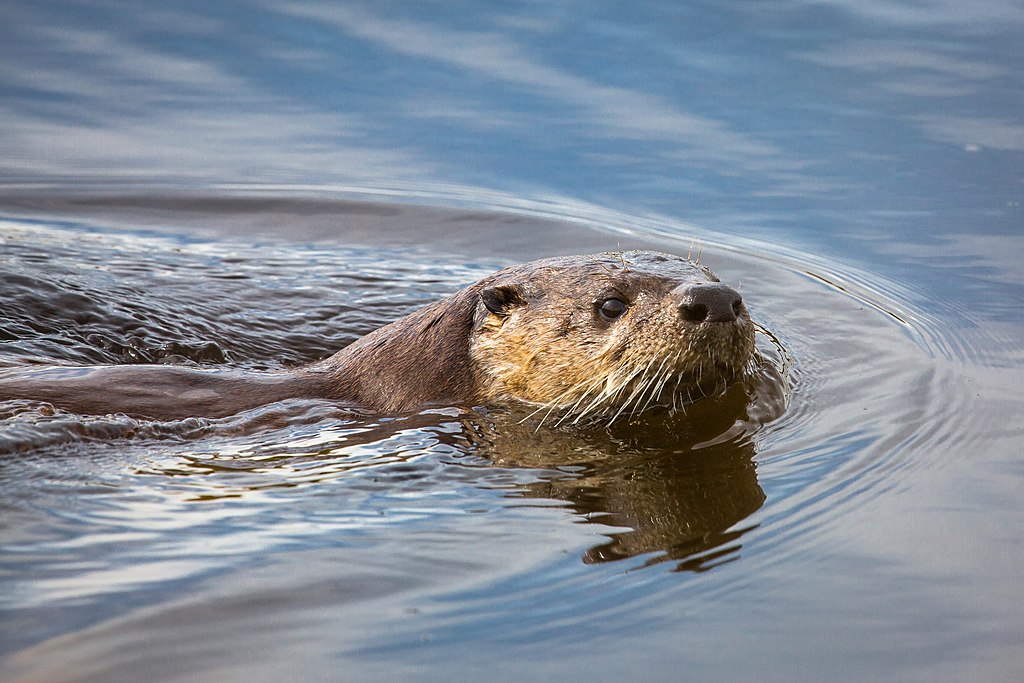
River otters were more commonly seen in the 1970s along streams, rivers, and wetlands, even near small towns. As water pollution increased through the following decades, otter populations collapsed in many regions. Toxic runoff reduced fish populations and contaminated food sources. Conservation efforts have helped reintroduce otters in some areas, but natural sightings remain uncommon outside protected waterways. Seeing an otter today often requires visiting specific habitats, whereas earlier generations encountered them during routine fishing or boating trips.
5. Meadowlarks Singing in Open Grasslands
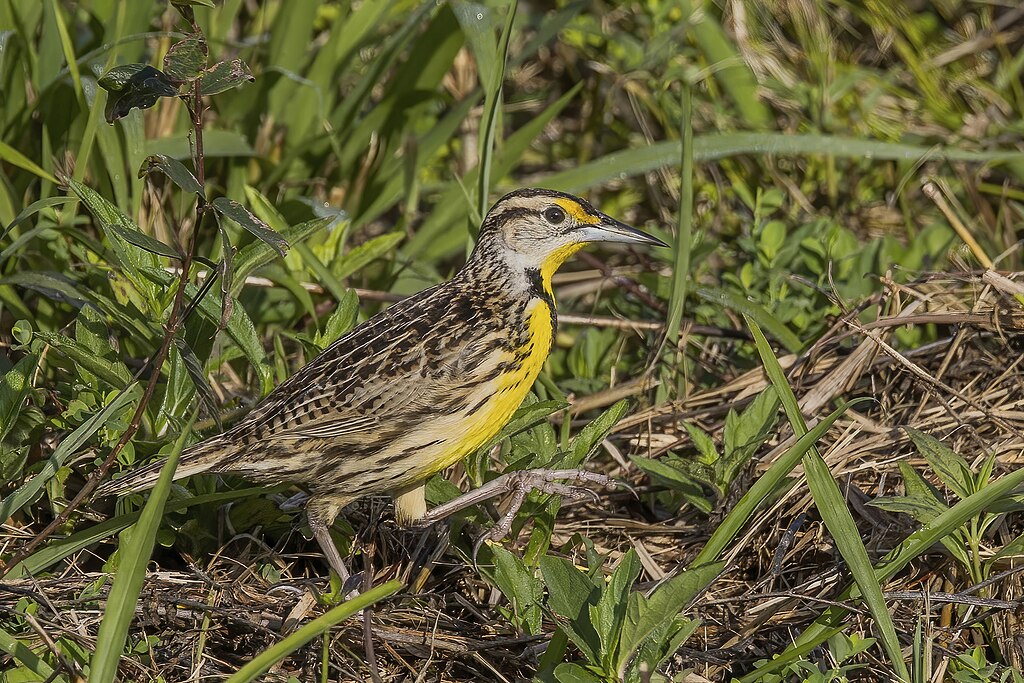
Meadowlarks were once a defining presence in open countryside, known for their bright coloring and melodic songs. In the 1970s, grasslands and lightly grazed pastures provided excellent nesting areas. As development expanded and land use changed, those open spaces disappeared. Roadside mowing and intensive farming destroyed nests before chicks could mature. While meadowlarks still exist, their numbers have dropped significantly. Hearing their song today is far less common, especially near developed or heavily farmed landscapes.
6. Large Schools of Native Freshwater Fish
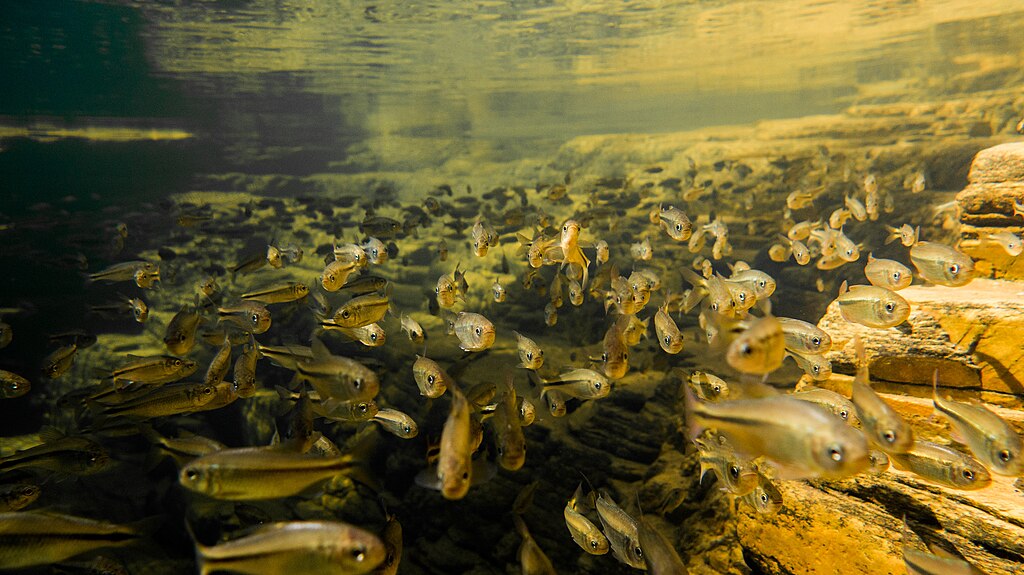
Rivers and lakes in the 1970s often held visible schools of native fish species swimming in clear water. Anglers frequently observed abundant life near shorelines. Over time, dam construction altered water flow, invasive species disrupted ecosystems, and pollution reduced water quality. Rising water temperatures also stressed sensitive species. While conservation has improved some waterways, dense schools of native fish are now uncommon in many regions. Healthy populations still exist, but sightings are far more limited than they were several decades ago.
7. Snowy Owls in Winter Fields
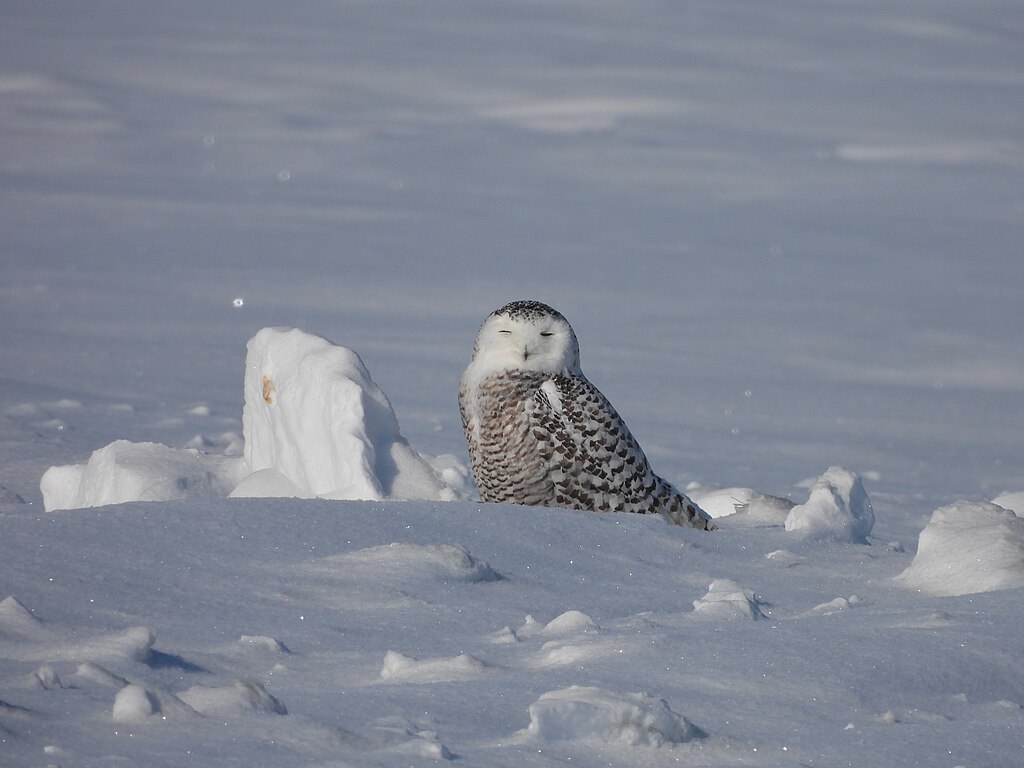
Snowy owls were more frequently spotted during winter months in the 1970s, especially during irruption years when food shortages pushed them south. Open farmland and coastal areas provided suitable hunting grounds. Changes in land use and shifting prey populations have reduced these movements. Climate patterns have also altered migration behavior. Today, snowy owl sightings draw attention and excitement, as they are considered rare events rather than seasonal occurrences in many parts of North America.
8. Frogs and Toads After Heavy Rainfall
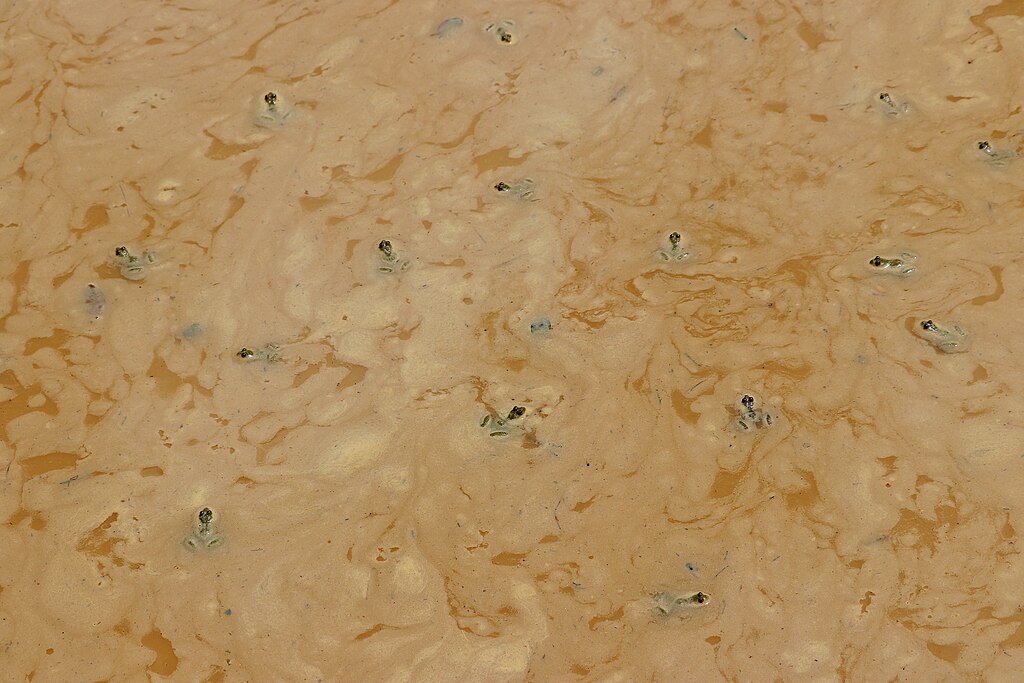
Following summer rains in the 1970s, frogs and toads often appeared in large numbers along roads, ditches, and wetlands. Their calls filled the night air, signaling healthy ecosystems. Amphibians are extremely sensitive to environmental changes. Pollution, habitat loss, disease, and climate shifts have caused severe declines. Many species have disappeared from areas where they were once common. Large post-rain gatherings are now rare, replaced by scattered sightings or complete absence in some regions.
9. Bald Eagles Near Inland Lakes
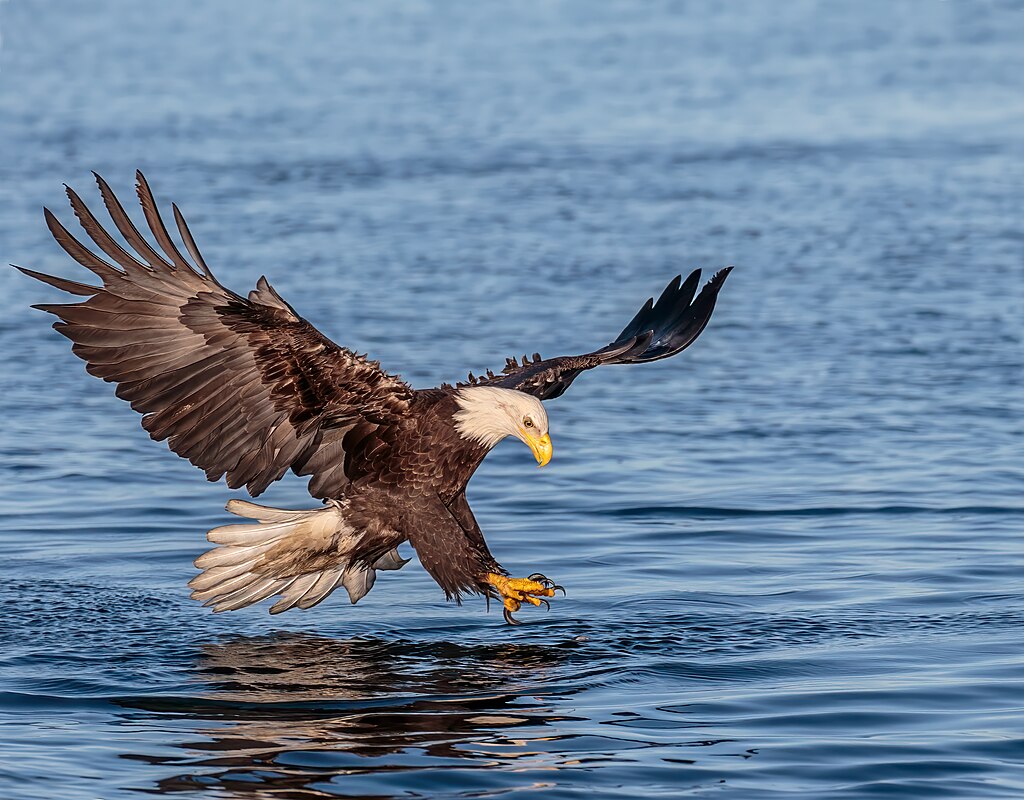
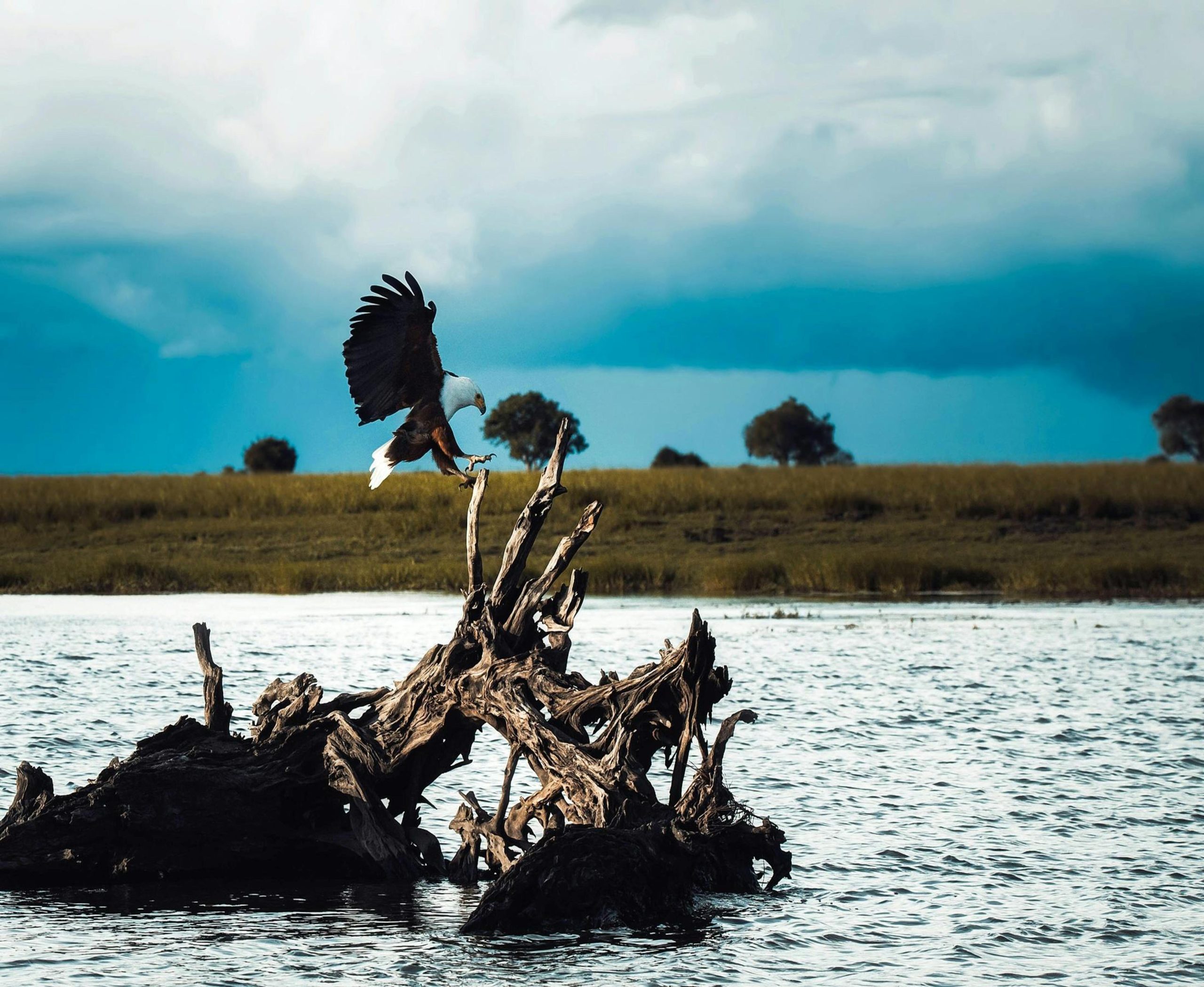
Although bald eagles declined later due to chemical contamination, they were still commonly seen near inland lakes and rivers during the early 1970s. Fishing provided ample food, and nesting sites were widespread. As pesticide effects intensified, populations crashed across much of the country. Conservation efforts later helped eagles recover, but widespread everyday sightings disappeared for years. Even today, many areas still do not see the regular eagle presence that earlier generations experienced near common waterways.
10. Large Bat Colonies Emerging at Dusk
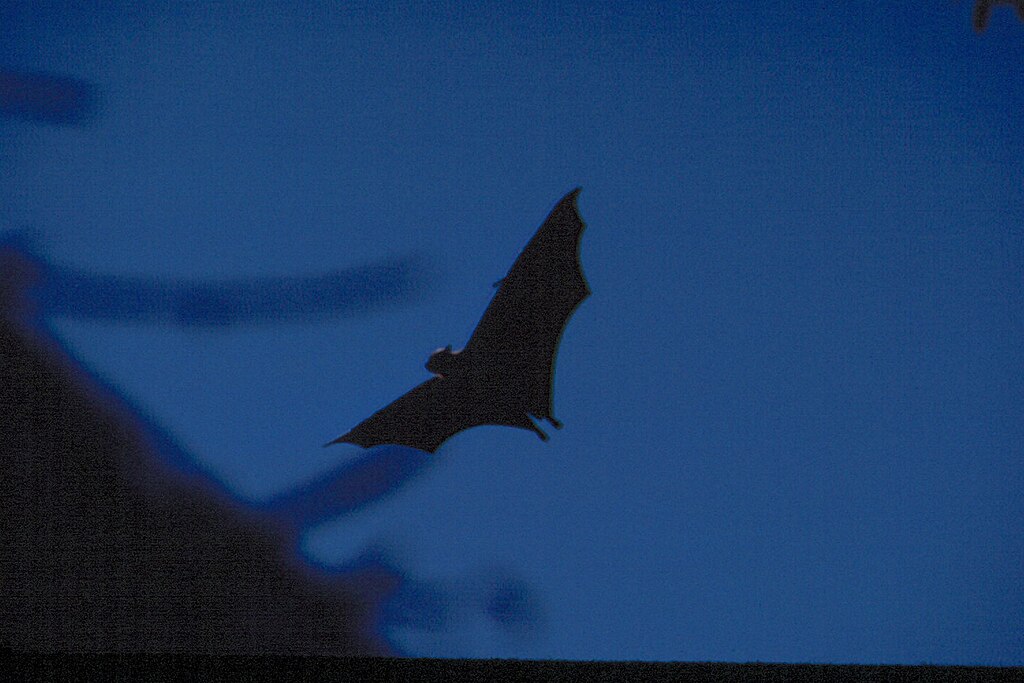
Watching large groups of bats emerge from barns, bridges, or caves at dusk was a common sight in the 1970s. These nightly flights helped control insect populations. In recent decades, white-nose syndrome, habitat loss, and wind energy expansion have severely reduced bat numbers. Entire colonies vanished in some regions. While bats still exist, massive evening emergences are far less common. Observing large numbers today is usually limited to protected sites or specific seasons.