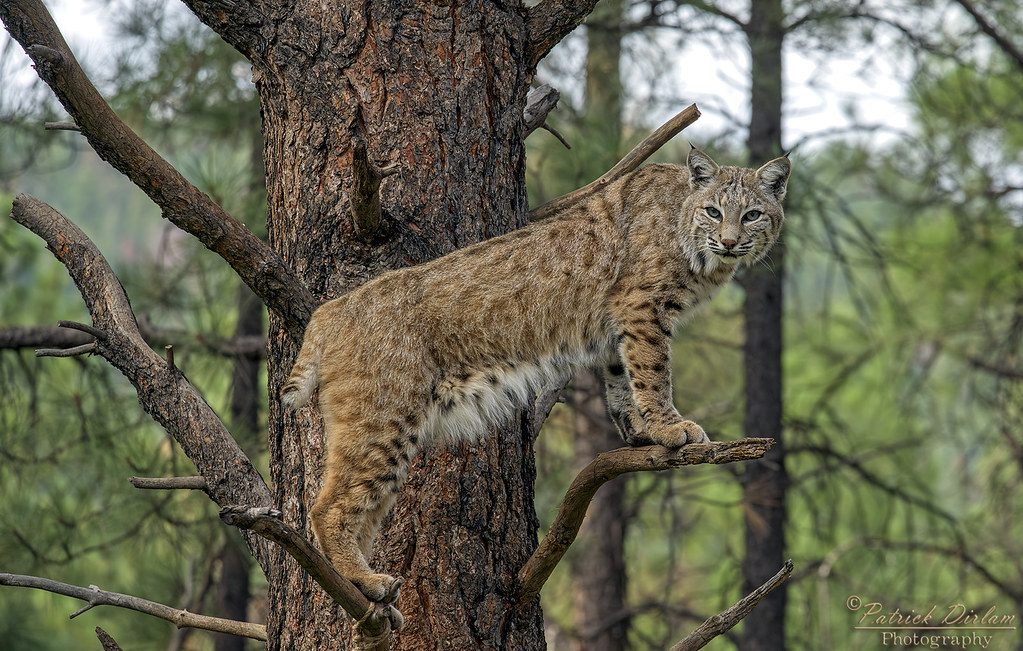
US states where 50,000 bobcats have quietly taken over offer a fascinating look at modern wildlife recovery. Environmental conservation efforts have helped these elusive felines flourish across diverse landscapes. People rarely see these nocturnal predators roaming through dense forests and suburban neighborhoods. Researchers track healthy populations expanding from coastal wetlands to rugged mountain ranges. Biologists celebrate this remarkable ecological success story as natural habitats adapt to support apex predators. Healthy ecosystems depend on stable predator populations to maintain balance among smaller mammals. Local communities now share their vast outdoor spaces with thriving wild cat communities.
Texas
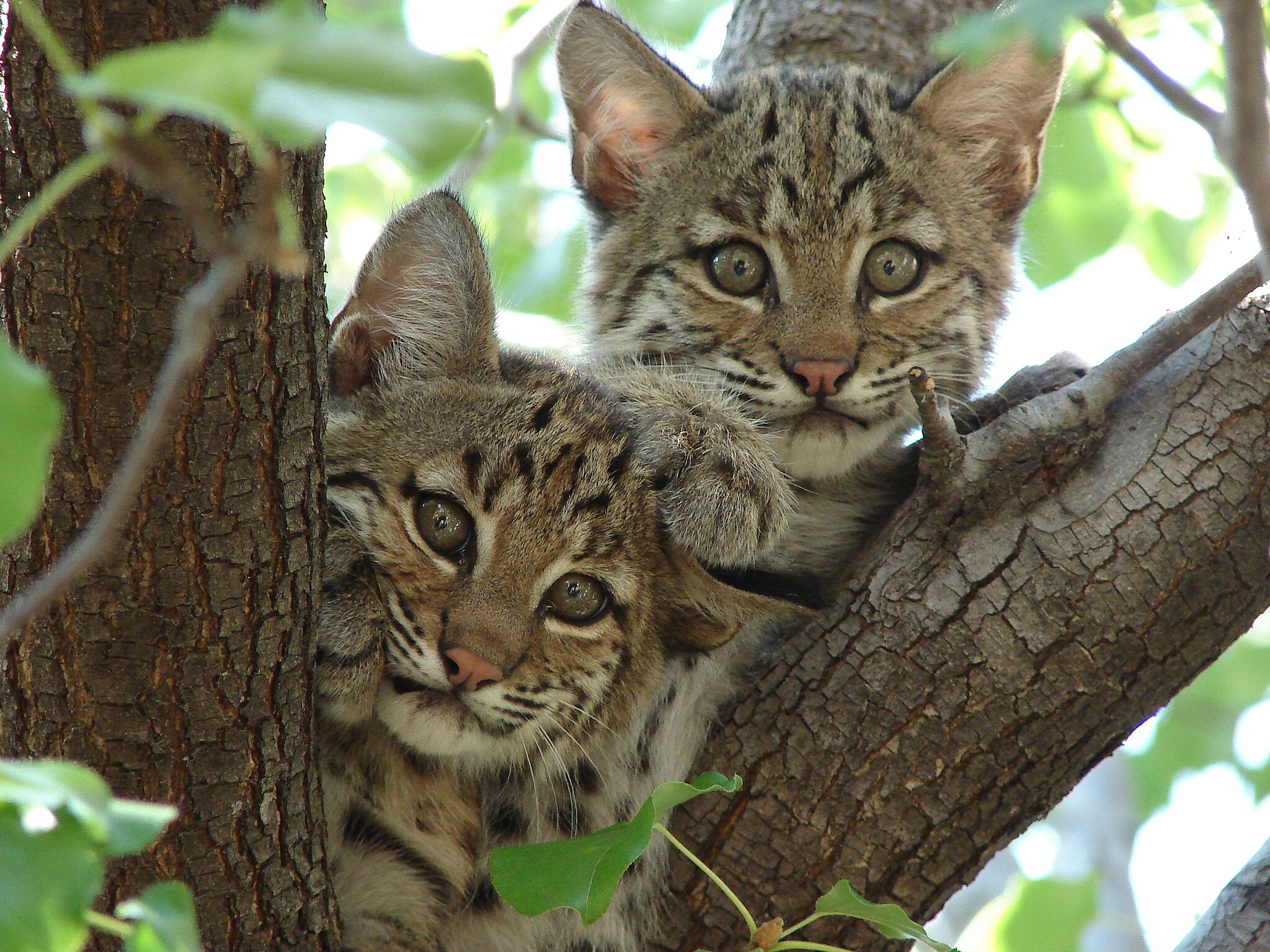
The vast wilderness of the Lone Star State provides an ideal environment for wild felines to prosper. Dense brushlands and expansive rural properties give these animals plenty of space to hunt and raise their young safely. Landowners frequently spot the distinctive spotted coats blending into the dry scrub during early morning hours. Wildlife officials estimate that thousands of these predators currently roam across the diverse Texan landscape. Abundant prey sources ensure that the population remains strong and healthy throughout the changing seasons. The state continues to balance agricultural needs with vital habitat preservation for these majestic native animals.
California
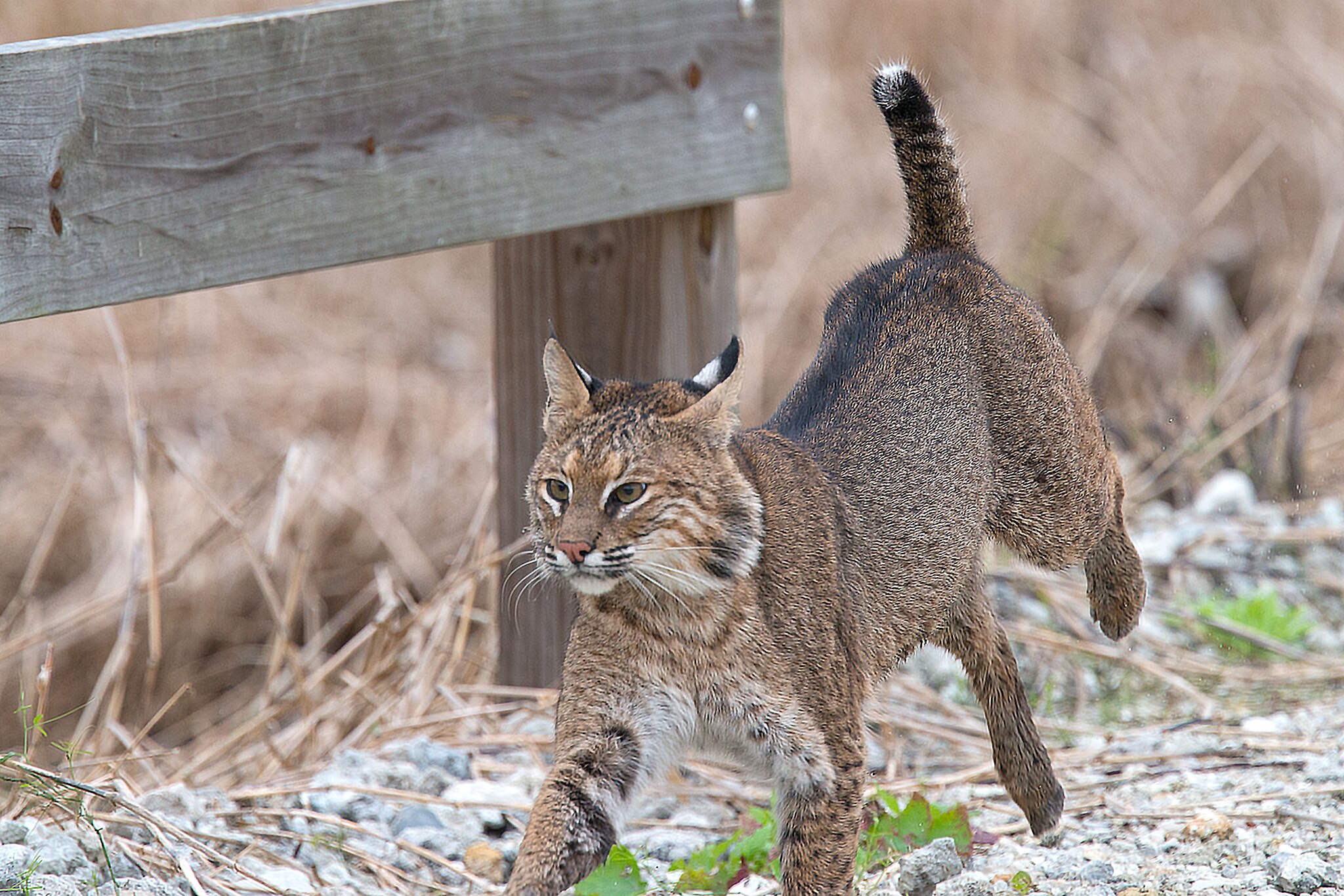
Coastal chaparral and sprawling mountain ranges create perfect hunting grounds for the growing feline population on the West Coast. Residents in suburban foothills increasingly capture video footage of the wild cats crossing backyard patios at dusk. Protected parklands offer crucial safe havens where these animals can establish large territories away from dense urban development. Conservation groups actively monitor the genetic diversity of the animals living near major highways and busy canyon roads. The mild climate allows the predators to stay active year-round while foraging for small local rodents. State protections help ensure these magnificent creatures continue thriving safely.
Florida
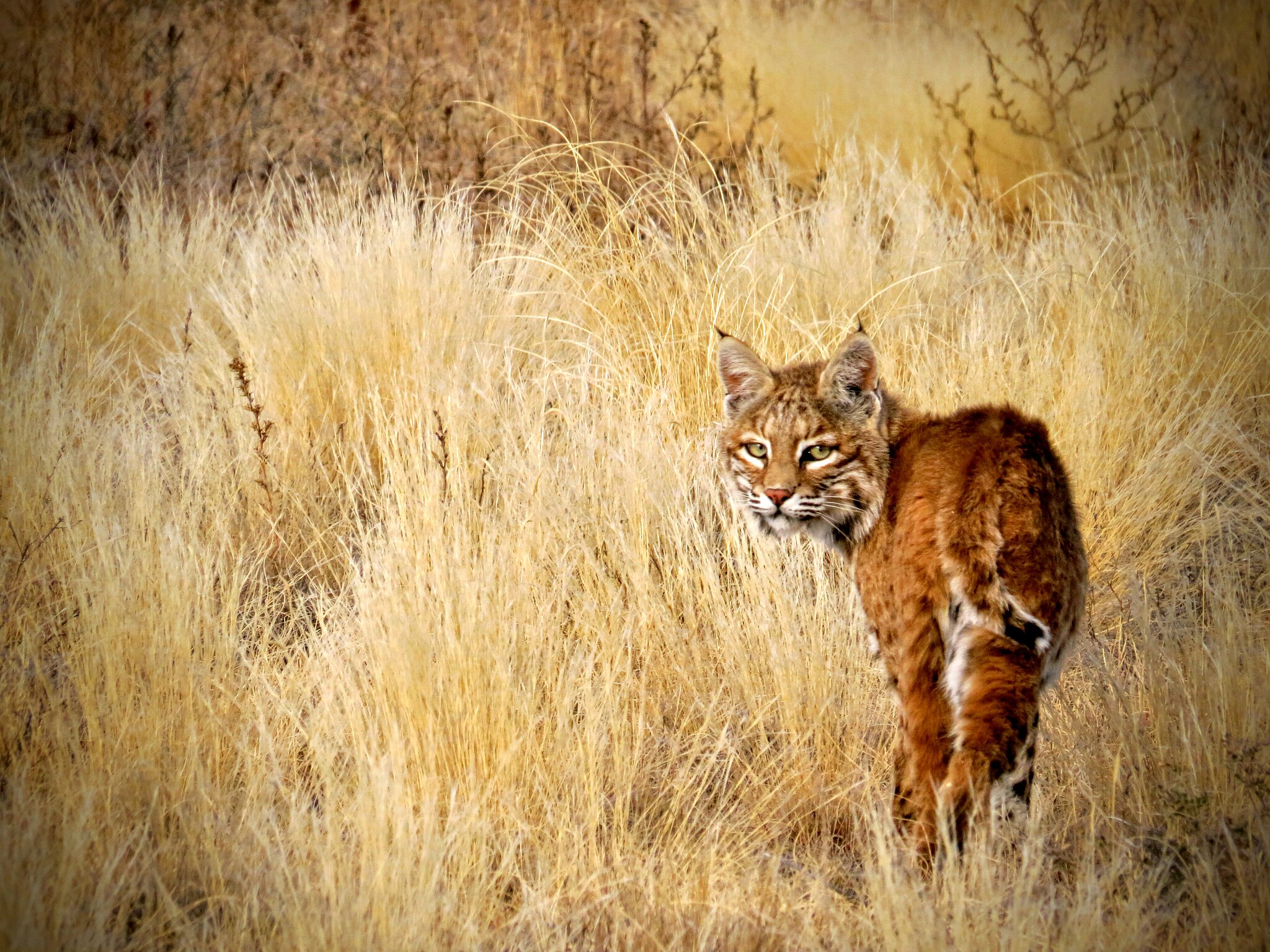
Swampy marshlands and dense subtropical forests provide exceptional cover for the elusive predators roaming across the southern peninsula. Wildlife experts frequently observe healthy adults stalking through tall sawgrass ecosystems during the early evening hours. The rich biodiversity of the Everglades offers an endless supply of small prey to support the expanding predator population. Development pushes some animals closer to residential neighborhoods, seeking new food sources and adequate shelter. Local authorities actively educate the public about sharing their lush environment with these solitary wild cats. Careful management ensures the local ecosystems remain stable and robust for future generations.
Colorado
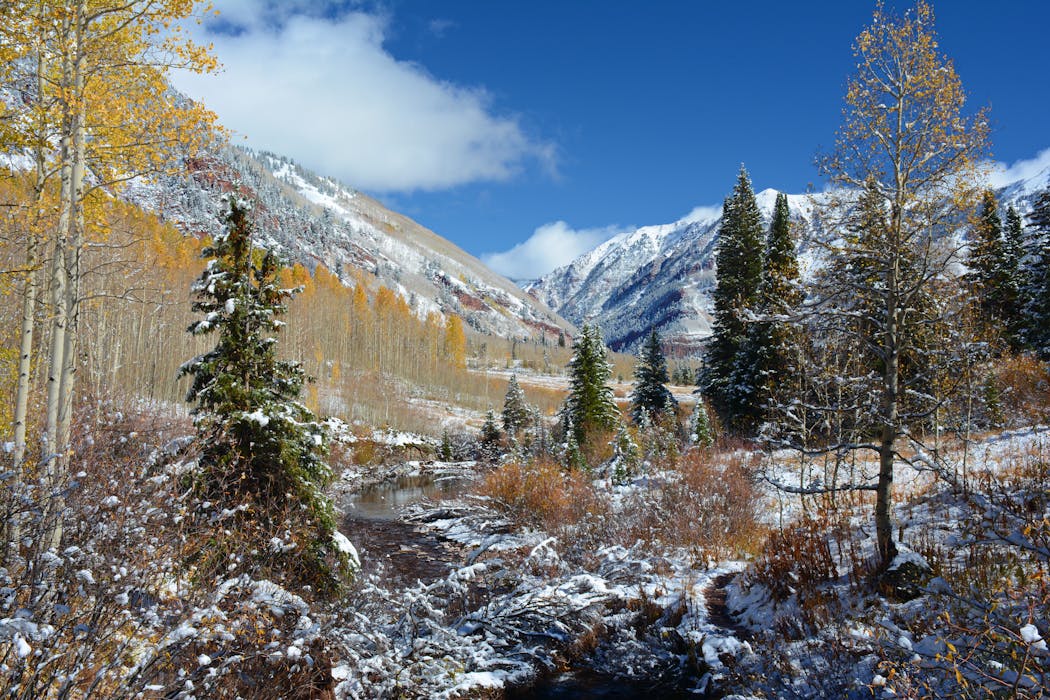
High elevation forests and rocky canyons serve as the perfect refuge for the resilient felines wandering through the majestic Rocky Mountains. Deep winter snows rarely deter these resourceful hunters from finding enough food to sustain their growing families. Nature enthusiasts often spot distinctive paw prints trailing along snowy hiking paths during the frosty winter months. The dramatic vertical terrain allows the athletic predators to ambush prey efficiently from hidden ledges above. State wildlife biologists carefully track these widespread populations to guarantee their continued health across the rugged landscape. The natural habitat provides everything necessary for the cats to thrive.
Arizona
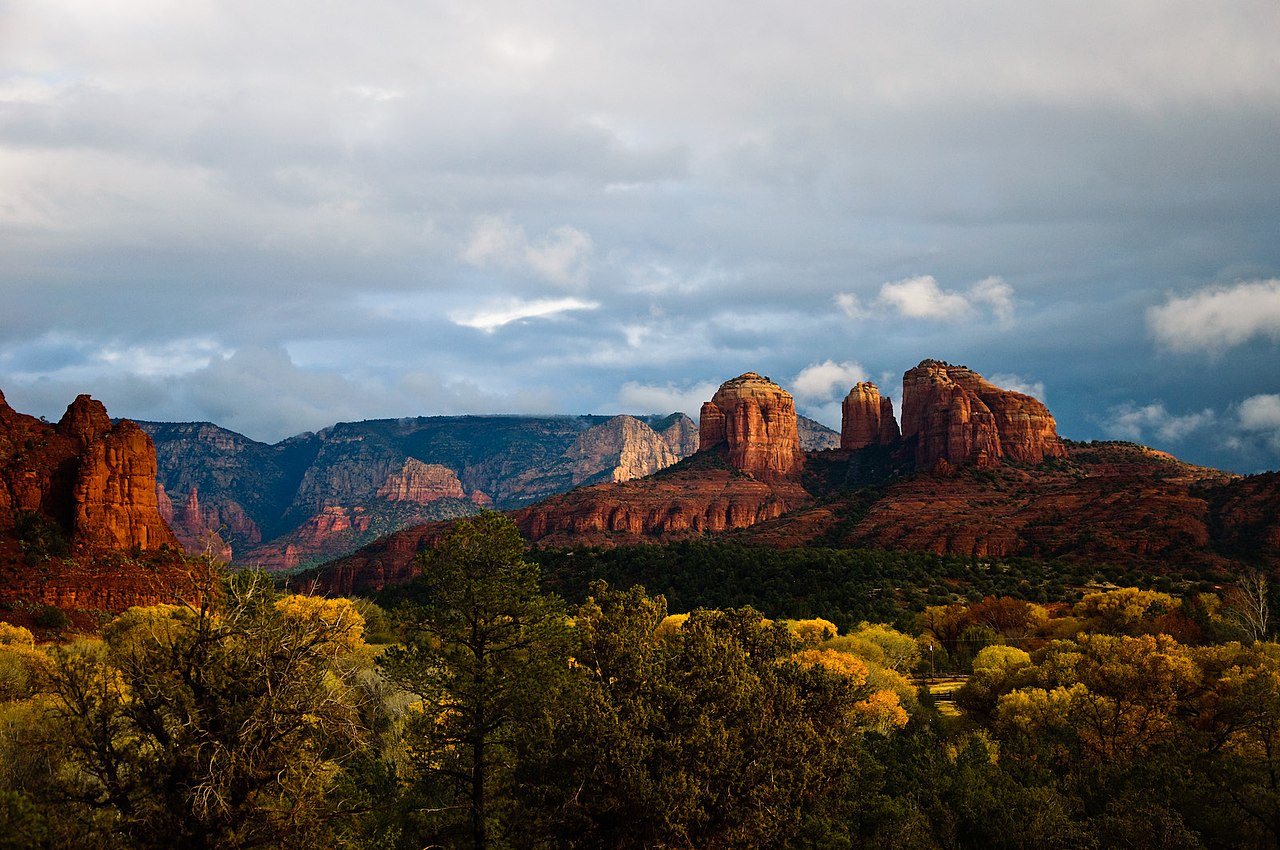
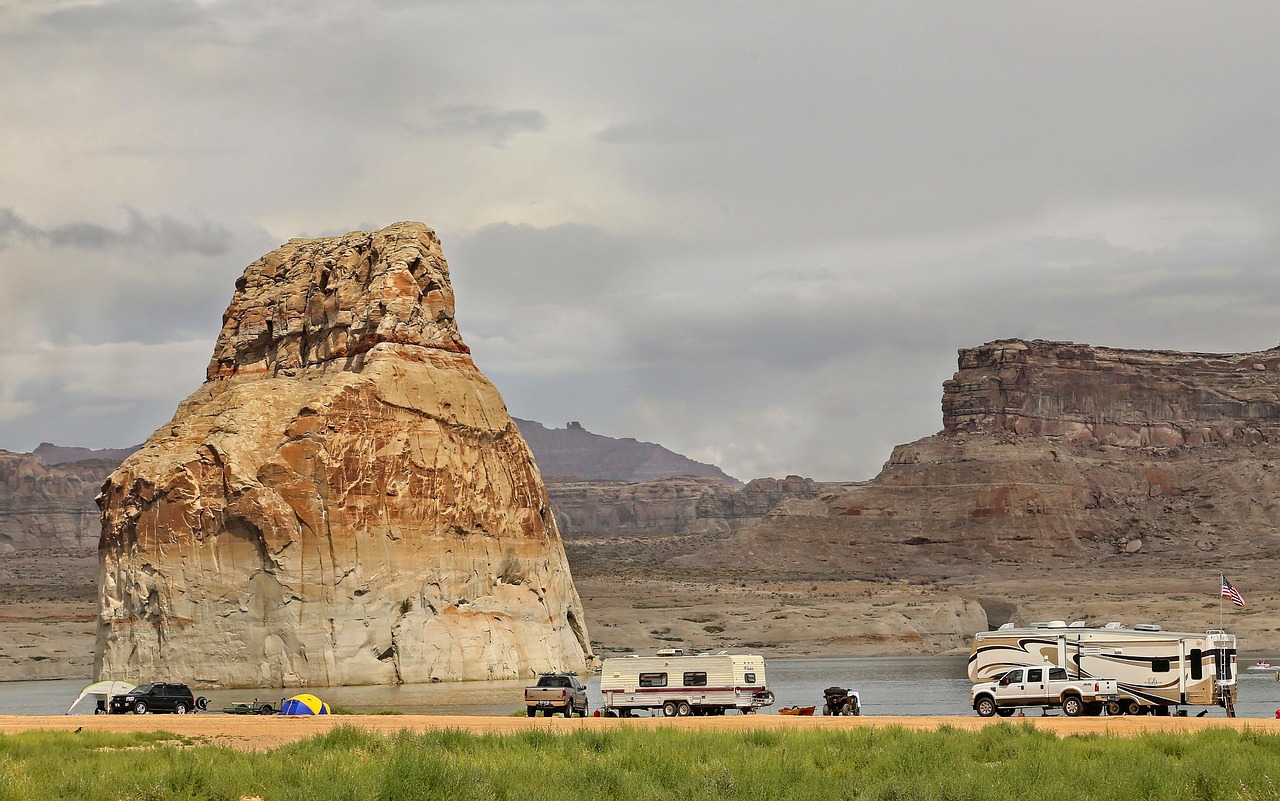
Desert valleys and towering saguaro forests shelter robust feline communities accustomed to the intense southwestern heat. The adaptable animals retreat into cool sandstone crevices to escape the punishing afternoon sun before hunting under the starry night sky. Jackrabbits and quail provide a steady diet that keeps the local predator population remarkably healthy. Ranchers and desert hikers respect the necessary distance when encountering these solitary hunters in the vast arid wilderness. Conservation efforts prioritize protecting the delicate desert ecosystems that supply vital water sources for these enduring mammals. The wild cats quietly dominate the stunning sunbaked landscape without disruption.
Oregon

Misty coastal woodlands and lush river valleys foster a deeply entrenched population of fierce hunters hidden among the towering pines. Thick vegetation offers superior camouflage for the animals seeking cover from heavy seasonal rains throughout the Pacific Northwest. Experienced wilderness photographers patiently wait in damp blinds, hoping to capture a rare glimpse of these magnificent beasts. The steady availability of small forest creatures creates an unbroken food chain that continually supports the growing numbers. Natural resource departments maintain strict observation protocols to prevent dangerous encounters near populated logging towns. The resilient cats blend seamlessly into the green wilderness.
Washington
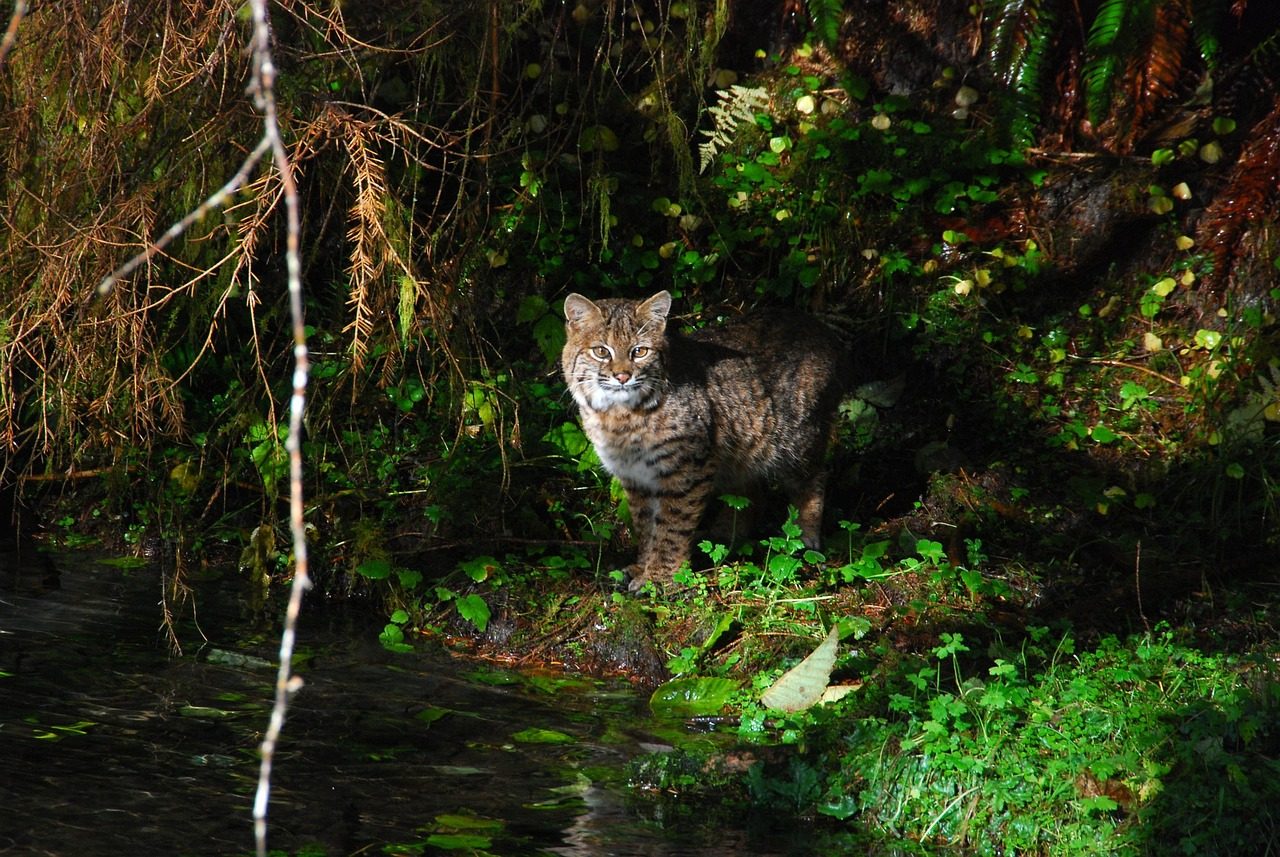
Evergreen forests dominating the beautiful northern state provide immense secluded territories for thousands of elusive wild cats. Dense canopy cover creates the ideal low-light conditions that these nocturnal animals prefer for stalking their favorite prey. Mountain streams and crystal lakes offer abundant fresh water sources to sustain the energetic felines during the dry summer months. Expanding agricultural zones occasionally bring the predators into brief contact with local farming operations bordering the deep woods. Wildlife officials work diligently alongside rural residents to promote safe coexistence strategies. The undisturbed natural spaces ensure these secretive hunters enjoy long and healthy lives.
Michigan

The expansive northern woods provide tremendous shelter for a flourishing feline society adjusting to severe midwestern winters. Heavy snowfall reveals the distinct hunting paths these animals travel while searching for small game across the frozen terrain. Vast tracts of undeveloped public land afford the quiet isolation required for the solitary creatures to raise their demanding litters safely. Local environmental agencies observe steady territorial expansion into southern counties previously devoid of the majestic predators. Responsible wildlife management enables the beautiful native species to reclaim historic hunting grounds. Communities celebrate the quiet return of these vital apex predators.
Wisconsin
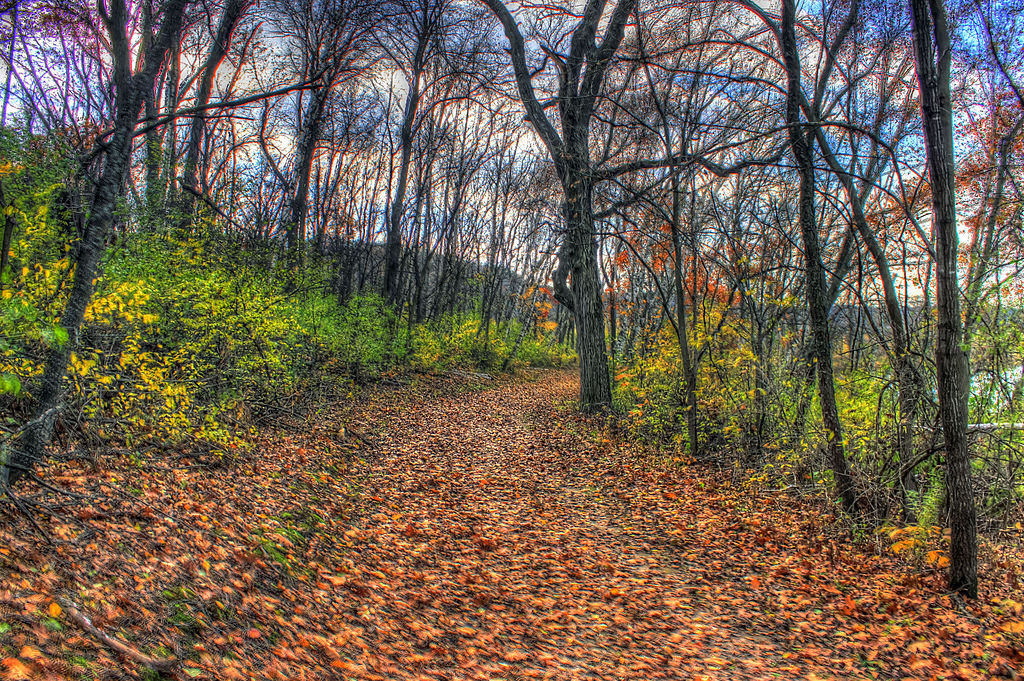
Rolling hills and dense mixed forests create an absolute paradise for the resilient wild cats stalking through the quiet midwestern landscape. The pristine lakeshores furnish endless hiding spots where the clever animals observe their surroundings completely unseen by passing hikers. Bountiful populations of wild turkeys and cottontail rabbits keep the agile hunters well fed throughout the unpredictable seasons. Rural farmers increasingly recognize the immense value these quiet neighbors provide by naturally controlling destructive rodent populations near agricultural storage facilities. The flourishing numbers clearly demonstrate how effective conservation policies directly restore natural balance to delicate local ecosystems.
Pennsylvania
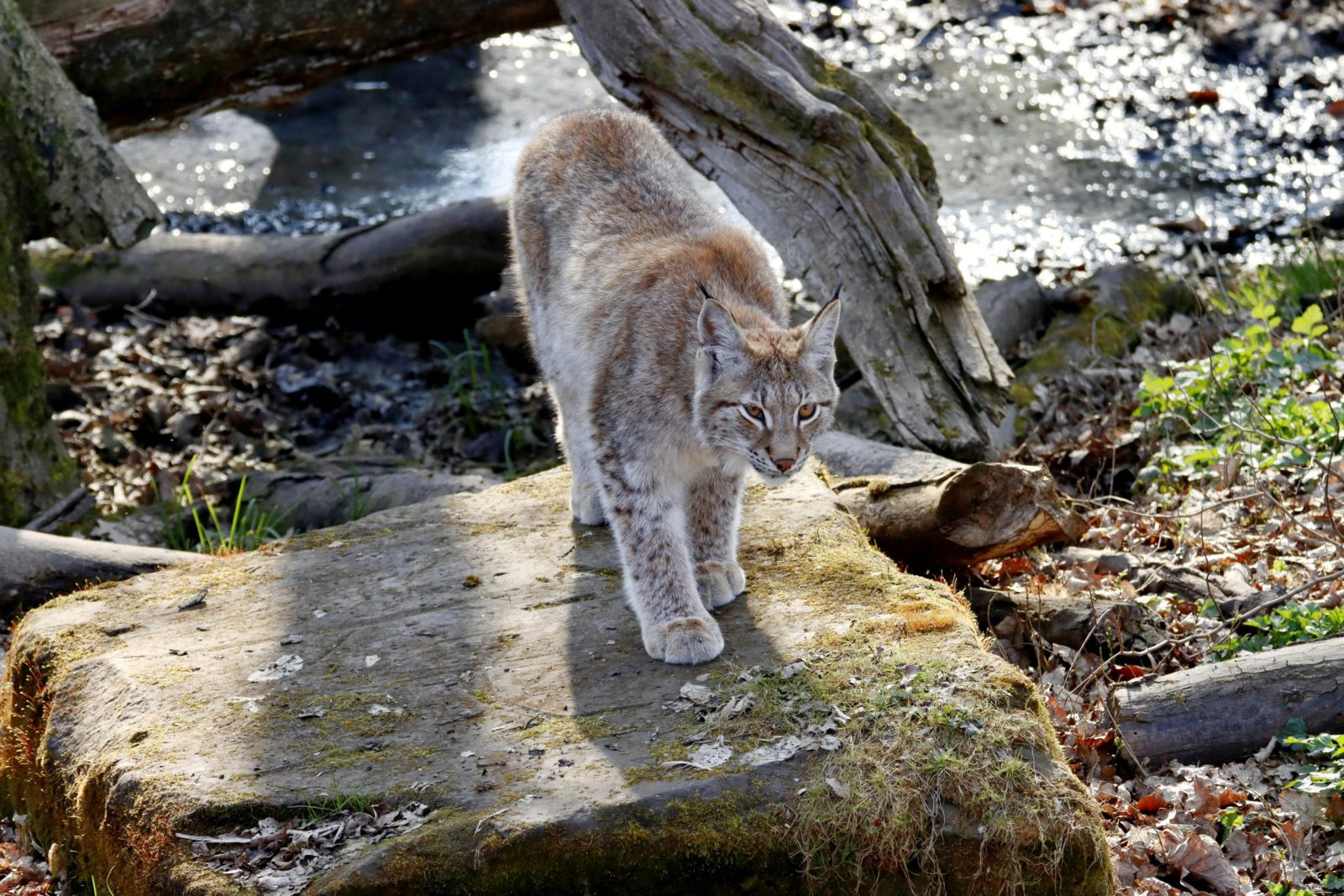
The expansive Appalachian Mountains deliver supreme forested habitats for the thriving predator communities spreading across the eastern woodlands. Deep valleys and rugged ridges present perfect tactical advantages for the stealthy hunters tracking their next meal through the thick underbrush. Trail cameras frequently photograph the beautiful felines exploring secluded state game lands long after sunset. Plentiful young deer and small woodland mammals guarantee a reliable food source that sustains the impressive regional population. Environmental protectors celebrate the steady resurgence of these spectacular native cats returning to their ancestral hunting grounds. The historic wilderness warmly embraces their triumphant return.