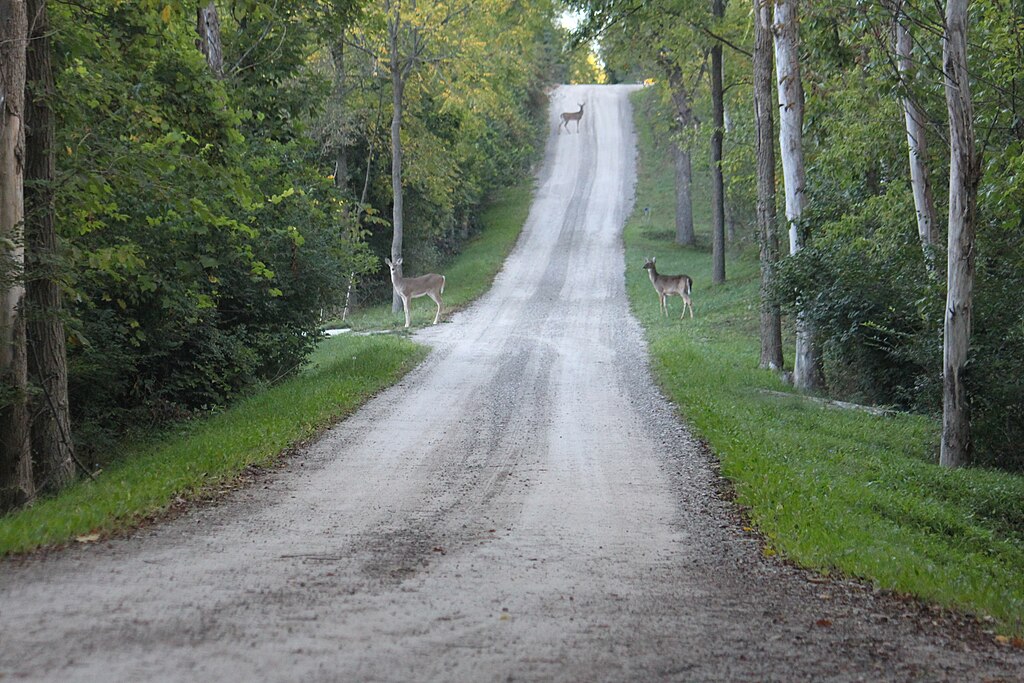
Facing a deer in your headlights is more than a scary story; it’s a real driving risk. Across the U.S., tens of thousands of drivers file claims each year after colliding with deer or other large animals. The odds of such a crash vary widely by state, depending on roads, habitat, time of year, and deer density. Below are ten states where the risk is highest, with key details every driver should know to stay safer.
1. West Virginia
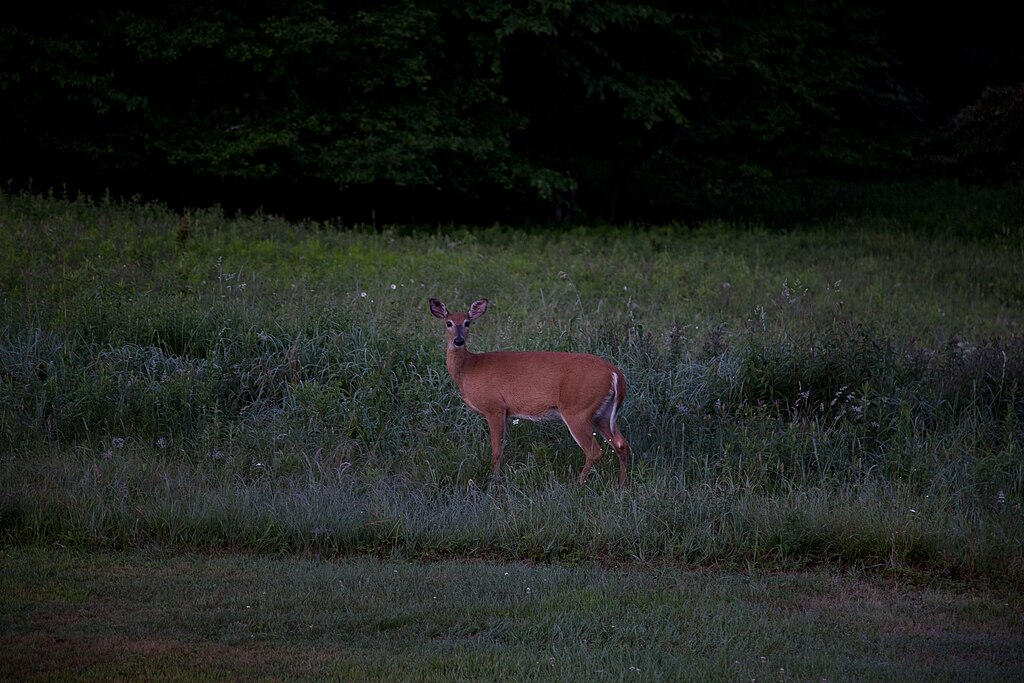
In West Virginia, the odds of an animal-related collision drop to about 1 in 40 for drivers, the highest rate in the country. The terrain is heavily forested, the roads are often winding rural two-lane paths, and deer populations are abundant. Most incidents happen at dusk or dawn when visibility drops and deer are active. Drivers should reduce speed in wooded zones, use high beams when safe, and avoid swerving or braking in the lane is the safer reflex.
2. Montana
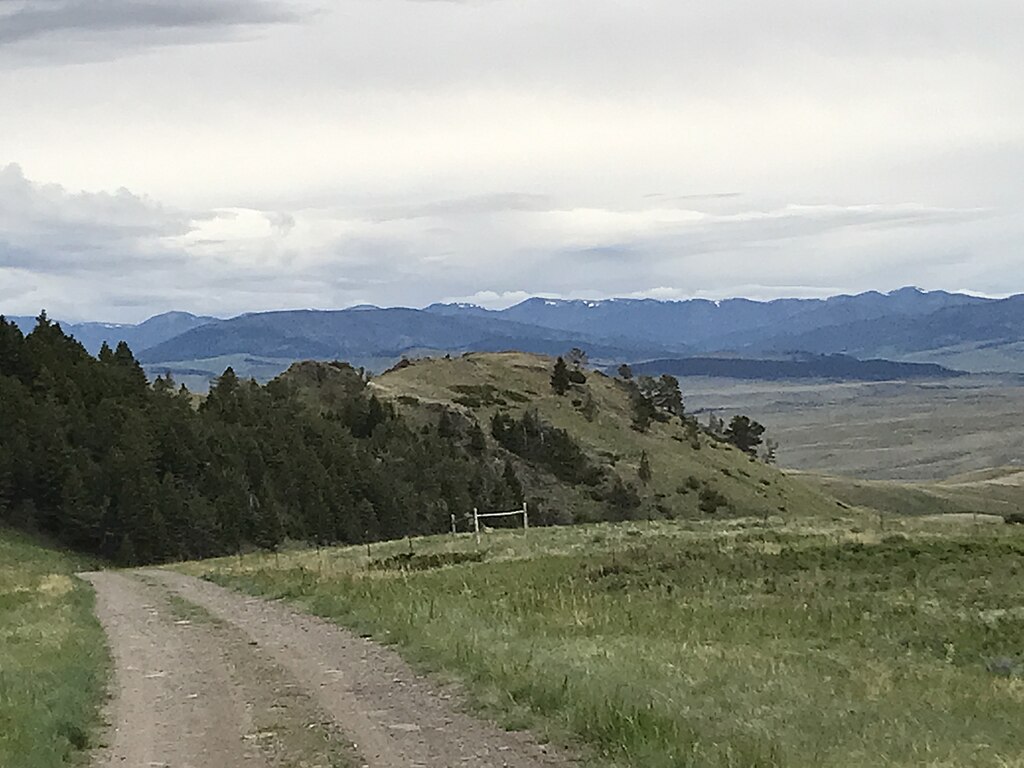
Montana’s risk stands at around 1 in 53 for hitting an animal while driving. Long stretches of unlit highway, wide open country, and migration paths for deer and elk all contribute. In the fall, the danger intensifies as deer move further. On remote two-lane roads, keep your focus on the roadside, slow down when light fades, and assume animals may cross without warning.
3. Wisconsin
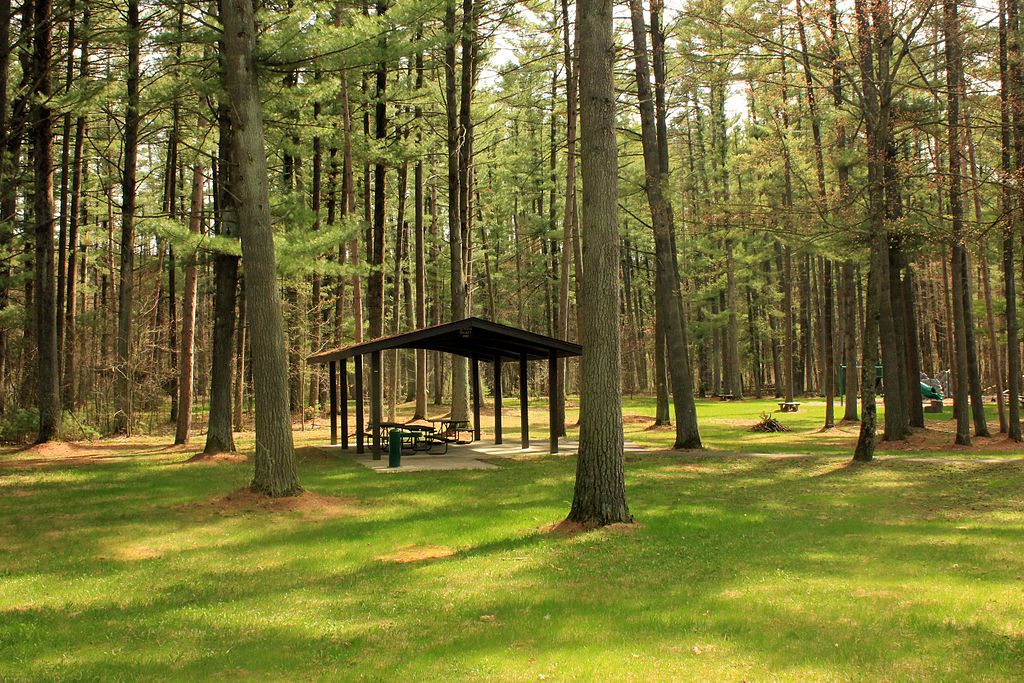
In Wisconsin, drivers face about a 1 in 58 chance of an animal collision. The state combines large deer populations with rural highways cutting through woodland and farmland. Shorter daylight hours in fall and winter worsen visibility. Look for reflective eyes at road edges and treat deer crossing signs as serious warnings. Slowing down when forests flank the road can make all the difference.
4. Michigan
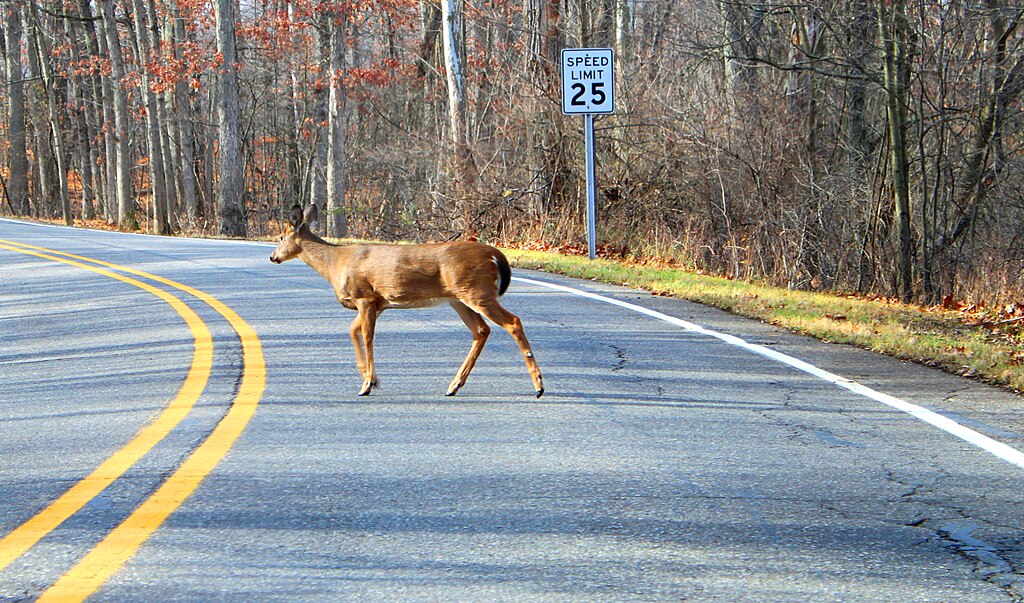
Michigan comes in near 1 in 61 for animal collisions. With many rural roads and forest edges, deer have easy access to travel corridors near traffic. Reports show tens of thousands of deer-vehicle crashes annually in Michigan. During the October-December rut season and when daylight shrinks, drivers should be especially vigilant and assume that if one deer crosses, others are likely close behind.
5. Pennsylvania
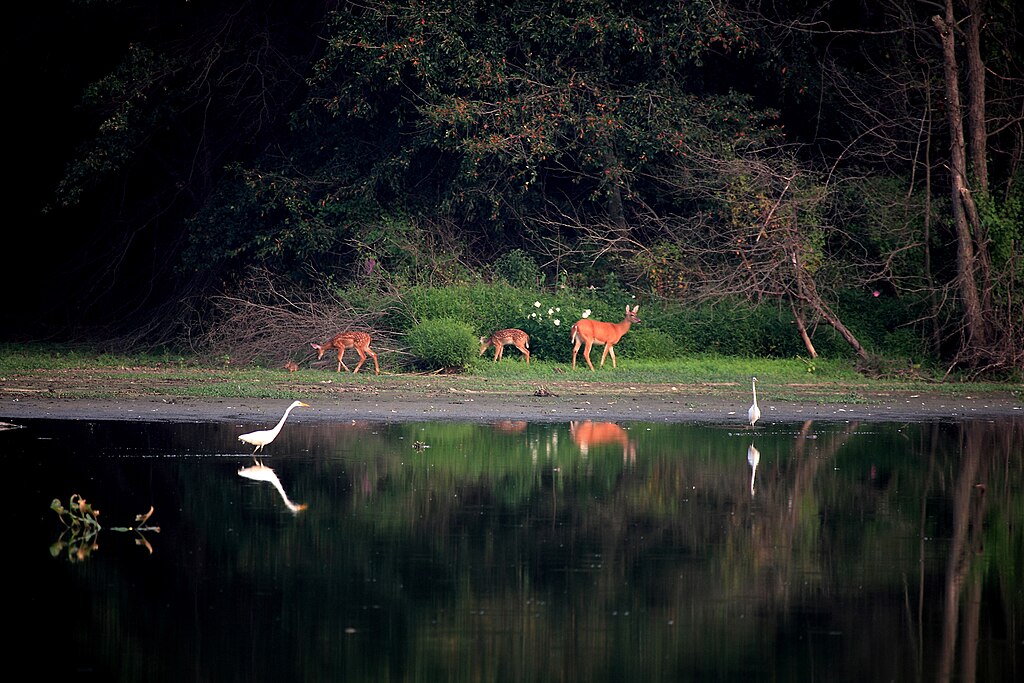
In Pennsylvania, the odds hover around 1 in 62. It has one of the highest counts of animal collision insurance claims, driven by rural roads through dense forest and a strong deer population. Drivers often face twilight or dawn hours when deer travel. The precaution: don’t rely solely on road signs, slow down in forest border roads, give yourself extra reaction time, and avoid knee-jerk swerves.
6. South Dakota
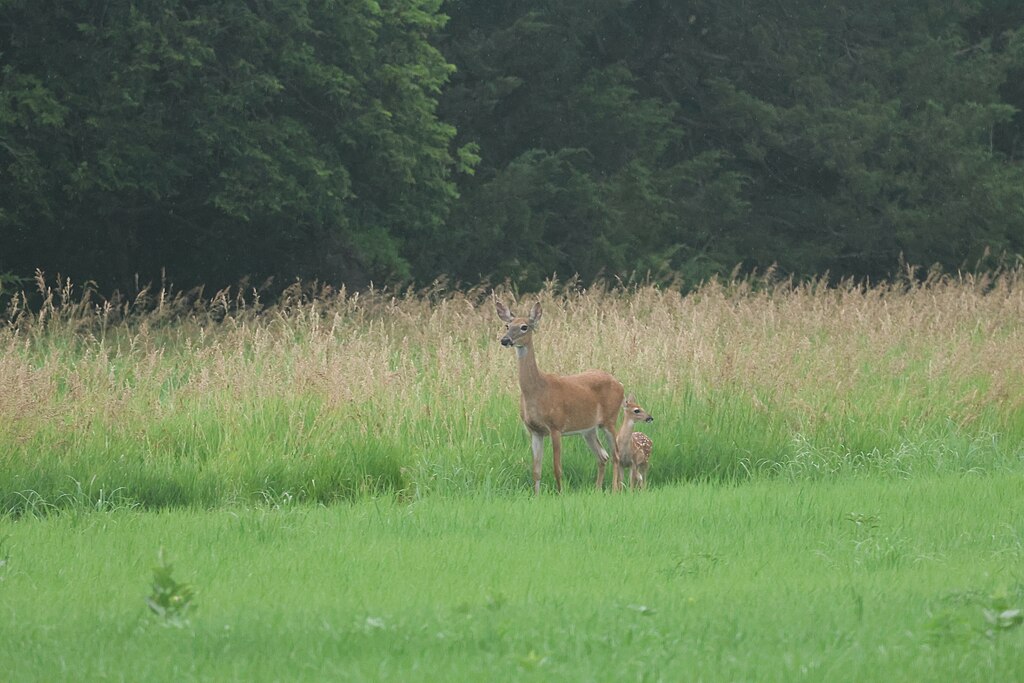
South Dakota’s figures show approximately a 1 in 73 chance of an animal collision. Sparse lighting, long rural stretches, and prairie terrain make deer crossings more common. When roads slice through field edges or timbered zones, be alert, especially at dawn/dusk. Maintaining a safe following distance and reacting calmly rather than abruptly swerving keeps you in control when a deer appears unexpectedly.
7. Iowa
Drivers in Iowa face around a 1 in 76 risk. With extensive rural roads, agricultural fields adjacent to forest patches, and a good deer population, unexpected crossings are common. Particularly during the mating season and harvest period, deer move more. If you spot one deer by the roadside, assume others may follow. Slow down pre-emptively and keep scanning the edges of the road as far ahead as you can.
8. Mississippi
In Mississippi, the odds reach about 1 in 77. Wooded highways and rural backroads mean deer remain a real hazard even in a state some may not expect high on the list. Dawn and dusk remain the highest risk times. Drivers should moderate speed in forest edge zones, keep headlights in good shape, and avoid distractions when one deer enters the road; reaction time is your best defense.
9. Wyoming
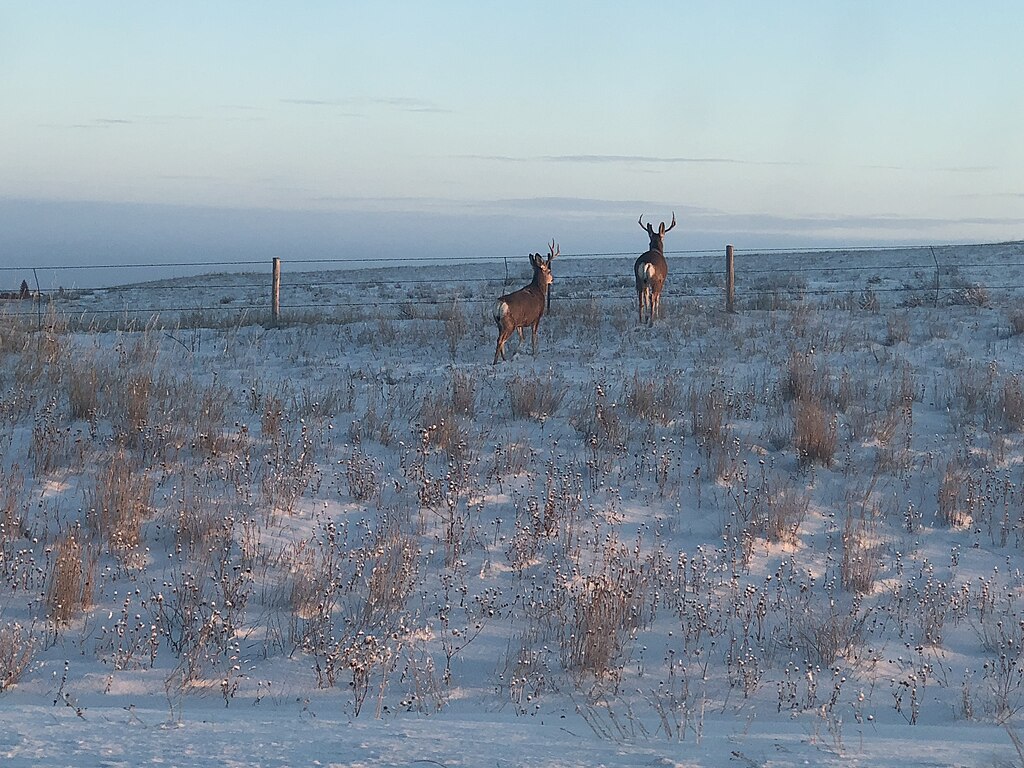
Wyoming’s risk is around 1 in 82. Open terrain, long rural drives, and wildlife corridors make animals more likely to cross. In winter, limited daylight and snow-covered roadside vegetation can hide deer until the last second. Make sure your lights are bright, stay focused, especially in low-light hours, and assume animals can appear near field/wood transitions with little warning.
10. Virginia
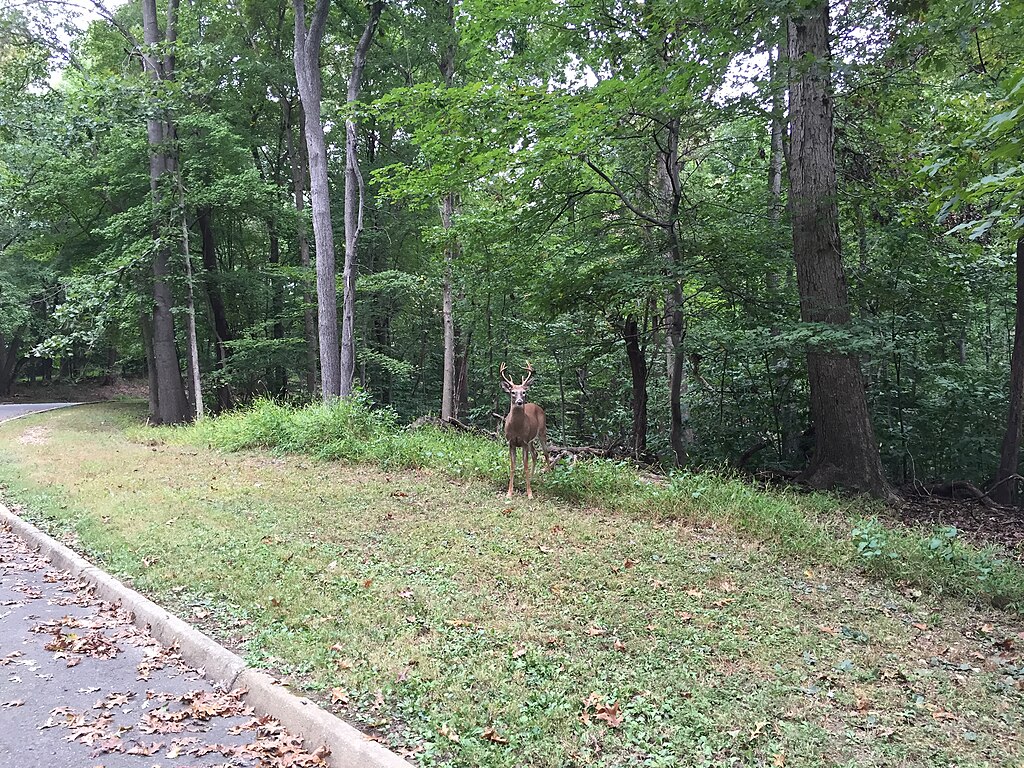
Virginia also clocks in at about 1 in 82. Although more populated areas exist, many secondary roads traverse forested or semi-rural terrain where deer are active. The Blue Ridge and woodland fringe zones see frequent crossings at dawn and dusk. On dark curves, reduce speed, focus on roadside shadows, and keep a safe cushion behind other vehicles in case sudden braking is needed.