Fall tourism data from sources like the National Park Service, state tourism boards, and U.S. Census Bureau visitation statistics show that some destinations remain significantly less crowded in autumn compared to major hotspots like New England’s leaf-peeping corridors or national park gateways. These under-the-radar U.S. towns and regions offer striking foliage, cultural attractions, and outdoor recreation—without the heavy visitor traffic that plagues popular fall hubs.
Scenic Mountain Escape: Blairsville, Georgia
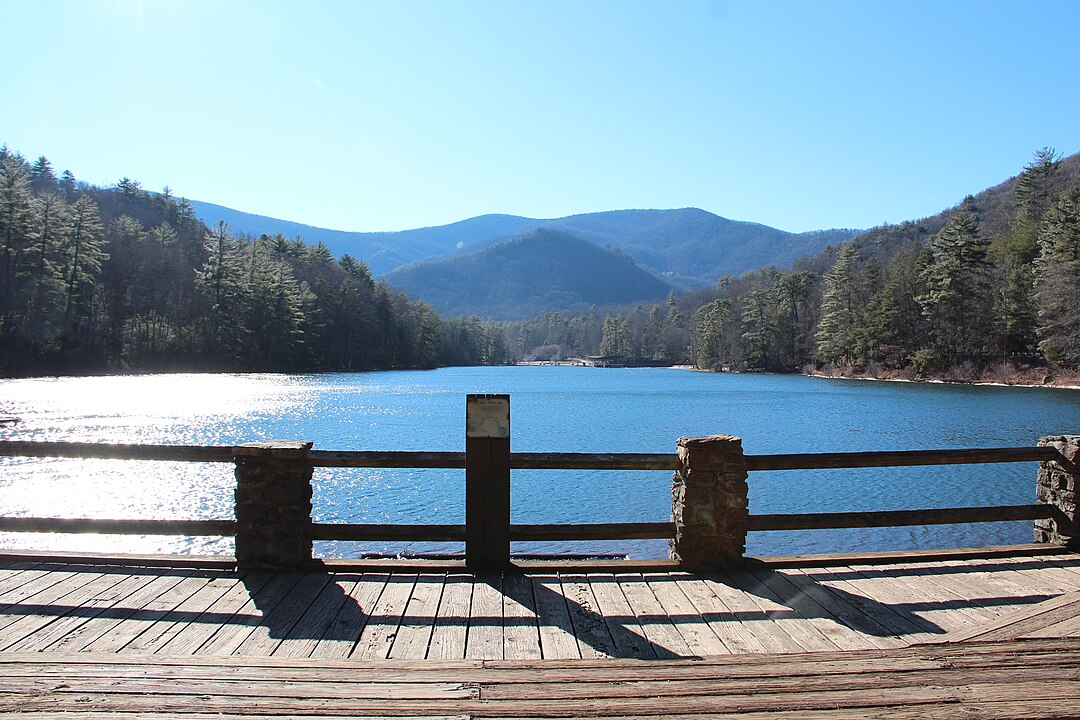
Located in Union County, Blairsville receives just over 4,000 residents and far fewer tourists than nearby Blue Ridge. Nestled in the North Georgia Mountains, it provides access to Vogel State Park, one of Georgia’s oldest, where more than 17 miles of trails offer leaf-viewing opportunities at elevations above 2,800 feet. The area’s highest point, Brasstown Bald (4,784 feet), often peaks in late October with panoramic fall colors and visitor counts below those in Smoky Mountain areas.
High-Altitude Colors: Breckenridge, Colorado
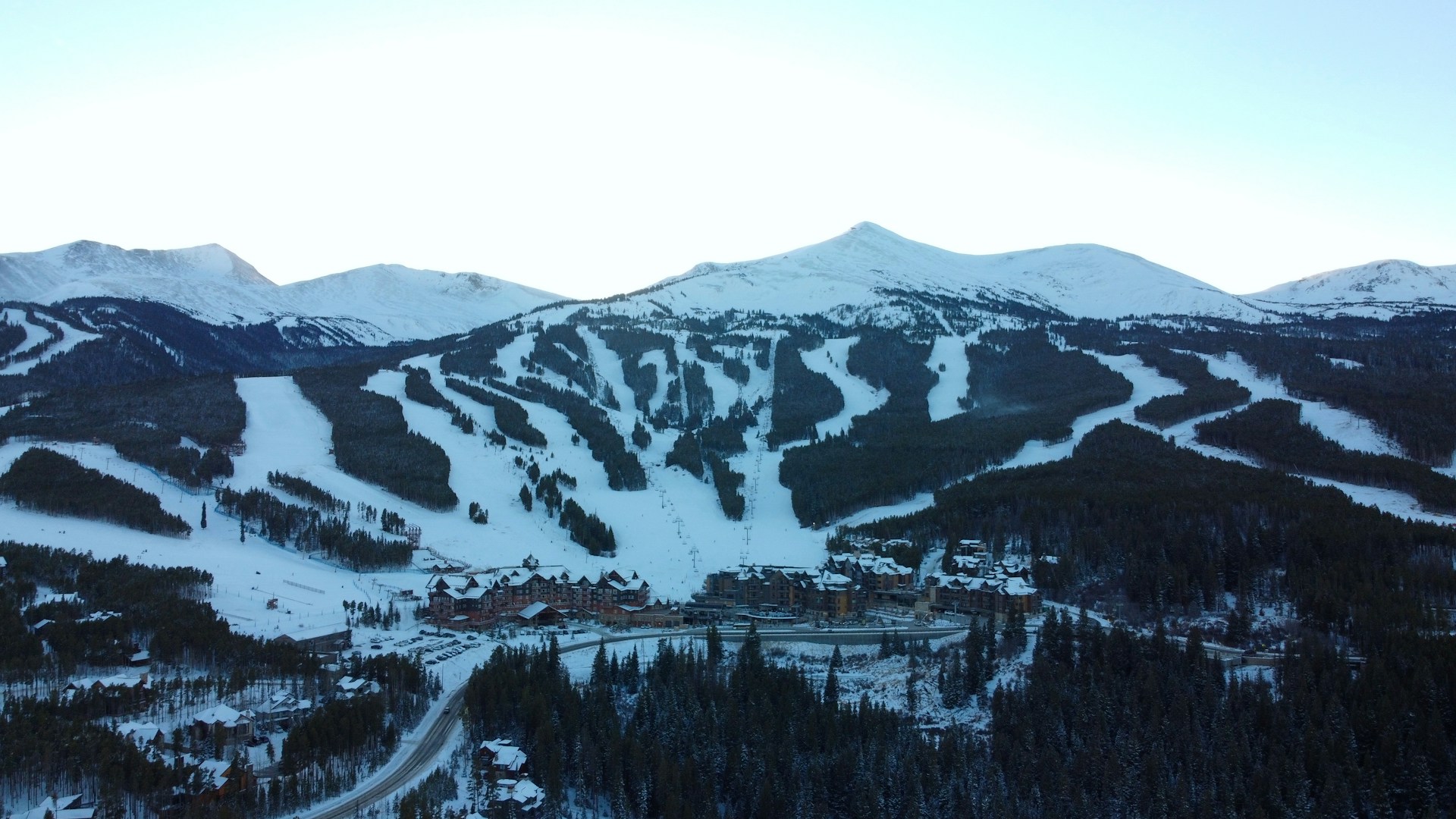
While Breckenridge attracts over 1.5 million annual visitors in winter, fall visitation is far lower, averaging a 30–40% decrease according to Summit County tourism reports. By mid-September, its aspen groves at 9,600 feet put on one of Colorado’s brightest golden-yellow displays. Scenic drives like Boreas Pass Road remain open until snowfall, with fewer vehicles than summer’s high-traffic Independence Pass. Off-season lodging discounts also make this mountain town a budget-friendly, less crowded autumn stop.
Gateway to the Smokies: Bryson City, North Carolina
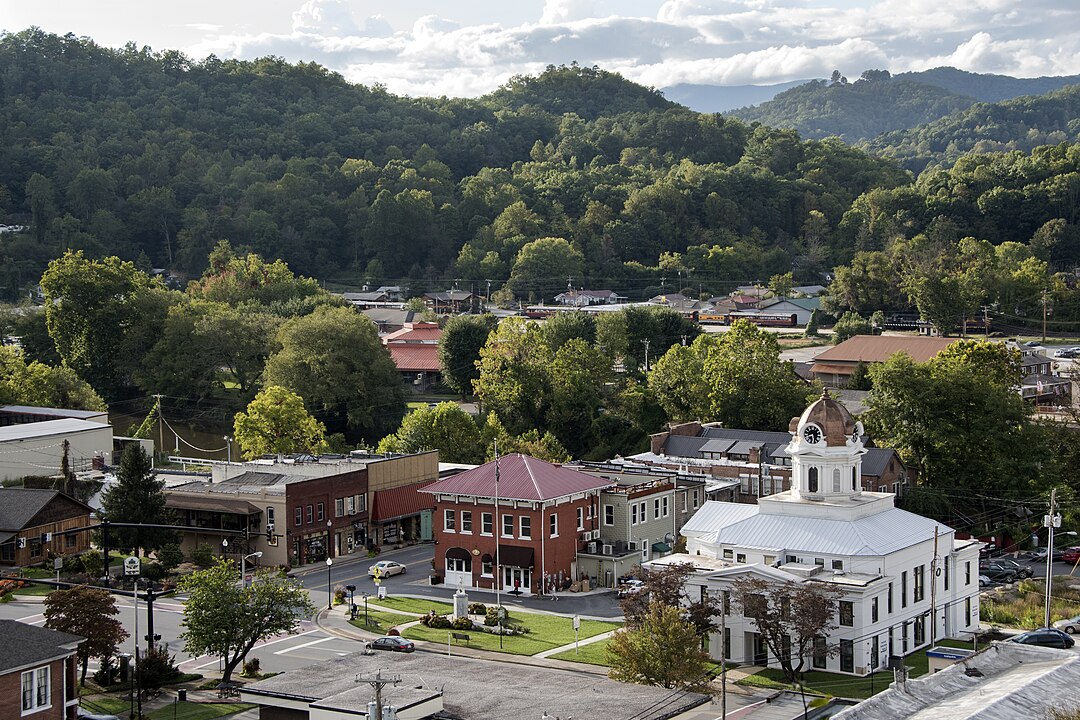
Unlike nearby Gatlinburg, which sees more than 12 million annual Great Smoky Mountains visitors, Bryson City averages under 1,700 residents and far lighter traffic. The Great Smoky Mountains Railroad, running 44 miles through fall foliage along the Nantahala Gorge, draws a fraction of the tourist load compared to the park’s most visited roads. October also offers uncrowded fly-fishing on the Tuckasegee River, one of North Carolina’s top trout streams stocked with over 50,000 fish annually.
Wine Country Foliage: Finger Lakes Region, New York
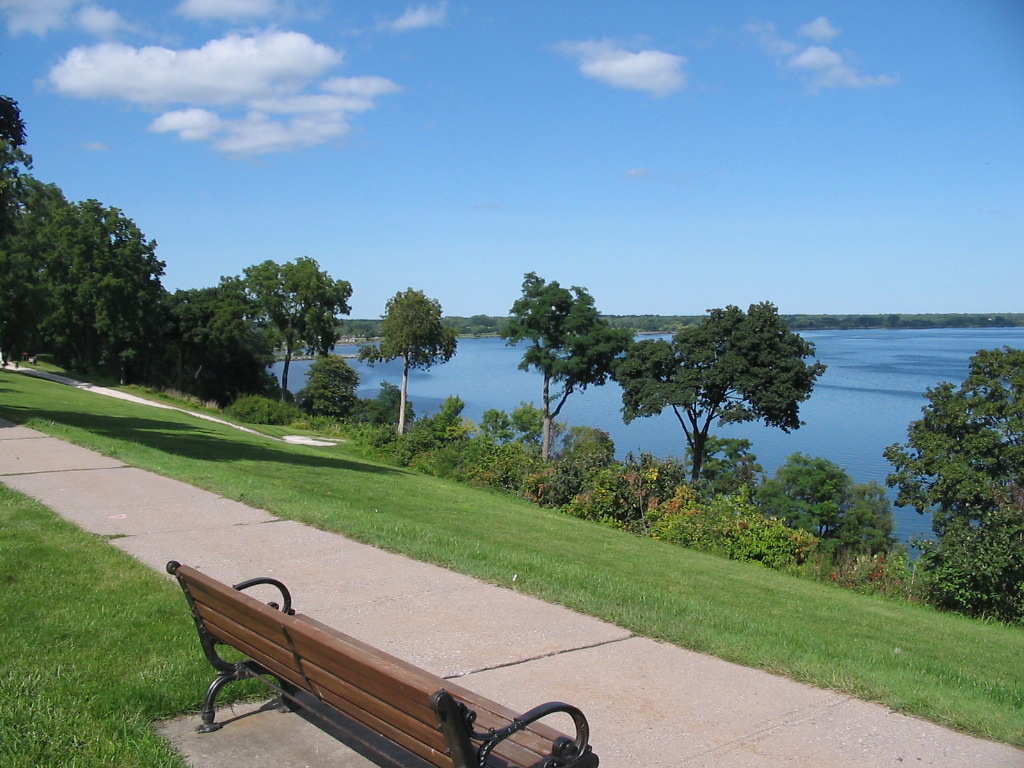
The Finger Lakes draw roughly 5 million annual visitors—far fewer than New York City’s 60 million—but its 11 lakes and 120+ wineries spread visitors widely. Keuka Lake and Seneca Lake wine trails are especially appealing in fall, with harvest festivals held in October. Average lake elevations around 700 feet extend peak foliage season into mid-October. Cornell’s Arnot Forest reports maple and oak dominance, ensuring vibrant colors while avoiding the crowds typical of New England’s highways.
Northern Arizona Colors: Flagstaff, Arizona
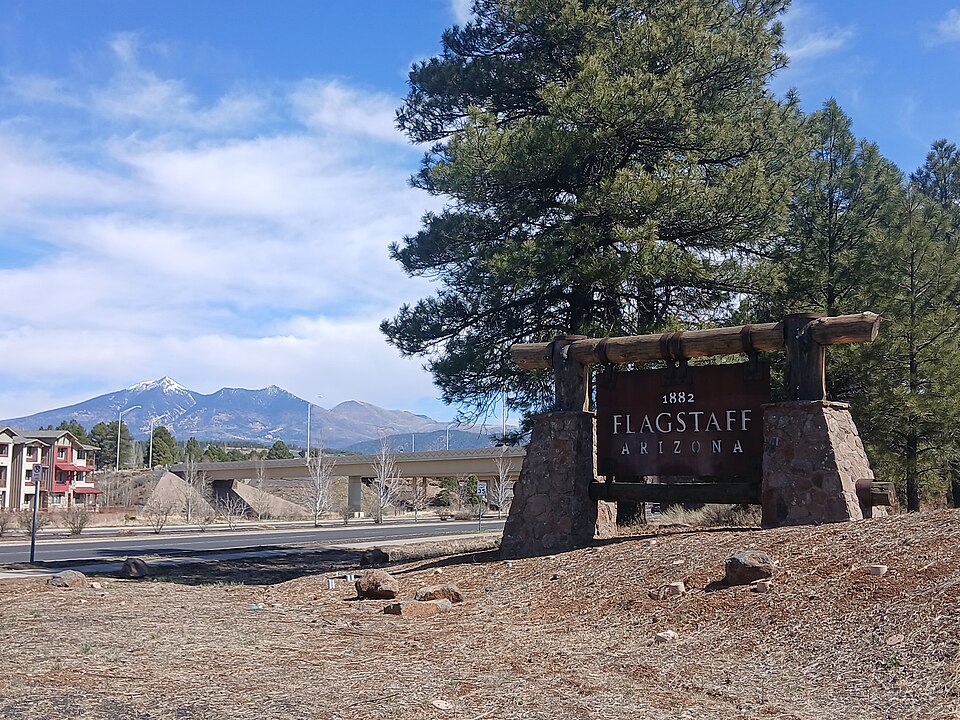
At 7,000 feet, Flagstaff experiences one of the Southwest’s earliest and most striking fall transitions, often peaking by late September. The Arizona Office of Tourism notes fall visitation here is less than half of Grand Canyon National Park’s 4.7 million annual visitors. Aspen stands on the San Francisco Peaks glow golden, particularly along the 2.5-mile Aspen Nature Loop. Lowell Observatory and Route 66 attractions provide additional low-crowd fall activities beyond foliage viewing.
Music and Heritage Charm: Franklin, Tennessee
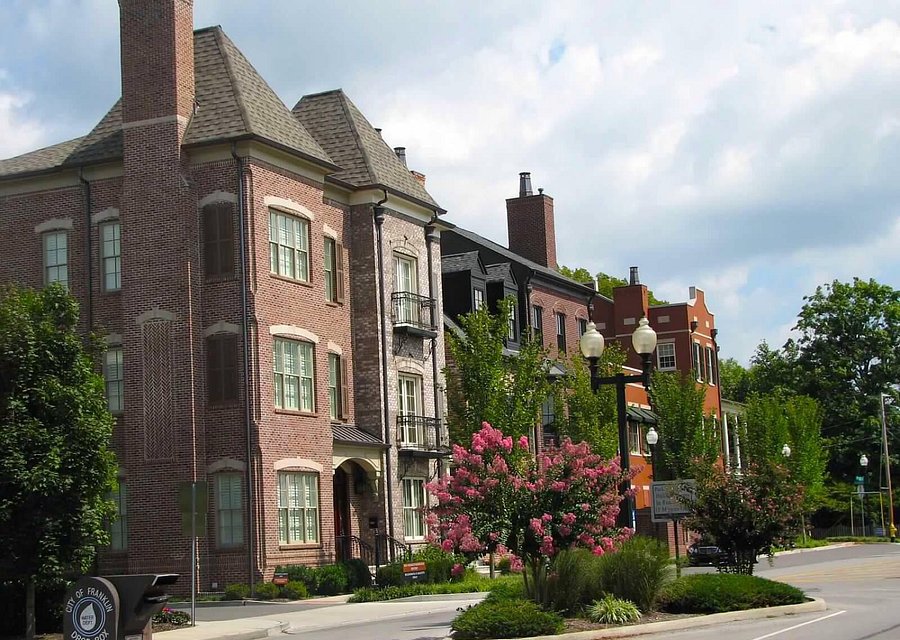
Franklin, 21 miles south of Nashville, offers Civil War history and small-town character with only 85,000 residents compared to Nashville’s 14 million annual tourists. Its fall events, including the Main Street PumpkinFest (attracting about 65,000 visitors in a single day, far below Nashville’s festival turnouts), highlight local culture without overwhelming crowds. The Natchez Trace Parkway provides scenic fall drives, averaging daily traffic counts of under 10,000 vehicles compared to major interstates.
Bavarian Colors: Frankenmuth, Michigan
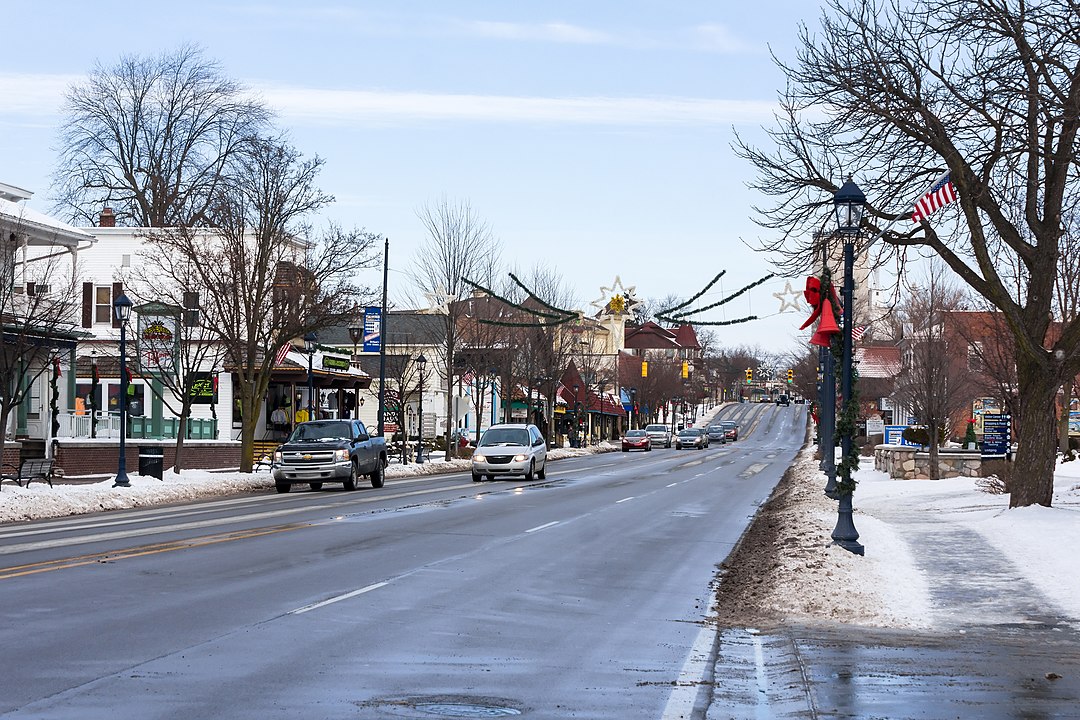
Frankenmuth, population 5,400, is best known for its Bavarian heritage and Bronner’s Christmas Wonderland, yet it avoids peak fall congestion seen in Michigan’s Upper Peninsula. The Cass River and Heritage Park trails offer fall foliage viewing, while Oktoberfest (the first outside Germany sanctioned by Munich) draws thousands but remains manageable compared to Ann Arbor or Detroit festivals. Michigan tourism data shows peak foliage in this region typically occurs late September to mid-October, extending its seasonal appeal.
Rolling Hills Retreat: Laurel Highlands, Pennsylvania
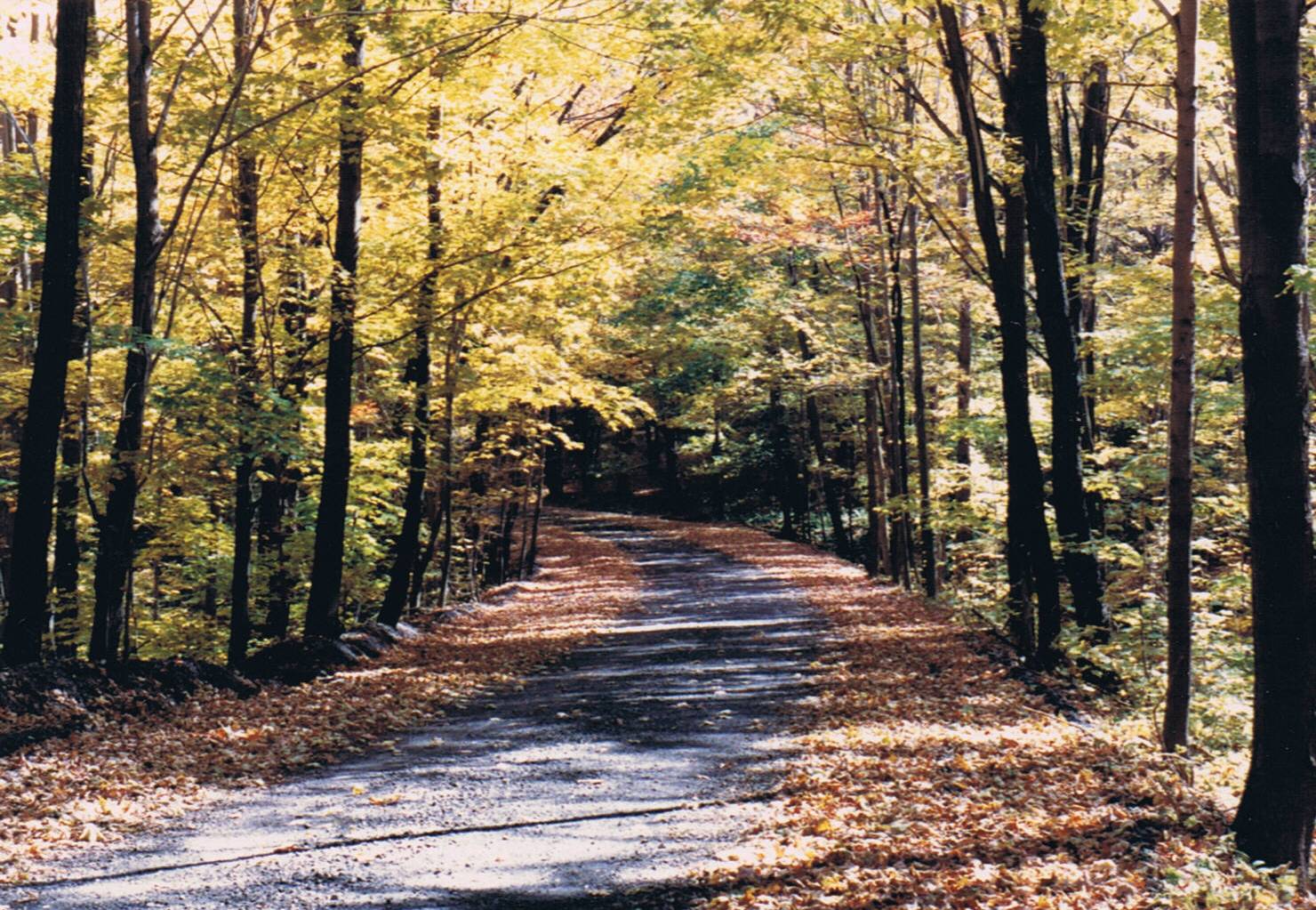
This three-county region southeast of Pittsburgh sees lower visitation compared to Pennsylvania’s Pocono Mountains. Laurel Hill State Park and Ohiopyle State Park, with over 200 miles of trails, showcase fall color at elevations between 1,200 and 3,000 feet. Fallingwater, Frank Lloyd Wright’s architectural masterpiece, limits tours to fewer than 1,000 visitors per day, keeping experiences intimate. The Great Allegheny Passage bike trail provides a 150-mile route with lighter traffic than East Coast foliage hotspots.
Horse Country in Color: Lexington, Kentucky
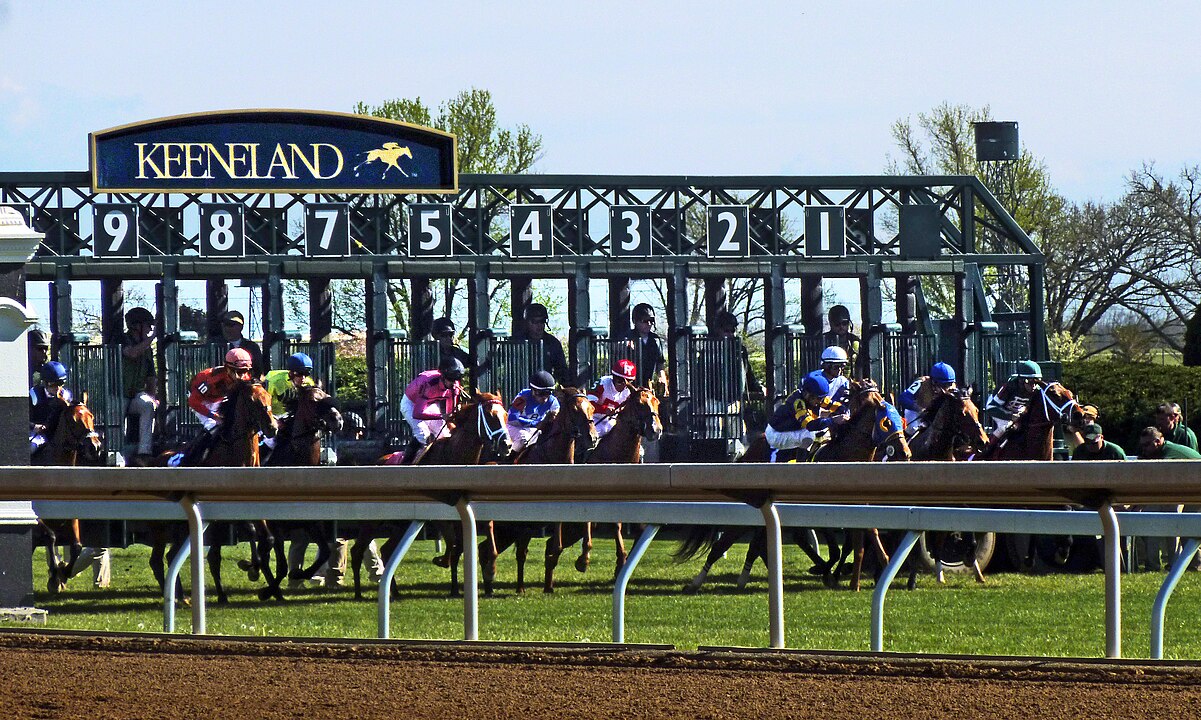
Famed for thoroughbred racing, Lexington is surrounded by rolling horse farms and bourbon distilleries but avoids fall crowds found in Louisville during the Derby season. Keeneland Race Course’s fall meet attracts about 250,000 visitors across October—less than half Churchill Downs’ Derby-weekend traffic. The city also offers access to the Bourbon Trail, with over 15 distilleries within an hour’s drive, many reporting shorter tour wait times in autumn compared to summer.
Hidden Gem in Appalachia: Mercer County, West Virginia
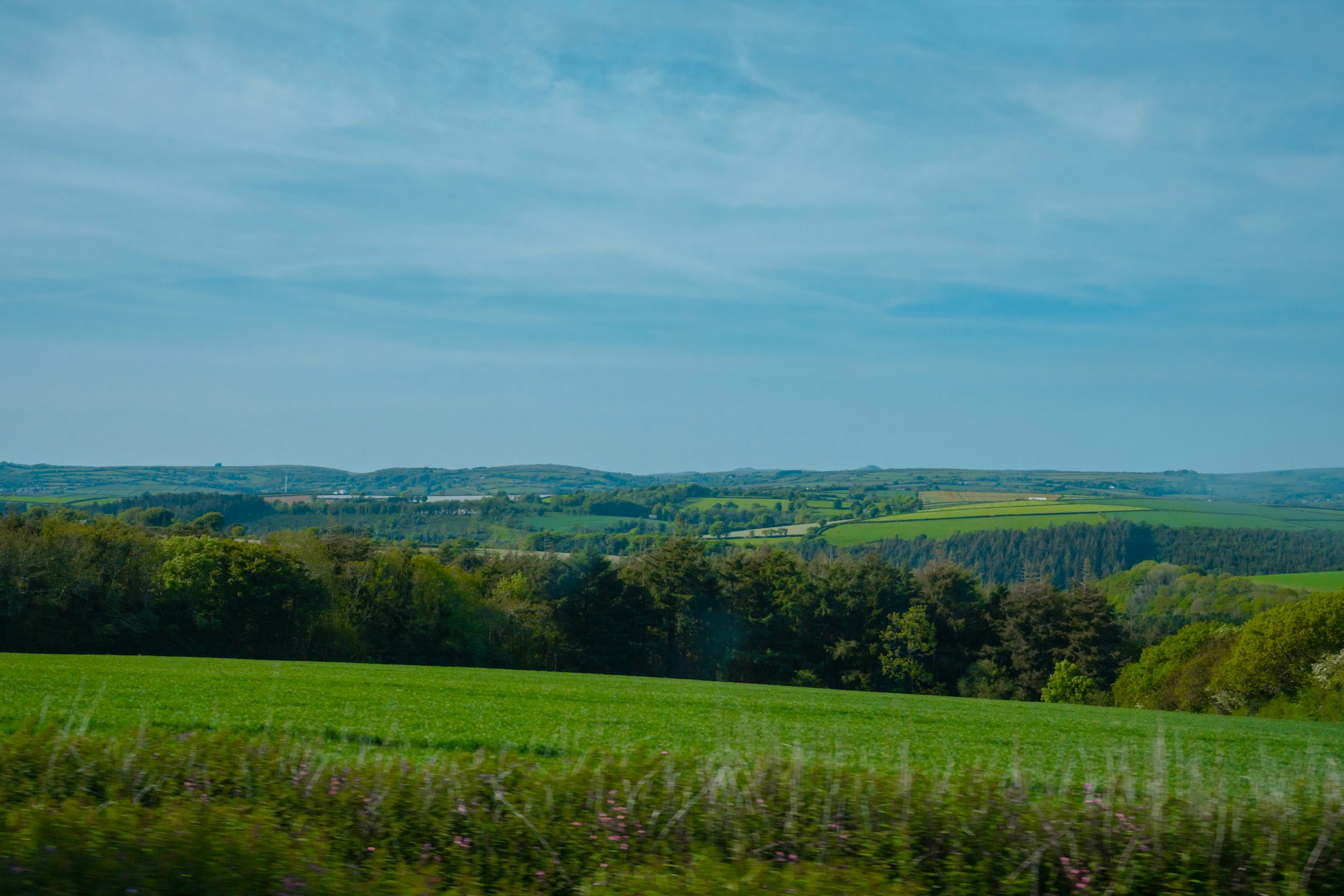
Mercer County, with fewer than 60,000 residents, lies on the edge of the Appalachian Plateau and is far less visited than West Virginia’s New River Gorge National Park. Brush Creek Falls, spanning 25 feet, and Pinnacle Rock State Park (3,100 feet elevation) provide quiet leaf-peeping spots. The county also sits on the Coal Heritage Trail, recognized by the National Scenic Byways Program, offering history-rich drives with daily traffic counts often under 5,000 vehicles.