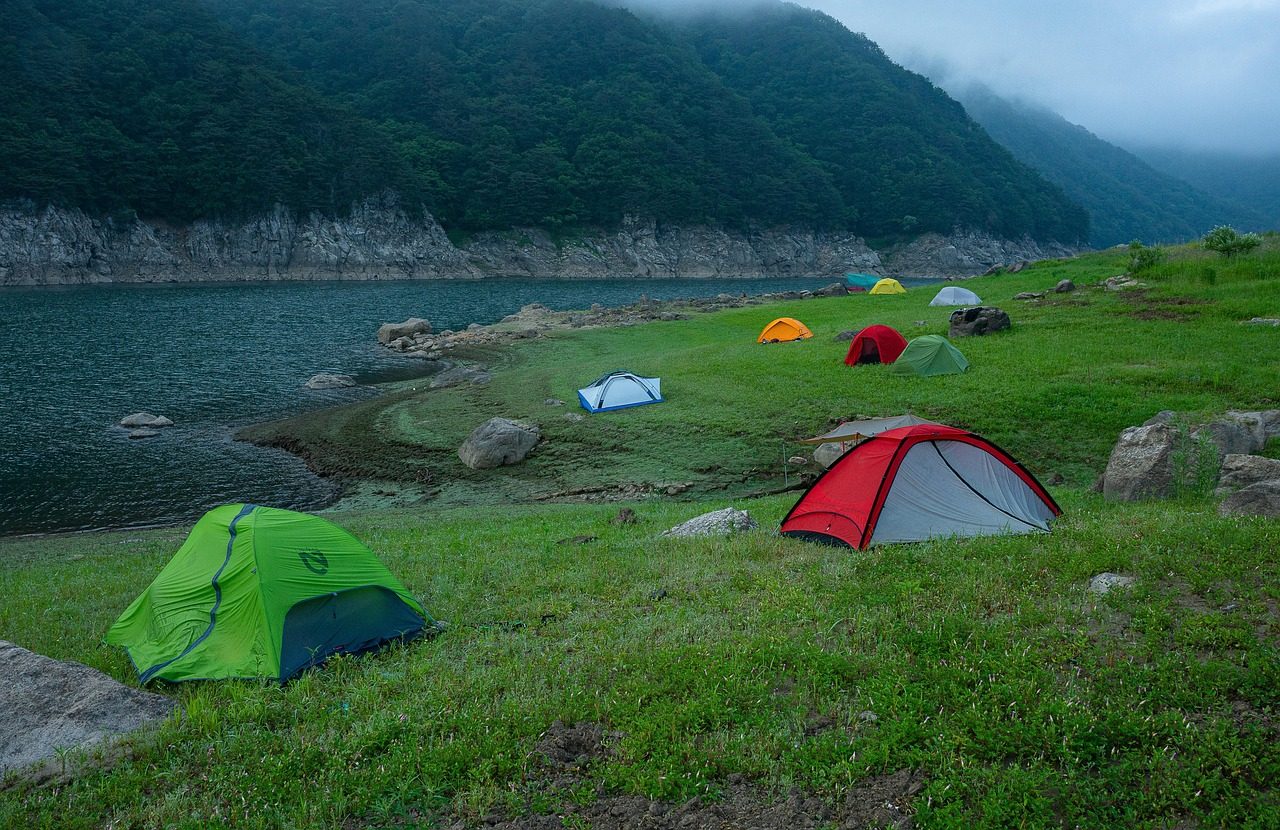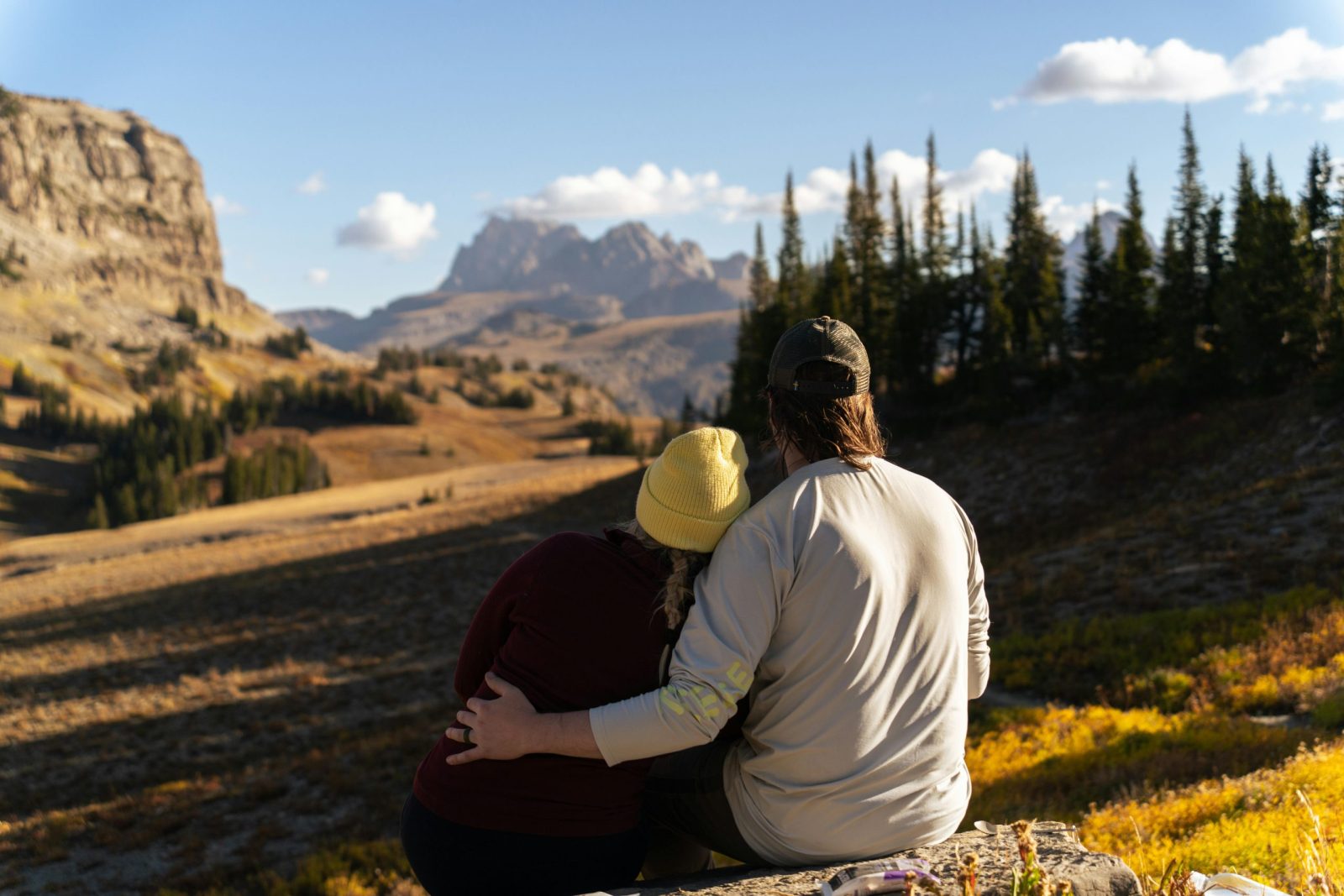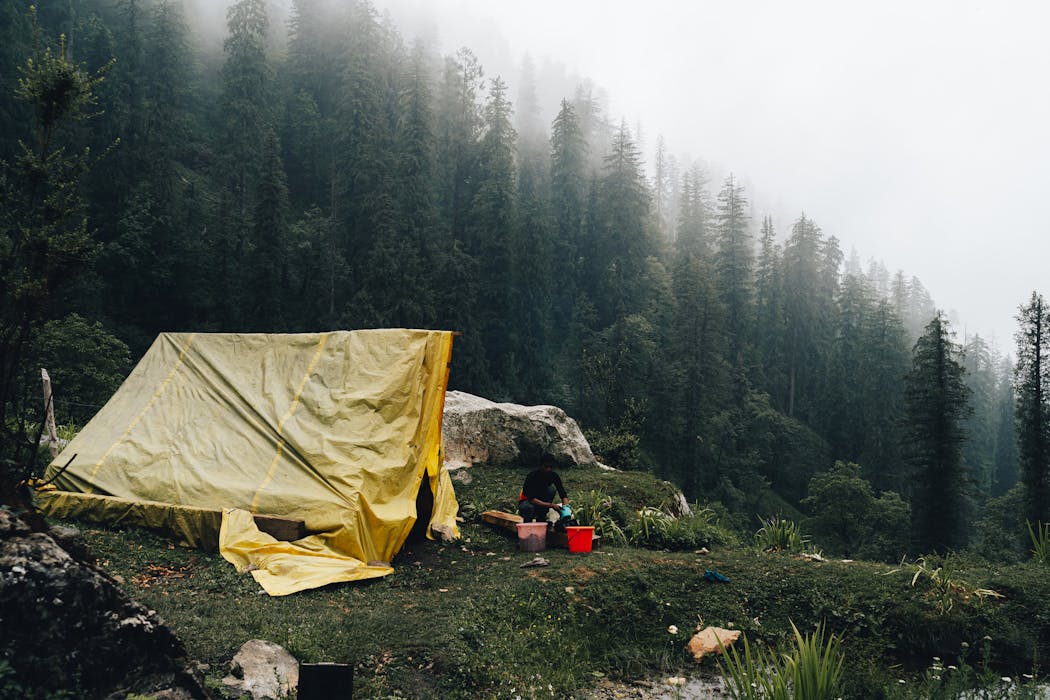
Camping in the 1980s often meant simpler sites, fewer crowds, and a slower pace that encouraged long afternoons and relaxed routines. Many campgrounds popular during that era have since experienced major upgrades, shifting layouts, and new visitor expectations. Modern amenities, expanded access, and environmental protections reshaped familiar places in noticeable ways. Although the settings feel different today, these campgrounds still hold the sense of adventure that made them memorable to earlier generations.
Yosemite Valley Campground
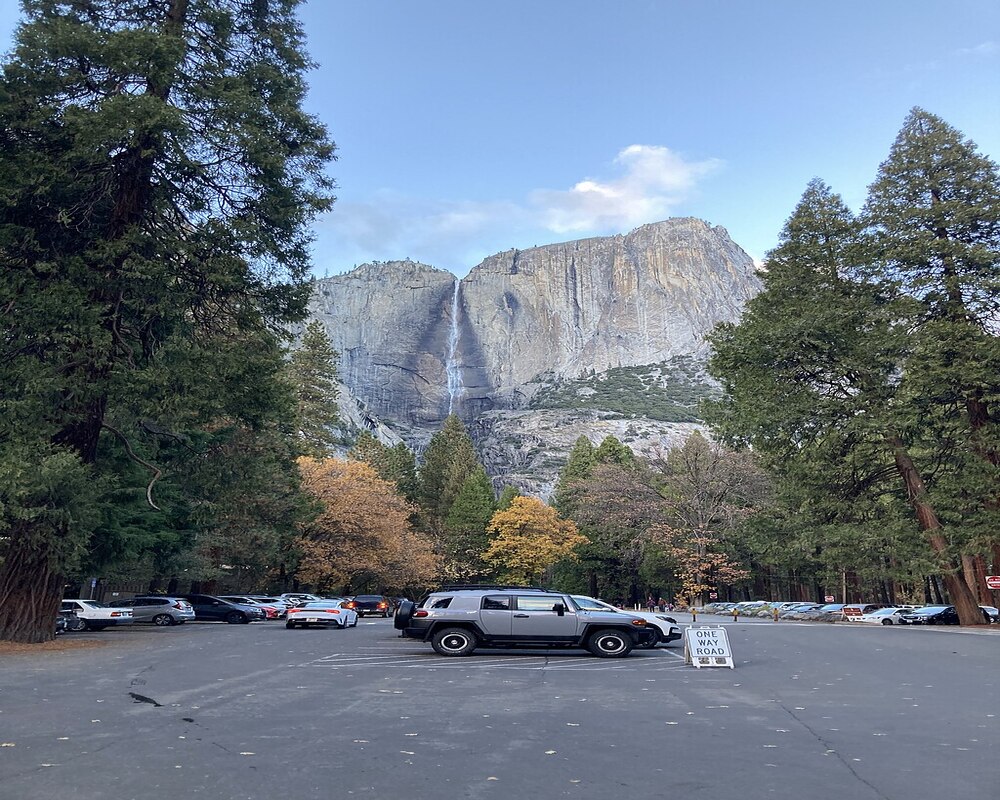
Yosemite Valley offered a quieter environment in the 1980s when campgrounds had fewer restrictions and more open space for families exploring the park. Over time, increased visitation led to new regulations, designated loops, and updated facilities aimed at protecting the fragile landscape. The structured layout reflects efforts to balance convenience with preservation. Despite the changes, the area continues to showcase the dramatic scenery that defined earlier camping experiences.
Assateague Island Campground
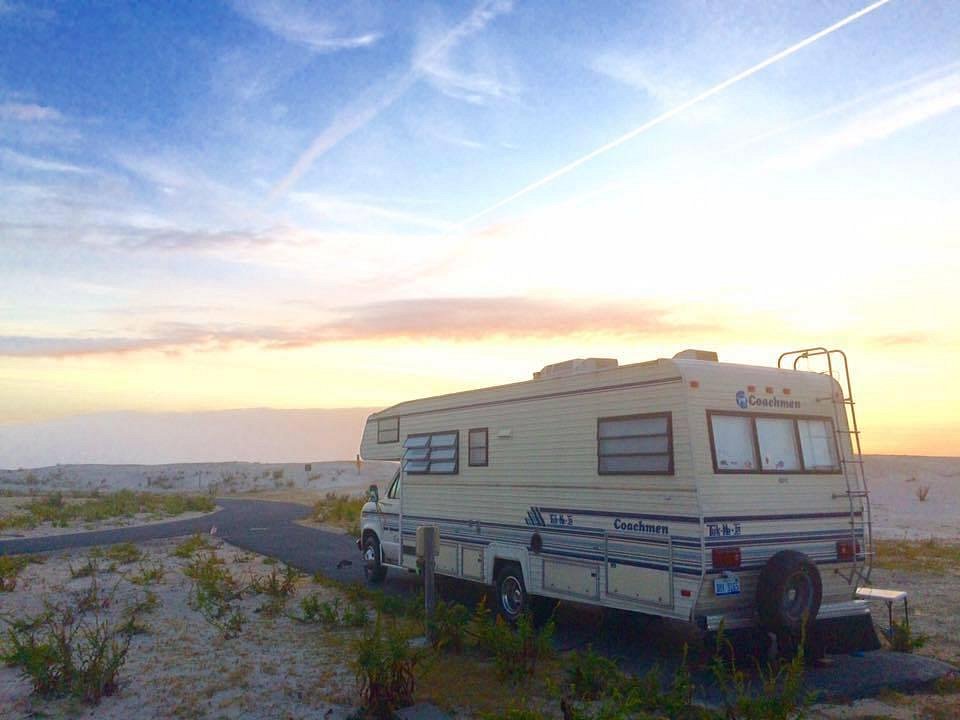
Assateague Island once featured rugged coastal sites with limited amenities where campers enjoyed wide stretches of sand and frequent wildlife sightings. Modern updates now include improved bathhouses, marked pads, and expanded dune protection designed to preserve the shoreline. These enhancements manage higher visitor numbers while maintaining the island’s natural charm. The campground feels more organized today, yet the wild setting remains central to the experience.
Glacier National Park Campgrounds
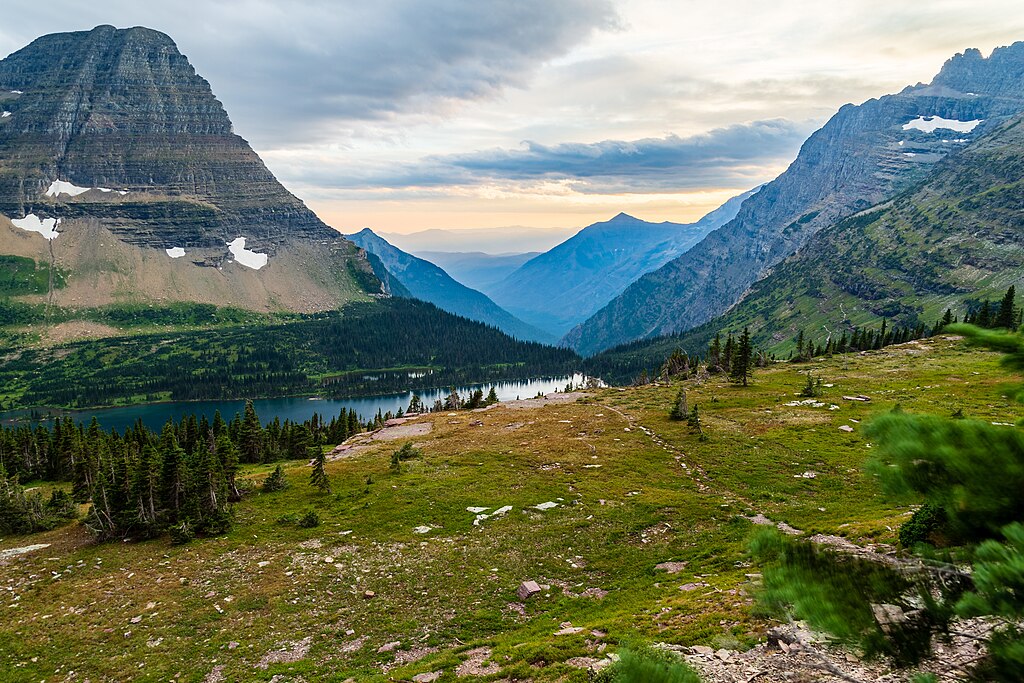
Campgrounds in Glacier National Park felt remote in the 1980s with minimal infrastructure and fewer visitors traveling deep into the mountains. As interest grew, facilities expanded with better road access, updated loops, and clearer site boundaries to improve safety and environmental care. The landscape still offers dramatic views, though the experience now incorporates more oversight. The transformation reflects the park’s efforts to adapt to rising demand while safeguarding natural features.
Cape Cod Campground Areas
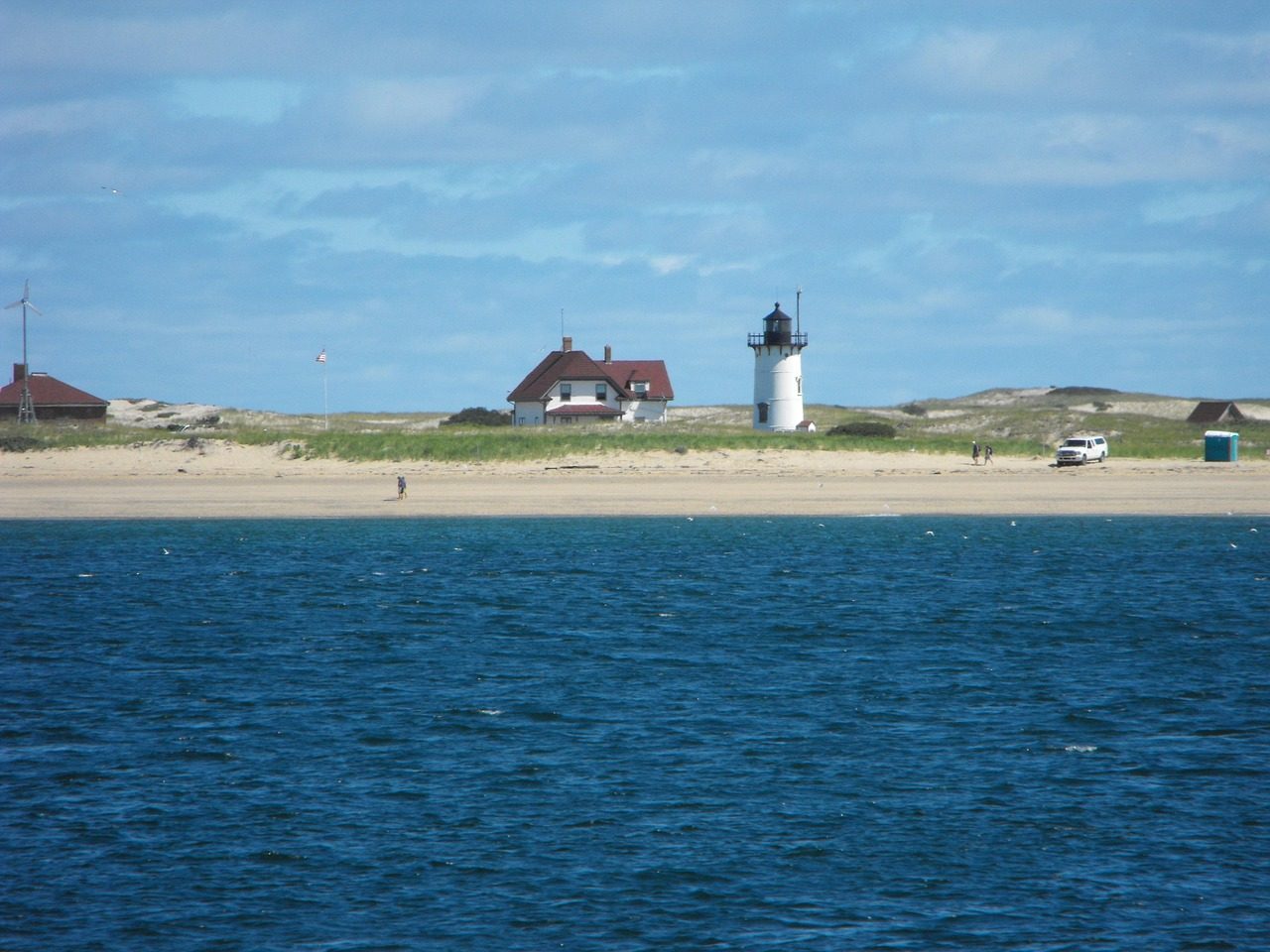
Cape Cod’s campgrounds once delivered a rustic coastal atmosphere with modest amenities and smaller crowds enjoying long summer stays. Gradual modernization added upgraded restrooms, defined sites, and improved trail connections to accommodate seasonal tourism. These changes introduce a more polished feel while maintaining access to beaches and forests. The region evolved significantly, but still preserves the relaxed coastal charm that attracted campers decades ago.
Great Smoky Mountains Campgrounds
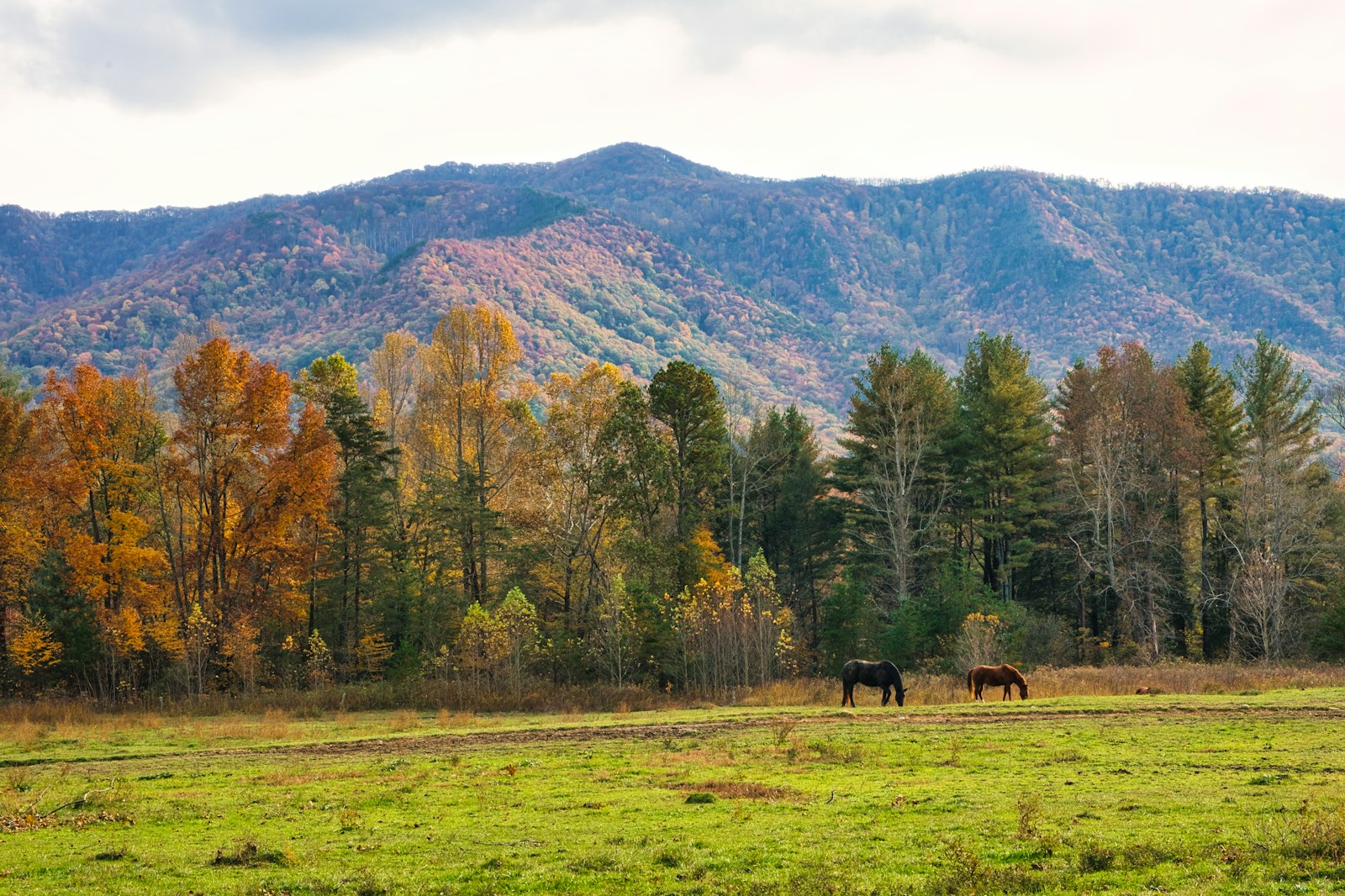
In the 1980s, many Smokies campgrounds featured simple layouts with limited services and a strong sense of seclusion along forested roads. Increased visitation brought additional parking, enhanced bear management, and clearer site organization to ensure safety. Infrastructure improvements support a more consistent flow of campers throughout the year. The environment feels more regulated today, yet the surrounding wilderness continues to shape the overall experience.
Yellowstone’s Madison Campground
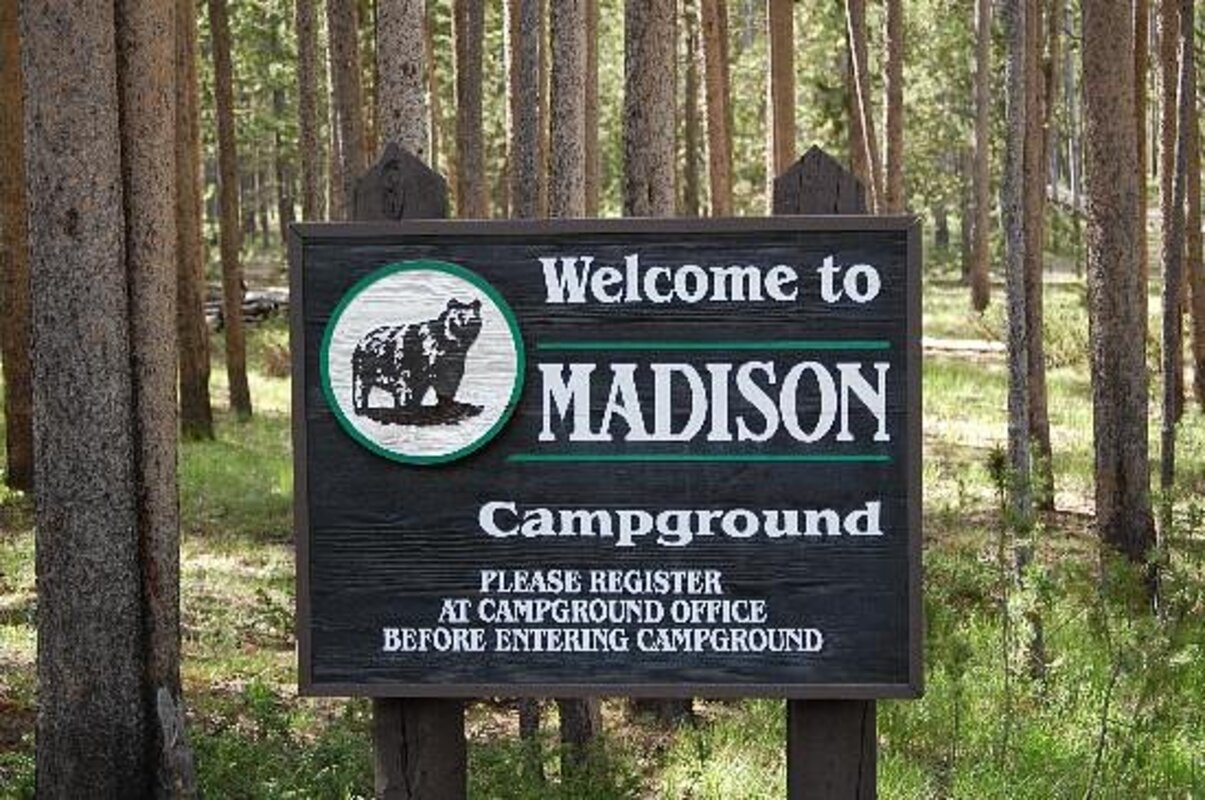
Madison Campground once offered a slower pace with fewer visitors and minimal reservation requirements during peak seasons. Growing popularity introduced system upgrades, expanded facilities, and increased ranger presence to guide responsible use. These adjustments help protect sensitive areas from overuse. While the campground appears more developed now, it still provides convenient access to some of Yellowstone’s most iconic landscapes.
Shenandoah Campground Areas
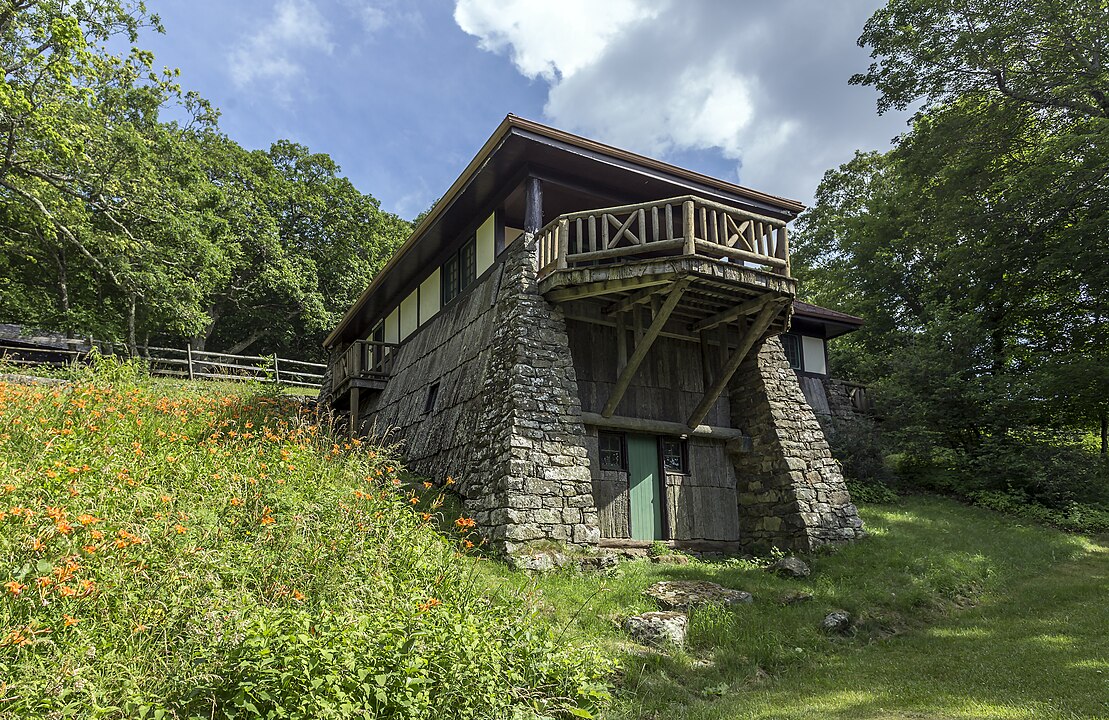
Shenandoah National Park campgrounds in the 1980s centered on classic roadside camping with basic accommodations along Skyline Drive. Over the years, improvements included modern bathhouses, structured pads, and accessibility features designed to welcome more visitors. These updates aim to support sustainable use without sacrificing scenic value. The campgrounds feel more refined today, though the Blue Ridge views remain as striking as ever.
Redwoods Region Campgrounds
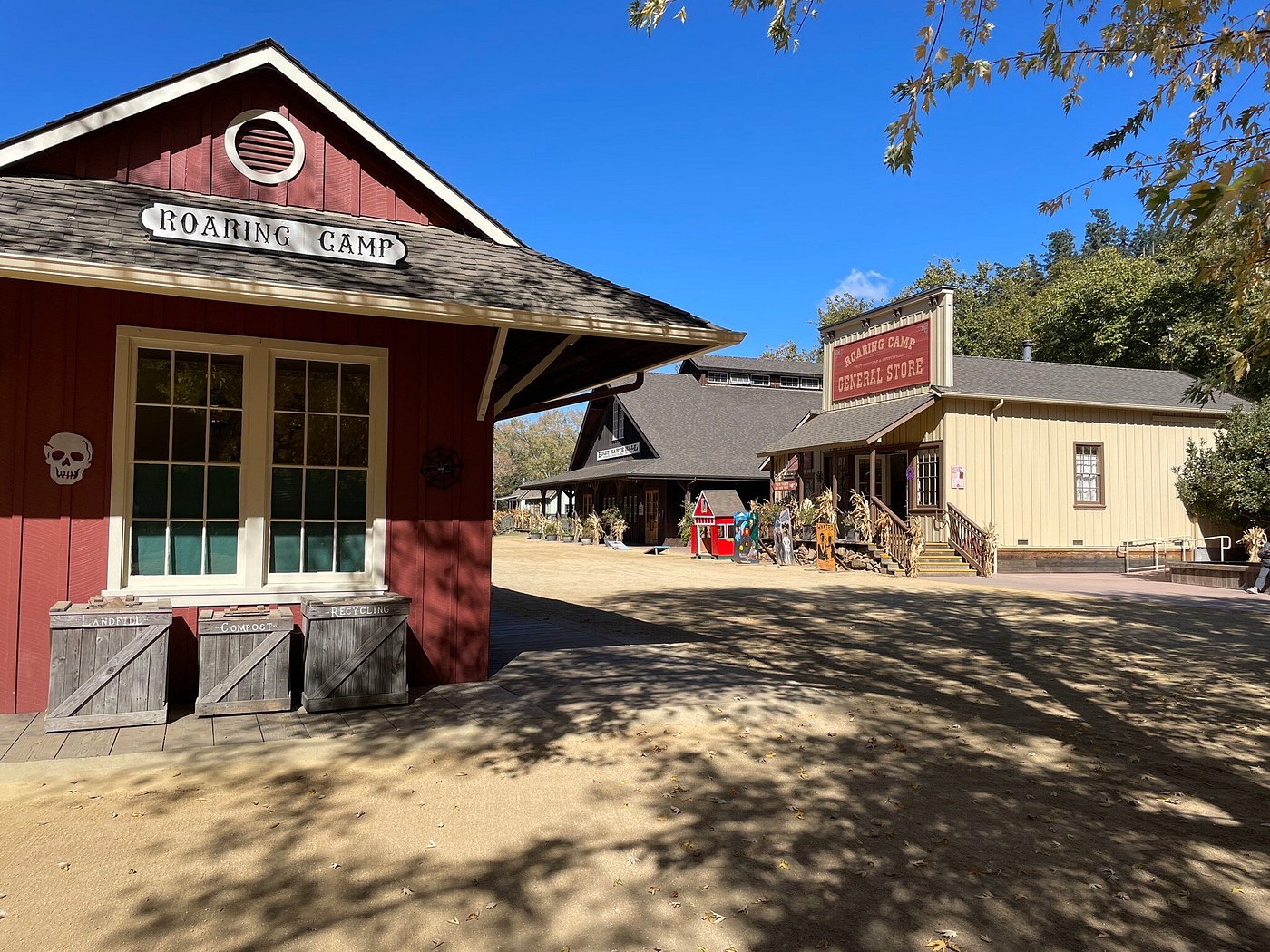
Campgrounds among the redwoods once offered simple, unpaved loops that placed visitors close to towering trees with minimal barriers. Modern redesigns include stabilized surfaces, enhanced drainage, and designated pathways that protect fragile root systems. The changes respond to expanded tourism while preserving ancient groves. Even with increased structure, the remarkable forest setting continues to define the area.
White Mountains Campgrounds

New Hampshire’s White Mountains campgrounds featured a rugged character in the 1980s with modest facilities and wide open spaces for tents. Improvements over time added organized loops, clearer signage, and expanded amenities to serve higher traffic. These enhancements improve comfort without removing the region’s natural appeal. The mountains maintain their iconic presence while campgrounds appear noticeably more managed.
Everglades Campground Areas
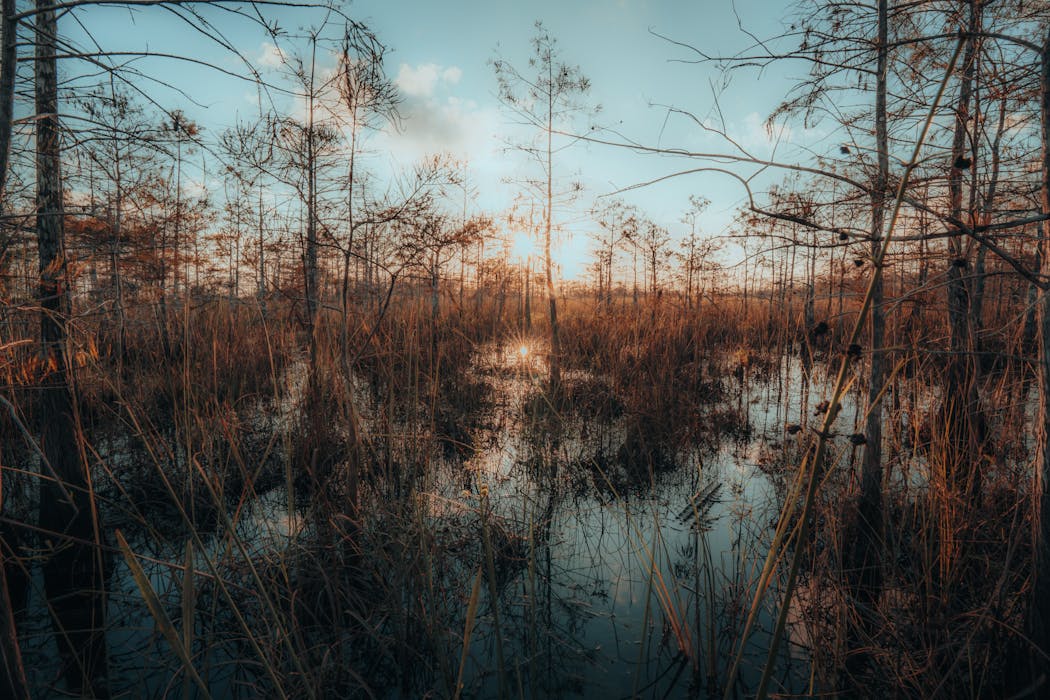
Everglades campgrounds once felt remote, with few developed features and sparse crowds navigating the wetlands. Modern upgrades brought elevated platforms, improved mosquito management, and clearer navigation signs to support safe and eco-friendly visits. Conservation priorities guide every update, resulting in environments that feel more protected than in the past. The distinct ecosystem remains the draw, even as the campgrounds look significantly different today.