
Hikers often assume the shortest trail between two points will require the least effort. On paper, fewer miles suggest an easier day. In reality, many shorter routes quietly drain more energy than longer, well-designed trails. Elevation changes, footing quality, exposure, and navigation complexity all influence how demanding a hike becomes. Trails that appear efficient on maps can hide physical and mental costs that only reveal themselves underfoot. Understanding why certain “shortcuts” feel exhausting helps hikers make smarter route decisions. Energy management matters just as much as distance, especially when hiking in unfamiliar terrain or carrying overnight loads.
1. Steep Direct-Ascent Trails
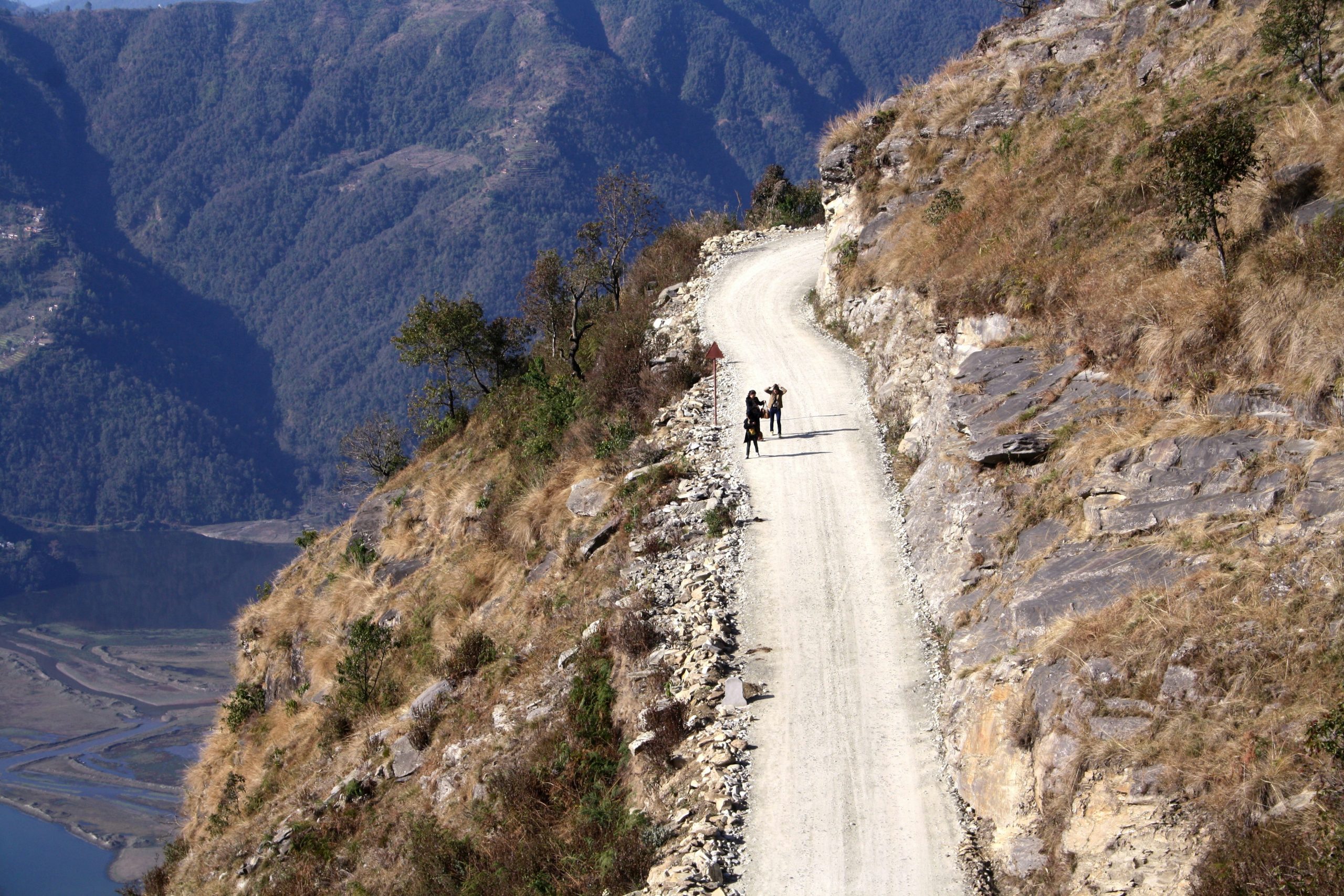
Trails that climb straight uphill often look appealing because they reduce distance. However, steep grades force hikers to work against gravity without recovery intervals. Muscles fatigue faster, breathing becomes labored, and pacing breaks down. Switchbacks may add distance, but they distribute effort more evenly. Direct ascents increase strain on knees and calves, especially when descending later. The constant incline also limits rhythm, making rest stops more frequent. While these trails shorten mileage, they concentrate energy demand into a shorter time frame, often leaving hikers more exhausted than longer, gradual routes.
2. Rock-Hopping Creek Routes
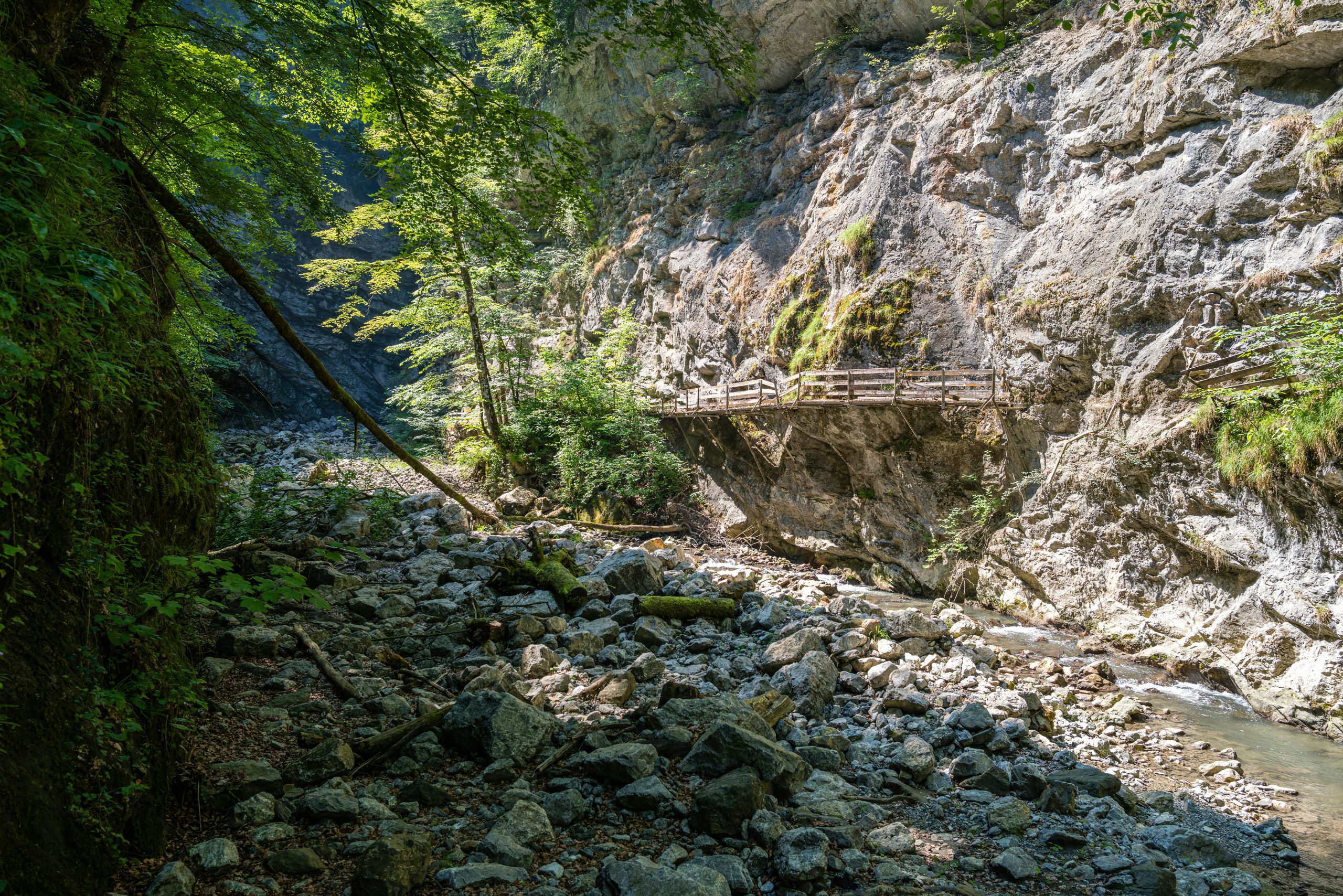
Following a creek upstream can look like a clean shortcut through forested terrain. In practice, uneven rocks require constant balance adjustments. Each step demands attention, slowing progress and increasing mental fatigue. Slippery surfaces force cautious movement, reducing efficiency. Small stabilizing muscles work continuously, draining energy faster than steady walking. Wet boots and cold water crossings further sap comfort. Though creek routes appear flat and direct, the constant micro-effort adds up. Hikers often underestimate how tiring it is to maintain balance for extended periods, making these routes deceptively demanding.
3. Overgrown or Lightly Maintained Trails
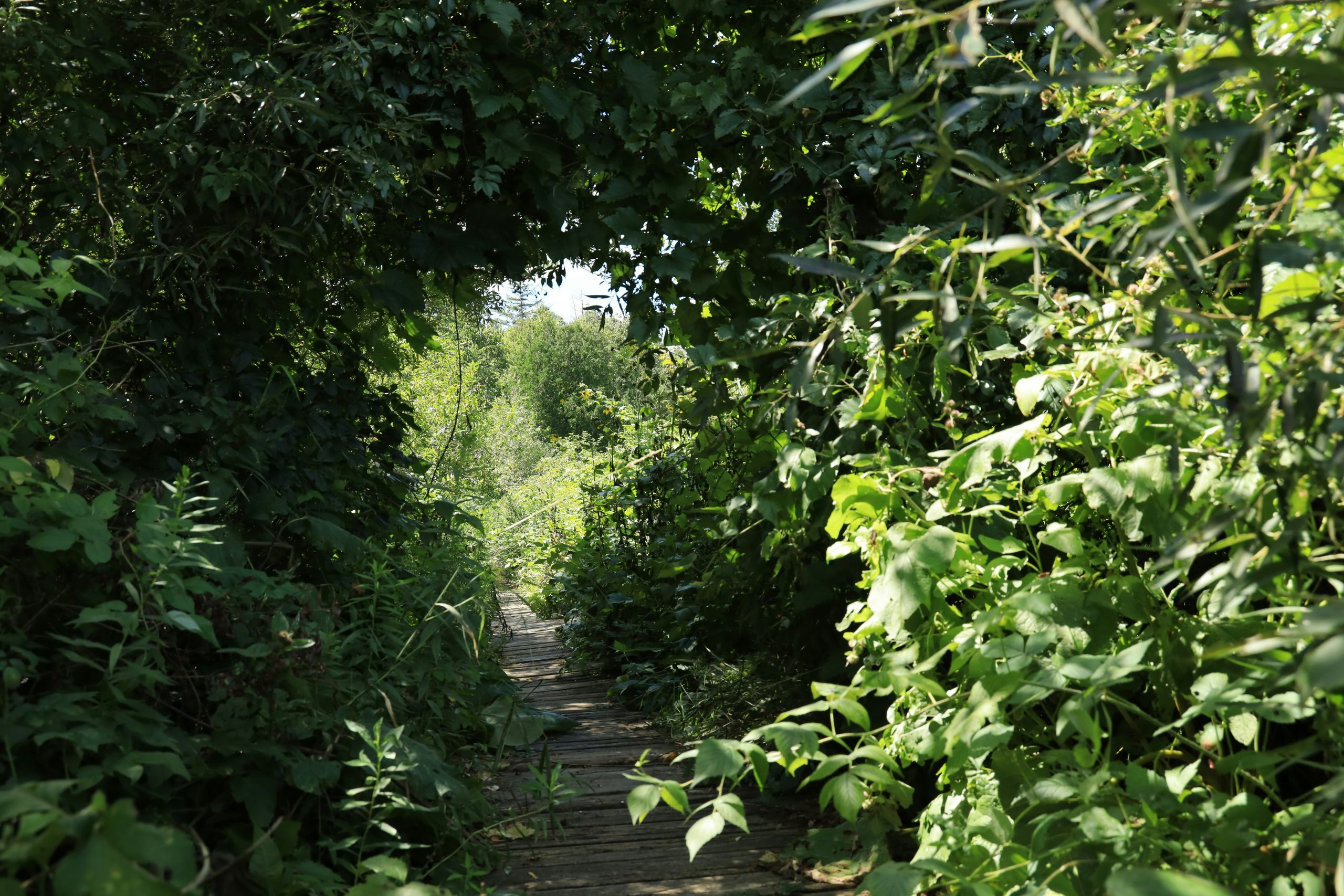
Faint trails may appear shorter on maps, but poor maintenance adds hidden effort. Bushwhacking through tall grass, vines, or low branches forces awkward movements and constant resistance. Each step requires more force to clear obstacles. Navigation slows as trail markers disappear, increasing mental strain. Frequent stops to reorient interrupt momentum. Overgrown paths also conceal uneven ground, raising injury risk. While mileage stays low, the physical cost rises quickly. Well-maintained trails allow efficient movement, proving that trail quality often matters more than total distance.
4. Loose Gravel or Scree Slopes
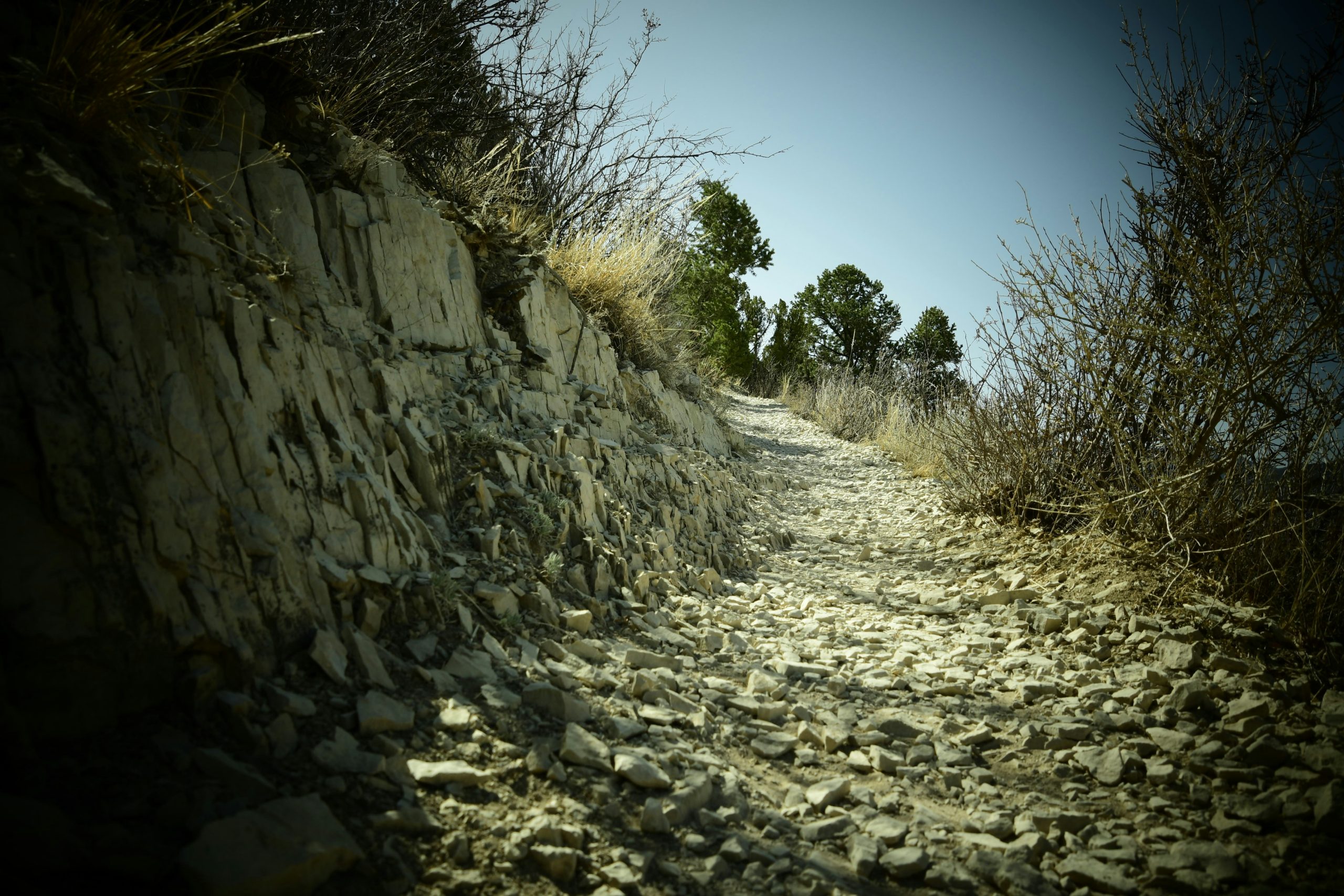
Trails crossing loose gravel or scree fields may shave distance by cutting straight across slopes. Unfortunately, unstable footing wastes energy with every step. Feet slide backward, forcing repeated corrections. Leg muscles work harder to stabilize, while confidence drops. Progress becomes slow and frustrating. Descending scree demands constant braking, increasing knee strain. Even short sections can feel draining. Compared to longer routes on packed soil, loose surfaces dramatically reduce efficiency. These trails remind hikers that surface stability plays a major role in energy expenditure, regardless of mileage.
5. Ridge-Line Shortcuts
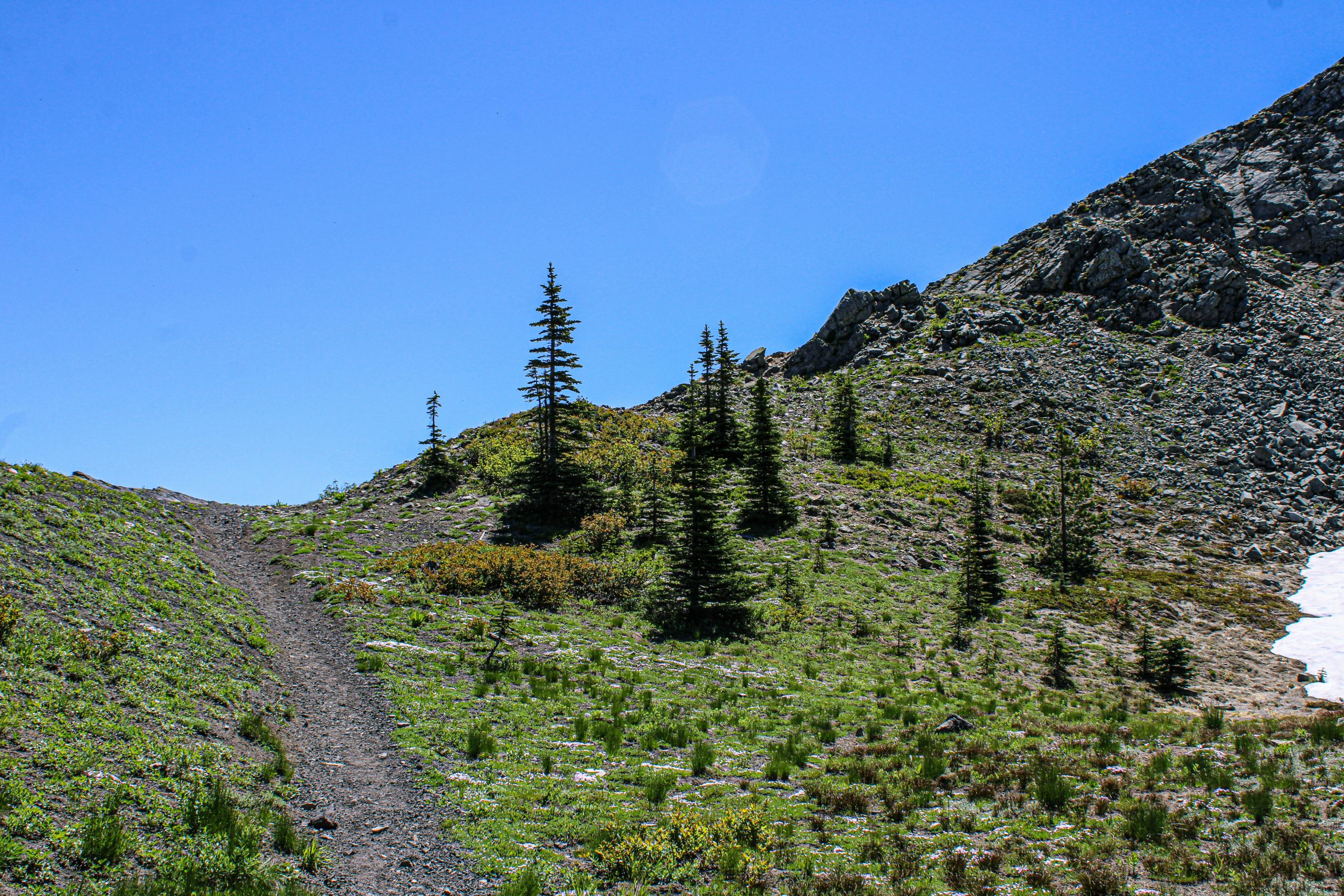
Ridge trails often look direct and scenic, promising quick progress. However, constant exposure to wind and sun increases dehydration and fatigue. Ridge lines frequently involve repeated short climbs rather than steady elevation changes. The lack of shade raises body temperature, increasing water needs. Navigation can also be tricky when paths fade along open terrain. While valleys may appear longer, they often provide shelter and smoother grades. Ridge shortcuts trade comfort and efficiency for distance savings, resulting in higher overall energy costs during sustained travel.
6. Trails With Frequent Elevation Loss and Gain
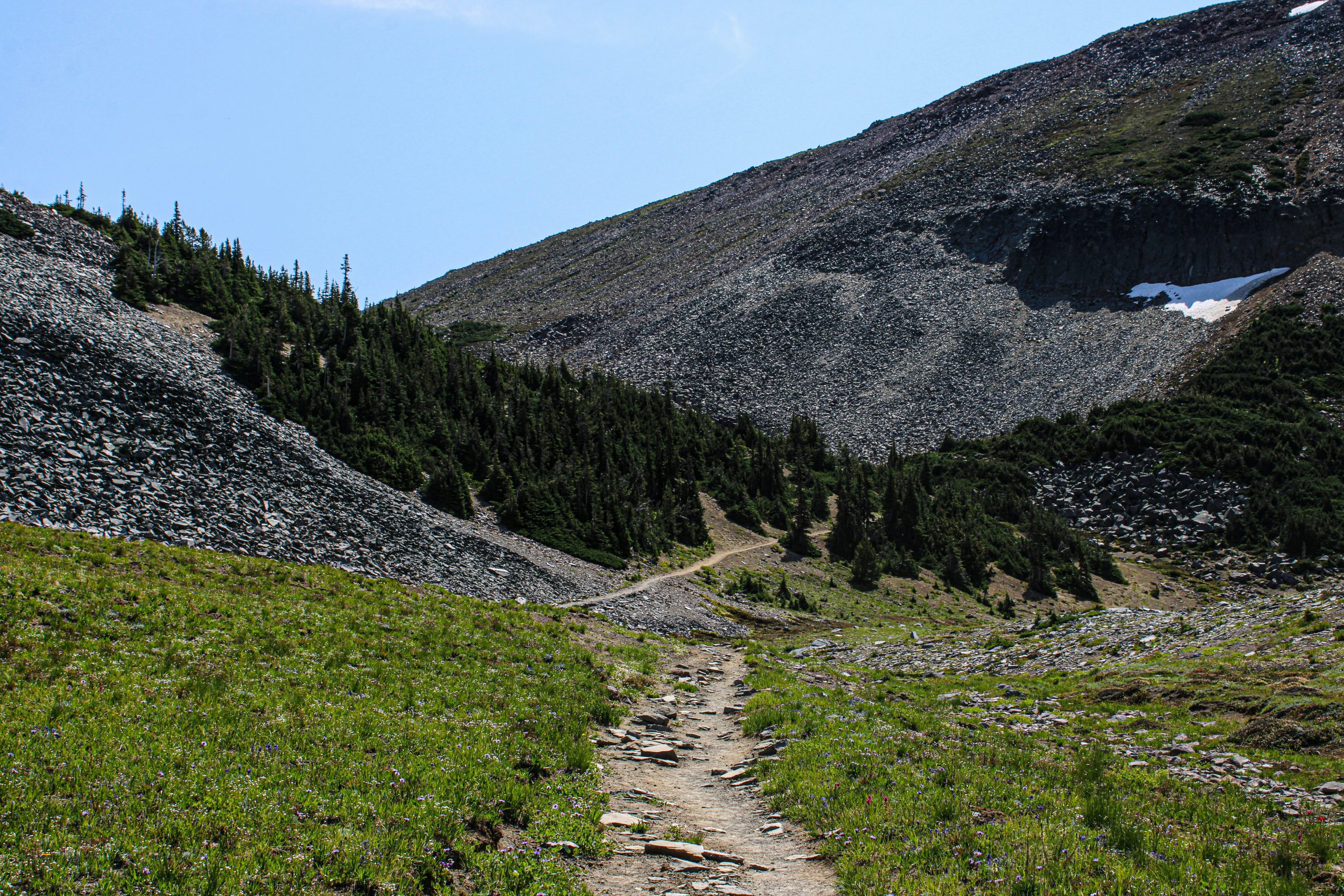
Some trails shorten distance by dropping into ravines or gullies before climbing out again. Each descent feels easy, but every climb demands energy. Repeated elevation changes disrupt pacing and exhaust leg muscles. These routes look efficient on maps but feel punishing on foot. Longer contouring trails maintain elevation and conserve strength. Hikers often underestimate cumulative climbing because the net elevation change appears small. Energy loss compounds over time, making rolling terrain more tiring than steady climbs spread over greater distances.
7. Sandy or Soft Soil Paths
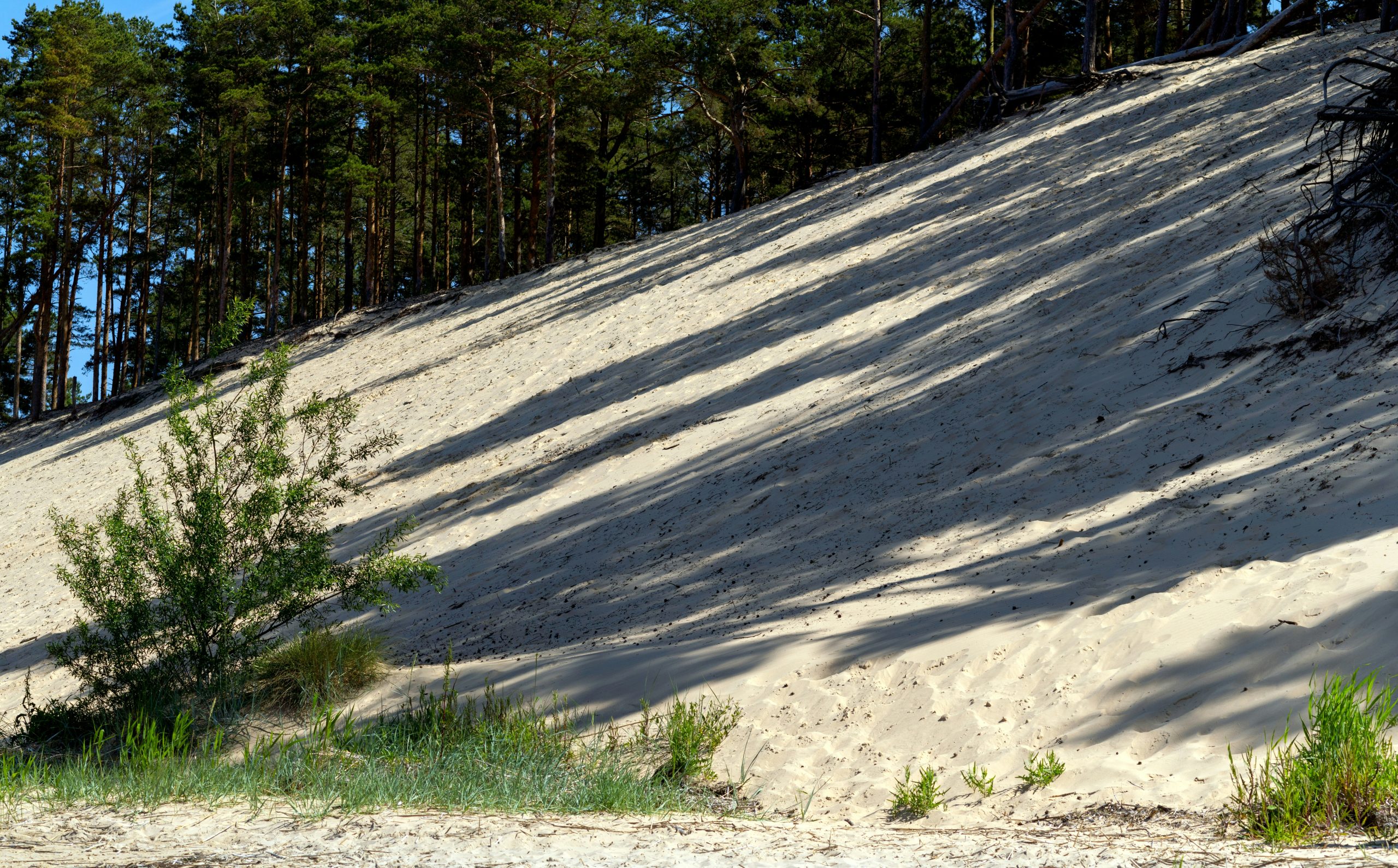
Short trails through sandy terrain often feel deceptively flat and easy. In reality, soft ground absorbs energy with every step. Feet sink slightly, reducing push-off efficiency. Calf muscles work harder, increasing fatigue. Sand also slows pace, making progress feel sluggish. Even shallow sandy sections can significantly raise effort levels. Firmer soil on longer trails allows better energy transfer and smoother walking. Soft surfaces quietly tax endurance, turning short distances into tiring slogs that drain hikers faster than expected.
8. Poorly Marked Shortcut Routes
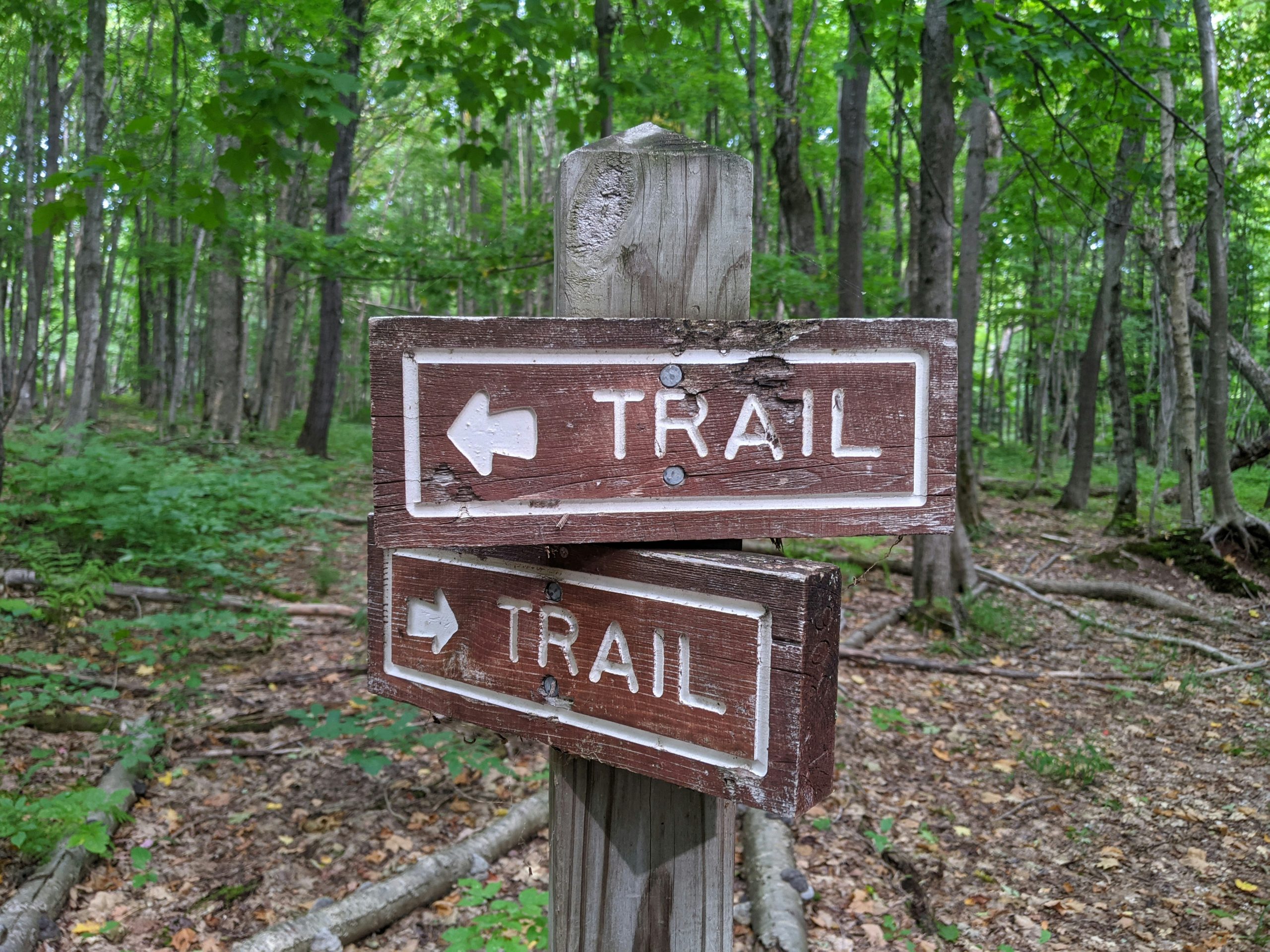
Unofficial or lightly marked shortcuts can reduce distance but increase cognitive load. Constant navigation checks interrupt flow and raise stress. Hesitation and backtracking waste energy. Uncertainty slows movement, preventing consistent pacing. Hikers burn mental energy alongside physical effort. Clear, longer routes allow relaxed movement and efficient progress. When shortcuts demand constant decision-making, they often cost more energy overall. Mental fatigue compounds physical tiredness, making these trails feel harder than their length suggests.
9. Trails With Frequent Obstacles
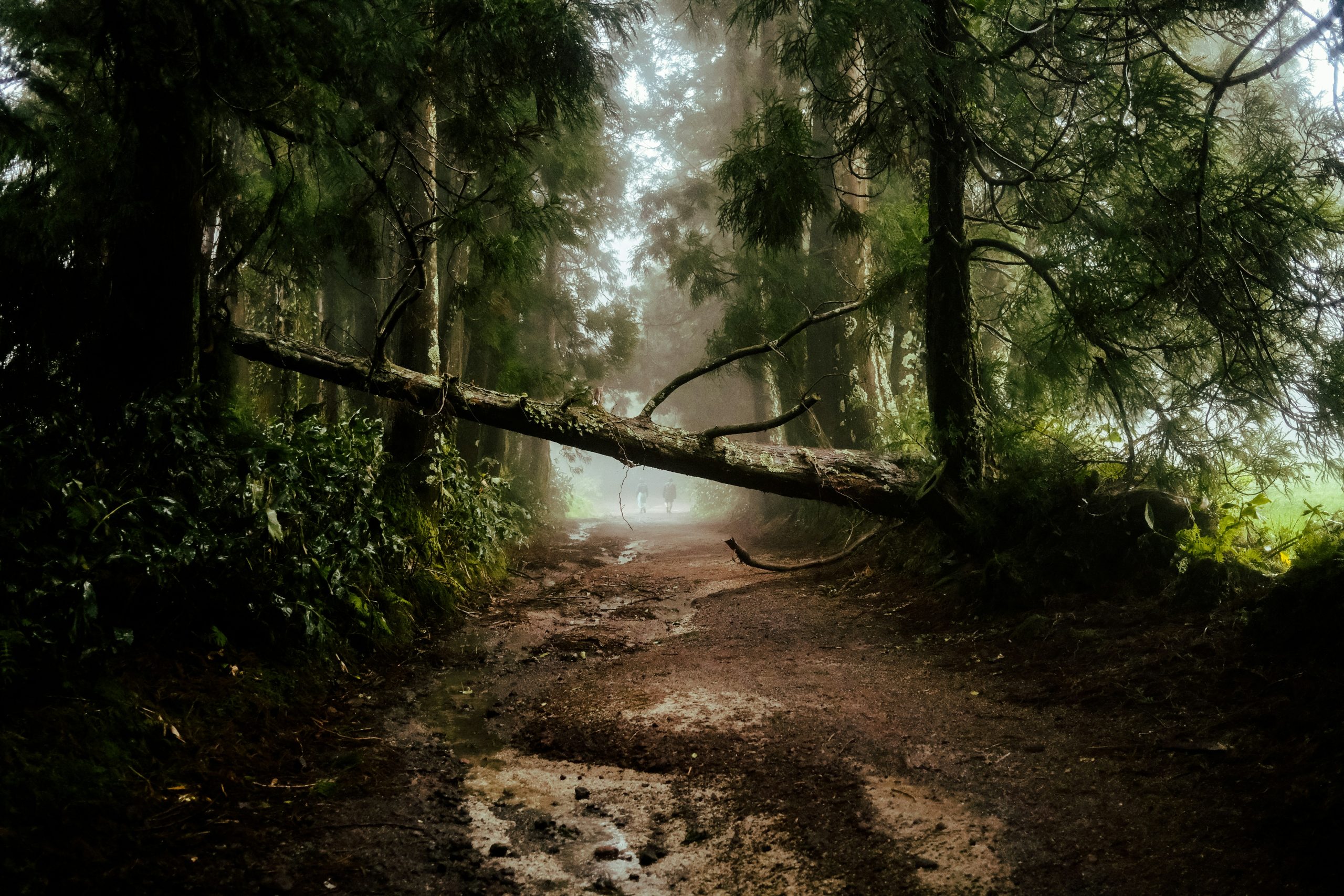
Routes that cut distance by crossing fallen trees, rock steps, or erosion channels demand repeated lifting and climbing motions. Each obstacle requires bursts of strength rather than steady walking. These movements spike heart rate and break rhythm. Over time, this stop-and-start pattern increases fatigue. Longer trails with fewer obstacles allow continuous movement and better energy conservation. Shorter routes packed with obstacles may feel adventurous, but often leave hikers more worn out than smoother, longer alternatives.
10. Narrow Side-Hill Traverses
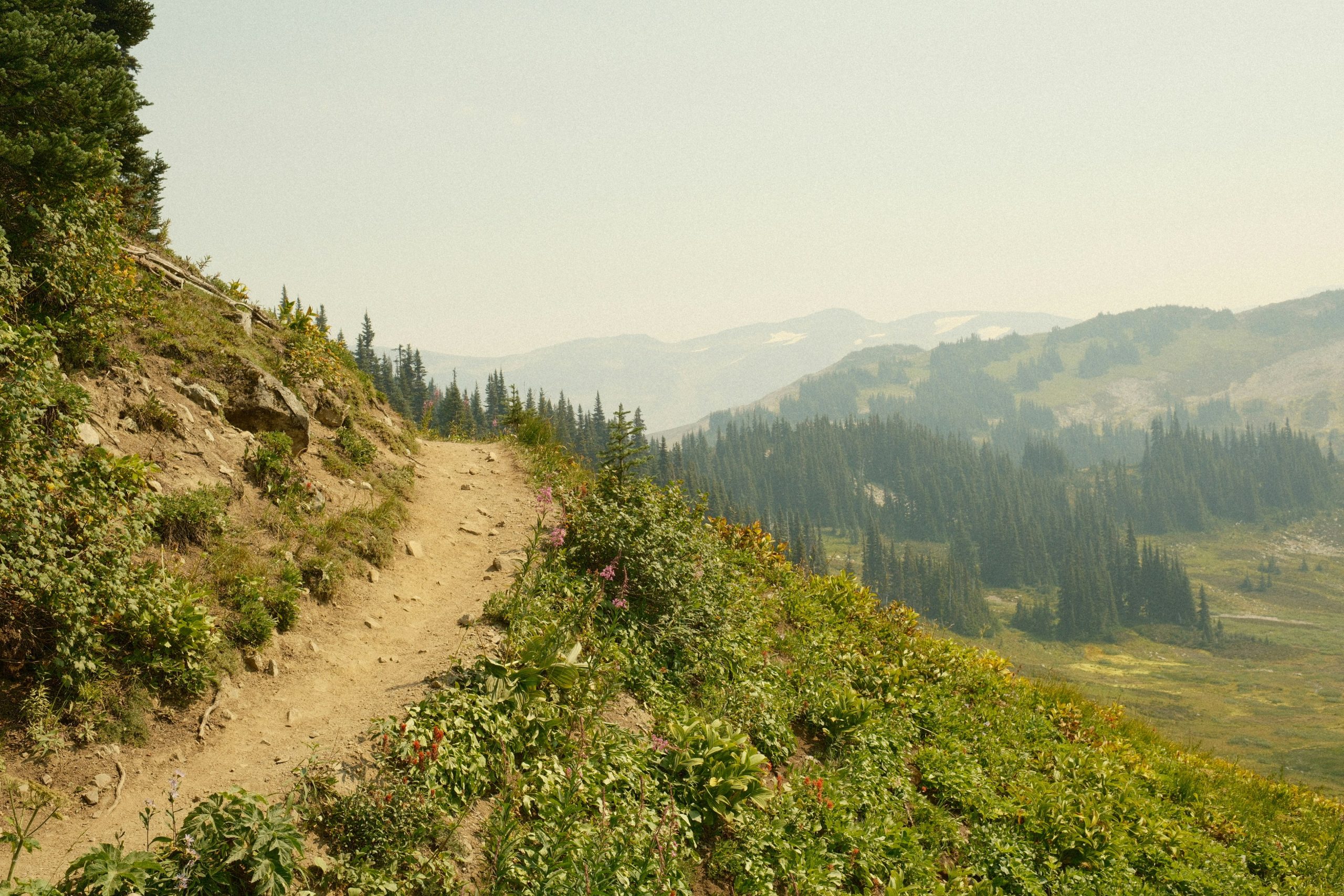
Side-hill trails contour slopes to save distance, but uneven footing strains stabilizing muscles. One leg works harder than the other, leading to imbalance and fatigue. Ankles and hips remain engaged constantly to prevent slipping downhill. Progress slows as hikers concentrate on foot placement. These trails also increase mental tension. While they shorten mileage, the continuous strain adds up. Wider, longer trails with level footing allow relaxed walking and better endurance, highlighting why distance alone doesn’t determine trail efficiency.