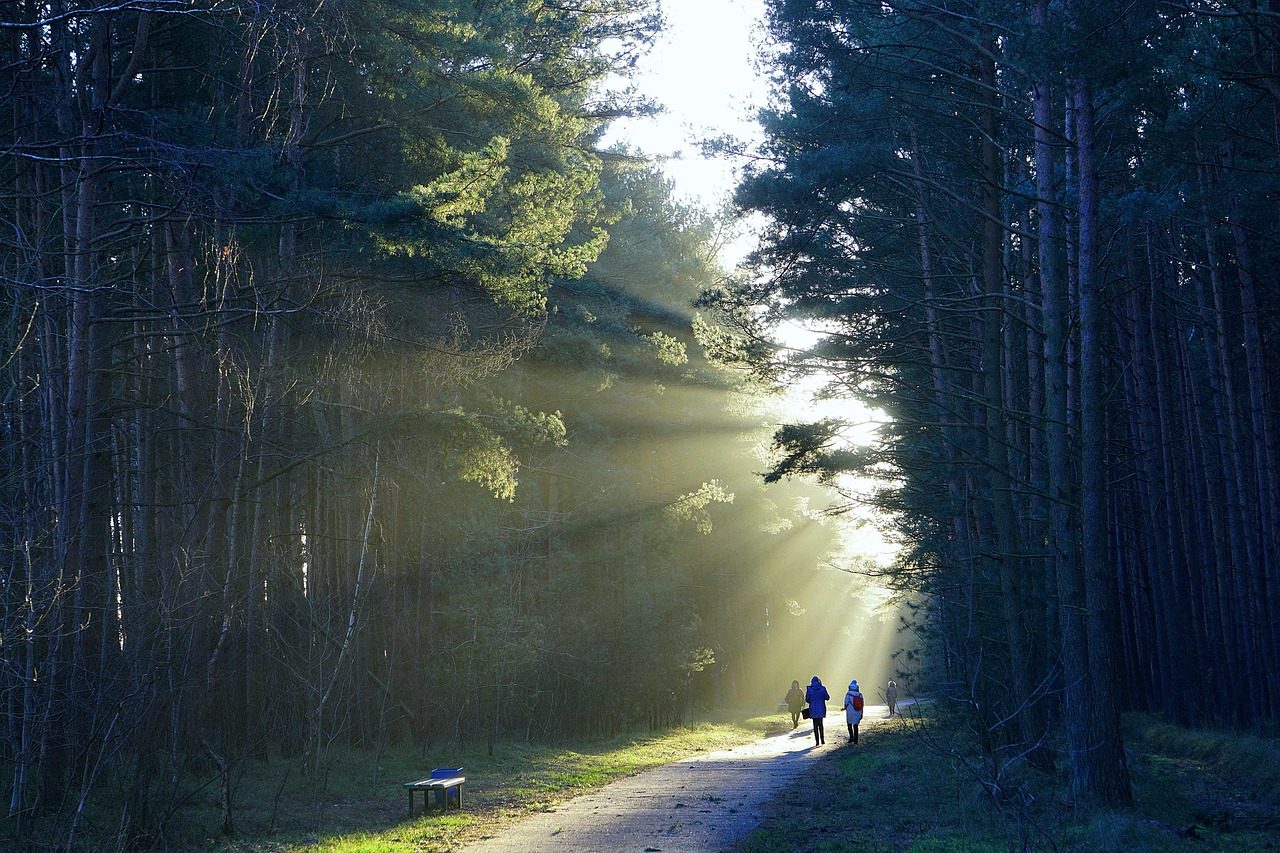
Hiking in bear country requires awareness, restraint, and respect for wildlife that occupies the landscape year round. Many dangerous encounters happen not because bears behave unpredictably, but because people make avoidable mistakes rooted in complacency or misinformation. Calm preparation matters more than bravado, speed, or confidence. Understanding what not to do can significantly reduce risk while preserving the natural behavior of bears and the safety of hikers. The following guidelines focus on common missteps that increase danger, disrupt ecosystems, and lead to preventable conflicts in regions where bears regularly travel, forage, and raise young.
Never Hike With Unsecured Food

Carrying food without proper storage increases the likelihood of attracting bears from long distances. Bears have an exceptional sense of smell and can detect food, wrappers, or residue even when items seem sealed. Leaving snacks in pockets, backpacks without bear resistant containers, or exposed during breaks conditions bears to associate humans with food. This behavior increases aggressive encounters and often leads to bears being relocated or euthanized. Proper food storage protects both hikers and wildlife. Avoid eating near trails or campsites, and always use approved bear canisters or lockers when hiking in areas known for bear activity.
Never Travel Silently Through Dense Areas
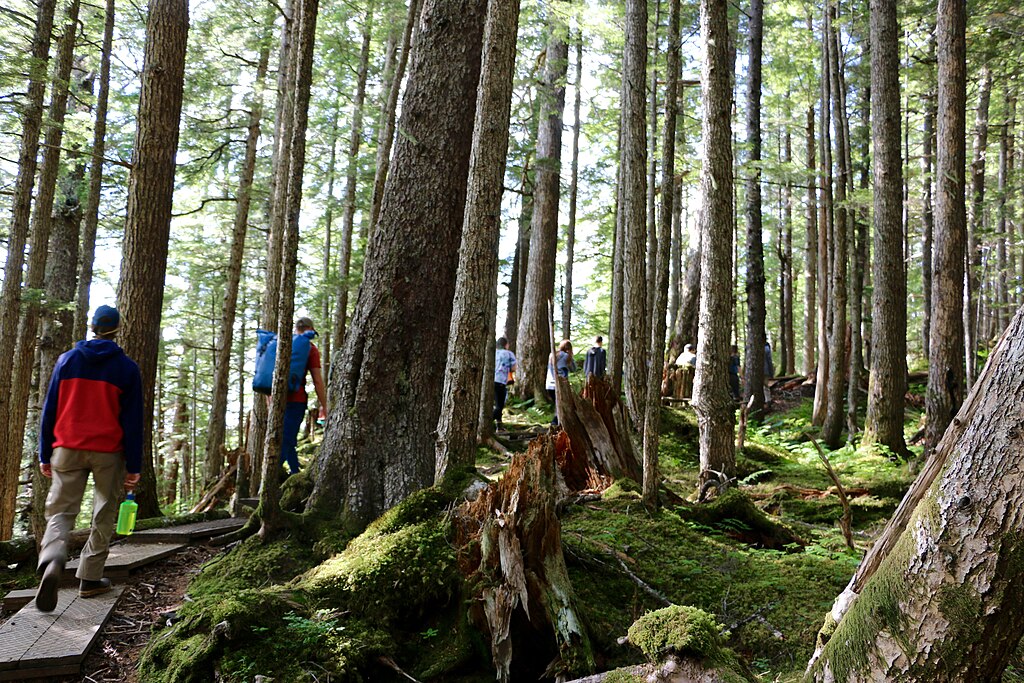
Moving quietly through brush, forests, or near streams increases the risk of surprising a bear at close range. Bears generally avoid humans when aware of their presence, but sudden encounters can trigger defensive reactions. Sound provides bears time to move away calmly. Talking, calling out periodically, or hiking in groups helps announce presence without startling wildlife. Silence may feel respectful, yet it removes a critical safety buffer. Dense vegetation, bends in trails, and noisy water sources already limit visibility and sound detection, making deliberate noise an essential precaution rather than an annoyance in bear habitats.
Never Approach Bears For Photos
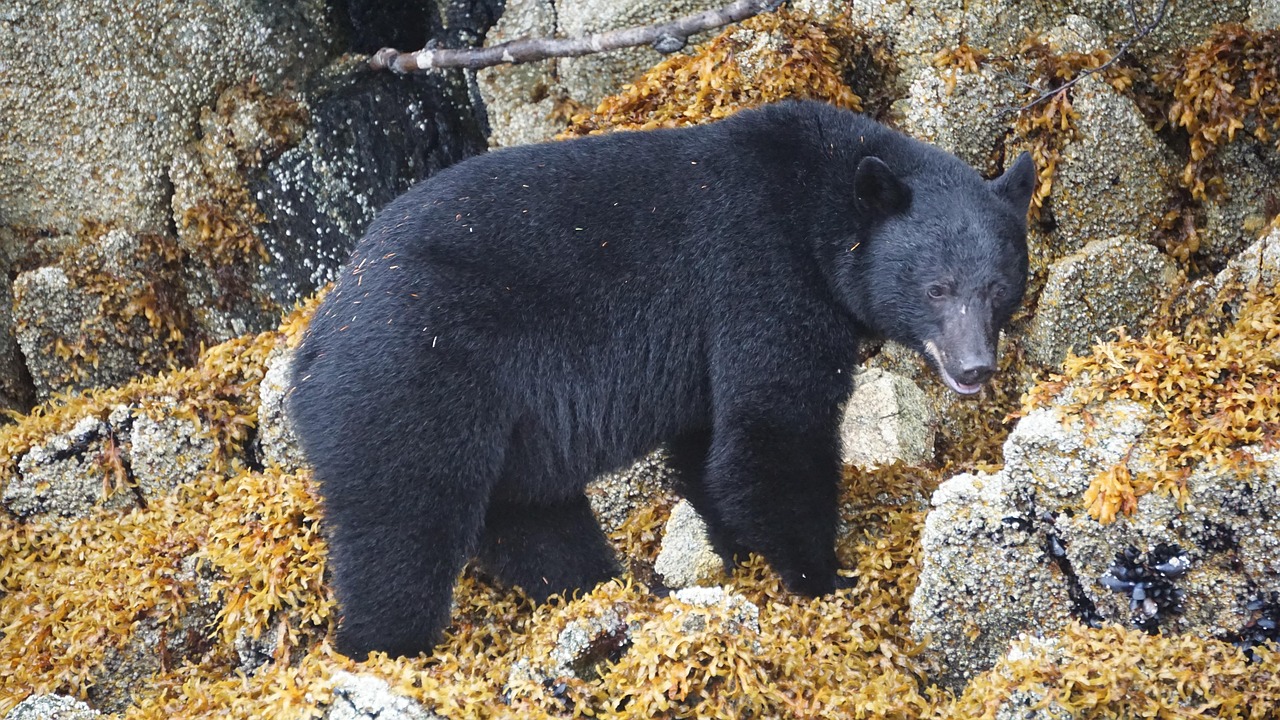
Attempting to photograph bears at close range places unnecessary stress on wildlife and serious danger on hikers. Bears may appear calm or distant but can cover ground quickly if they feel threatened. Approaching for photos often violates park regulations and disrupts natural behavior. Zoom lenses exist for a reason, and distance remains the safest option. Encounters should be brief and passive, allowing bears to continue undisturbed. Close approaches increase the chance of defensive charges, especially near cubs or food sources. Respectful observation from afar preserves safety and prevents habituation to human presence.
Never Leave Food Scraps Or Trash Behind

Discarded food scraps, wrappers, or scented items teach bears to associate trails and camps with easy meals. Even biodegradable waste alters natural foraging behavior and encourages repeated visits to human areas. Bears that become food conditioned pose ongoing risks to future hikers and often face lethal management decisions. Packing out all trash, including crumbs and peels, remains essential. Clean camps and trails protect ecosystems and reduce dangerous encounters. Responsible waste practices help maintain the natural separation between humans and wildlife that allows both to coexist safely in shared landscapes.
Never Run During A Bear Encounter
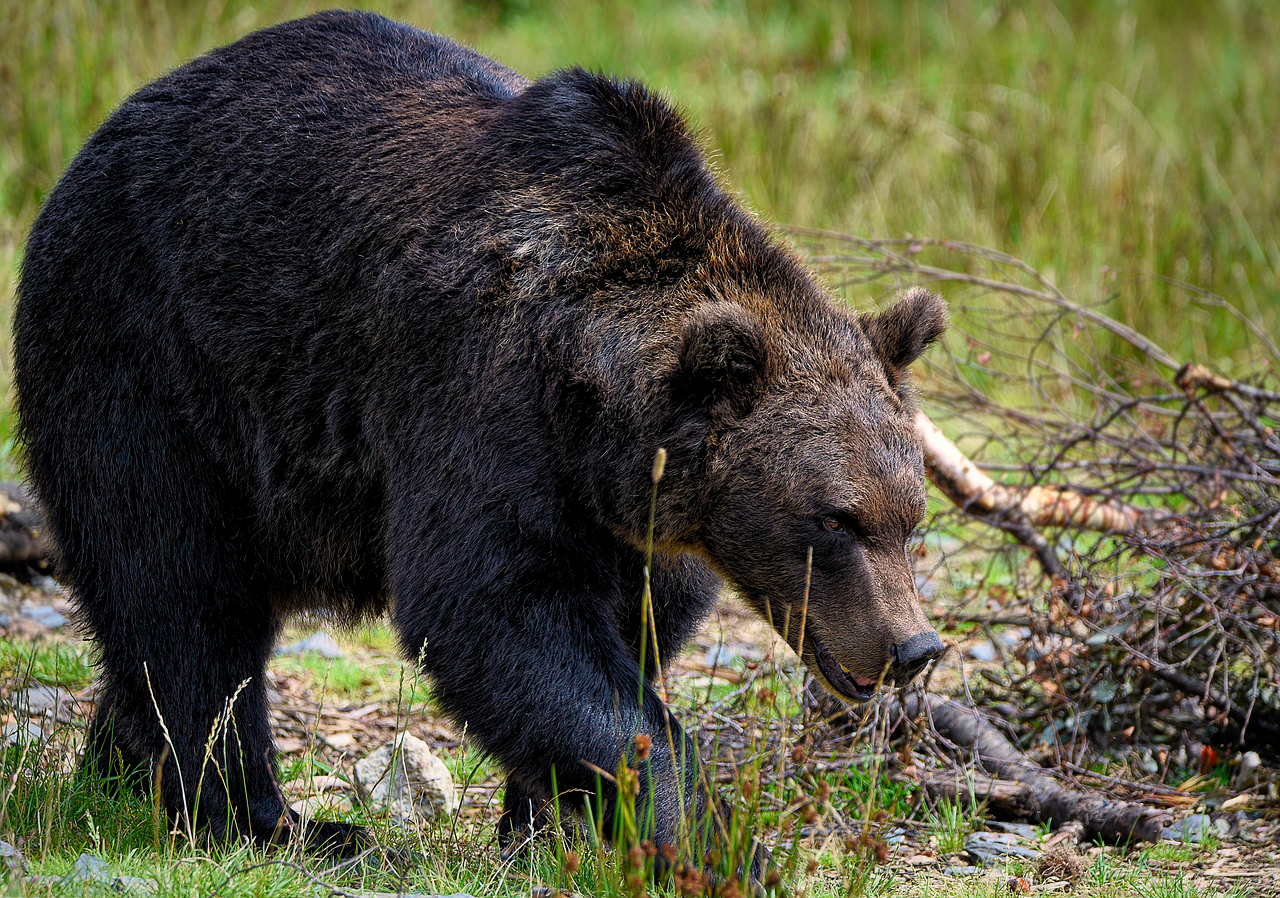
Running can trigger a chase response in bears, especially during sudden encounters. Bears can run faster than humans over short distances, making escape attempts ineffective and dangerous. Standing ground, backing away slowly when appropriate, and following region specific guidance for the bear species present offers better outcomes. Sudden movements increase tension and may escalate the situation. Calm, deliberate behavior communicates non threat. Understanding proper response techniques before entering bear country is critical, as panic driven reactions often worsen encounters rather than resolve them safely.
Never Hike Alone At Dawn Or Dusk
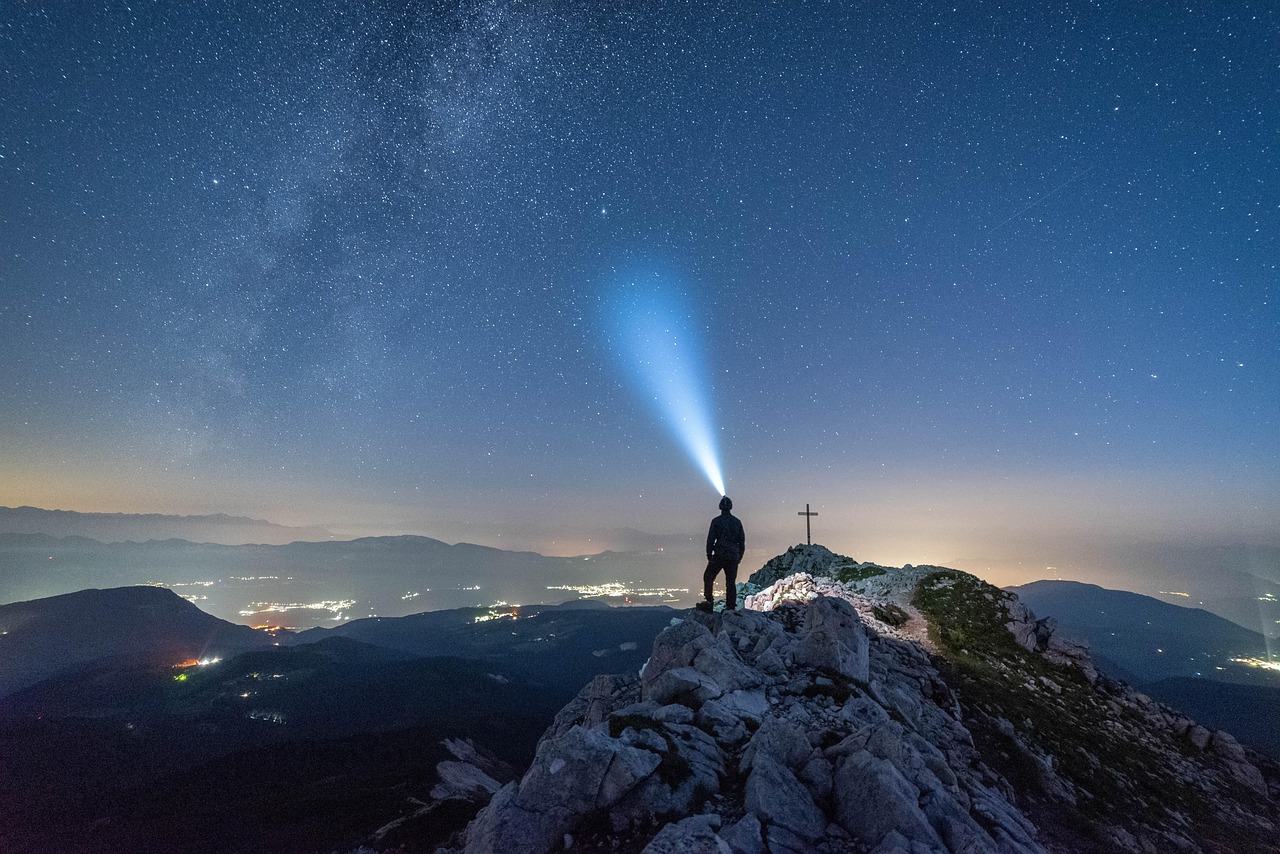
Early morning and evening hours coincide with peak bear activity, particularly for feeding. Hiking alone during these times reduces noise and visibility, increasing the likelihood of close encounters. Groups are more noticeable and provide additional awareness and response options. Low light conditions make it harder to spot bears at a distance and easier to startle them unexpectedly. Scheduling hikes for full daylight hours and traveling with others improves safety. Awareness of daily wildlife patterns allows hikers to adjust plans responsibly rather than relying on chance. This timing awareness significantly lowers risk during shared wildlife periods.
Never Store Scented Items Improperly

Scented items include toiletries, sunscreen, lip balm, and cookware, not just food. Bears investigate unfamiliar smells out of curiosity and learned behavior. Leaving scented items in open packs or tents invites unwanted attention. Proper storage protocols apply to all scented materials, which should be secured in bear resistant containers when not in use. Many incidents occur because hikers underestimate non food attractants. Treating all scented items with the same caution as food reduces risks and prevents bears from associating human gear with potential rewards. This practice helps maintain distance and discourages repeated bear visits.
Never Ignore Posted Warnings Or Closures
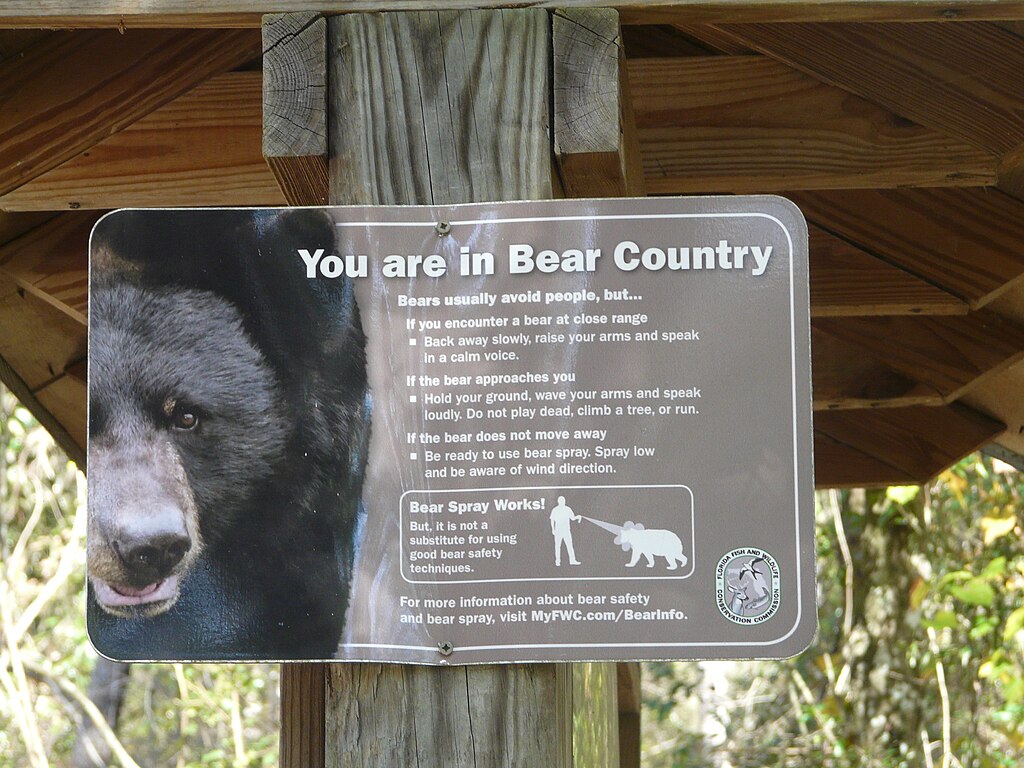
Trail closures, advisories, and warning signs exist to address recent bear activity, seasonal patterns, or habitat sensitivity. Ignoring these notices places hikers directly into known risk areas. Bears may be protecting cubs, feeding intensely, or frequenting specific corridors. Respecting closures protects both people and wildlife by minimizing stress and conflict. Regulations are based on monitoring data and ranger expertise rather than inconvenience. Choosing alternate routes or postponing hikes demonstrates responsible decision making and reduces the likelihood of dangerous encounters in actively managed bear territories.
Never Camp Too Close To Trails Or Water
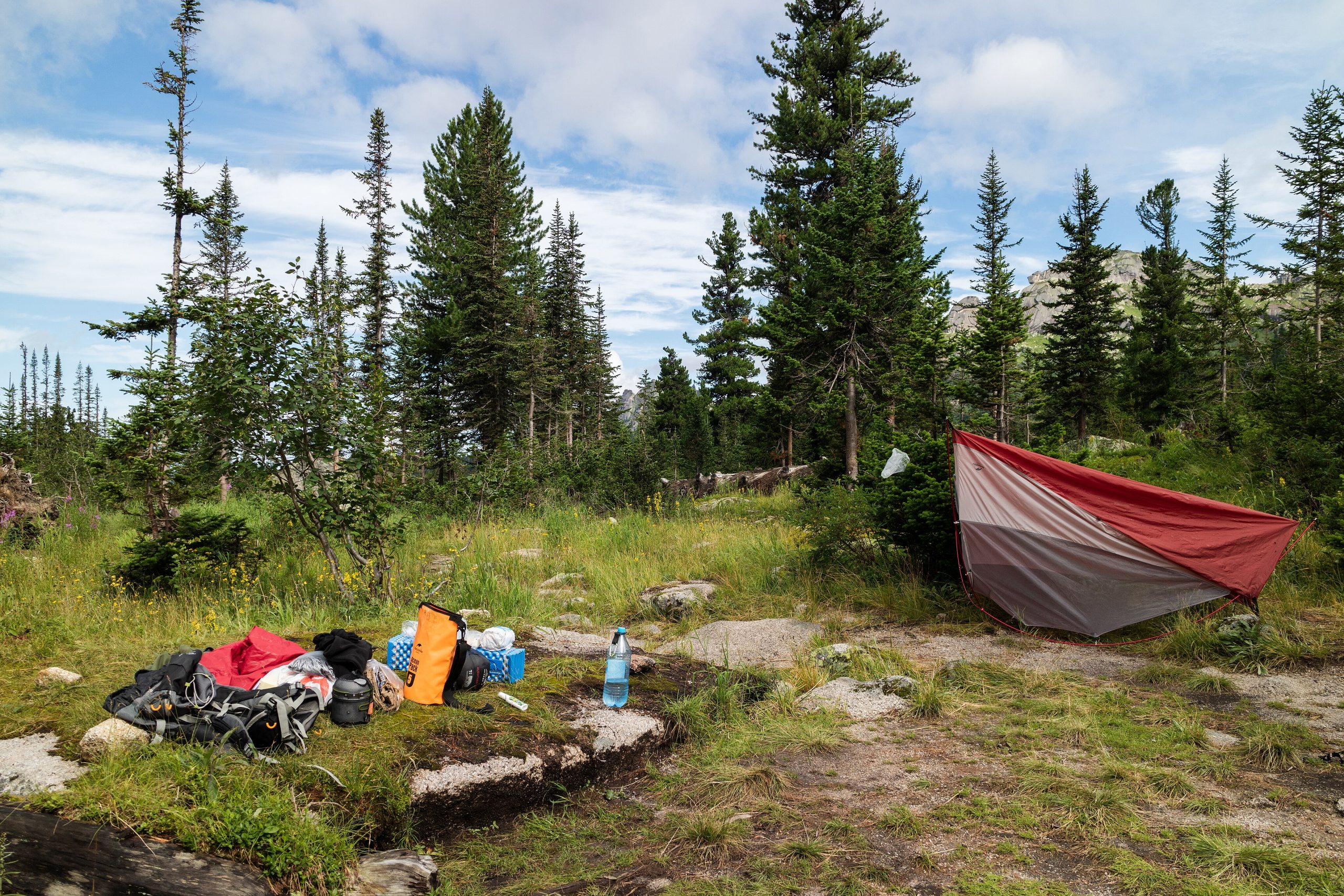
Camping near trails or water sources increases the chance of bear encounters, as both serve as natural travel routes. Bears often follow waterways and established paths while foraging or moving through territory. Setting camps at recommended distances reduces surprise interactions. Proper site selection also limits food odors spreading along high traffic corridors. Many conflicts occur at camps placed for convenience rather than safety. Following established camping guidelines helps maintain predictable spaces for both humans and wildlife, lowering stress and risk throughout shared environments.
Never Assume All Bears Behave The Same
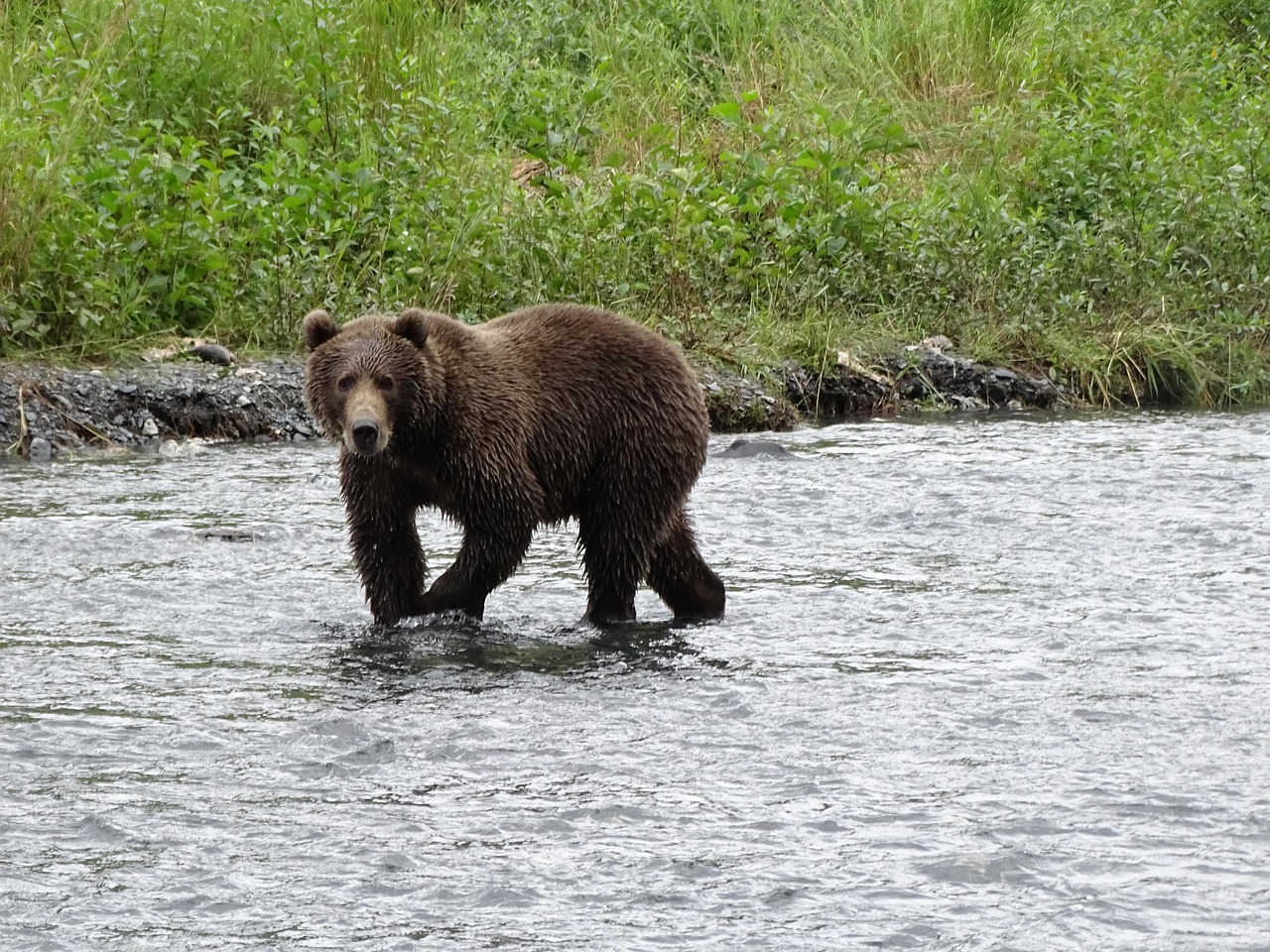
Different bear species exhibit distinct behaviors, responses, and risk factors. Black bears and grizzly bears require different encounter strategies, and regional guidance reflects those differences. Assuming uniform behavior leads to incorrect reactions during encounters. Researching the specific bear species present in a hiking area allows for appropriate preparation. Carrying bear spray, understanding deployment, and knowing when to use it depends on species and context. Treating bear safety as universal oversimplifies real risks and reduces the effectiveness of informed, species specific responses in the field.