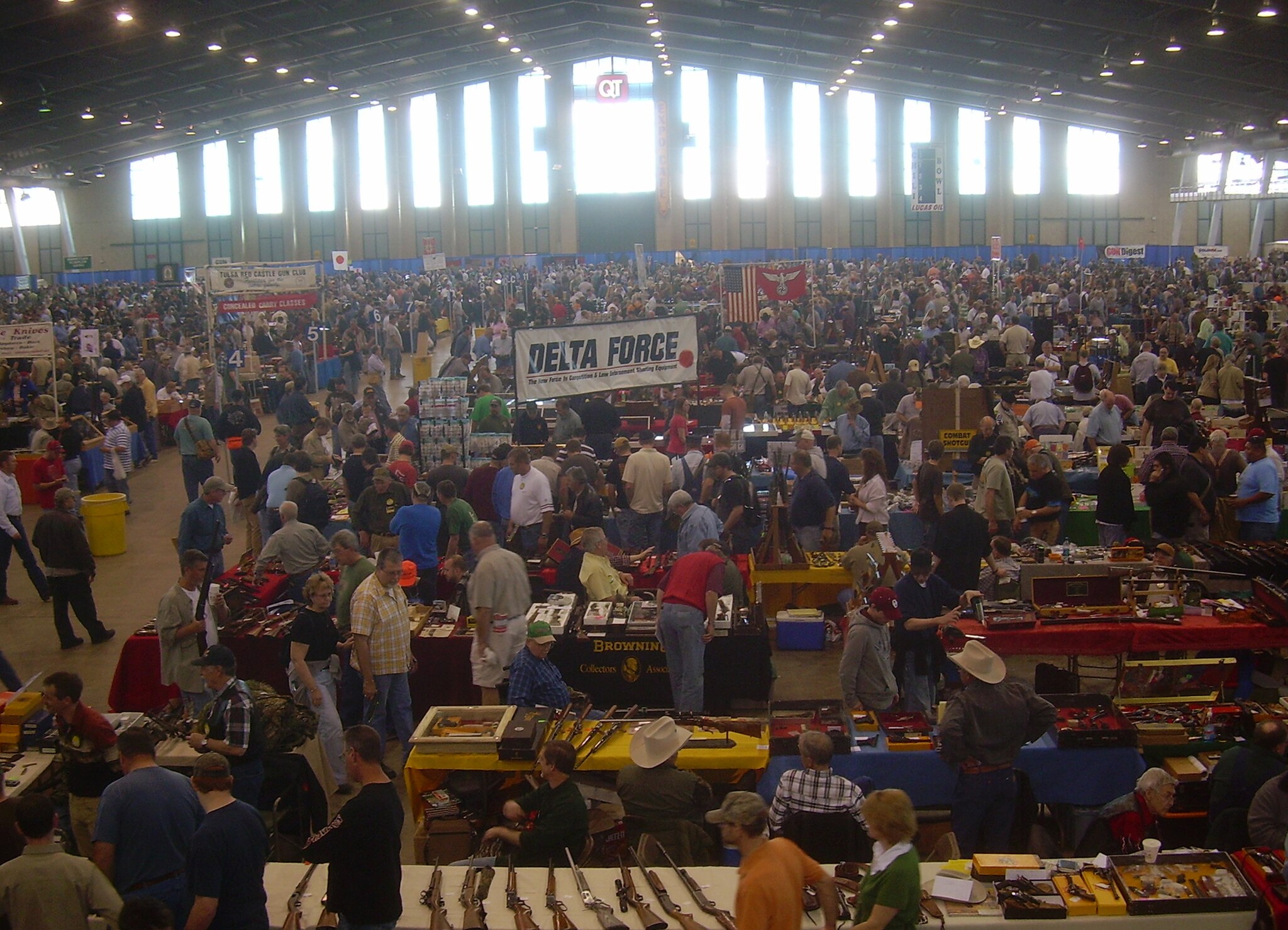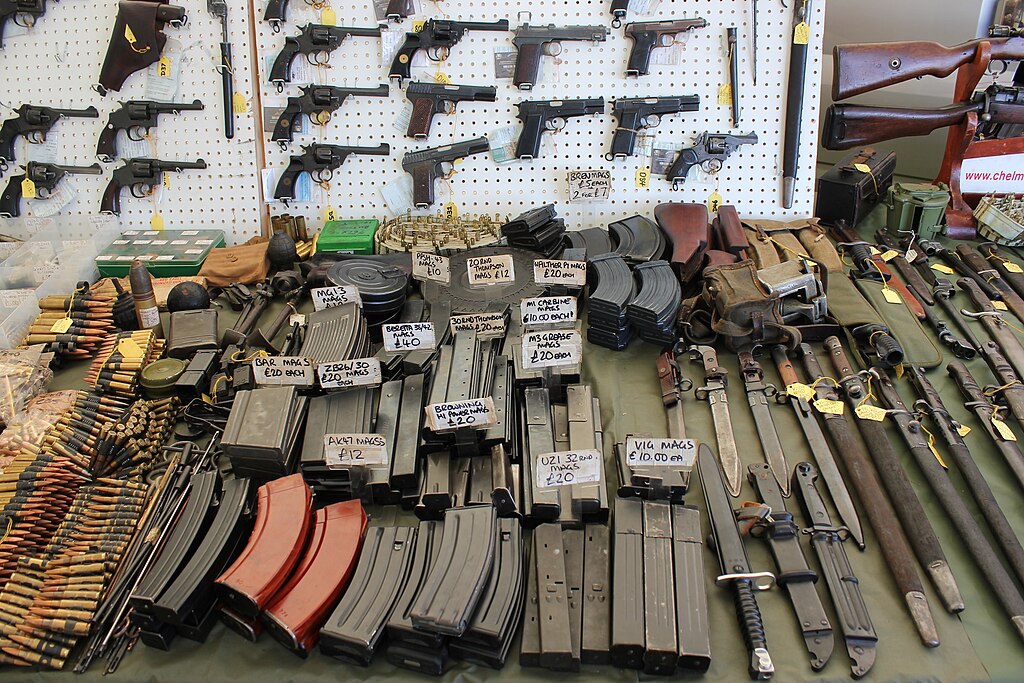
Gun shows often feel like chaotic marketplaces where prices seem random and negotiable at the same time. Many buyers assume pricing is based only on supply, demand, or the seller’s mood that day. In reality, most prices you see on tables are part of deliberate strategies designed to influence behavior, control conversations, and protect profit margins. Vendors understand crowd psychology, timing, and comparison shopping far better than most attendees realize. What looks like inconsistency is often calculated flexibility. Understanding how these pricing strategies work helps buyers recognize when a price is firm, when it is padded, and when negotiation is expected. The following ten insights explain the hidden logic behind gun show pricing and why many deals are shaped long before the doors open.
1. Prices Are Set to Invite Conversation

Many gun show prices are intentionally set slightly higher than the seller expects to receive. This is not greed but strategy. A visible price acts as a starting point rather than a final number. Sellers know buyers want interaction and negotiation. When a price leaves room to talk, it encourages engagement instead of silence. A buyer who asks about a price is already emotionally invested. Vendors often prefer conversation over quick sales because it builds perceived value. A price that looks flexible invites offers, trade discussions, and bundle deals. This approach turns pricing into a tool for interaction rather than a rigid demand.
2. Early Day Prices Protect Inventory
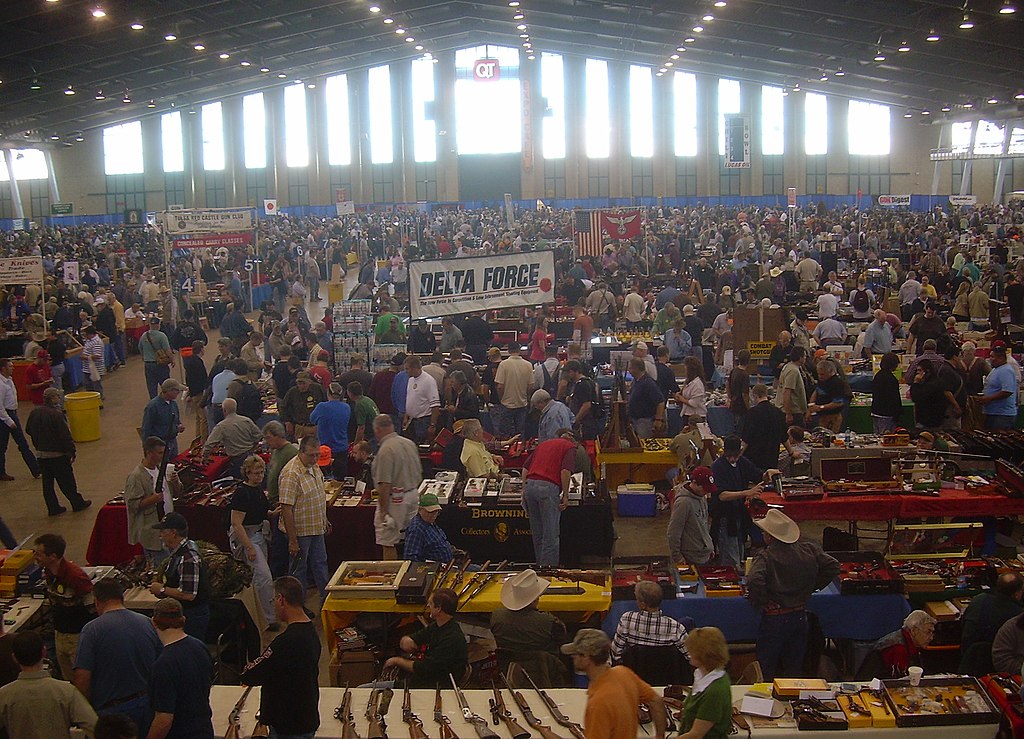
Prices during the first hours of a gun show are often higher by design. Sellers want to gauge interest before committing to discounts. Early buyers are usually motivated and informed, and some are willing to pay more to secure rare items. Holding firm early prevents sellers from underselling something that could attract better offers later. It also protects against regret if demand spikes. Many vendors only loosen pricing after foot traffic patterns become clear. What feels like stubborn pricing in the morning often softens by afternoon once sellers understand what will and will not move.
3. Late Day Flexibility Reduces Carry Out Costs
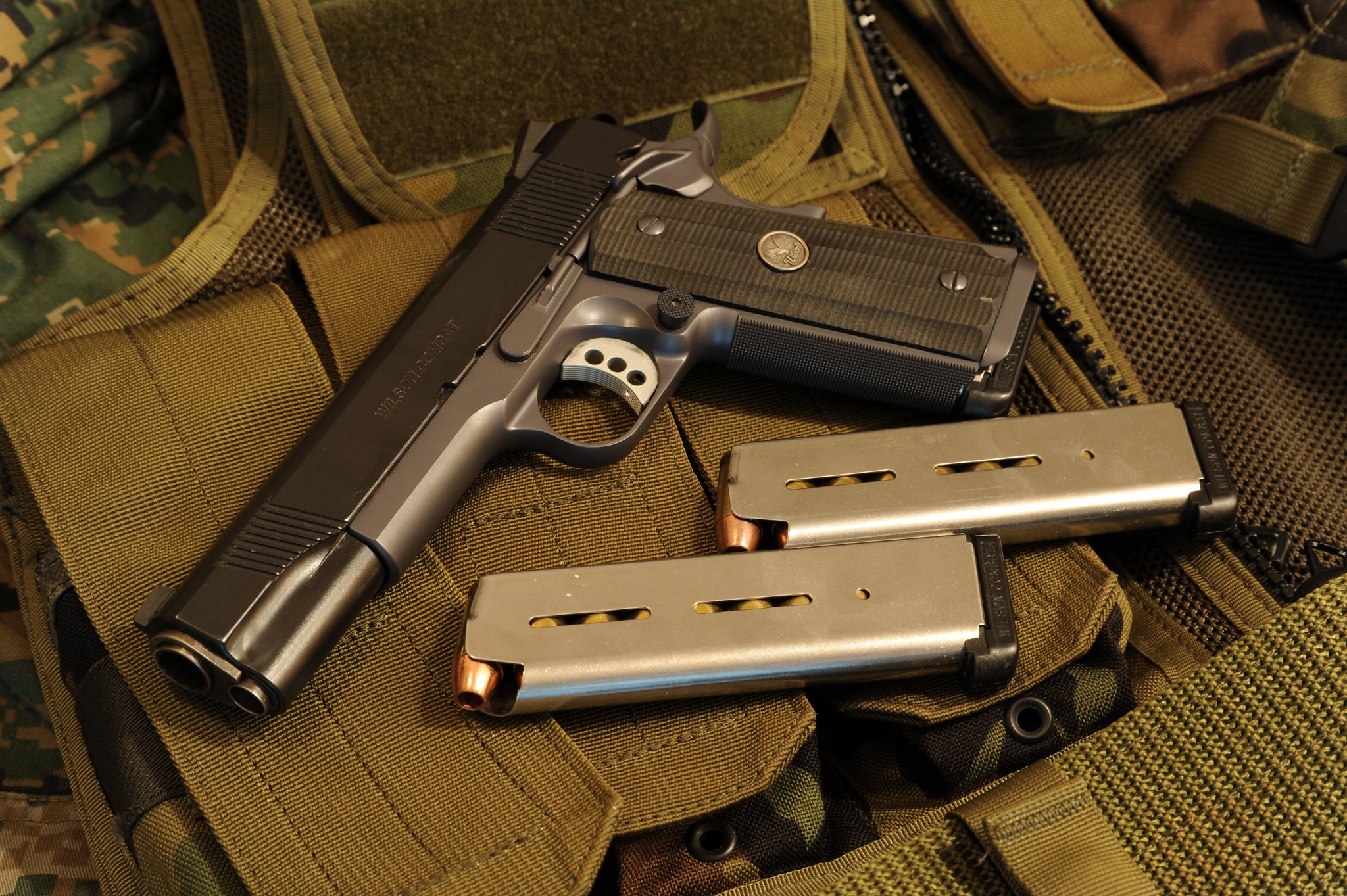
As the show nears closing time, pricing strategies shift. Sellers begin factoring in labor, transport, and setup costs. Carrying unsold inventory back to vehicles or trailers is time-consuming and expensive. Discounts late in the day are often motivated by logistics rather than generosity. Vendors may accept lower margins to avoid repacking heavy items. Buyers who understand this timing advantage often wait. Sellers know this, too, which is why not all prices drop. Only items that are bulky, common, or slow-moving tend to see real flexibility near closing.
4. Cash Pricing Is Already Calculated

Many buyers believe offering cash automatically earns a discount. In reality, most gun show prices already assume cash payment. Sellers expect cash and price accordingly. Credit card fees, taxes, and processing costs are built into higher posted prices for shops, but are often irrelevant at shows. When a seller offers a cash discount, it is usually because the price includes extra padding, not because cash is special. Understanding this helps buyers negotiate realistically. Asking for a cash discount works best when combined with volume purchases or quick decisions, not as a standalone request.
5. Comparison Confusion Is Intentional
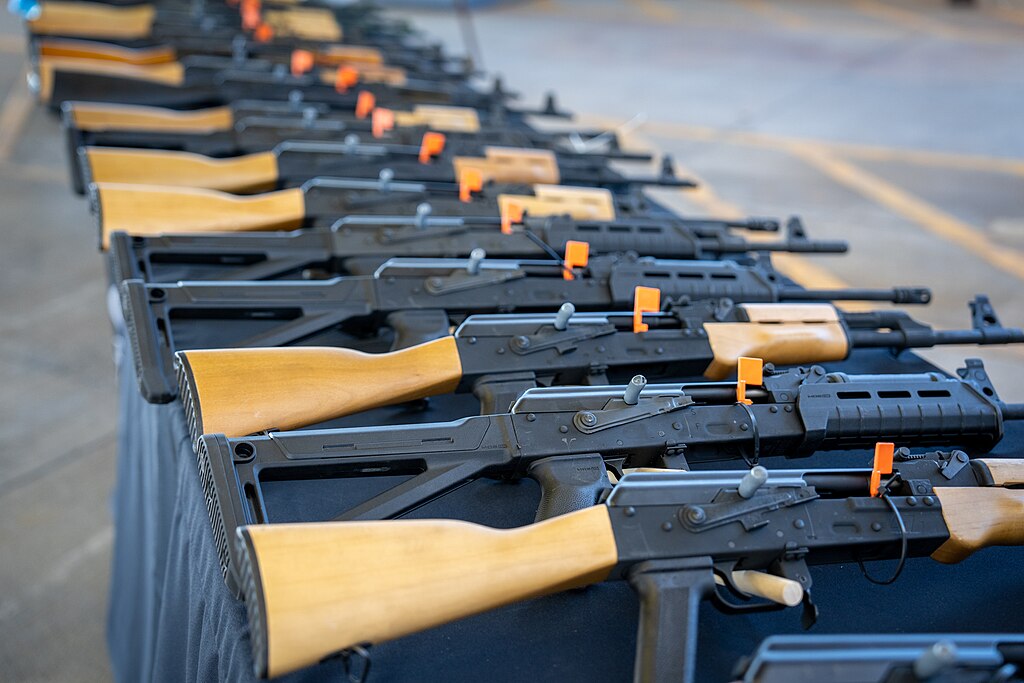
Gun shows place many similar items side by side, which can overwhelm buyers. Some sellers price items slightly above or below nearby tables to manipulate the comparison. A higher price can signal quality or rarity even when the item is common. A lower price can draw attention to a table and spark impulse interest. Sellers watch competitor pricing closely and adjust to stand out without racing to the bottom. This controlled contrast influences perception. Buyers often assume the lowest price is best or the highest is premium, both of which can be misleading.
6. Accessories Carry Hidden Margin
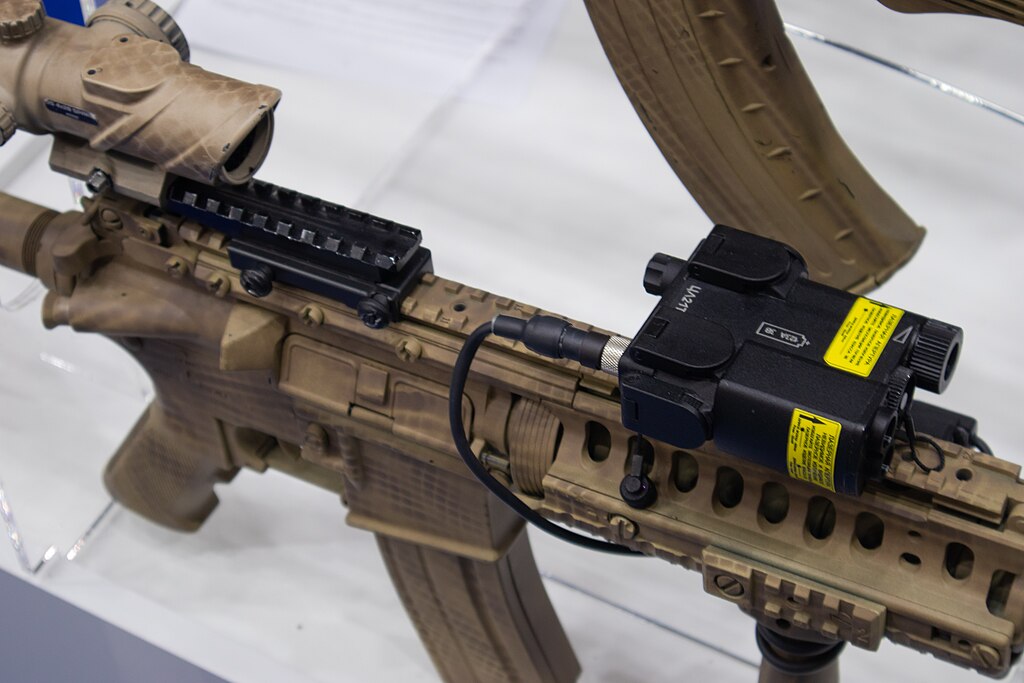
Firearms often have tighter margins than buyers expect, while accessories offer more flexibility. Magazines, holsters, optics, and parts are commonly priced to allow negotiation. Sellers may hold firm on the firearm but offer deals on add-ons to close a sale. This creates the illusion of compromise while protecting core profit. Buyers focused only on gun price miss opportunities to save through bundles. Sellers expect this behavior and structure prices accordingly. Accessories become bargaining chips that help both sides feel they gained value without changing the main item price.
7. Price Tags Are Signals, Not Guarantees
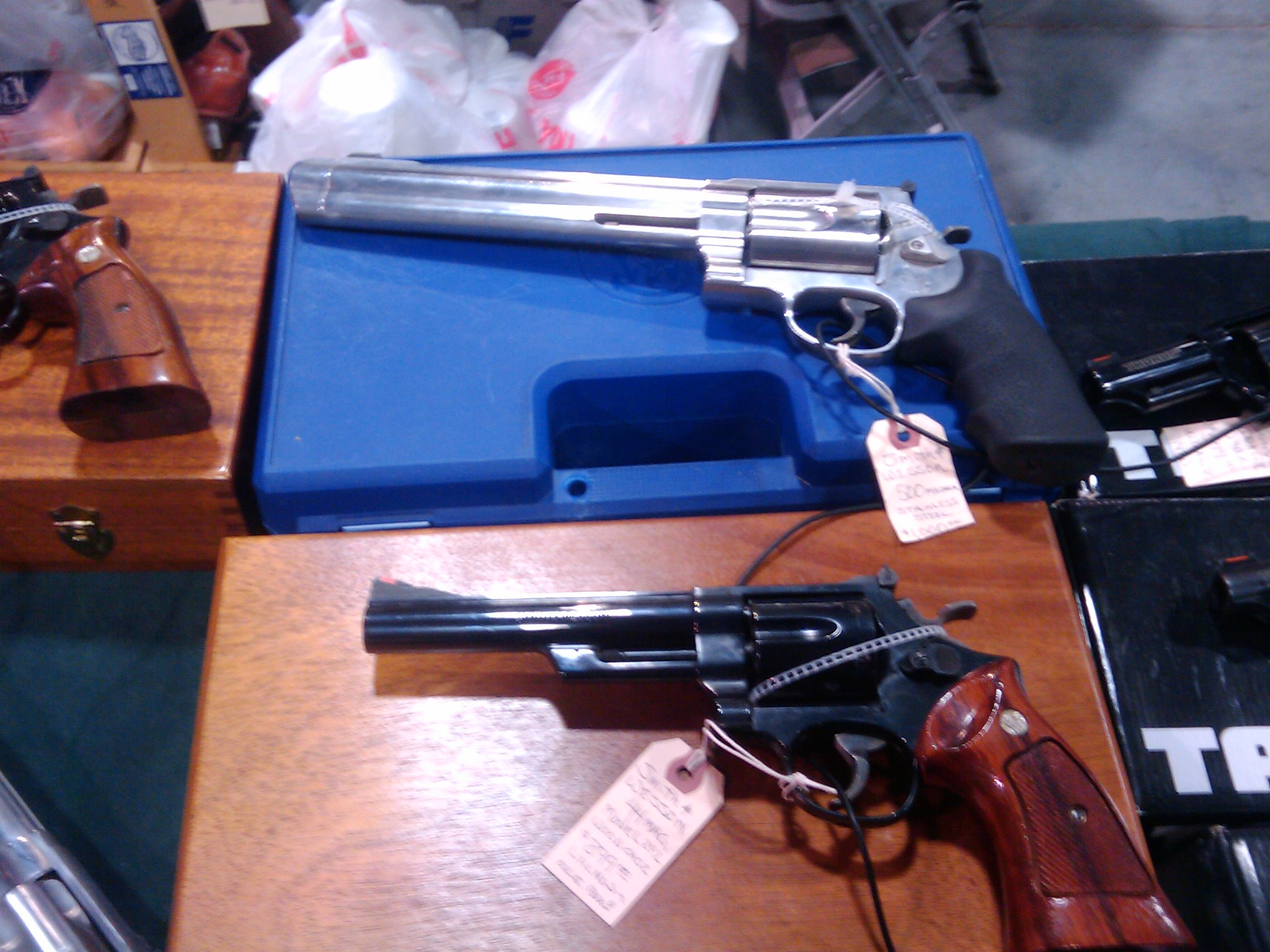
At gun shows, price tags often communicate intent more than obligation. A neatly labeled price suggests professionalism and confidence. A handwritten or loose tag suggests flexibility. Sellers use presentation to guide buyer expectations. Some prices are marked firm to discourage time wasters. Others are marked high to filter serious buyers. Understanding these signals saves time and frustration. Buyers who read pricing as communication rather than commitment gain insight into how open a seller truly is to negotiation before a word is spoken.
8. Rarity Claims Shape Pricing Psychology
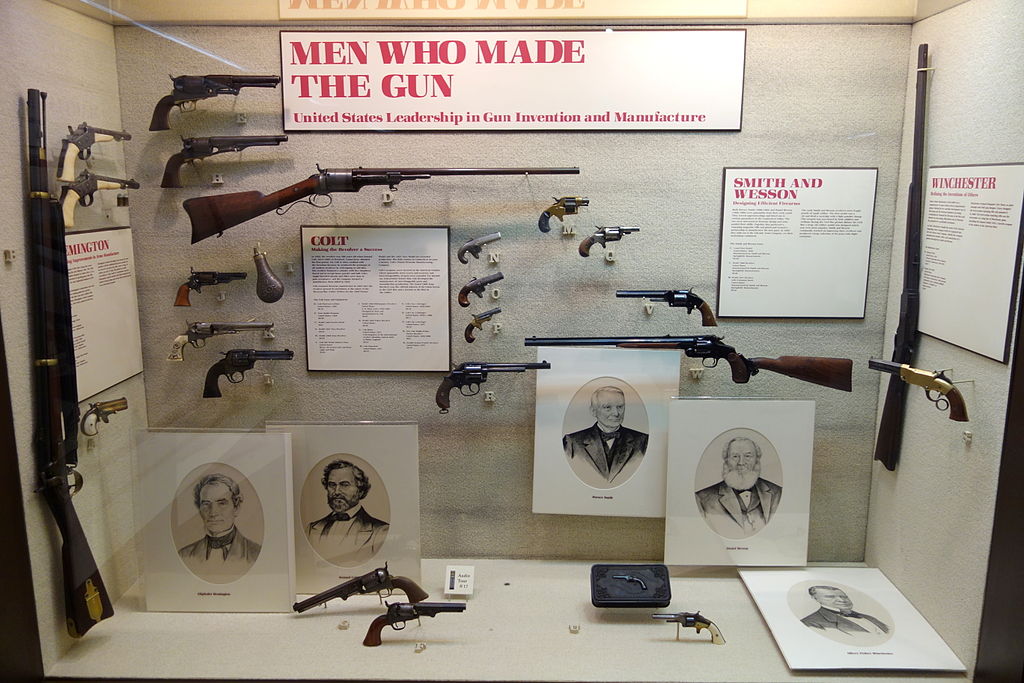
Sellers often price items based on perceived rarity rather than actual market value. A firearm labeled uncommon or hard to find can carry a premium even if availability is normal elsewhere. At a gun show, buyers lack instant price verification, which gives sellers leverage. Pricing reflects what buyers might believe, not just what items are worth. Some sellers rely on storytelling to support these prices. Understanding this tactic helps buyers separate true scarcity from sales language and avoid paying inflated prices driven by perception rather than reality.
9. Trade Value Is Built Into Sticker Prices
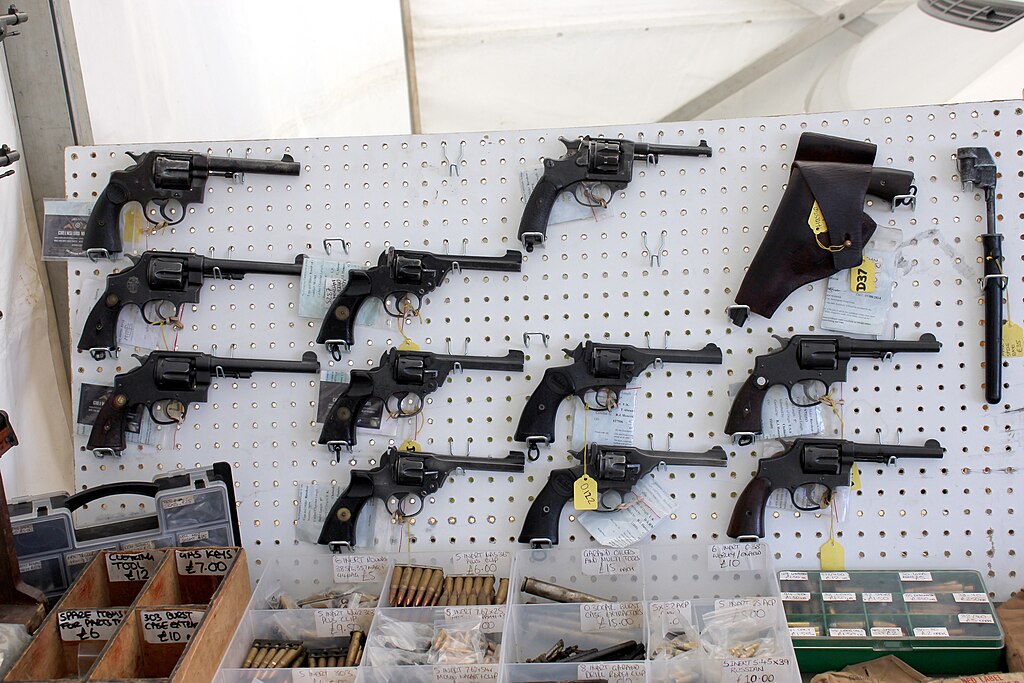
Many gun show prices quietly include room for trades. Sellers know a large portion of buyers want to trade rather than buy outright. Sticker prices are often adjusted upward to absorb trade allowances. This allows sellers to appear generous on trade value without losing margin. Buyers focusing only on cash comparisons miss this layer. When no trade is involved, that built-in buffer becomes negotiable space. Recognizing this helps buyers understand why some prices feel higher than expected and where negotiation room actually exists.
10. Confidence Often Matters More Than Offers
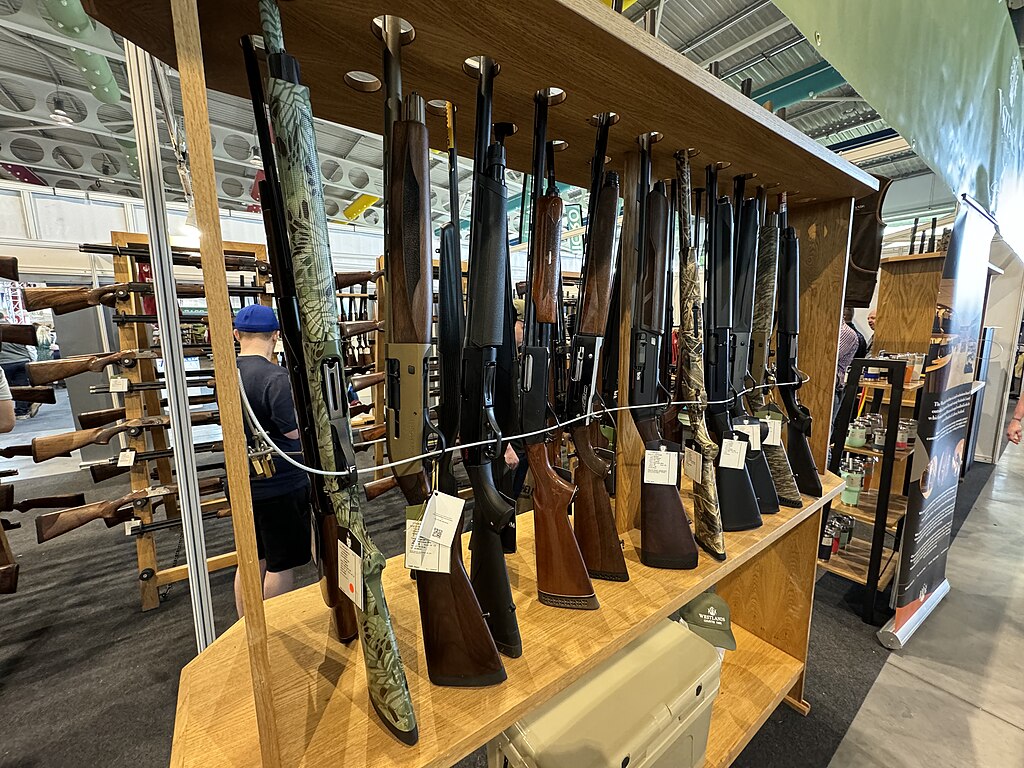
Sellers respond strongly to buyer confidence. A calm, informed buyer who knows market values often gets better pricing than someone aggressively lowballing. Pricing strategies account for buyer behavior. Sellers expect hesitation, excitement, or uncertainty and price to manage it. Confident buyers signal seriousness and efficiency, which sellers value late in the day or during busy periods. Offers paired with clear reasoning work better than emotional appeals. Understanding that pricing responds to behavior helps buyers negotiate smarter rather than harder.