Long before high tech gear and luxury cabins reshaped outdoor culture, hunting camps of the 1970s reflected practicality, routine, and deep seasonal tradition. These camps were shaped by regional weather, limited electricity, and a strong reliance on shared labor and trust. Families and friends gathered for weeks, often returning to the same structures year after year. Every object inside served a clear purpose, whether tied to safety, food preparation, or comfort after long days outdoors. Together, these items tell a revealing story about how hunters lived, worked, and bonded during a distinctly analog era period.
Wood Burning Stoves
Wood burning stoves formed the physical and social center of many 1970s hunting camps. These heavy cast iron units provided reliable heat during cold mornings and late season hunts when snow was common. They also doubled as cooking surfaces for coffee, stews, or reheated leftovers. Firewood stacking, ash cleaning, and damper adjustments were daily routines shared by everyone present. Beyond warmth, the stove created a gathering point where stories were exchanged, gear was dried, and plans were made, reinforcing a slower rhythm that defined camp life during that decade across rural regions nationwide during wintertime seasons.
Coleman Lanterns And Fuel Cans
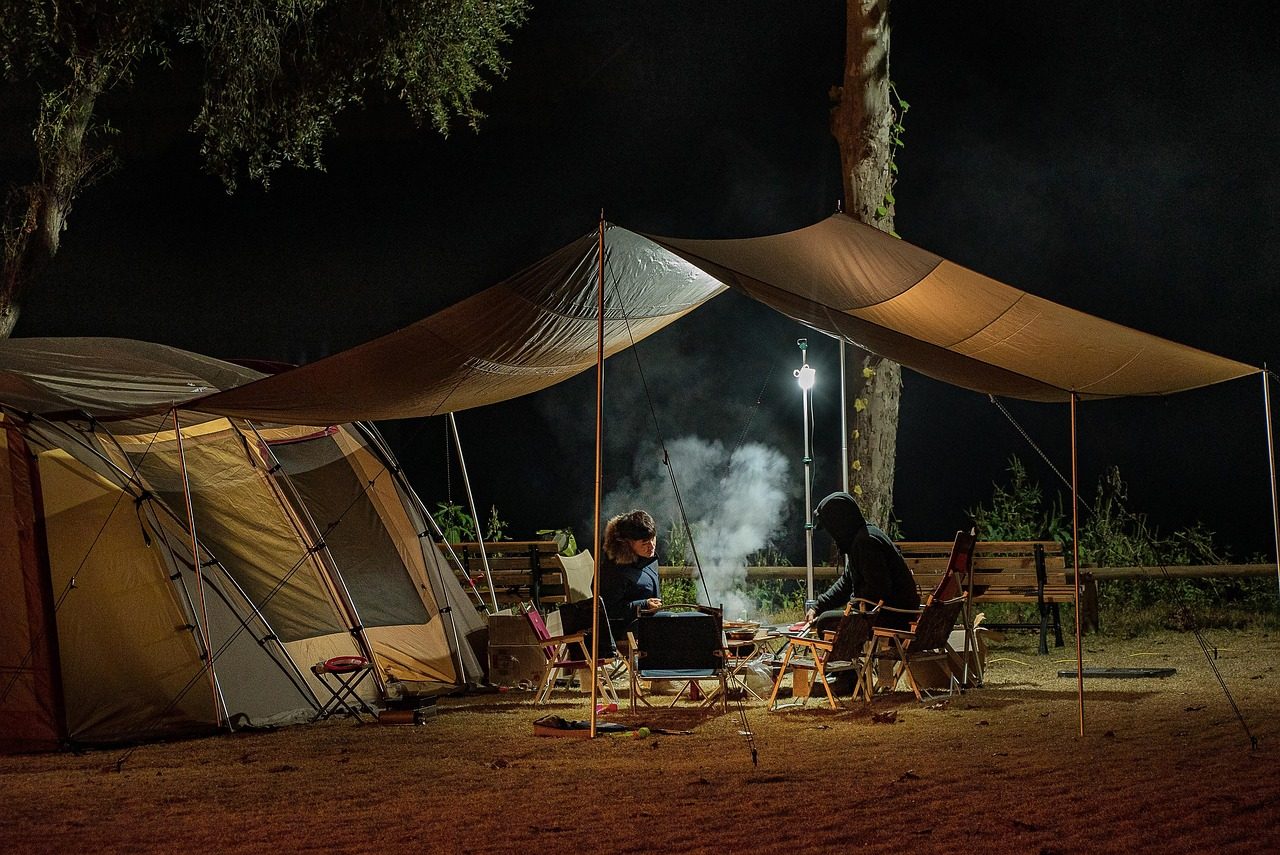
Battery powered lighting was uncommon, making gas fueled lanterns essential in 1970s hunting camps. Coleman lanterns, paired with metal fuel cans, illuminated bunk rooms, tables, and entryways after sunset. Mantles required careful handling, and lighting the lantern was often a practiced ritual. The soft hiss and steady glow became part of the nightly atmosphere. Extra fuel was stored safely away from flames, reflecting basic camp safety knowledge. These lanterns allowed card games, equipment checks, and shared meals to continue long after daylight faded inside cabins that lacked wiring or modern electrical systems common throughout remote locations.
Canvas Wall Tents
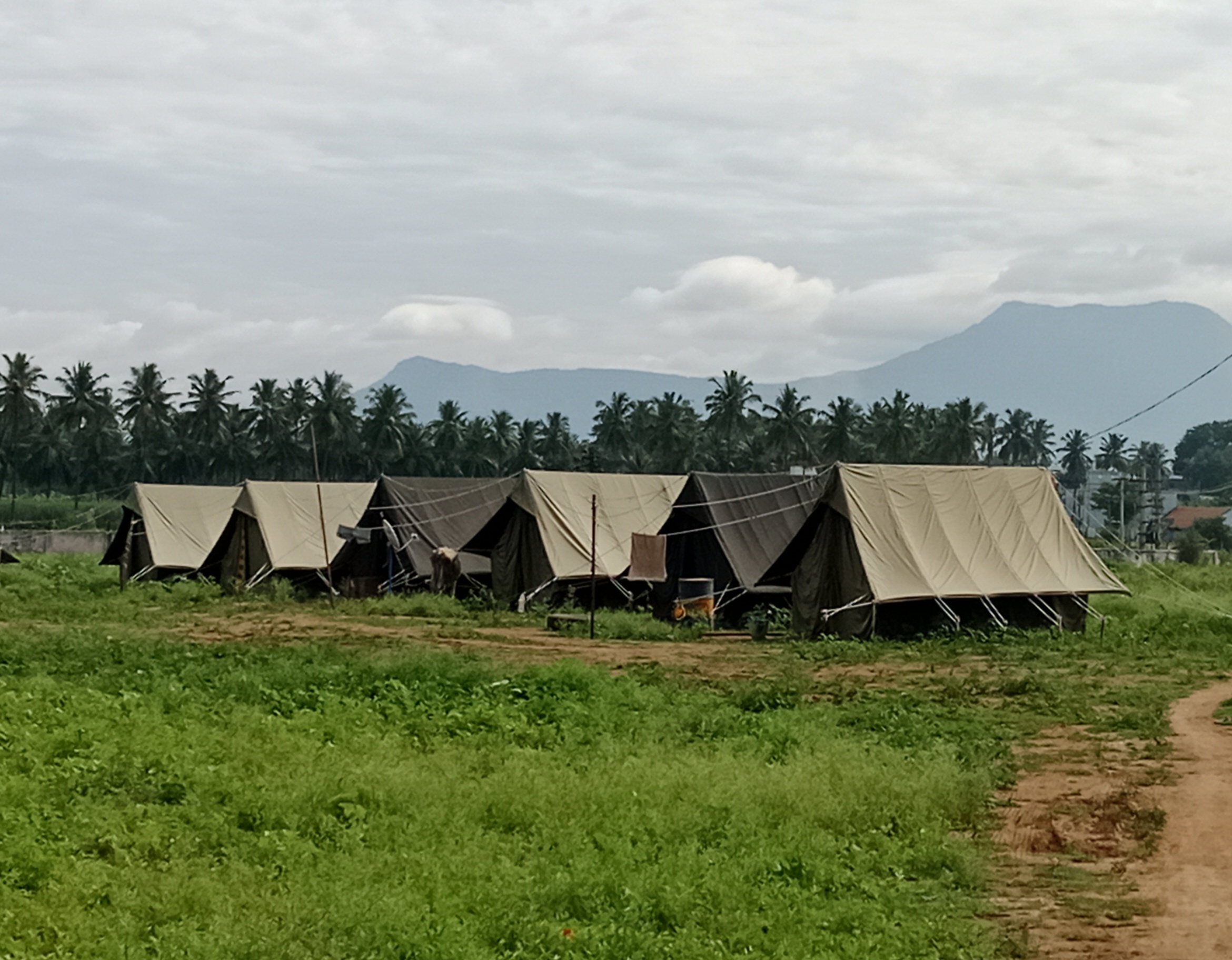
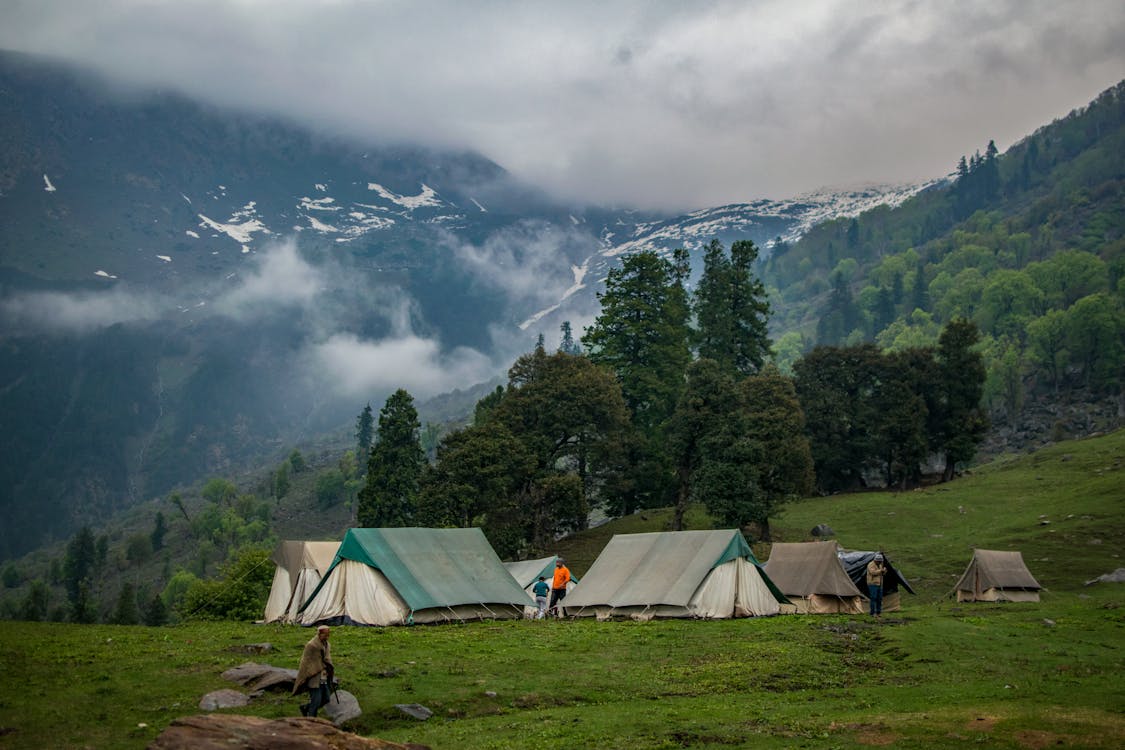
Canvas wall tents were a common sight at temporary or semi permanent hunting camps during the 1970s. Supported by wooden frames or metal poles, these tents provided space for bunks, stoves, and supplies. Thick canvas offered insulation and durability against wind and light snow. Setup required teamwork and familiarity with ropes and stakes. While basic by modern standards, these tents created a dependable shelter that balanced portability with comfort, allowing camps to be established near productive hunting grounds for extended stays without permanent structures or long term construction commitments common across forests plains, and mountain regions.
Manual Meat Processing Tools

Processing game on site was routine, so camps kept manual tools for field dressing and butchering. Hand saws, skinning knives, gambrels, and sharpening stones were stored carefully and maintained regularly. Clean cuts preserved meat quality and reduced waste. Work often happened outdoors or in simple sheds, depending on weather. These tools required skill and patience, reinforcing practical knowledge passed between generations. Their presence reflects a time when hunters relied on hands on methods rather than commercial processors or electric equipment commonly found in camps across North America during that era especially in rural hunting regions.
Cast Iron Cookware
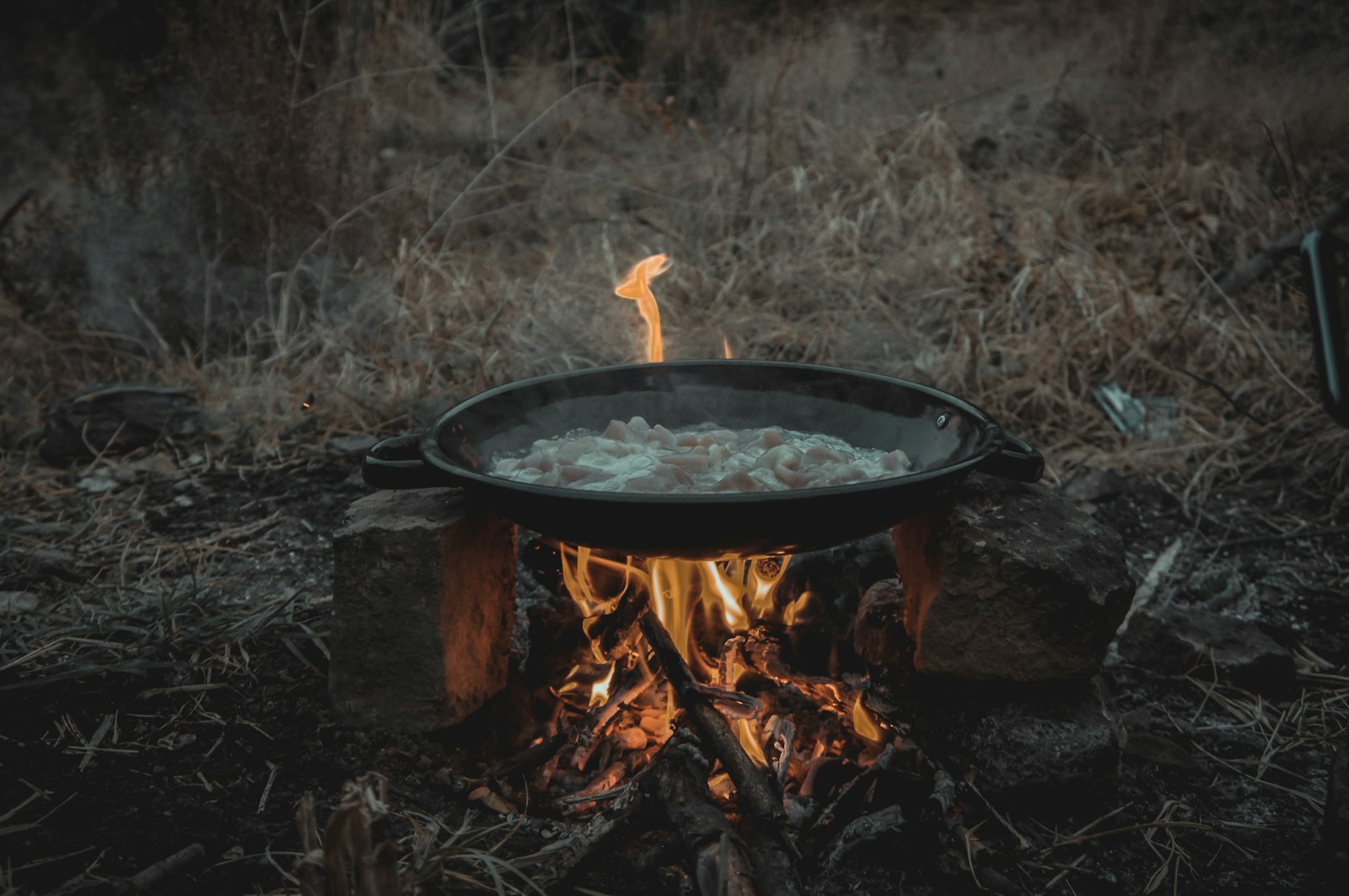
Cast iron cookware was trusted for durability and versatility in 1970s hunting camps. Skillets, Dutch ovens, and griddles handled open flames and uneven heat without damage. Meals were hearty and simple, often prepared in large batches. Proper seasoning and cleaning were understood skills, ensuring cookware lasted decades. Cooking duties rotated, encouraging shared responsibility. These heavy pieces added weight but delivered reliability, making them indispensable for camp kitchens that depended on fire rather than modern appliances commonly used across generations and stored on open shelves near stoves for convenience and warmth during cold seasons outdoors annually.
Wooden Bunk Beds
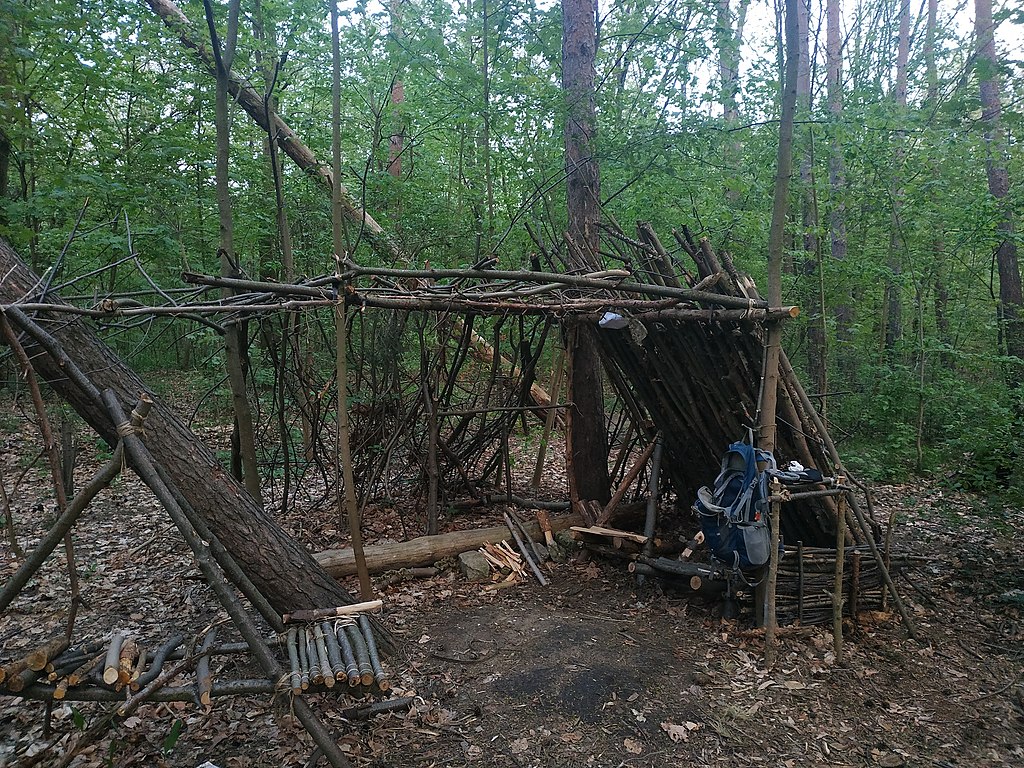
Sleeping arrangements in 1970s hunting camps were straightforward, with wooden bunk beds maximizing limited space. Built from local lumber or salvaged materials, these bunks were sturdy and functional. Mattresses were thin, often paired with wool blankets or sleeping bags. Privacy was minimal, reinforcing communal living. The creak of frames and shared routines became familiar sounds. These bunks reflected a practical approach to rest, prioritizing warmth and recovery over comfort after demanding days outdoors during extended hunting trips when camps operated for weeks at a time in remote areas with limited amenities available nearby historically common structures.
Paper Maps And Compasses
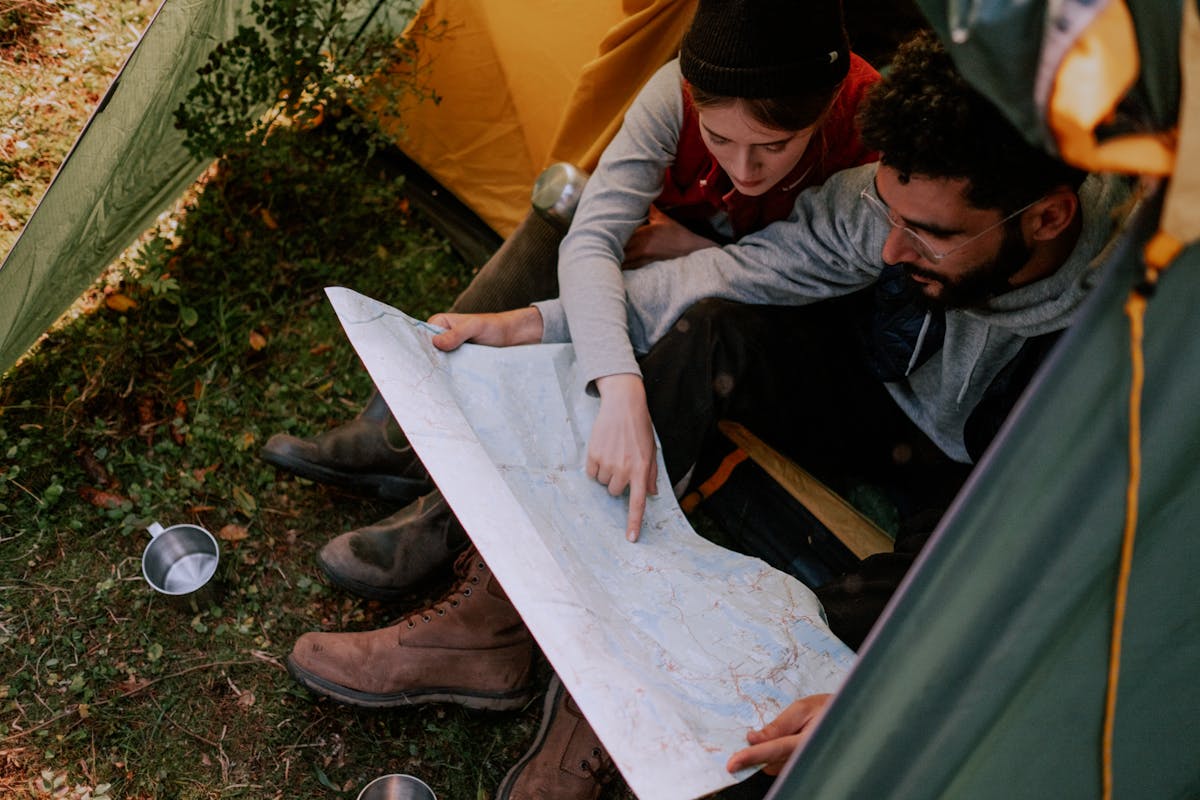
Navigation tools in 1970s hunting camps relied on paper maps and magnetic compasses. Topographic maps showed terrain, water sources, and access roads. Compasses were carried daily, ensuring direction in dense forests or poor weather. Camp tables often displayed marked routes and notes. Skill with these tools required practice and awareness. Their use encouraged careful planning and respect for landscapes, long before satellite navigation or digital mapping became available or affordable in rural regions where signage was limited and local knowledge mattered greatly for safety and success afield during seasonal hunts annually nationwide across public lands.
Propane Camp Stoves
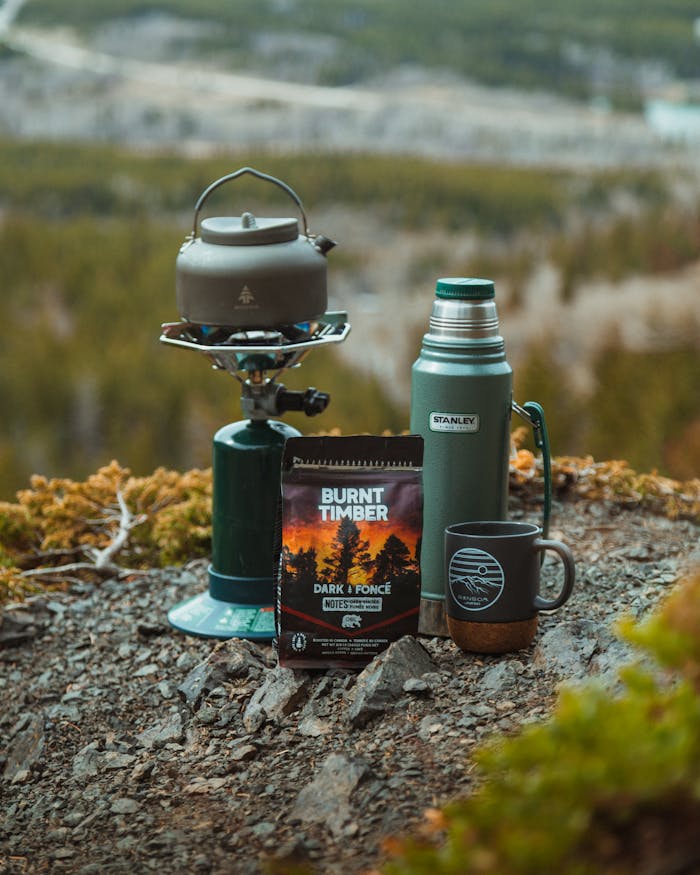
Portable propane camp stoves offered convenience alongside wood fired cooking in 1970s hunting camps. These stoves allowed faster meal preparation during busy mornings. Lightweight and dependable, they worked in varied weather conditions. Fuel cylinders were monitored closely to avoid shortages. Stoves were often placed on outdoor tables or near open shelters. Their presence reflected gradual shifts toward efficiency while maintaining simple camp routines rooted in shared meals and coordination especially during large group hunts when timing mattered for departures and returns to camp safely each day across multiple regions seasonally in colder months commonly used.
Radios For Weather And News
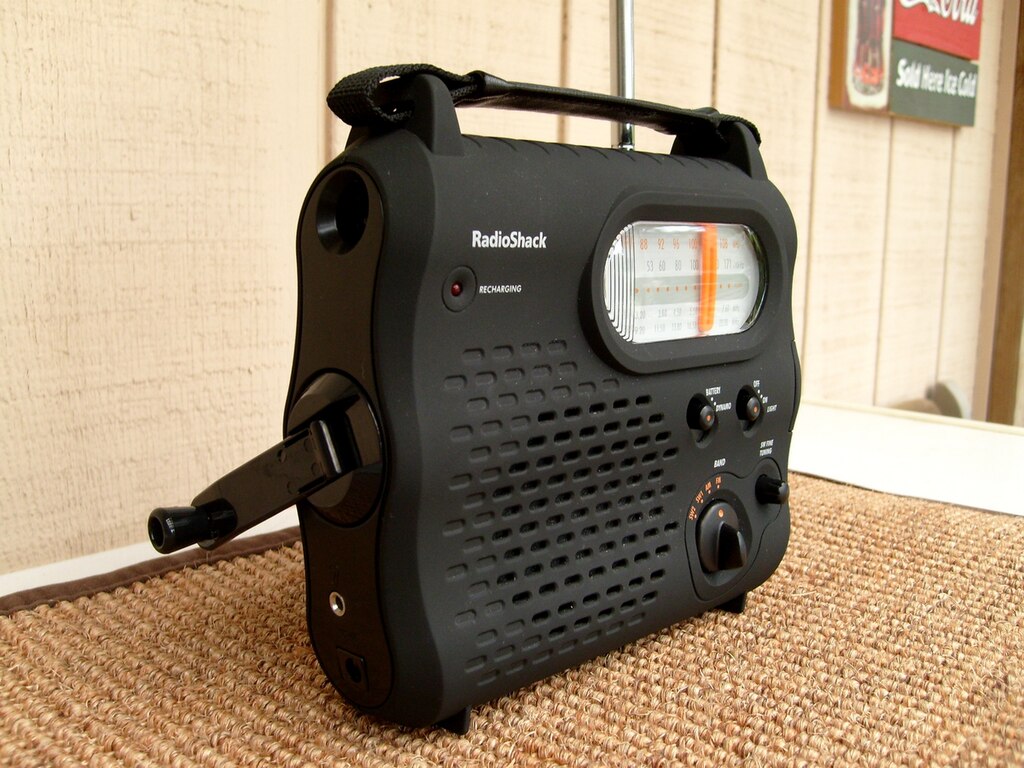
Radios played an important role in 1970s hunting camps by providing weather updates and news. Battery powered or hand tuned units connected camps to the outside world. Forecasts influenced daily plans and safety decisions. Evenings sometimes included listening to local stations or sports. Reception varied by location, requiring antenna adjustments. These radios balanced isolation with awareness, offering reassurance during extended stays far from towns or reliable communication infrastructure when landlines were unavailable and emergency contact options remained limited across rural hunting areas nationwide during multiweek seasonal trips common at the time historically speaking across decades.
Handwritten Camp Logs
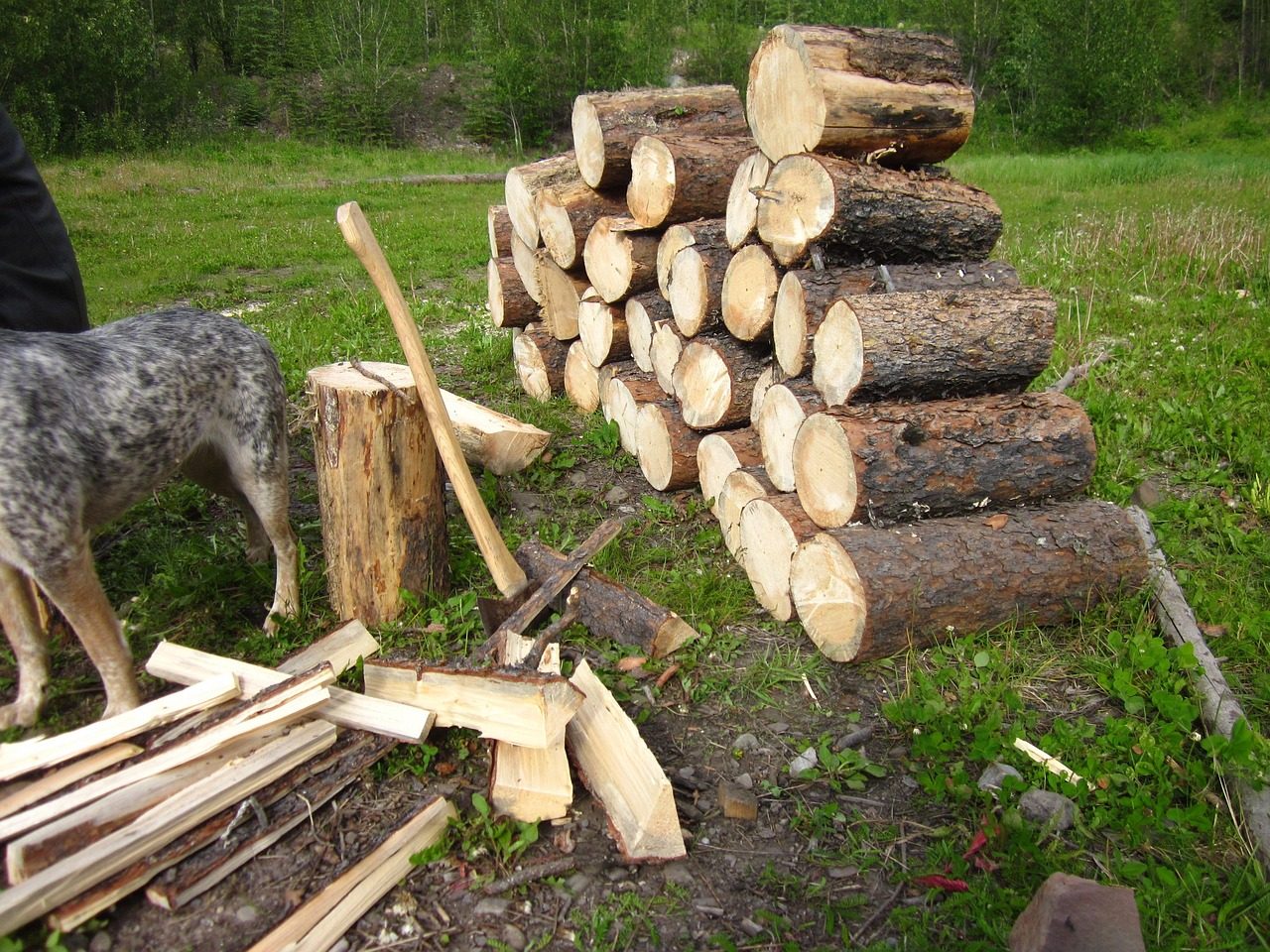
Many 1970s hunting camps kept handwritten logs to record daily activities. Entries noted weather, game sightings, harvest details, and visitor names. These notebooks created informal records that grew over years. Reading past entries became a tradition, connecting generations. Logs were stored on shelves or tables for easy access. Their presence reflects an appreciation for memory and routine, preserving moments that might otherwise fade after each hunting season especially in camps visited annually by the same families and friends over long periods of time across rural regions nationwide during that era before digital records existed widely.