Surviving and navigating in harsh terrain demands tools you can trust, and a purpose-built survival watch is often the most dependable wearable device when phones fail or conditions deteriorate. The best survival watches combine multi-GNSS positioning, durable construction, exceptional battery life, and practical navigation features like breadcrumb trails, offline topographic maps, and reliable compasses. Many also include barometric altimeters, weather alerts, night-vision compatibility, and rugged materials that withstand shock, water, and temperature extremes. This list selects ten watches consistently rated highly by field testers, search-and-rescue professionals, and outdoor reviewers for off-grid navigation and survival use. Each entry explains why the watch excels under tough conditions, the navigation strengths it brings to the table, and real-world trade-offs such as weight, price, or interface complexity. Whether you prioritize battery longevity, mapping clarity, or military-grade toughness, one of these models is engineered to help you find your way and stay safe in unforgiving environments.
1. Garmin Tactix 7
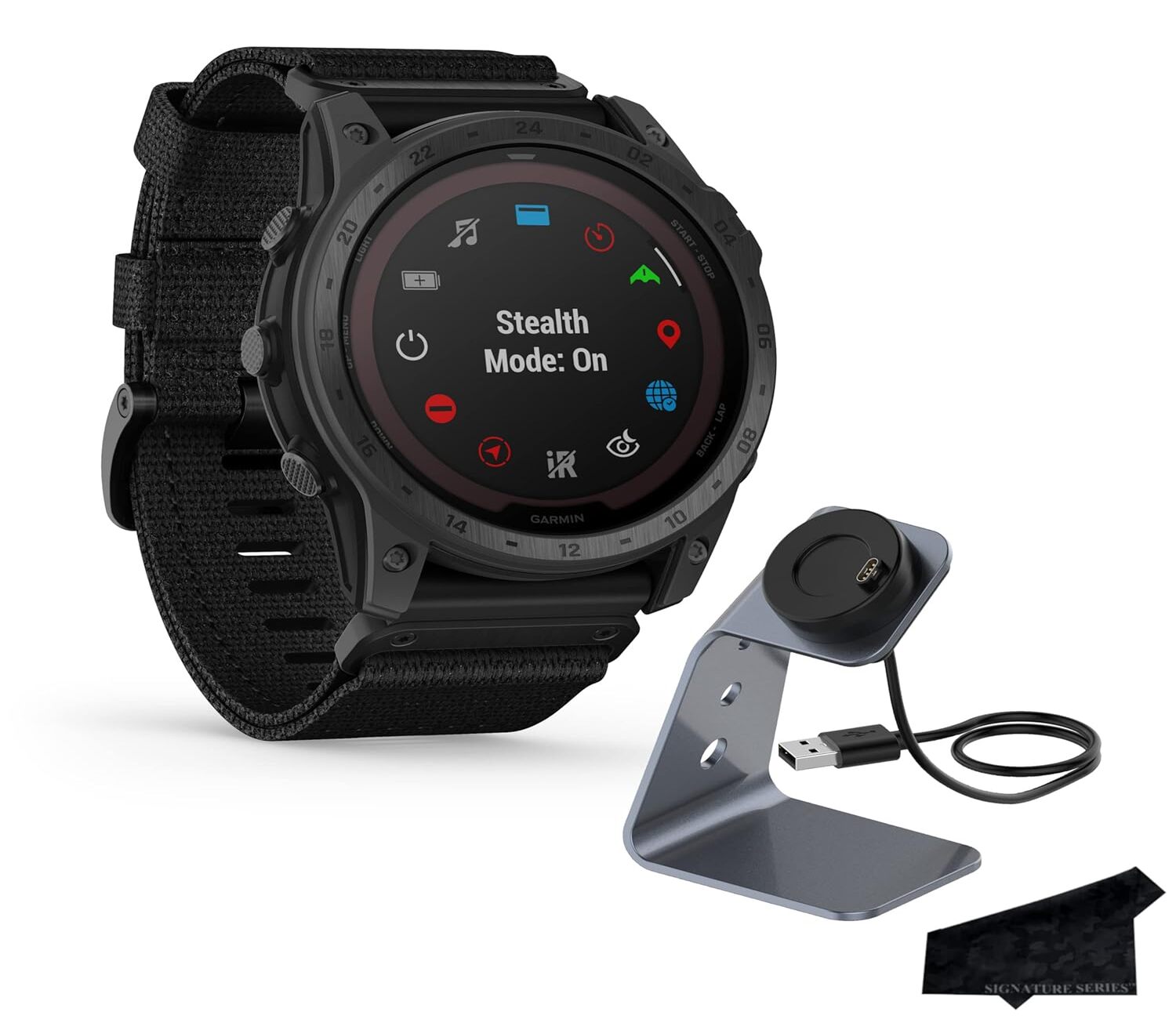
The Garmin Tactix 7 is a top-tier survival watch known for its robust navigation suite and tactical features that favor demanding terrain operations. Built on Garmin’s proven Fenix platform but tuned for mission-critical use, the Tactix offers multi-frequency GNSS, preloaded topo and satellite maps, and on-device waypoint and route management that functions when cell service is not available. Its durable sapphire or titanium options resist scratches and shocks while delivering excellent readability under varied light conditions. Advanced features like stealth modes, night-vision compatibility, and a built-in LED flashlight give it versatility for low-visibility or tactical situations. Extensive battery modes from multi-day GPS to expedition-saving power profiles make it practical for extended off-grid trips. The primary trade-off is cost and weight, but for navigation-first users who demand proven mapping, the Tactix 7 is a premier choice.
2. Garmin Fenix 7 Pro
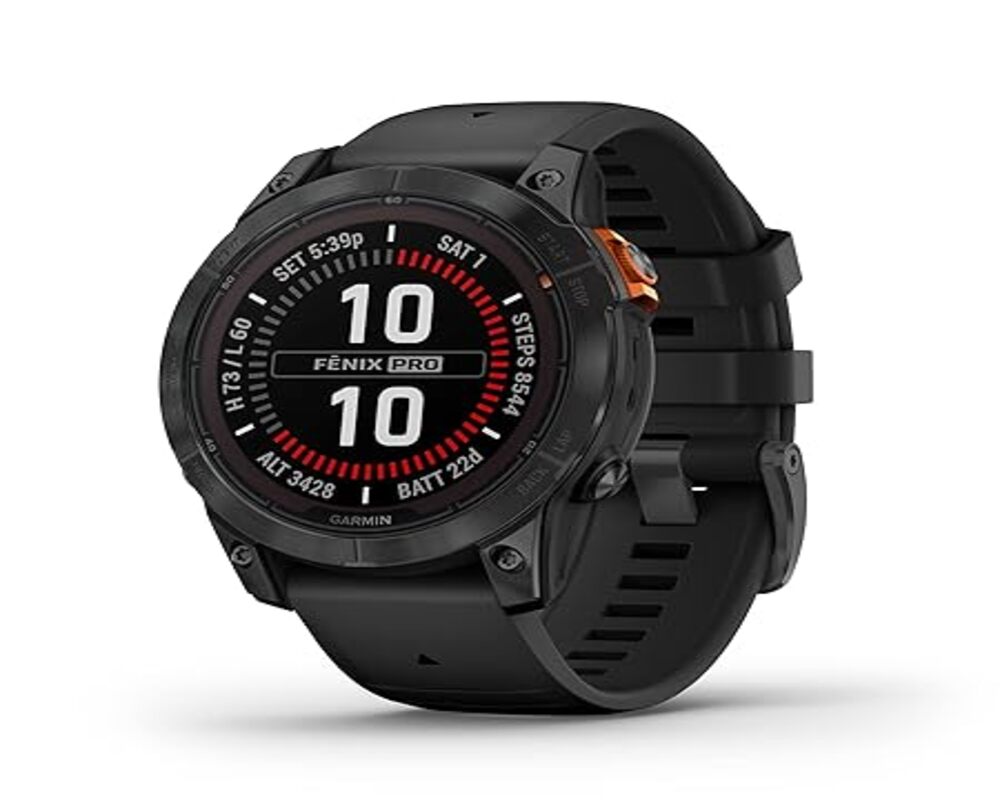
The Garmin Fenix 7 Pro series blends strong mapping, multi-band GNSS, and long battery life into a flexible platform for survival navigation. Its sunlight-visible display, rugged bezel options, and full routing support with topo maps make route-finding intuitive in complex terrain. Fenix 7 Pro’s multi-band GPS improves fix reliability in canyons or tree cover, while breadcrumb trails and back-to-start functions reduce getting lost. Battery-saving modes and solar-assisted variants extend field life for multi-day outings. The watch supports downloadable maps and third-party apps, giving advanced users customization. It’s slightly lighter than dedicated tactical models and often less expensive than the Tactix while preserving the mapping depth professionals trust, making it a strong all-around survival navigation tool with broad field acceptance.
3. Casio G-Shock Rangeman GW-9400
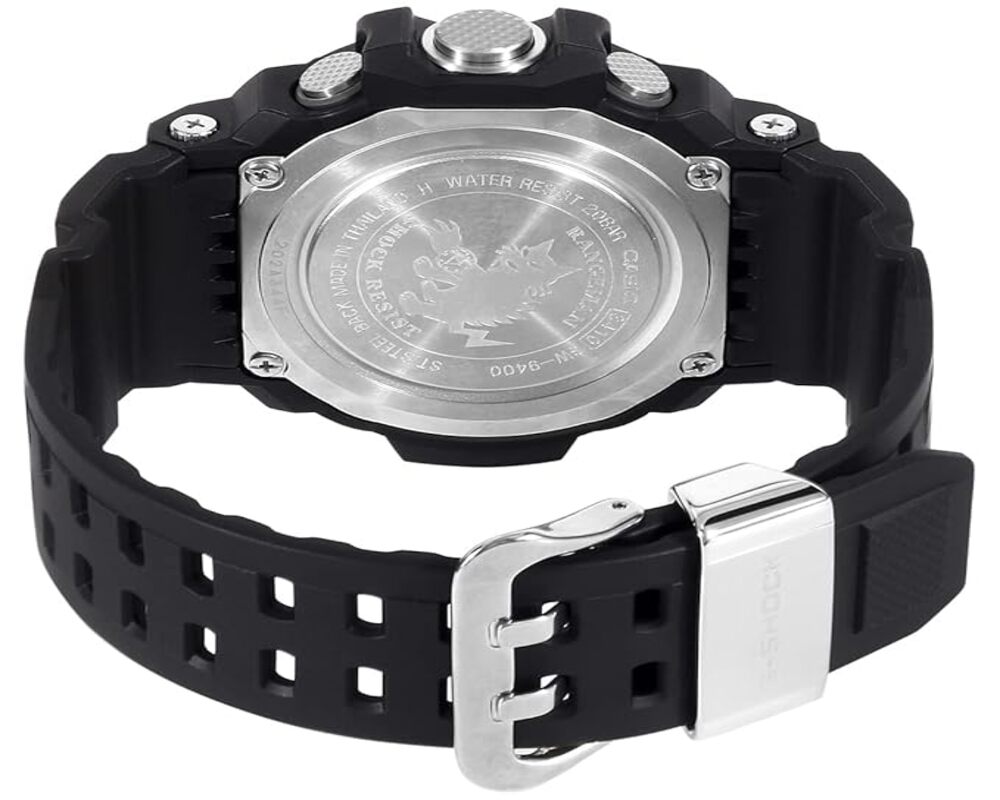
The Casio G-Shock Rangeman GW-9400 is a proven favorite among outdoorspeople who prioritize ruggedness and reliable sensors over full-color mapping. Its Triple Sensor suite provides altimeter, barometer, compass, and temperature readings on demand, and the watch’s famed shock resistance and 200-meter water resistance ensure durability in extreme conditions. Solar charging extends operation without frequent battery swaps. While it lacks full topo maps or multi-band GNSS found in higher-end smartwatches, its coarse but dependable navigation cues, long-term survivability under abuse, and simple interface make it an outstanding choice when electronics need to be minimal and robust. Its value proposition is straightforward: reliable environmental sensing and unbreakable construction at a relatively modest price compared with full-featured GPS smartwatches.
4. Coros Vertix 2
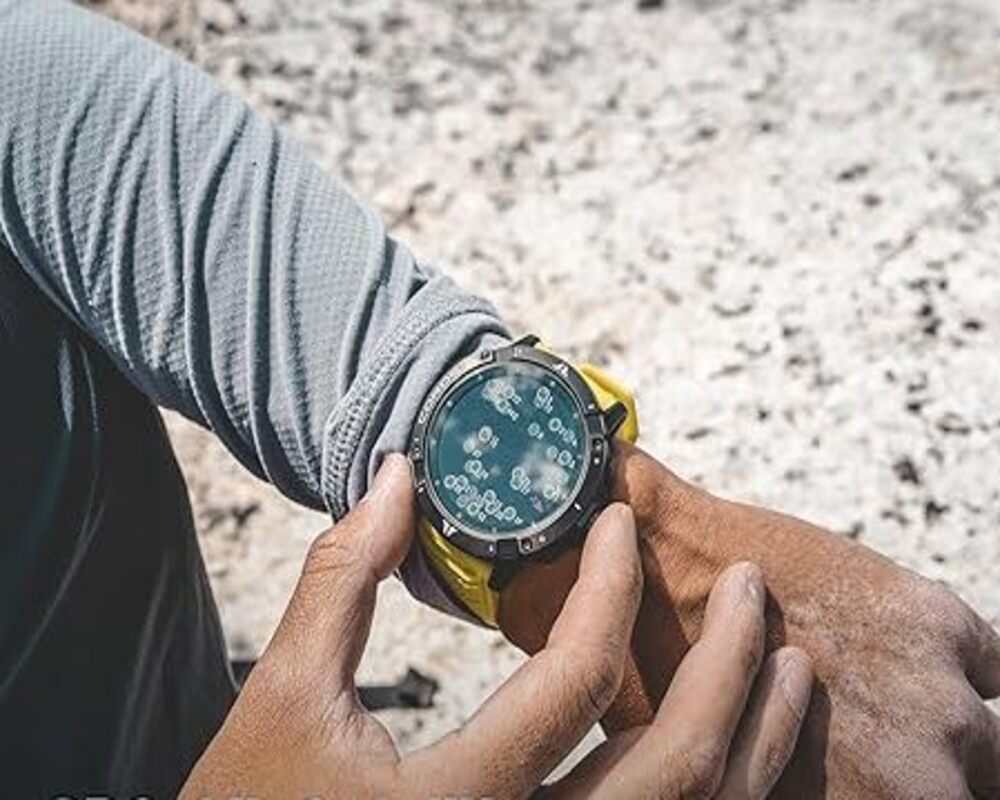
The Coros Vertix 2 is engineered for extended expeditions where battery life and satellite reliability matter most. Featuring dual-frequency GNSS support and a durable titanium body option, the Vertix 2 delivers consistent satellite fixes in challenging environments and exceptional battery life measured in days for continuous GPS use. Coros emphasizes efficient software that stretches runtime without sacrificing navigation features like breadcrumb trails, route import, and offline maps via companion apps. The watch’s robust build and long-lasting charge make it ideal for long treks, alpine routes, and remote travel where recharging opportunities are limited. Coros’s ecosystem is lighter on third-party apps than Garmin’s, so trade-offs include fewer mapping app integrations but solid core navigation performance and industry-leading battery endurance.
5. Suunto 9 Baro
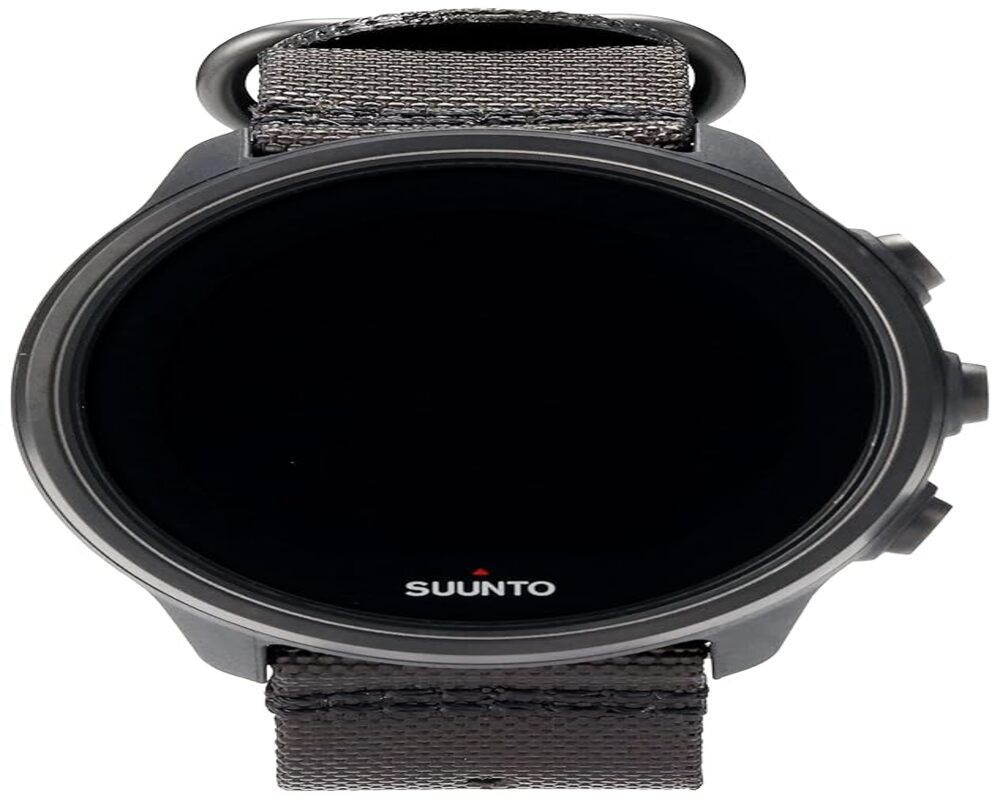
Suunto’s 9 Baro model focuses on dependable sensors, refined GPS tracking, and straightforward route navigation that field users appreciate. Its barometric altimeter and accurate compass readings help with short-range navigation and weather inference, while battery modes allow day-long to multi-day tracking with gradual GPS sampling. Suunto’s mapping and route functions, while less flashy than color smartwatch maps, are practical and uncluttered, favoring clarity over complexity. Suunto’s strength is reliability and user focus: rugged construction, accurate environmental sensors, and an interface that minimizes accidental inputs. For navigators who want trustworthy sensor data and a no-nonsense approach to routes and battery management, the Suunto 9 Baro remains a solid survival-oriented option.
6. Garmin Instinct 2 Solar
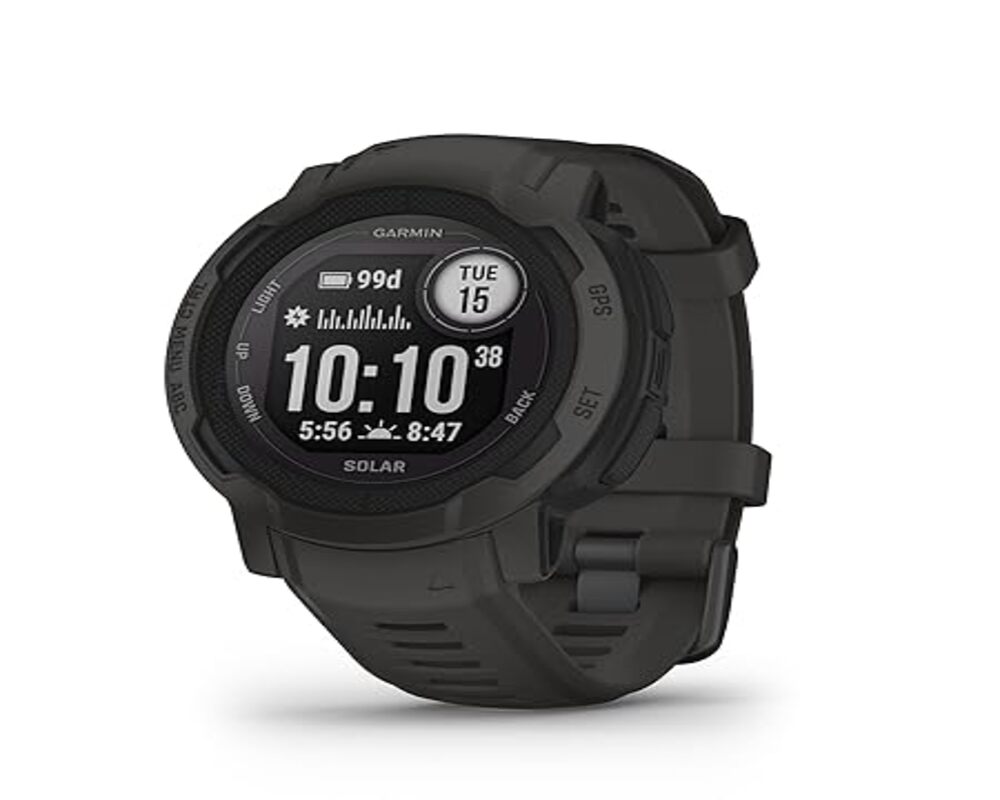
The Garmin Instinct 2 Solar targets users who want robust navigation features in a lighter, cost-effective package. Its solar-assisted battery life can keep the watch operating for weeks in moderate sunlight, and its onboard GPS supports tracking, breadcrumbing, and rudimentary routing. The Instinct’s fiber-reinforced polymer shell and MIL-STD-810 construction provide respectable toughness while keeping weight and cost down. It offers environmental sensors and smart notifications in a simpler interface that’s easy to use under stress. While it lacks the advanced mapping depth of the Fenix or Tactix lines, Instinct 2 Solar’s blend of durability, long battery life, and essential navigation tools makes it an excellent entry-level survival watch for those who prioritize endurance and simplicity.
7. Polar Grit X Pro
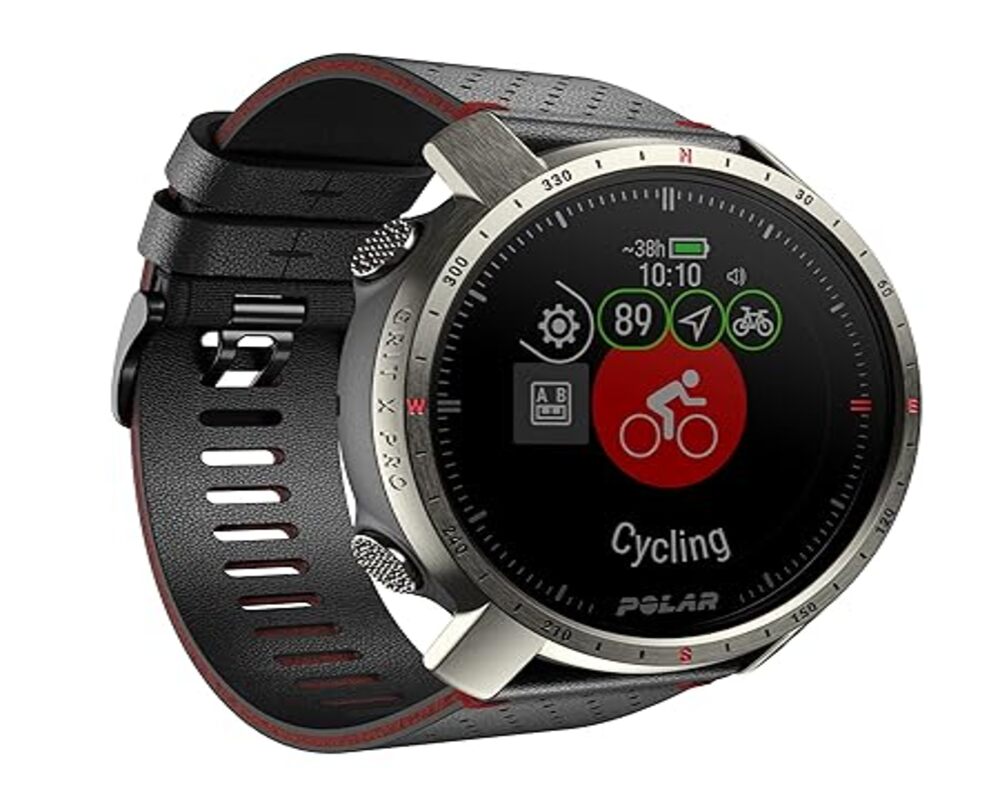
Polar’s Grit X Pro brings precise GPS tracking, hill-focused features, and extended battery life to a relatively lightweight package suited for long-distance navigation. While Polar’s mapping ecosystem is smaller than Garmin’s, the Grit X Pro still offers route import, breadcrumb trails, and altimeter/barometer sensors that help in route-finding. The watch prioritizes efficient power use and training-oriented metrics, benefiting hikers and backcountry travelers who need long runtimes and reliable GPS without excessive complexity. Durability is strong rather than invincible, and Polar emphasizes ergonomics and informative displays. For those seeking a balance between endurance metrics, a comfortable fit, and practical navigation features, the Grit X Pro earns its place among survival-capable watches.
8. Suunto Traverse Alpha
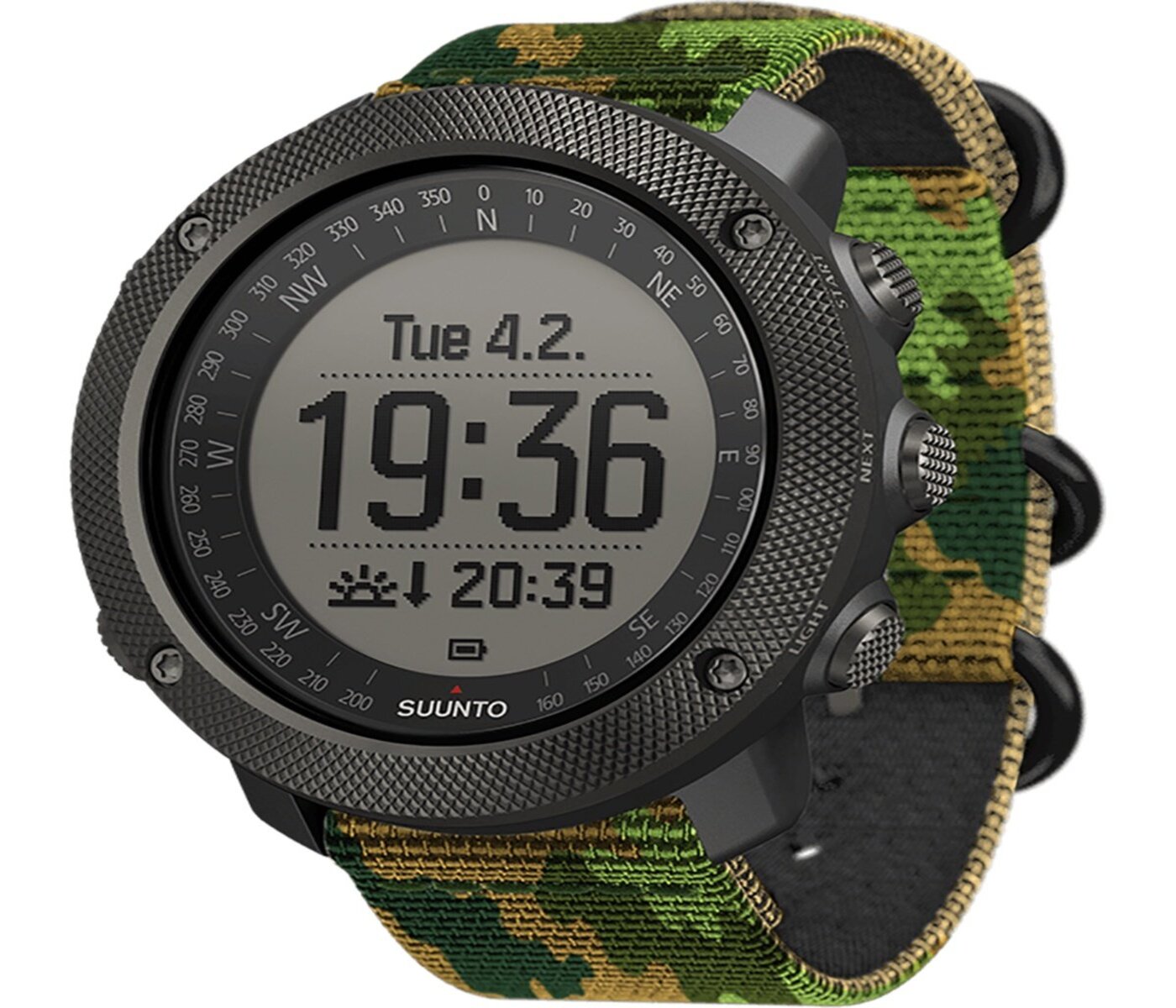
The Suunto Traverse Alpha is designed explicitly for outdoors navigation with hunter- and angler-friendly features built into a rugged wristwatch. The model integrates GPS route navigation, breadcrumb tracking, and comprehensive environmental sensors, including a barometer and compass. Constructed with durability in mind, it includes reinforced materials and is built to withstand wet and dirty environments. Suunto’s streamlined interface focuses on route accuracy and stamina in harsh conditions rather than flashy smart features. While newer models have appeared, the Traverse Alpha remains a practical choice for users who prefer a dedicated outdoor navigation watch with proven field performance and a straightforward, reliable navigation experience.
9. Casio Pro Trek PRG and Pro Trek Smart series
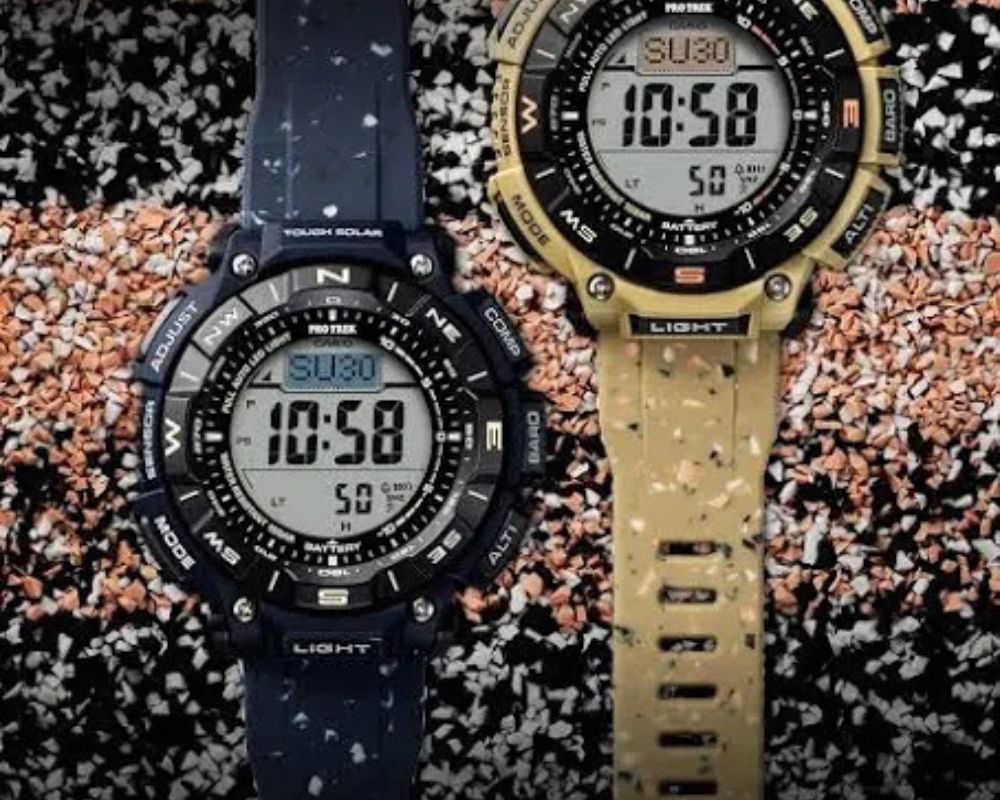
Casio’s Pro Trek family offers a range of analog-digital and smart watches emphasizing mountain-grade sensors, solar charging, and durable construction. Pro Trek models usually include an altimeter, a barometer, a compass, and increasingly, BLE-assisted navigation with smartphone map sync. The Pro Trek Smart variants add richer mapping and route features, while older analog-digital models excel through sensor reliability and battery freedom via solar. For users who need dependable sensing and simple navigation without the complexity or battery drain of full smartwatches, Pro Trek watches offer an honest, utility-focused platform built for field stability and straightforward guidance.
10. Garmin Enduro 3 / Epix Pro
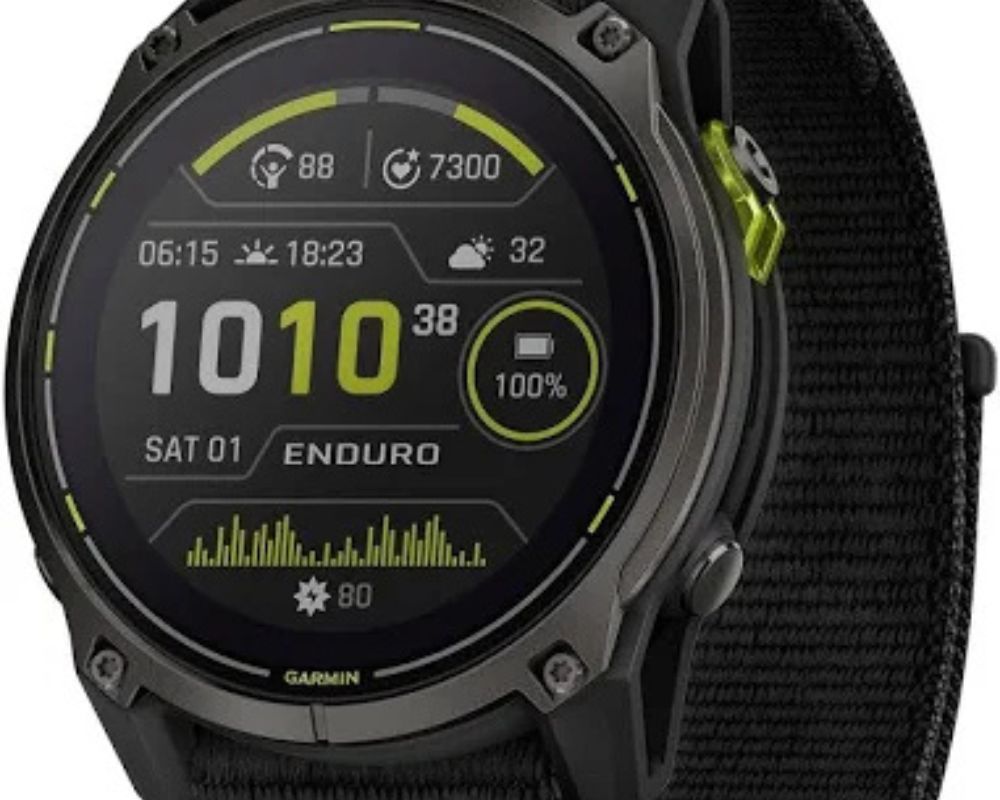
For expedition navigation where mapping clarity and battery lifespan are both mission-critical, watches like the Garmin Enduro 3 and Epix Pro combine extensive topo maps, multi-band GNSS, and power modes designed for weeks of field use. These watches offer excellent mapping interfaces, downloadable topo tiles, and advanced satellite options for improved fixes under canopy or in canyons. Enduro variants emphasize battery-first engineering while Epix Pro adds high-resolution mapping and touchscreen readability. The trade-off tends toward price and weight, but for extended backcountry navigation where repeated recharges are impossible, these models represent some of the best trade-offs between mapping, satellite reliability, and endurance on the market.