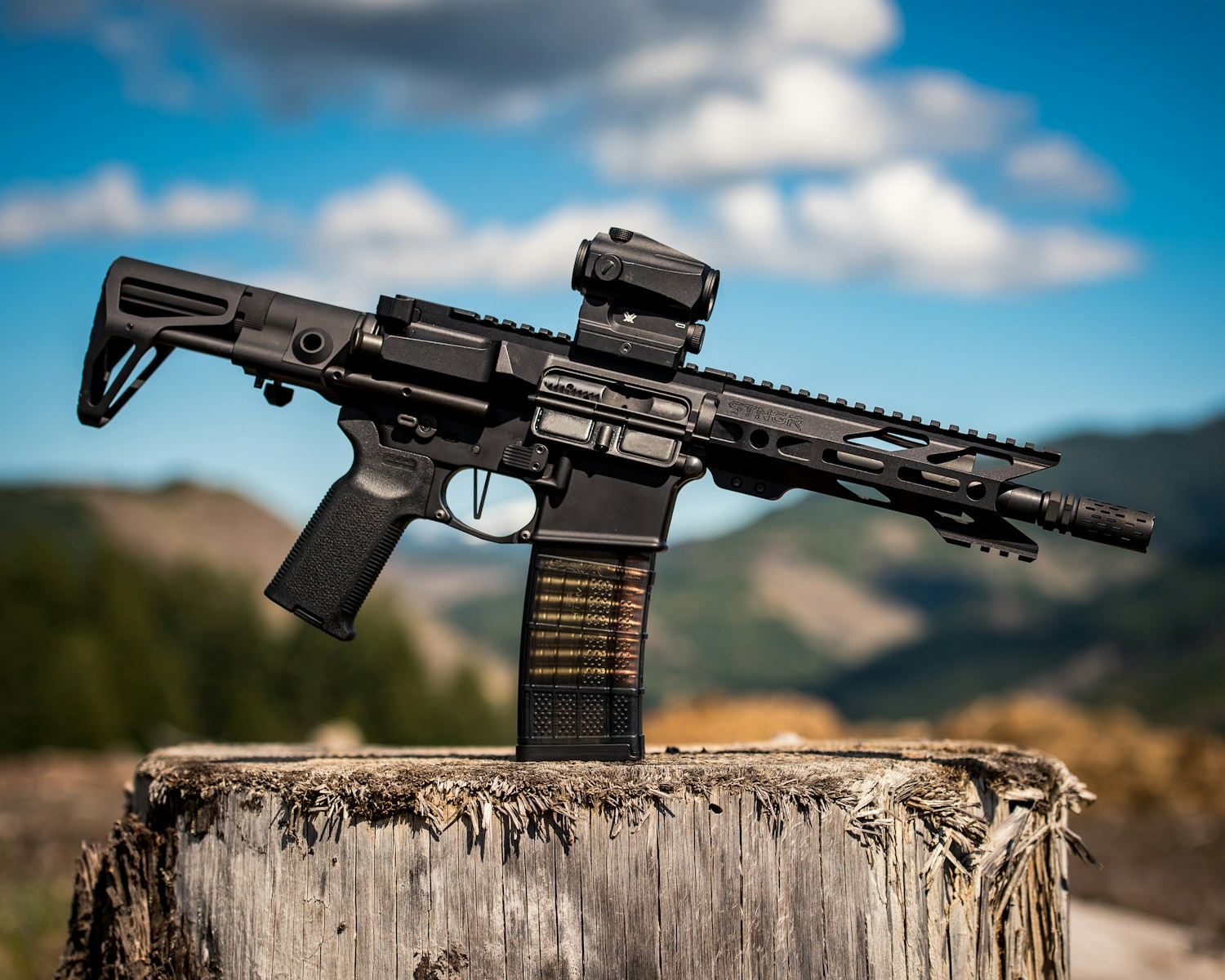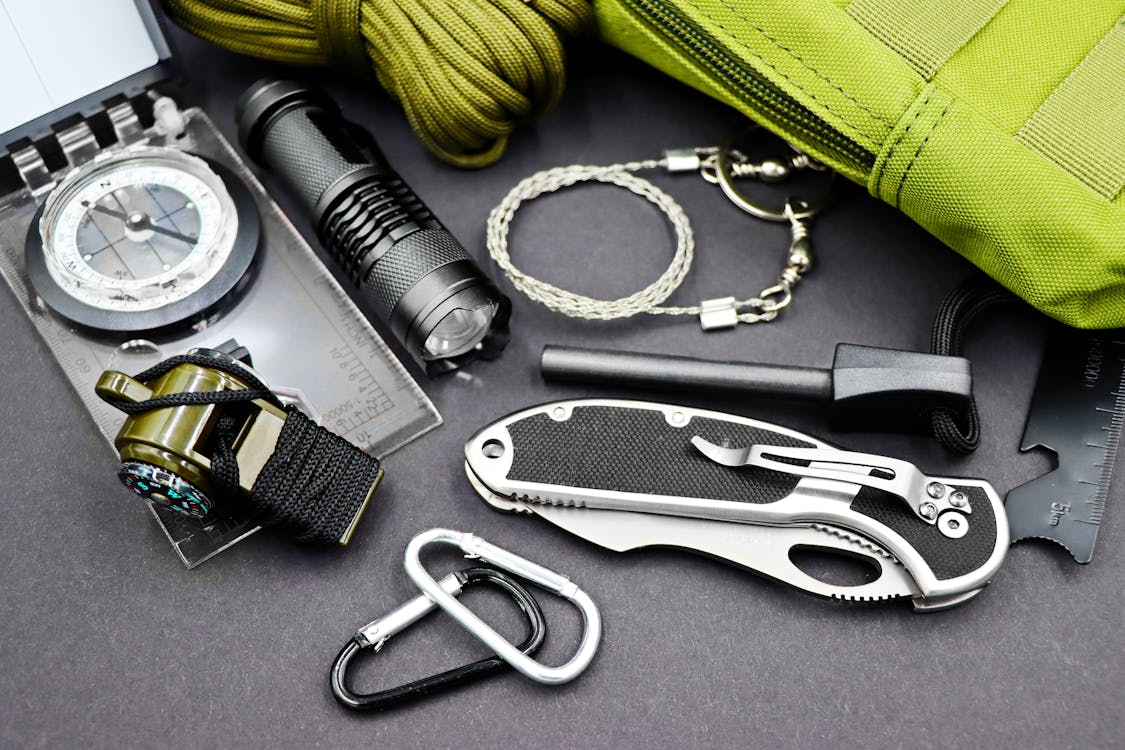
Survival gear often promises reliability in extreme situations, yet many commonly trusted tools fail under real pressure. Marketing images and casual testing rarely reflect harsh conditions like cold, moisture, fatigue, or stress. When emergencies unfold, weaknesses appear quickly, turning dependable looking items into liabilities. Failure does not always come from poor design alone but from mismatch between expectation and reality. Weight, complexity, maintenance needs, and environmental limits all matter more than labels. Understanding which tools commonly disappoint helps explain why survival depends on judgment as much as equipment. These examples highlight tools that often underperform precisely when reliability matters most.
Hand Crank Flashlights
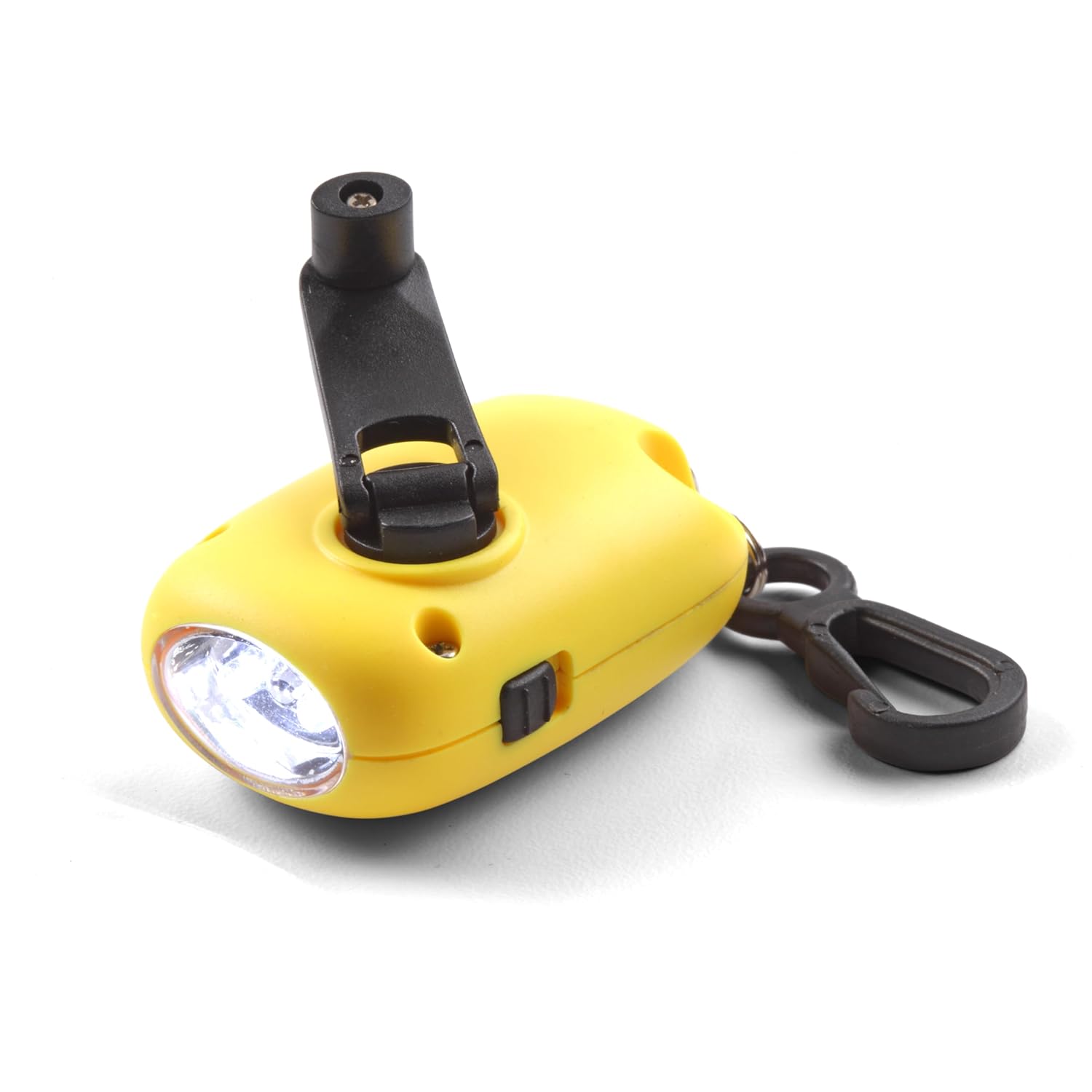
Hand crank flashlights often fail during emergencies because sustained power generation requires constant physical effort. In stressful situations, fatigue quickly limits effectiveness. Many models produce weak, inconsistent light output that diminishes as cranking slows. Internal gears and wiring are prone to wear, especially after storage. Cold temperatures reduce efficiency further. Cranking occupies one hand, limiting multitasking. Moisture intrusion can disable internal components. While marketed as power independent solutions, these flashlights rarely provide reliable illumination for extended use. Their performance gap becomes most apparent during long nights or high stress conditions when steady light is critical for navigation, signaling, or safety awareness.
Survival Matches
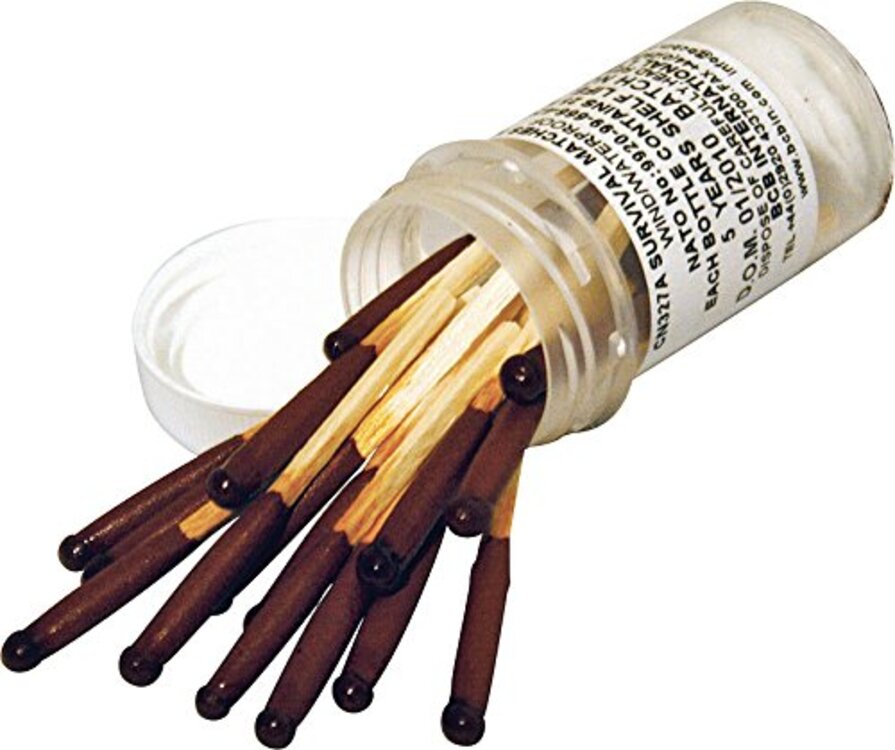
Survival matches frequently fail due to moisture sensitivity and inconsistent ignition. Even waterproof varieties degrade over time or after repeated exposure. Striking surfaces wear down or become unusable in damp environments. Wind complicates ignition, requiring multiple attempts that waste limited supplies. Cold temperatures stiffen hands, reducing precision. Once extinguished prematurely, matches cannot be reused. Storage containers often fail to seal completely. In emergencies, the inability to start fire quickly creates cascading problems affecting warmth, signaling, and morale. Despite compact size, matches offer limited margin for error, making them unreliable when conditions are unfavorable and repetition becomes necessary for success.
Cheap Multi Tools

Cheap multi tools often fail when strength and precision matter most. Inferior materials bend, snap, or loosen under moderate force. Hinges develop play, reducing effectiveness. Knife edges dull quickly and resist sharpening. Small tools lack leverage, increasing injury risk. Locks may fail, causing unexpected closures. Under cold or wet conditions, grip surfaces become slippery. Multi tools promise versatility but sacrifice durability. In emergencies, broken tools compound problems by creating false confidence. When repair or cutting tasks demand reliability, low quality multi tools reveal their limitations, failing precisely when no alternatives exist and dependable performance becomes essential.
Glow Sticks
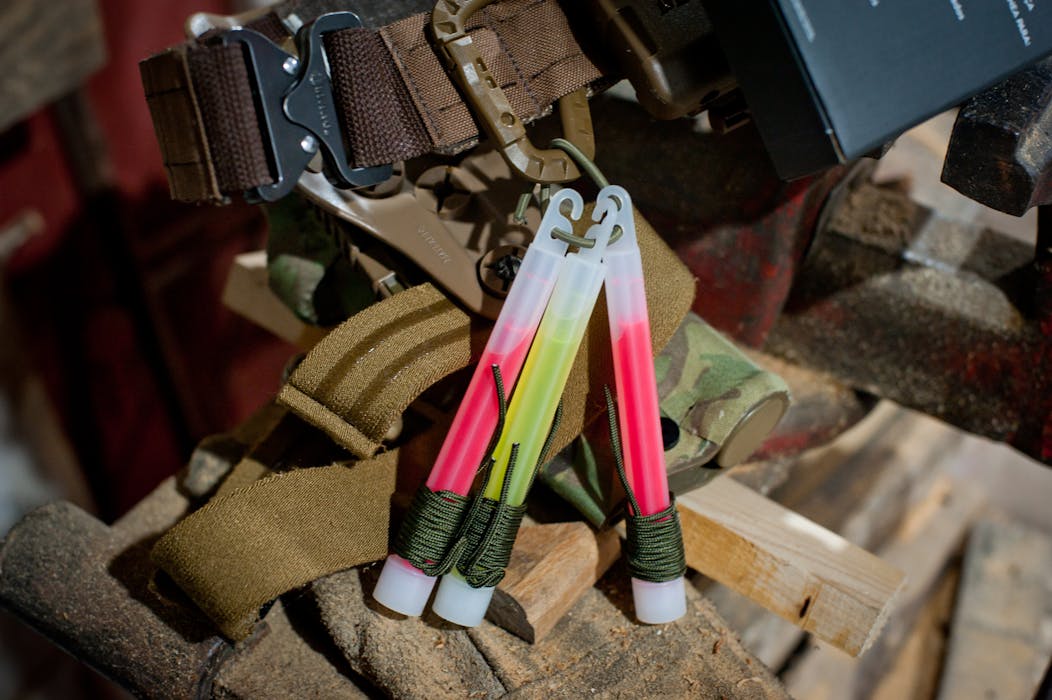
Glow sticks fail in survival situations because their usefulness is brief and limited. Once activated, light output fades steadily and cannot be restored. Cold temperatures reduce brightness and duration. They provide minimal illumination, insufficient for navigation or task work. Their single use nature encourages wasteful reliance. Glow sticks cannot signal effectively beyond short distances. Storage life varies, with chemical degradation reducing reliability. While lightweight, they offer no adaptability. In prolonged emergencies, glow sticks quickly become dead weight. Their inability to recharge, adjust brightness, or withstand environmental extremes makes them unreliable when sustained visibility or signaling is required.
Emergency Whistles
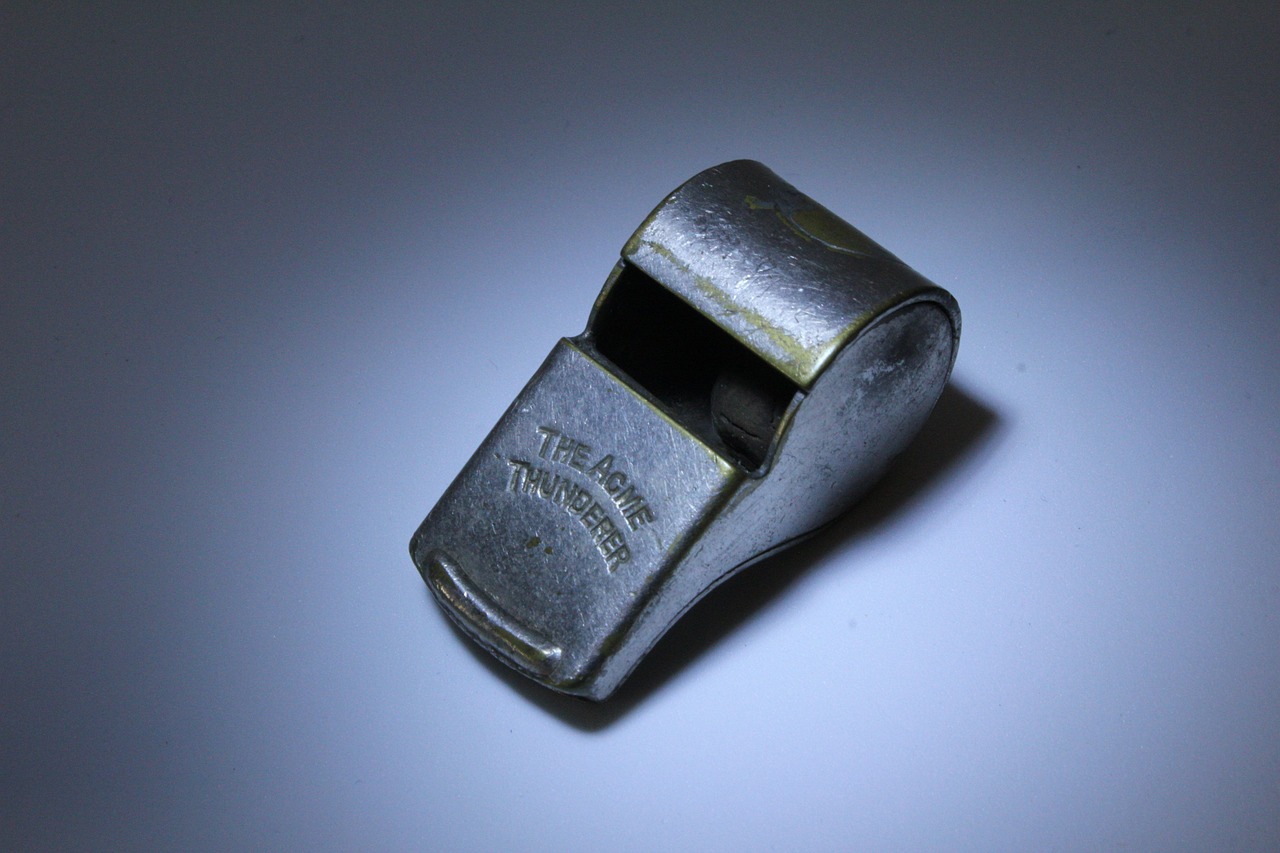
Emergency whistles fail when environmental conditions limit sound travel or human strength declines. Dense vegetation, wind, or terrain absorb sound quickly. Continuous whistling requires breath control that diminishes under stress or injury. Some plastic whistles crack in cold temperatures. Moisture can alter tone or block airflow. Over long distances, sound may not reach rescuers. Whistles also rely on others being nearby and listening. In isolated environments, they offer false reassurance. While useful as supplements, whistles alone often fail to produce rescue outcomes, especially when physical condition or environmental factors reduce their effectiveness during critical moments.
Solar Powered Chargers
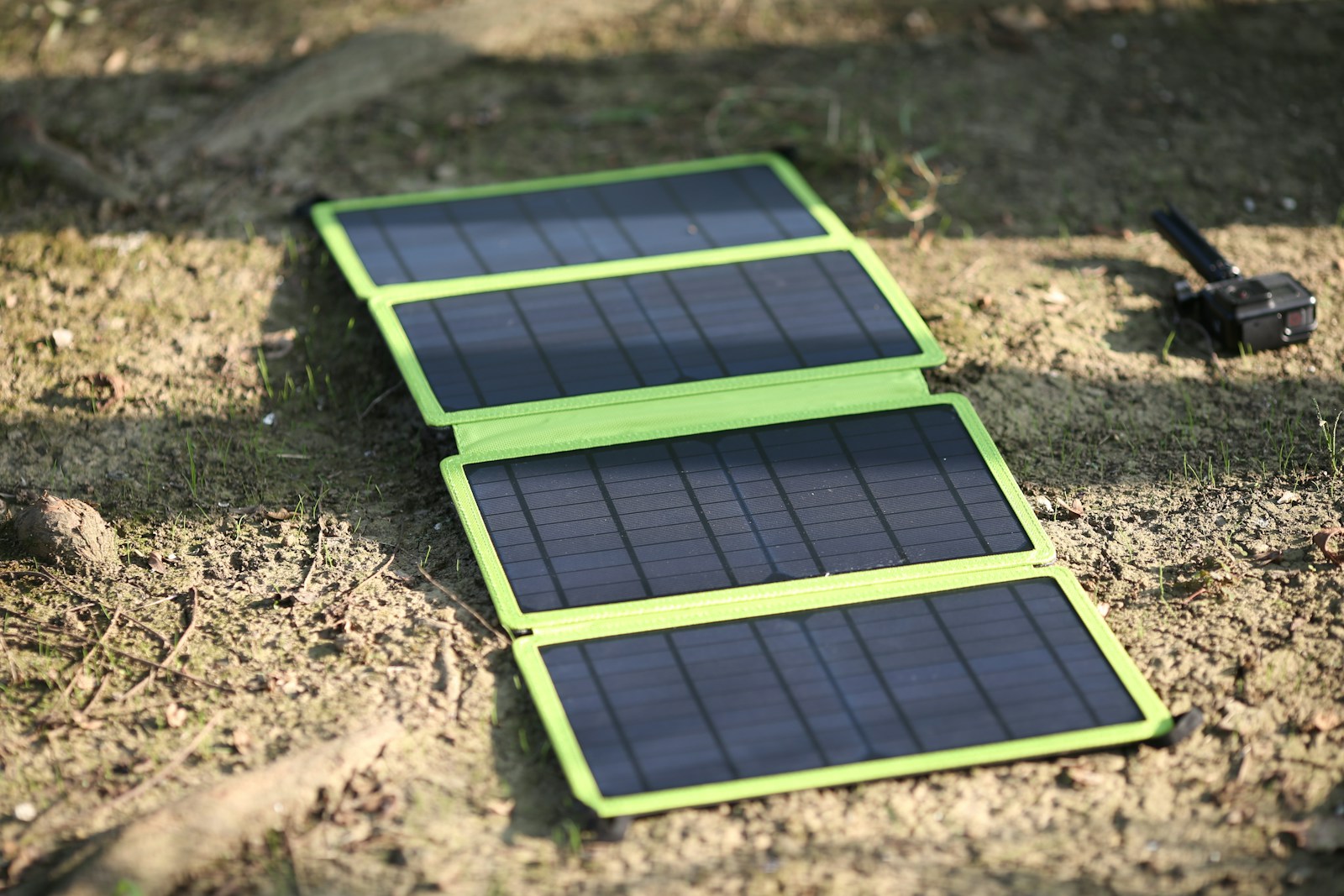
Solar powered chargers frequently fail due to dependence on ideal sunlight conditions. Cloud cover, forest canopy, and short daylight hours reduce charging capability. Panels require correct orientation and time. Devices often charge slowly, providing insufficient power for essential electronics. Cold temperatures degrade battery performance. Many models lack rugged construction, suffering damage from moisture or impact. Cables and ports fail easily. Users often overestimate output based on marketing claims. In emergencies, unreliable power leads to communication failure. Solar chargers work best in controlled settings, not unpredictable survival scenarios where environmental limitations dominate performance.
Survival Fishing Kits
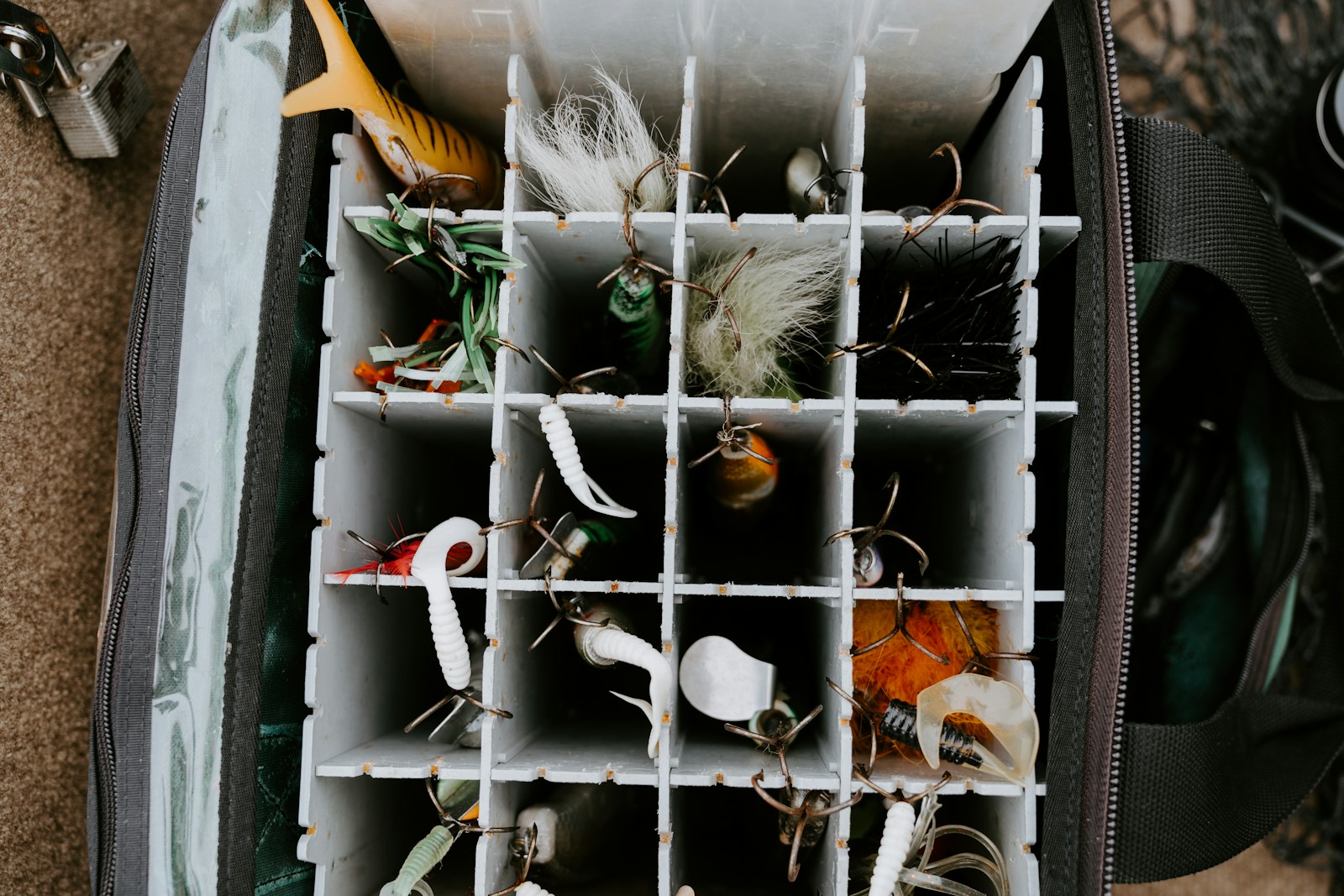
Survival fishing kits often fail because they assume available water, fish presence, and time. Small hooks and thin line are difficult to handle with cold or injured hands. Success depends on skill and patience that emergencies rarely allow. Fish behavior varies seasonally and regionally. Improvised fishing requires energy that may exceed returns. Kits provide minimal calories even when successful. Weather and access further limit use. In survival scenarios, fishing becomes uncertain and inefficient. Relying on fishing kits for food creates false confidence, diverting effort from more reliable strategies when immediate nutrition or movement is necessary.
Compact Water Filters
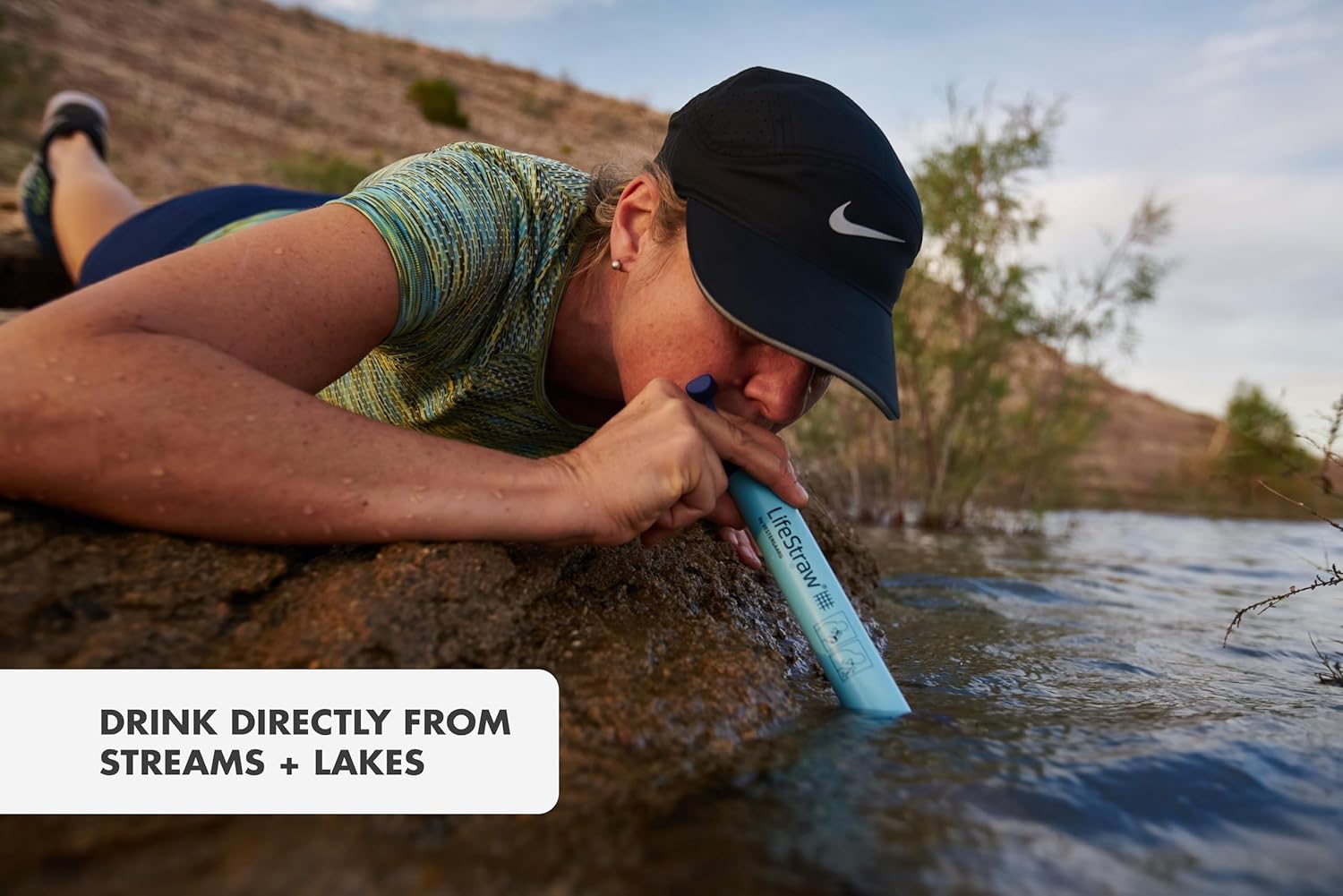
Compact water filters frequently fail due to clogging, freezing, or breakage. Silty or organic heavy water blocks filtration quickly. Freezing temperatures crack internal membranes, rendering filters useless without visible damage. Flow rates slow dramatically under stress. Maintenance requires clean water, which may not be available. Improper storage shortens lifespan. Some filters fail to remove viruses. In emergencies, dehydration becomes urgent, leaving no margin for malfunction. Compact filters work well in controlled use but struggle in harsh conditions. When water sources are limited or contaminated, filter failure creates serious risk precisely when hydration is critical.
Paracord Bracelets
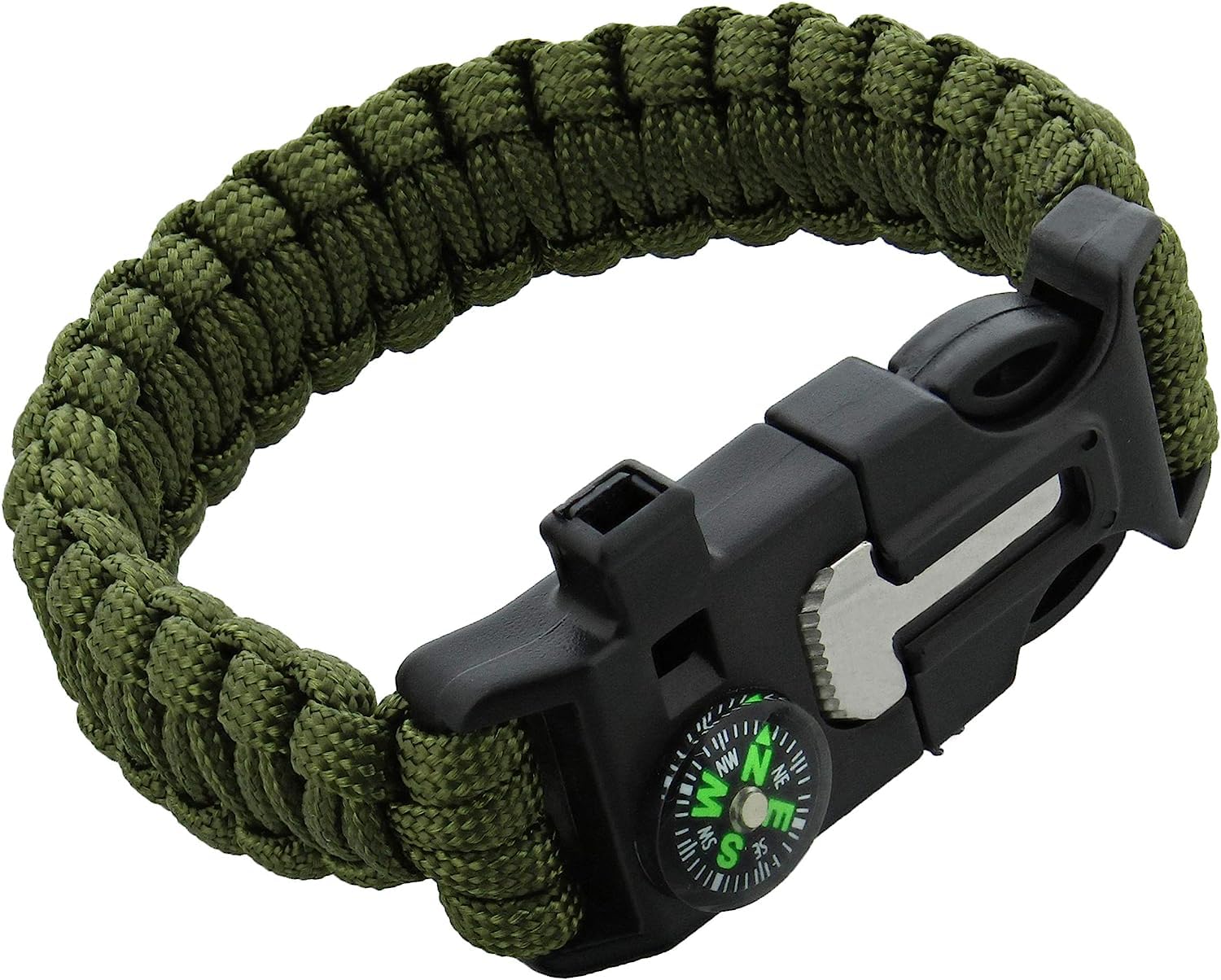
Paracord bracelets often fail because actual usable length is limited and deployment is time consuming. Many contain low quality cord that frays or snaps under load. Buckles break easily. Unraveling wastes time during emergencies. Bracelets encourage overestimation of capability. Cord thickness may not support shelter building or hauling. Exposure to sun and sweat degrades fibers over time. While symbolic of preparedness, bracelets rarely replace full cordage. In real survival scenarios, insufficient length and strength render them inadequate, failing to perform meaningful tasks when reliable rope or line becomes essential for safety.
Pocket Survival Kits
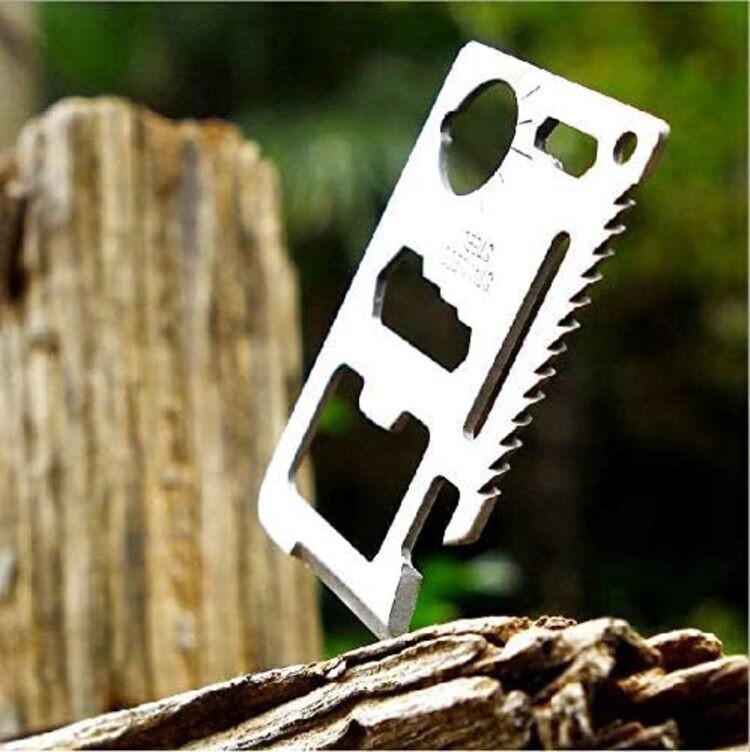
Pocket survival kits fail due to severe space constraints that limit functionality. Tiny tools sacrifice durability and ergonomics. Items included often prioritize novelty over necessity. Components are difficult to use with cold or injured hands. Instructions may be vague or impractical. Kits encourage reliance on minimal gear rather than skills. In prolonged emergencies, contents are exhausted quickly. Many kits omit critical items like insulation or navigation aids. Their compact nature creates unrealistic expectations. When survival demands sustained effort, pocket kits fall short, offering momentary reassurance rather than dependable solutions capable of supporting real world challenges.