When an emergency hits, survival often depends on a few evidence-based actions taken in the right order. Researchers who study disaster medicine, wilderness physiology, and human behavior consistently point to the same foundations: protect breathing, stop major bleeding, prevent exposure, and make smart decisions under stress. Simple strategies such as controlled breathing, hydration planning, and clear signaling can improve odds in cities and remote areas alike. None require heroic strength, only steady priorities and practical know-how. The following ten science-backed approaches focus on keeping the body stable and the mind focused.
Control Breathing To Reduce Panic
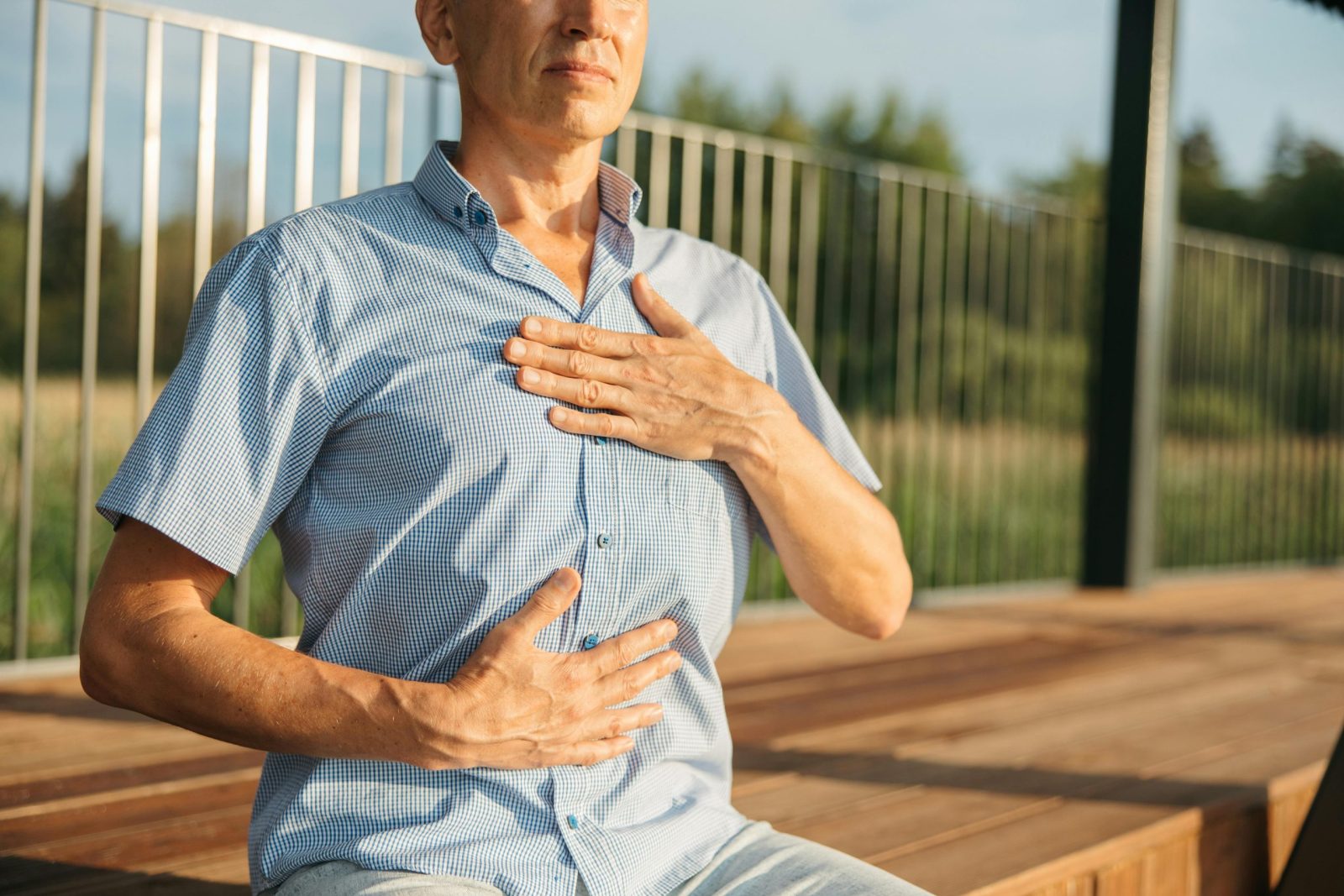
In high-stress moments, the body can slip into rapid, shallow breathing that worsens dizziness, tingling, and fear. Research on stress physiology shows that slower breathing can reduce sympathetic arousal and help restore clear thinking. A practical approach uses a steady rhythm, such as inhaling through the nose, pausing briefly, and exhaling longer than the inhale. This pattern can support heart rate control and improve attention during decision-making. Calmer breathing also helps conserve energy and limits unnecessary heat and moisture loss, which matters in both hot and cold environments.
Stop Life-Threatening Bleeding Immediately
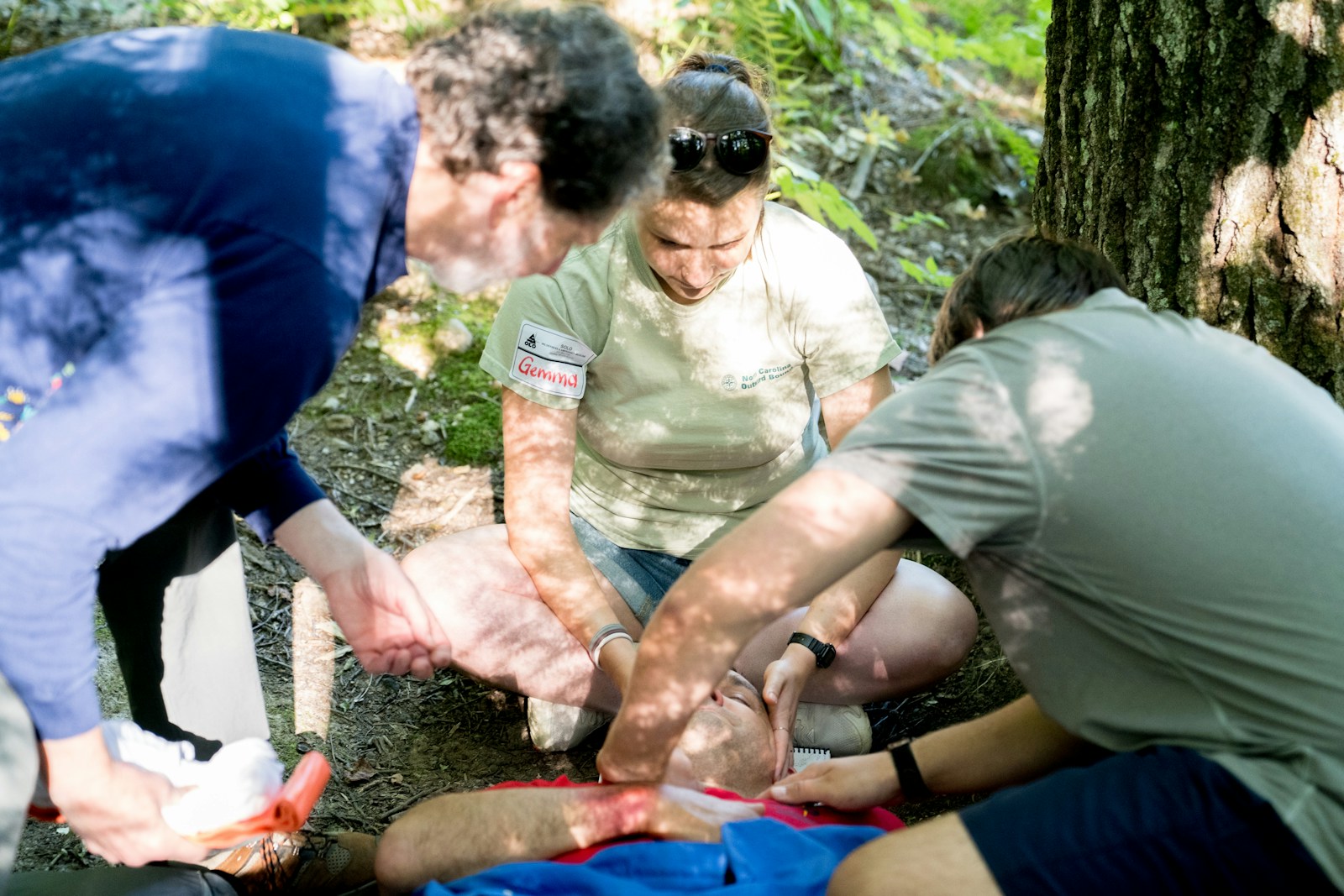
Uncontrolled bleeding can become fatal within minutes, and trauma care research emphasizes rapid control as a top priority. Direct pressure over the wound remains a first-line response and works best with continuous, firm compression. If available, a clean dressing can help maintain pressure and absorb blood while limiting contamination. For severe limb bleeding that does not stop with pressure, trained responders often use a properly applied tourniquet placed above the wound, tightened until bleeding stops. Quick action improves survival and reduces the risk of shock while waiting for professional medical help.
Treat Water Before Drinking When Possible
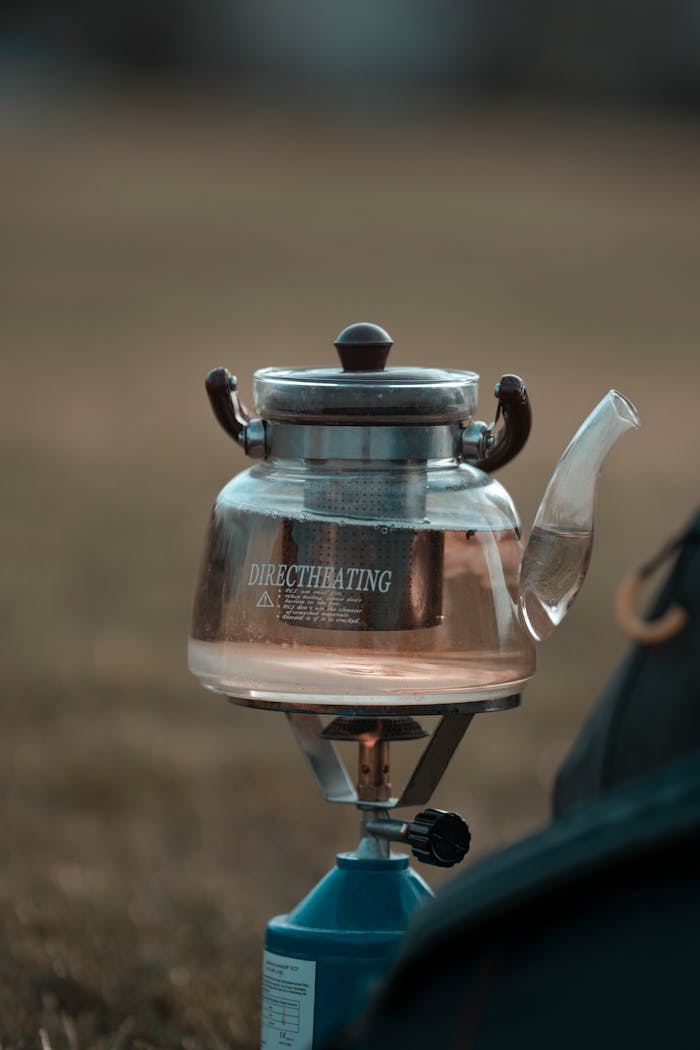
Waterborne illness can weaken the body quickly, especially in warm conditions where dehydration develops faster. Public health research shows that microbes like bacteria, viruses, and protozoa commonly spread through untreated water. Boiling provides reliable disinfection when fuel and time permit, because high heat inactivates most pathogens. Filtration can remove many organisms and particles, and chemical disinfectants work when used at correct doses and contact times. Even clear-looking streams can carry contamination from upstream wildlife or human activity. Treated water supports stamina, temperature regulation, and sound judgment.
Prevent Hypothermia Through Early Insulation
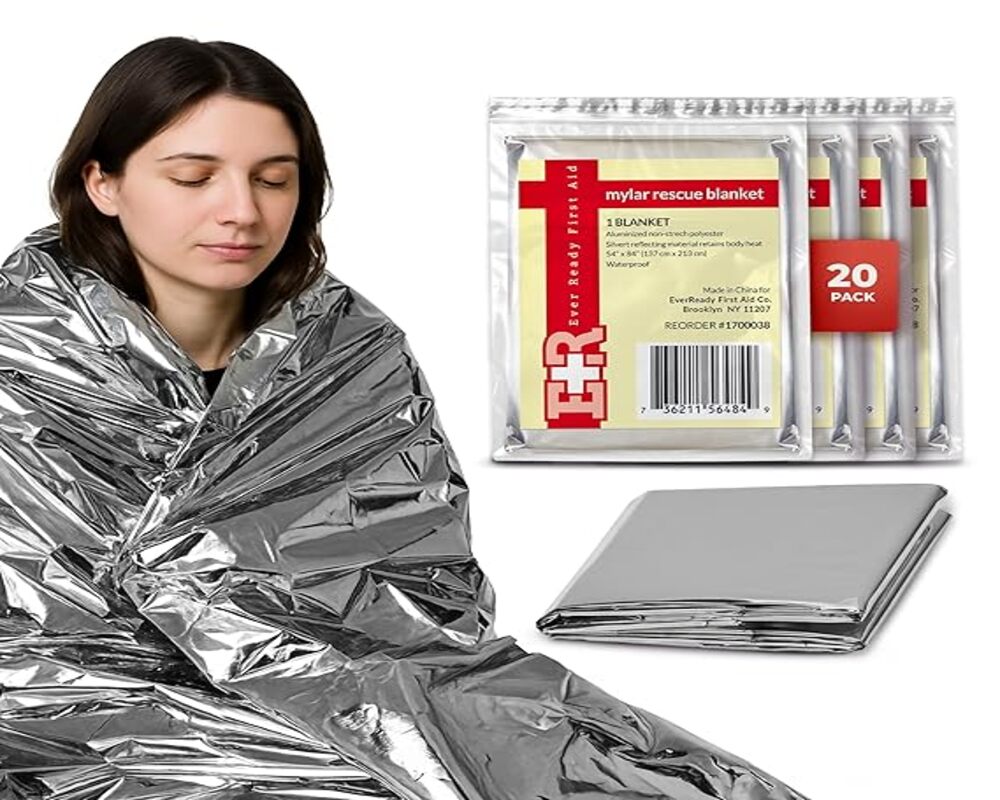
Exposure medicine research shows that hypothermia can occur even above freezing, especially with wind and wet clothing. Heat loss accelerates through evaporation, conduction, and convection, so staying dry and insulated matters early, not late. Layering traps warm air, while wind-resistant outer materials reduce convective cooling. Insulating the body from cold ground with leaves, foam, or spare fabric can limit conductive heat loss. If clothing is soaked, swapping into dry layers or wringing water out helps. Warmth preservation protects coordination, thinking, and heart rhythm during prolonged emergencies.
Avoid Heat Illness With Shade And Pacing
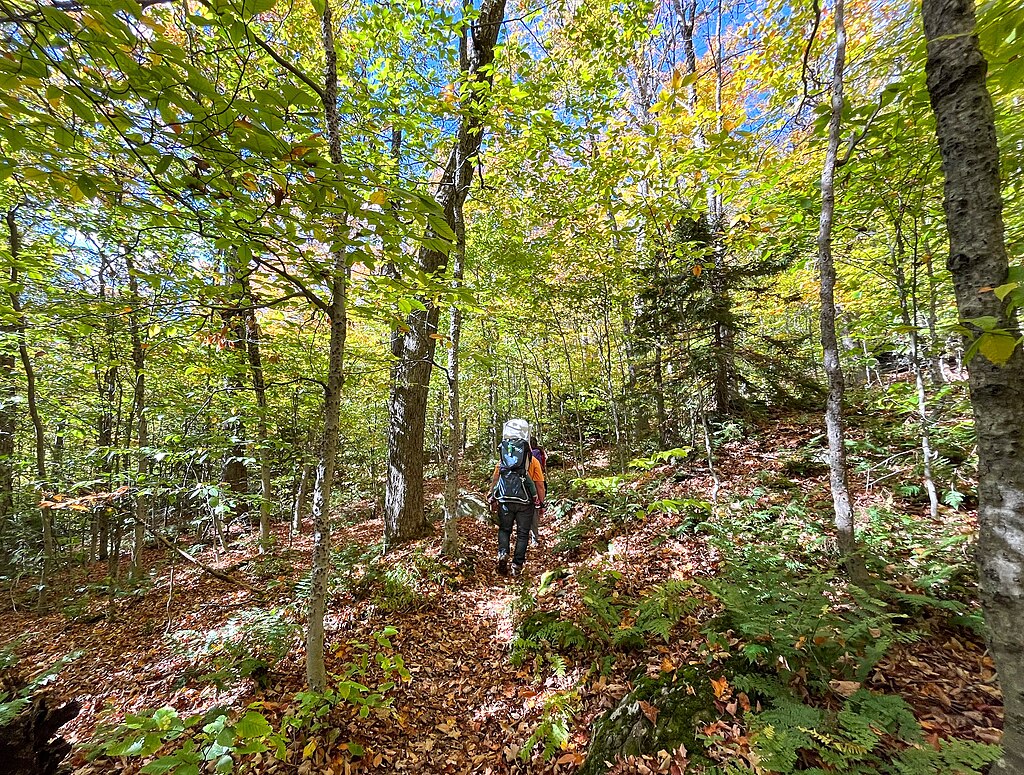
Heat stress can progress from cramps to heat exhaustion and heat stroke, and medical literature links risk to dehydration, humidity, and sustained exertion. Resting in shade reduces radiant heat gain, while pacing activity limits internal heat production. Light, breathable coverage can protect skin from the sun while allowing sweat evaporation when humidity permits. Hydration should be steady rather than rushed, because rapid overdrinking can cause nausea and electrolyte imbalance. Cooling strategies, such as a damp cloth on the neck or armpits, can help lower perceived heat load. Early adjustment prevents dangerous confusion and collapse.
Use The Buddy System For Better Outcomes

Safety research in outdoor recreation and occupational settings shows that paired monitoring reduces missed warning signs and speeds response. A second person can spot fatigue, hypothermia, shivering, heat confusion, or bleeding that the injured person might overlook. Partners also share tasks, which conserves energy and lowers risk from overexertion. In low visibility, two sets of eyes improve navigation and hazard detection. If separation occurs, a pre-agreed meeting point and timed check-ins reduce search uncertainty. Team awareness supports morale and decision quality, especially when stress narrows attention and distorts time perception.
Make A Clear Plan To Prevent Getting Lost
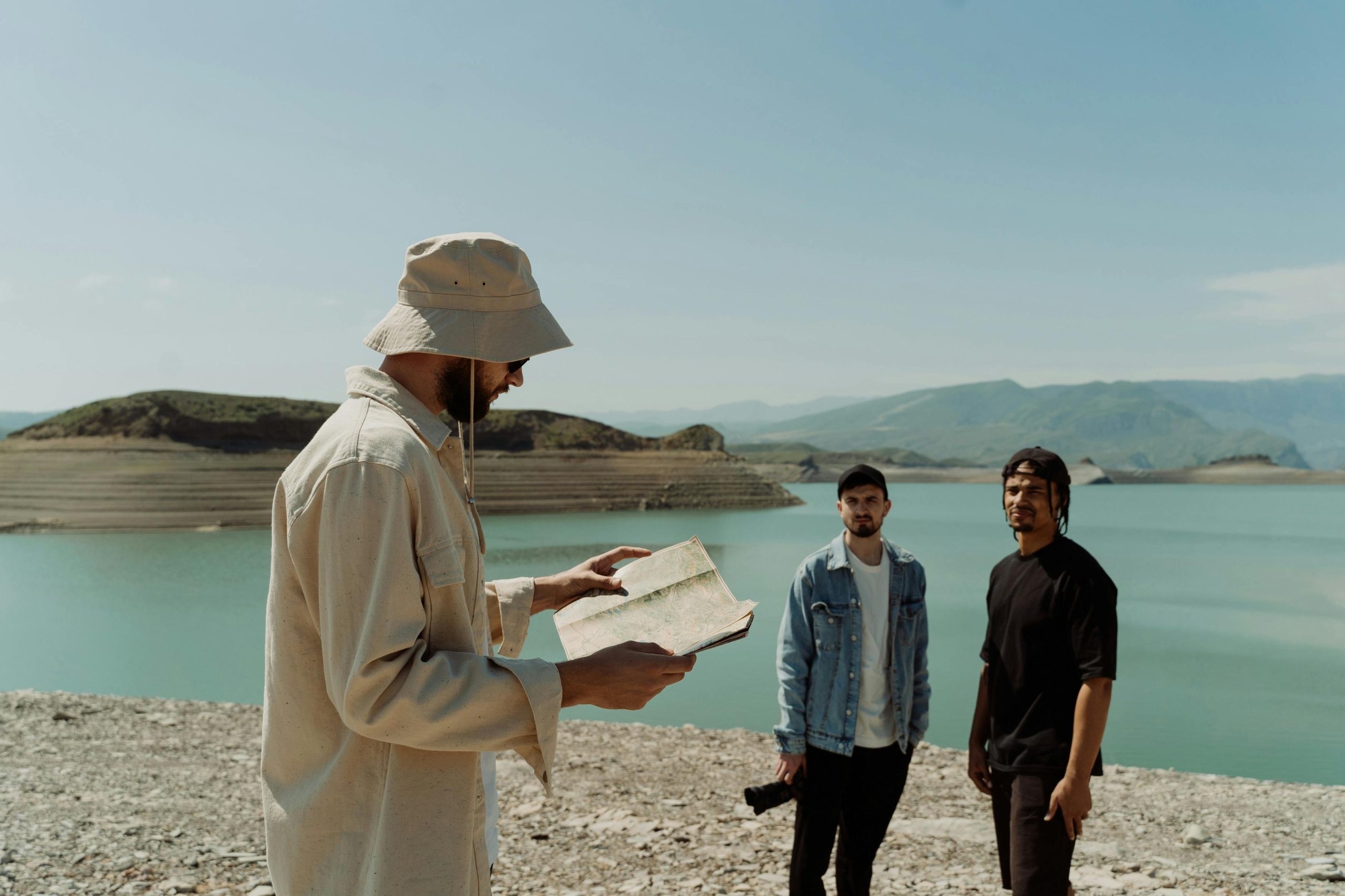
Studies of wilderness incidents show that disorientation often escalates into dehydration, injury, and delayed rescue. A simple plan reduces wandering and preserves resources by setting a route, turnaround time, and identifiable landmarks. Following linear features such as rivers, ridgelines, roads, or powerlines can simplify navigation when terrain allows safe travel. Marking a path with removable, non-damaging indicators helps retracing without harming the environment. If a phone has a battery, switching to low power mode preserves mapping access longer. Planning supports safer movement and avoids exhausting detours driven by anxiety.
Signal In Ways Searchers Can Confirm
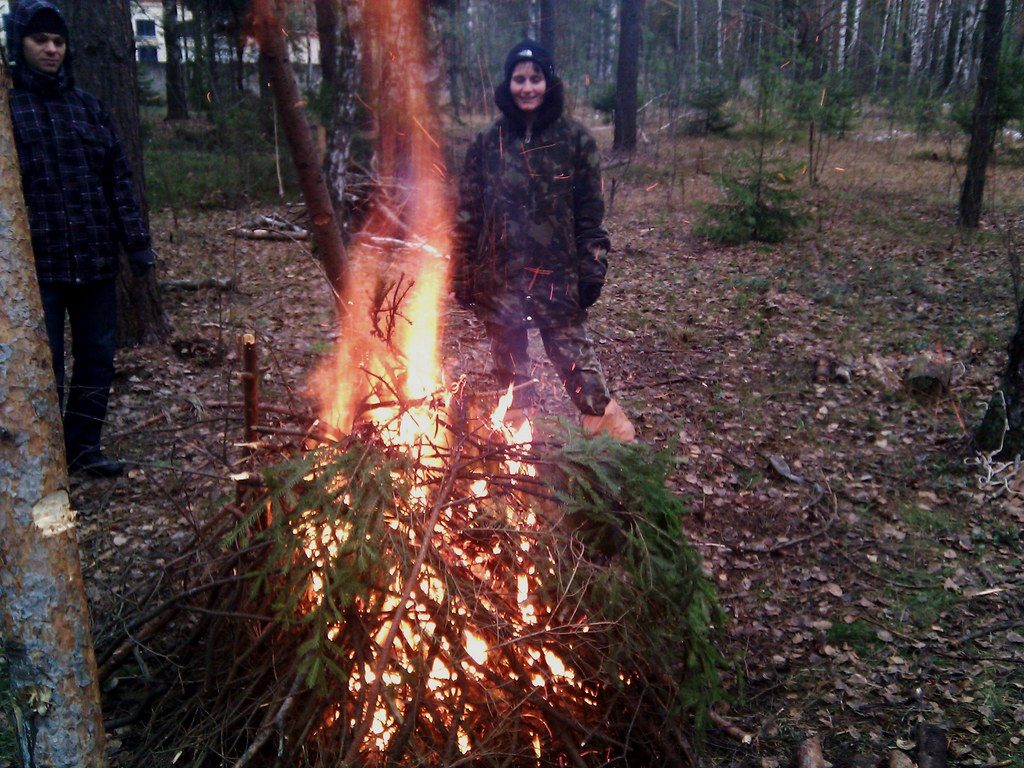
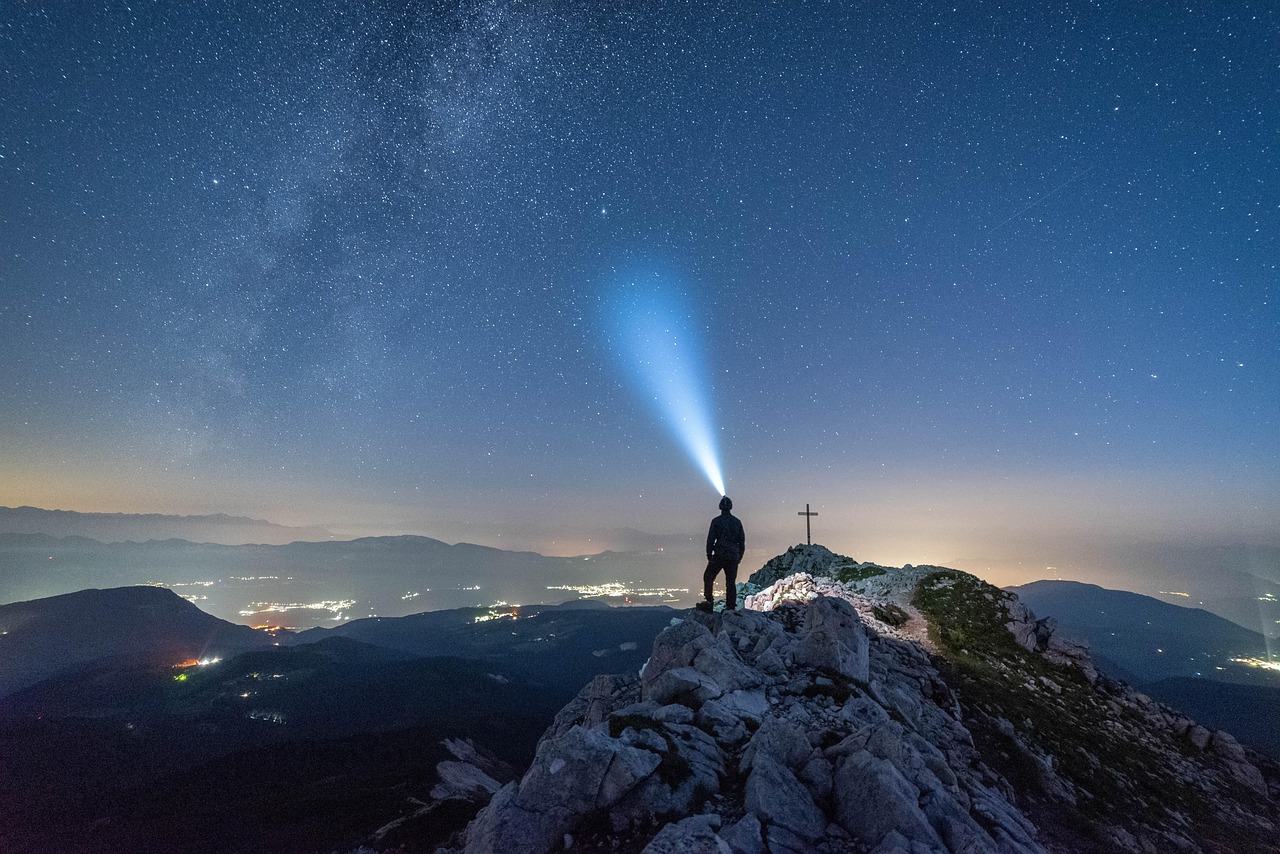
Search and rescue guidance highlights that clear, repeatable signals improve detection and reduce false leads. Visual contrast matters, so bright fabric or reflective material placed in open areas can stand out from above. Ground-to-air symbols made with rocks, branches, or packed snow can convey distress when sized large and placed away from clutter. Sound carries farther than shouting, so a whistle or rhythmic banging conserves energy while remaining audible. Light signals at night, including a flashlight with a steady pattern, help rescuers confirm location. Consistency makes signals easier to recognize and triangulate.
Conserve Energy By Reducing Unnecessary Motion
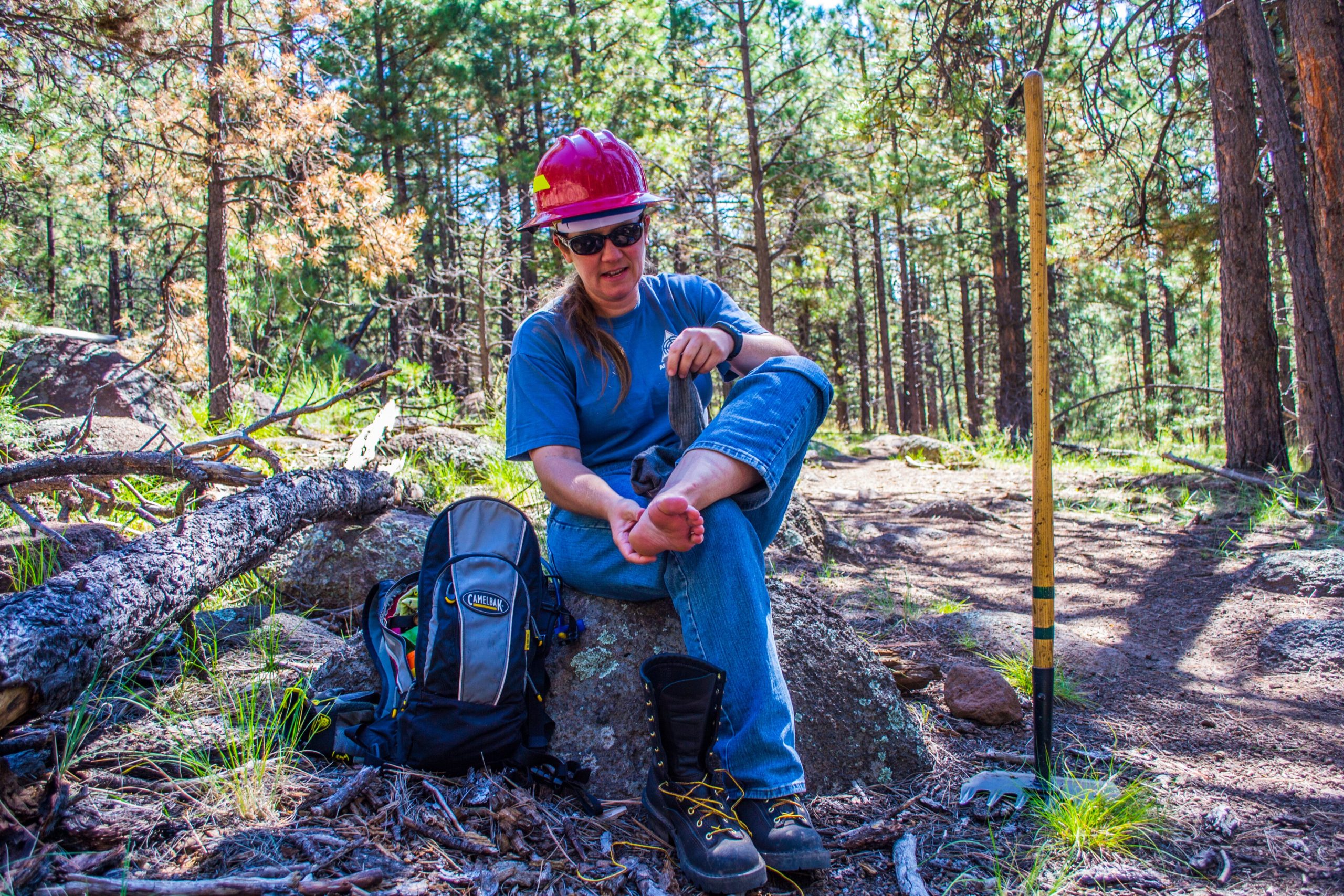
Physiology research shows that fatigue impairs judgment, coordination, and thermoregulation, making small mistakes more likely. Energy conservation starts with prioritizing essentials such as shelter, water, and communication before long travel. Moving during cooler hours can lower heat strain, while frequent brief rests prevent sudden crashes. Keeping gear organized reduces repeated searching and wasted steps. Sitting on insulation instead of bare ground limits heat loss and preserves calories in cold settings. A steady pace protects muscles and joints, lowering injury risk that can immobilize a person far from help. Smart conservation extends survival time.
Seek Help Early And Use Reliable Information
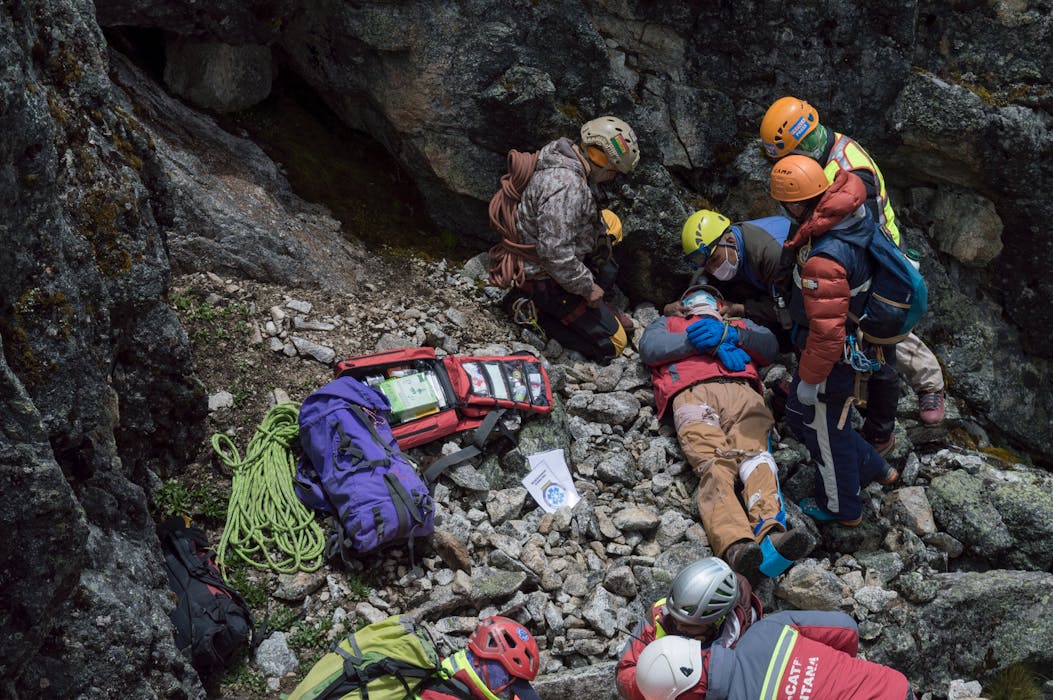
Emergency management research emphasizes that earlier contact with responders improves outcomes, especially when injuries or weather threats exist. Calling local emergency services, activating a personal locator beacon, or using a satellite messenger can start rescue coordination quickly. If communication is limited, leaving a clear note of direction, time, and intended destination helps others narrow the search. Relying on credible guidance matters because myths about drinking seawater, treating wounds with soil, or sprinting to “warm up” can worsen danger. Early help-seeking supports medical care, reduces exposure time, and prevents avoidable complications.