America’s favorite firearms often carry stories that stretch beyond the range or the field. America’s favorite firearms also invite quick assumptions about the people who buy, inherit, and keep them. Popular culture turns certain models into shorthand for thrift, tradition, or preparedness, even when real owners defy the script at the range. These labels feel familiar because they draw from habits like shopping, sales, and collecting history. Still, stereotypes flatten motives and overlook differences in background, region, and experience. This article walks through ten common owner personas and notes what each stereotype tries to capture.
The Frugal Surplus Collector
Some observers picture the frugal surplus collector as a bargain hunter who trusts older designs and dislikes paying for hype. This stereotype centers on rifles and pistols bought used, traded at shows, or found through local classifieds. Practicality sits at the heart of the image, along with a preference for iron sights and steel that lasts. Friends may joke that this owner spends more time comparing prices than chasing accessory trends. In reality, thrift can reflect budgeting, collecting interest, or satisfaction in keeping gear running for decades. The label points to value-minded habits, not a lack of skill.
The Family Heirloom Keeper
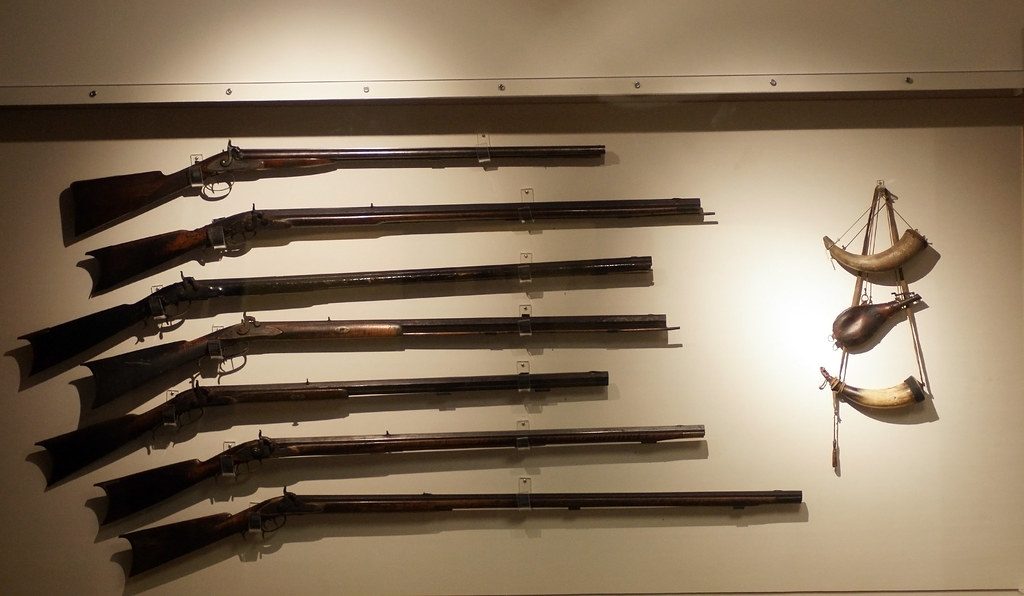
The family heirloom keeper stereotype focuses on sentiment, with a firearm tied to a parent, grandparent, or defining milestone. People often imagine careful storage, periodic maintenance, and stories retold at holidays or reunions. In this view, the gun serves as a tangible link to service, hunting trips, or a first home, and it rarely leaves the safe except for special occasions. The stereotype can miss modern routines like training, updated locks, and documented transfers. Even so, it highlights how ownership sometimes grows from memory, responsibility, and continuity across generations. That emotional connection can shape careful handling and quiet pride.
The Competitive Range Regular
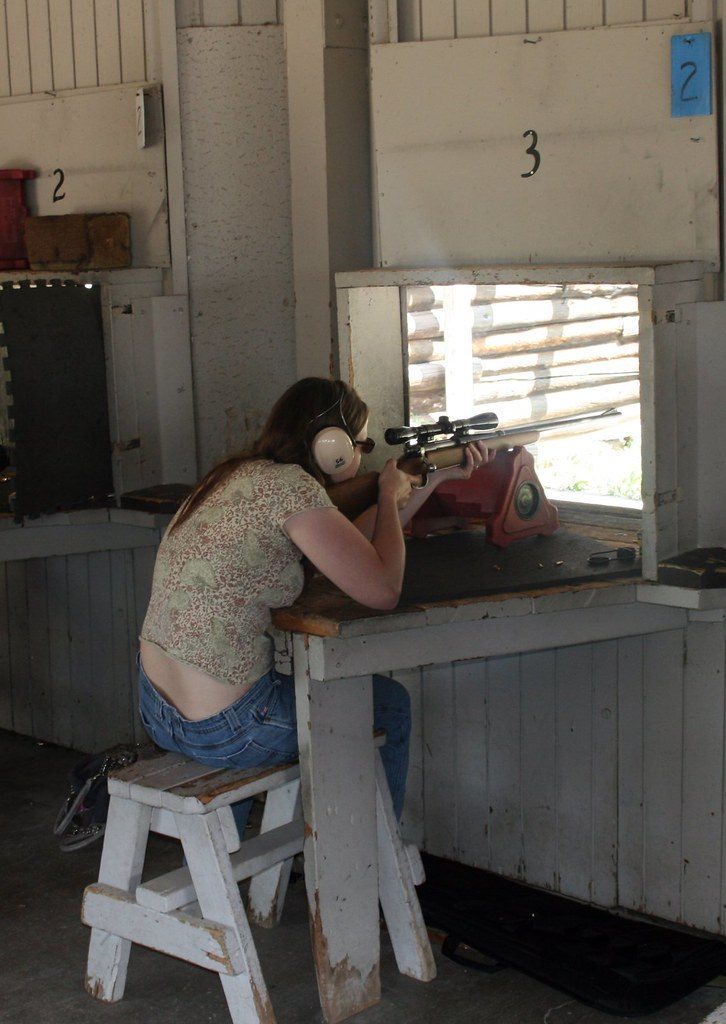
Many people associate the competitive range with structured practice, friendly rivalries, and a calendar built around match days. The stereotype includes attention to reliability, consistent ammunition choices, and a notebook of drills and scores. This owner supposedly talks in split times and group sizes, and treats safety habits as second nature. Gear matters here, but the image values repeatable performance more than flashy looks or brand drama. While not every frequent shooter competes, this persona reflects a mindset that enjoys measurable progress and community rules. It also suggests patience with coaching and respect for range etiquette.
The Home Defense Planner
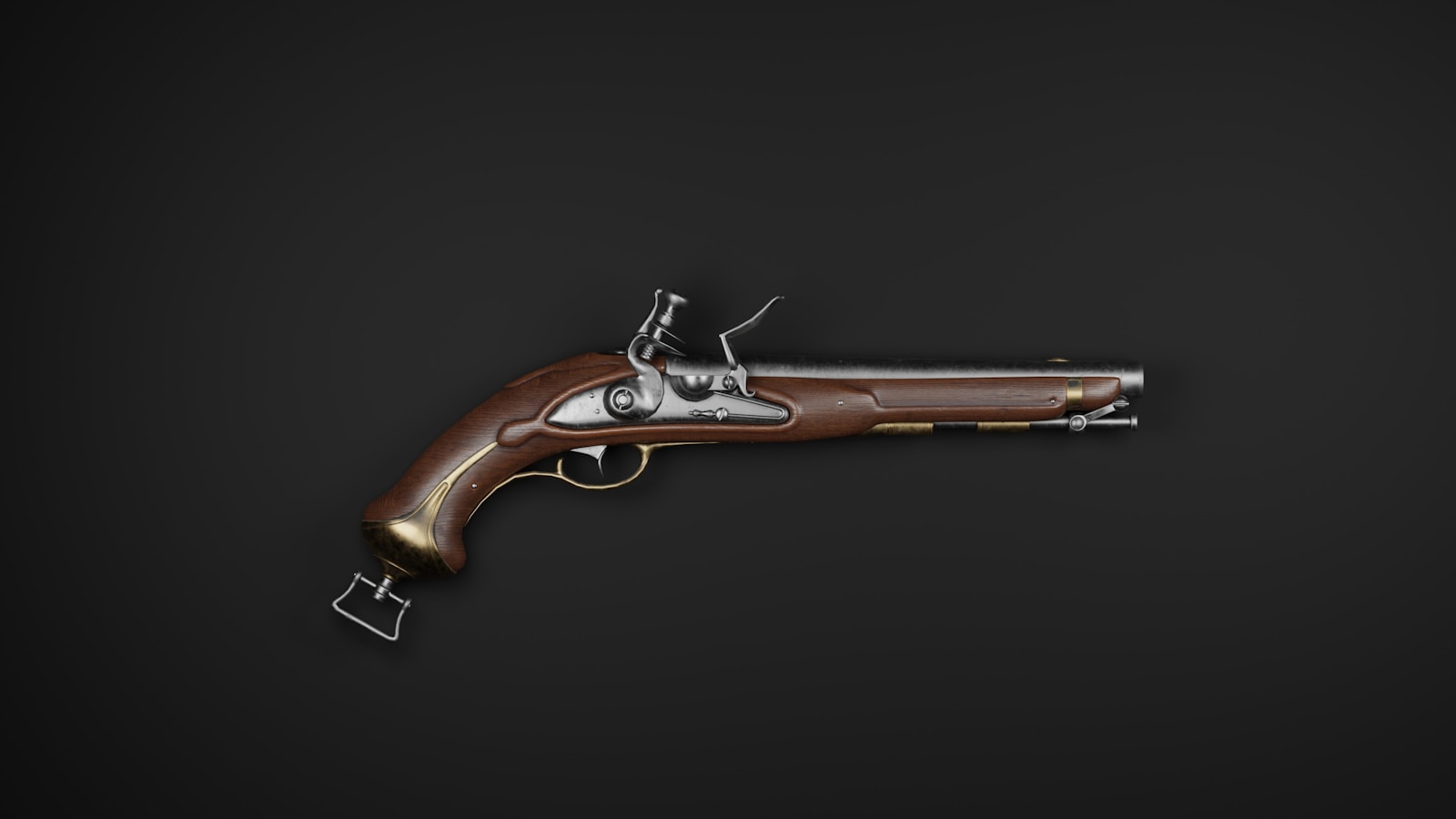
The home defense planner stereotype emphasizes preparedness and routine, often linked to a reliable handgun or familiar carbine kept for emergencies. People imagine this owner thinking through secure storage, access for authorized adults, and clear household rules. The persona usually favors proven setups over constant modifications and prefers training that builds calm decision-making. Conversations may revolve around lighting, locks, and de-escalation as much as hardware. Although motives vary widely, the stereotype captures a desire for readiness paired with responsibility and restraint. It also assumes awareness of local laws and a focus on avoiding unnecessary risk.
The Backcountry Hunter
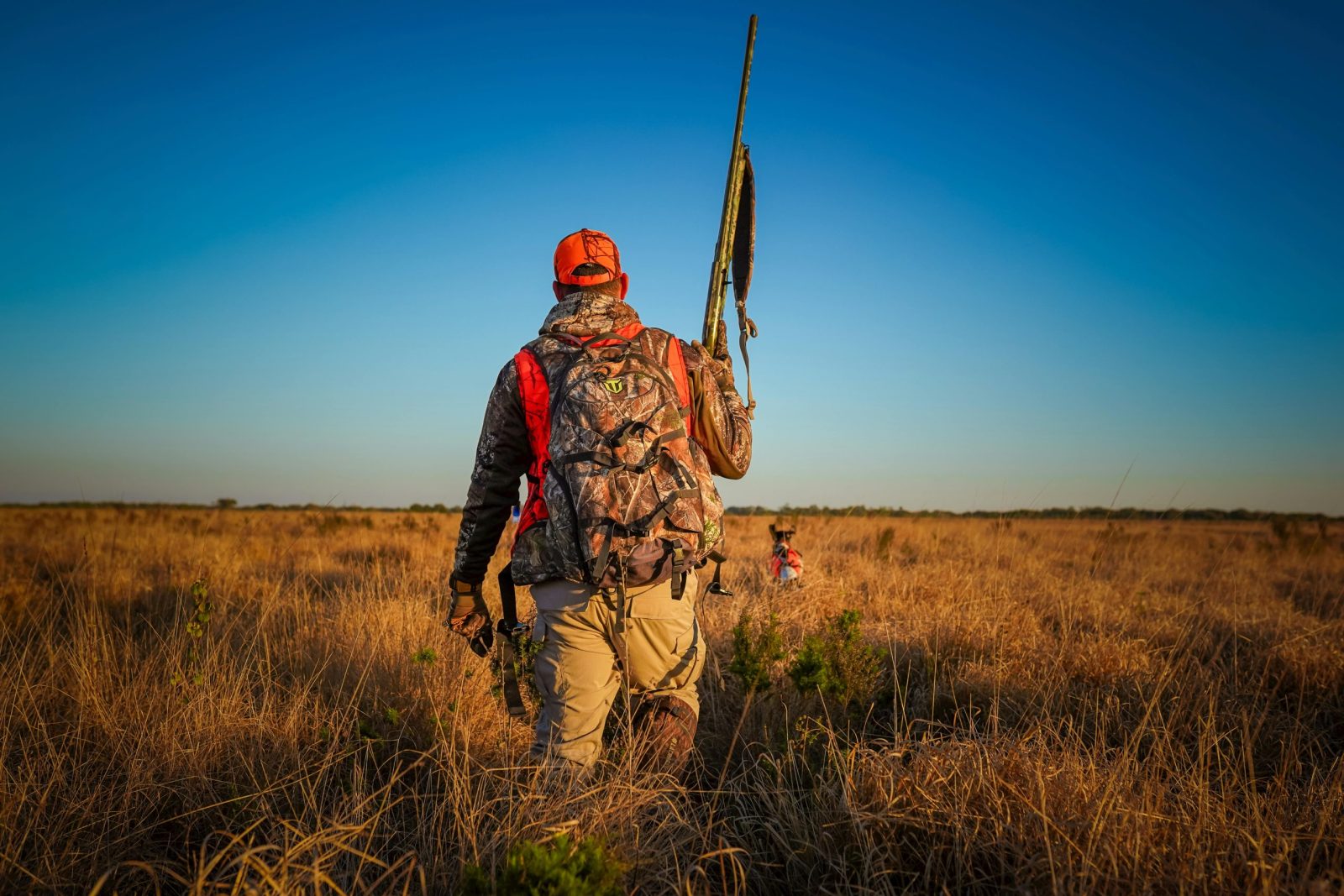
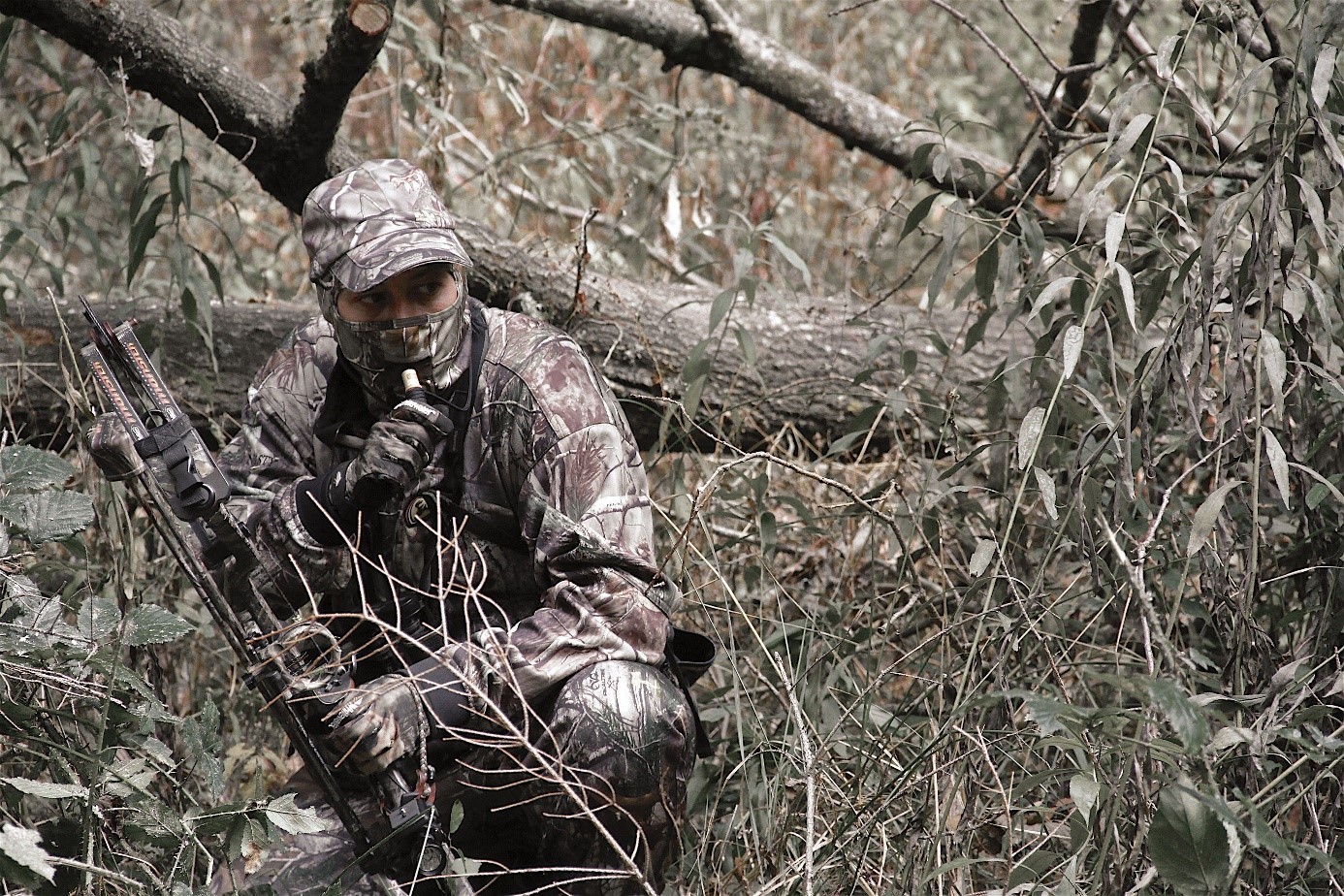
The backcountry hunter stereotype paints an owner who values seasons, scouting, and ethical shots more than brand debates. This image often centers on a dependable bolt-action rifle or a well-worn shotgun carried through brush and cold mornings. Friends may describe the hunter as patient and outdoorsy, focused on food traditions and time in nature. The stereotype also assumes respect for wildlife laws, land access, and safe handling around camps. Even for casual hunters, it reflects a practical approach where gear supports the hunt instead of starring in it. Many also prioritize clean field care and shared meals afterward.
The Heritage Handgun Loyalist
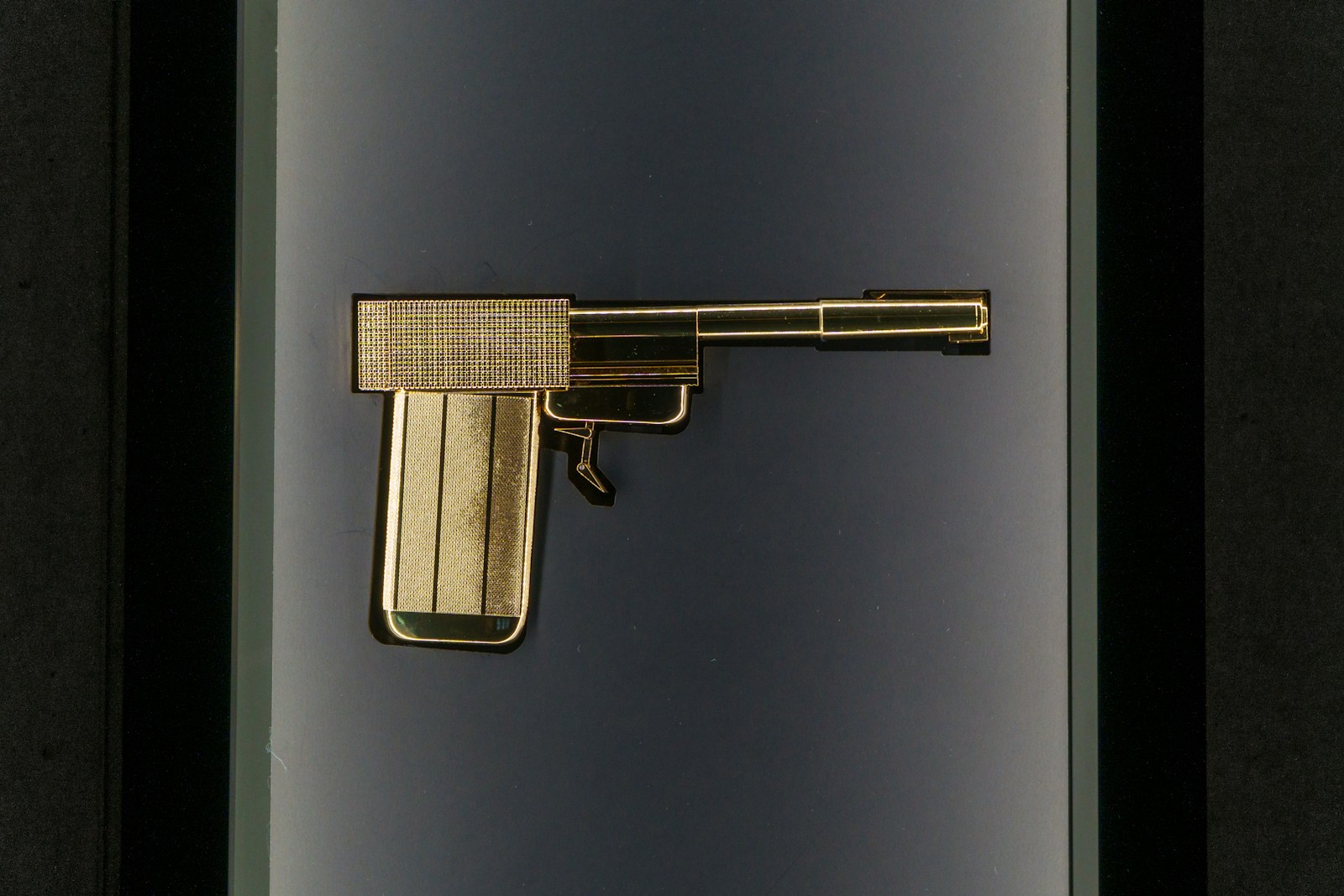
Some firearms carry a heritage aura, and the heritage handgun loyalist stereotype follows by favoring classic designs with long service records. The persona gets framed as brand faithful, sometimes for comfort, familiarity, or family history. People imagine a preference for metal frames, traditional controls, and straightforward sights, along with skepticism toward novelty. This owner might enjoy talking about ergonomics, upkeep, and decades of use rather than marketing claims. Even when the stereotype runs strong, it often signals trust built through repetition and predictable handling. It can also reflect appreciation for craftsmanship and readily available parts.
The Practical Working Rancher
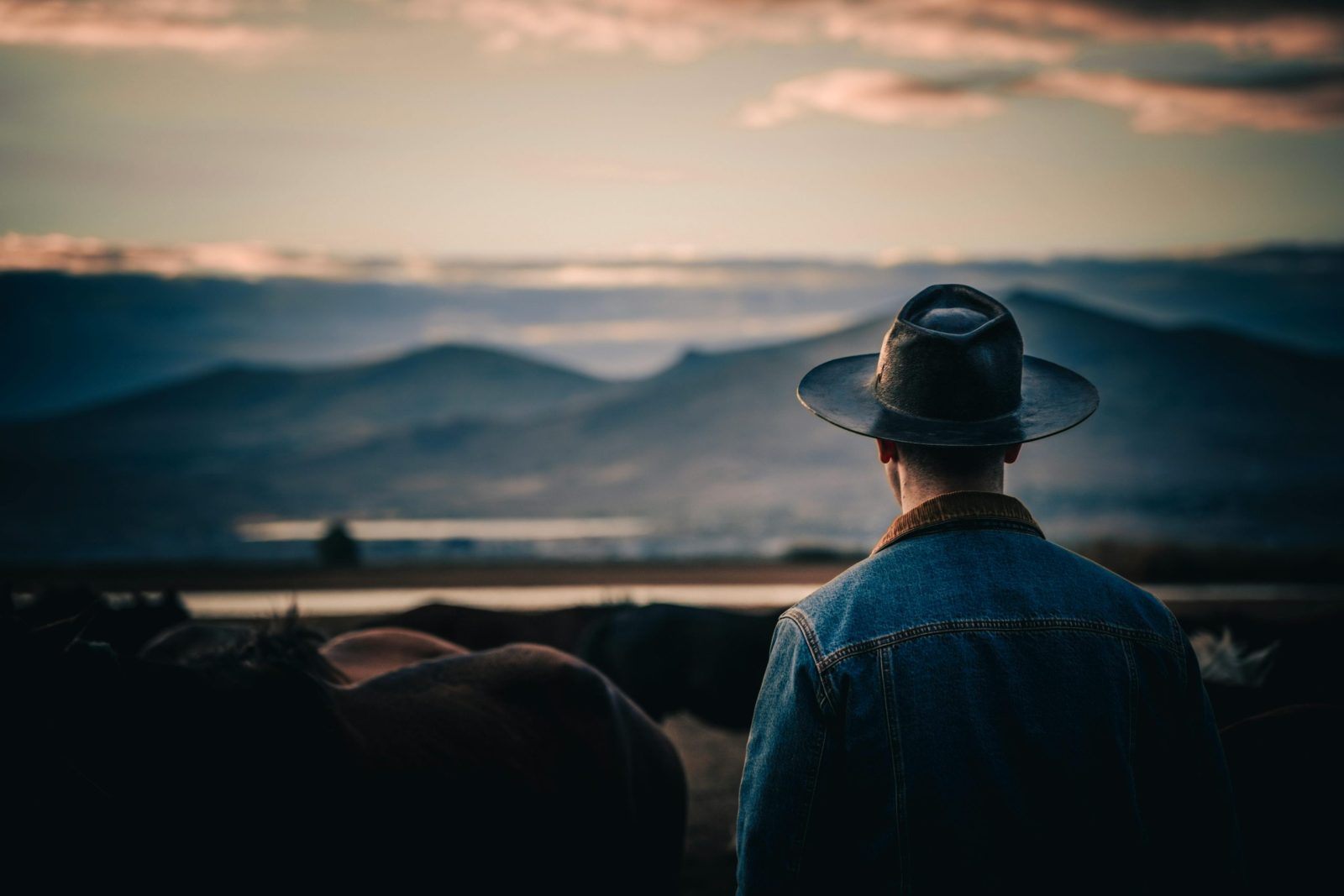
The practical working rancher stereotype centers on utility, with a firearm treated like another tool that must function every day. Observers picture a simple rifle or shotgun used around property for pest control, livestock protection, and the occasional hunt. The persona values reliability, easy upkeep, and familiarity, and avoids accessories that snag, break, or complicate storage. Talk tends to stay grounded in chores, weather, and safety around barns and vehicles, not gear fashion. Although many owners do not ranch, the stereotype highlights a work-first attitude toward firearms. It also implies comfort with routine checks and practical carry methods.
The Weekend Plinker
The weekend plinker stereotype describes an owner who treats shooting as relaxed recreation, similar to a casual hike or pickup game. People imagine trips to an outdoor range with friends, a focus on affordable ammunition, and simple targets like cans or paper plates. The persona tends to enjoy laughter, teaching newcomers basic etiquette, and taking breaks for snacks and conversation. This stereotype often centers on .22 caliber firearms because of low recoil and modest cost. For many, the appeal is stress relief and steady skill building without competition pressure. It usually pairs fun with safe habits and clear range rules.
The Tinkering Hobbyist
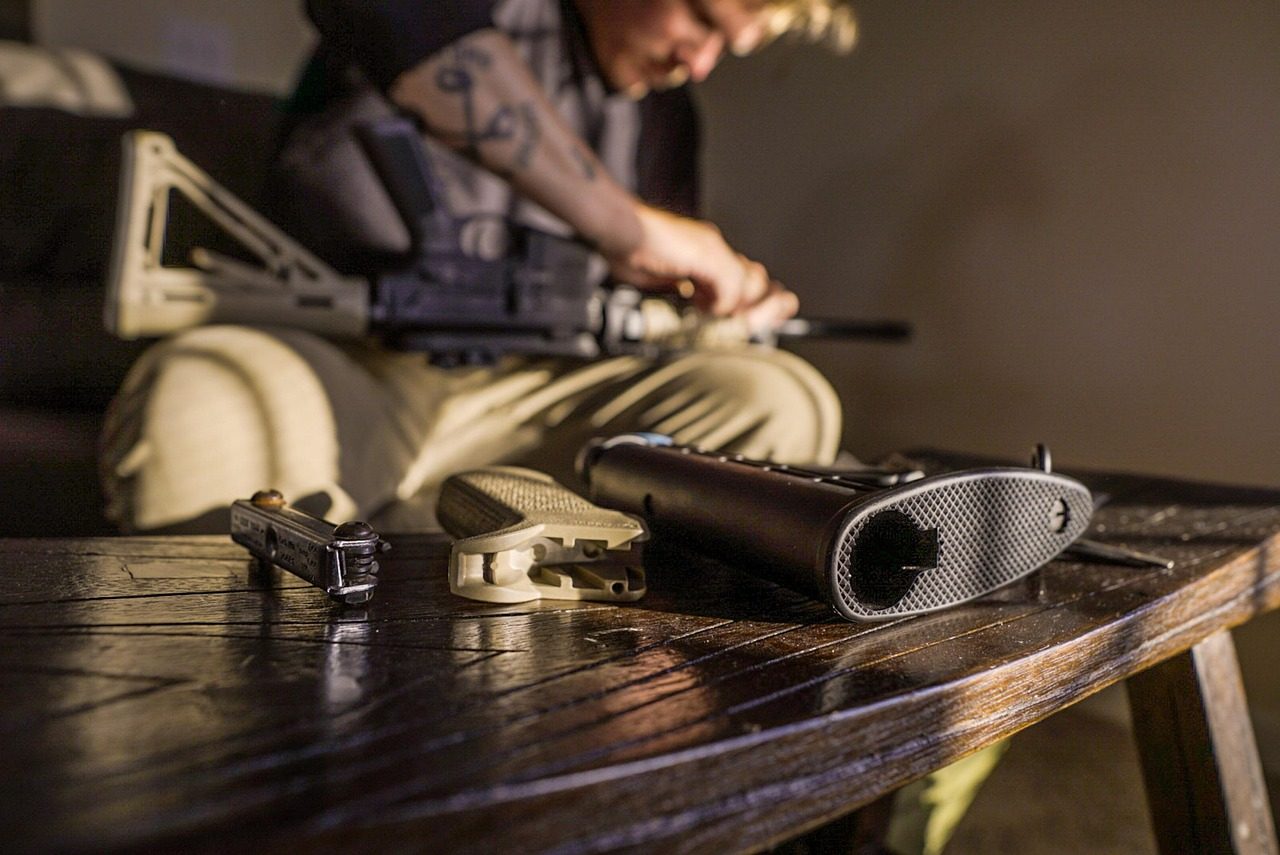
Some owners enjoy the workshop as much as the range, and the tinkering hobbyist stereotype highlights that hands-on curiosity. This persona supposedly swaps grips, tests sights, and learns how parts interact, turning maintenance into a satisfying project. People picture careful research, patience, and a willingness to troubleshoot issues rather than replace an entire setup. The stereotype can tilt toward gadgetry, yet it also reflects a maker mindset that values understanding and self-reliance. In many cases, the goal is comfort, reliability, and personalization within safe, legal boundaries. Friends may see this owner as methodical, practical, and quietly inventive.
The History and Militaria Buff

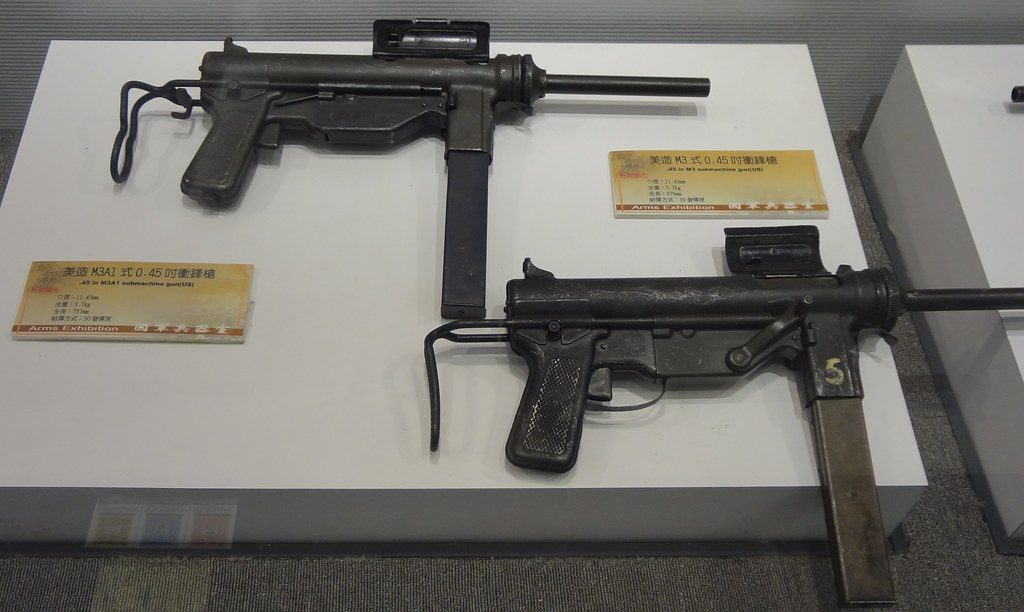
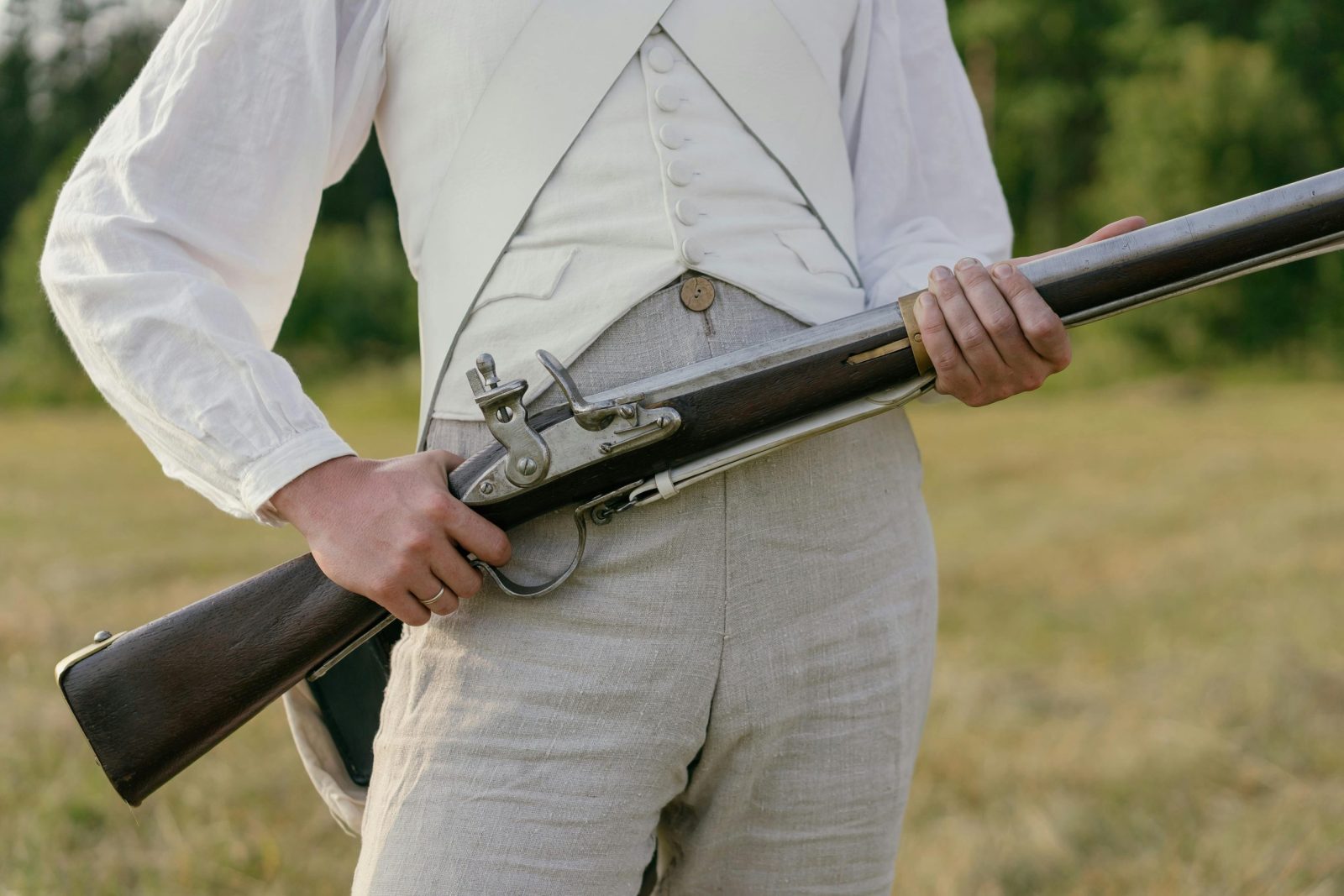
The history and militaria buff stereotype frames ownership as a way to connect with past conflicts, engineering choices, and collecting culture. Observers imagine attention to markings, production years, and provenance, with documentation treated as part of the hobby. Firearms linked to this persona may appear at museums, reenactments, or collector meetups, where talk focuses on context over performance tweaks. This stereotype can overlook everyday shooting, but it captures genuine interest in preservation and responsible stewardship. For many collectors, safe storage and legal compliance matter as much as the artifacts themselves. The appeal often lies in learning, not in display alone.