Hiking across the United States offers breathtaking scenery, yet some states are known for weather so unpredictable that even a short trail can transform into a demanding survival challenge. Rapid temperature swings, sudden storms, intense winds, and fast-changing conditions make preparation essential. In these ten states, hikers must stay alert, carry proper gear, and understand that nature can shift from peaceful to dangerous without warning.
1. Alaska
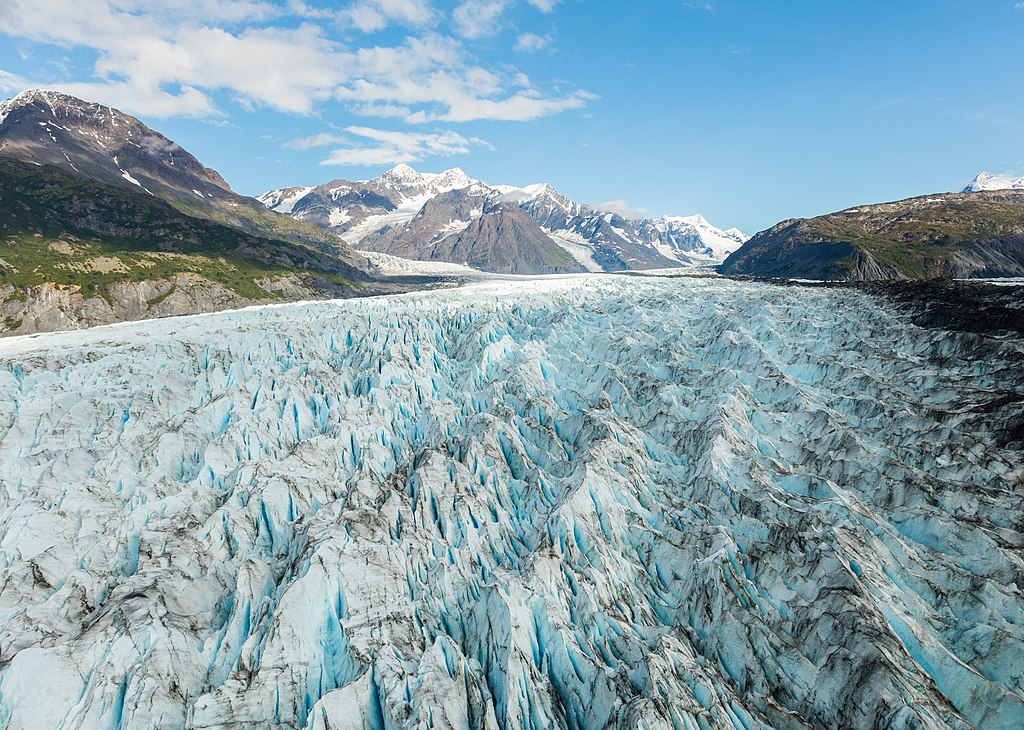
Alaska’s rugged landscapes deliver stunning beauty, but the weather shifts with startling speed, often catching hikers off guard. A sunny morning can turn into driving snow or thick fog in minutes, reducing visibility and making trails difficult to follow. Fierce winds sweep across open terrain, while freezing temperatures arrive quickly, even in warmer seasons. Anyone hiking here must be ready for immediate changes that can turn a peaceful outing into a risky ordeal.
2. Colorado
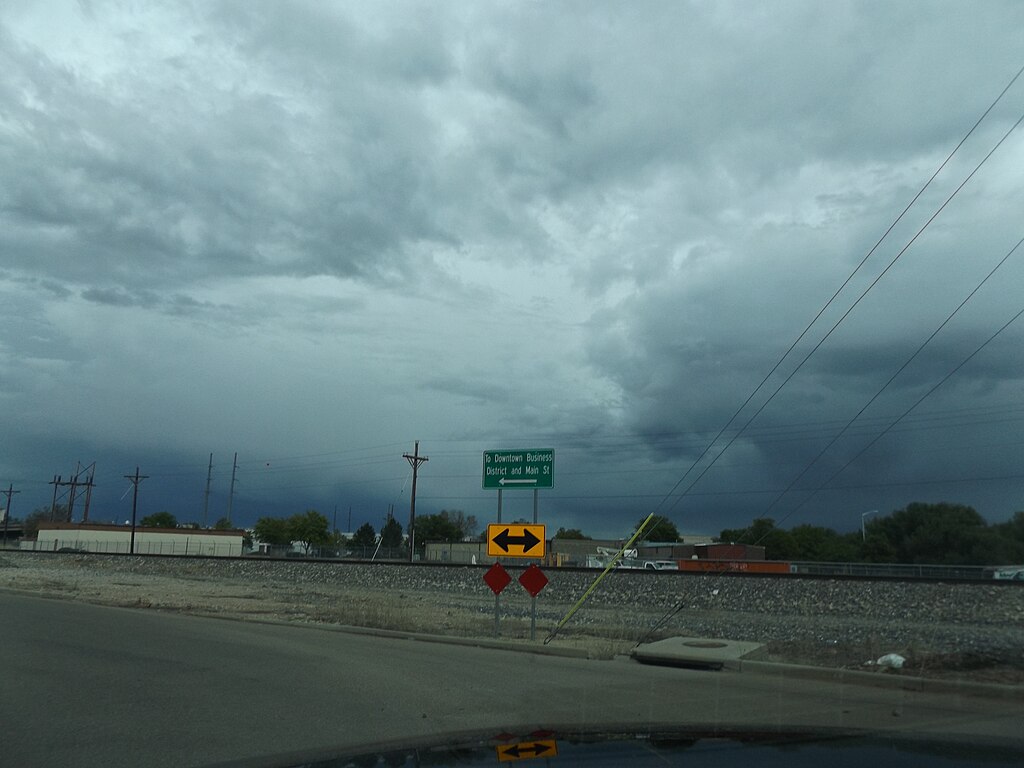
Colorado’s high-altitude trails create some of the most unpredictable weather patterns in the country. Clear skies often hide fast-building thunderclouds that release lightning, hail, and heavy rain with almost no advance warning. Temperatures can drop sharply as storms move in, leaving hikers cold and exposed above treeline. Strong winds add another layer of difficulty, making balance harder on steep paths. Even short hikes demand careful timing and proper gear.
3. Wyoming
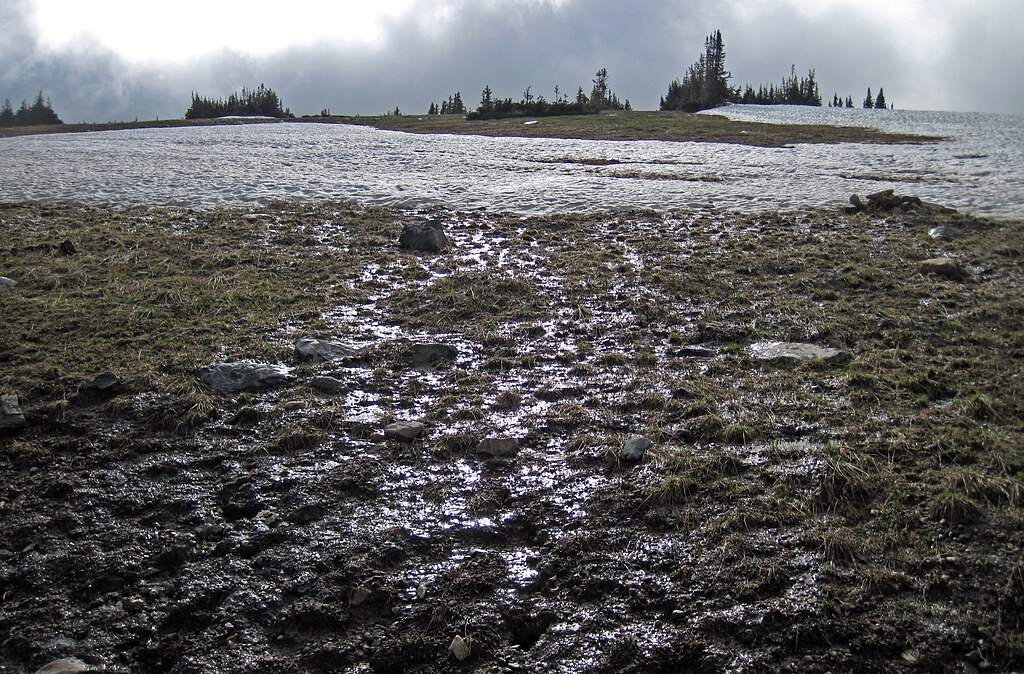
Wyoming’s wide-open spaces and mountain ranges allow severe weather to appear suddenly, transforming simple hikes into genuine challenges. Fast-moving squalls can bring snow, sleet, or pounding rain at any time of year. Lightning storms sweep quickly across the plains and peaks, while intense winds make high-elevation trails especially hazardous. The state’s remote terrain often means help is far away, requiring hikers to carry essentials and remain ready for rapid changes.
4. Montana

Montana’s wilderness is breathtaking, yet its unpredictable weather leaves little room for complacency. Storm cells form quickly and move across mountain valleys with force, turning dry trails into slippery hazards. Sudden cold fronts can drop temperatures dramatically, bringing hail or heavy snow even during warmer months. Strong winds make exposed ridges difficult to navigate. With long distances between trailheads, hikers must prepare for conditions that can shift without warning.
5. Arizona

Arizona’s dramatic landscapes conceal weather that changes more quickly than many expect, especially in desert and canyon regions. Extreme heat can overwhelm hikers within minutes, while monsoon storms deliver lightning and flash floods that transform dry washes into dangerous waterways. Higher elevations face sudden cold snaps and fierce winds. Because the terrain varies so widely, hikers must prepare for heat, storms, and rapid temperature swings on the same trail.
6. Utah
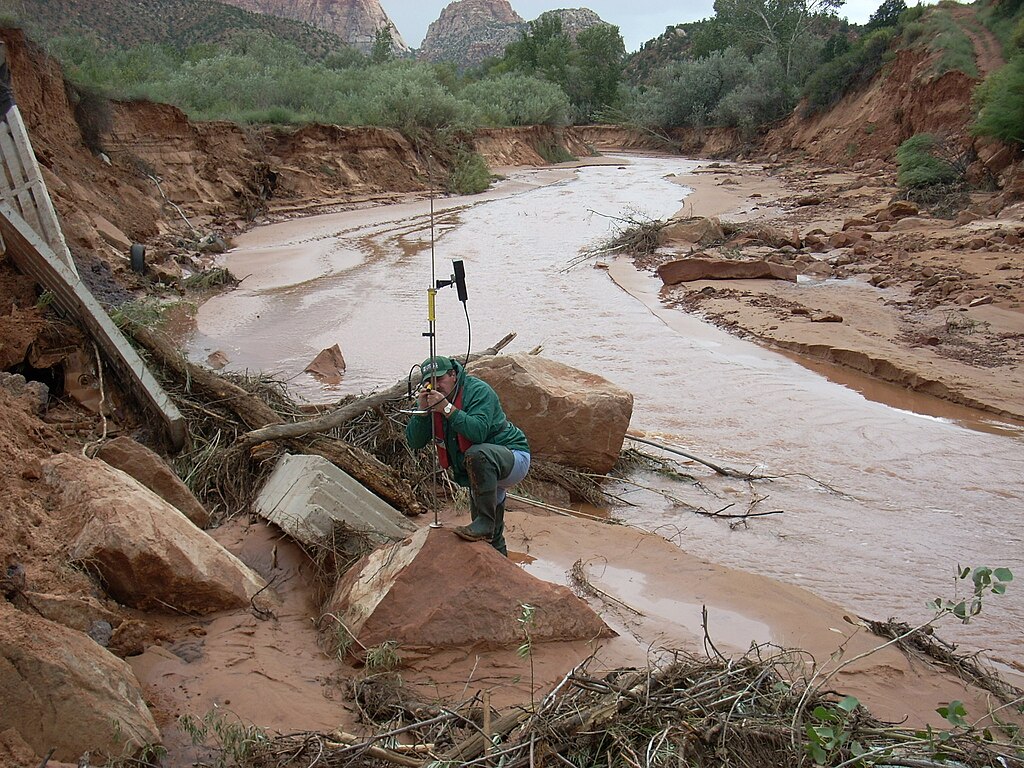
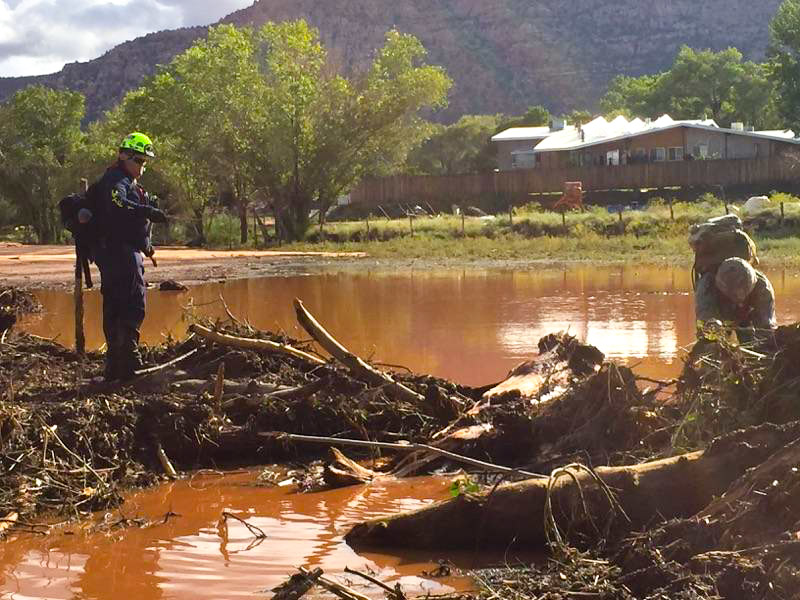
Utah’s rugged canyons and high plateaus expose hikers to weather that can switch from calm sunshine to dangerous conditions swiftly. Flash floods remain one of the state’s greatest threats, often triggered by storms forming miles away. Desert heat intensifies on exposed rock, while sudden rain makes slickrock surfaces slippery and unstable. In the mountains, snow or hail can appear unexpectedly. Preparation is essential, especially in remote areas with limited escape routes.
7. New Mexico

New Mexico’s mix of desert, forest, and mountain terrain creates a complex weather pattern that surprises even seasoned hikers. Warm, calm mornings can evolve into thunderstorms, hail, or gusty winds by afternoon. Monsoon season brings rapid flash flooding in canyons and arroyos, often with little warning. Higher elevations see quick temperature drops and icy conditions. Because trails span such varied environments, hikers must plan for multiple scenarios at once.
8. Washington
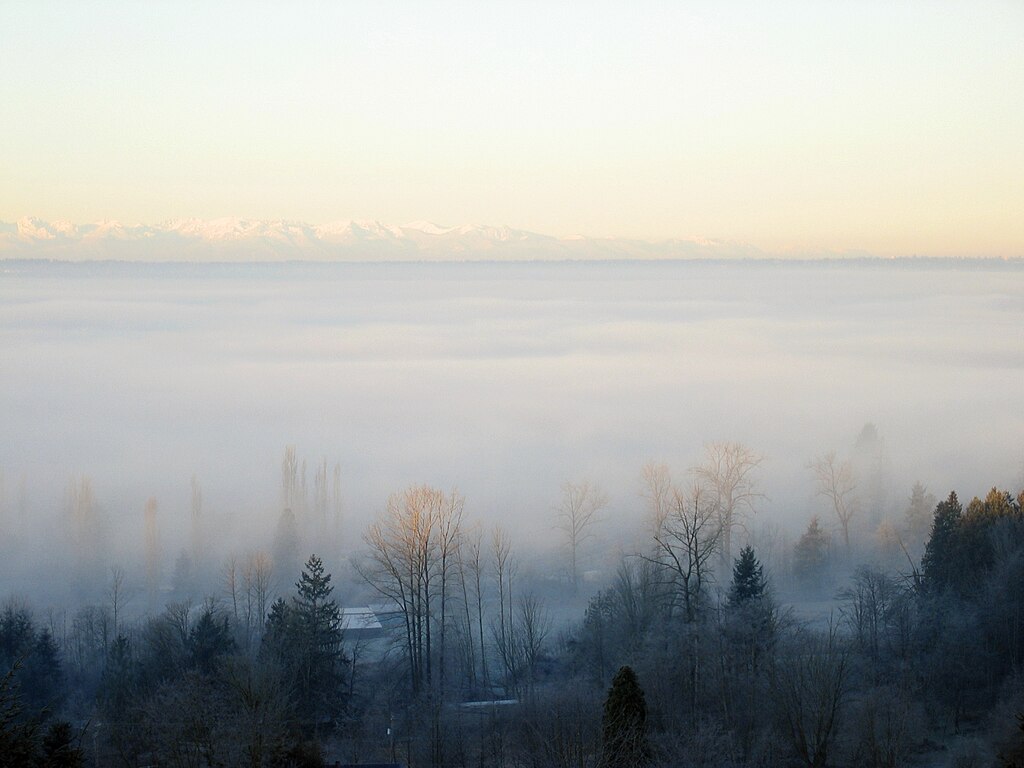
Washington’s coastal and mountain regions are known for fast-changing, moisture-heavy weather that often complicates even easy hikes. Heavy fog can roll in abruptly, reducing visibility on narrow trails. Sudden rain showers turn paths slick, while higher elevations may receive snow or icy winds at unexpected times of year. Cloud cover forms quickly in the Cascades, making navigation more challenging. Hikers must stay alert to avoid getting caught unprepared.
9. Oregon
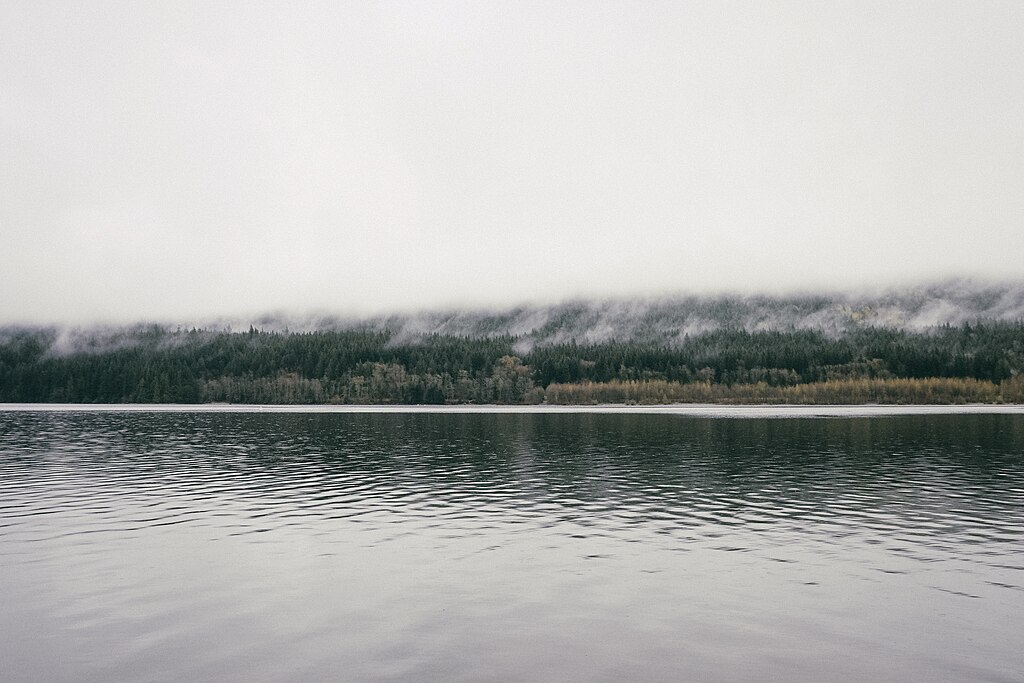
Oregon’s mix of forests, volcanic mountains, and coastal ranges fosters weather that shifts dramatically with little warning. Dense fog often blankets trails, while sudden rainstorms can make footing treacherous. Higher peaks may be hit with snow even during late spring or early fall. Strong winds sweep across ridgelines, increasing the difficulty of exposed sections. Because conditions vary sharply between regions, hikers must prepare for everything from rain to rapid cooling.
10. Hawaii
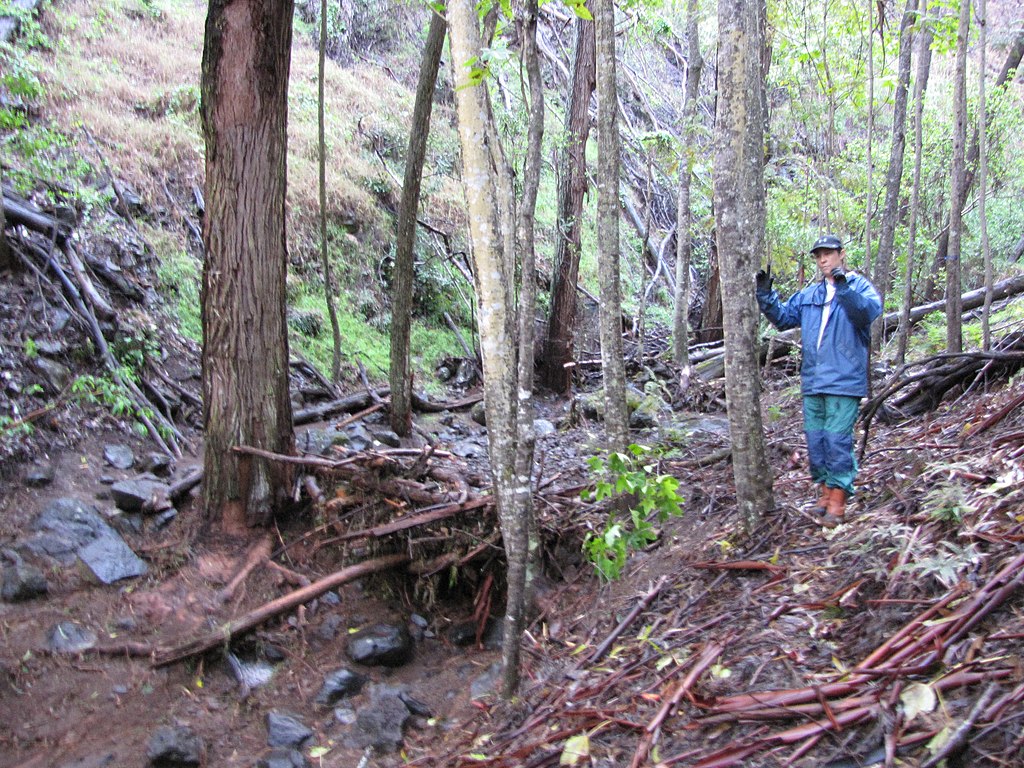
Hawaii’s tropical setting hides some of the most unpredictable hiking weather anywhere in the Pacific. Steep ridges and volcanic slopes create microclimates where conditions change instantly. Sudden downpours cause trails to become slick and unstable, while strong winds make narrow paths dangerous. Flash floods can occur in valleys with almost no warning, and cloud cover often drops visibility to near zero. Even short hikes require caution and reliable gear.