Creek crossings often look harmless, especially when water levels appear low and the streambed is visible. However, in many parts of the United States, even light rainfall upstream can turn a calm crossing into a serious hazard within minutes. Soil type, terrain slope, vegetation cover, and drainage patterns all influence how quickly water rises and how fast it moves. Shallow creeks can become powerful channels capable of sweeping away hikers, vehicles, or livestock without warning. Many accidents happen because the danger is underestimated or invisible from the crossing point itself. Knowing which states are especially prone to rapid creek surges helps outdoor travelers make safer decisions and recognize when to wait, reroute, or turn back entirely.
Arizona
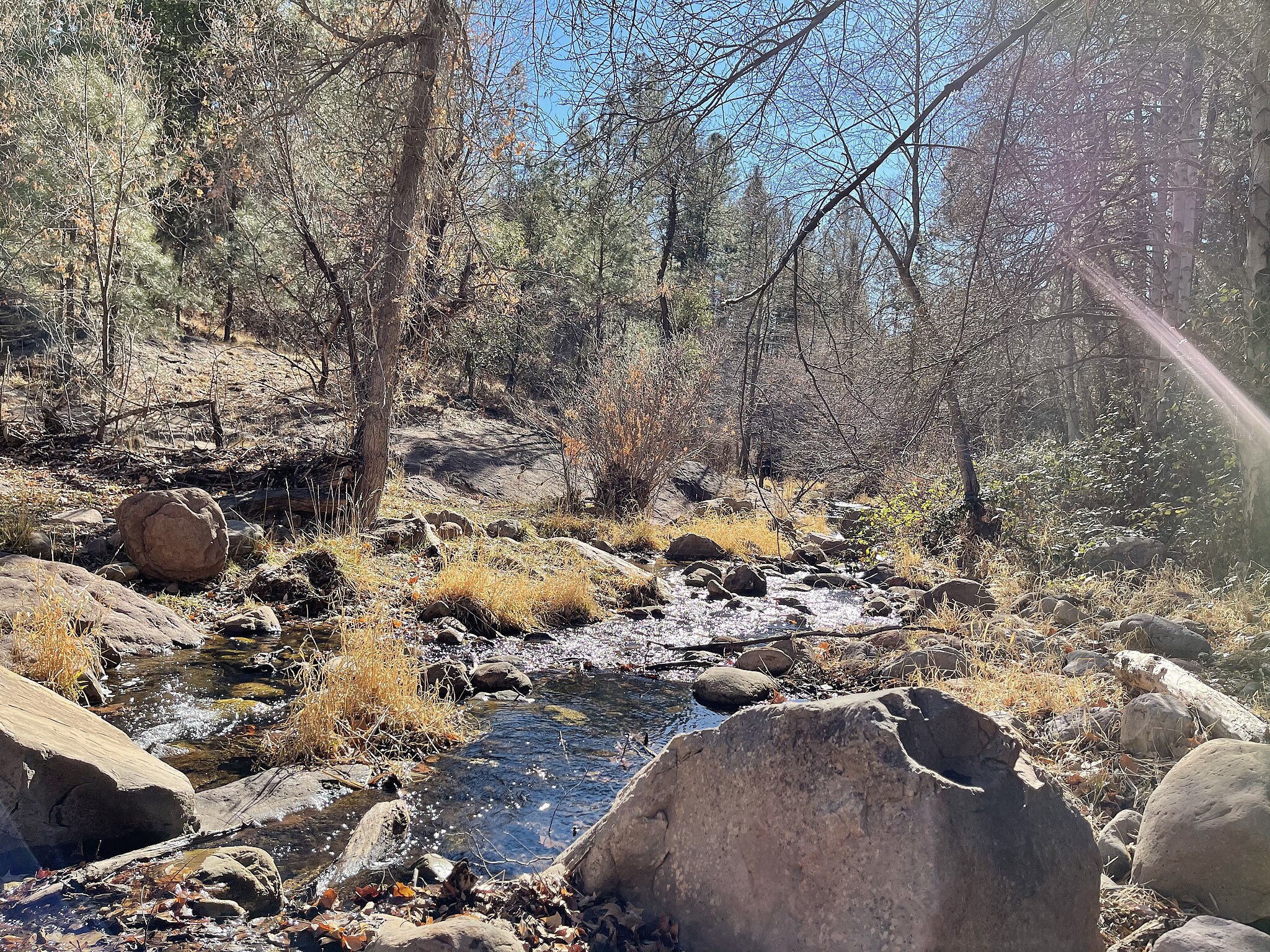
Arizona’s desert landscape creates some of the most deceptive creek crossings in the country. Hard, compacted soil prevents rainwater from soaking in, forcing runoff to travel quickly into washes and arroyos. Even brief storms miles away can produce sudden flash flooding at otherwise dry crossings. Narrow canyon walls funnel water into powerful currents that rise rapidly with little warning. Because rainfall may not be visible at the crossing itself, travelers often misjudge conditions. Vehicle crossings are especially risky due to soft sediment beneath the water. In Arizona, a shallow trickle can transform into a violent surge within minutes, making caution essential after even light rain.
Utah
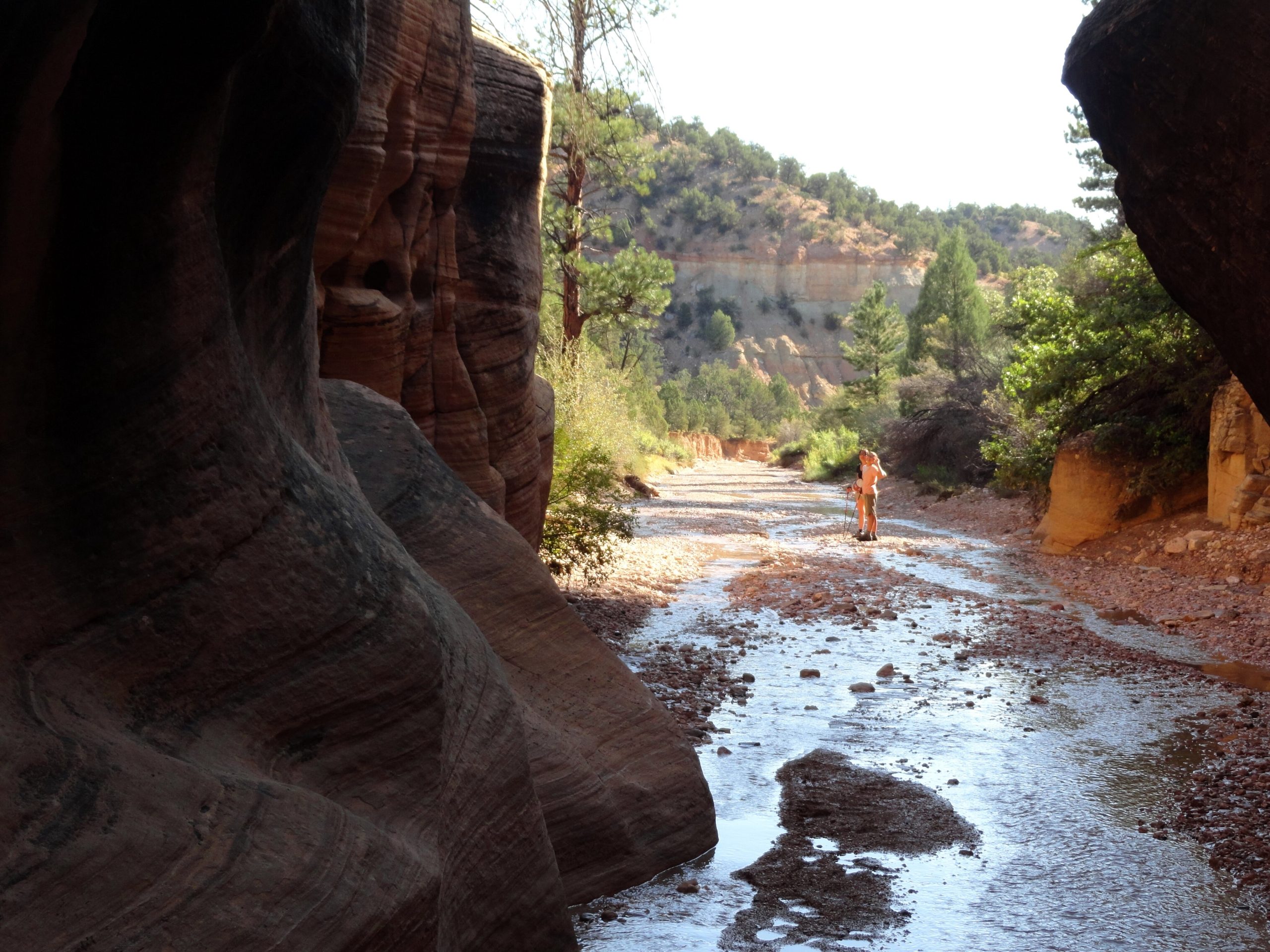
Utah’s high desert and canyon country are extremely vulnerable to sudden water surges. Slickrock surfaces shed rainfall almost instantly, sending runoff directly into narrow creeks. Light storms upstream can create fast-moving water downstream without any visible rainfall near the crossing. Many Utah creeks cut through slot canyons, amplifying speed and force as water volume increases. Sediment-laden flows reduce footing and visibility, increasing fall risk. Backpackers and off-road travelers are especially vulnerable in remote areas where escape routes are limited. In Utah, creek crossings demand constant weather awareness and a willingness to wait, even when rain seems minimal or distant.
Colorado
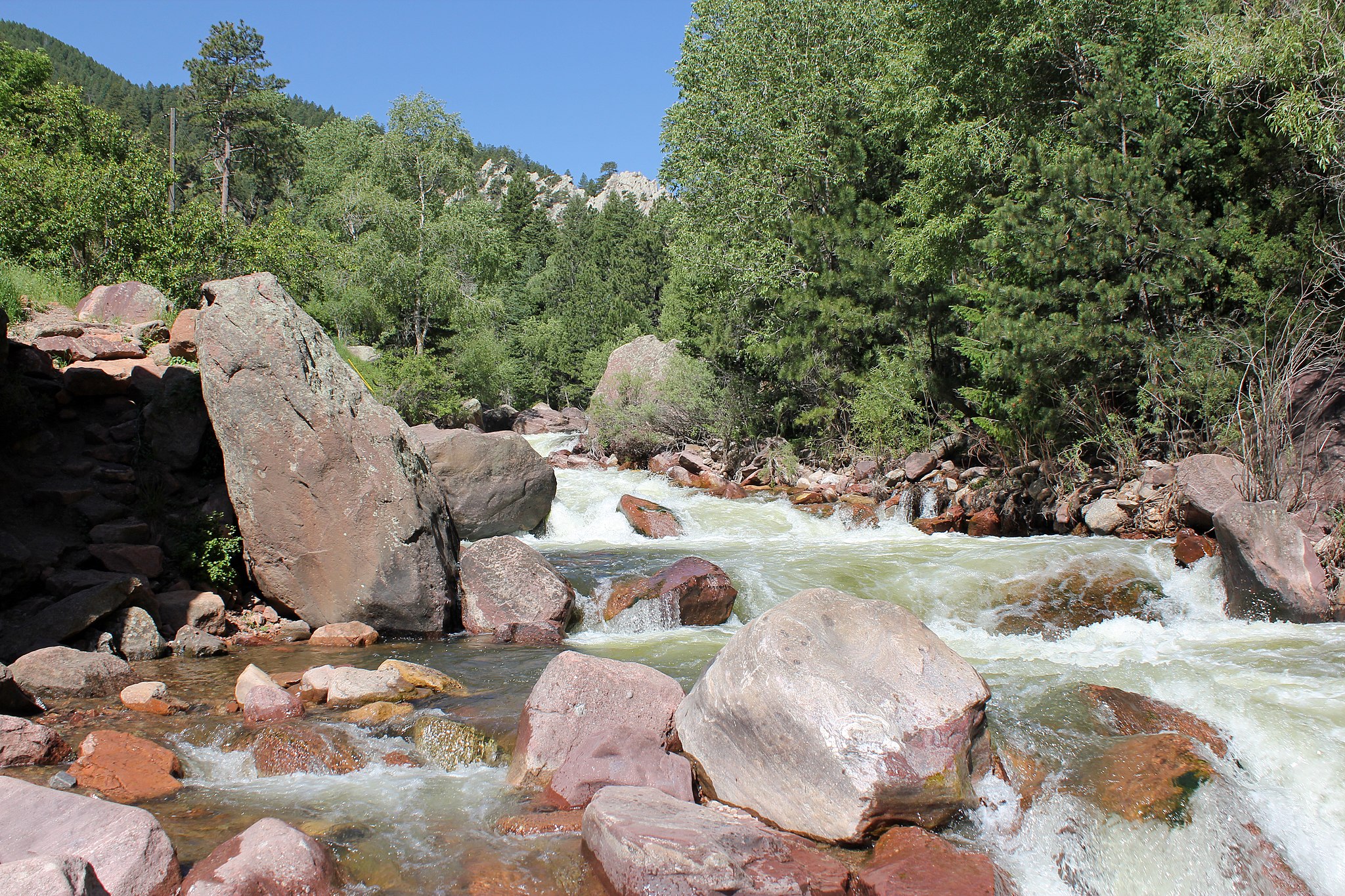
Colorado’s mountainous terrain makes creek crossings unpredictable after rainfall. Steep slopes accelerate runoff, while lingering snowpack can combine with rain to sharply increase water volume. High-elevation storms often dump rain far from valley crossings, creating delayed but powerful surges. Cold water temperatures also reduce reaction time if someone falls in. Rocky creek beds become slick under moving water, increasing the risk of losing footing. In spring and summer, afternoon storms are common and fast-forming. Colorado’s creeks can rise rapidly, turning manageable crossings into dangerous obstacles well before conditions appear threatening at ground level.
New Mexico
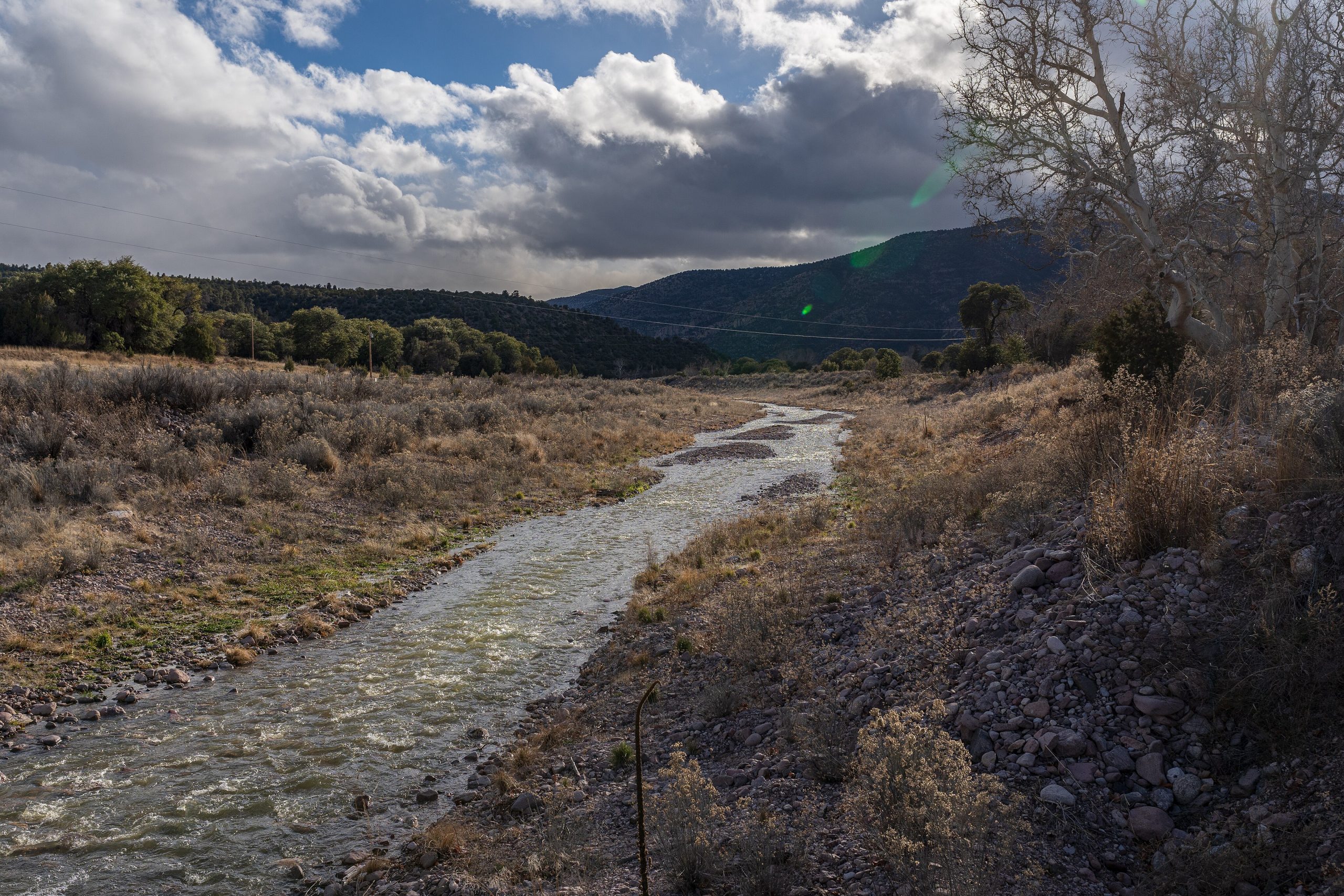
New Mexico shares many flash-flood risks with neighboring desert states. Dry soil and sparse vegetation limit water absorption, allowing even moderate rainfall to funnel rapidly into creeks. Seasonal monsoon storms often form suddenly and dump rain over small areas, sending water rushing downstream. Many crossings lie in open terrain with little shade or shelter, exposing travelers to debris-filled flows. Water may appear shallow while concealing strong undercurrents. Rural roads and trails frequently cross unbridged channels. In New Mexico, waiting for water to recede is often the safest option, even when rain seems brief or localized.
Texas
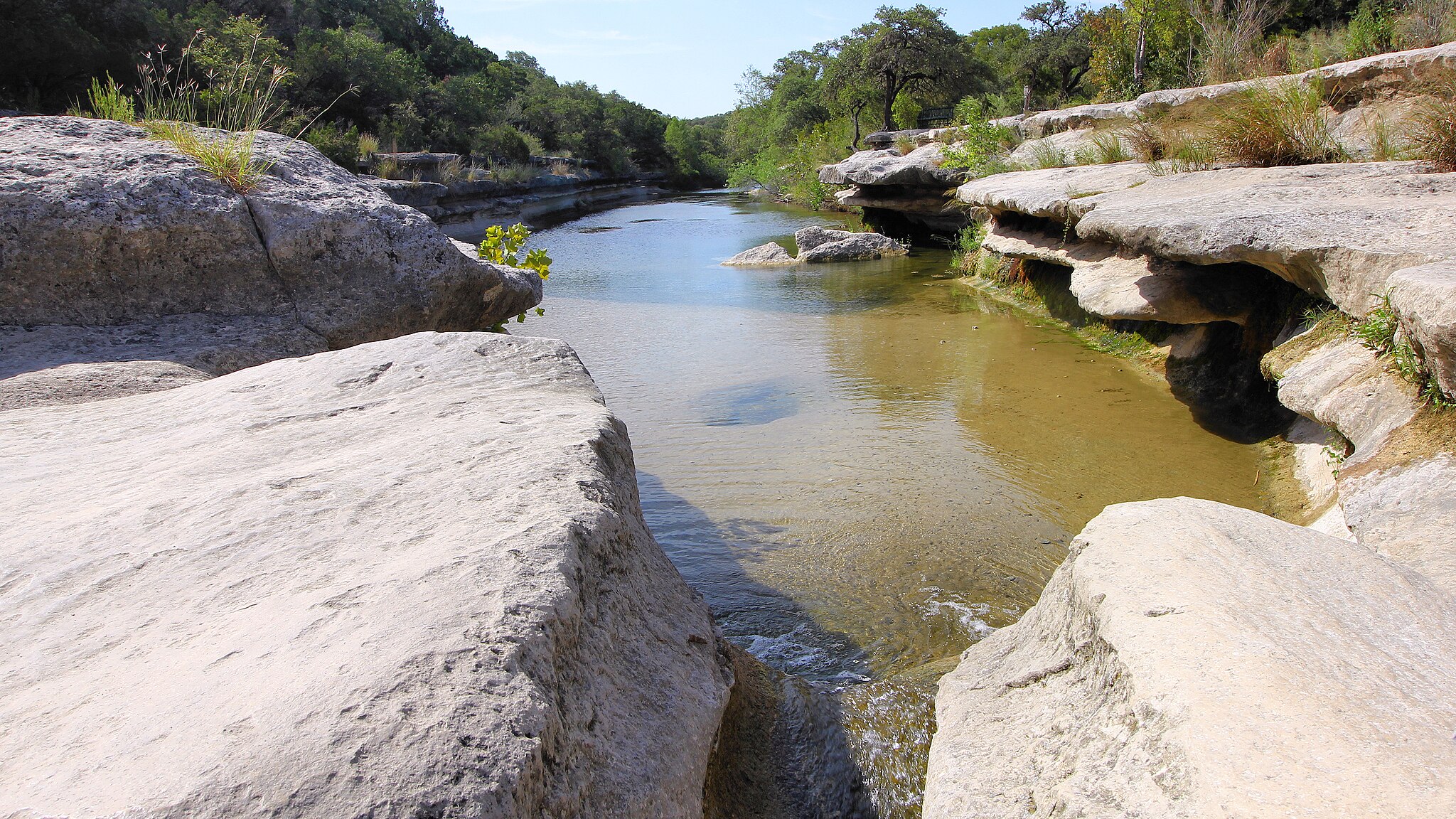
Texas experiences extreme variability in rainfall intensity, making creek crossings especially dangerous. Hill Country limestone prevents absorption, producing fast runoff during light but steady rain. Creeks can rise several feet in minutes, particularly after storms upstream. Urban areas increase risk by channeling water into drainage systems that empty into natural crossings. Murky water hides depth changes and washed-out roadbeds. Vehicles are often caught attempting crossings that appeared passable moments earlier. Texas consistently leads the nation in flood-related fatalities, many involving crossings underestimated after light rain that quickly escalated into powerful flow.
Arkansas
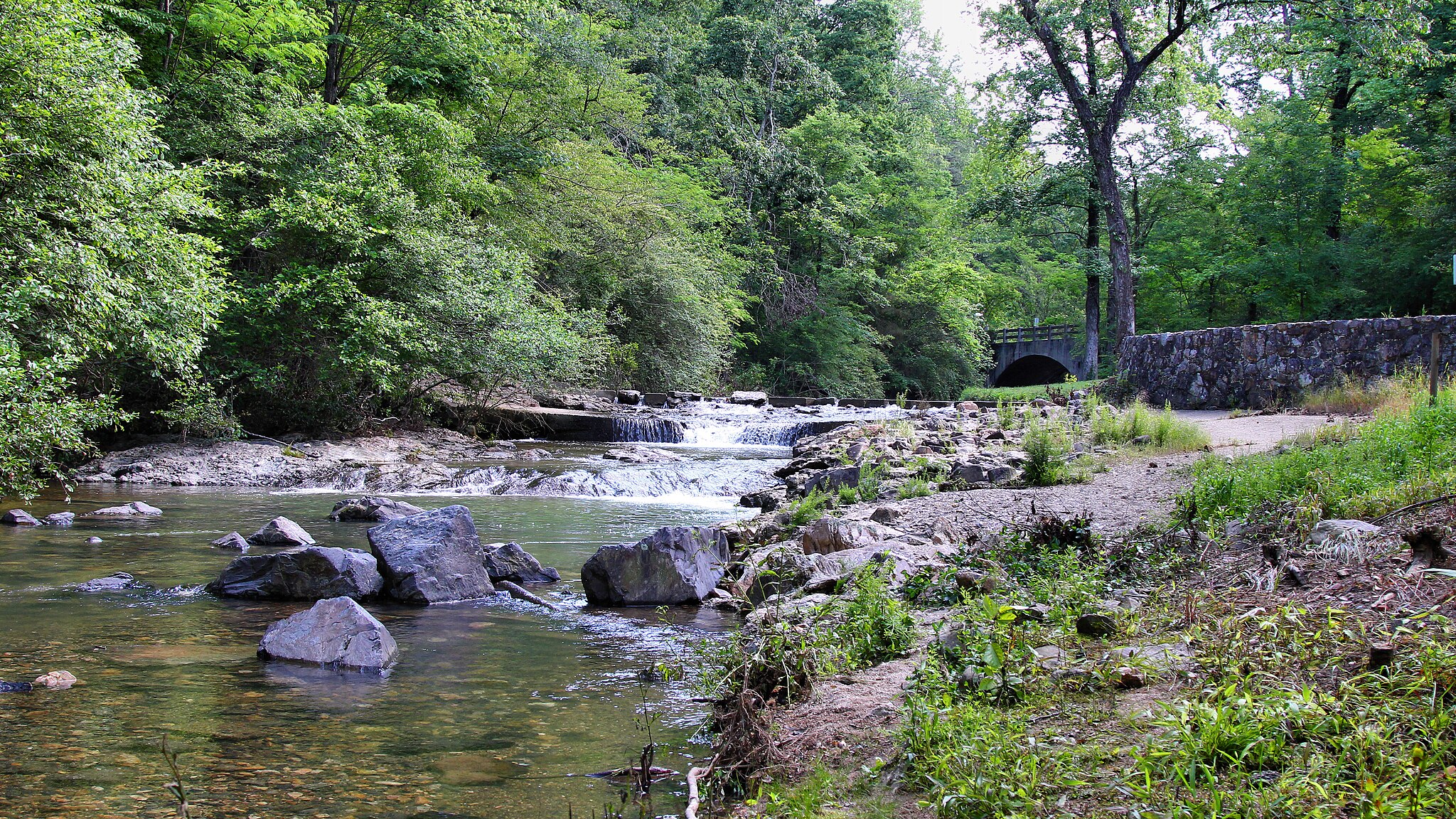
Arkansas’s rolling hills and clay-heavy soils contribute to rapid runoff during rainfall. Creeks respond quickly, swelling faster than many travelers expect. Forest cover can obscure upstream rainfall, giving a false sense of security at crossings. Water often carries fallen leaves, branches, and sediment that reduce footing and traction. Rural trails and backroads frequently lack bridges, forcing travelers to assess conditions manually. After even light rain, creek depth and current strength can increase dramatically. Arkansas crossings are especially risky at dusk or dawn when visibility is reduced and water movement is harder to judge accurately.
West Virginia
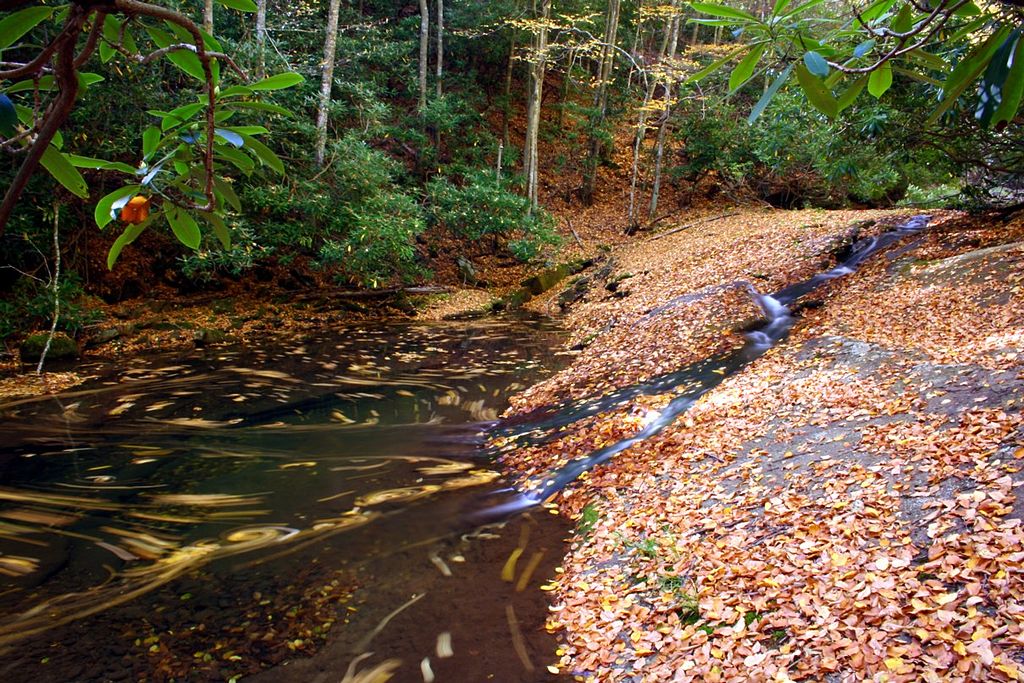
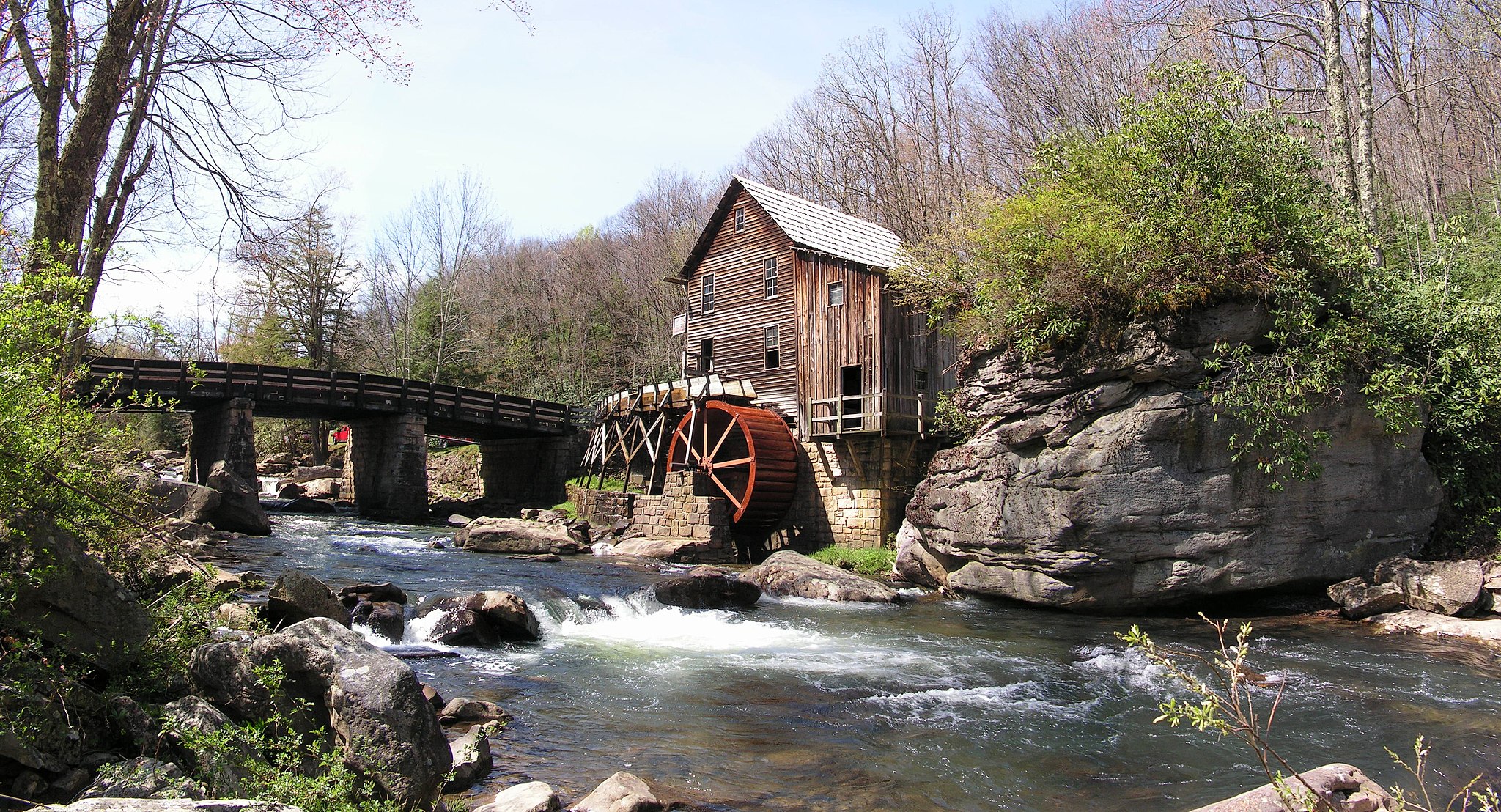
West Virginia’s steep terrain and narrow hollows create ideal conditions for rapid creek surges. Rainfall funnels quickly downhill into confined channels, increasing speed rather than width. Even short storms can trigger swift water movement through valleys. Rocky creek beds become unstable under flowing water, increasing slip risk. Dense vegetation limits escape options if water rises suddenly. Many outdoor routes cross streams repeatedly, compounding exposure. In West Virginia, creek crossings demand conservative judgment, as water levels often rise faster than expected and recede slowly, leaving travelers stranded between crossings.
North Carolina
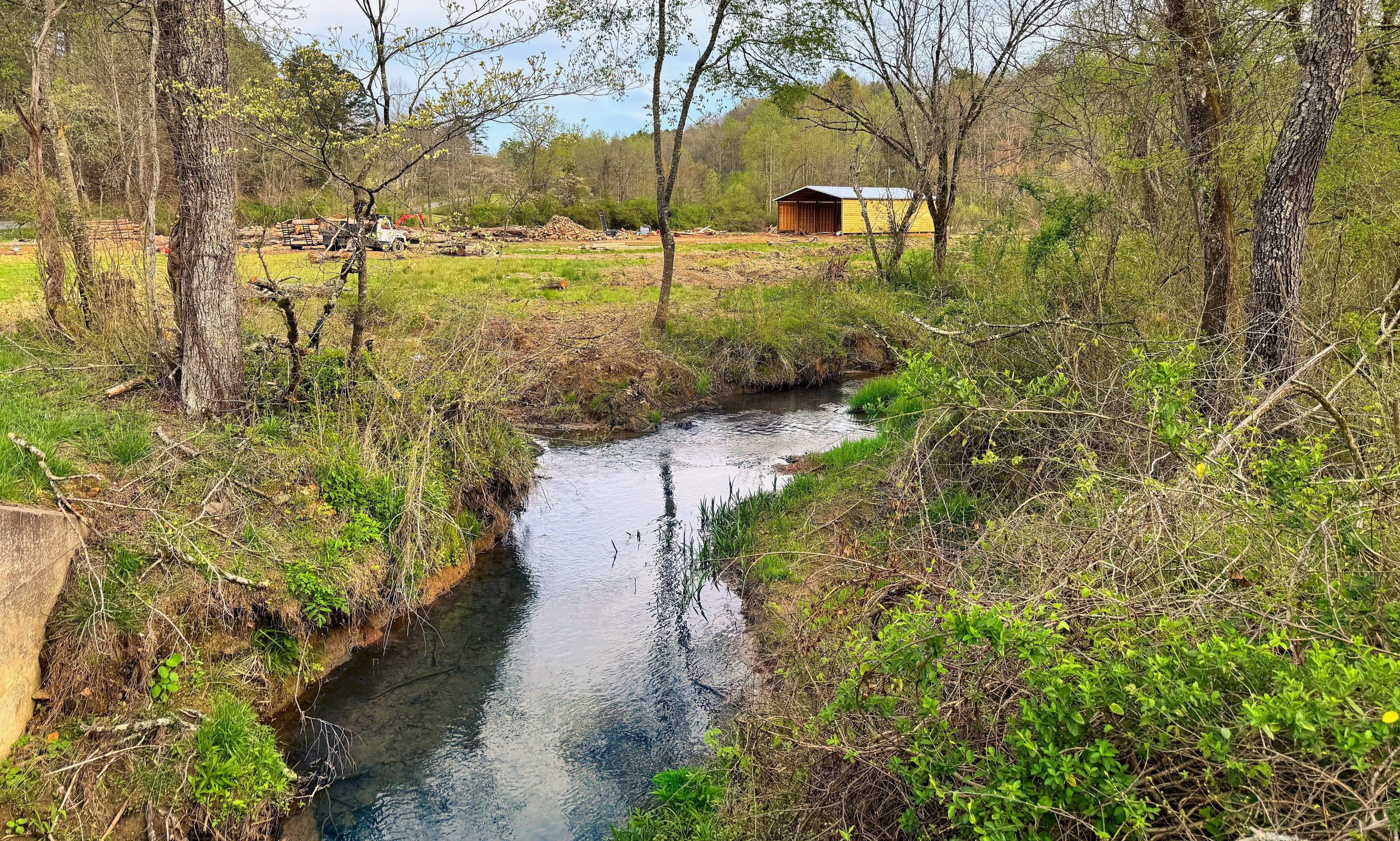
North Carolina’s mountain regions are particularly vulnerable to fast-rising creeks. Steep slopes and thin soil layers promote rapid runoff, especially during summer thunderstorms. Rainfall may occur higher on ridges while crossings remain dry until water suddenly arrives. Creeks often run through wooded terrain, hiding visual cues of rising flow. Slippery roots and rocks increase fall risk. Hurricane remnants can intensify even light rain events. In North Carolina, creek crossings should be approached cautiously, as conditions can change quickly with little audible or visual warning.
California
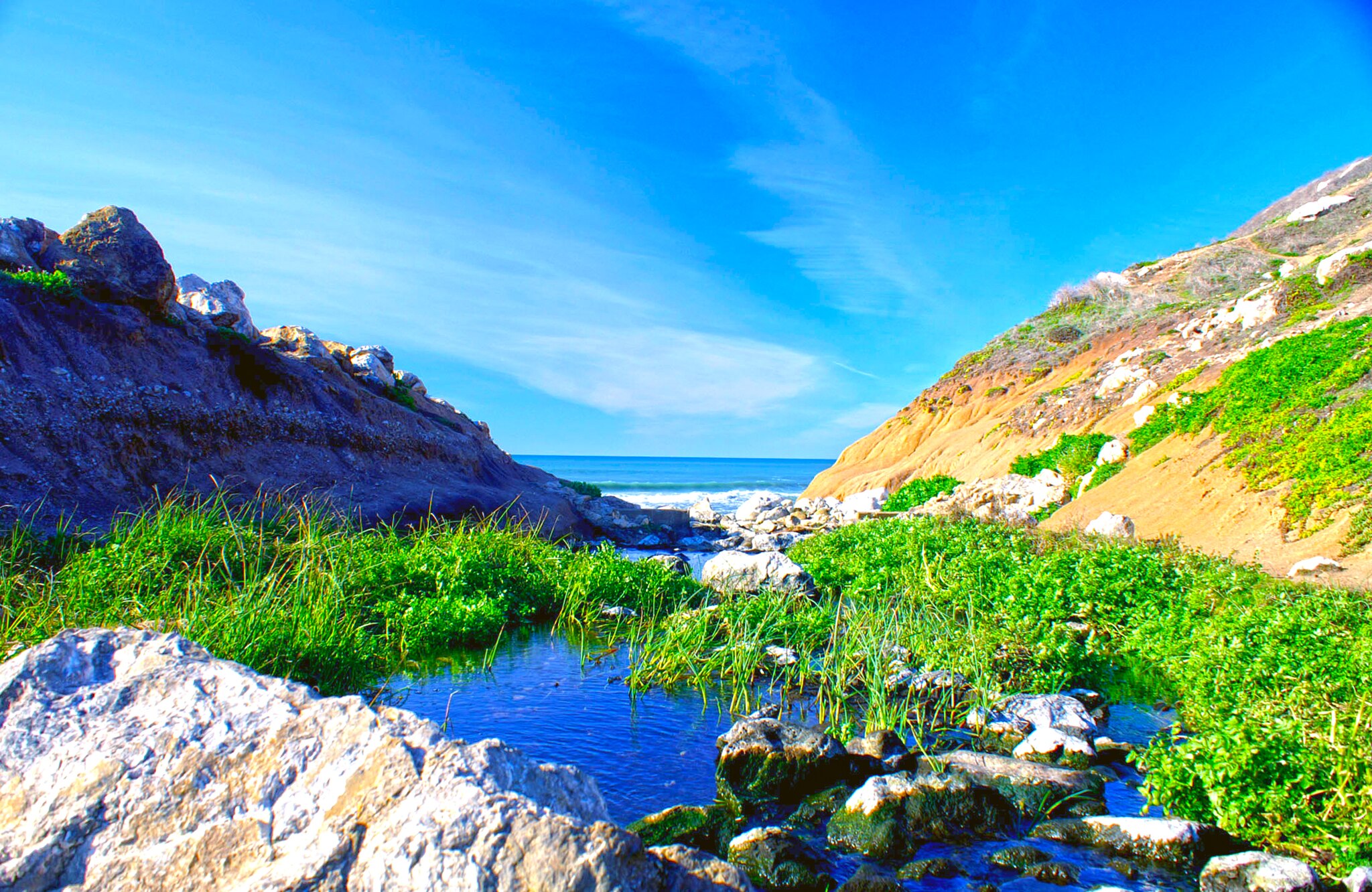
California’s diverse terrain includes deserts, mountains, and burn-scarred landscapes that amplify flood risk. Wildfire areas lack vegetation, allowing rain to rush directly into creeks. Light storms can mobilize debris and mud, increasing water density and force. In arid regions, dry washes can flood suddenly without visible rainfall nearby. Coastal mountain ranges also funnel rain into narrow crossings. Water often turns opaque, hiding hazards below the surface. California creek crossings demand caution year-round, especially after recent fires or during transitional weather patterns.
Tennessee
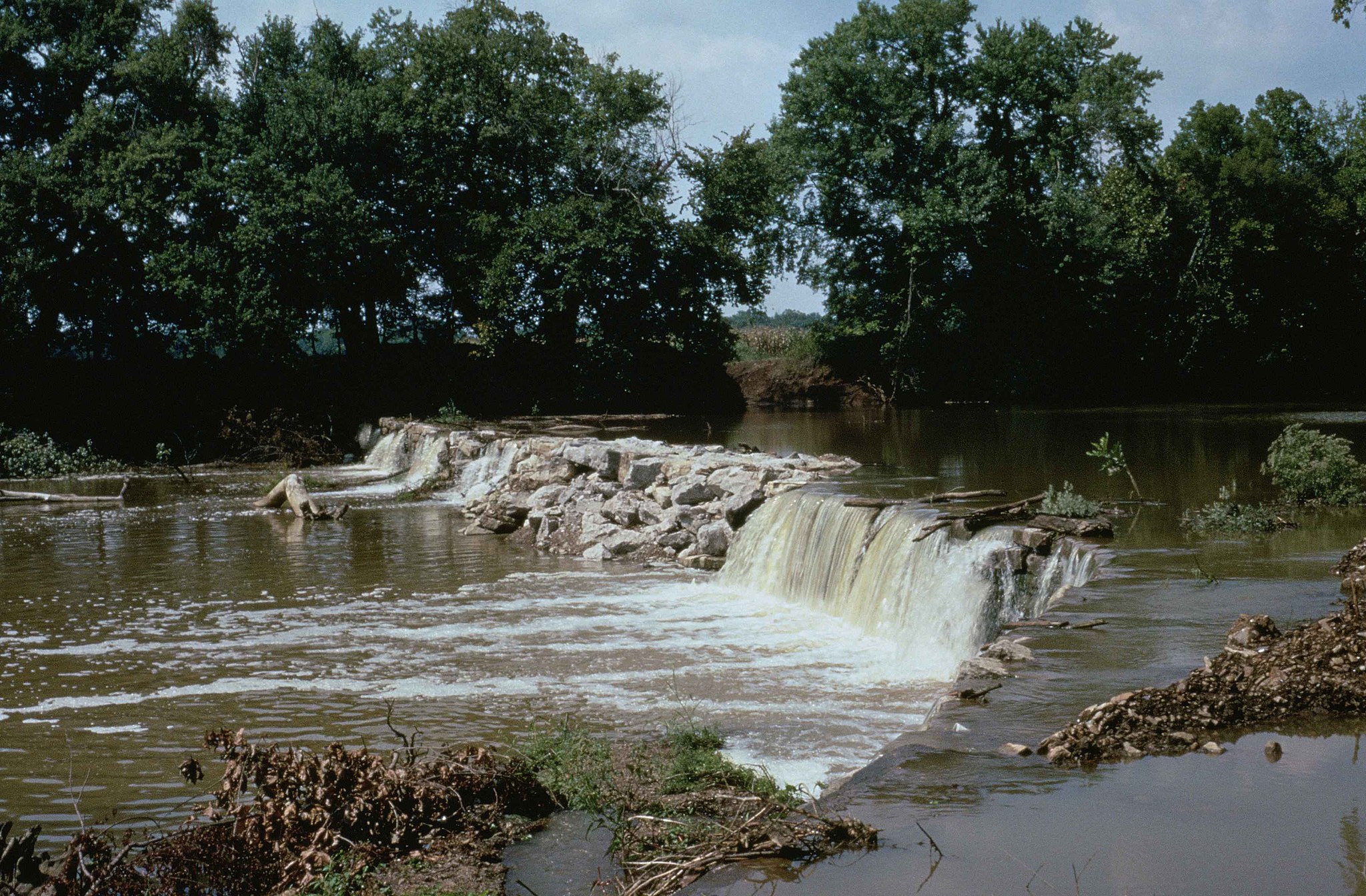
Tennessee’s humid climate and rolling terrain cause creeks to react quickly to rainfall. Saturated ground limits absorption, sending excess water into stream channels. Frequent rain events keep water levels unpredictable. Many crossings occur in wooded areas where upstream conditions are hidden. Creek beds often consist of slick limestone or mud, increasing instability under flow. Flash flooding is common in low-lying regions. In Tennessee, even light rain can push creeks beyond safe crossing levels, making patience and alternate routing essential for outdoor safety.