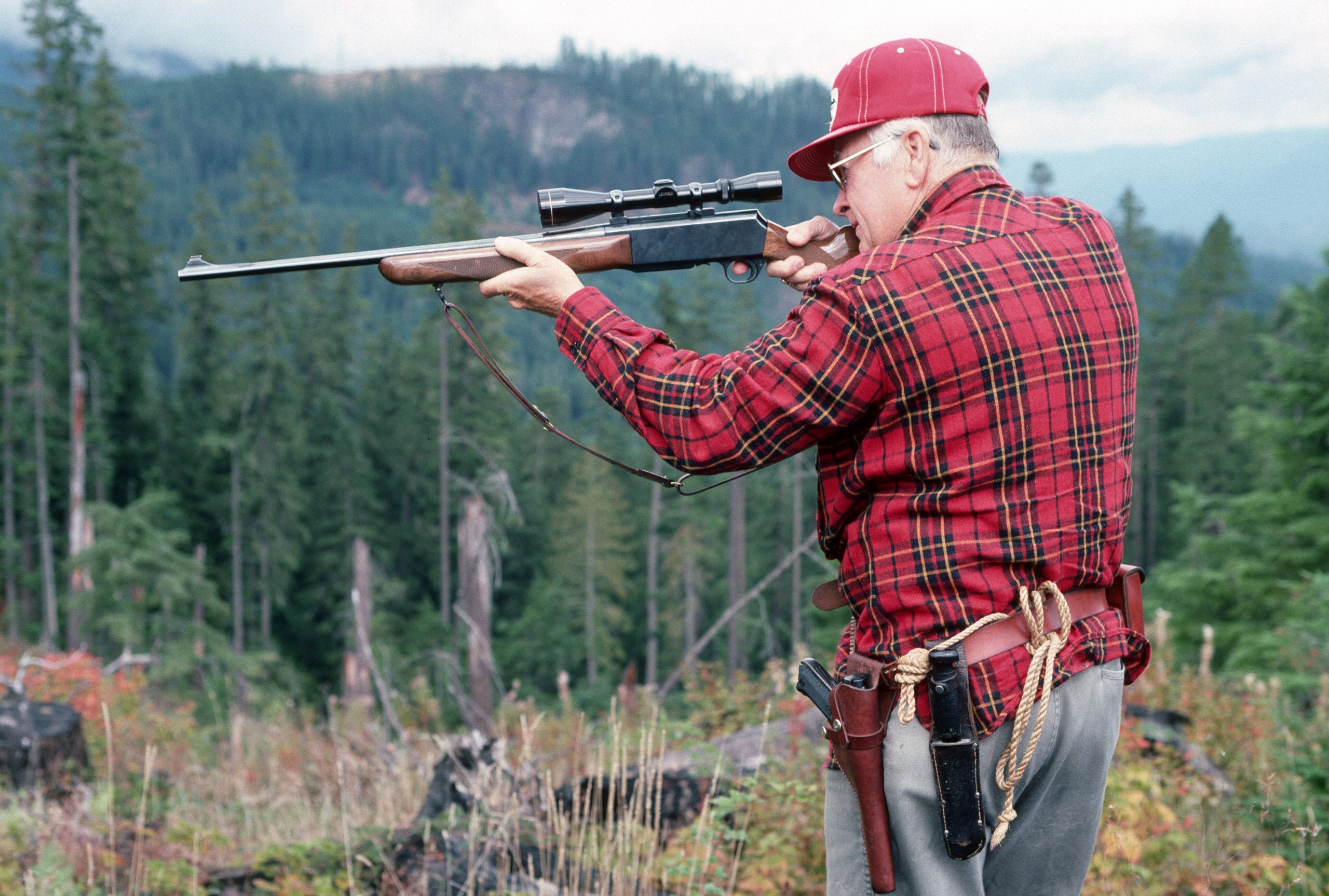
Identifying the 10 signs you’ve found the perfect hunting spot requires a keen eye for subtle environmental clues and local animal behavior. Success in the field often depends on selecting a location that provides essential resources like food and water while offering sufficient natural cover. Experienced woodsmen look for high traffic areas where game animals feel safe and comfortable moving during the early morning or late evening hours. A truly productive spot balances accessibility for the person with the necessary seclusion for the wildlife. This guide explores the specific indicators that suggest a high probability of a successful and rewarding harvest.
Abundant Fresh Tracks
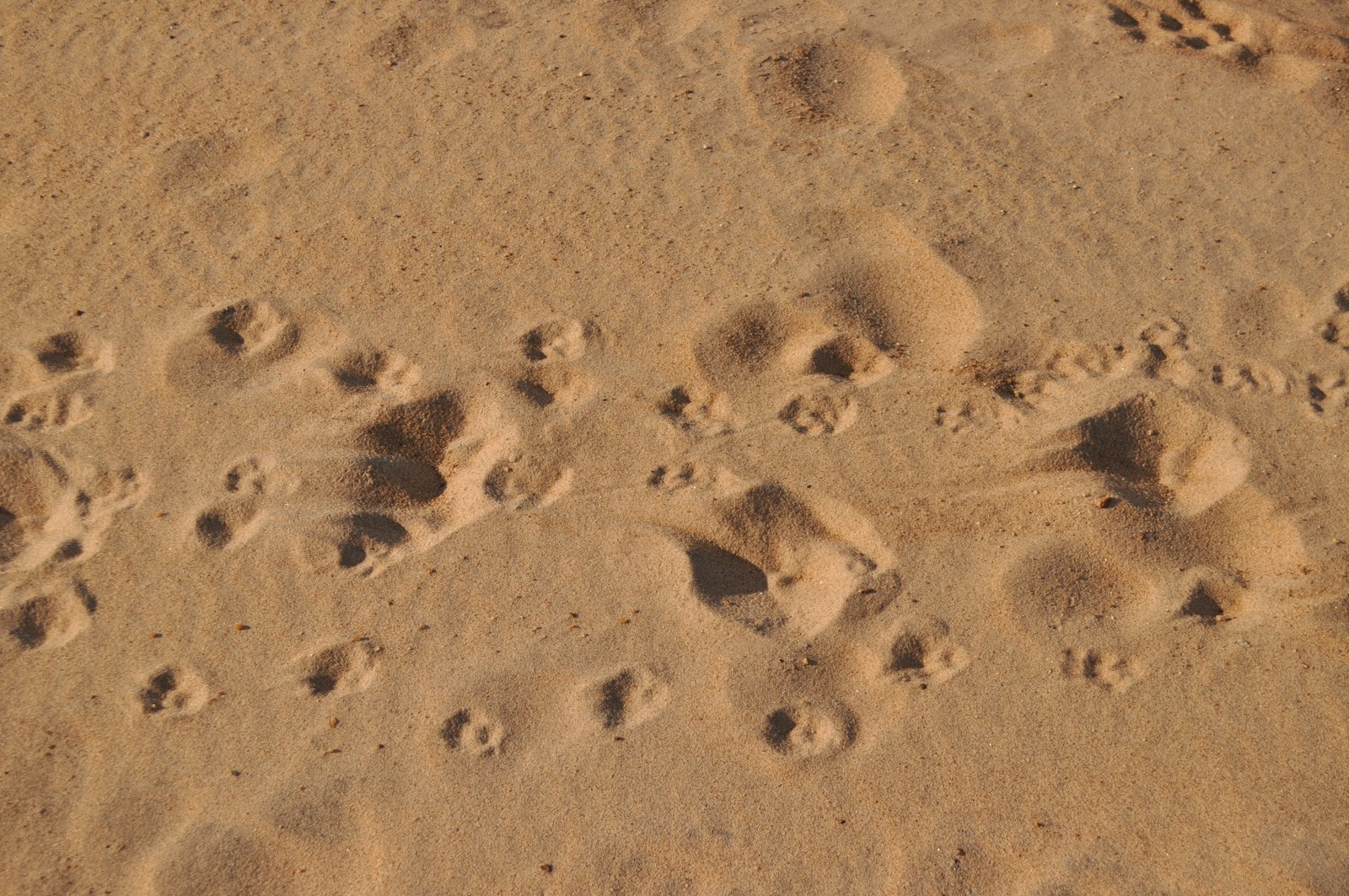
Finding a high concentration of fresh tracks in soft soil or mud is a definitive sign of recent activity. The sharp edges of a print indicate that an animal passed through the area within the last few hours rather than days ago. Multiple sizes of tracks suggest a healthy and diverse population of game rather than a single wandering individual. These heavy paths often lead directly toward essential resources like a secluded water source or a rich feeding ground. Observing the direction and frequency of these prints helps a person predict exactly where to set up for a productive and successful day.
Recent Scrapes And Rubs
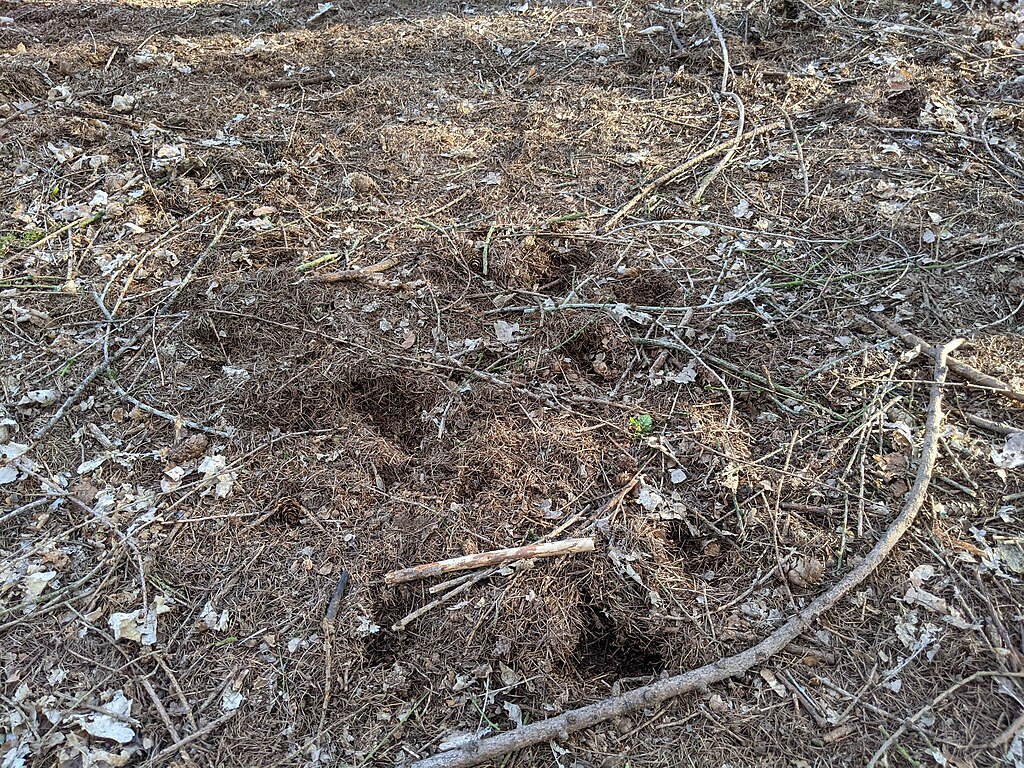
Bucks often leave behind visible markers on trees and the ground to signal their presence and establish a clear territory. Fresh rubs on small saplings show where a male has removed the bark with his antlers during the current season. Dark and damp scrapes in the dirt indicate a very active communication hub where multiple animals frequent the area. These signs prove that the location sits within a primary travel corridor used by high quality game during the rutting period. Identifying these hotspots allows a person to position themselves strategically near a very active and important social center for wildlife.
Proximity To Water
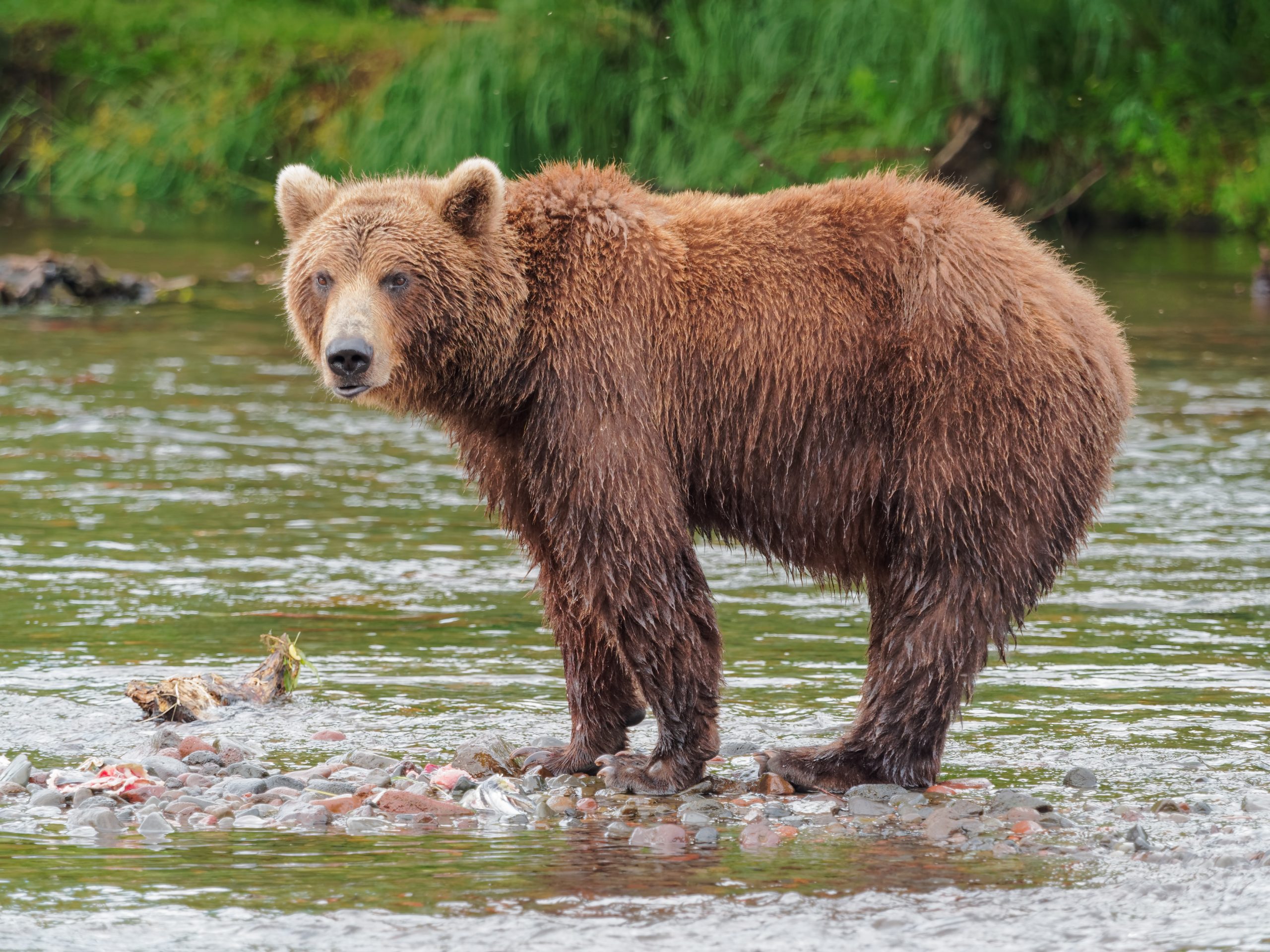
A reliable and secluded water source acts as a natural magnet for every type of game animal in the woods. Perfect hunting spots usually sit within a short distance of a creek or a hidden pond where animals drink. Wildlife often visits these locations during the transition periods between their bedding areas and their primary feeding grounds. Look for trampled banks and muddy edges that confirm the high volume of traffic visiting the water daily. Positioning a stand near these essential watering holes increases the chances of spotting game significantly during the warmer parts of the early autumn hunting season.
Plentiful Mast Crops
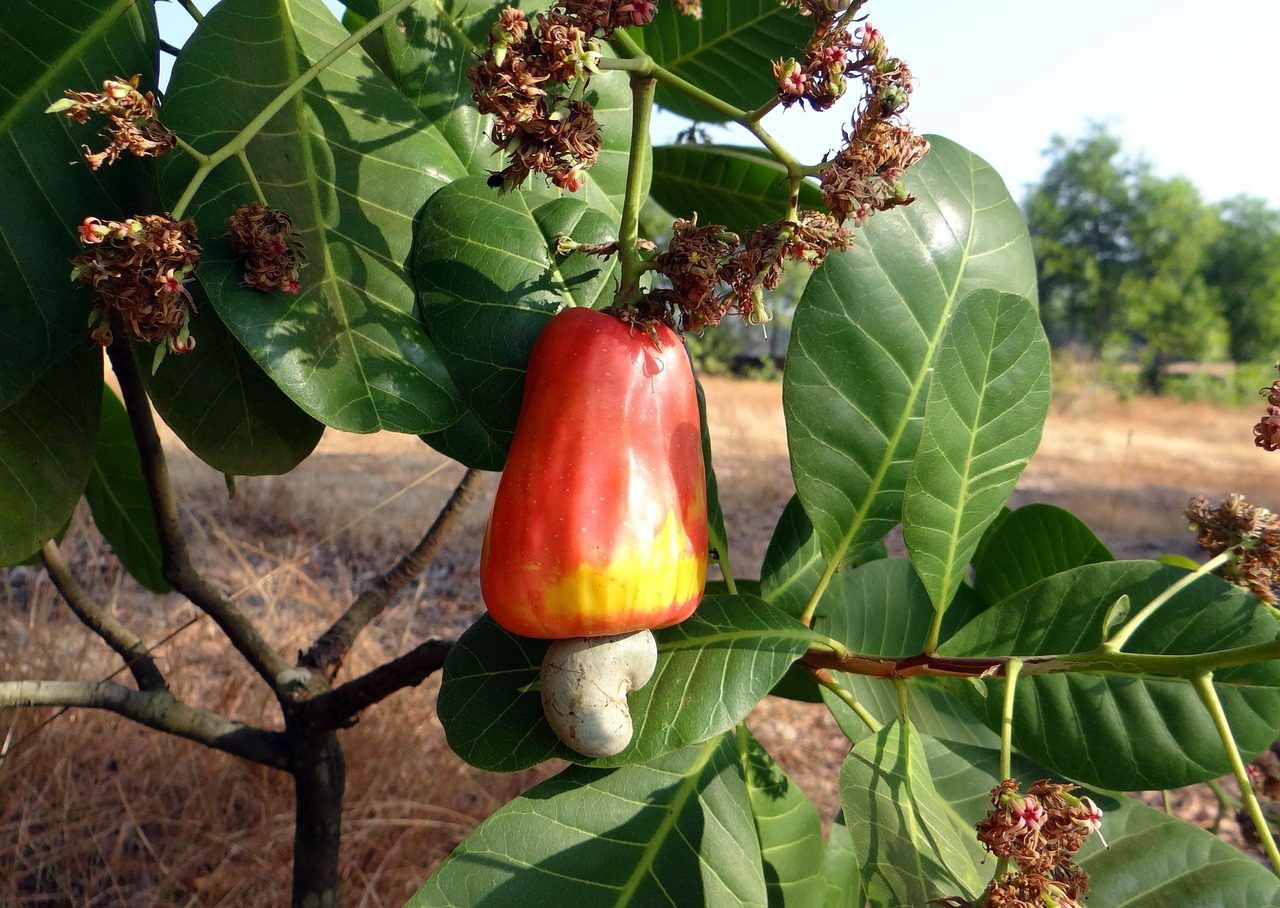
Hard mast crops like acorns and hickory nuts provide a vital source of high energy fats for wildlife. A forest floor covered in freshly fallen nuts is a clear indicator that game will return frequently to feast. Search for areas where the leaves appear disturbed or scratched away by animals searching for hidden food. These natural grocery stores are especially productive when several different types of nut trees grow in a single concentrated area. Game animals will often abandon other food sources to focus entirely on a fresh drop of high quality acorns during the peak of the late fall.
Droppings Of Various Ages
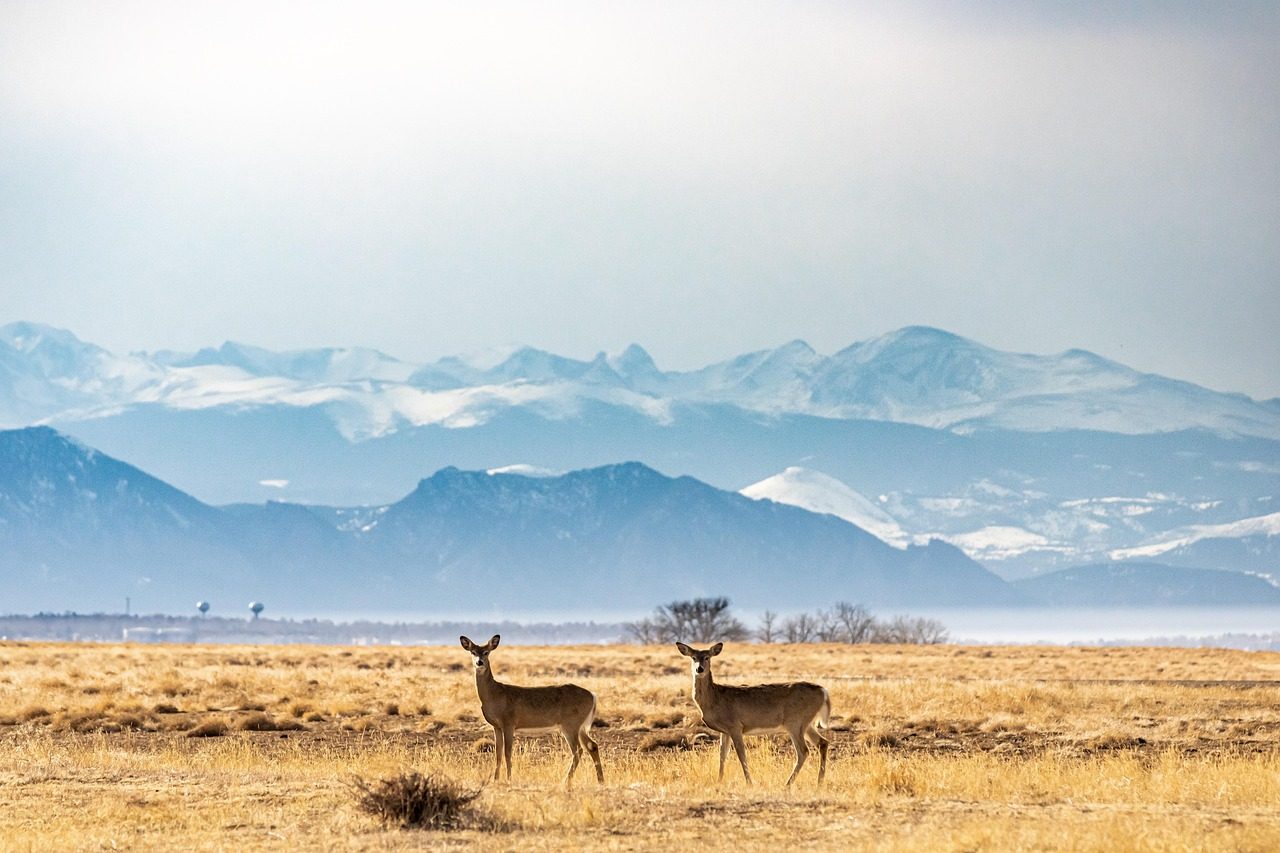
The presence of animal droppings across a wide range of ages confirms that game utilizes the area consistently over time. Finding both old and very fresh scat indicates a stable home range rather than a temporary migration path. This consistency allows a person to learn the long term patterns and habits of the local population with great accuracy. The volume of the sign also provides a rough estimate of the number of individuals living within the immediate vicinity. A spot that shows continuous usage throughout the changing seasons is a gold mine for any dedicated and patient person in the field.
Secure Bedding Areas
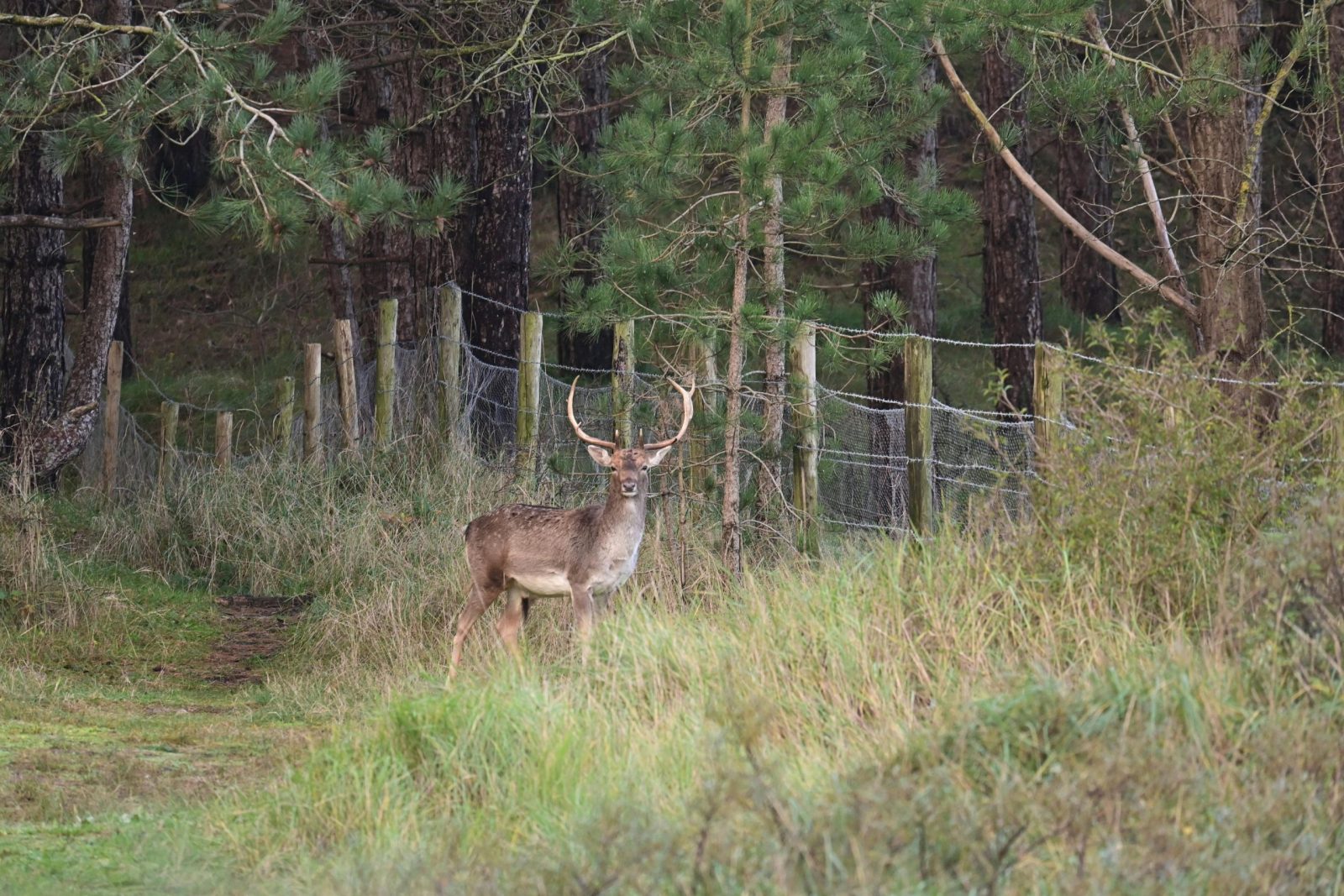
Thick brush and downed timber create the secure bedding areas that large game animals require for their daily rest. A perfect spot usually sits on the edge of these dense thermal covers where animals feel safe from predators. Look for flattened grass or oval depressions in the leaves that indicate where an animal has recently spent the night. These secluded sanctuaries are often located on high ground or in deep hollows that offer excellent wind protection. Understanding the relationship between these bedding zones and feeding areas is the key to mastering the daily movements of any elusive forest game.
Established Game Trails
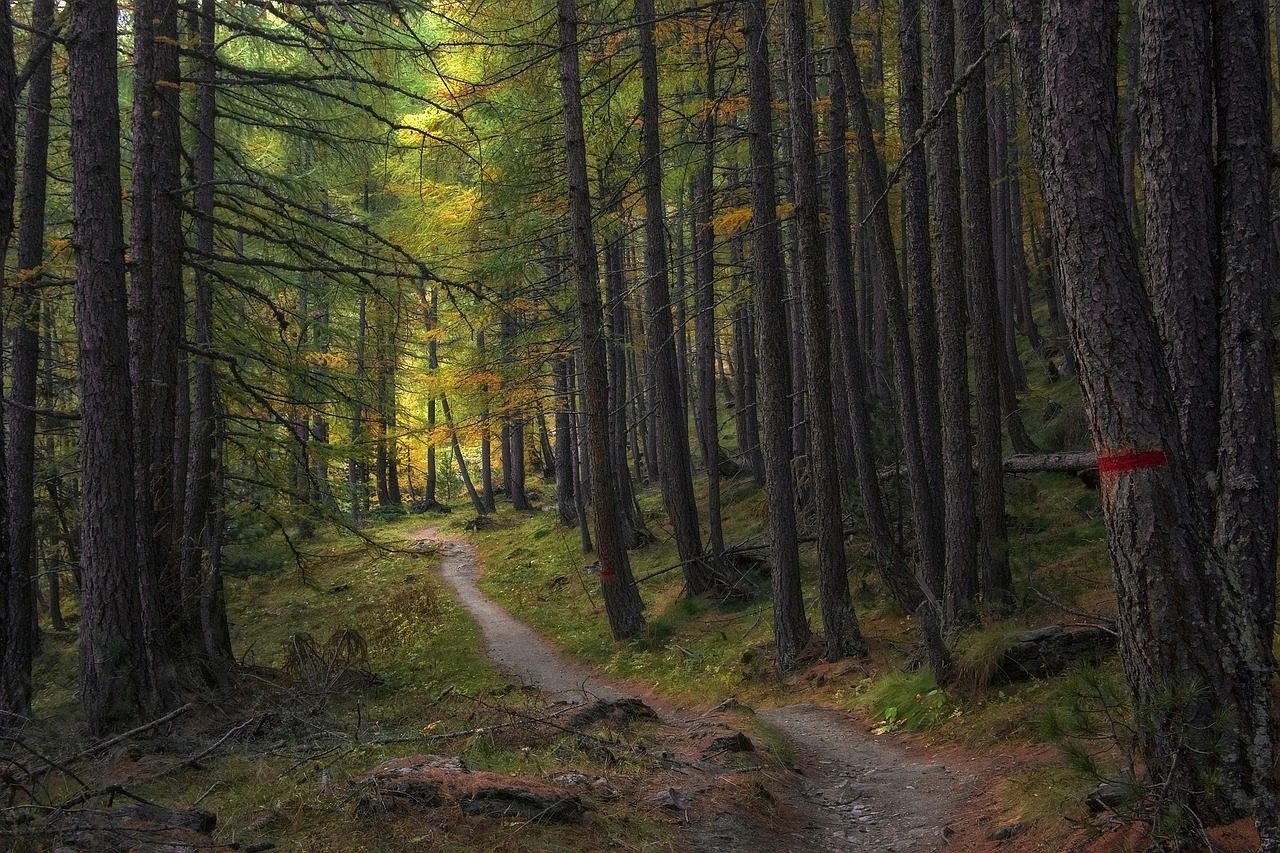
Deeply worn paths that cut through the undergrowth represent the primary highways used by wildlife to navigate their environment. These established game trails often converge at natural funnels or pinch points like narrow ridge tops or shallow stream crossings. A path that looks like a miniature dirt road suggests decades of continuous use by generations of local animals. Setting up near these intersections provides a clear line of sight on multiple travel routes simultaneously. These highways are the most predictable places to encounter game as they move between their necessary resources during the twilight hours of the day.
Natural Funnels And Pinch Points
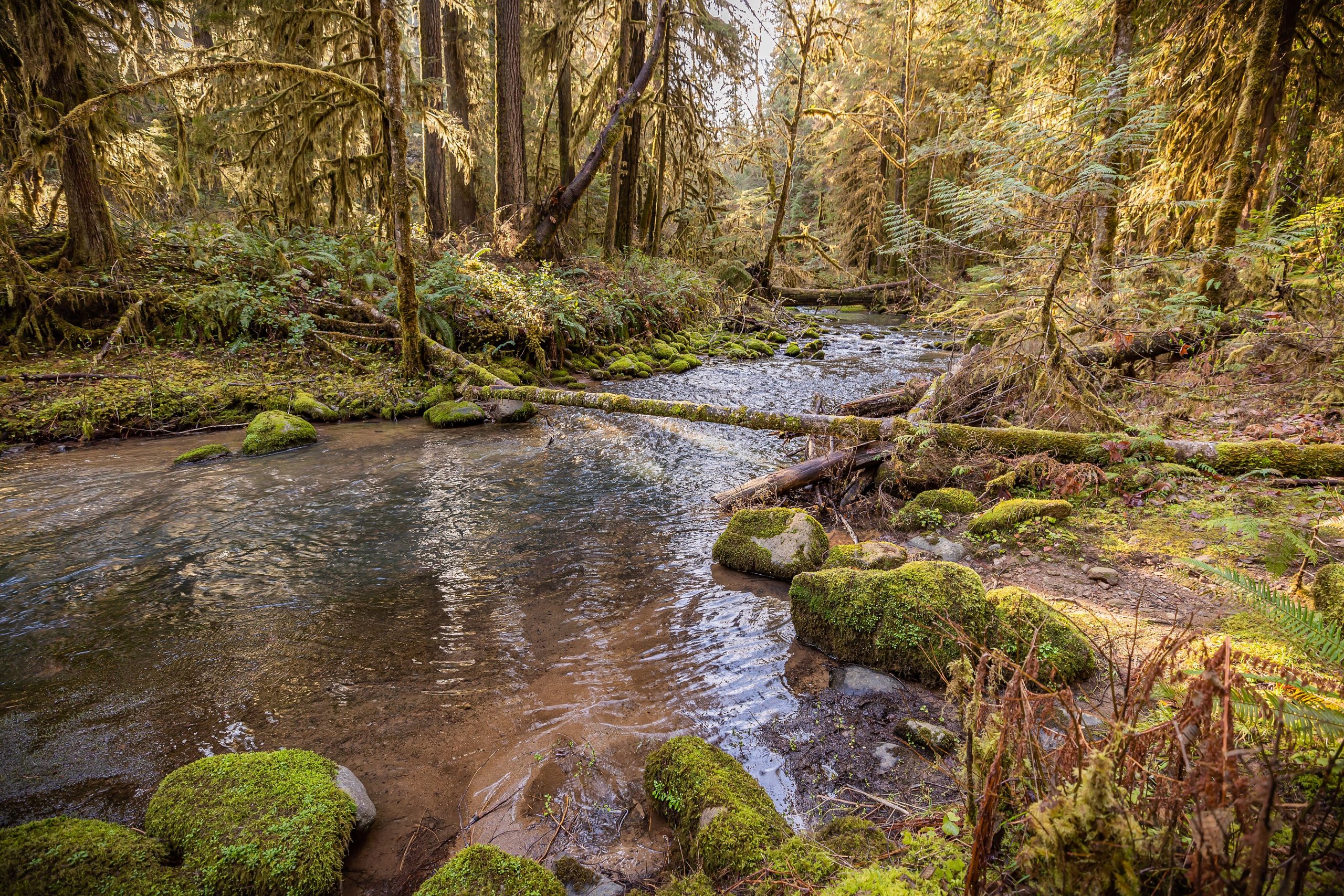
The geography of the land often forces animals to move through specific narrow gaps known as natural funnels or pinch points. These features include steep ravines or thick fence rows that restrict the movement of wildlife into a very small area. A perfect hunting spot utilizes these bottlenecks to bring game within a close and ethical range for the person. Animals feel comfortable using these predictable paths because they offer the most efficient route through challenging or open terrain. Identifying these topographic advantages is a hallmark of an advanced woodsman who understands how to use the landscape to their distinct advantage.
Minimal Human Disturbance
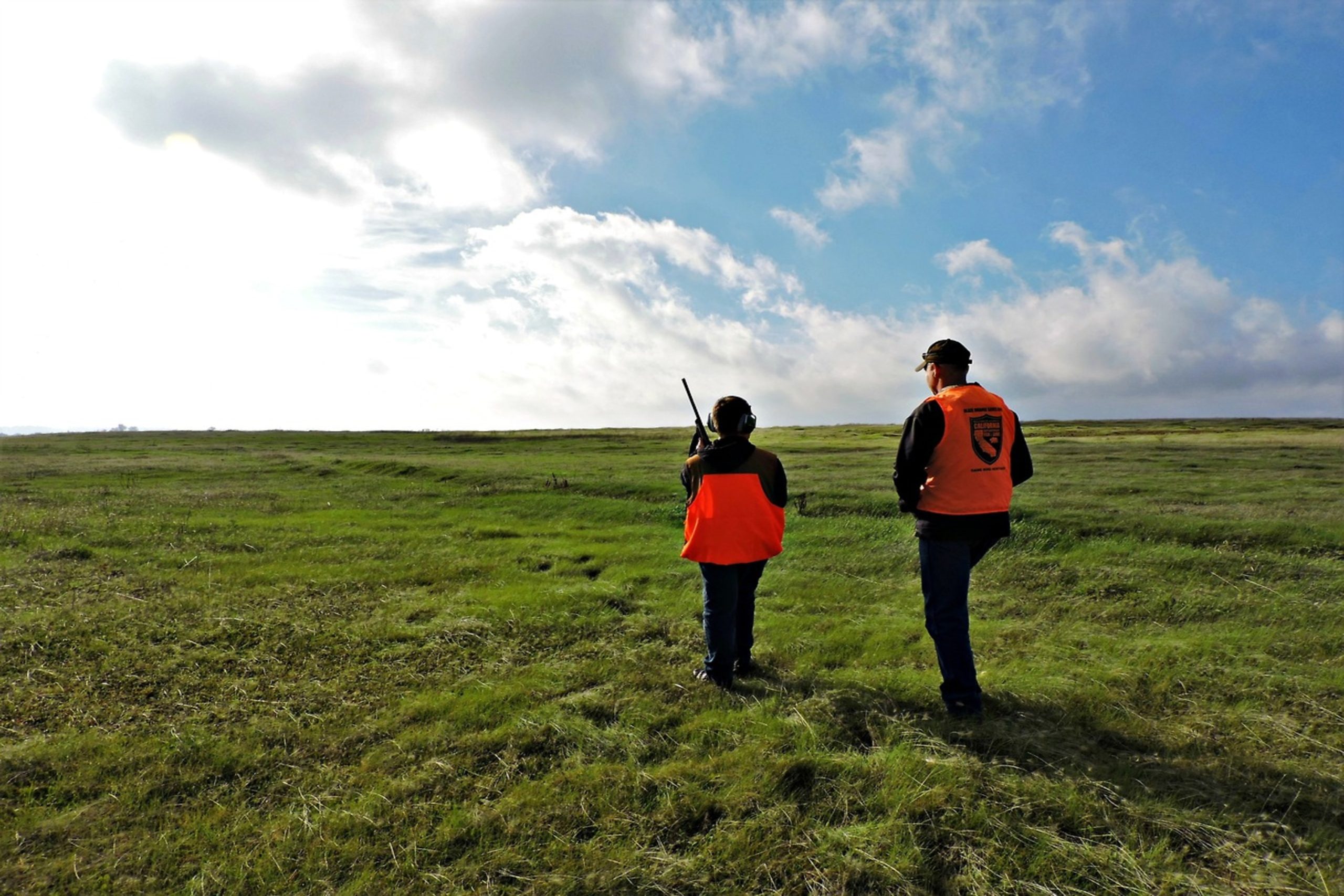
A truly exceptional hunting location remains free from frequent human foot traffic and significant motorized vehicle noise throughout the year. Wildlife becomes extremely sensitive to the scent and sounds of people and will quickly abandon an area that feels crowded. Perfect spots are often found far away from busy hiking trails or loud public access roads in the deep woods. Animals in these quiet zones tend to move more freely during daylight hours because they do not feel a constant threat. Maintaining a low profile and practicing strict scent control ensures that the location remains a productive sanctuary for many future seasons.
Visibility And Shooting Lanes
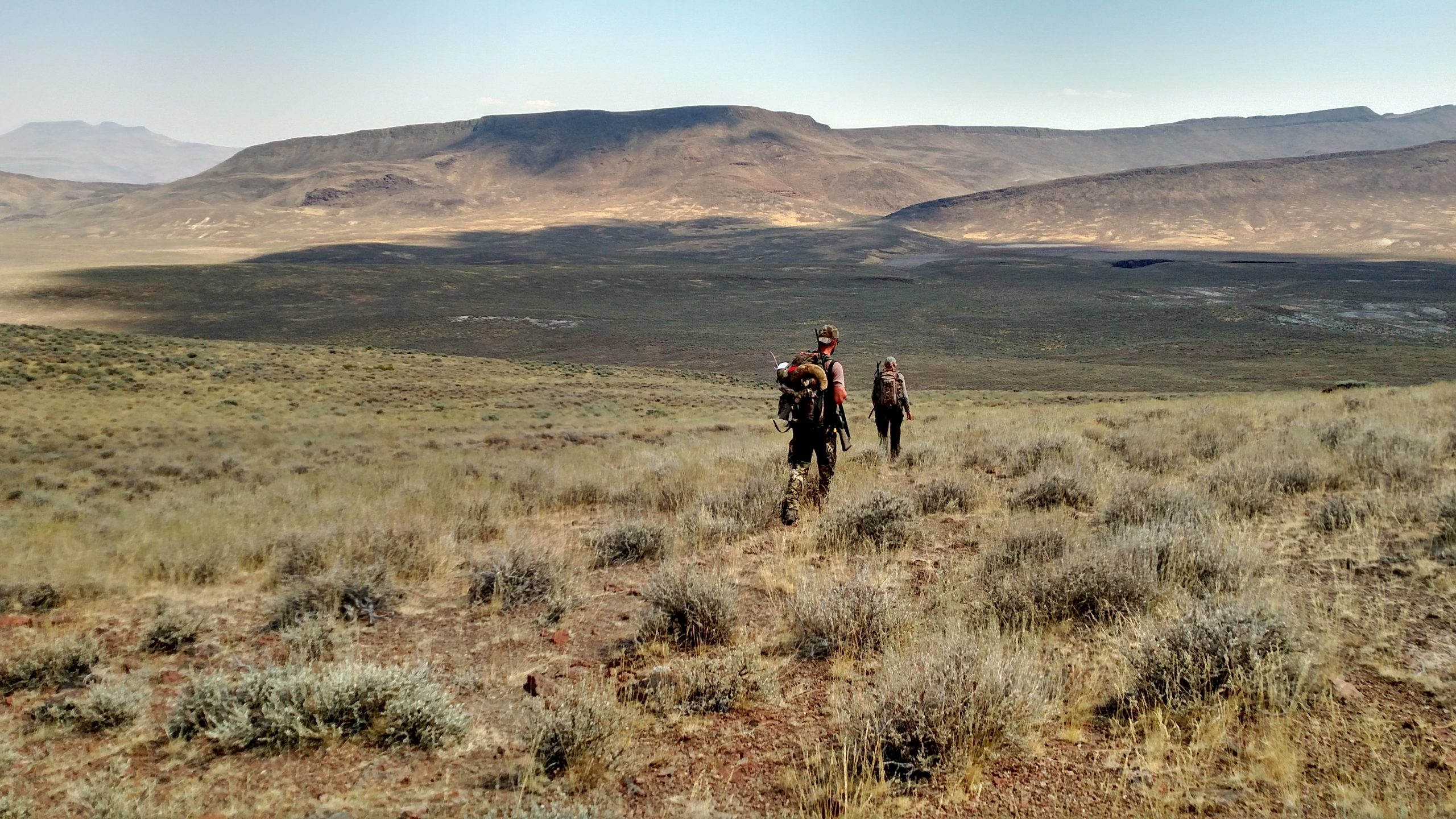
The best hunting spots offer a clear field of vision while maintaining enough natural cover to hide the presence of the person. Successful locations feature open shooting lanes that allow for a safe and clean shot when an animal finally appears. A spot that is too thick prevents any opportunity to see the game before it vanishes into the brush. Conversely a location that is too open makes it impossible to remain undetected by the keen eyes of a wary buck. Finding that perfect balance between visibility and concealment is the final step in selecting a truly elite and effective position.