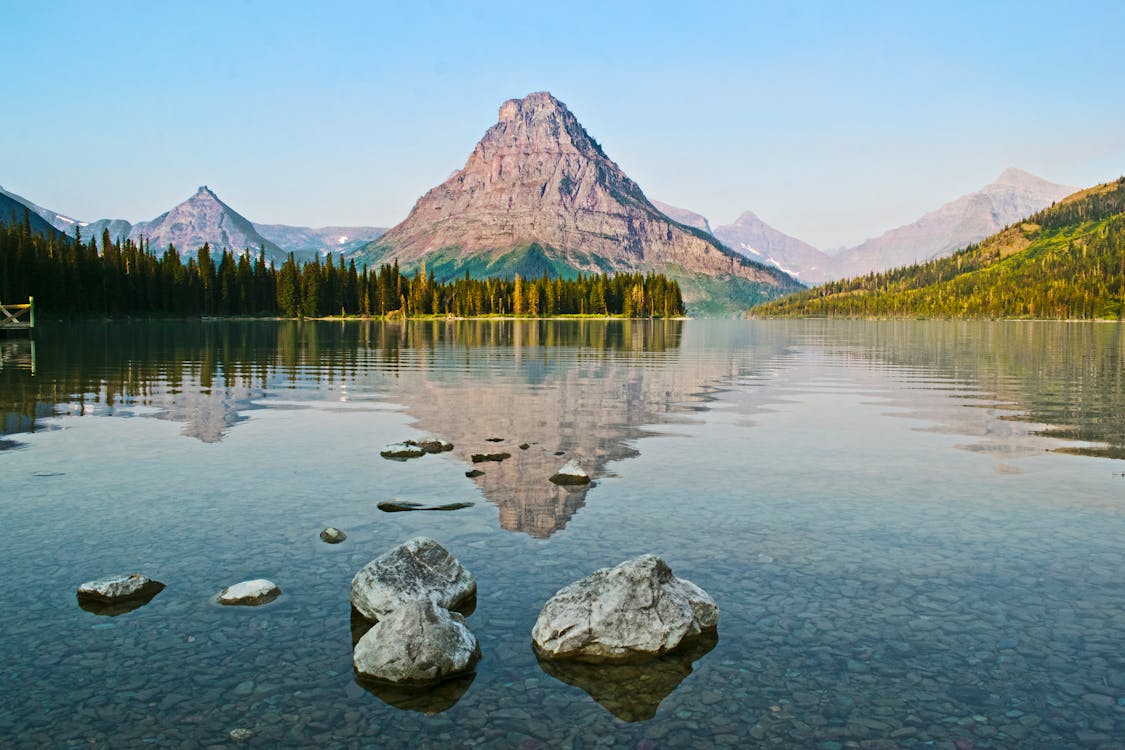
Glacier National Park has long been known for its breathtaking peaks, crystal lakes, and namesake glaciers. Yet over the past century, the park has become one of the most visible examples of climate change in North America. Shifting weather patterns, receding ice, and fragile ecosystems tell a story of transformation unfolding in real time. These changes highlight both the park’s resilience and the growing urgency to understand how a warming world shapes even the most remote landscapes.
Rapidly Receding Glaciers
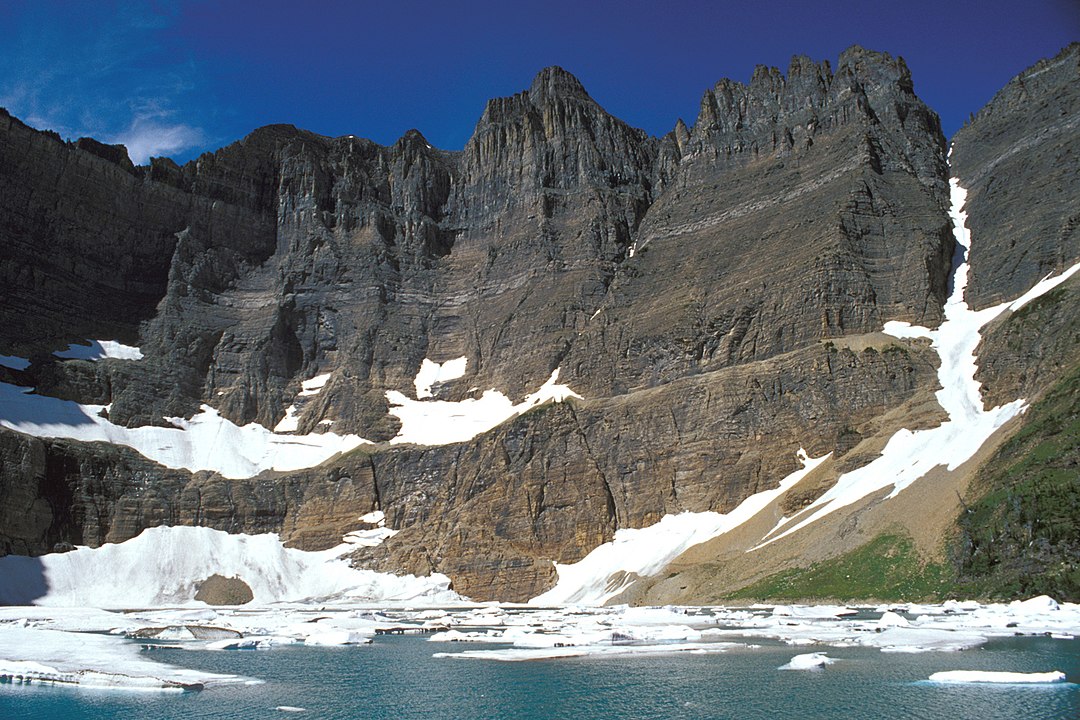
The most striking change in Glacier National Park is the dramatic retreat of its glaciers. A century ago, more than 100 glaciers covered the park’s rugged peaks. Today, fewer than 25 remain, many reduced to thin sheets of ice. Scientists estimate that some could disappear entirely within decades, a direct reflection of rising global temperatures and shorter, warmer winters.
Warmer Summers and Milder Winters
Temperature records show that the park’s average temperature has increased by nearly two degrees Fahrenheit over the last century. Summers arrive earlier and last longer, while winters bring less snow and more rain. These changes shift the park’s delicate seasonal balance, affecting everything from alpine plant growth to the timing of animal migrations and hibernation cycles.
Disappearing Snowpack
Snow once blanketed Glacier National Park’s high elevations well into late spring, feeding its rivers and lakes through summer. Now, snowpack melts earlier each year, causing lower stream flows by late summer. This affects aquatic species, reduces water availability downstream, and heightens wildfire risks during the park’s hottest months.
Increased Wildfire Activity
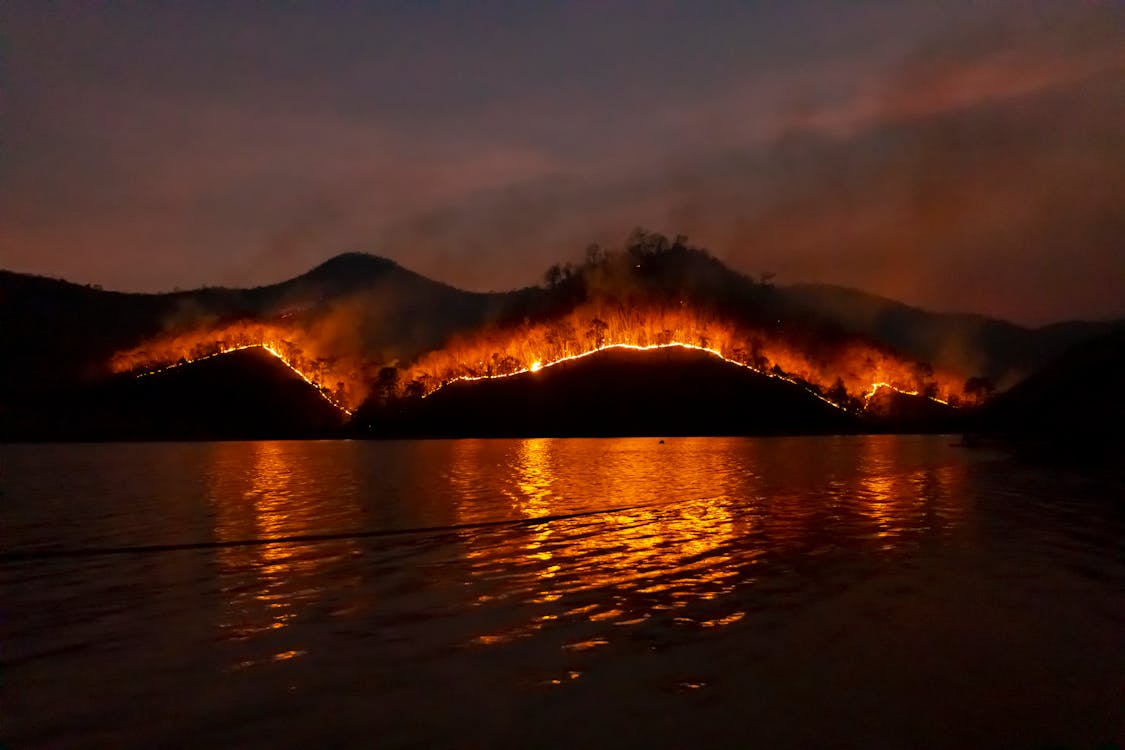
Longer, drier summers have led to more frequent and intense wildfires across the park. Burn scars stretch across previously untouched forest areas, reshaping habitats for plants and wildlife. These fires also contribute to erosion and reduce air quality, creating a cycle where climate change both drives and worsens fire behavior.
Shifting Plant Life
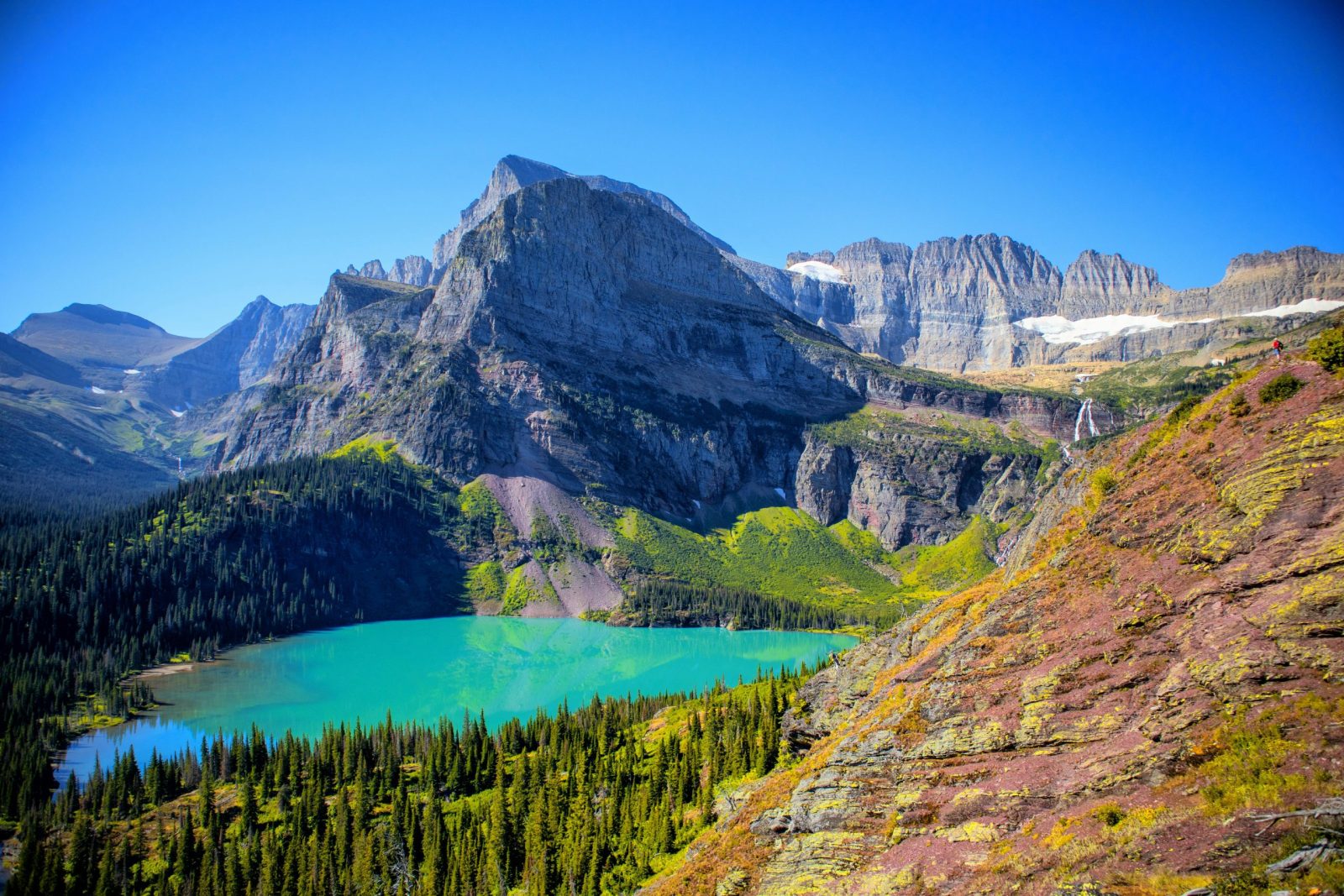
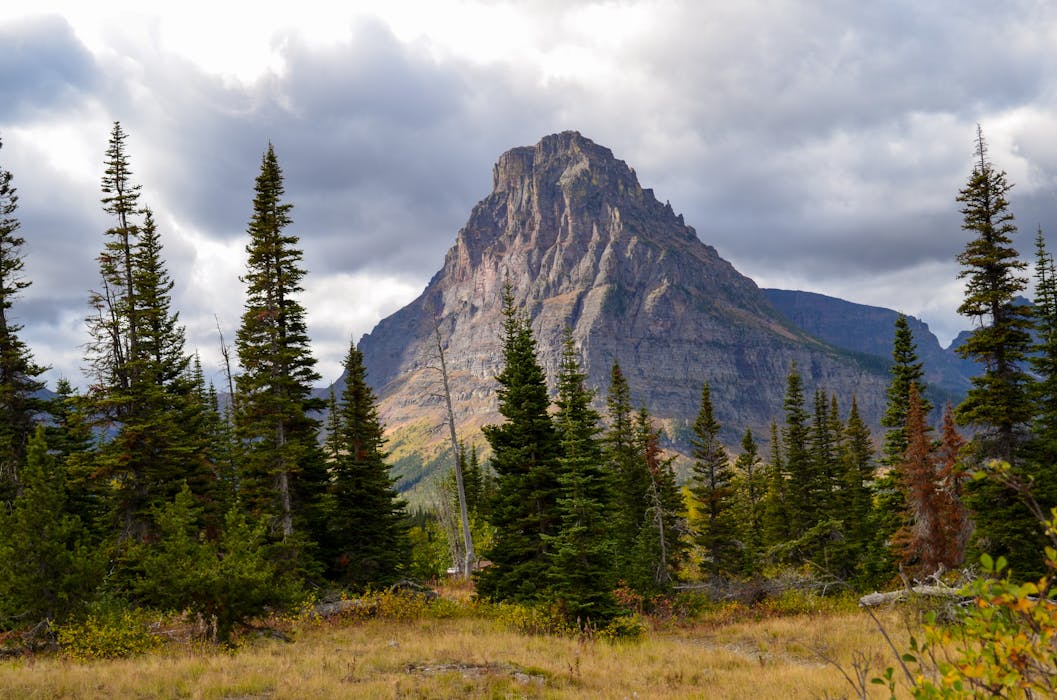
Vegetation patterns are moving upward in elevation as temperatures rise. Wildflowers that once thrived in lower meadows now grow closer to the tree line, and subalpine forests are expanding into alpine regions. This shift disrupts the balance between species, forcing some plants to compete for space and altering scenic landscapes that define the park.
Changing Animal Behavior
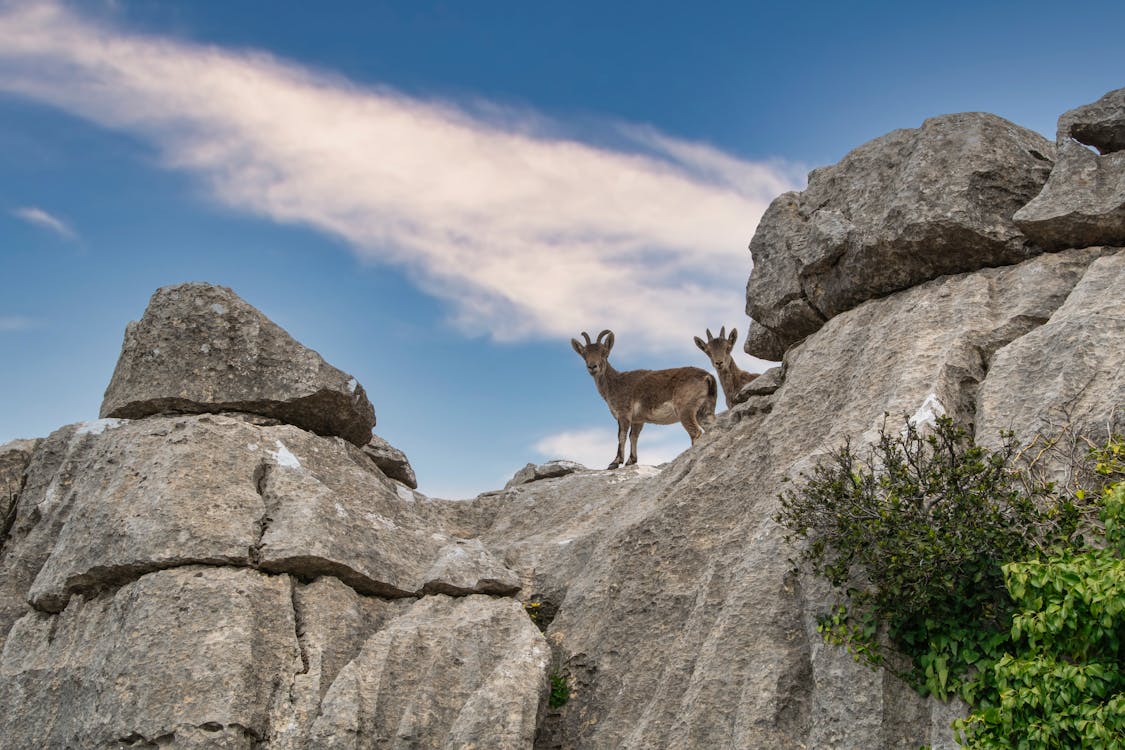
Many of Glacier’s native species have adapted to cooler climates. Now, animals such as mountain goats and pikas are climbing higher in search of colder environments. Some migratory birds arrive earlier in spring, while others struggle to find consistent food sources. These behavioral shifts ripple through the ecosystem, affecting predator-prey relationships and breeding patterns.
Drying Wetlands
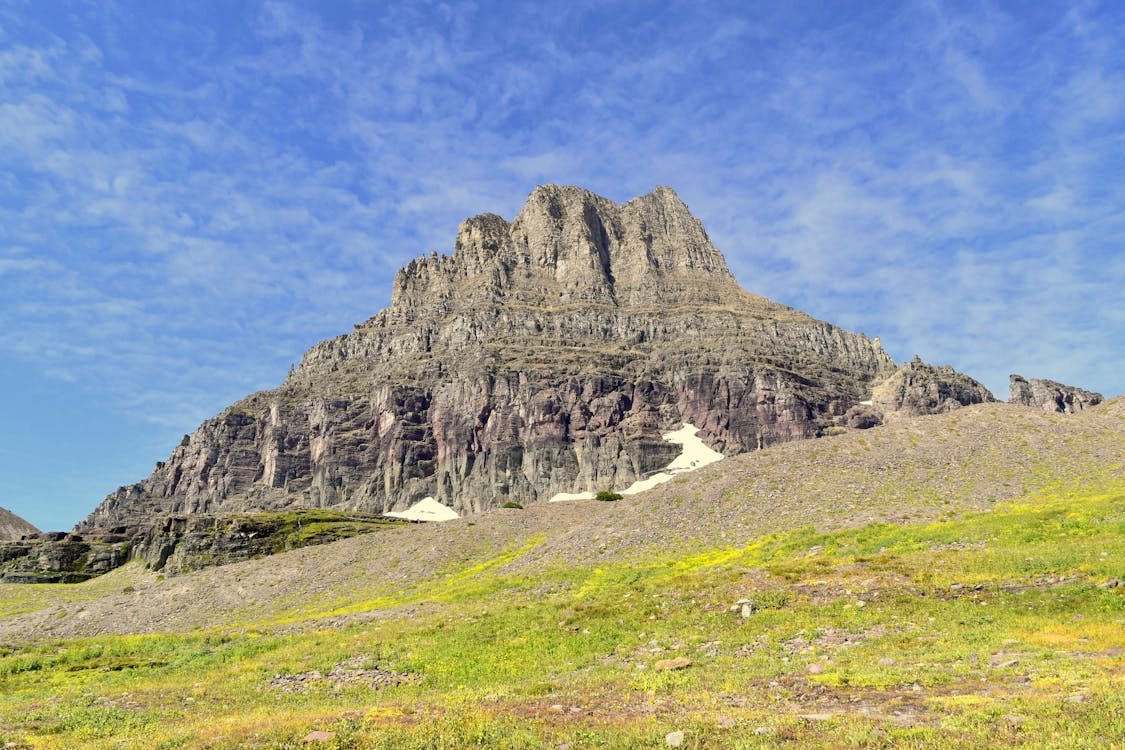
Wetlands once dotted the park’s valleys, supporting amphibians, moose, and countless bird species. With less snowmelt and more evaporation, many of these wetlands are shrinking or disappearing entirely. Their loss reduces biodiversity and weakens natural water filtration systems that once kept the park’s rivers clear and balanced.
Altered Stream Temperatures
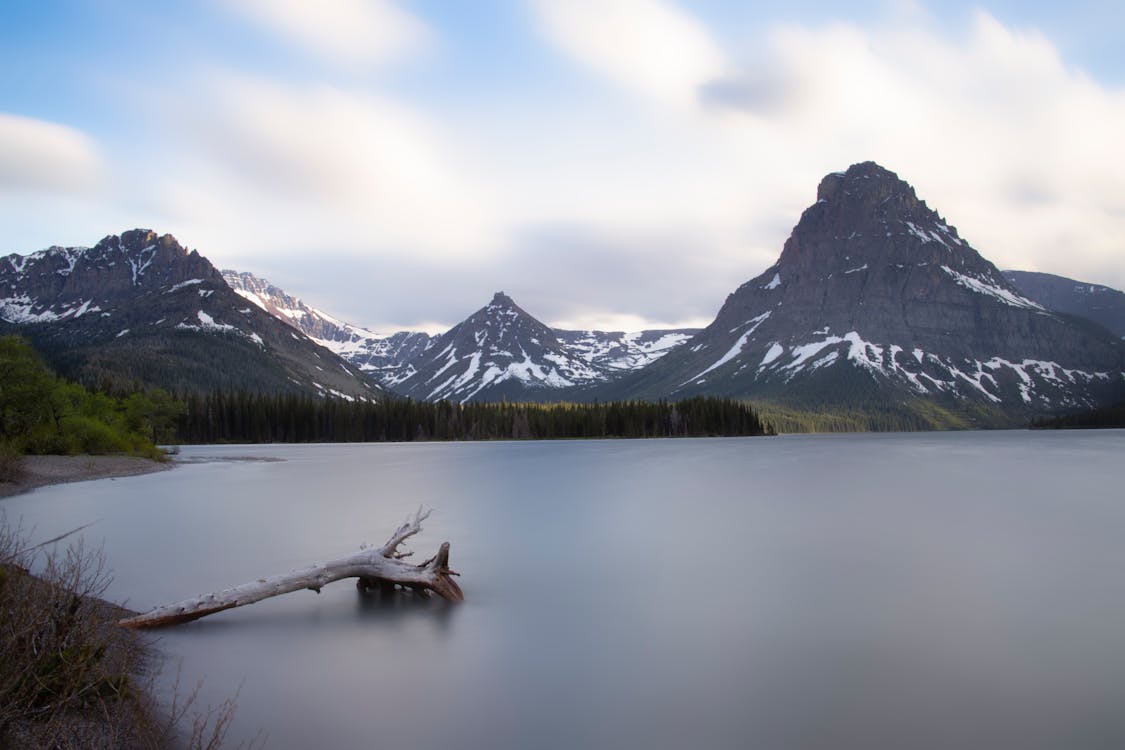
As snowmelt decreases and air temperatures climb, stream and lake temperatures rise as well. This warming threatens native fish like the bull trout, which depend on cold, oxygen-rich water to survive. Warmer waters invite invasive species, upsetting the ecological balance that Glacier’s waterways have maintained for centuries.
Thawing Permafrost
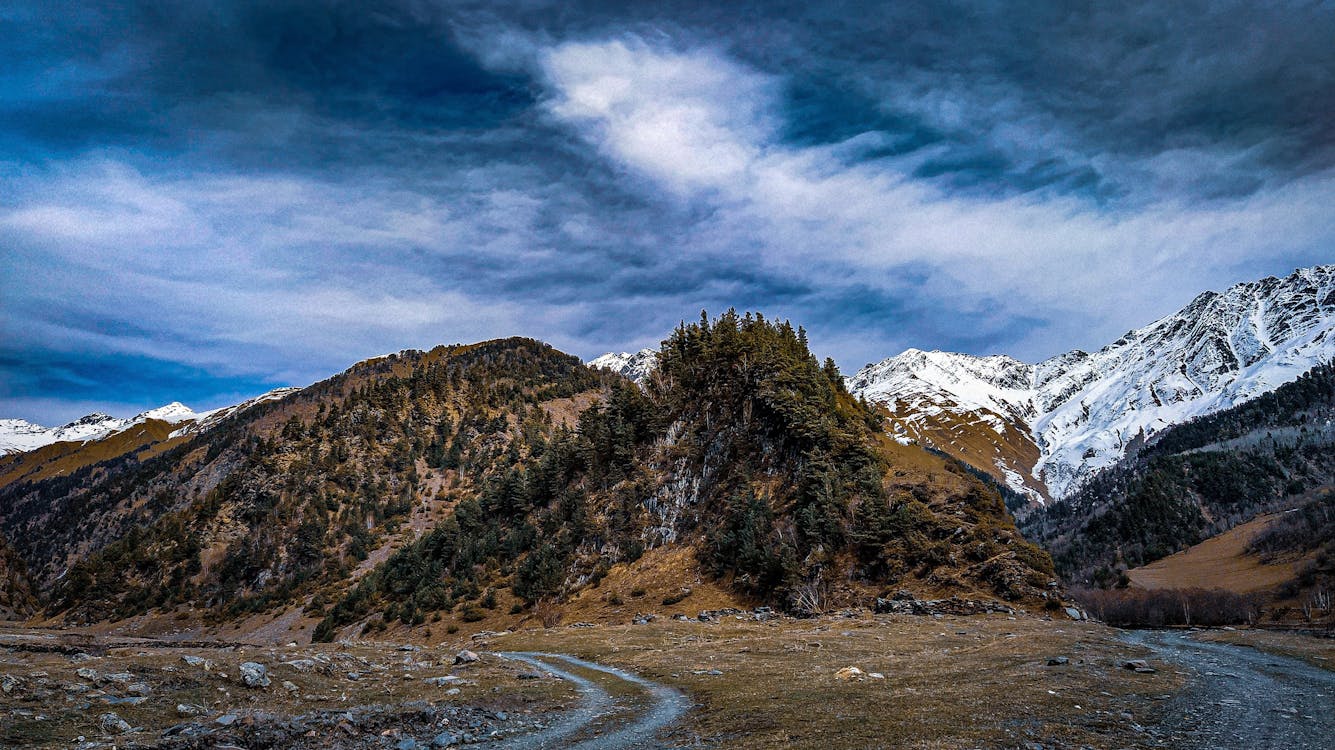
Permafrost beneath the park’s alpine zones is beginning to thaw, destabilizing the ground and altering drainage patterns. This leads to increased rockslides and erosion in high elevations. Trails and roads become more vulnerable to washouts, while scientists monitor how thawing ground might further impact the park’s ecosystems.
Declining Glacial Lakes
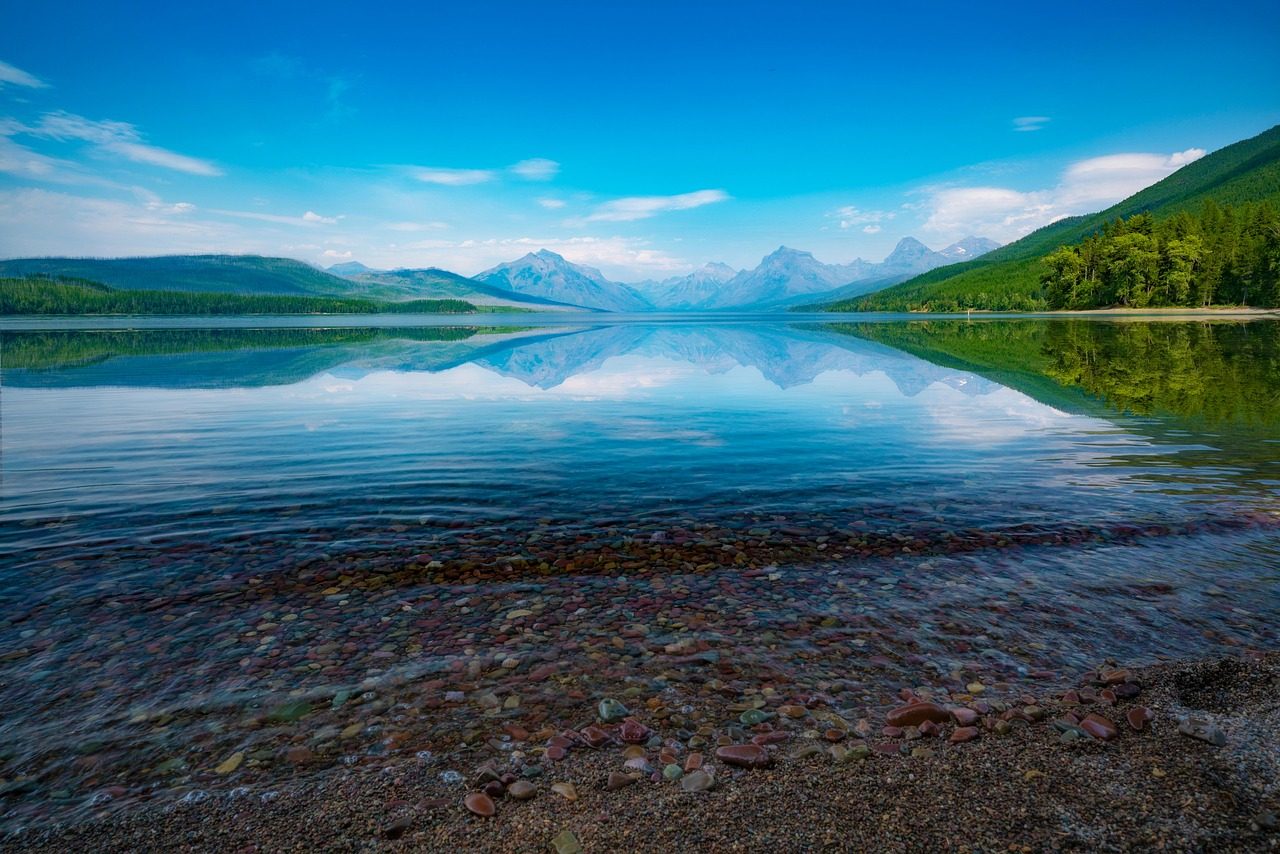
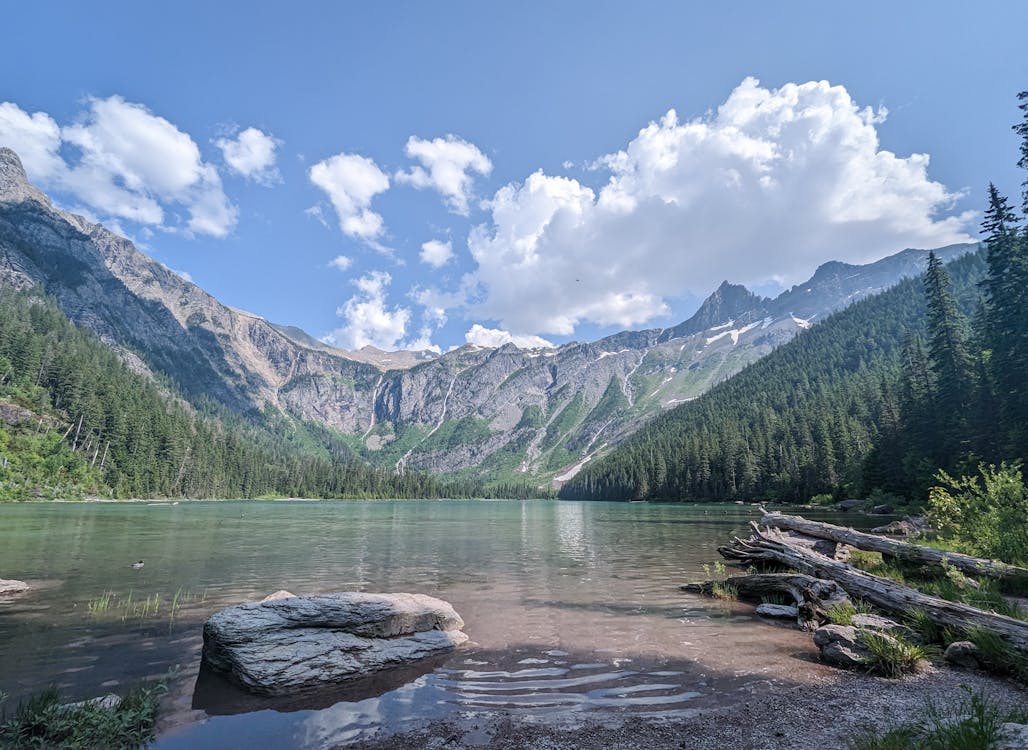
As glaciers melt, the lakes they once fed are shrinking or changing shape. Some have turned into marshy basins, while others grow murky from sediment runoff. These evolving landscapes reveal the speed and scale of the park’s transformation. Visitors who return over decades often notice the stark differences, a visible reminder of nature’s response to climate change.