
Shotguns have earned a reputation for versatility and reliability, making them a staple for hunters, sport shooters, and outdoorsmen. However, not every shotgun design translates into a practical field companion. Certain models or configurations, despite historical significance or mechanical creativity, can introduce frustrations that outweigh their benefits during real-world use. Weight, maintenance demands, outdated mechanisms, and limited adaptability can all impact performance when conditions become unpredictable. In the field, where comfort, consistency, and simplicity matter most, even minor inconveniences can quickly become major drawbacks. The following examples highlight shotgun types and design traits that some shooters find less than ideal for demanding outdoor environments.
1. Overly Heavy Steel Frame Shotguns

Excessively heavy shotguns may feel sturdy at first glance, but their mass often becomes a liability during extended hunts. Carrying extra weight across uneven terrain quickly drains energy, reducing both mobility and focus. Fatigue can subtly affect reaction time and shooting accuracy, particularly during fast-moving bird hunts. While weight can dampen recoil, modern materials now achieve similar benefits without excessive bulk. Hunters covering long distances typically value balance and ease of carry over brute solidity. A shotgun that feels comfortable at the range may prove exhausting in the field. Practicality often favors lighter platforms that preserve stamina and responsiveness throughout the day.
2. Fixed Choke Barrel Designs
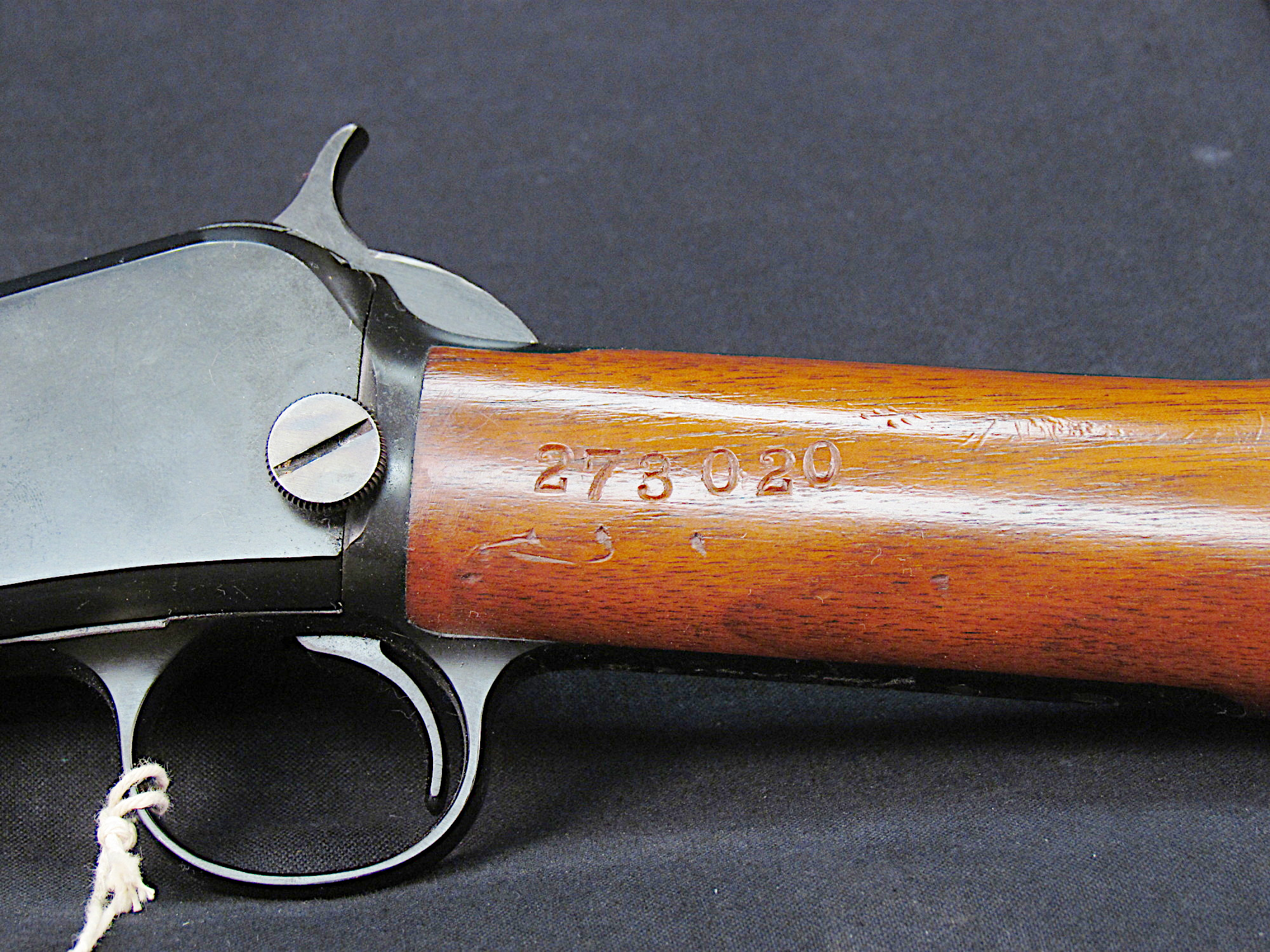
Shotguns with permanently fixed chokes limit a shooter’s ability to adapt to changing conditions. Different games and distances often demand varied shot patterns, making versatility essential. A fixed choke forces compromise, potentially reducing effectiveness in dynamic scenarios. Interchangeable choke systems provide flexibility without requiring multiple firearms. While older designs remain functional, their rigidity can frustrate modern users. Field conditions rarely remain predictable, and adaptability becomes a genuine advantage. Hunters often benefit from equipment that accommodates evolving situations. Fixed choke barrels may still perform reliably, yet their lack of adjustment can restrict practical usefulness.
3. Complex Gas Operated Systems
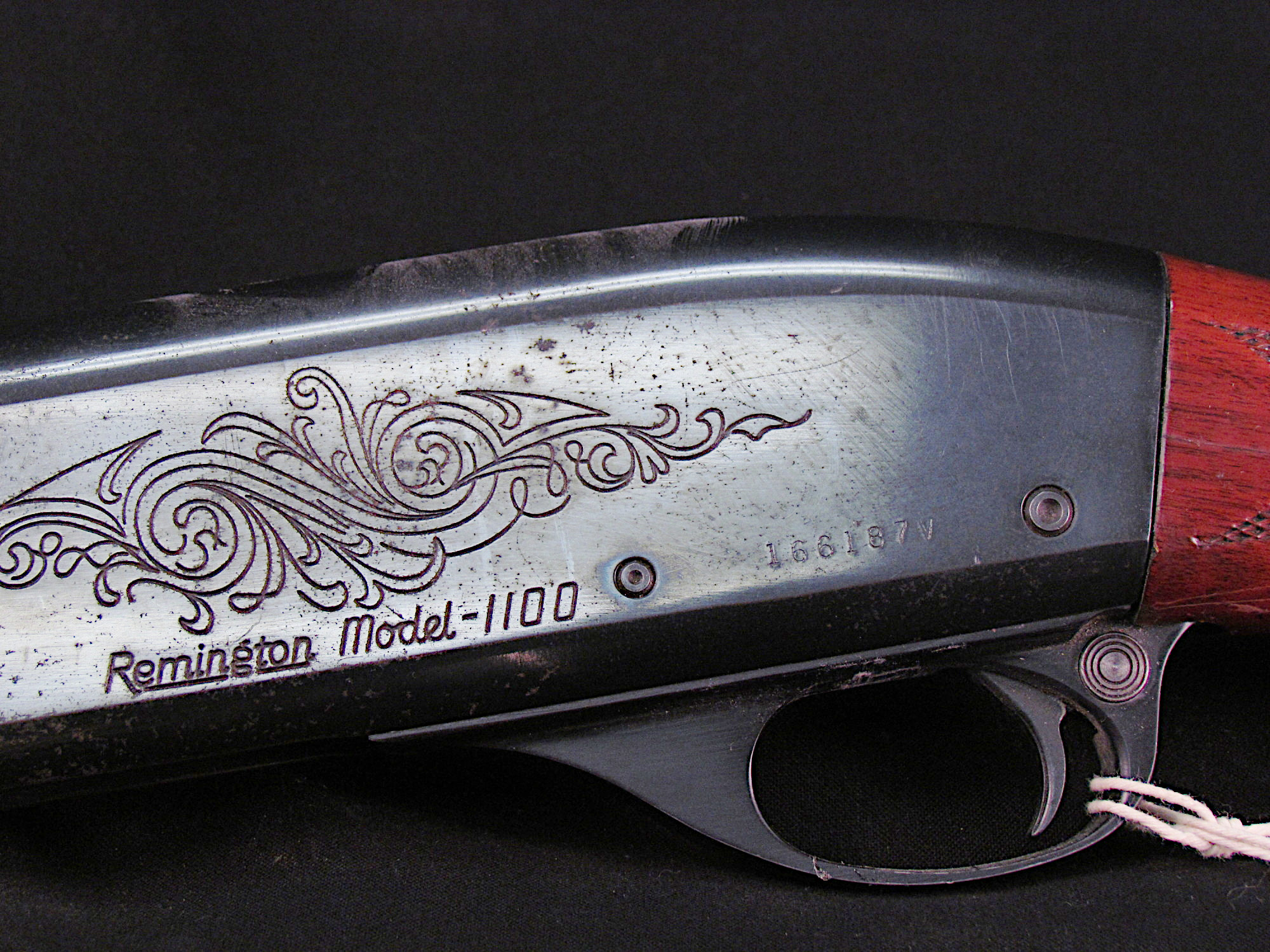
Gas-operated semi-automatic shotguns can deliver smooth recoil characteristics, but complexity introduces potential maintenance challenges. Dirt, residue, and environmental debris may disrupt cycling reliability if cleaning is neglected. Field use rarely offers pristine conditions, increasing the likelihood of performance interruptions. Simpler operating systems often prove more forgiving under harsh circumstances. Owners must remain diligent with upkeep to ensure consistent function. Mechanical sophistication does not always translate into practical ruggedness. For hunters prioritizing reliability over refinement, complexity may become an unwelcome trade-off. Maintenance demands can shape long-term satisfaction as much as shooting comfort.
4. Lightweight Alloy Receiver Experiments
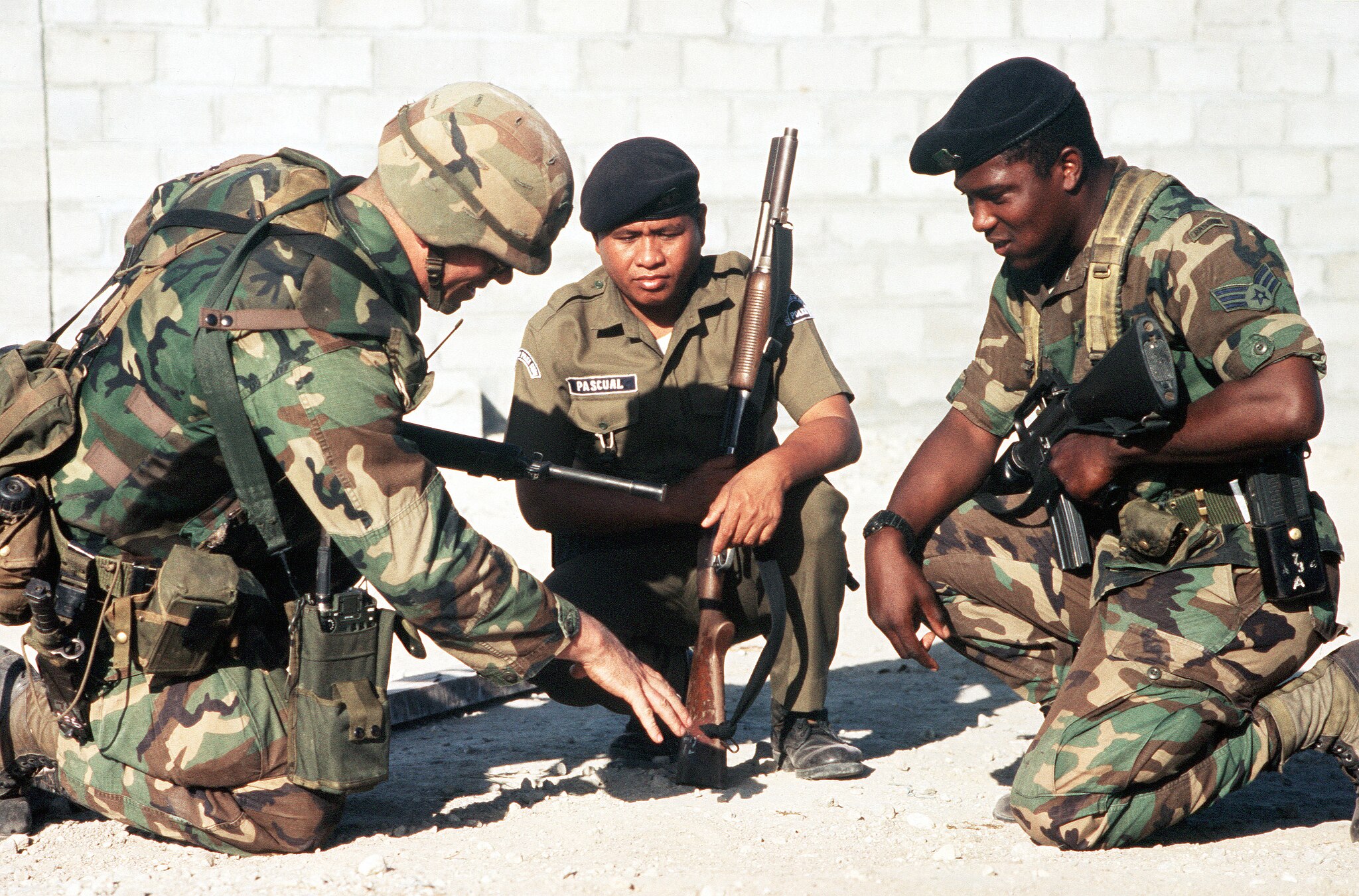
Early lightweight shotgun designs featuring alloy receivers aimed to reduce carry fatigue, yet durability concerns sometimes emerged. Repeated stress and heavy loads could accelerate wear compared to traditional steel constructions. While weight reduction remains desirable, structural longevity must also be considered. Modern alloys have improved considerably, but older iterations may raise reliability questions. Field conditions place unpredictable demands on firearms. Hunters often prefer proven resilience over experimental engineering. A balance between weight and strength remains essential. Lightweight receivers may offer convenience, yet potential longevity issues warrant careful evaluation.
5. Long Barrel Sporting Configurations

Shotguns equipped with unusually long barrels may provide smoother swings for clay shooting but feel unwieldy in dense environments. Maneuverability becomes critical when navigating thick brush or wooded terrain. Longer barrels can snag easily and slow target acquisition. Field hunting typically favors balanced handling rather than specialized sporting dimensions. While barrel length influences performance, extremes may reduce practicality. Hunters benefit from equipment suited to varied surroundings. Oversized configurations may shine in controlled settings yet feel restrictive outdoors. Handling comfort often outweighs theoretical advantages.
6. Obsolete Black Powder Era Designs
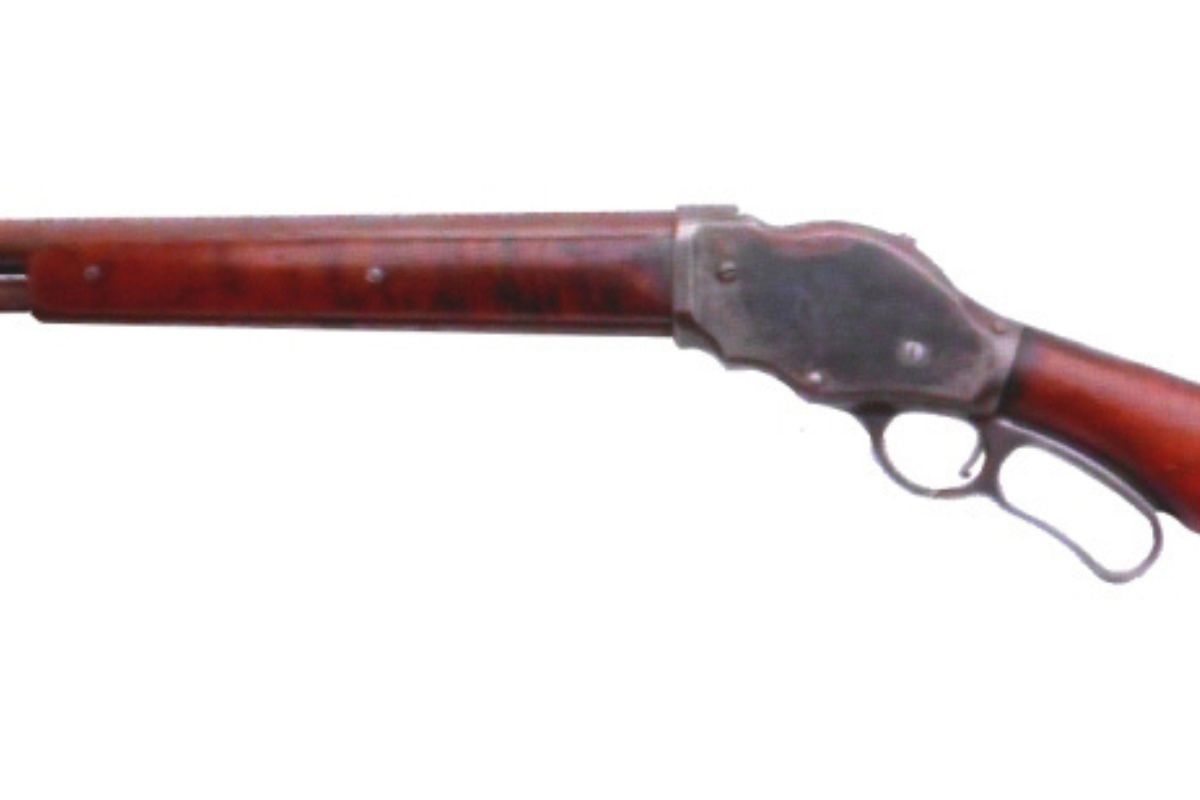
Black-powder-era shotguns hold historical appeal, but their operational characteristics rarely align with modern expectations. Slower loading procedures and residue buildup complicate practical use. Replacement parts and ammunition compatibility may also present challenges. Collectibility does not guarantee field suitability. Hunters typically require efficiency and consistency under pressure. Antique mechanisms demand greater care and familiarity. While enthusiasts appreciate their heritage, routine field use may prove impractical. Reliability concerns can overshadow novelty. Historical significance alone does not ensure functional convenience.
7. Low-Capacity Early Magazine Systems
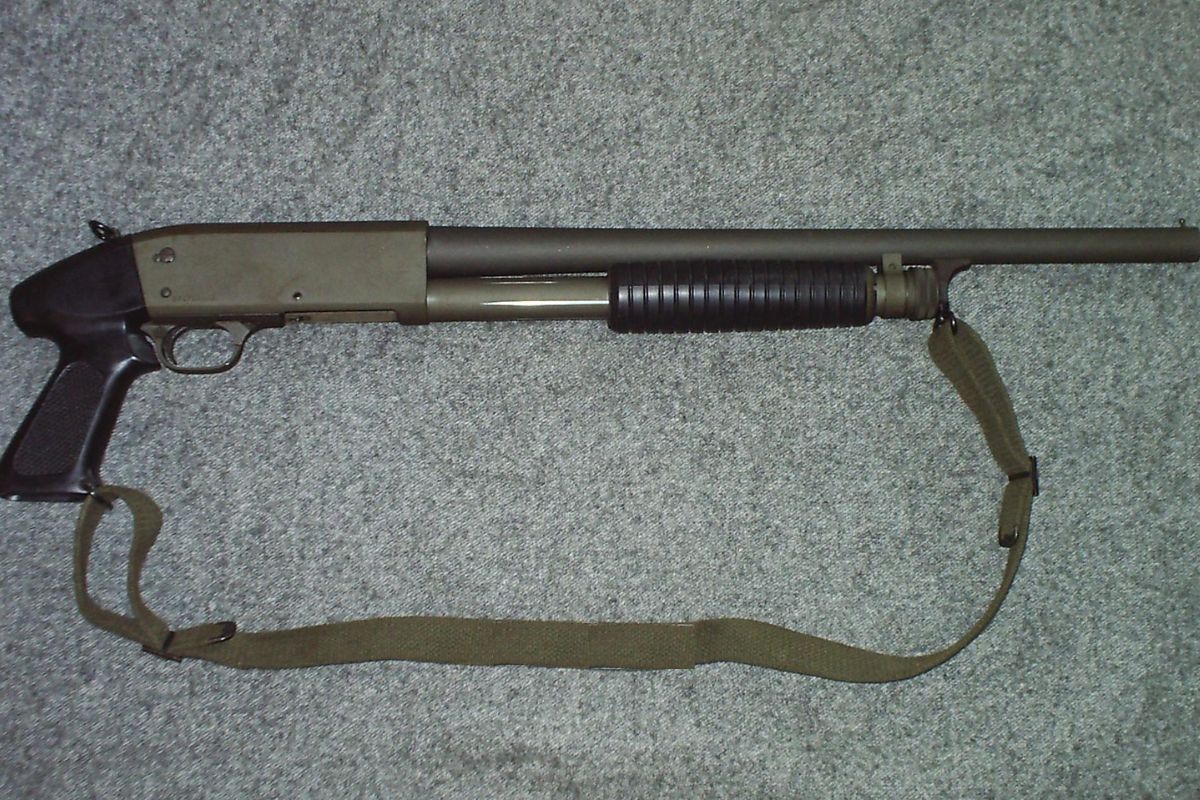
\Shotguns with limited magazine capacity may restrict follow-up shot opportunities, particularly during fast-paced hunts. Modern designs often provide greater flexibility without excessive bulk. Capacity influences rhythm and confidence in dynamic situations. While regulations vary, restricted capacity can still shape perceptions of usability. Hunters value tools supporting efficiency and readiness. Frequent reloading interrupts focus and flow. Mechanical simplicity remains beneficial, yet functional limitations deserve consideration. Field performance often depends on subtle design details. Capacity constraints may feel minor initially but noticeable during extended outings.
8. External Hammer Double Barrels
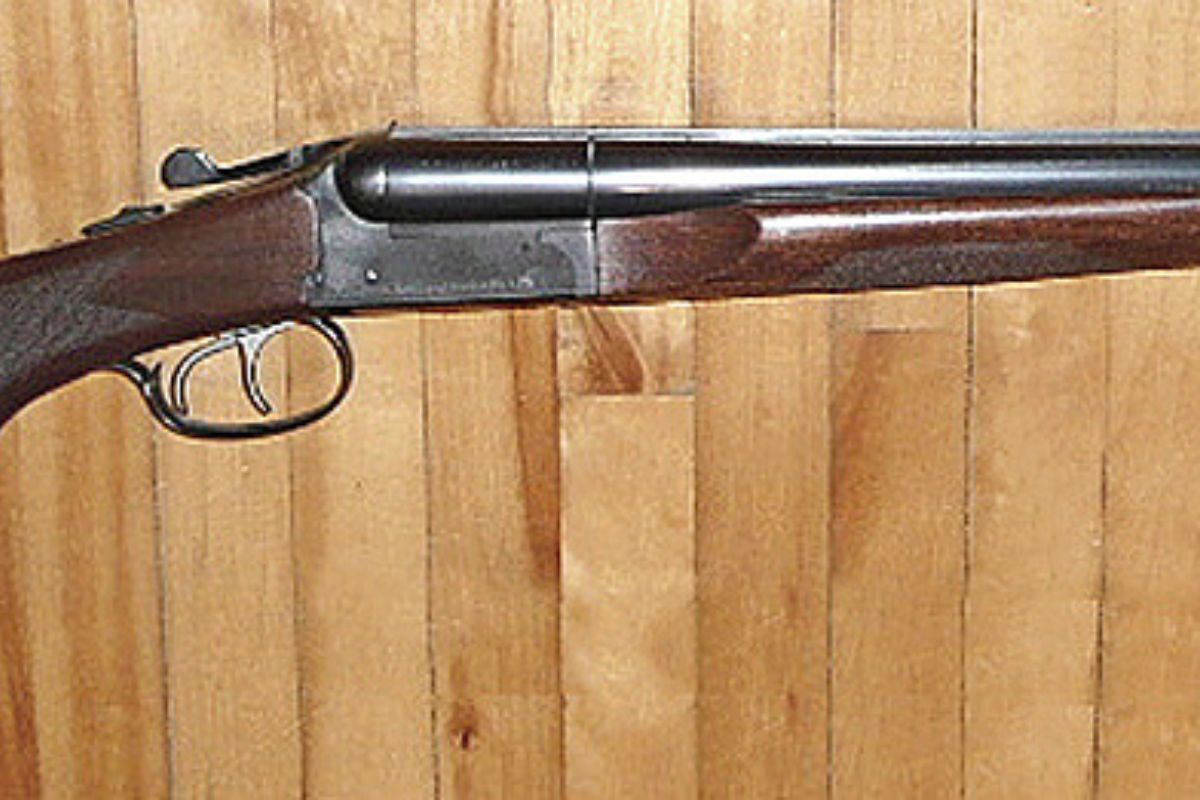
External hammer shotguns evoke classic styling, yet their manual cocking requirement introduces additional steps before firing. Rapid response scenarios may feel less intuitive compared to internal hammer designs. Ergonomics and handling speed influence real-world effectiveness. While many appreciate their aesthetic, practicality can vary. Hunters often prioritize immediate readiness and fluid operation. Extra manipulation may disrupt shooting rhythm. Mechanical reliability remains strong, yet convenience factors differ. Field conditions reward efficiency. Traditional charm does not always equal modern practicality.
9. Early Semi-Automatic Maintenance Demands
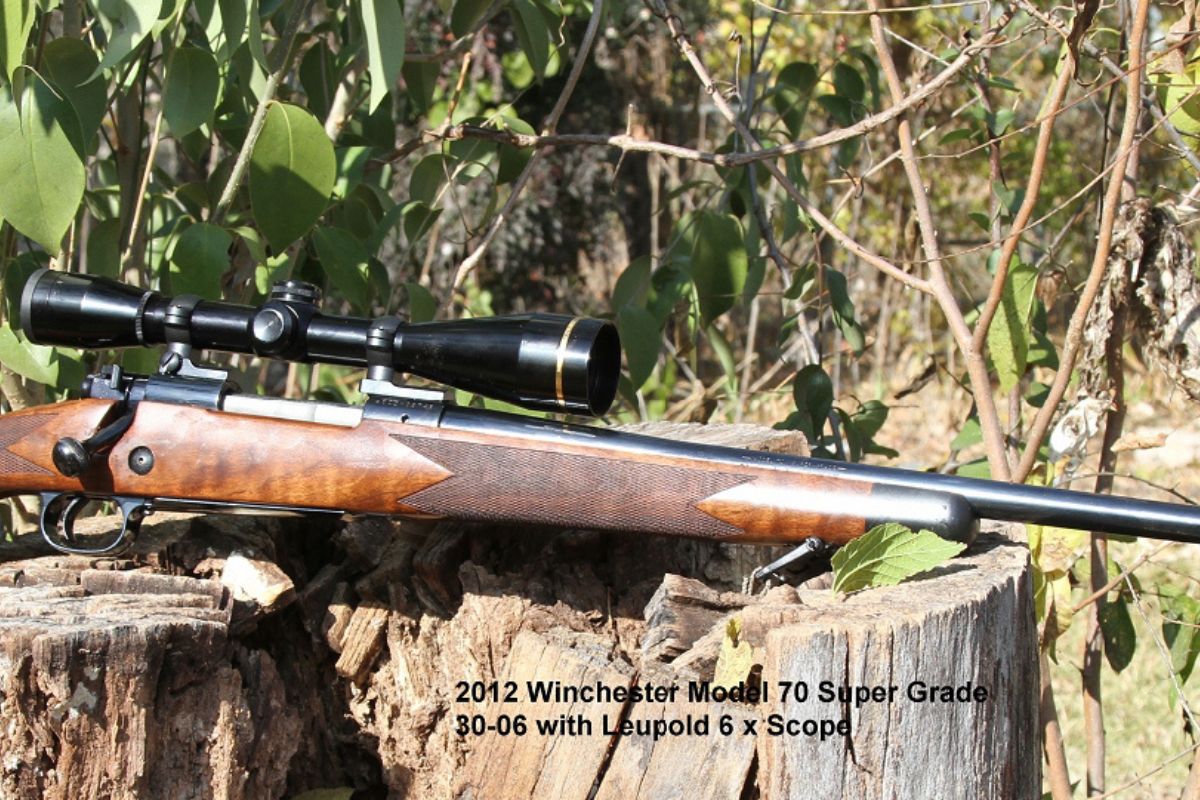
Older semi-automatic shotguns sometimes require meticulous maintenance to sustain reliable cycling. Wear patterns, residue sensitivity, and aging components may affect consistency. Owners must remain attentive to cleaning schedules and part condition. Field use magnifies mechanical vulnerabilities. While performance can remain impressive, upkeep intensity may deter some users. Simpler platforms often offer greater tolerance for neglect. Reliability perceptions evolve with experience. Maintenance expectations strongly influence ownership satisfaction. Convenience matters as much as function.
10. Highly Specialized Niche Designs

Shotguns designed for narrow roles may struggle to meet broader field demands. Specialized features can limit versatility across varied hunting scenarios. Hunters frequently encounter unpredictable conditions requiring adaptable equipment. Niche optimization may reduce overall usefulness. Practical firearms typically balance flexibility and reliability. Over-specialization risks compromising general performance. Field conditions reward multipurpose capability. While niche designs serve dedicated functions, broader applications may reveal limitations. Versatility remains a defining factor for many users.