
Hunting has always required patience, skill, and respect for the outdoors, but the experience today is undeniably different from decades past. While fundamentals remain the same, technology, access to information, and improved equipment have quietly reduced many of the hardships older generations accepted as normal. Many veteran hunters recall learning through trial and error, enduring long scouting days, and missing opportunities. Modern hunters still work hard, but they benefit from tools that simplify planning, navigation, and execution. Acknowledging these advantages does not diminish tradition. It simply shows how the sport has evolved in ways that make success more achievable.
1. Digital Mapping and GPS Navigation

Modern hunters rarely need to rely solely on paper maps or memory. GPS units and smartphone apps provide detailed terrain data, property boundaries, and access routes. Hunters can mark stands, track movement, and avoid trespassing with confidence. In the past, navigation mistakes meant lost time, missed hunts, or dangerous situations. Today, even an unfamiliar land becomes manageable with a few taps. Real-time location awareness reduces uncertainty and physical strain. This technology shortens scouting time and improves safety. While woodsmanship still matters, digital navigation removes much of the guesswork older hunters once faced regularly.
2. Accurate Weather Forecasting

Older hunters often relied on experience and observation to predict weather changes. Sudden storms or unexpected wind shifts could ruin a hunt. Today’s detailed forecasts provide hour-by-hour updates, wind direction, and temperature trends. Hunters plan outings with far greater precision. Knowing when conditions will change helps time movement, stand placement, and exit routes. This reduces wasted effort and increases comfort. Advanced forecasting also improves safety during extreme conditions. While weather still affects success, modern tools dramatically reduce uncertainty compared to the limited forecasts available decades ago.
3. Advanced Optics and Rangefinding
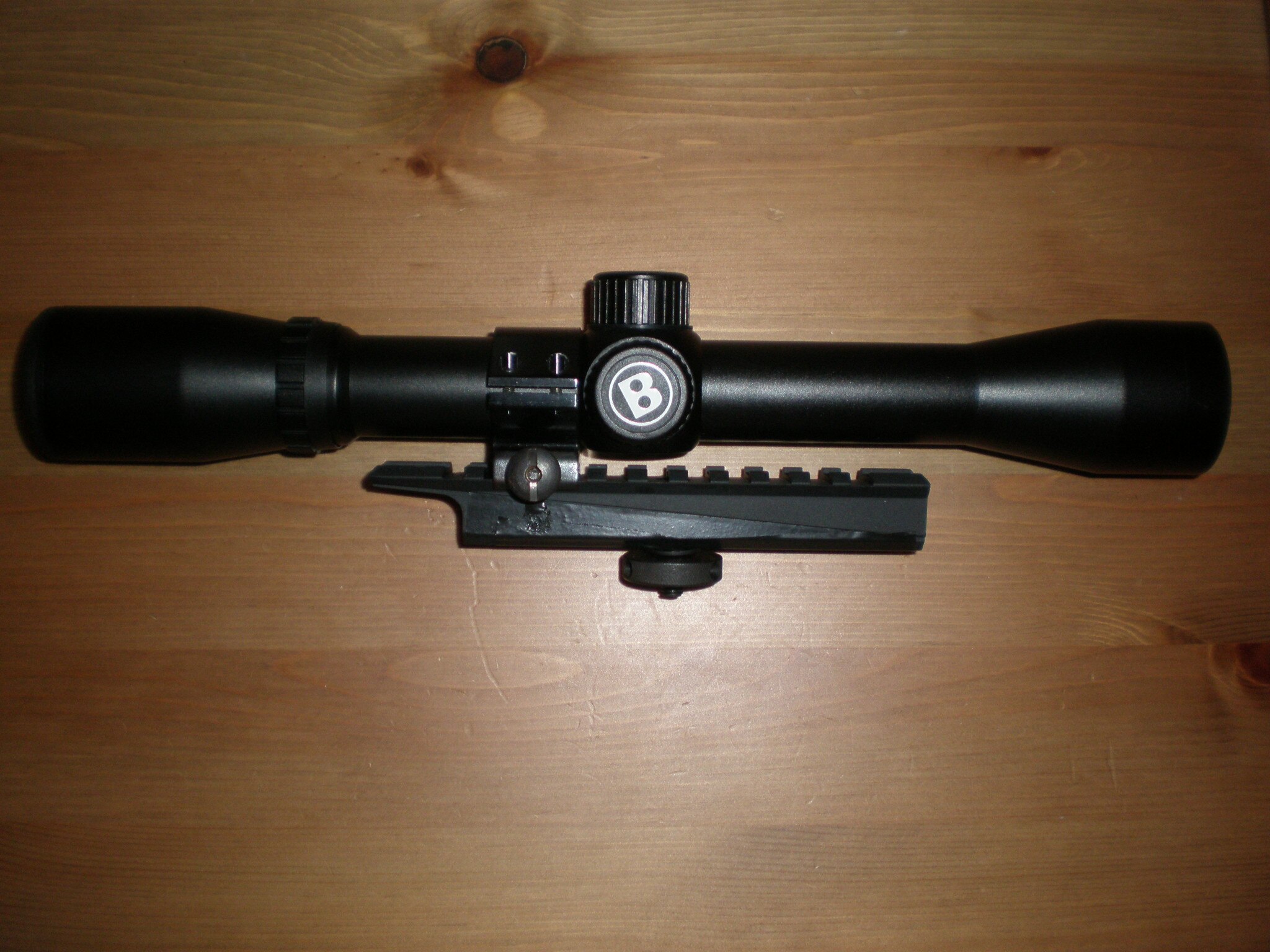
Modern optics has transformed how hunters see and judge distance. High-quality scopes, binoculars, and laser rangefinders provide clarity that older hunters could only imagine. Accurately judging distance by eye once took years of practice and still led to mistakes. Today, a quick range check removes doubt. Improved low-light performance extends effective hunting hours. Better optics increase ethical shot placement and confidence. While marksmanship remains critical, technology has removed many visual limitations that once challenged even experienced hunters.
4. Improved Firearms and Ammunition

Firearms today are more reliable, accurate, and user-friendly. Manufacturing consistency, better triggers, and improved barrel quality contribute to tighter groups. Modern ammunition offers predictable performance and better terminal results. Older hunters dealt with wider variation in ammo quality and firearm tolerances. Today’s hunters can expect consistent results straight out of the box. This reliability reduces mechanical frustration and increases confidence. While skill still matters, equipment failure plays a much smaller role in modern hunting success.
5. Access to Information and Education

Learning to hunt once depended heavily on mentors and personal experience. Mistakes were common, and lessons came slowly. Today, hunters access tutorials, forums, videos, and digital guides instantly. Information about species behavior, shot placement, and regulations is widely available. New hunters progress faster and avoid common errors. While experience remains irreplaceable, modern education tools flatten the learning curve significantly. Knowledge that once took years to acquire can now be learned in weeks.
6. Better Clothing and Gear Comfort

Older hunting gear was heavier, less insulated, and poorly weather-resistant. Cold, wet conditions were accepted as part of the challenge. Modern clothing offers lightweight insulation, moisture control, and quiet fabrics. Hunters stay warmer, drier, and less fatigued. Improved boots reduce foot strain and injury risk. Comfort allows hunters to stay focused longer and make better decisions. While discomfort once tested endurance, modern gear removes many physical barriers that previously limited hunt duration and effectiveness.
7. Trail Cameras and Game Monitoring

Trail cameras provide insight that older hunters never had. Instead of relying solely on tracks and sightings, modern hunters study movement patterns remotely. Cameras reveal timing, animal behavior, and population presence. This reduces blind scouting and wasted effort. Hunters can adjust strategies before ever stepping into the field. While interpretation still requires judgment, access to visual data significantly improves planning efficiency compared to traditional sign reading alone.
8. Easier Access to Public and Private Land Information

Finding huntable land once involved word of mouth, paper maps, and trial visits. Today, digital platforms show land ownership, access points, and regulations clearly. Hunters avoid closed areas and identify legal opportunities faster. Public land boundaries are clearer, reducing accidental violations. This accessibility saves time and frustration. While competition has increased, knowing where and how to hunt legally is far easier than it was decades ago.
9. Improved Safety Equipment

Modern safety gear reduces risk significantly. Harnesses, communication devices, and emergency tools improve survival chances. Older hunters often climbed stands without protection and hunted without reliable communication. Today, accidents are less likely to be fatal due to better equipment and faster response options. Safety improvements allow hunters to focus on the hunt rather than constant risk management. This does not remove danger entirely but greatly reduces the margin for serious injury.
10. Streamlined Regulations and Digital Licensing

Regulatory access is simpler today. Digital licenses, online harvest reporting, and instant regulation updates reduce confusion. Older hunters often relied on printed booklets that quickly became outdated. Mistakes carried serious consequences. Modern systems improve compliance and reduce unintentional violations. Hunters spend less time navigating bureaucracy and more time preparing. This efficiency removes administrative stress that once complicated even simple hunts.