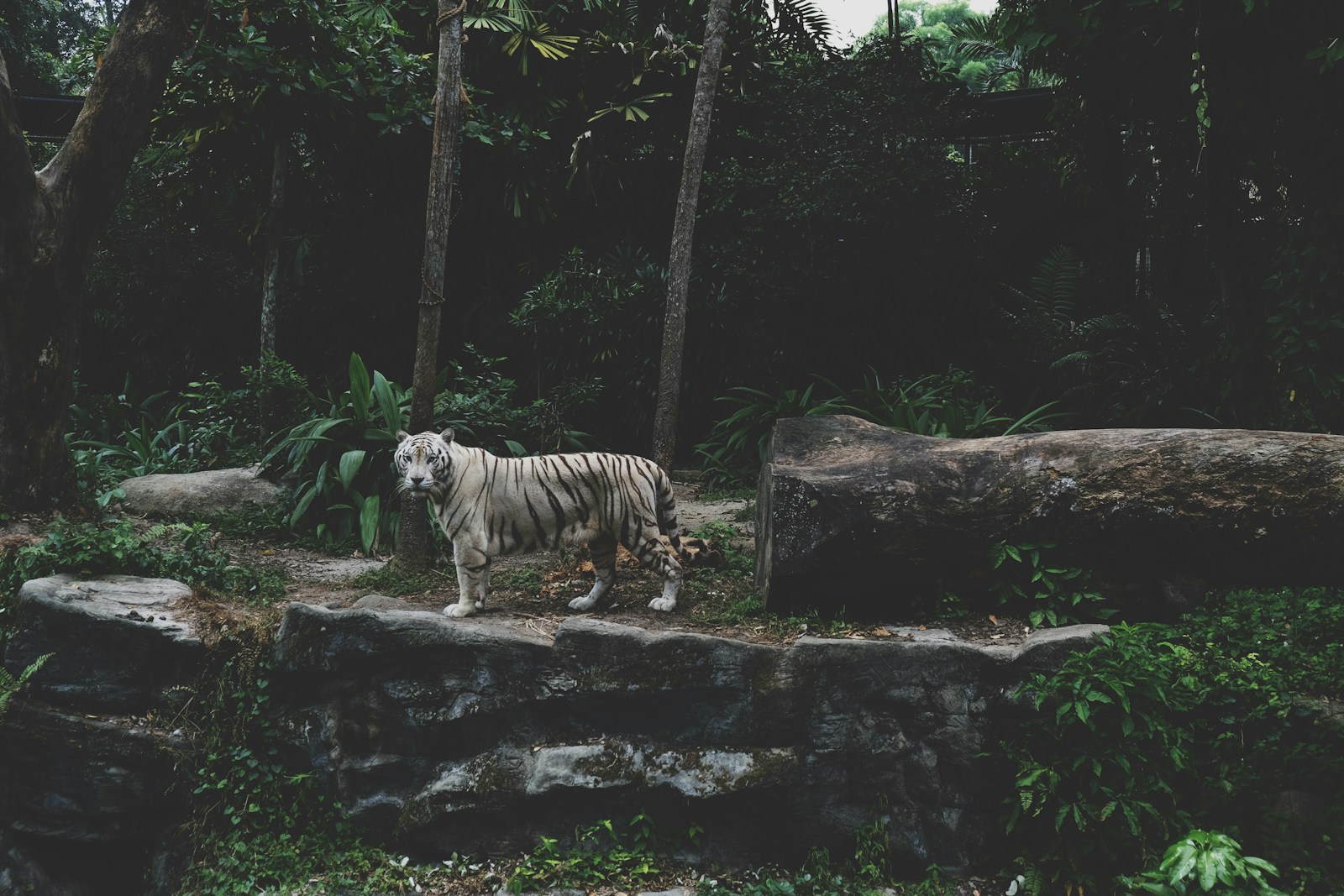
Predators rely on stealth to hunt, travel, and survive, choosing environments that reduce visibility, dampen sound, and offer reliable escape routes. These locations exist across wild landscapes and developed areas, shaped by terrain, vegetation, climate, and human activity. From forests and deserts to wetlands and city edges, predators adapt movement patterns to remain unnoticed. Understanding these preferred pathways explains why encounters happen where they do. The following places highlight environments where concealment supports survival, illustrating how geography and behavior intersect to allow predators to move efficiently, quietly, and successfully while minimizing detection across regions where humans and wildlife increasingly overlap.
Dense Forest Understory
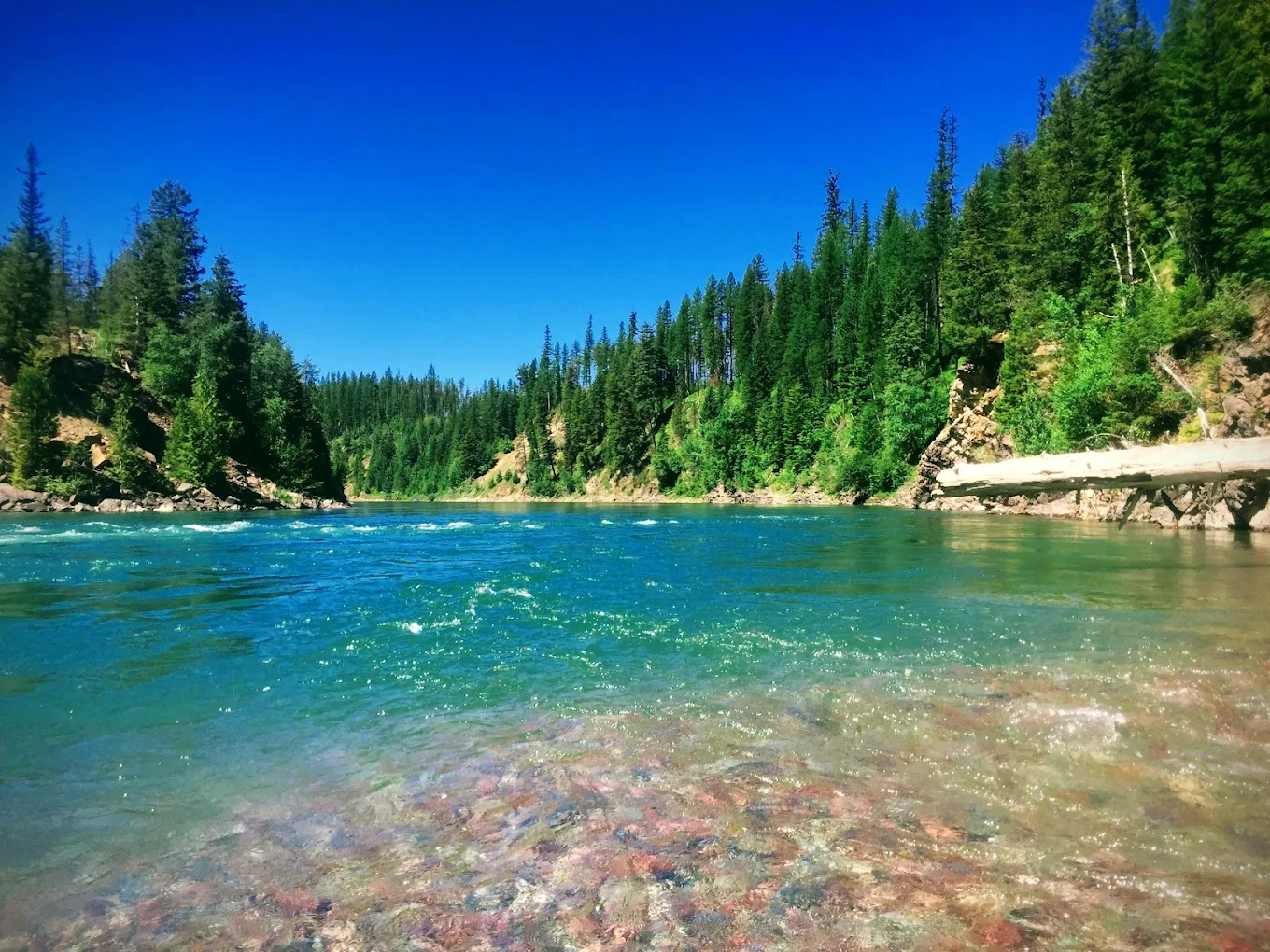
Dense forest understory allows predators to move unseen beneath layered vegetation, fallen branches, and uneven terrain. Limited visibility reduces detection, while leaf litter and soil soften sound. Animals such as bobcats, wolves, and cougars use these areas to stalk prey closely. Shade provides temperature regulation and visual concealment during daylight. Game trails create predictable travel routes for ambush. Thick understory also offers immediate escape options into deeper cover. Across temperate and tropical forests, this environment supports quiet movement, successful hunting, and efficient travel while minimizing exposure to prey, competitors, and human observation throughout changing seasons.
Dry Riverbeds
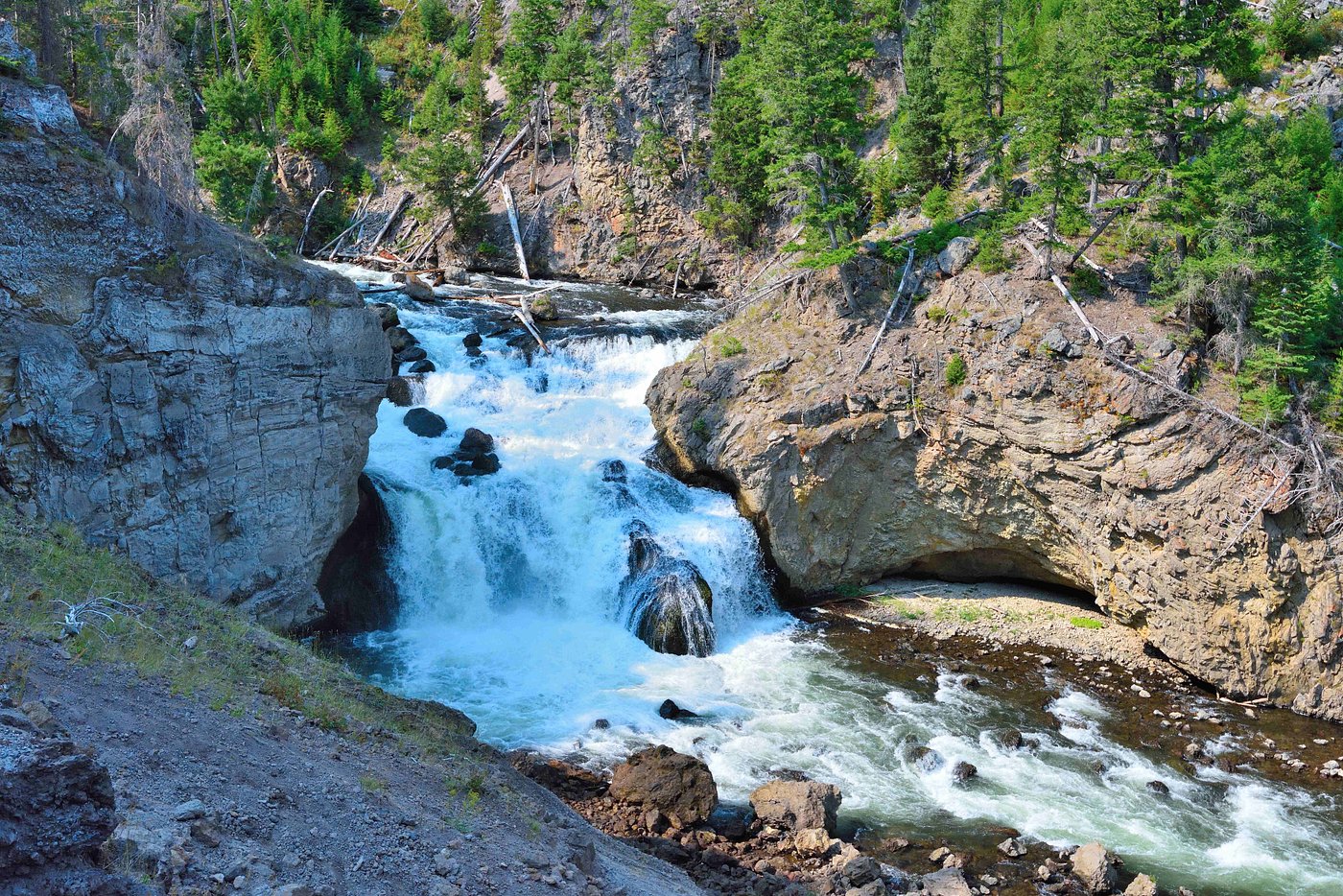
Dry riverbeds form natural passageways that allow predators to travel discreetly through open landscapes. Sunken channels provide cover from sightlines while shielding movement from wind. Sandy surfaces carry scent and track information, aiding navigation. Coyotes, lions, and leopards frequently follow these routes between feeding and watering areas. Sparse vegetation allows visibility ahead while banks conceal bodies. Cooler nighttime temperatures further reduce detection. In arid and semi arid regions, dry riverbeds connect fragmented habitats, enabling stealthy movement across wide distances where concealment options are otherwise limited.
Rocky Outcrops
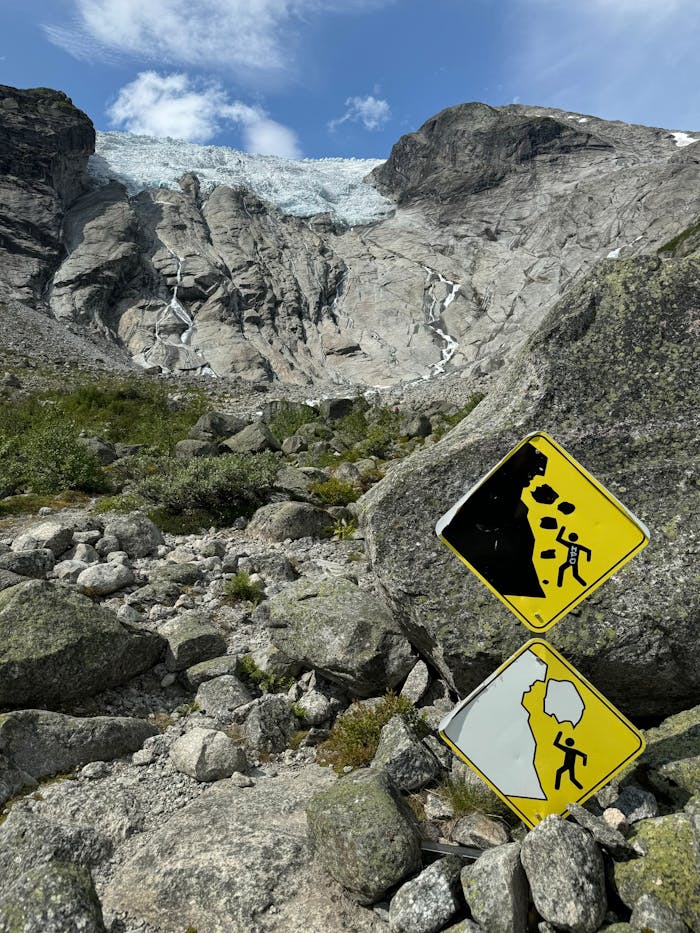
Rocky outcrops offer predators elevated concealment through shadows, crevices, and broken outlines. Irregular stone surfaces help animals blend into surroundings while masking movement. Mountain lions, leopards, and foxes use rocks to observe prey without being seen. Wind currents often carry scent upward, providing information without exposure. Ledges and boulders also serve as resting points and escape routes. Found across mountains, deserts, and coastlines, rocky outcrops create reliable ambush locations, especially during dawn and dusk, when low light further enhances predator advantage and reduces detection by prey.
Tall Grass Prairies

Tall grass prairies allow predators to disappear within dense, swaying vegetation. Height and thickness break sightlines, concealing approach until moments before contact. Lions, wolves, and smaller cats exploit these landscapes to stalk grazing animals. Wind masks sound and disperses scent, reducing detection. Seasonal growth improves cover during key hunting periods. Open horizons draw prey attention outward while predators remain hidden below grass tops. These prairies support stealth across expansive regions, even where terrain appears open, by providing continuous visual cover and movement pathways shaped by natural cycles and land management.
Wetland Reeds
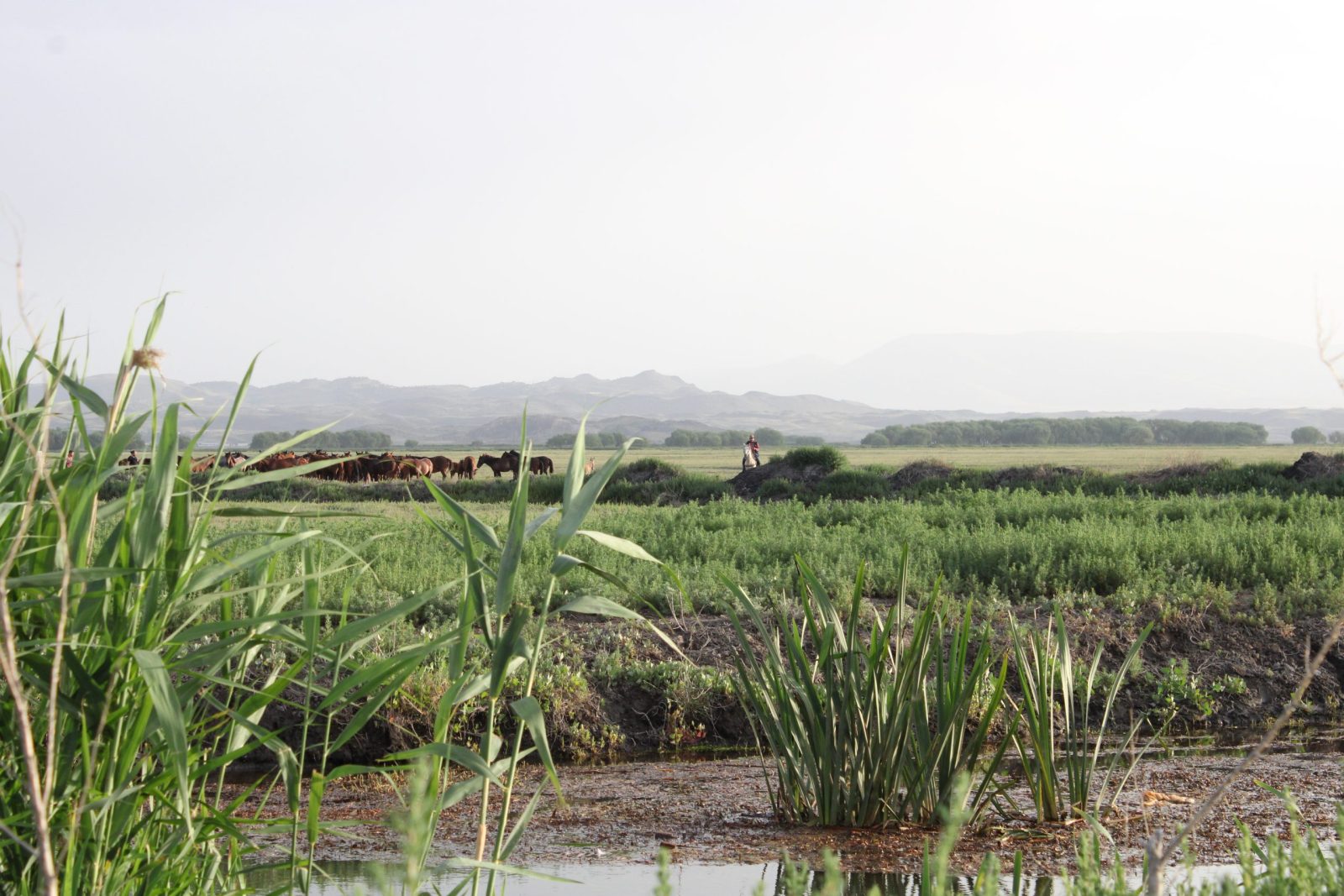
Wetland reeds create thick visual barriers where predators move quietly along water edges. Tall plants block sight and absorb sound, allowing approach without alerting prey. Crocodilians, large cats, and birds of prey use wetlands for ambush and travel. Soft ground reduces noise, while channels guide movement. Prey distraction near water increases opportunity. Seasonal flooding reshapes vegetation, maintaining concealment. Across marshes, deltas, and floodplains, wetlands provide consistent cover that supports undetected predator movement while often bordering human activity, increasing encounter potential without reducing stealth advantages.
Mountain Ridges
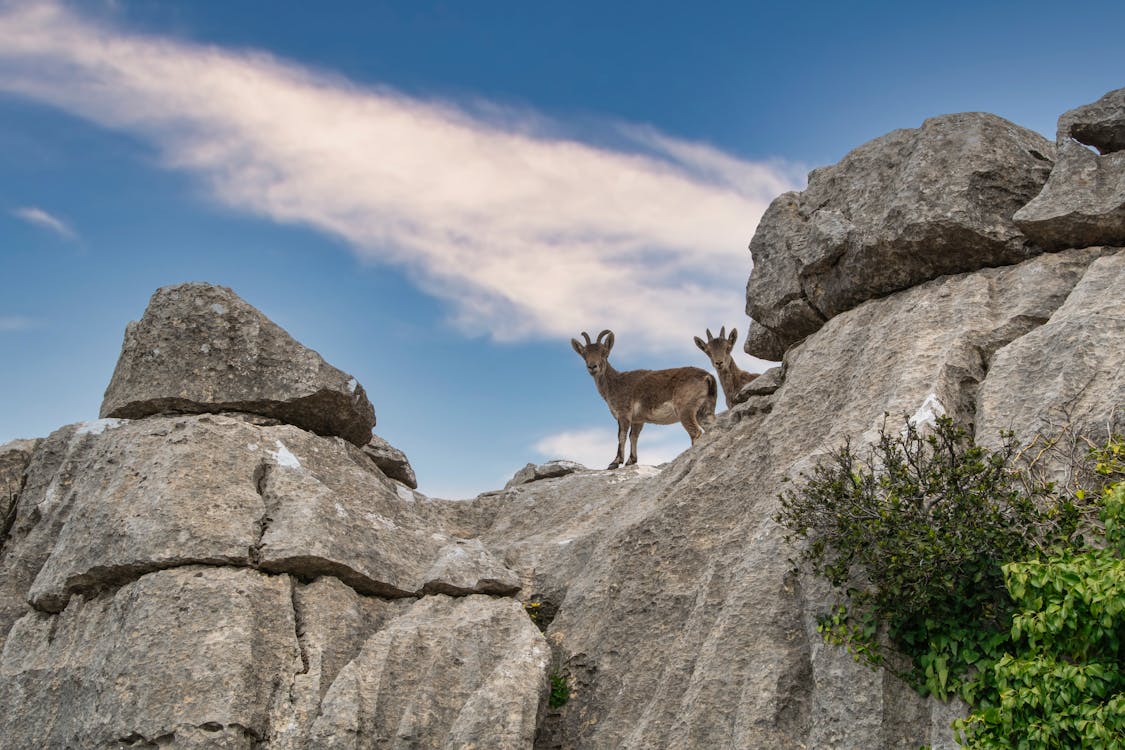
Mountain ridges allow predators to travel discreetly along elevated terrain. Wind patterns carry scent upward, helping animals monitor activity below. Tree cover and rock formations break silhouettes against the sky. Wolves, snow leopards, and cougars patrol ridgelines to track prey movements efficiently. Cooler temperatures reduce exertion, while elevation offers broad awareness. Ridges link valleys and basins, forming natural travel corridors. Snow, fog, and cloud cover further enhance concealment, making ridgelines reliable routes for migration, territorial patrols, and hunting across rugged mountainous regions worldwide.
Urban Greenbelts

Urban greenbelts provide concealed routes for adaptable predators navigating developed landscapes. Vegetated buffers, drainage corridors, and park systems connect fragmented habitats while avoiding busy streets. Coyotes, foxes, and bobcats frequently use these areas to move unseen. Human noise masks animal movement, reducing detection. Nighttime activity increases safety. Greenbelts also supply food and shelter. As cities expand, these corridors become essential pathways that allow predators to travel through urban environments discreetly, shaping coexistence patterns and increasing sightings without eliminating natural stealth advantages.
Snow Covered Terrain
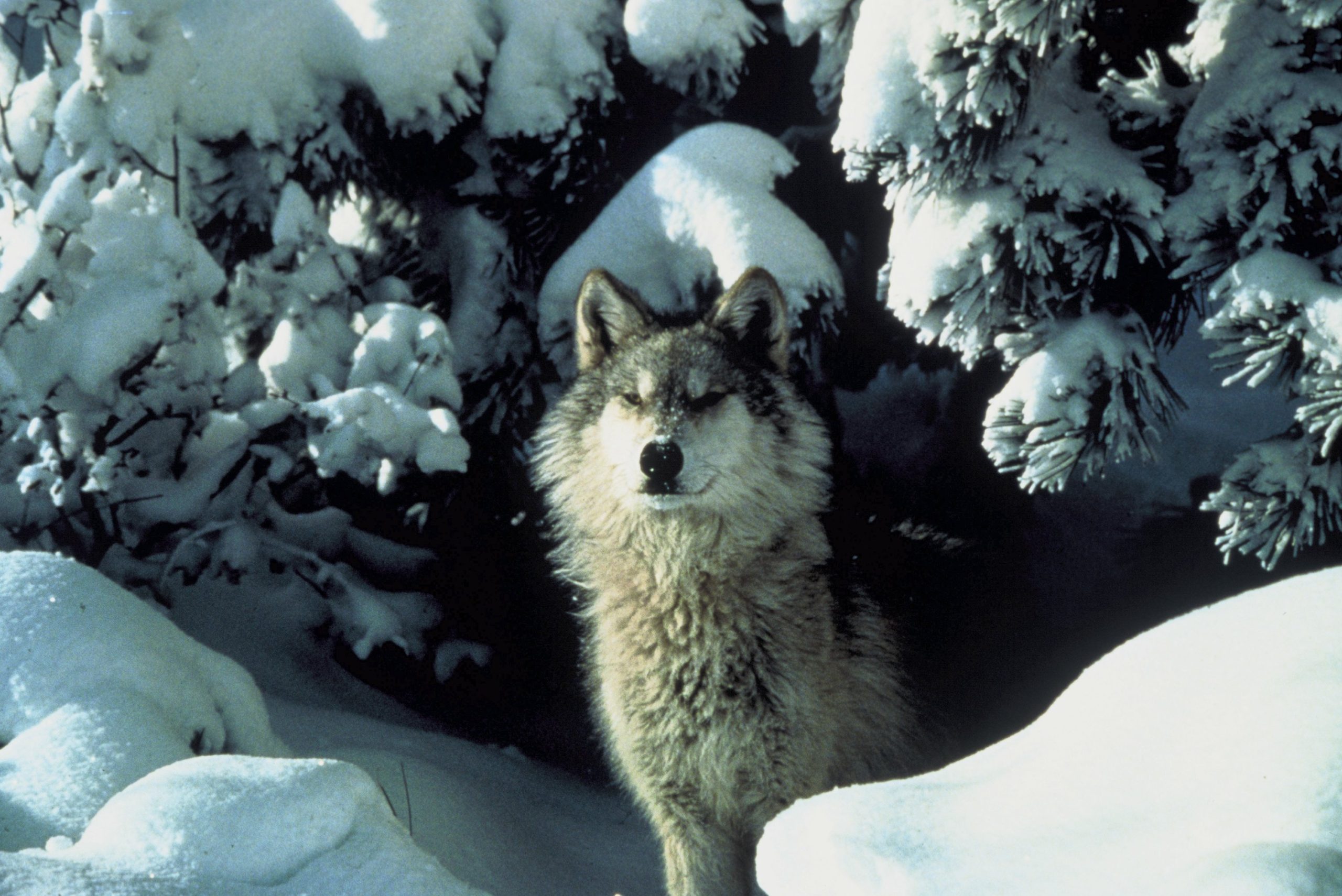
Snow covered terrain enables predators to conceal movement through camouflage and softened sound. White coats or shadowed outlines reduce contrast against snowfields. Fresh snowfall dampens footsteps, allowing quiet approach. Wolves, lynx, and foxes take advantage of winter conditions when prey mobility declines. Snowbanks and drifts create natural cover along travel routes. Long nights and sparse vegetation further limit visibility. Across northern and alpine regions, snow enhances stealth by reshaping landscapes into environments where predators move efficiently while remaining difficult to detect.
Coastal Dunes

Coastal dunes allow predators to move unnoticed through rolling sand and beach grasses. Shifting contours block sightlines from shore and water. Foxes, jackals, and large cats use dunes near coastlines to travel between habitats. Wind erases tracks quickly, reducing evidence of movement. Sparse vegetation conceals bodies at ground level. Dunes connect marine and inland ecosystems, offering escape routes and cover. Constant reshaping by tides and storms preserves unpredictability, making coastal dunes effective environments for stealthy predator movement along shorelines. These conditions favor silent movement.
Abandoned Structures
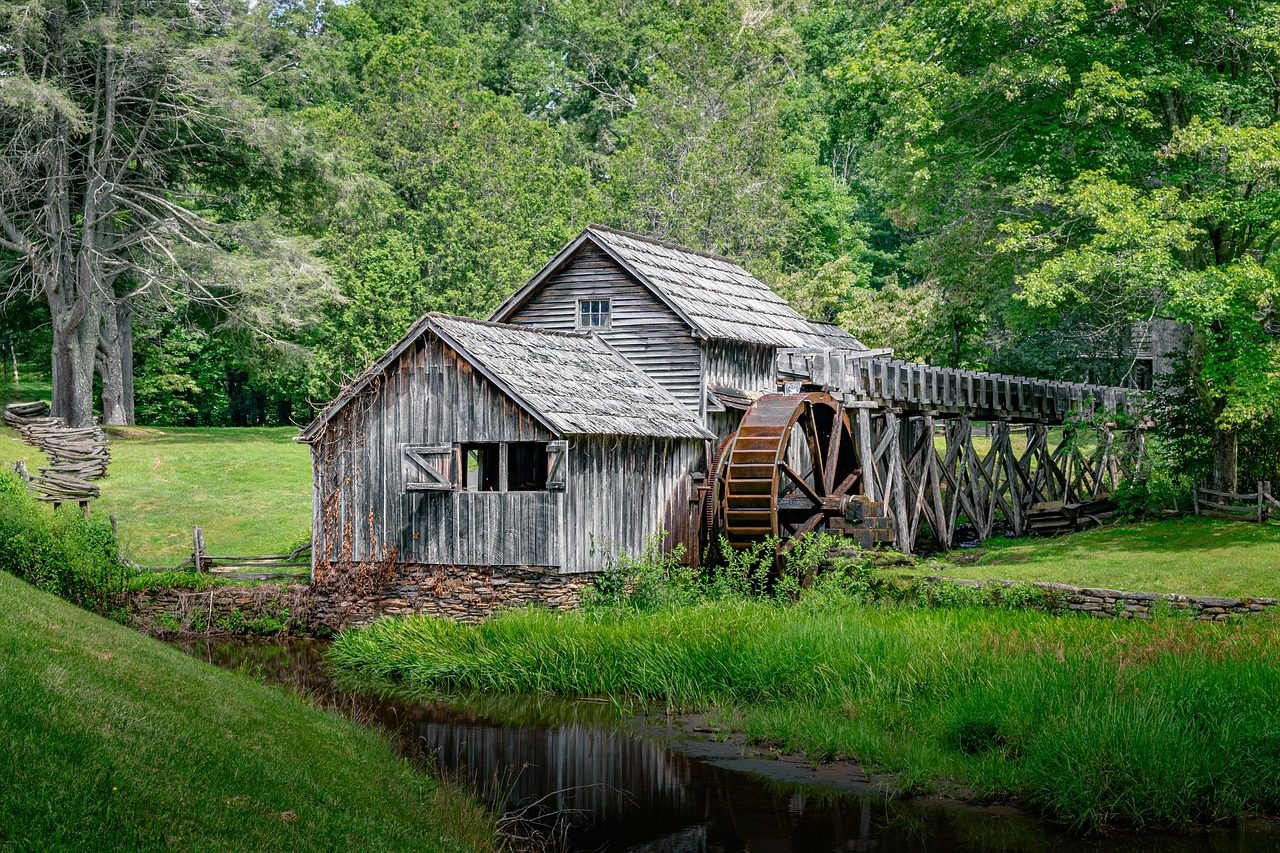
Abandoned structures provide unexpected concealment for predators near human settlements. Empty buildings, ruins, and derelict sites offer shade, shelter, and blocked sightlines. Leopards, hyenas, and cougars use these spaces to avoid detection while moving through altered landscapes. Reduced human presence lowers disturbance, while familiarity remains. Walls, debris, and overgrowth absorb sound and obscure movement. As abandoned sites increase worldwide, these structures increasingly function as stealth corridors that allow predators to navigate human dominated environments quietly while maintaining access to surrounding natural habitats.