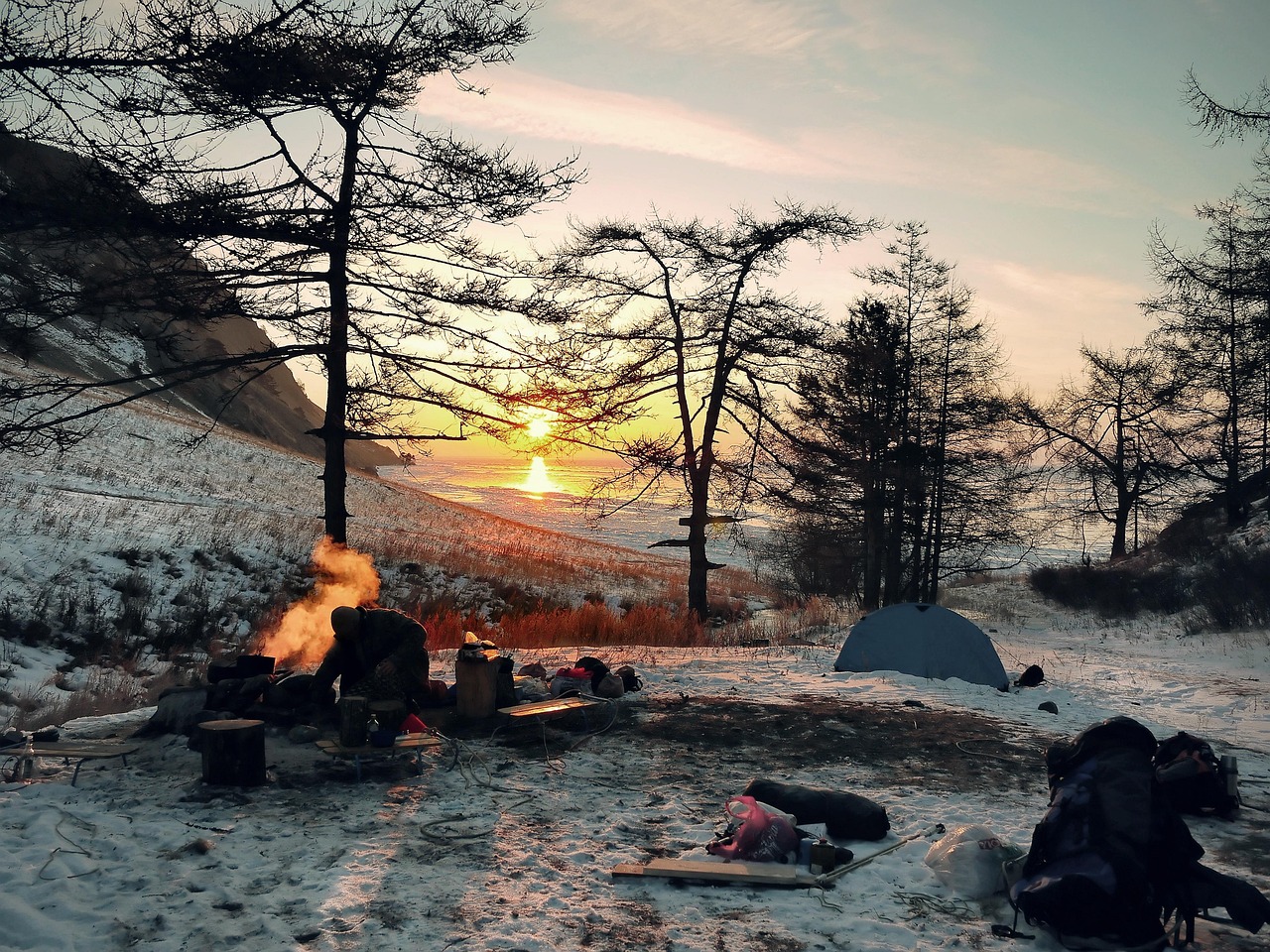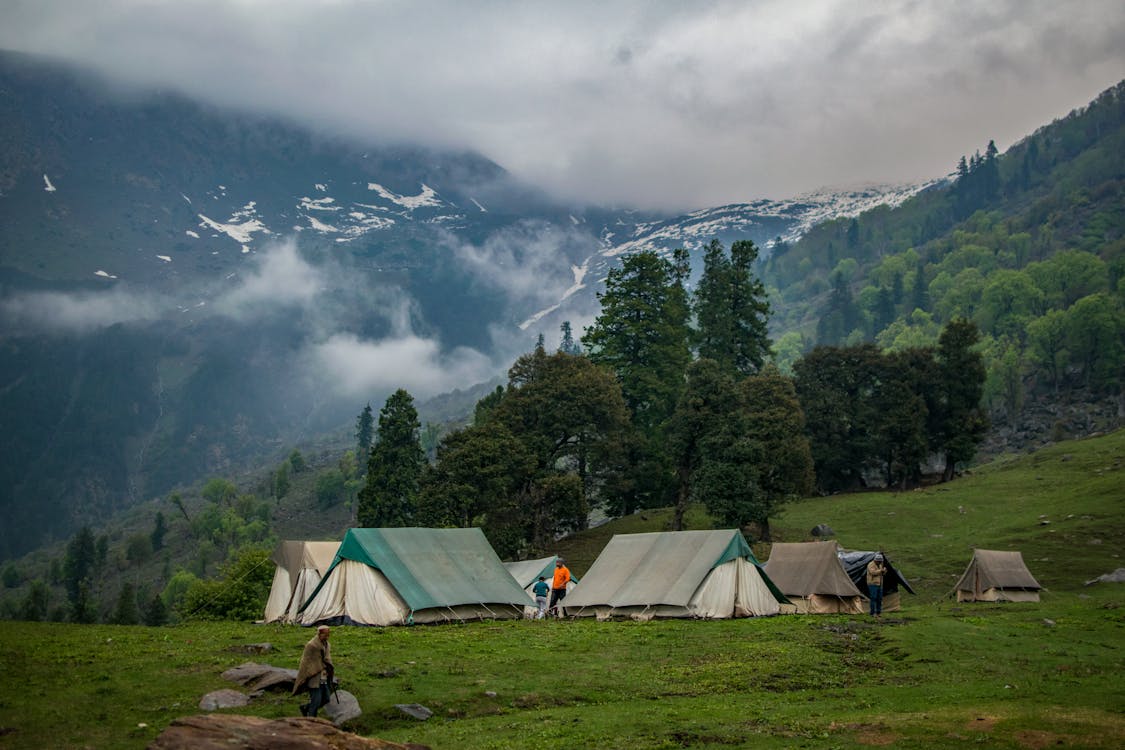
When you learn about survival, you often hear a list of rules that seem absolute. Yet, the most experienced outdoors experts know that every situation demands flexibility and quick thinking. Sometimes, breaking the “rules” is the smartest and safest move you can make. Whether it’s starting a fire differently or choosing shelter over water, these intentional rule-bends show how real-world survival often depends on adapting rather than following tradition.
Rule: Always Stay Put
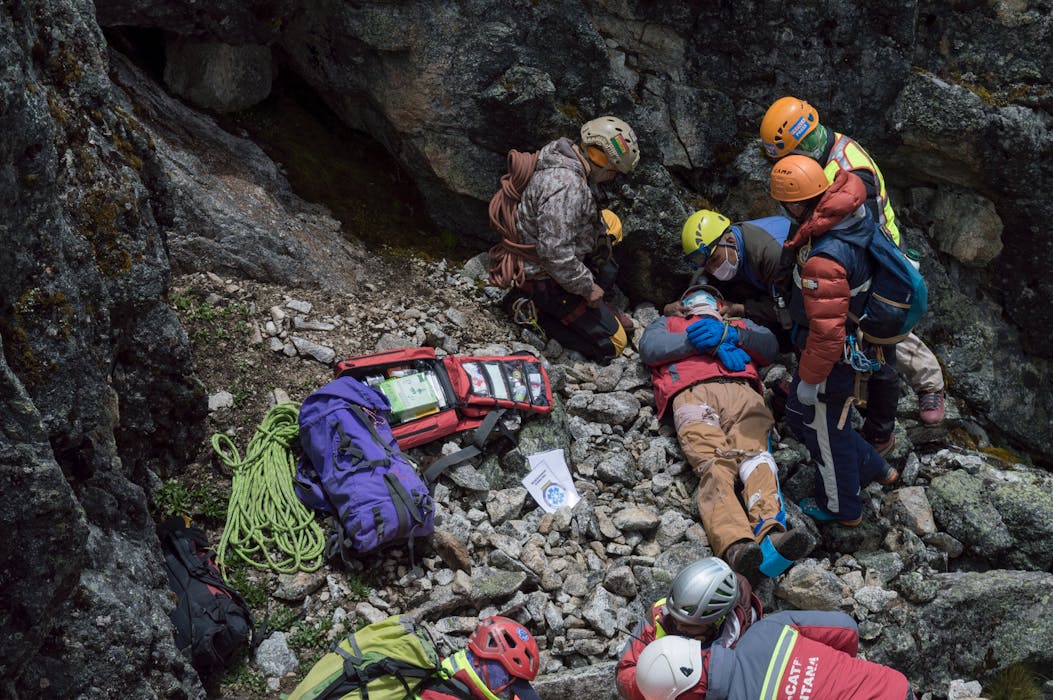
You often hear that staying in one place makes rescue easier, but survivalists know this isn’t always true. If danger threatens, or if you know where safety lies, moving strategically can save your life. The key is assessing risk before leaving. Sometimes traveling toward higher ground or visible landmarks increases your chances far more than waiting for help.
Rule: Build a Fire Right Away
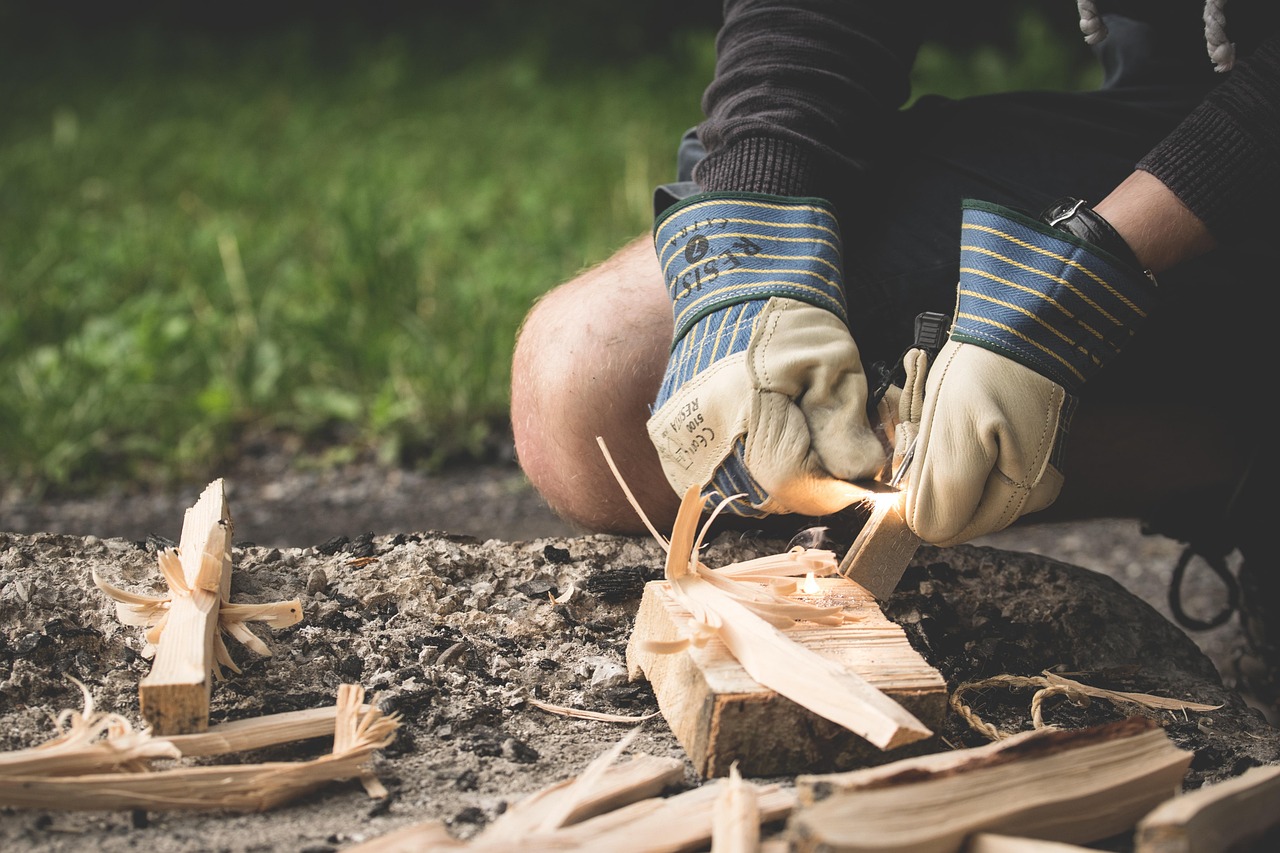
Fire brings warmth, light, and safety, but sometimes conserving energy matters more. Experienced survivalists skip the fire if daylight is short or conditions make it impractical. Instead, they focus on insulation, movement, or finding shelter first. In certain environments, staying warm without burning fuel can be the smarter, longer-lasting choice.
Rule: Always Find Water First
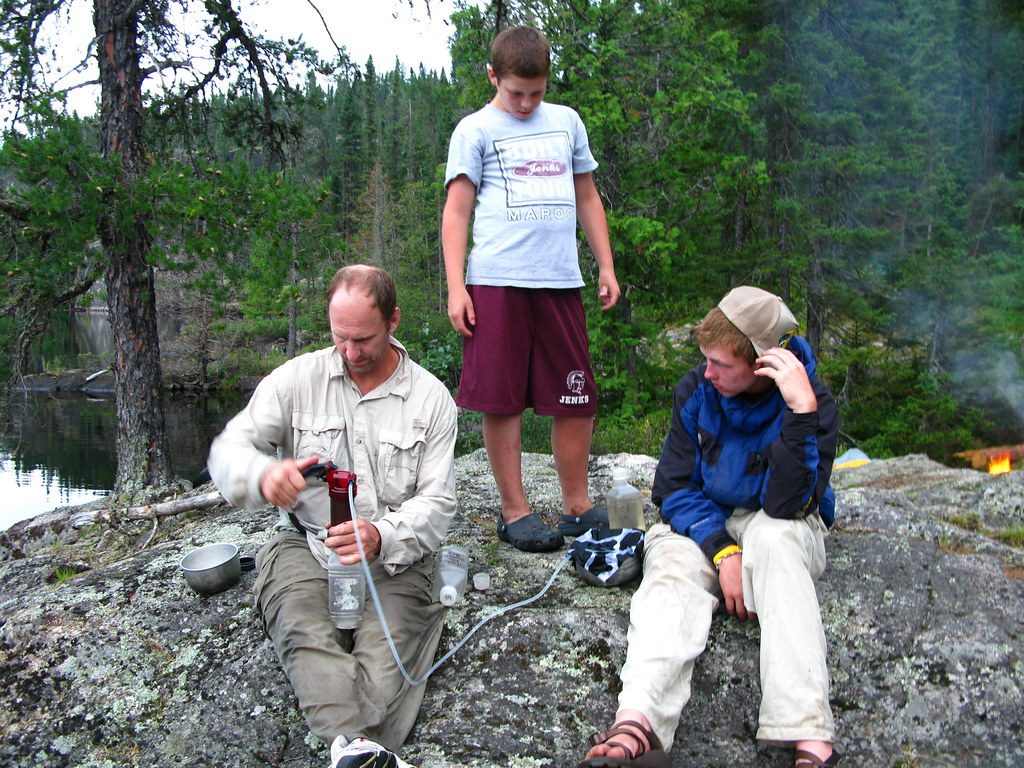
While water is essential, there are moments when finding shelter takes priority. Exposure can kill faster than dehydration, especially in cold or wet weather. Setting up protection from wind and rain first buys time to safely collect and purify water later. The decision depends on the environment, not a fixed checklist.
Rule: Follow Rivers or Streams
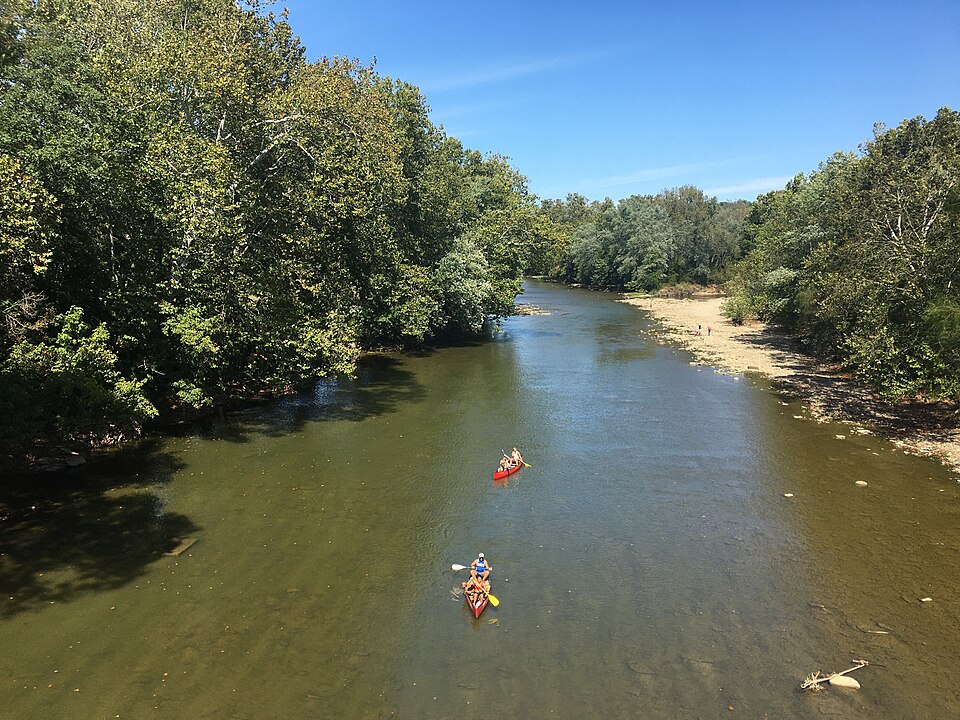
Tracking water sources may lead to civilization, but it can also be dangerous. Terrain near rivers is often steep, slippery, and hard to navigate. Survival experts sometimes head uphill or away from waterways to find safer routes or clearings. The best path is the one that offers stability, visibility, and energy conservation.
Rule: Eat Whenever You Can
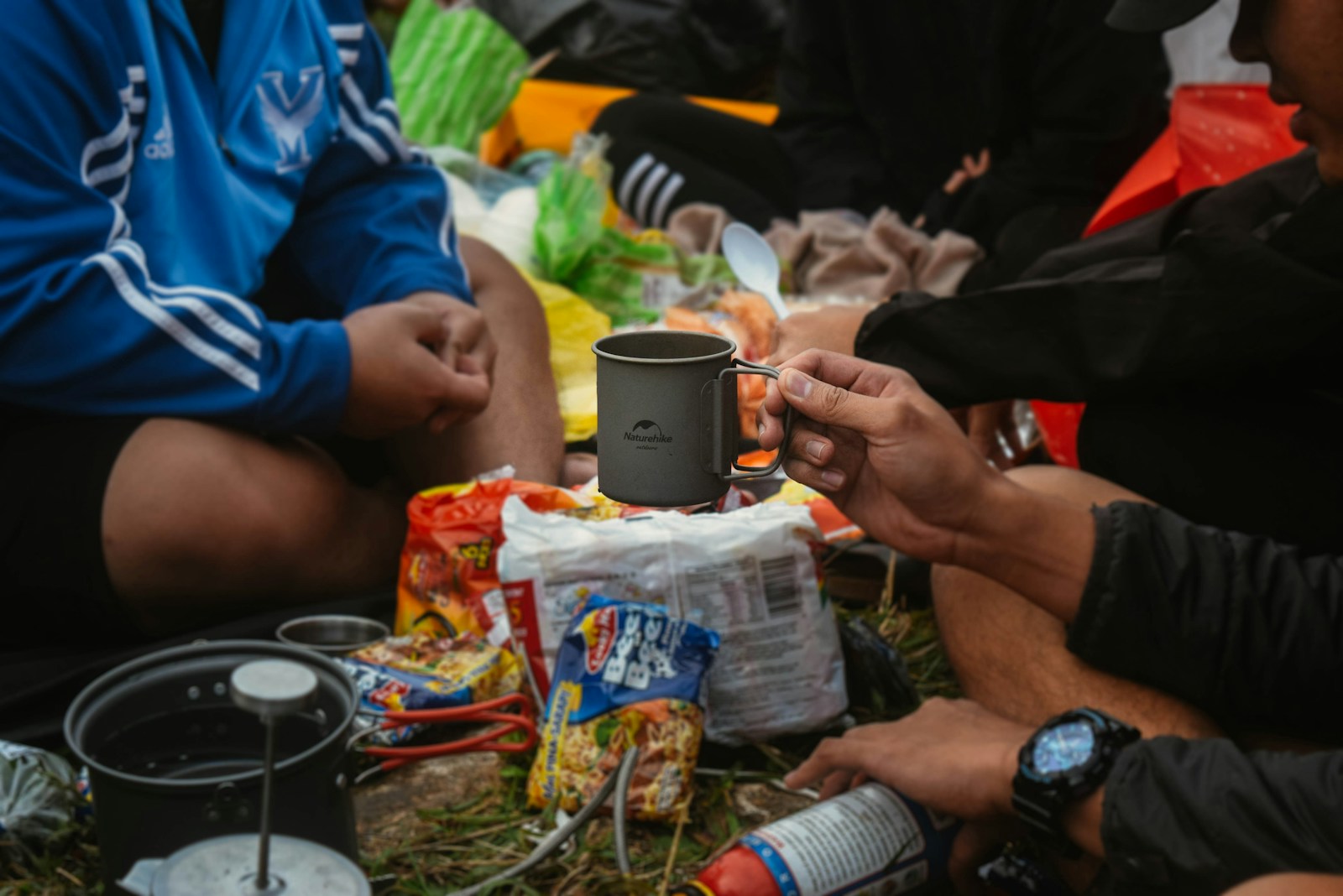
It’s tempting to eat at the first sign of hunger, but seasoned survivalists know food isn’t always the top concern. Digestion uses valuable energy and water your body might need elsewhere. Waiting until you’re settled, hydrated, and calm helps you make better decisions about rationing. Energy management matters more than constant eating.
Rule: Travel During the Day
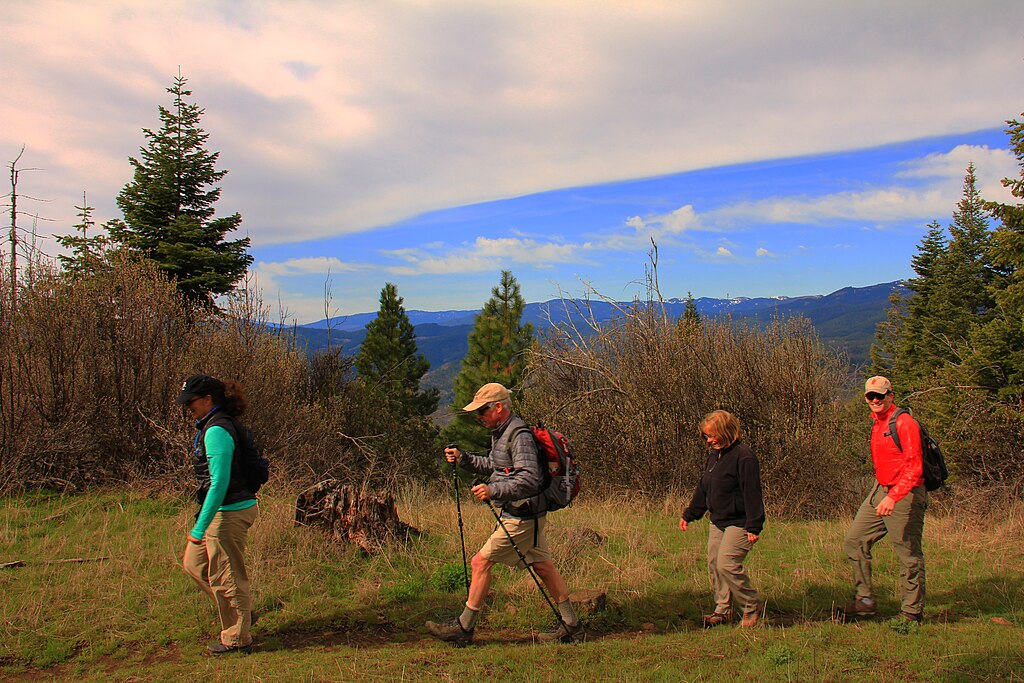
Daylight makes navigation easier, but in extreme heat, moving during midday can lead to exhaustion or dehydration. Traveling early in the morning or after sunset helps conserve water and strength. Survival experts adjust to conditions rather than sticking to a fixed timeline. Flexibility with timing often makes the journey safer.
Rule: Avoid Getting Wet at All Costs
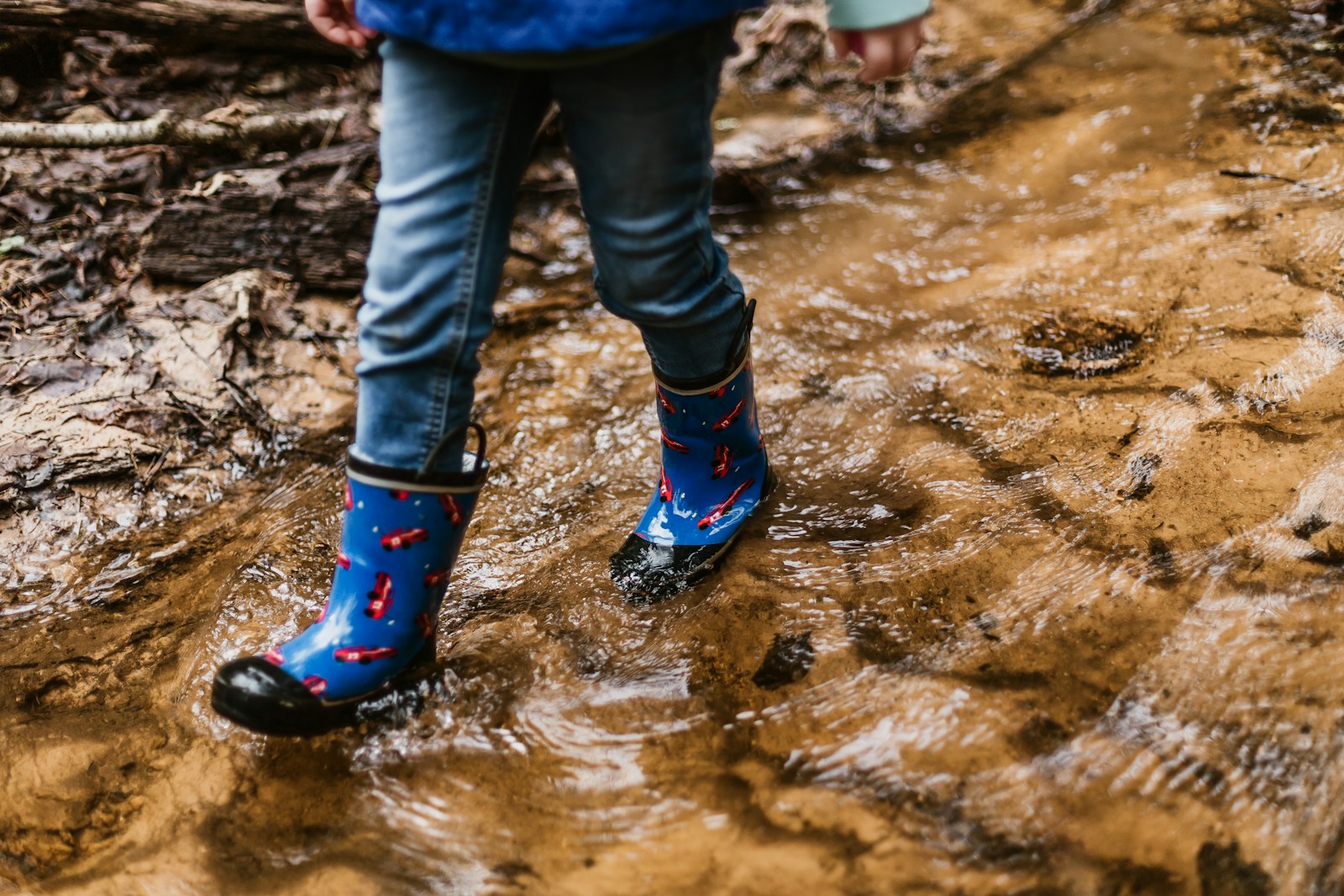
While staying dry is ideal, sometimes crossing a stream or enduring light rain is unavoidable. Waiting it out can cost valuable time or daylight. By drying off quickly afterward and layering properly, you can manage short-term exposure safely. Experienced hikers understand when getting wet briefly is worth the tradeoff for progress.
Rule: Stick to the Trail
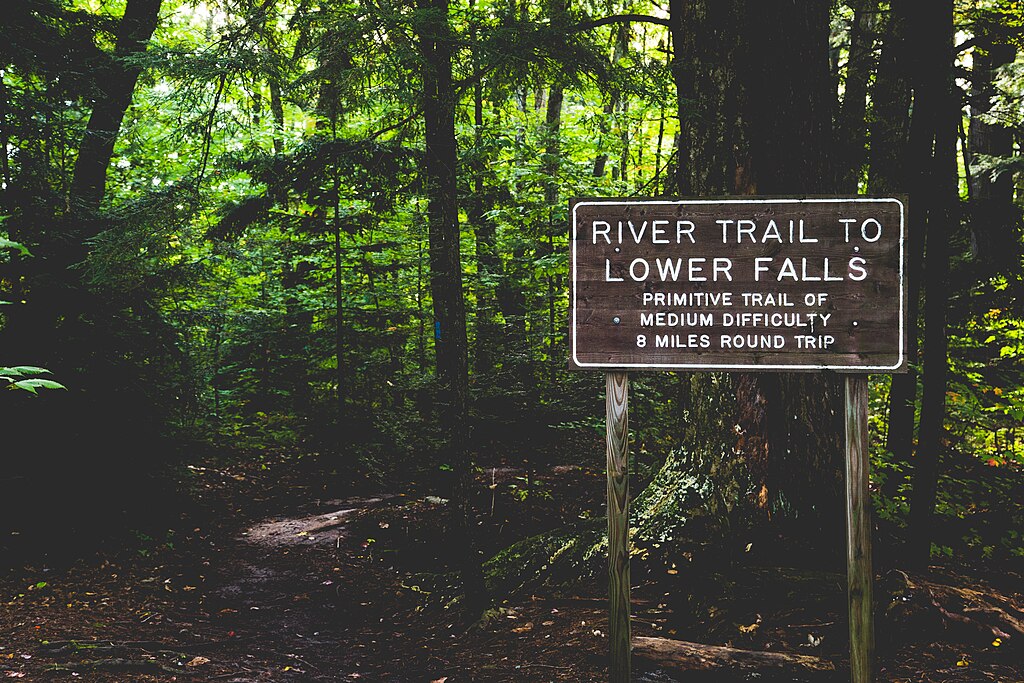
Trails offer structure, but when danger approaches or resources run low, survivalists may leave them intentionally. Off-trail routes can lead to shelter, firewood, or higher vantage points. The key is marking your path carefully to avoid getting lost. Controlled exploration often leads to opportunities that a marked trail can’t provide.
Rule: Never Sleep Without a Fire
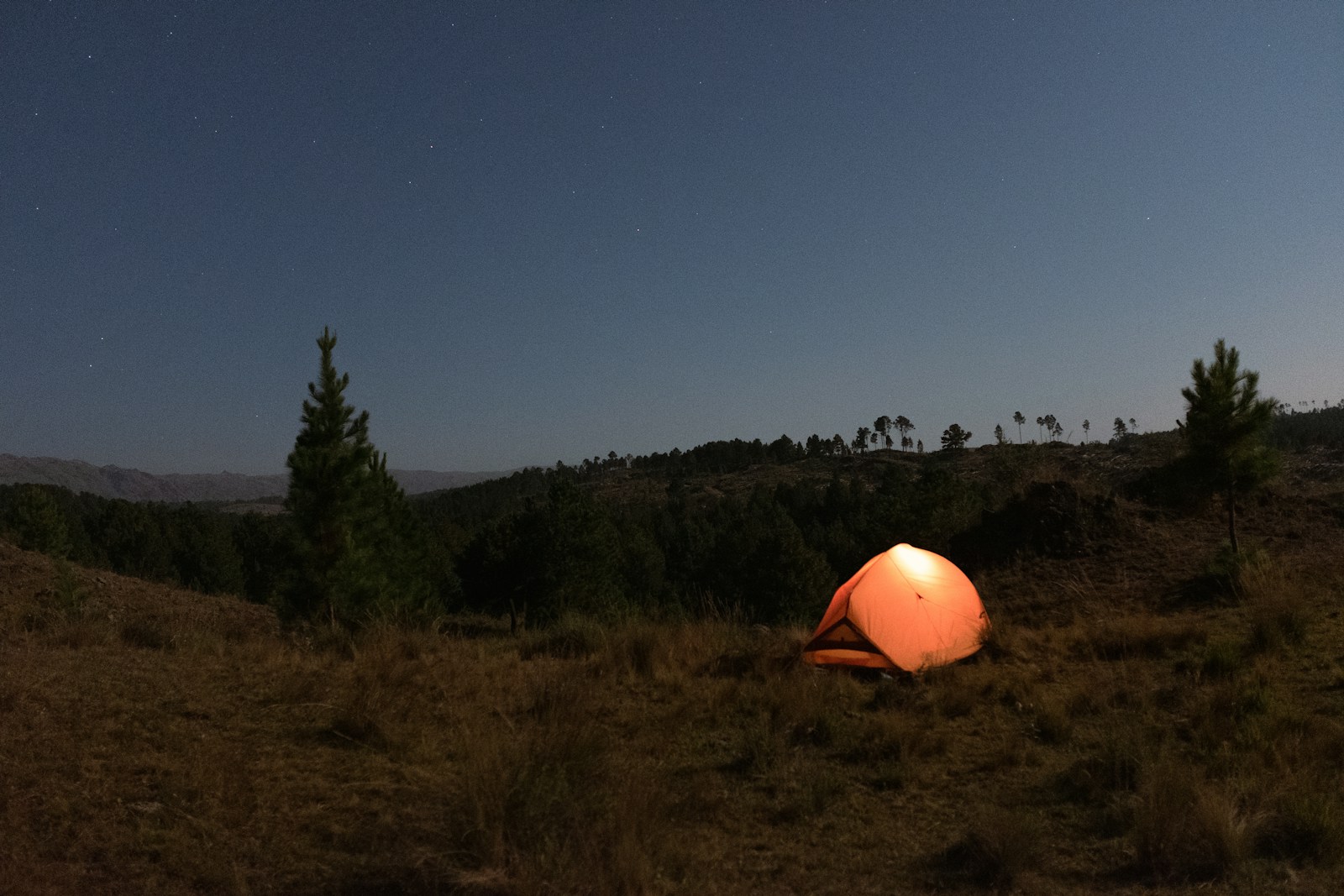
A fire brings comfort and protection, but in dry or windy conditions, lighting a fire can be risky. Skilled outdoors experts often use natural insulation, rocks, or reflective surfaces to trap body heat instead. Sleeping without a fire conserves energy and resources while avoiding accidental hazards that could endanger the campsite.
Rule: Always Keep Moving
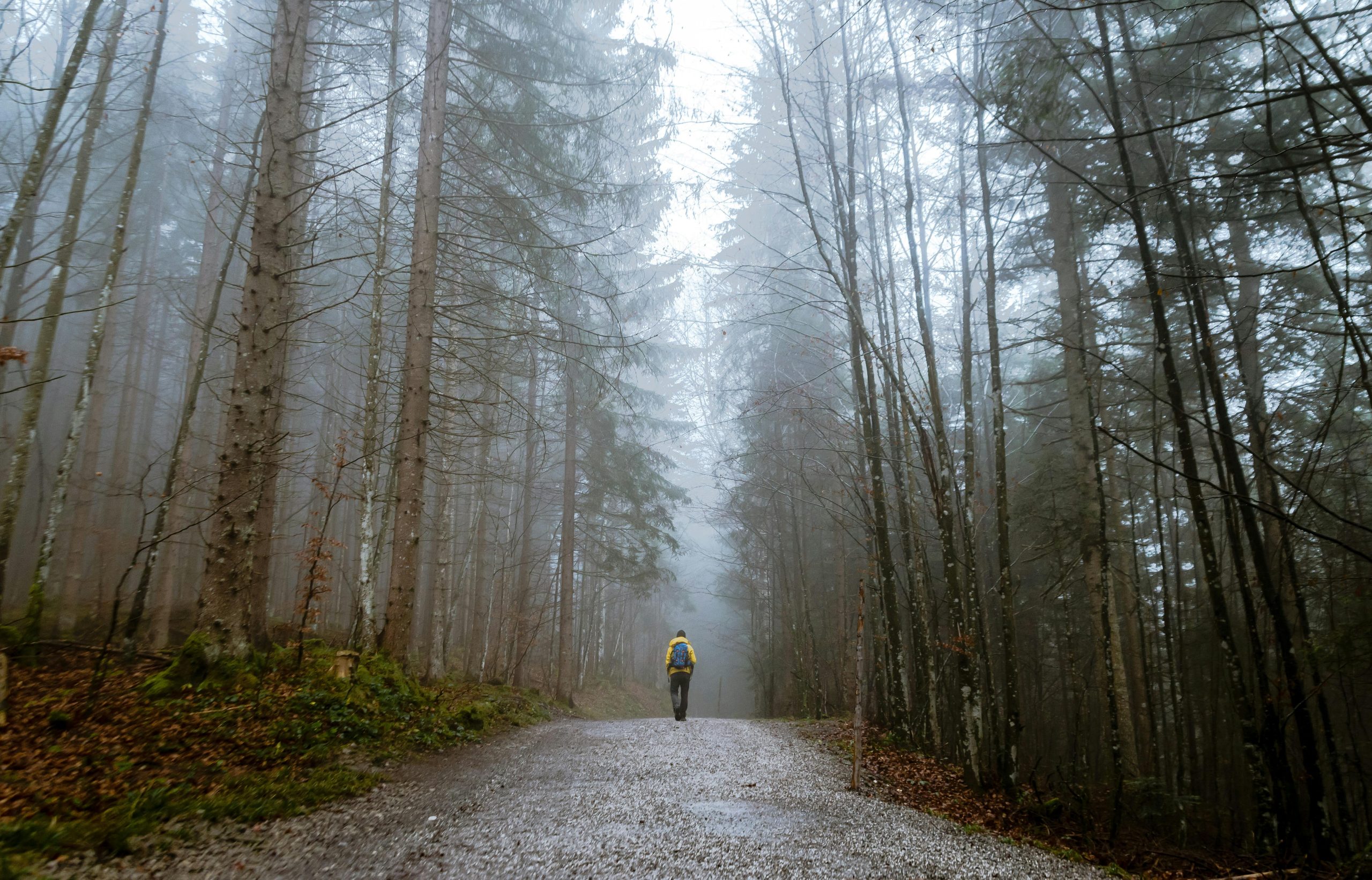
The instinct to keep moving can backfire when fatigue or injury sets in. Experienced survivalists rest deliberately to recover and stay sharp. Pausing to assess conditions or build a shelter can prevent worse mistakes later. In survival, pacing yourself often proves more effective than constant motion toward an unclear goal.