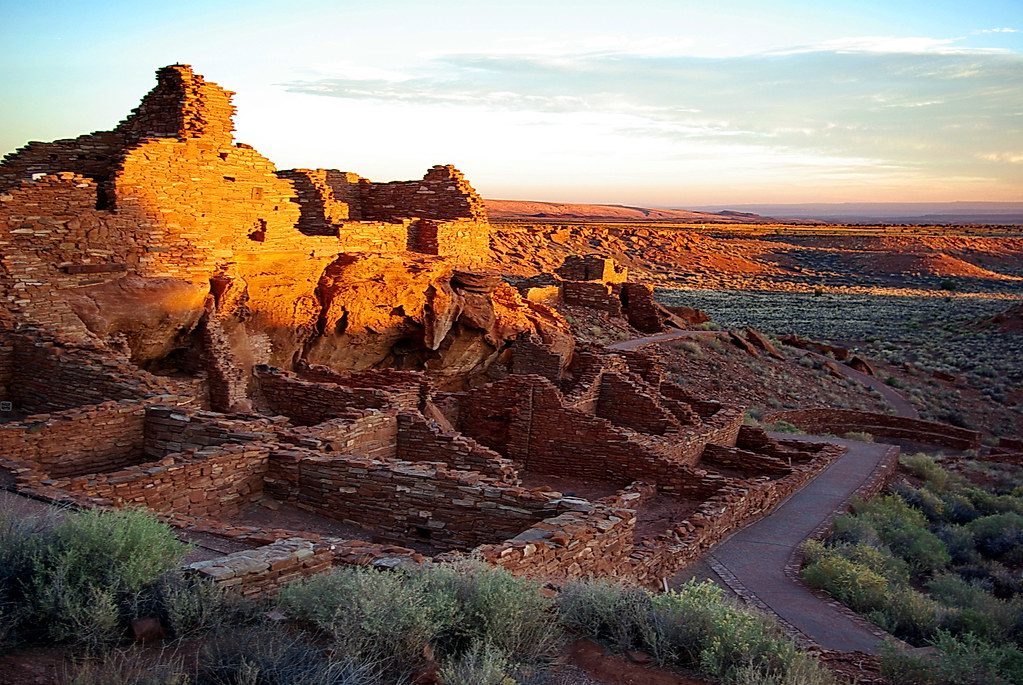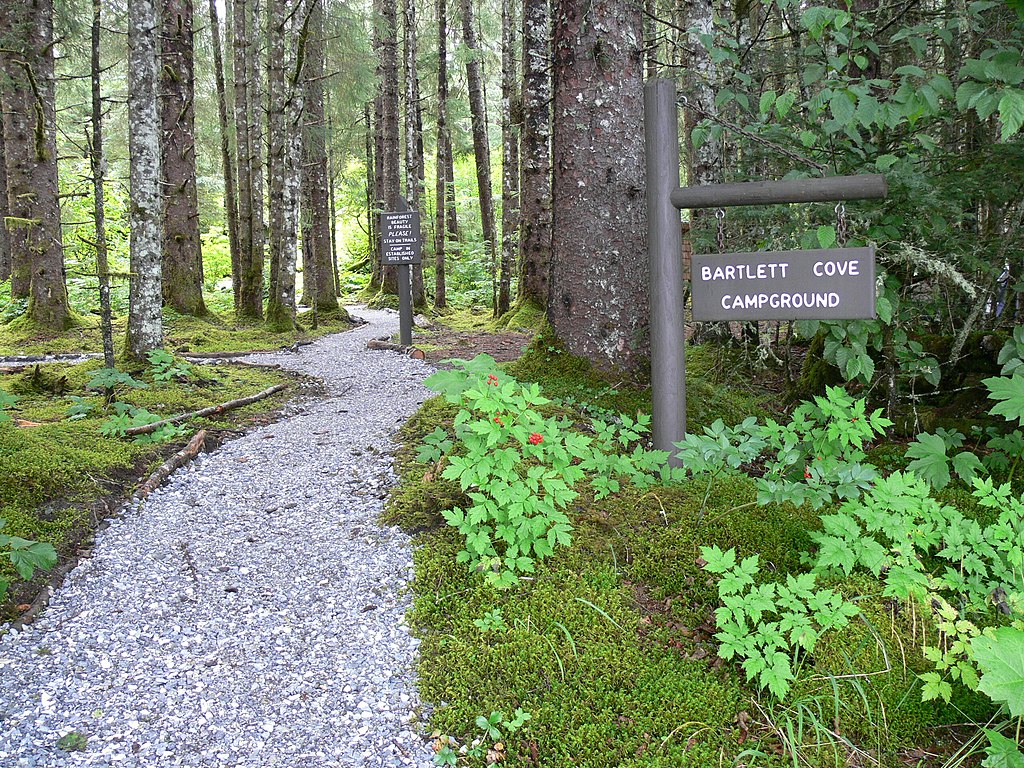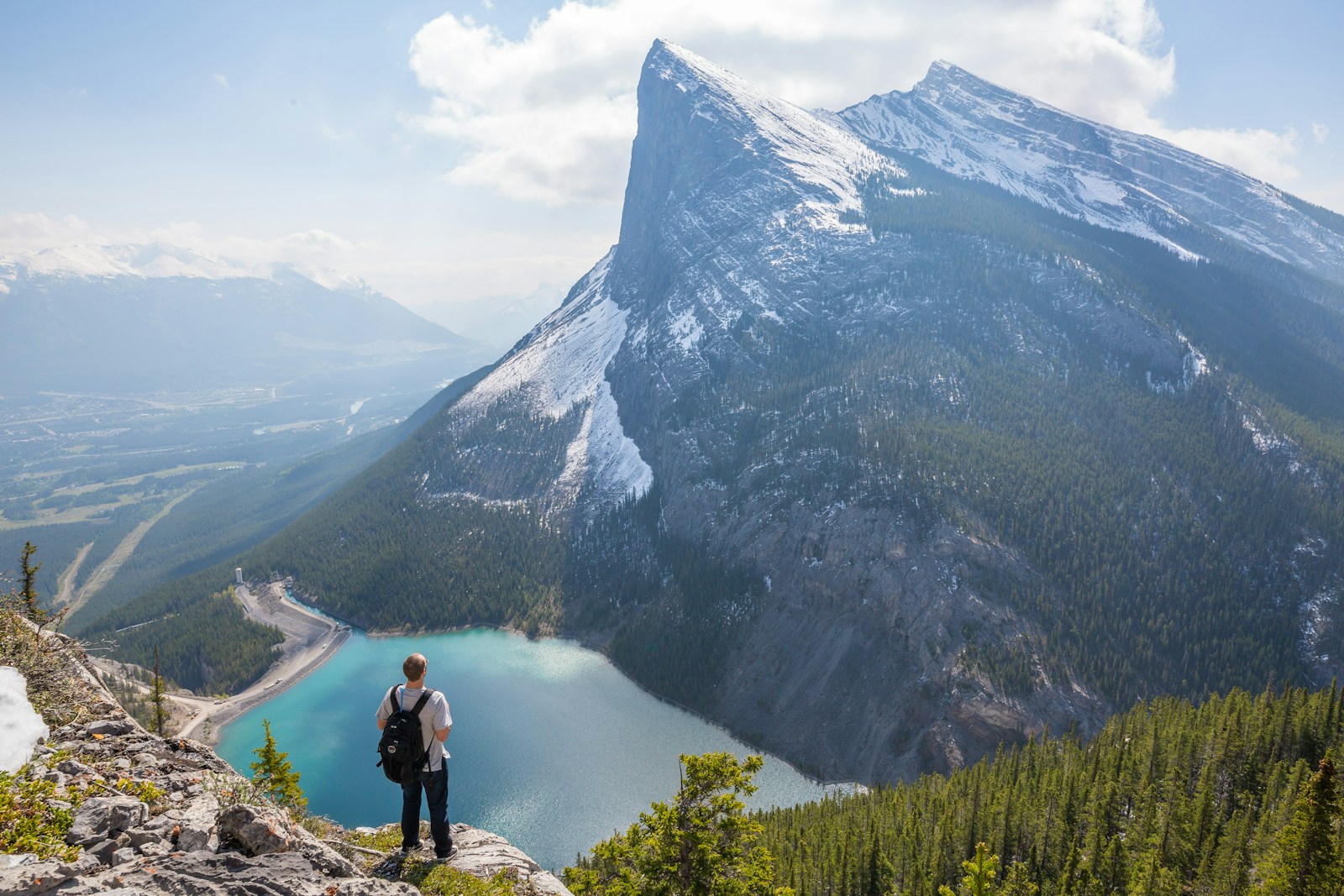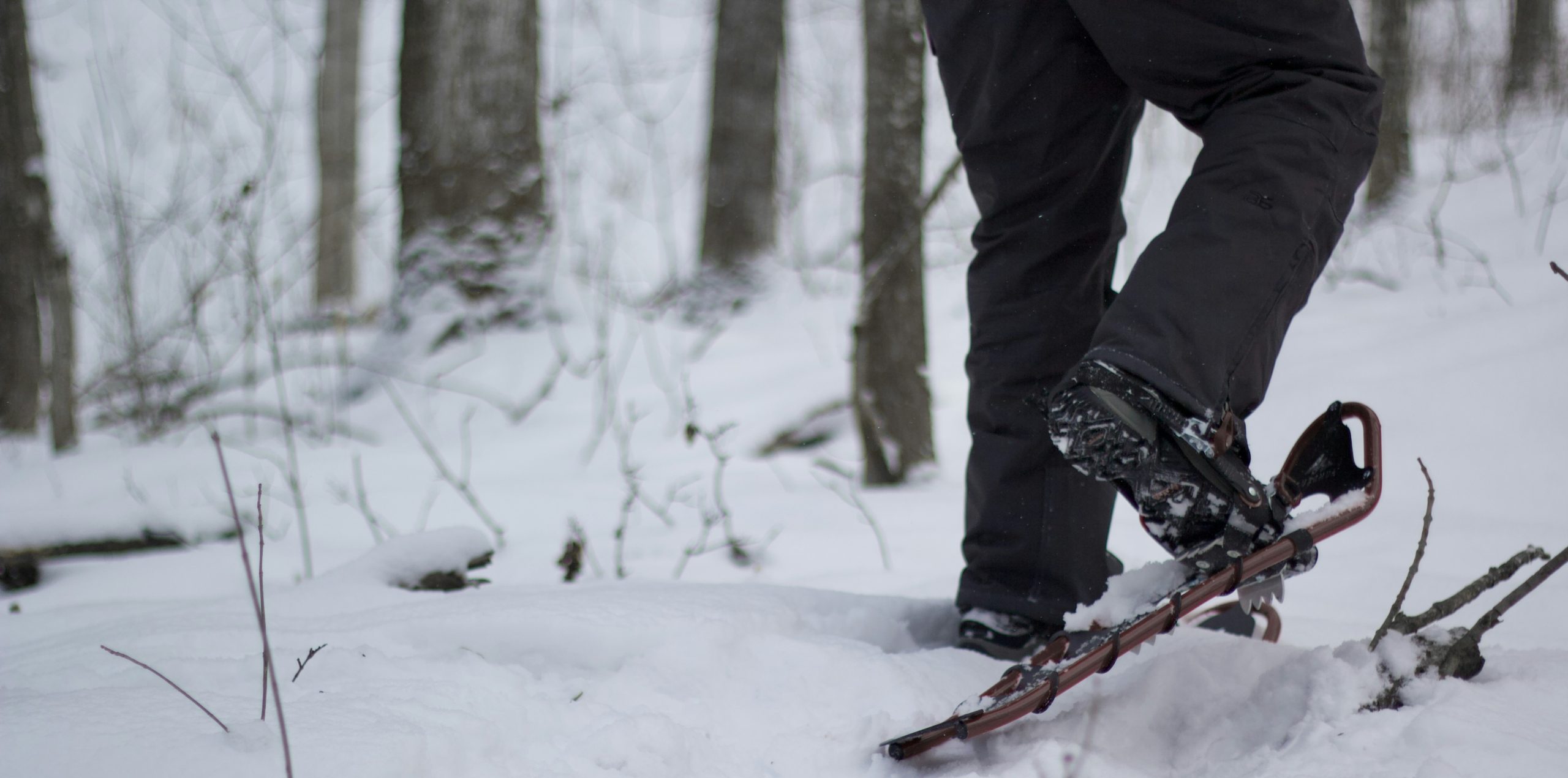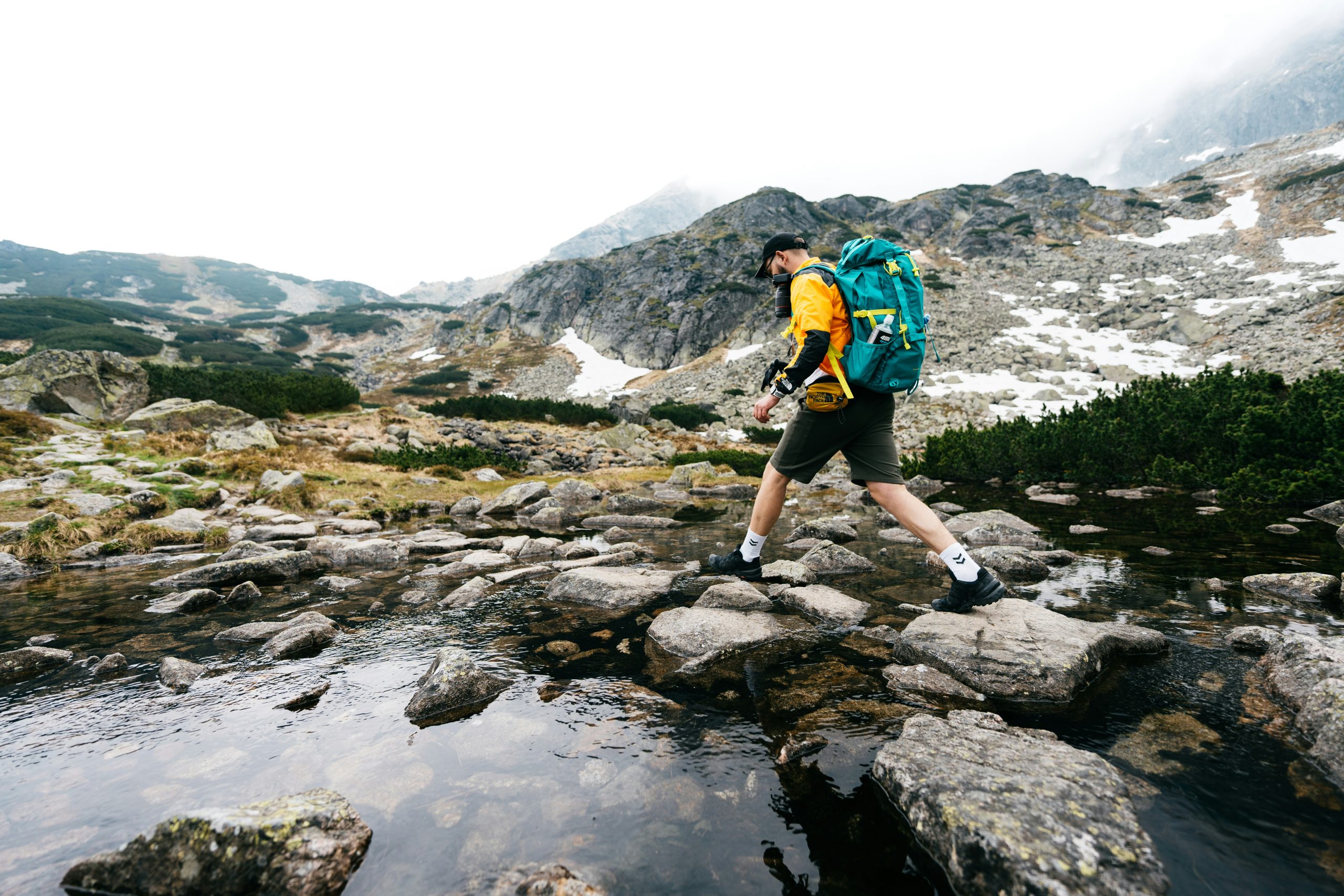
Making nature more accessible is often viewed as a sign of progress. Better roads, clearer trails, digital guides, and added amenities promise to welcome more people outdoors. While these efforts remove barriers, they also reshape people’s perceptions of risk, responsibility, and preparedness. When access feels easy, many assume the environment itself has become safer or more controlled. In reality, nature remains indifferent to convenience. Weather still shifts abruptly, terrain still punishes mistakes, and wildlife still behaves unpredictably. Accessibility doesn’t eliminate danger; it changes how people perceive it. That shift creates a range of problems affecting safety, ecosystems, and the quality of outdoor experiences for everyone involved.
1. Reduced Situational Awareness
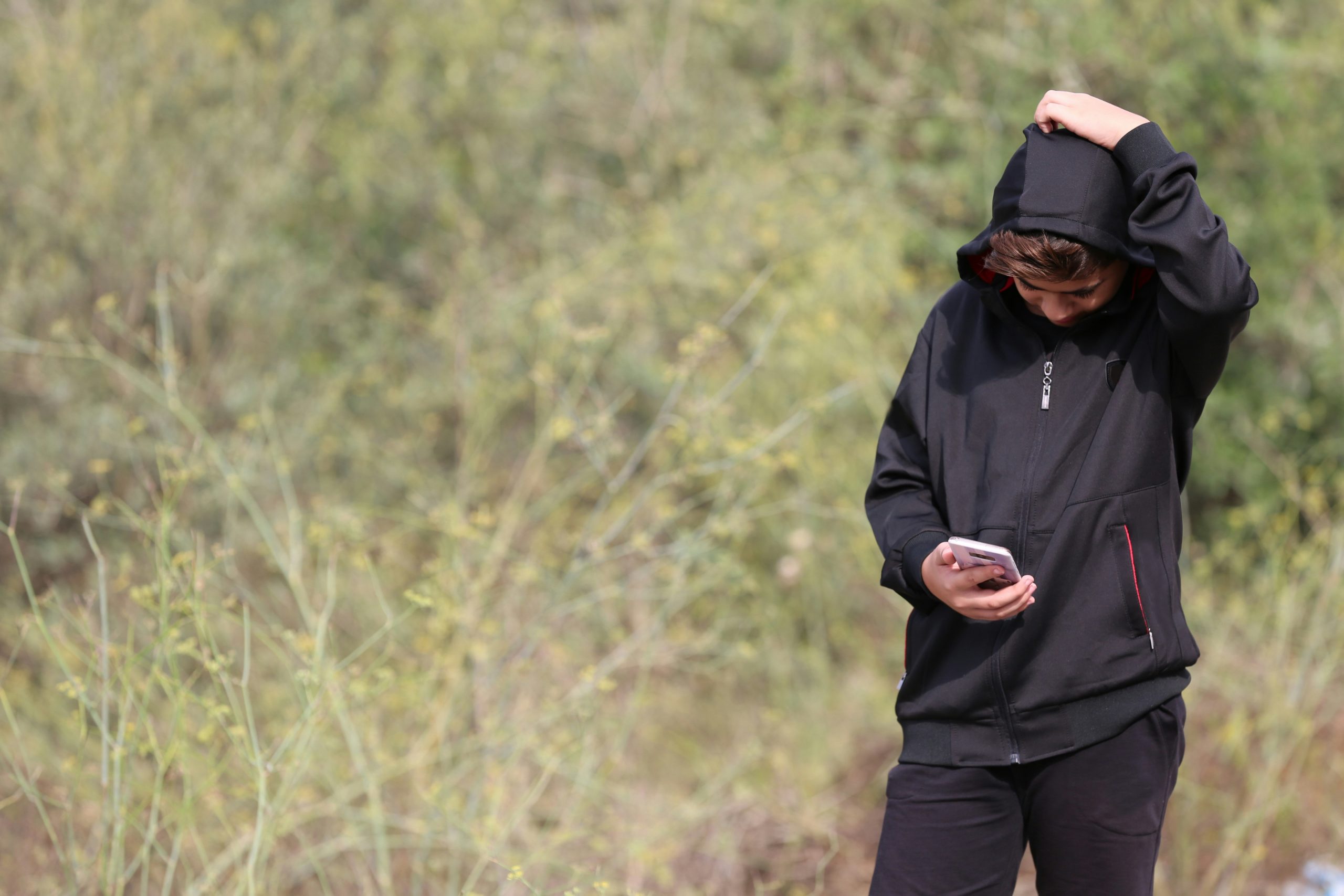
Highly accessible outdoor spaces encourage people to rely on infrastructure rather than observation. Clear signage, groomed trails, and maintained paths reduce the need to actively read terrain, weather, and environmental cues. Visitors stop checking wind direction, cloud movement, or ground conditions because they expect hazards to be managed externally. This passive mindset delays reactions when conditions change suddenly. Slippery rock, rising water, or incoming storms catch people off guard. Situational awareness fades not because people are careless, but because accessibility trains them to expect guidance instead of practicing awareness, increasing risk when systems fail.
2. Overcrowding in Fragile Areas
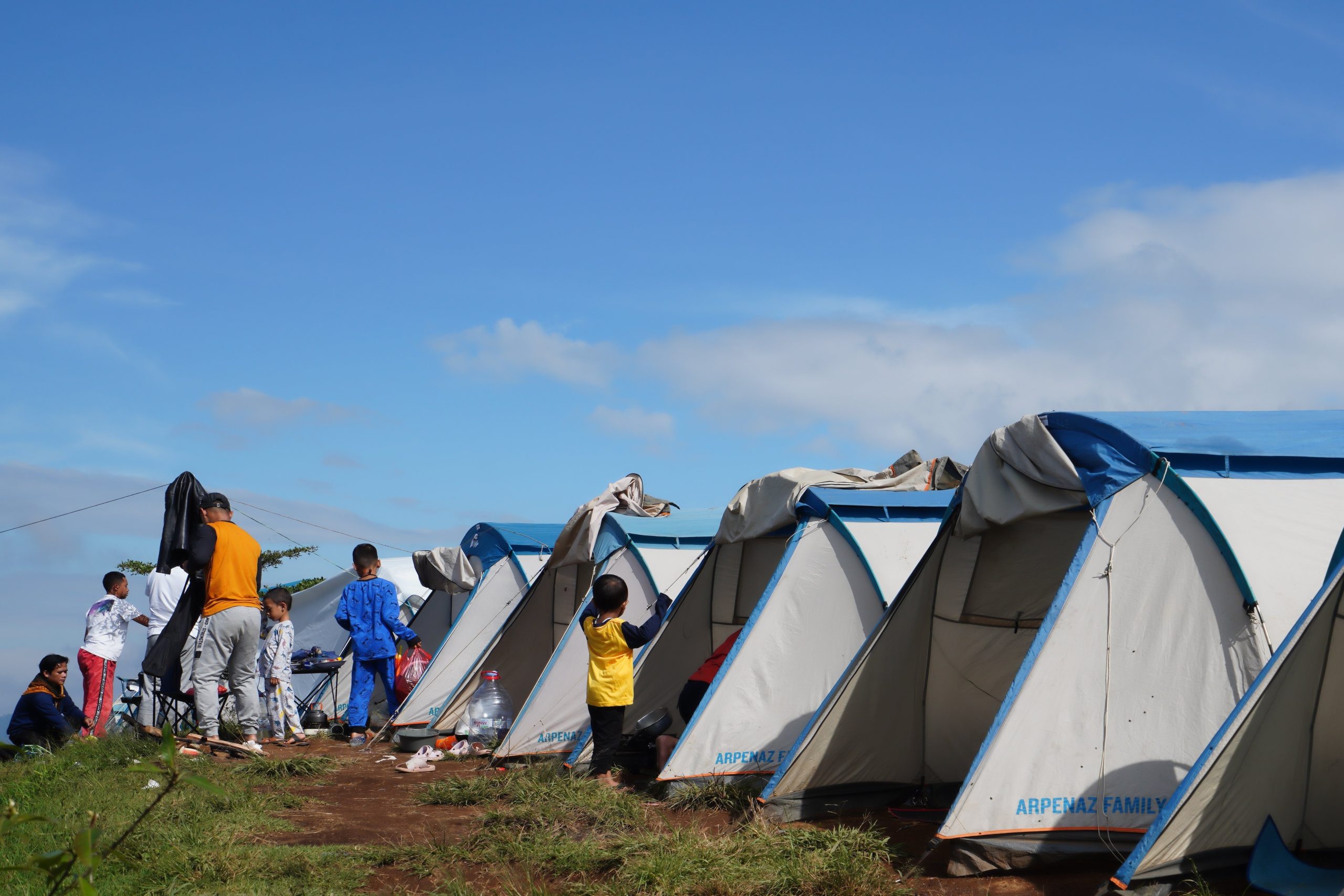
Improved access funnels visitors into the same popular locations, overwhelming environments that evolved without heavy foot traffic. Roads, social media exposure, and trail improvements concentrate use rather than distributing it. Soil becomes compacted, vegetation is trampled, and wildlife alters movement patterns to avoid constant disturbance. Overcrowding also changes visitor behavior, increasing noise, impatience, and conflict. What begins as inclusion turns into degradation, as fragile landscapes absorb more pressure than they can recover from. Accessibility removes natural limits, allowing use to exceed sustainability faster than management efforts can respond.
3. Decline in Outdoor Skill Development
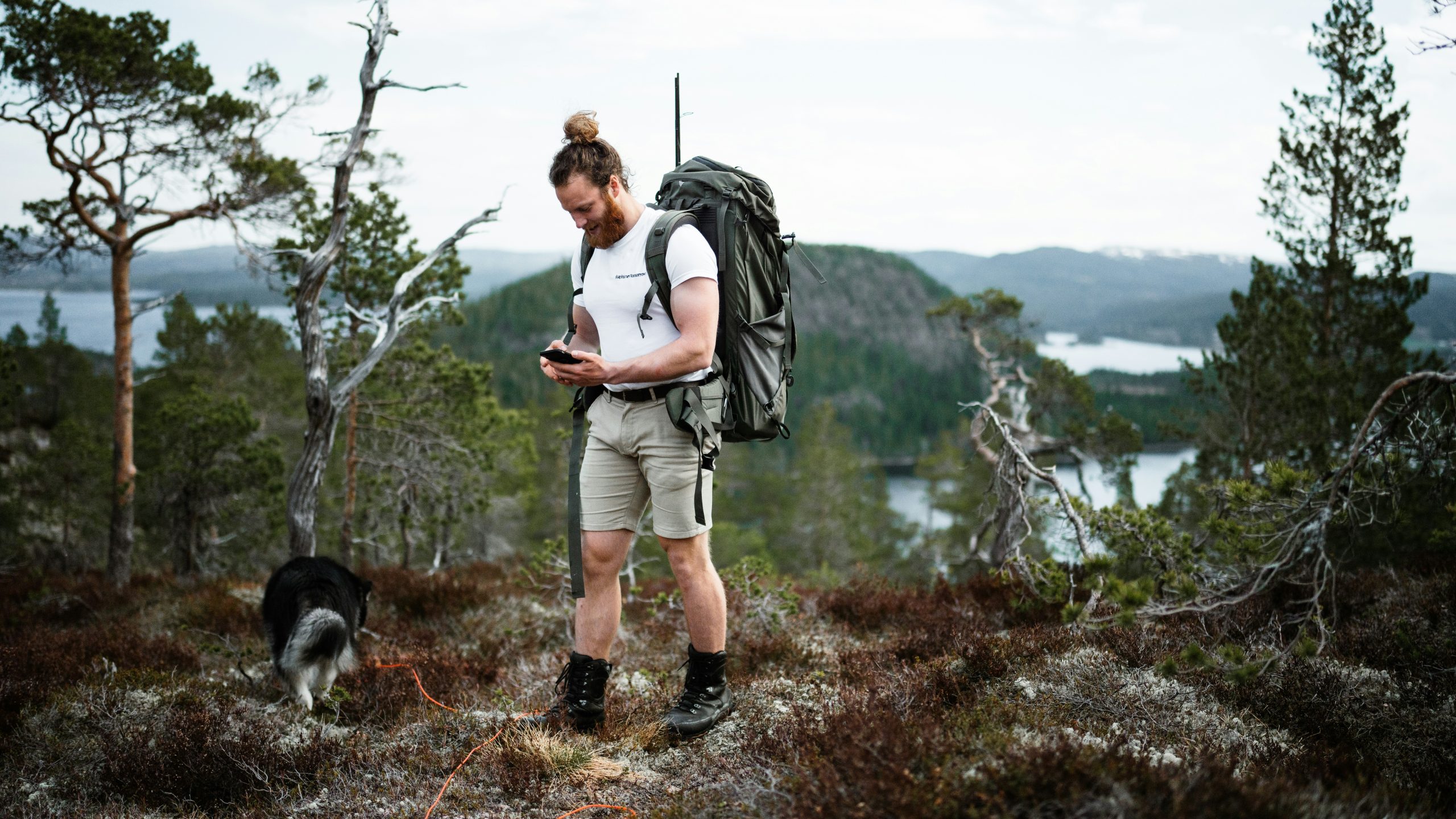
When nature becomes easier to enter, fewer skills are required to navigate it. GPS replaces navigation judgment, marked trails remove route-finding challenges, and amenities reduce self-reliance. While this lowers the barrier to entry, it also limits opportunities to develop competence. Visitors don’t learn how to interpret terrain, manage weather exposure, or solve problems independently. When unexpected situations arise, many lack the experience to adapt. Skill development thrives on challenge, and when challenge is removed, confidence becomes fragile and easily shaken by minor disruptions.
4. Increased Rescue Dependency
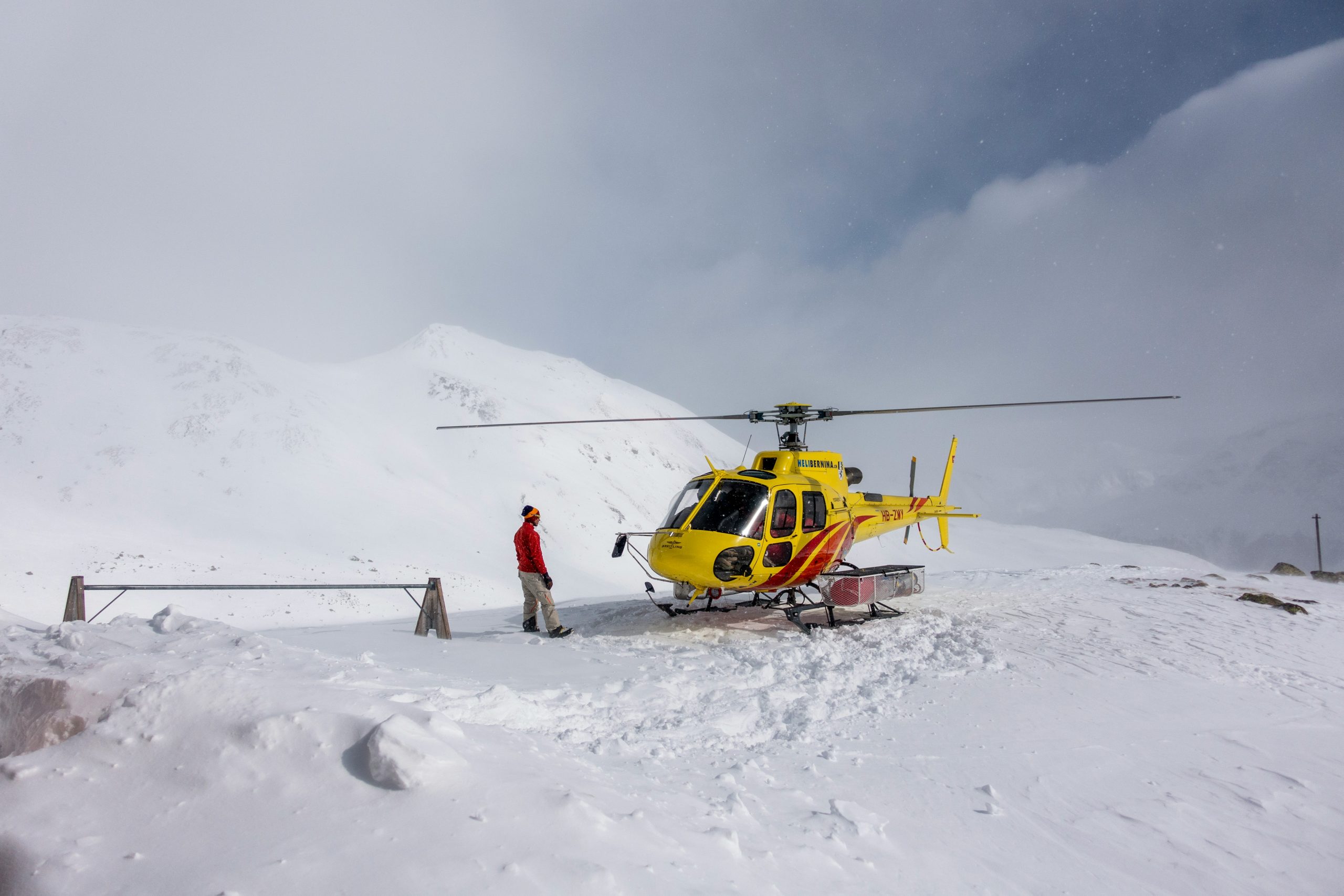
Greater accessibility fosters the assumption that help is always nearby. Visitors venture out underprepared, believing infrastructure and emergency services will compensate for mistakes. Minor injuries, navigation errors, or equipment failures quickly escalate when people lack basic problem-solving skills. Rescue services become overextended responding to preventable incidents, increasing risk for responders themselves. This dependency shifts responsibility away from individuals and toward systems that were never designed to replace personal preparedness. Accessibility can unintentionally normalize risk-taking without readiness, creating a cycle of avoidable emergencies.
5. Wildlife Habituation
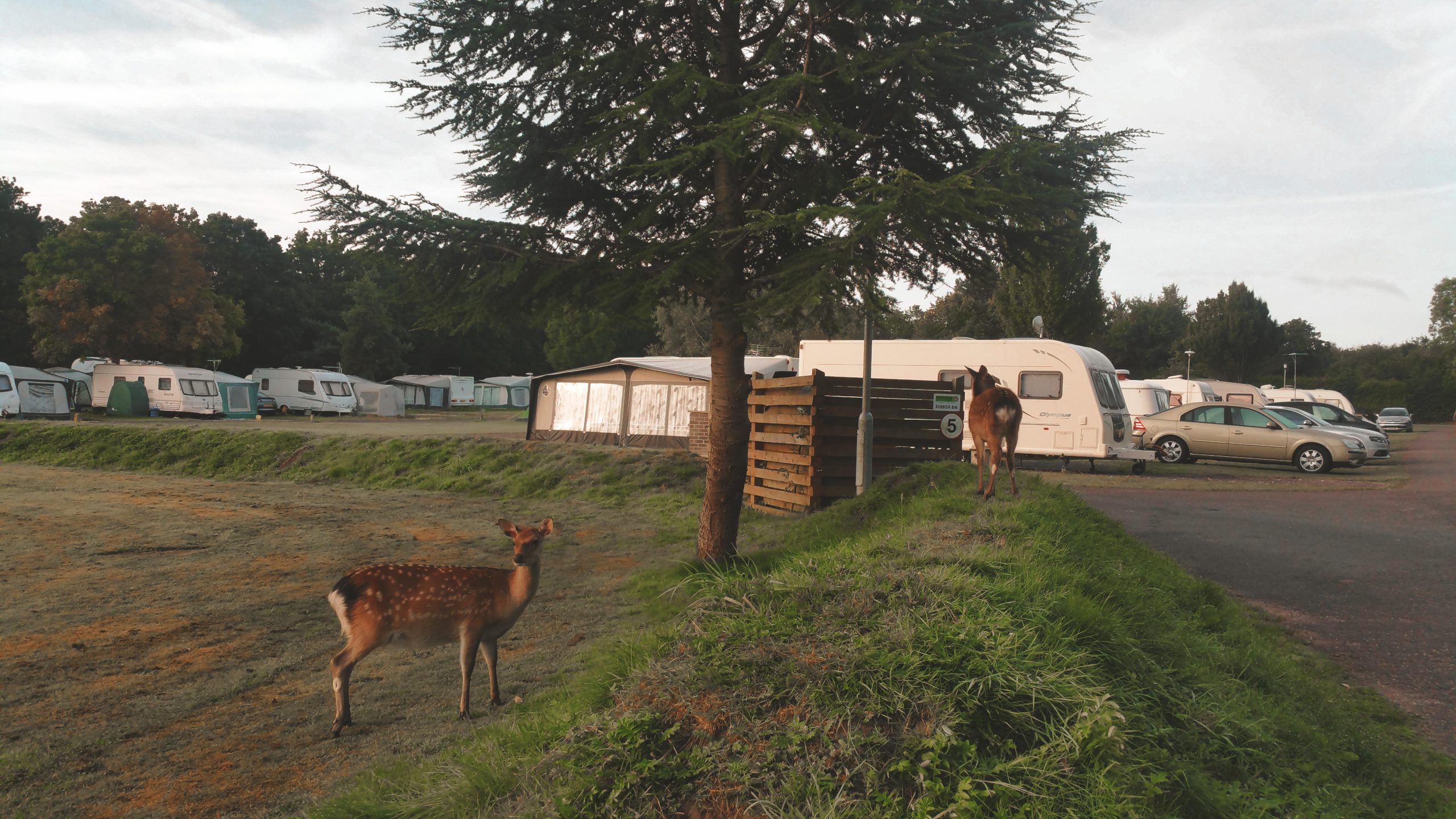
As access increases, wildlife encounters become more frequent and less controlled. Animals exposed to regular human presence lose natural caution, especially in areas with food waste or photo-driven interaction. Habituated animals approach trails and campsites, creating dangerous situations for both people and wildlife. These encounters often end poorly, with animals relocated or destroyed after becoming “problematic.” Accessibility alters wildlife behavior by compressing human activity into habitats that require space and unpredictability to remain balanced.
6. Environmental Wear Concentration
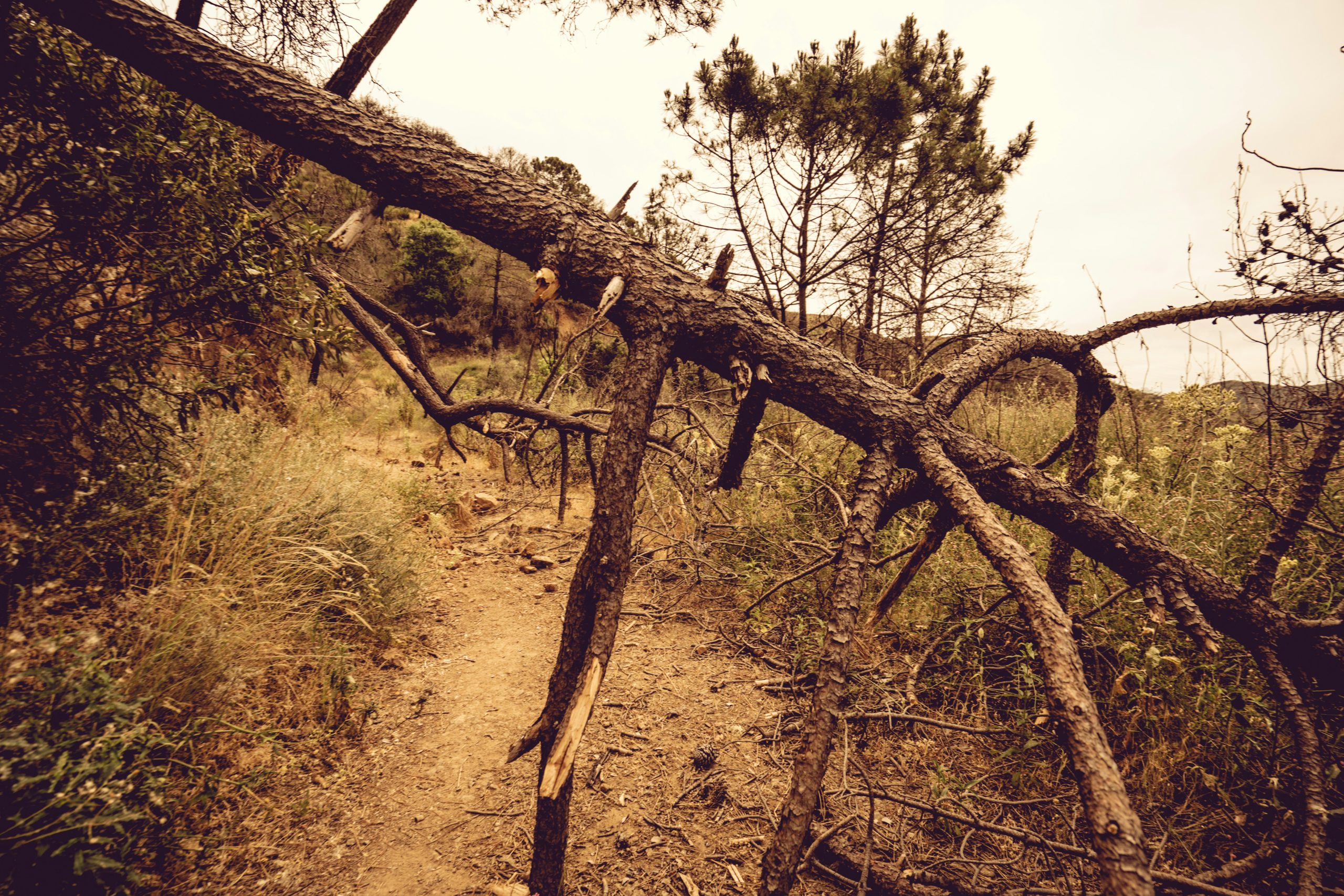
Infrastructure directs movement along specific paths, unintentionally concentrating damage. Trails widen as visitors avoid puddles or obstacles, erosion accelerates, and informal shortcuts form. Maintenance struggles to keep pace with increased use, especially during peak seasons. What seems durable quickly degrades under constant pressure. Concentrated impact shortens the lifespan of natural spaces and demands continual intervention. Accessibility doesn’t spread impact evenly; it focuses on it, often beyond what ecosystems can tolerate.
7. False Sense of Safety
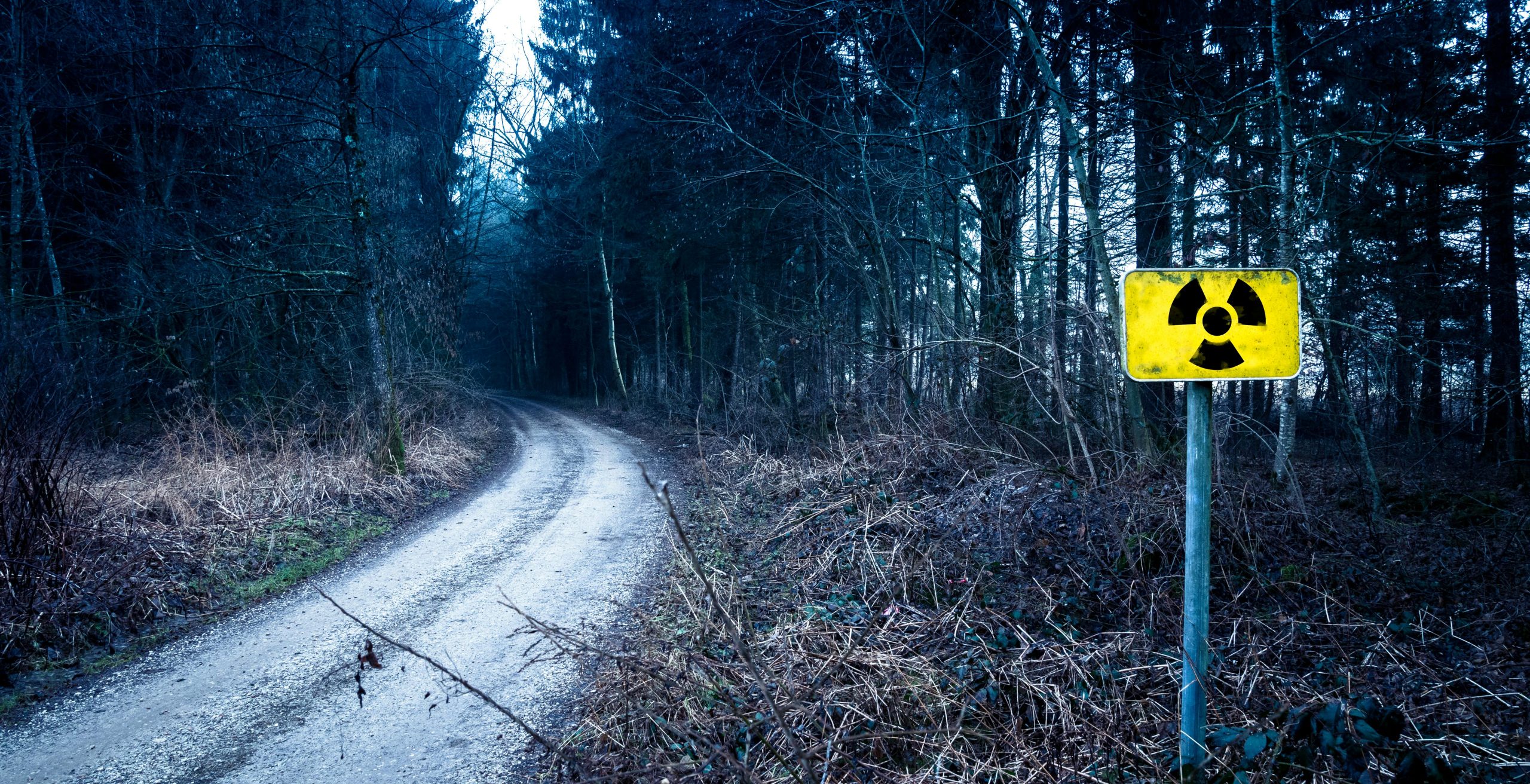
Railings, paved paths, and warning signs create the impression that risk has been engineered out of nature. Visitors assume danger has been minimized and behave accordingly, wearing improper footwear or ignoring weather conditions. This false confidence leads to risky behavior near cliffs, water, or exposed terrain. When accidents occur, they often surprise those involved. Accessibility masks hazards behind convenience, encouraging trust in infrastructure instead of respect for natural unpredictability.
8. Cultural Shift Toward Consumption
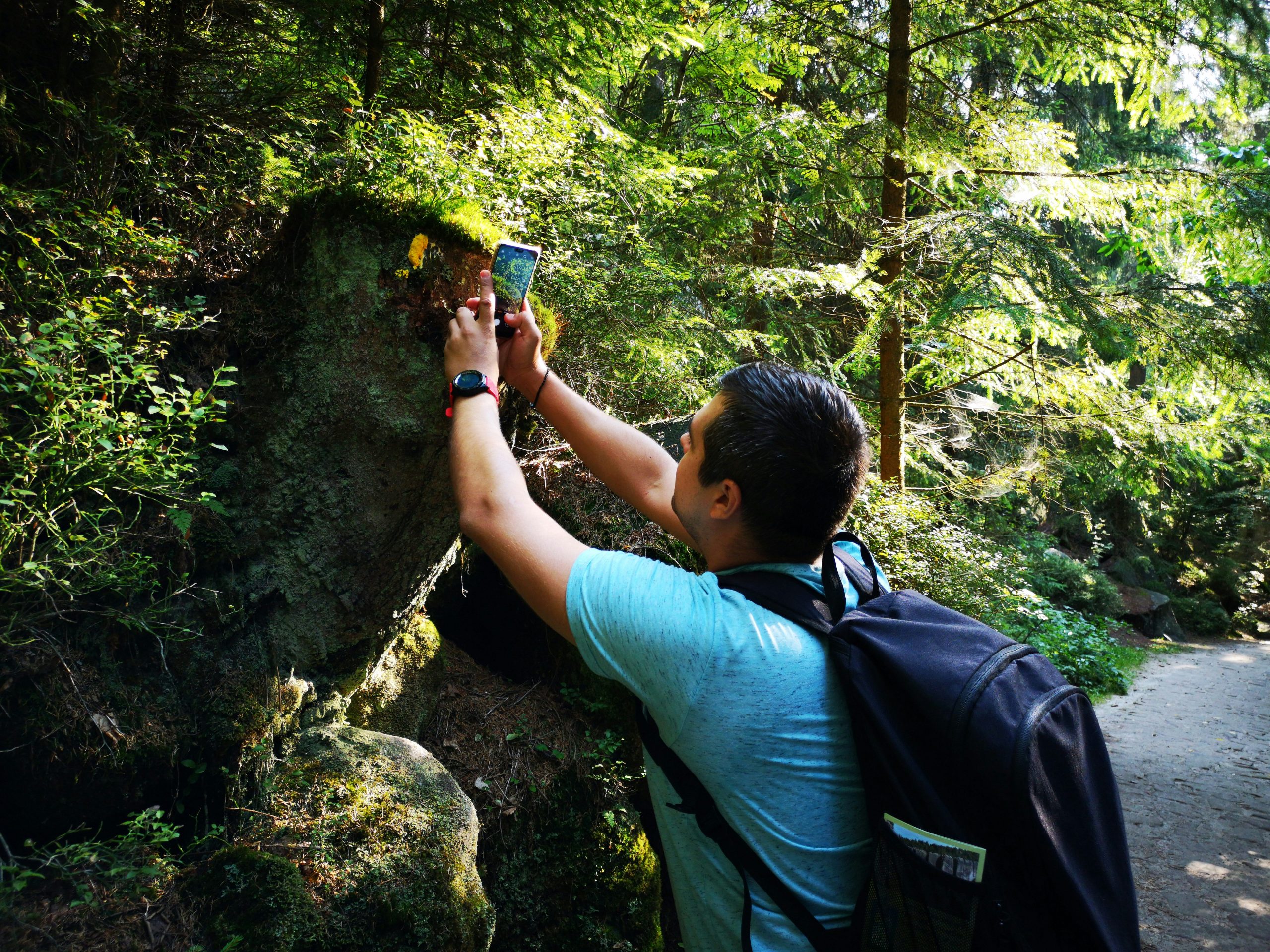
Accessible nature is often treated as a product to be consumed quickly. Visitors chase viewpoints, photos, and checklists rather than engagement or stewardship. Short visits replace deeper connections, and accountability fades as people move on rapidly. This mindset reduces respect for the environment and discourages long-term care. When nature becomes something to “use,” it loses its role as a shared responsibility. Accessibility can unintentionally promotethe extraction of experience rather than investment in preservation.
9. Increased Waste and Pollution
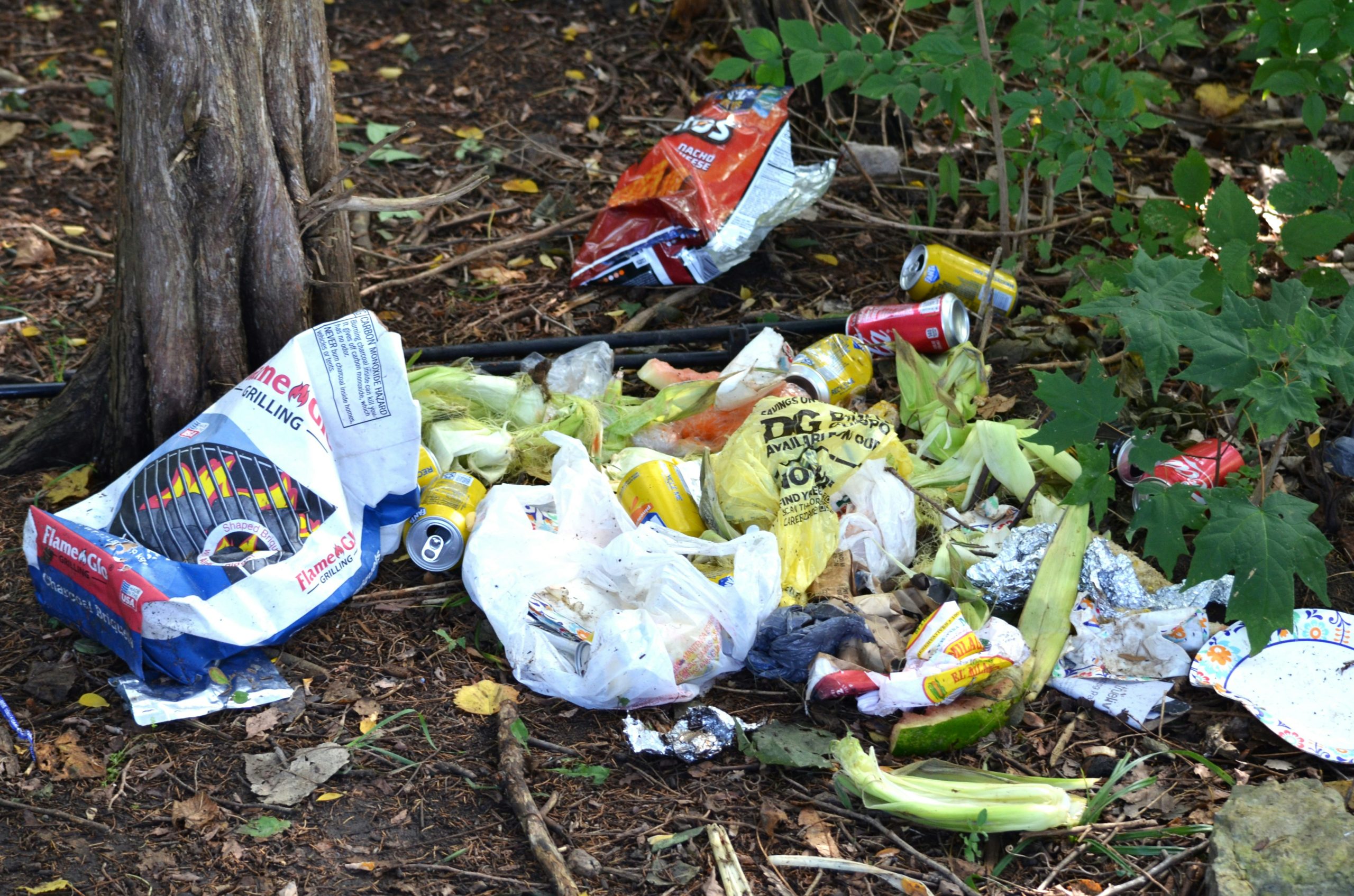
More access brings more visitors, and waste increases faster than infrastructure can manage. Trash, human waste, and pollution accumulate despite facilities. Overflowing bins and improper disposal contaminate soil and water sources, affecting wildlife and downstream ecosystems. Cleanup efforts lag behind use, creating persistent damage. Accessibility accelerates impact, often without proportional resources for maintenance, leaving natural areas degraded under constant pressure.
10. Loss of Challenge and Respect
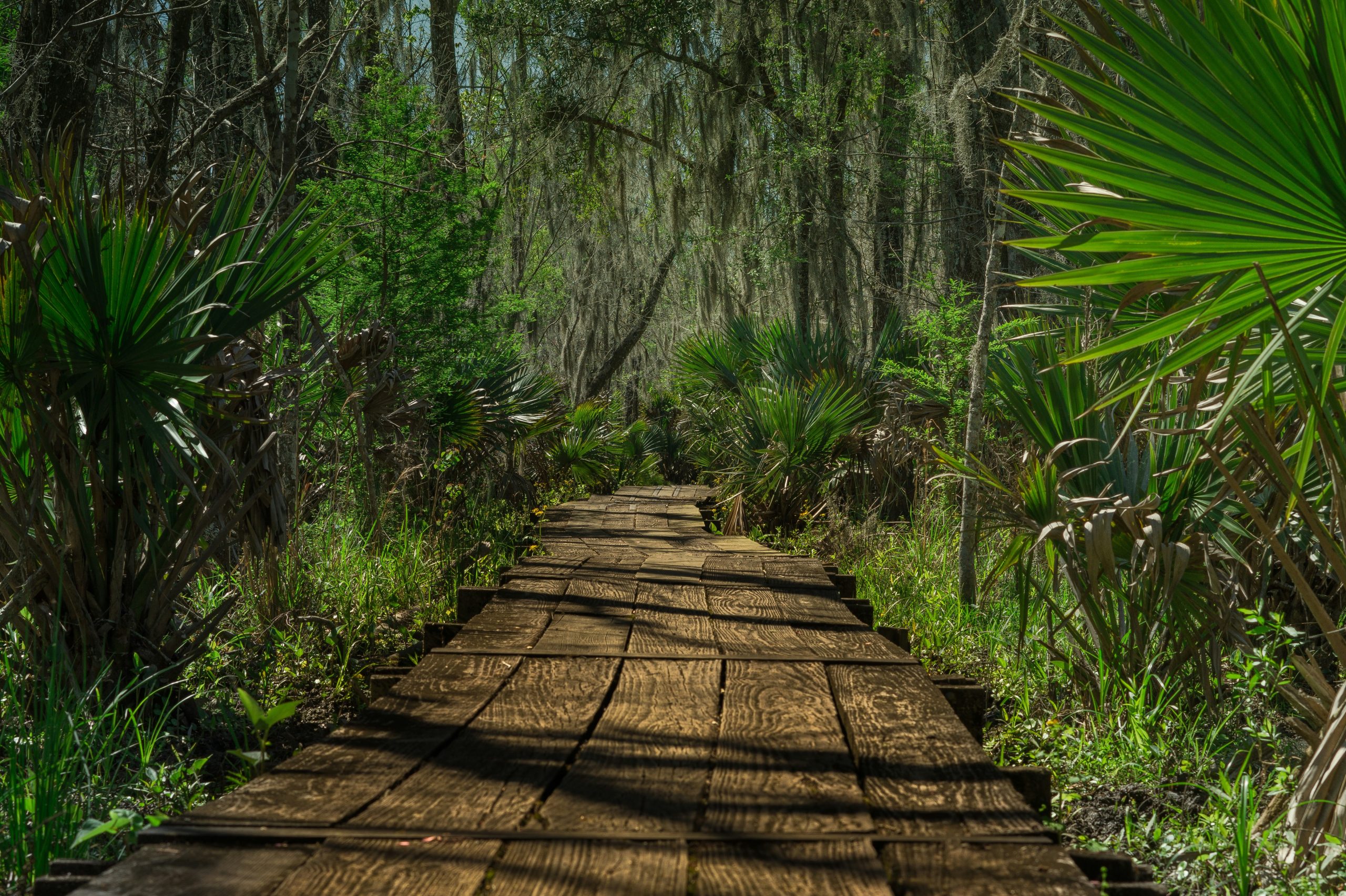
Difficulty once filtered entry and demanded preparation. As barriers disappear, challenge fades, and with it, respect. When nature feels easy, it’s taken lightly. Visitors underestimate consequences and overestimate safety. Challenge fosters humility and attention, while convenience encourages complacency. Accessibility reshapes not just who enters outdoor spaces, but how seriously they take them. Without challenge, appreciation weakens, and careless behavior becomes more common.