Staying outdoors for extended periods can quietly turn good intentions into risky mistakes. Fatigue builds, awareness drops, and decision making changes as hours stretch into days. What begins as confidence can shift into overcommitment, especially when conditions evolve. Weather changes, physical limits, and environmental exposure all compound over time. Many outdoor incidents stem not from inexperience, but from staying longer than planned. These errors often appear small until they escalate. Understanding how prolonged exposure alters judgment and behavior helps explain why time itself becomes a critical factor. These ten outdoor errors show how staying too long can undermine safety, preparation, and adaptability across diverse environments.
Ignoring Weather Shifts
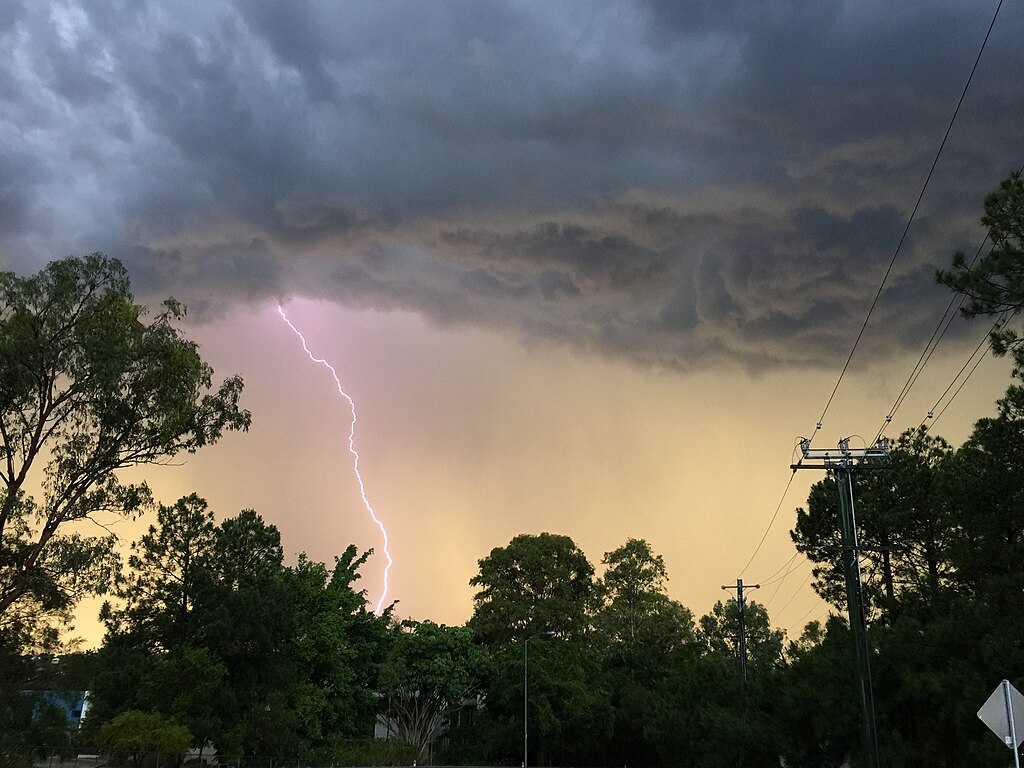
Staying outdoors too long often leads to ignoring subtle weather changes. Clear skies can give false reassurance, delaying response to approaching storms or temperature drops. Fatigue reduces attention to cloud movement, wind shifts, and pressure changes. Over time, optimism replaces caution. People convince themselves conditions will hold. This delay increases exposure to rain, heat, cold, or lightning. Weather awareness requires consistent monitoring, which declines with exhaustion. Staying longer than planned turns manageable environments hazardous. The error lies not in lack of knowledge, but in overstaying until judgment dulls and timely decisions feel unnecessary, allowing weather to dictate outcomes rather than preparation or retreat.
Underestimating Physical Fatigue
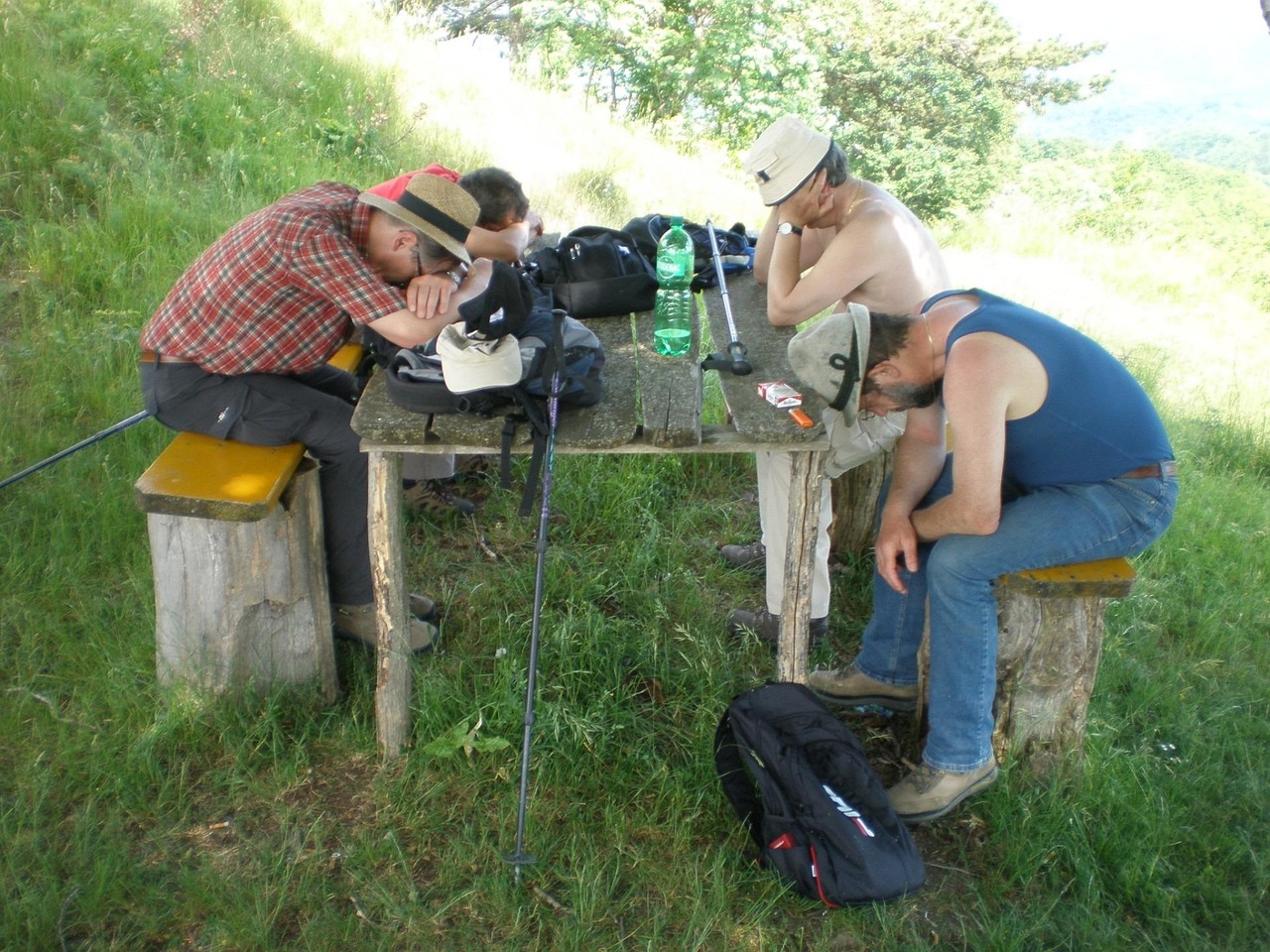
Extended time outdoors leads to underestimated physical fatigue. Muscles weaken gradually, balance suffers, and reaction times slow. People often push past early warning signs, assuming endurance remains intact. Fatigue affects coordination and increases injury risk on uneven terrain. Decision making also declines as energy drops. Rest feels optional rather than essential. This error compounds when activities continue without breaks or nutrition. Staying too long shifts the body from capable to compromised. The mistake lies in ignoring physical limits that feel distant at first. Over time, fatigue transforms routine movement into hazardous effort, increasing vulnerability to accidents and poor choices driven by exhaustion rather than clear assessment.
Delayed Return Decisions
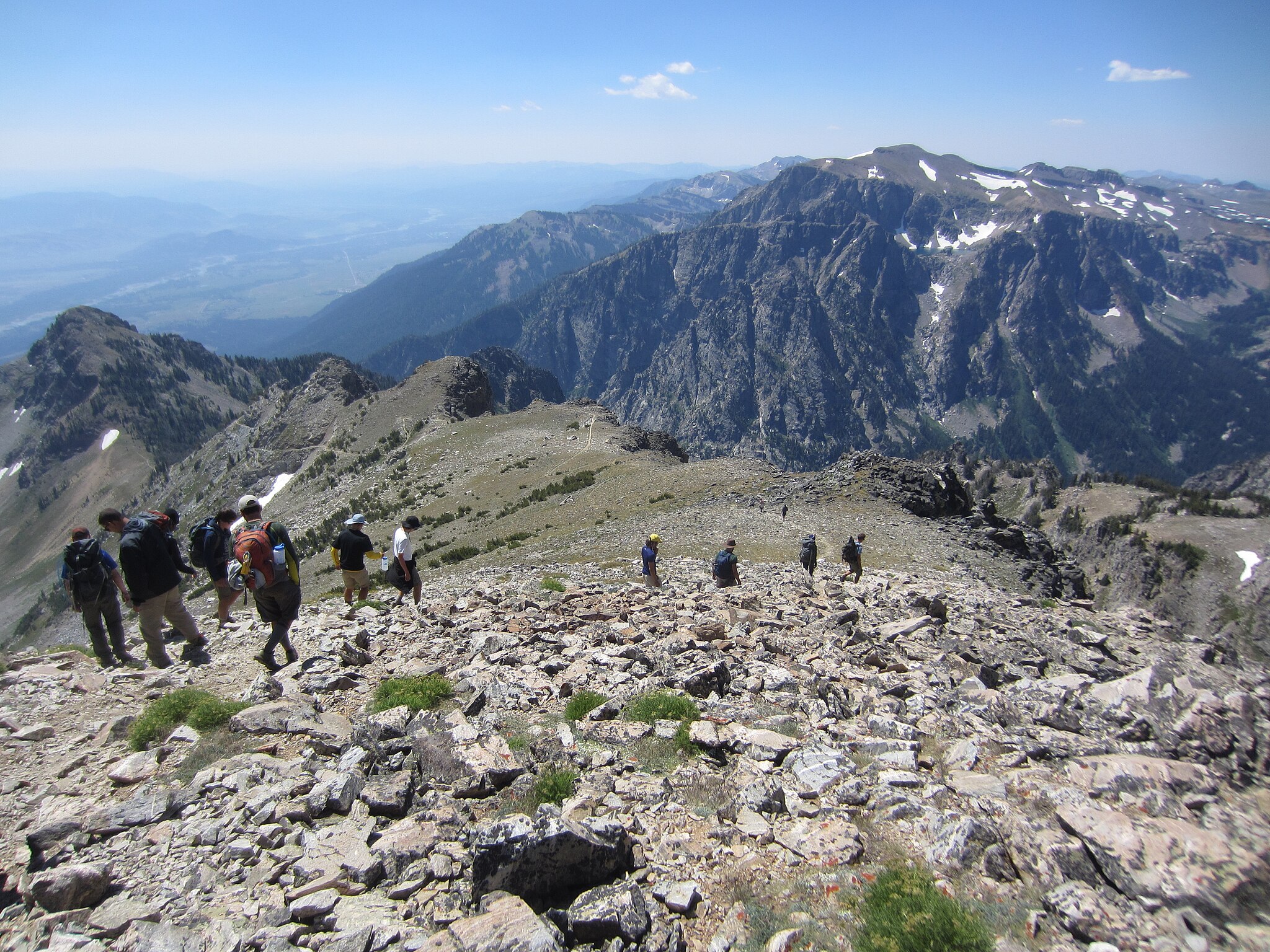
Staying too long often causes delayed return decisions. People hesitate to turn back after investing time and effort. This sunk cost mindset overrides changing conditions. Distance, daylight, and energy levels receive less weight. The desire to finish outweighs safety considerations. Over time, options narrow as exits grow harder. What once allowed flexibility becomes a forced continuation. This error escalates risk when terrain, weather, or health changes. Delaying return reduces margins for error. Staying longer than planned shifts control from proactive choice to reactive necessity, where retreat becomes difficult and consequences intensify, driven by reluctance to abandon original plans despite mounting warning signs.
Poor Hydration Management
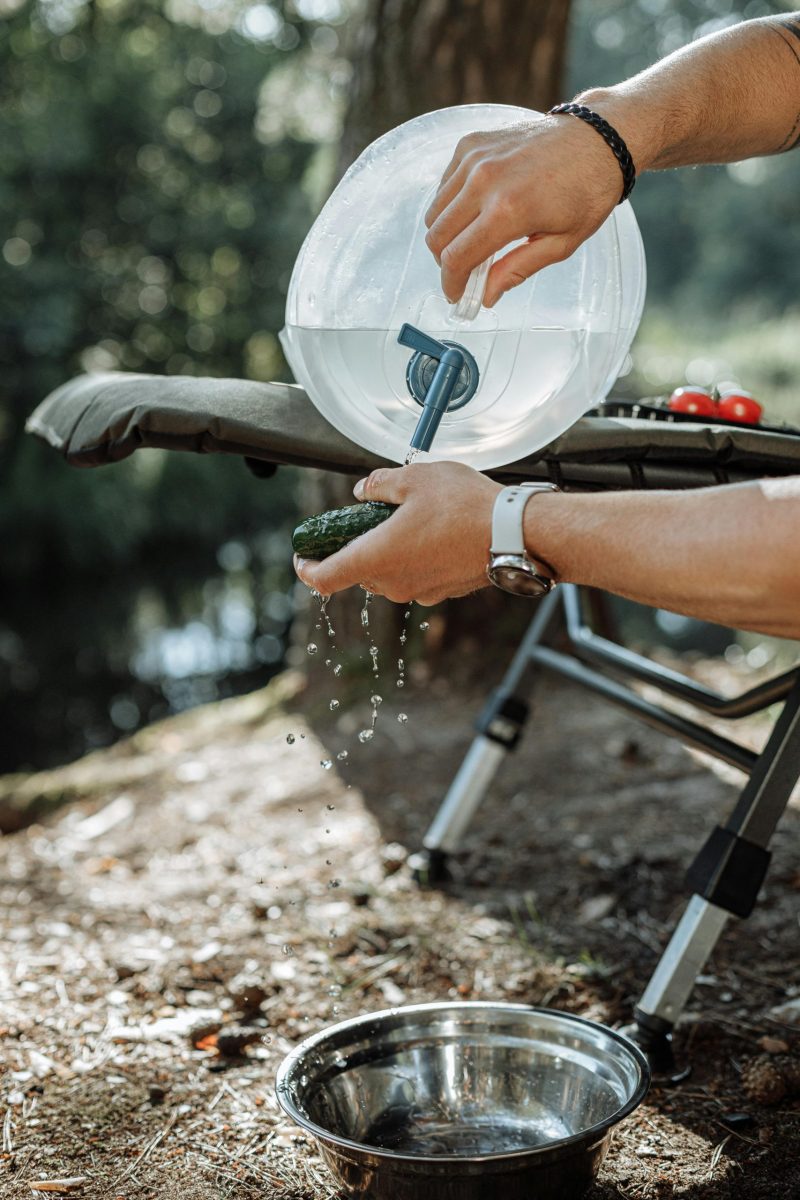
Extended outdoor stays often disrupt proper hydration. People underestimate water needs as time passes. Early supplies feel sufficient, encouraging rationing mistakes. Thirst cues become unreliable under exertion or cold. Dehydration builds quietly, affecting concentration and physical performance. Decision making deteriorates as fluids drop. Longer exposure increases reliance on uncertain sources. The error comes from assuming initial planning covers extended duration. Staying too long stretches resources beyond intent. Hydration mismanagement turns manageable outings dangerous, especially in heat or altitude. Over time, dehydration amplifies fatigue, confusion, and injury risk, making simple tasks harder and compounding other errors caused by prolonged outdoor exposure.
Inadequate Nutrition Timing
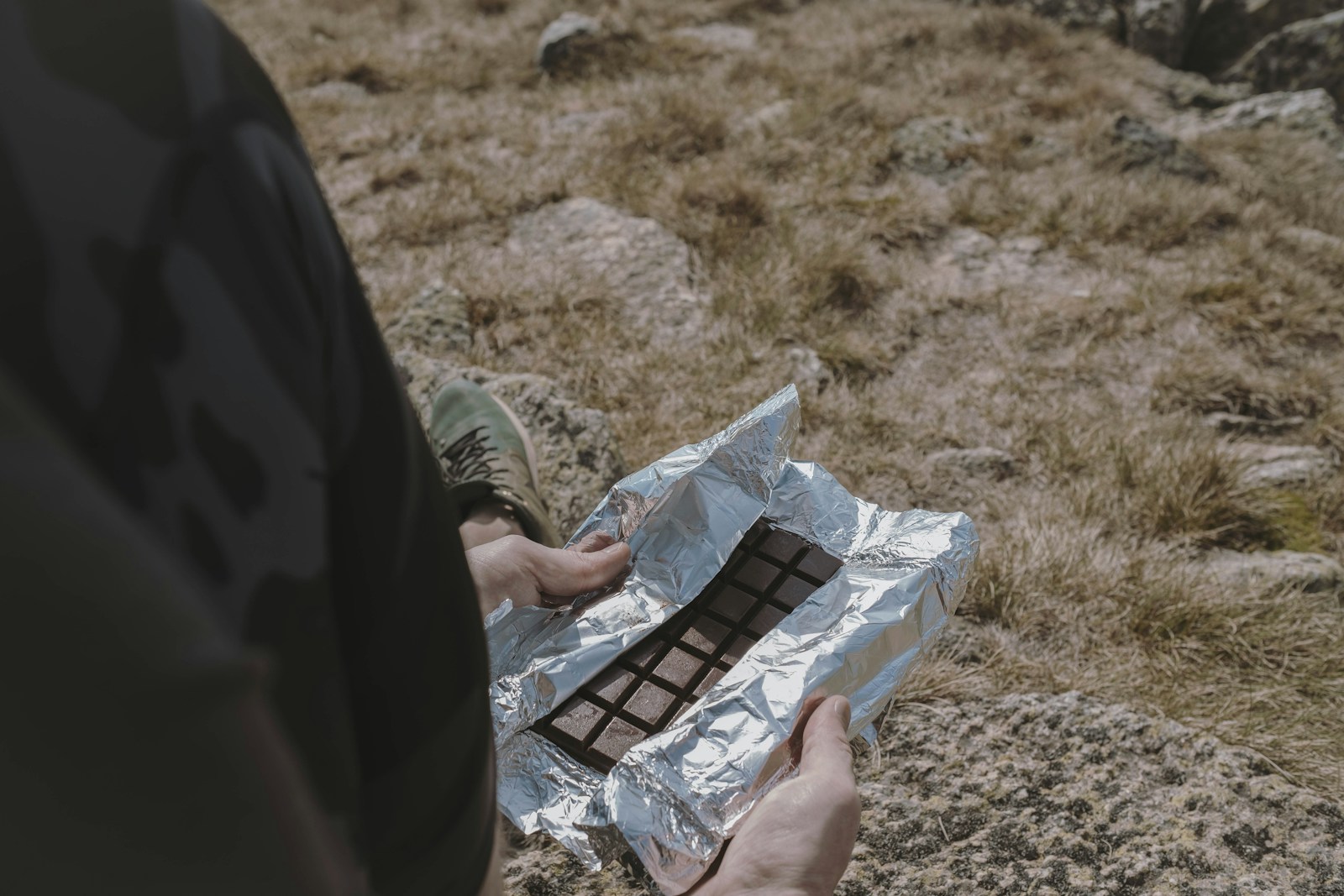
Staying outdoors too long often leads to poor nutrition timing. People delay eating to save supplies or avoid stopping. Blood sugar drops gradually, affecting mood, strength, and focus. Hunger dulls judgment and increases irritability. Energy crashes arrive suddenly after long gaps. The body struggles to sustain output without regular fuel. Extended duration exposes flaws in pacing meals. The mistake lies in treating food as backup rather than continuous support. Staying longer than planned stretches reserves thin. Inadequate nutrition increases fatigue and slows reaction, turning routine challenges into obstacles and reducing the ability to respond effectively to changing conditions or unexpected demands.
Loss Of Daylight Awareness
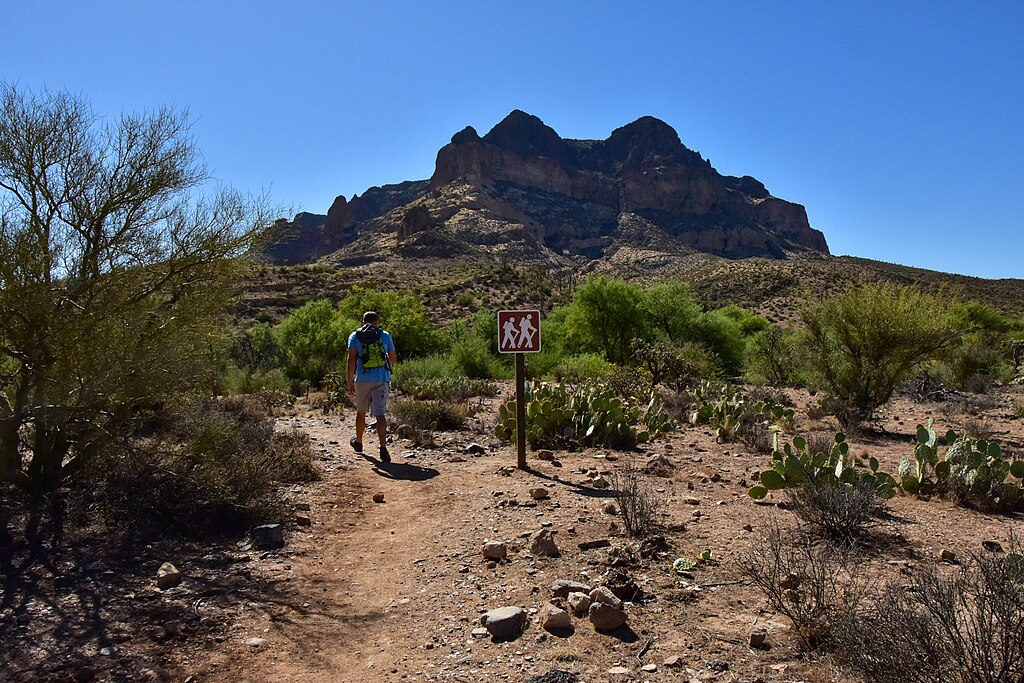
Extended outdoor time often leads to misjudging daylight. Early confidence in timing fades as activities take longer. Shadows lengthen unnoticed. Fatigue reduces clock checking and awareness of sunset. Overstaying compresses remaining light into rushed decisions. Darkness increases navigation errors and injury risk. Headlamps may exist, but terrain familiarity drops. The error stems from assuming daylight will suffice. Staying too long removes margin for delays. Once darkness arrives, options shrink. Loss of daylight awareness transforms manageable routes into hazardous ones, especially in unfamiliar areas, where staying beyond planned hours forces travel under conditions not originally prepared for or anticipated.
Reduced Situational Awareness
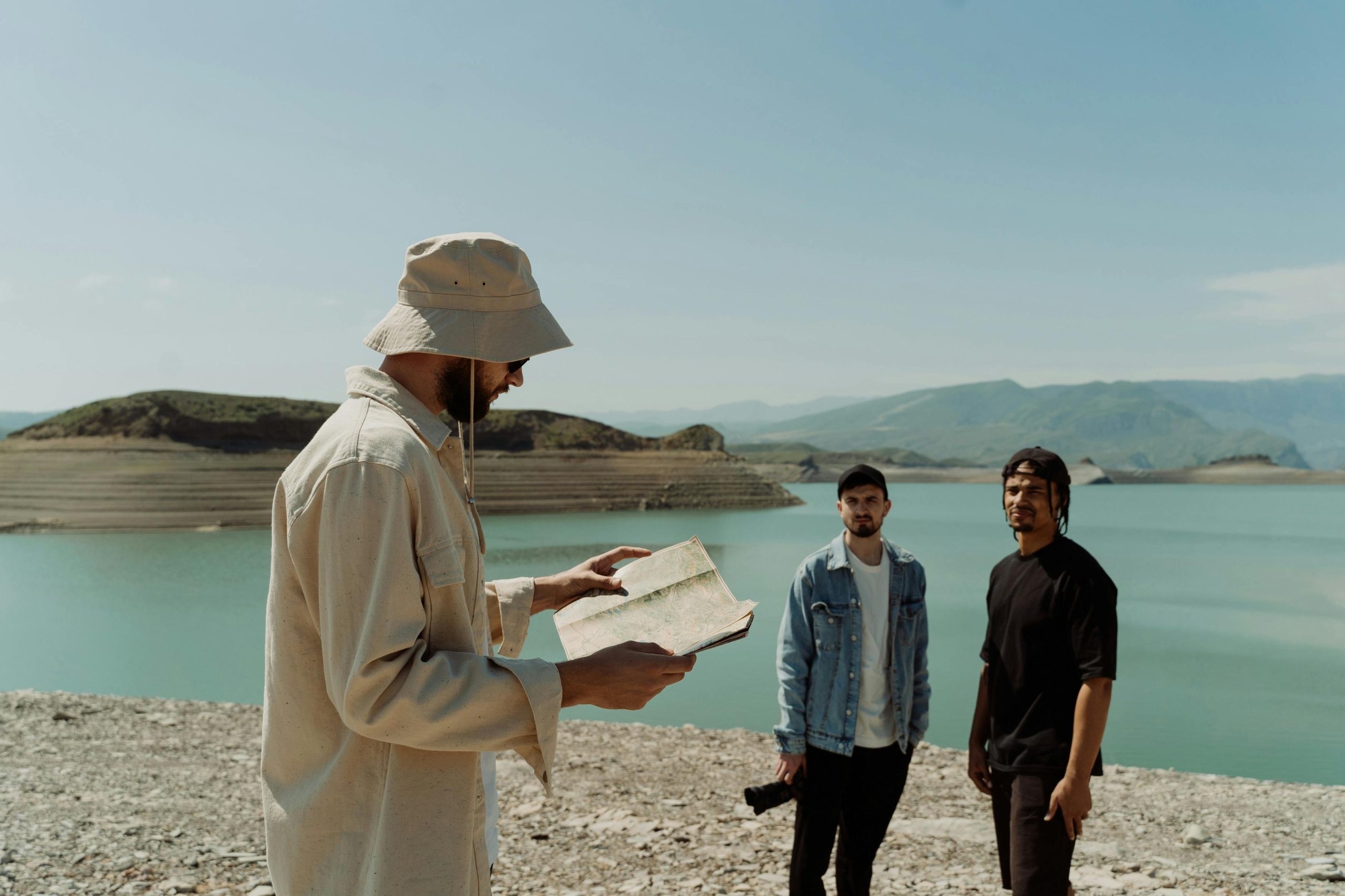
Prolonged outdoor exposure reduces situational awareness. Mental fatigue narrows focus to immediate tasks, missing broader environmental changes. Sounds, movement, and terrain cues receive less attention. Complacency grows as familiarity increases. People stop scanning surroundings actively. Staying too long dulls instincts that detect danger early. This error increases vulnerability to wildlife encounters, weather shifts, or terrain hazards. Awareness requires energy that depletes over time. The mistake lies in assuming alertness remains constant. Extended duration quietly erodes perception. Reduced situational awareness turns known environments unpredictable, increasing risk through delayed reactions and missed signals that would prompt safer choices earlier.
Equipment Overconfidence
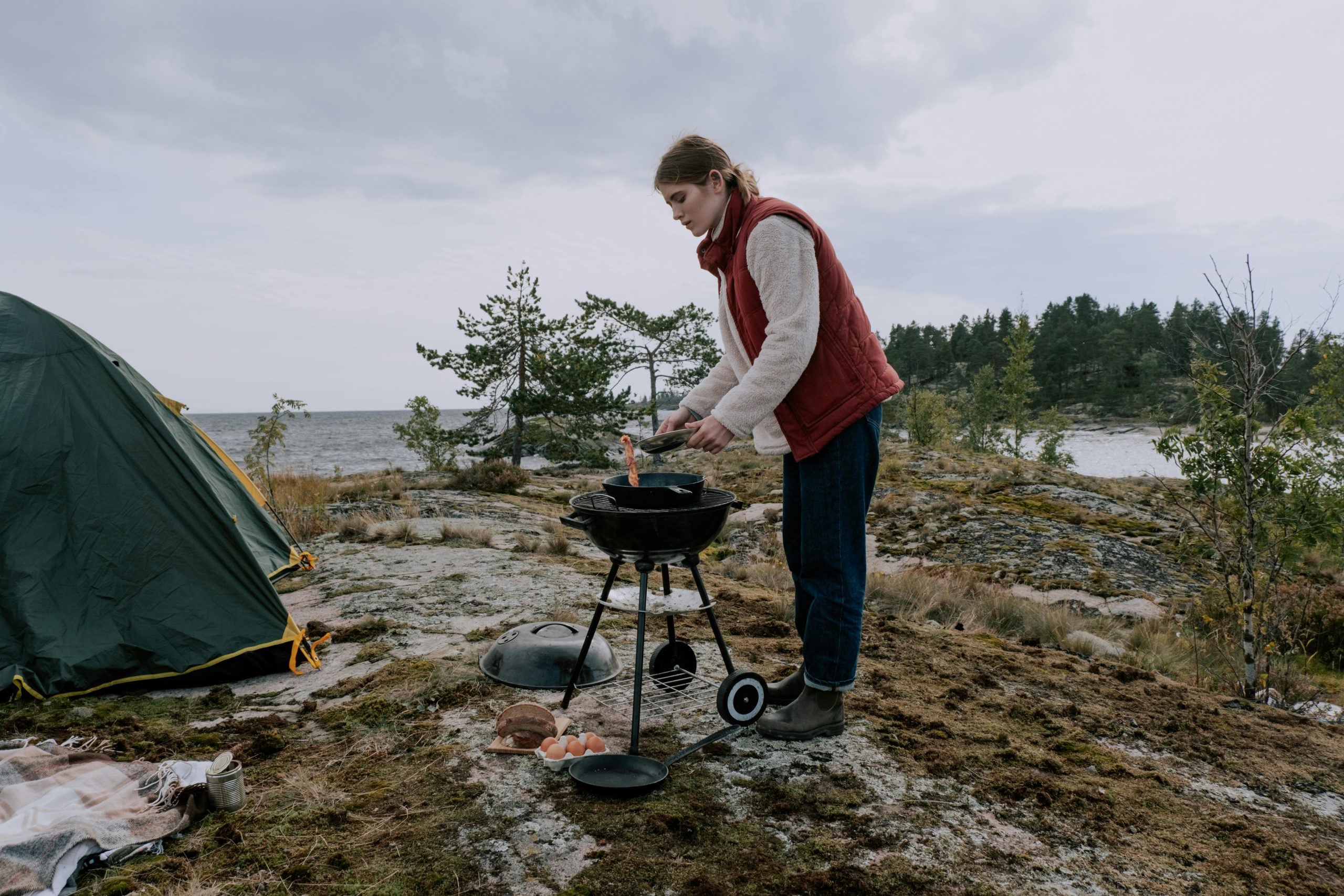
Staying outdoors too long often creates equipment overconfidence. Gear performs well initially, encouraging reliance beyond limits. Batteries drain, materials wear, and conditions change. People assume tools will compensate for fatigue or mistakes. This belief delays retreat or adjustment. Equipment failure becomes more likely with extended use. The error lies in trusting gear indefinitely. Staying longer than planned tests durability and redundancy. When tools fail late, options are fewer. Overconfidence shifts responsibility from judgment to objects. Prolonged exposure turns reliable equipment into single points of failure, magnifying consequences when performance drops or maintenance opportunities disappear.
Mental Fixation

Extended time outdoors can cause mental fixation. People become locked into original goals despite new information. Fatigue narrows thinking, reducing creativity and flexibility. Alternative routes or solutions receive less consideration. Fixation increases persistence even when risk rises. Staying too long reinforces tunnel vision. The error lies in equating determination with safety. Mental rigidity delays adaptation. Over time, fixation replaces assessment. This behavior turns solvable problems into crises. Prolonged exposure amplifies stress, making it harder to reassess objectively. Mental fixation reduces responsiveness to warning signs, locking individuals into decisions that no longer match conditions, resources, or physical capacity.
Delayed Emergency Recognition
Staying outdoors too long often delays recognizing emergencies. Gradual decline masks seriousness. Injuries feel manageable until worsened. Weather deterioration seems temporary. Fatigue reframes danger as inconvenience. People normalize discomfort over time. This delay reduces response windows. Early action becomes late reaction. The error lies in misjudging thresholds. Extended exposure shifts baselines of normal. What once signaled danger becomes accepted. Delayed recognition escalates minor issues into critical ones. Staying too long blurs urgency, making it harder to admit situations exceed control. By the time emergencies are acknowledged, options narrow, resources thin, and outcomes worsen due to lost time.