Exploring the most advanced hiking trails in the US & everyone should try provides a comprehensive look at the diverse terrain found across America today. This sprawling landscape offers everything from grueling vertical climbs designed for elite athletes to gentle forest paths perfect for a weekend family outing in nature. Selecting the right trail requires an honest assessment of physical fitness and technical skill to ensure a safe and enjoyable experience for all participants. Whether one seeks a life changing challenge or a peaceful walk through the woods these beautiful destinations offer something truly special for every single traveler.
The Maze Canyonlands National Park
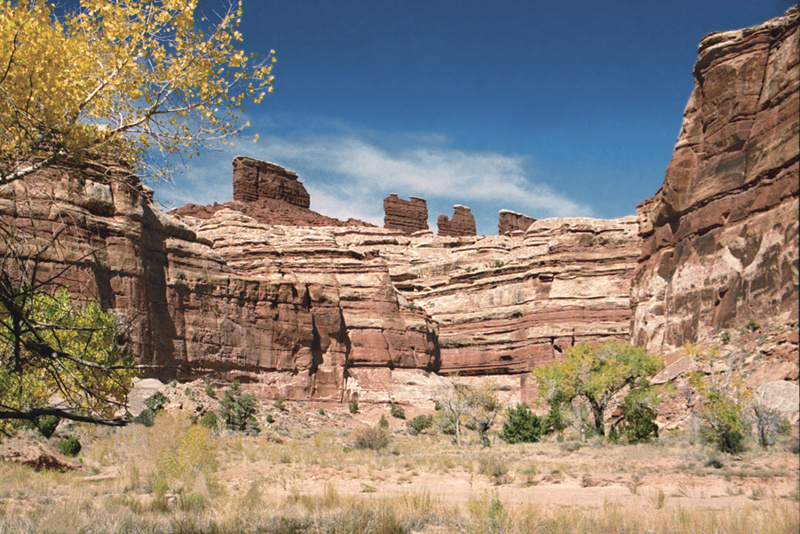
The Maze in Canyonlands National Park stands as one of the most remote and technically demanding wilderness areas in the entire country. This labyrinth of red rock canyons requires advanced navigation skills because there are almost no marked trails or reliable water sources for many miles. Travelers must be completely self sufficient for several days while carrying all necessary gear and supplies through the rugged desert terrain. The extreme isolation and complex geography mean that even minor mistakes can lead to serious consequences far from help. It is a true test of self reliance for the most experienced backcountry explorers today.
Kalalau Trail Hawaii
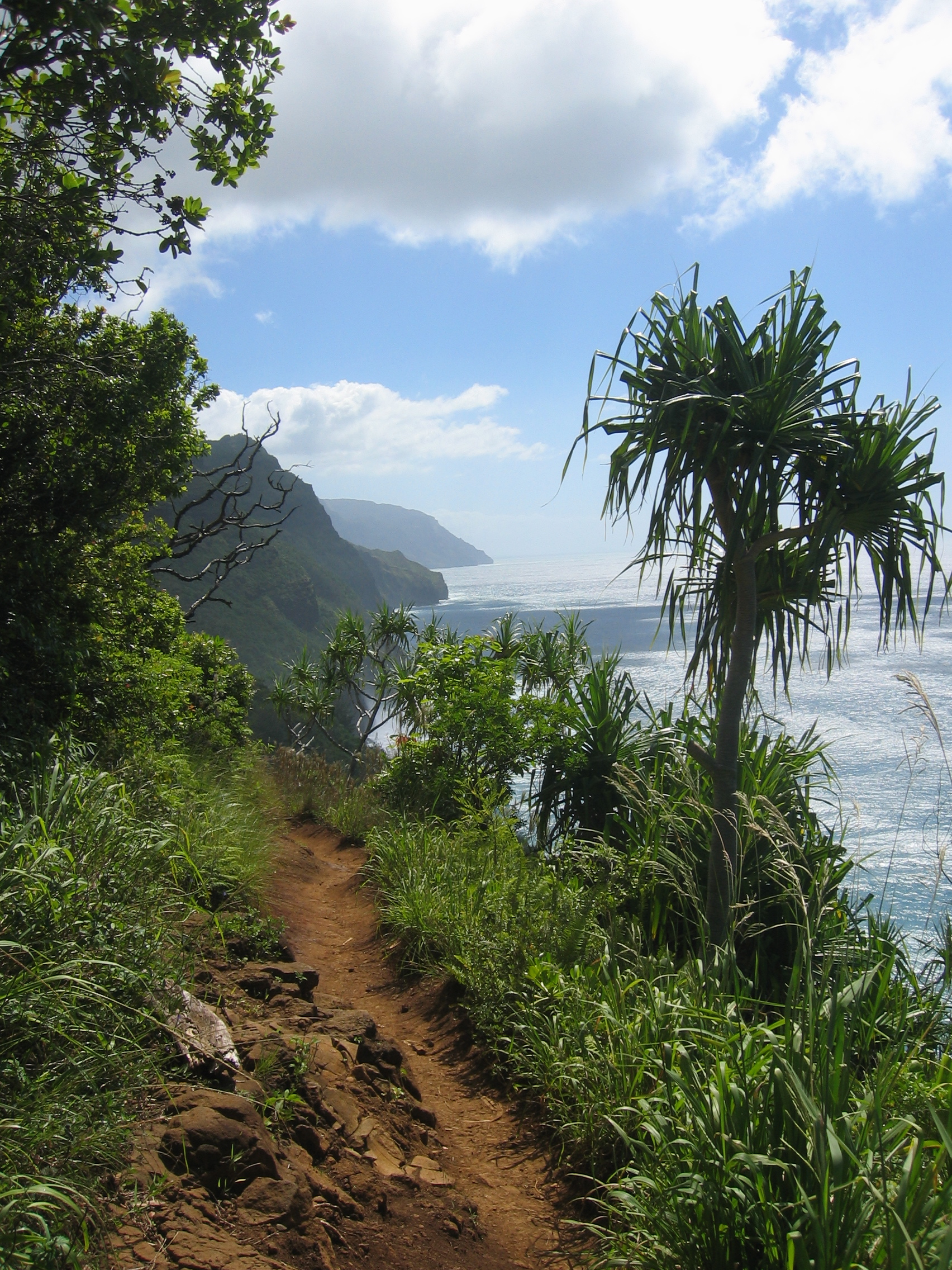
The Kalalau Trail along the Na Pali Coast of Kauai offers stunning tropical scenery paired with some of the most dangerous exposure in the world. This narrow path traverses steep volcanic cliffs where a single slip could result in a fall of several hundred feet into the Pacific Ocean. Constant rainfall often turns the clay soil into a slick and treacherous surface that challenges the balance of every hiker. Crossing several high volume streams requires careful timing to avoid flash floods during the rainy season. This grueling twenty two mile round trip demands physical stamina and a very steady head.
Angel’s Landing Zion National Park
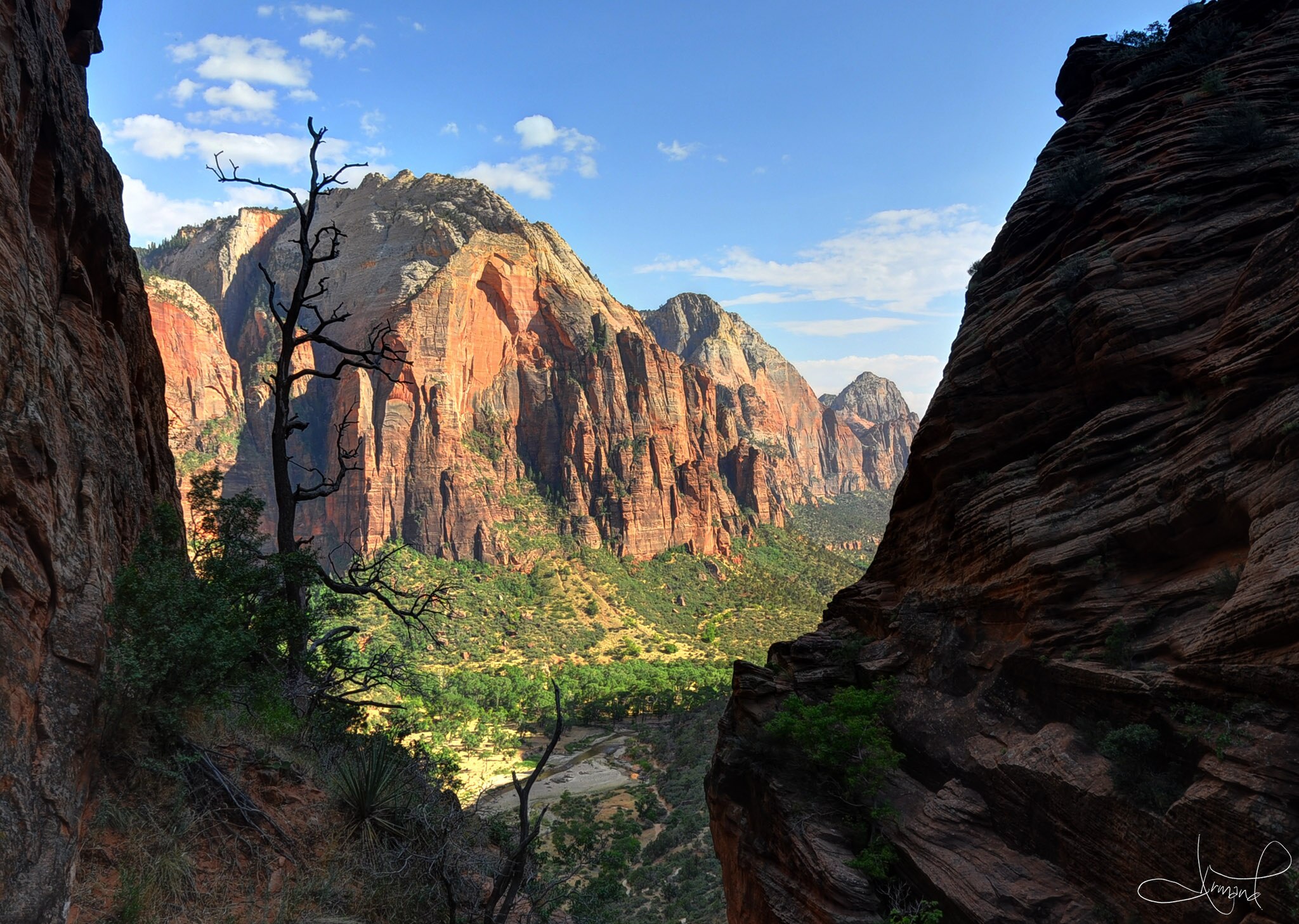
Angel’s Landing is a world famous trek that features a narrow sandstone ridge with massive drop-offs on both sides of the final path. Hikers must utilize heavy metal chains bolted into the rock to navigate the steep and exposed sections of the trail safely. While the distance is relatively short the intense vertical gain and dizzying heights make it a formidable challenge for anyone with a fear of heights. The summit provides a spectacular panoramic view of Zion Canyon that serves as a rewarding prize for those who complete the climb. Respecting the safety rules remains essential for everyone.
Mount Washington New Hampshire
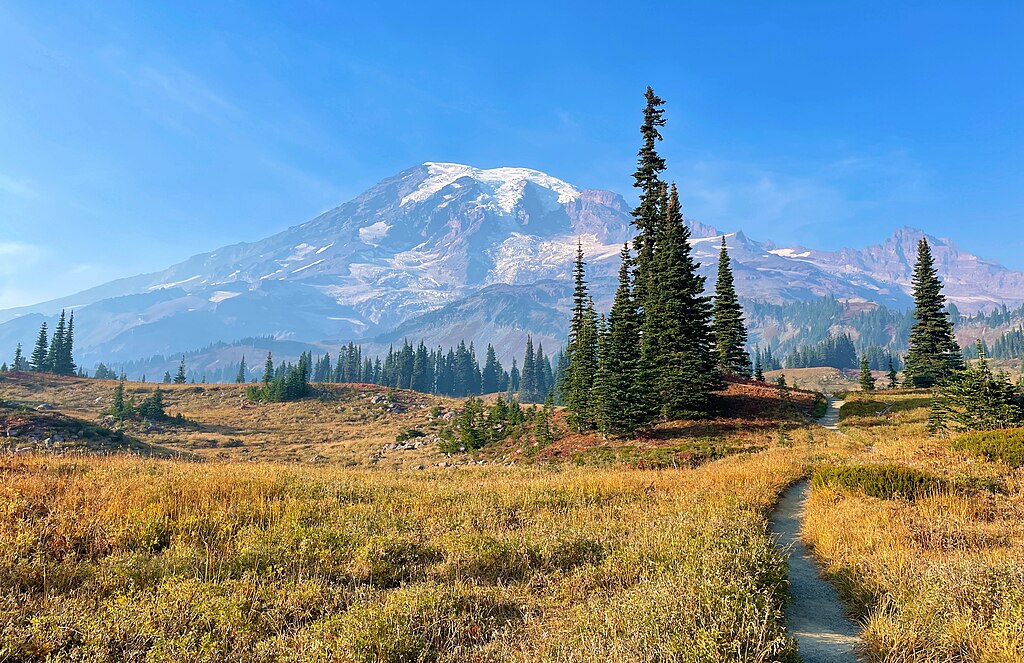
Mount Washington holds a reputation for having some of the most unpredictable and severe weather found anywhere on the entire planet. Even during the middle of summer the peak can experience freezing temperatures and wind speeds that rival the intensity of a major hurricane. The rocky terrain of the Presidential Range requires hikers to navigate steep boulder fields that test the strength of the ankles and knees. Many adventurers underestimate the physical toll of the rapid elevation changes and the harsh conditions found at the summit. Proper gear and careful weather monitoring are mandatory for a safe and successful ascent today.
Half Dome Yosemite National Park
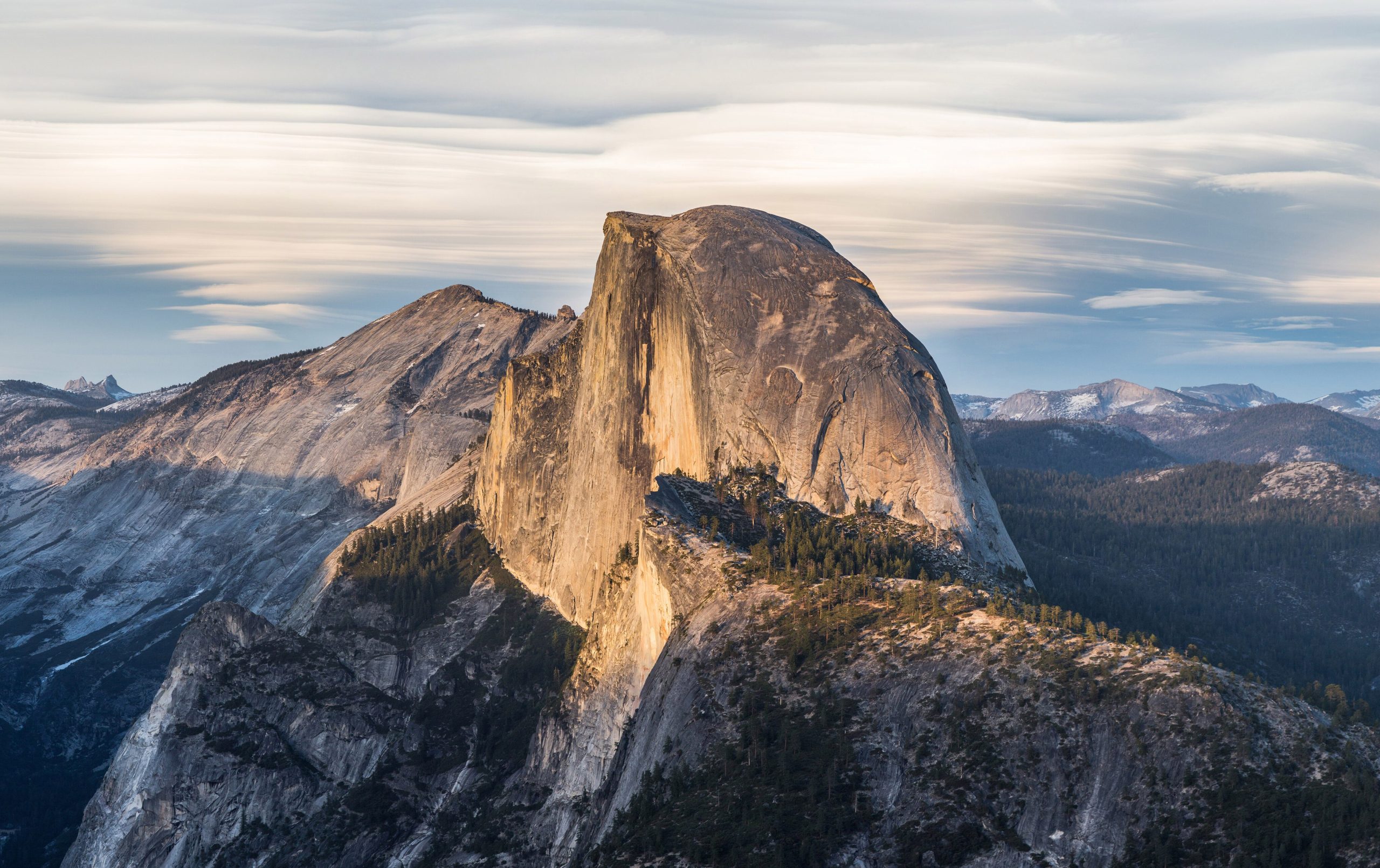
Half Dome presents a legendary challenge that culminates in a steep climb up the final granite face using a system of steel cables. This grueling fourteen mile round trip involves thousands of feet of elevation gain that pushes the limits of human endurance and physical strength. The smooth granite rock can become dangerously slippery when wet which makes the timing of the hike critical for the safety of the participants. Reaching the summit offers a unique perspective of the Yosemite Valley that few people ever get to see in person. Obtaining a permit is necessary due to high popularity.
Longs Peak Rocky Mountain National Park
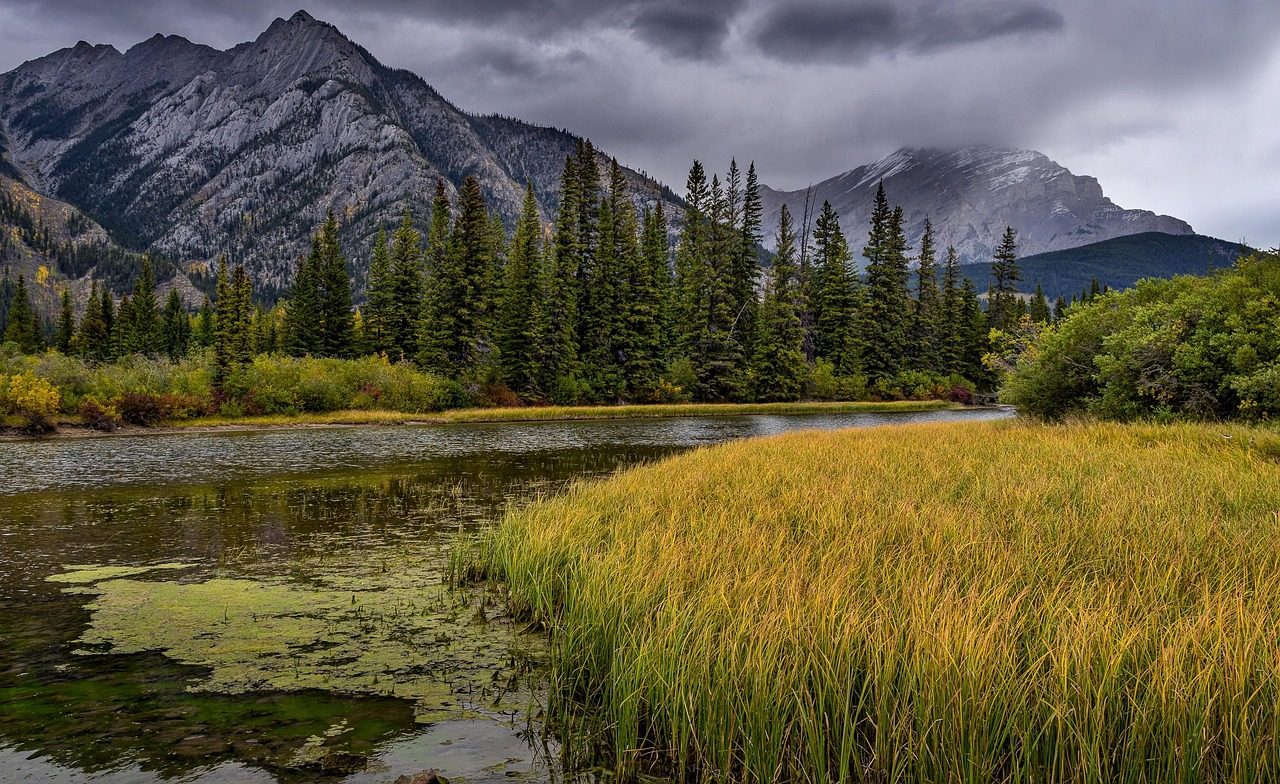
Longs Peak is a classic fourteen thousand foot mountain that requires hikers to navigate the technical Keyhole Route to reach the summit. This path involves scrambling over large boulders and traversing narrow ledges with significant exposure to the elements and the heights. High altitude conditions can cause exhaustion and lightheadedness for those who are not properly acclimatized to the thin air of the mountains. Sudden afternoon thunderstorms bring the risk of lightning which makes an early start essential for the safety of every climber. This trek is a rite of passage for many serious Colorado mountaineers.
Bright Angel Trail Grand Canyon
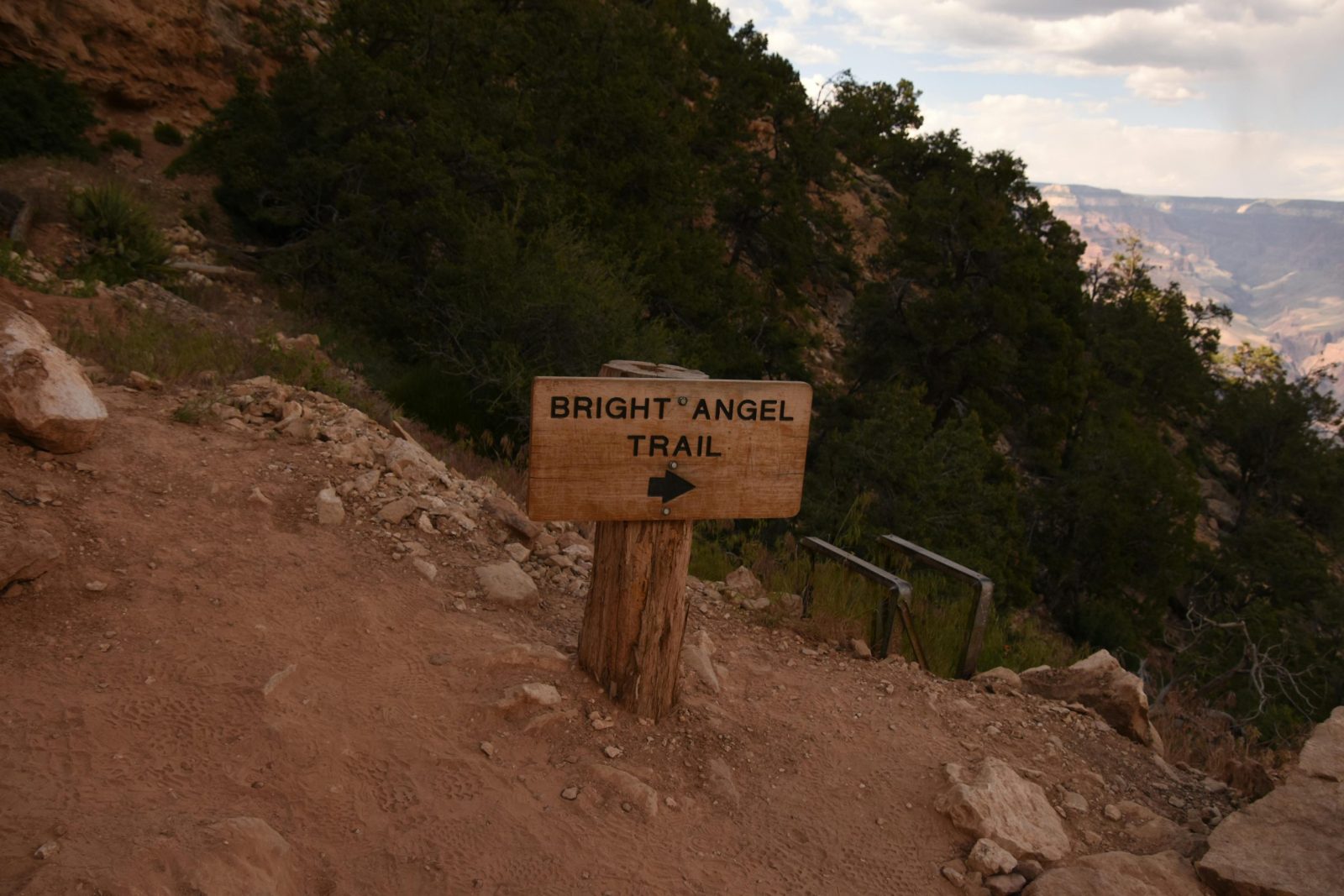
The Bright Angel Trail is a deceptive path that leads travelers deep into the heart of the Grand Canyon along a well maintained route. While the descent feels relatively easy the return trip involves a relentless uphill climb through several different climate zones and steep switchbacks. Extreme summer temperatures within the canyon walls frequently exceed one hundred degrees which leads to many medical emergencies every year. Hikers must carry an ample supply of water and electrolytes to avoid the dangers of dehydration and heat stroke. Planning for the physical effort of the return journey is the key to success.
Mount Rainier Washington
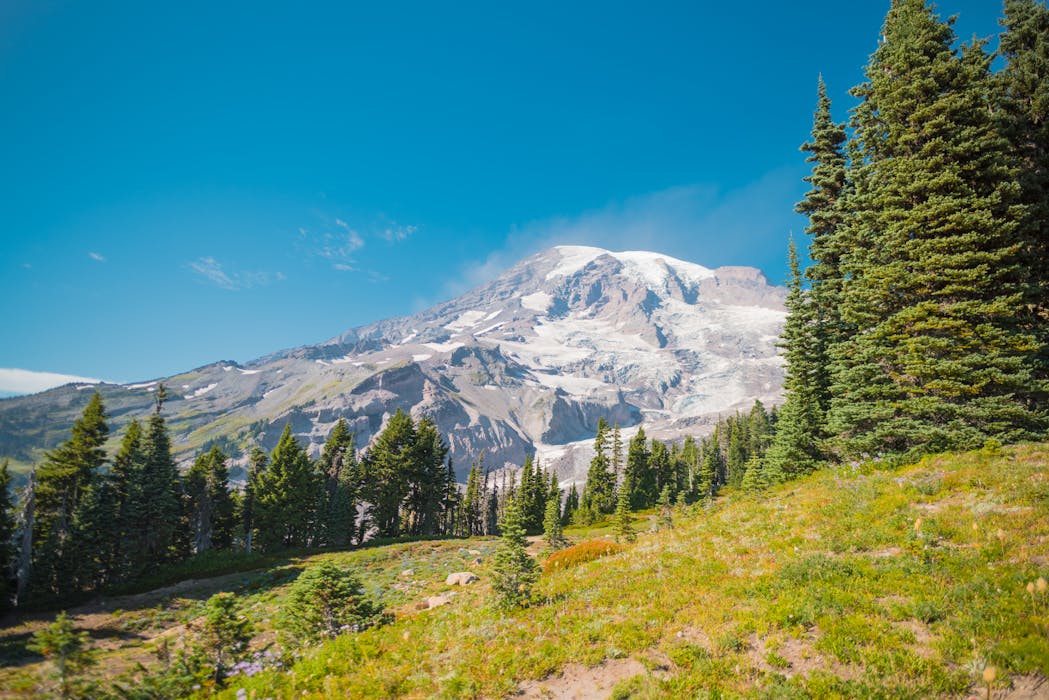
Mount Rainier is a massive glaciated volcano that requires advanced mountaineering skills and specialized equipment to reach its icy and remote summit. Climbers must navigate deep crevasses and steep snow slopes while tied together in teams for safety during the long ascent. The weather on the mountain can change in an instant which creates whiteout conditions that make navigation nearly impossible for the unprepared. Many people spend months training for the physical and mental demands of this iconic peak in the Pacific Northwest. It remains one of the premier mountaineering challenges found in the United States.
The Presidential Traverse New Hampshire
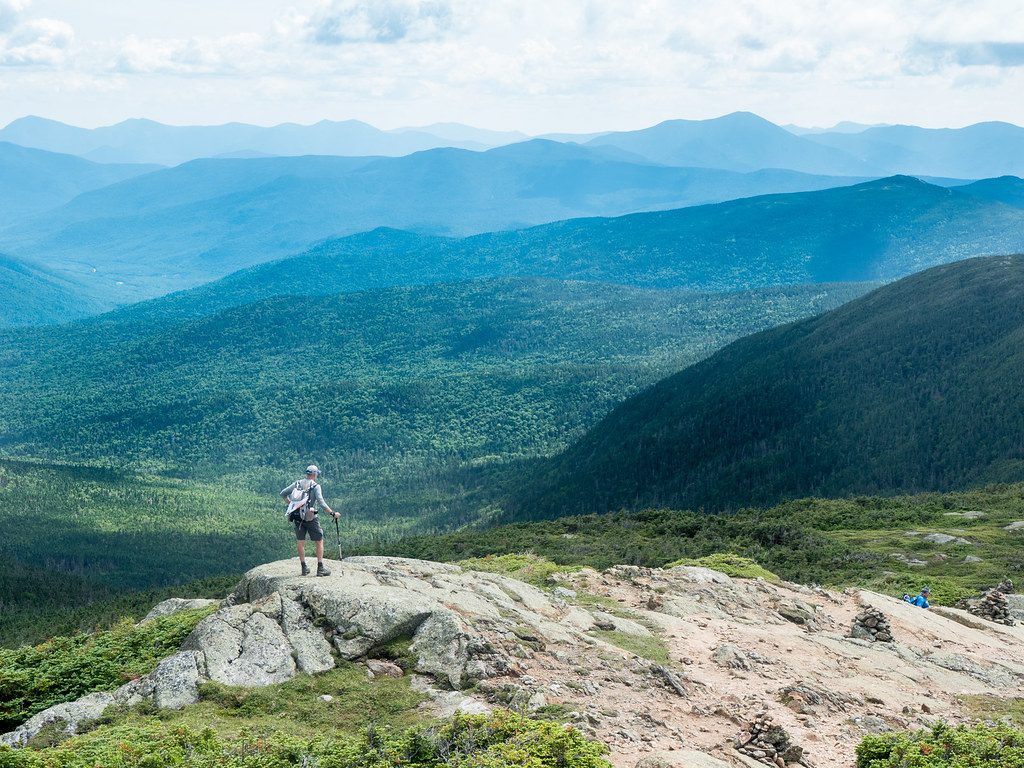
The Presidential Traverse is a grueling multi peak journey that crosses several of the highest points in the White Mountains of New Hampshire. This route involves nearly twenty miles of hiking with massive elevation changes over extremely rocky and uneven terrain for most of the day. Hikers must be prepared for sudden weather shifts that can occur even during the most beautiful and clear summer mornings. The lack of cover above the tree line means that travelers are fully exposed to the wind and the sun for several hours. This trek demands exceptional stamina and a high level of preparation.
Mount Whitney California
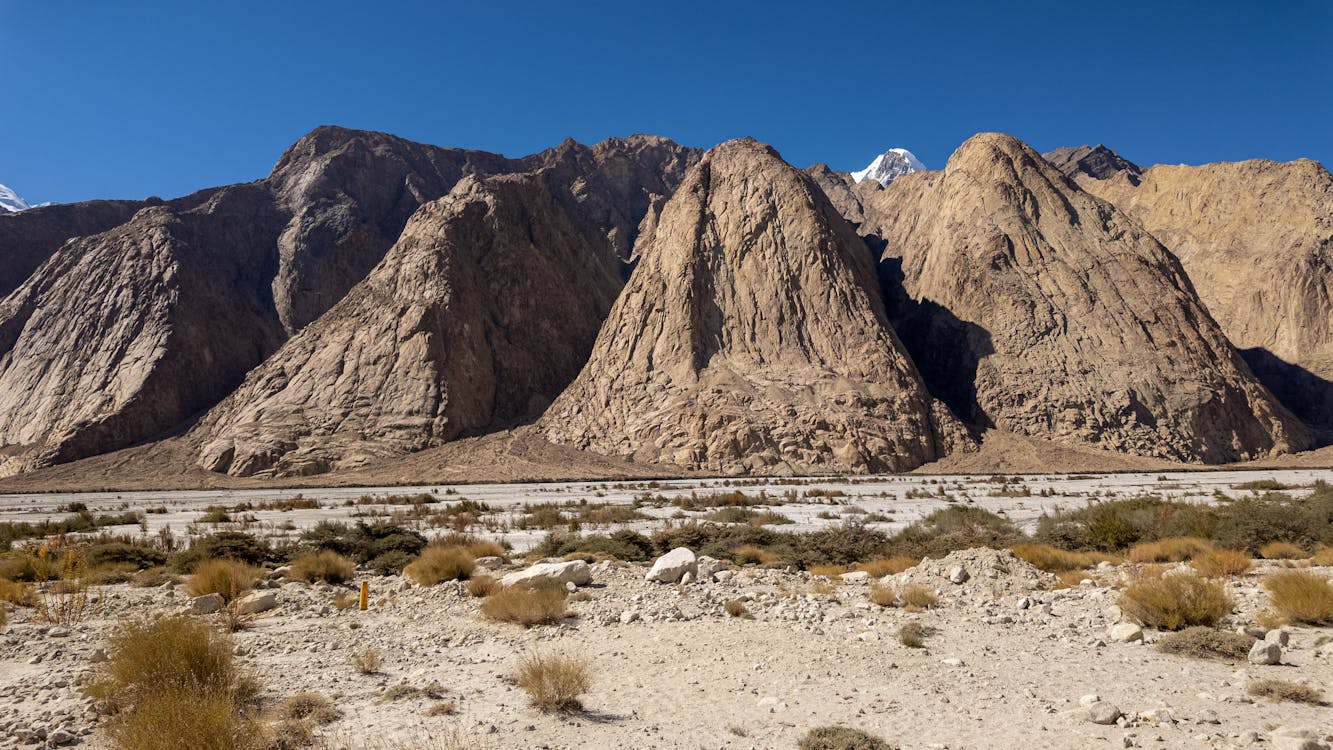
Mount Whitney stands as the highest peak in the contiguous United States and offers a demanding trail that reaches over fourteen thousand feet. The high altitude makes breathing difficult and requires a slow and steady pace to avoid the symptoms of acute mountain sickness. Hikers must secure a permit months in advance due to the high demand for this iconic and life changing outdoor experience. The trail features nearly one hundred switchbacks that test the physical and mental fortitude of every person who attempts the climb. Reaching the summit provides a sense of accomplishment that lasts for a lifetime.