If you’re planning a bow hunt, success often depends on what happens before you ever step into the woods. Every detail, from your gear setup to scent control, plays a role in whether the hunt goes smoothly or falls apart early. Avoiding simple preparation errors can mean the difference between a clean shot and a long, empty day. A good hunt begins long before the first arrow is drawn.
Neglecting Equipment Checks
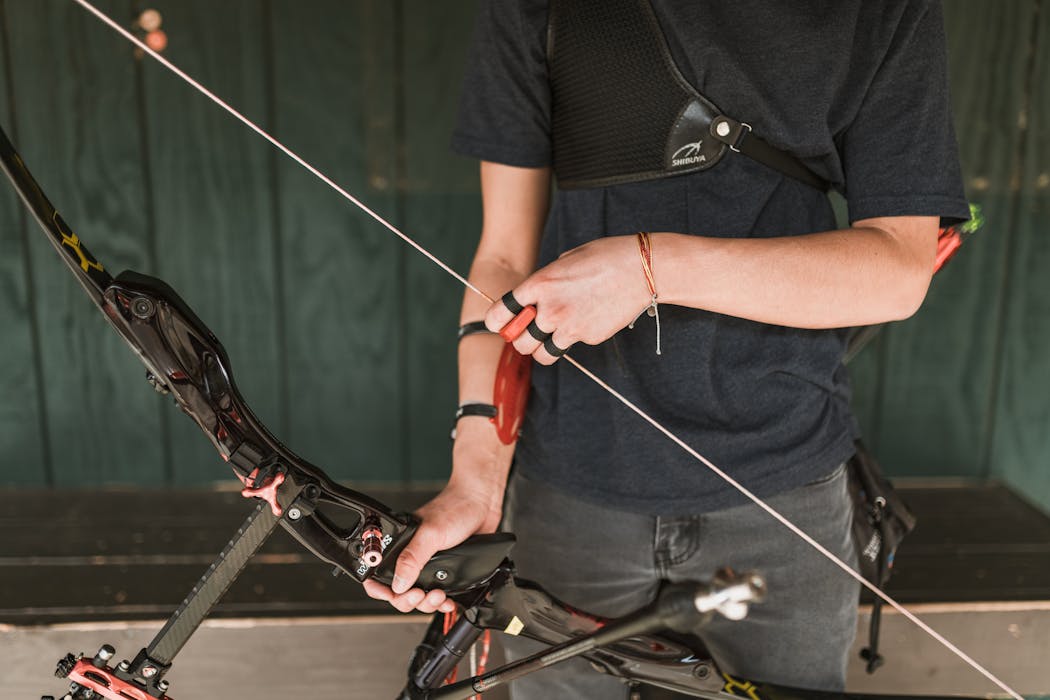
You might think your bow is ready, but failing to inspect it thoroughly can quickly ruin a hunt. Frayed strings, loose sights, or worn cables can throw off accuracy or cause malfunctions. Taking time to tune and test your bow ensures that every shot flies true. A small adjustment before the hunt often prevents a big disappointment later.
Skipping Practice Sessions
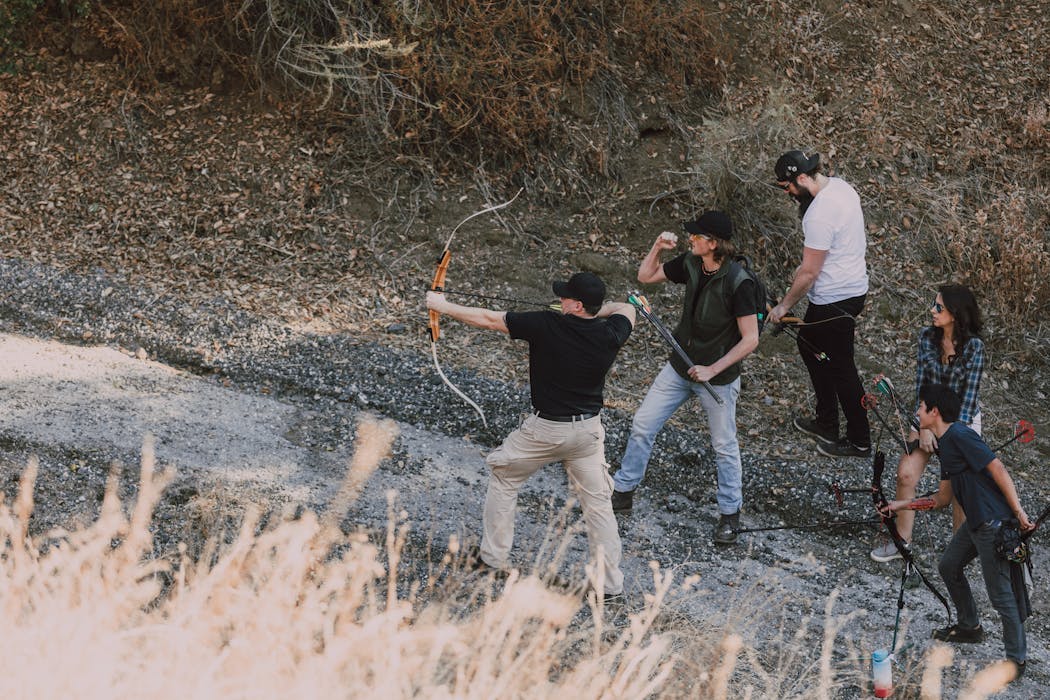
Even the best bow setup won’t help if your form isn’t sharp. Many hunters lose consistency by skipping regular practice, especially at varying distances. Building muscle memory through repetition makes your draw and release smooth under pressure. Practicing in real conditions, including full gear, helps prepare your body and mind for the moment of truth.
Ignoring Wind Direction

Wind can betray even the stealthiest hunter by carrying scent straight to game animals. Overlooking wind patterns or failing to plan a setup accordingly often leads to spooked targets. Using scent-control sprays and checking wind indicators before choosing a stand makes all the difference. Understanding airflow helps you stay invisible in plain sight.
Overestimating Shot Range
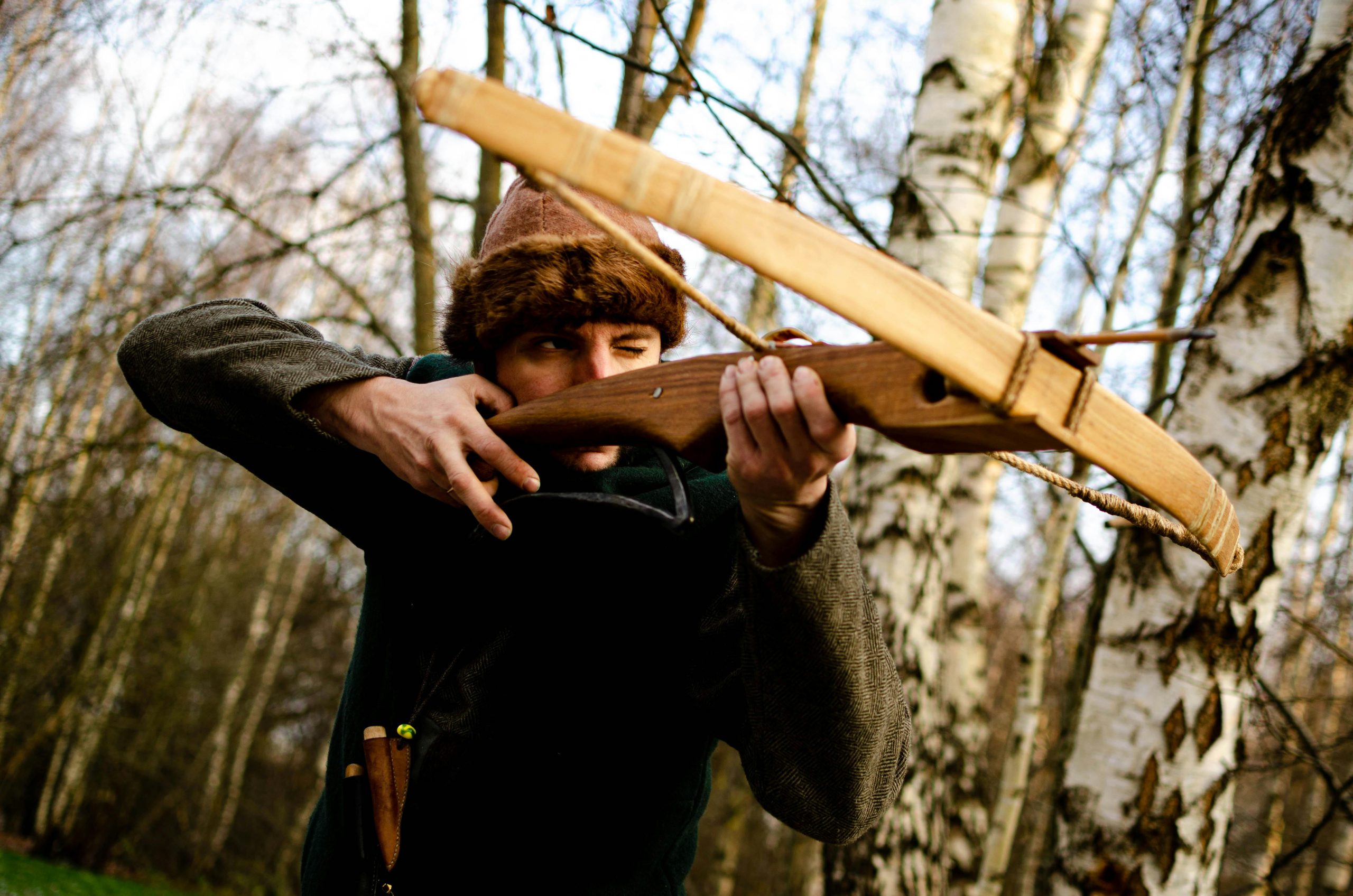
Taking shots beyond your practiced range is one of the most common mistakes. Distance can distort judgment, especially in the excitement of the moment. Sticking to a range you’ve mastered keeps your shot ethical and accurate. It’s better to let a chance go than to risk a bad hit or a lost animal.
Poor Stand Placement
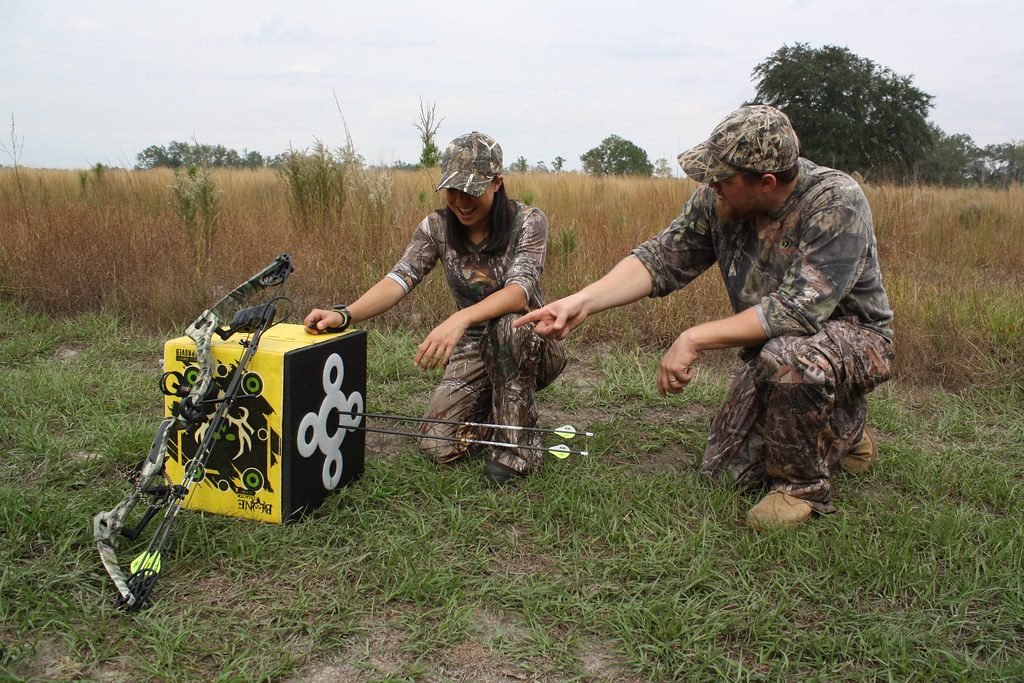
A stand in the wrong spot can ruin an entire hunt before it begins. Setting up too close to trails, ignoring wind direction, or failing to consider animal movement limits your opportunities. Scouting ahead and studying signs ensures you choose a location that maximizes visibility and concealment. Smart placement turns patience into results.
Ignoring Scent Control

Even a trace of human scent can send deer or elk running before you’re within range. Skipping scent-free detergent or neglecting to store clothing properly breaks your camouflage instantly. Using scent-eliminating products and keeping clean gear helps you blend naturally. Staying scent-aware keeps you closer to the action without being noticed.
Arriving Too Late
Timing matters, and arriving late to your stand can alert game or ruin a setup entirely. Animals are often active during dawn and dusk, so being in place early gives you the advantage. Quiet entry and setup before first light help you settle in unnoticed. A calm, timely start increases your odds of success.
Wearing Noisy Clothing
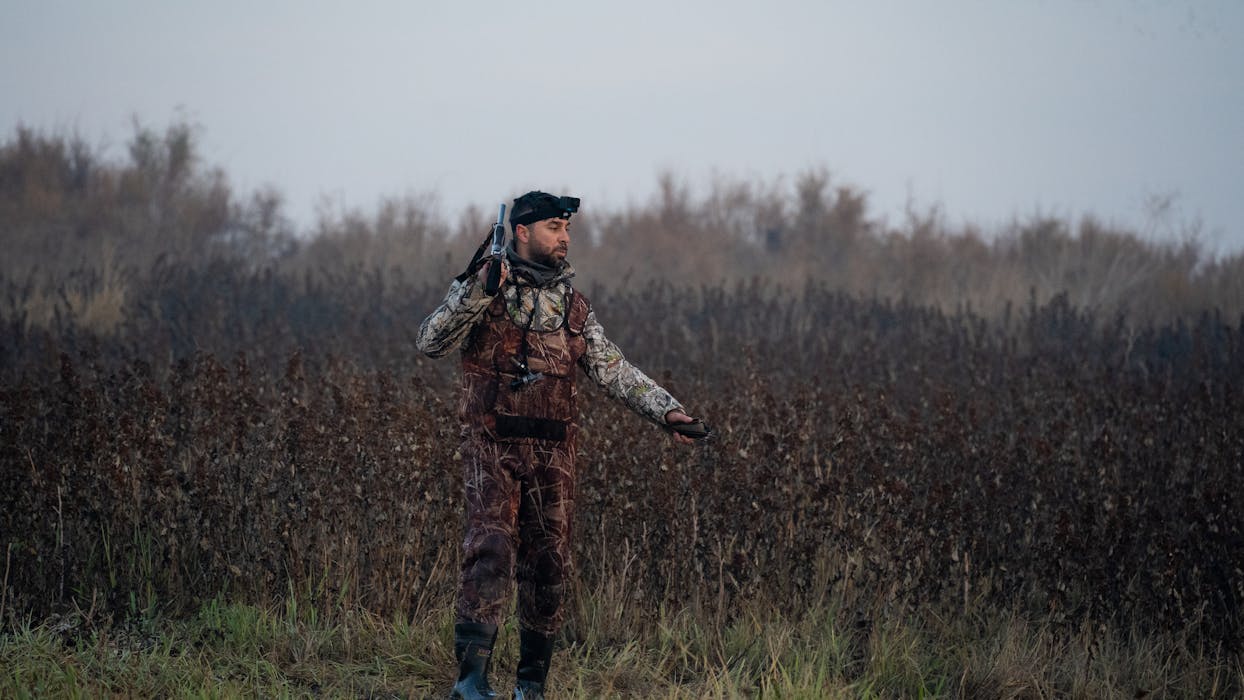
Even a soft rustle can be enough to alert a wary animal nearby. Choosing fabrics that stay quiet in movement and brushing against foliage helps you stay hidden. Testing your gear in the field before the hunt ensures silence when it counts. Stealth often comes down to the smallest details, like sound.
Overpacking or Forgetting Essentials
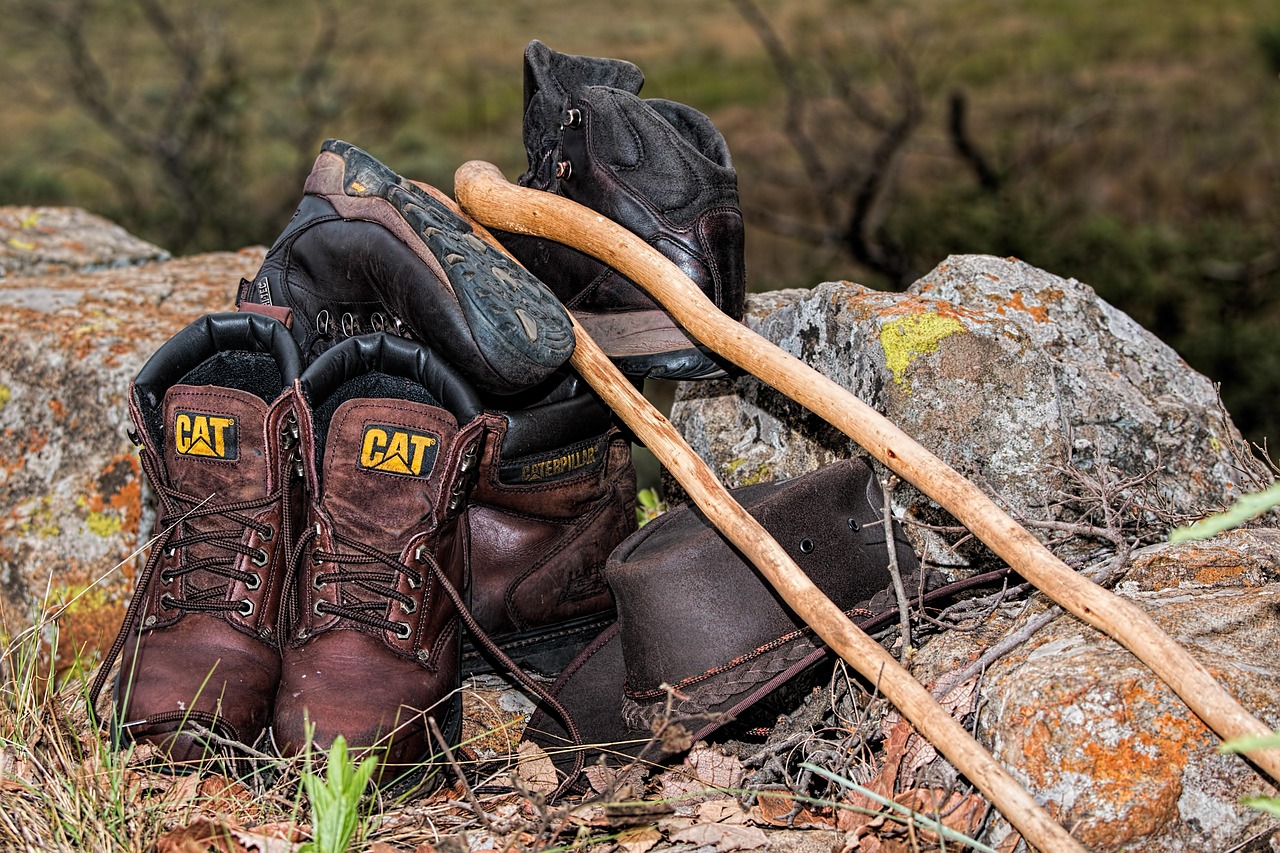
Carrying too much can slow you down, but leaving key items behind can end your hunt early. Balancing weight and preparedness keeps you efficient and focused. Packing smart with essentials like rangefinders, gloves, and extra arrows makes a big difference. Being organized helps you handle the unexpected without losing momentum.
Underestimating Scouting
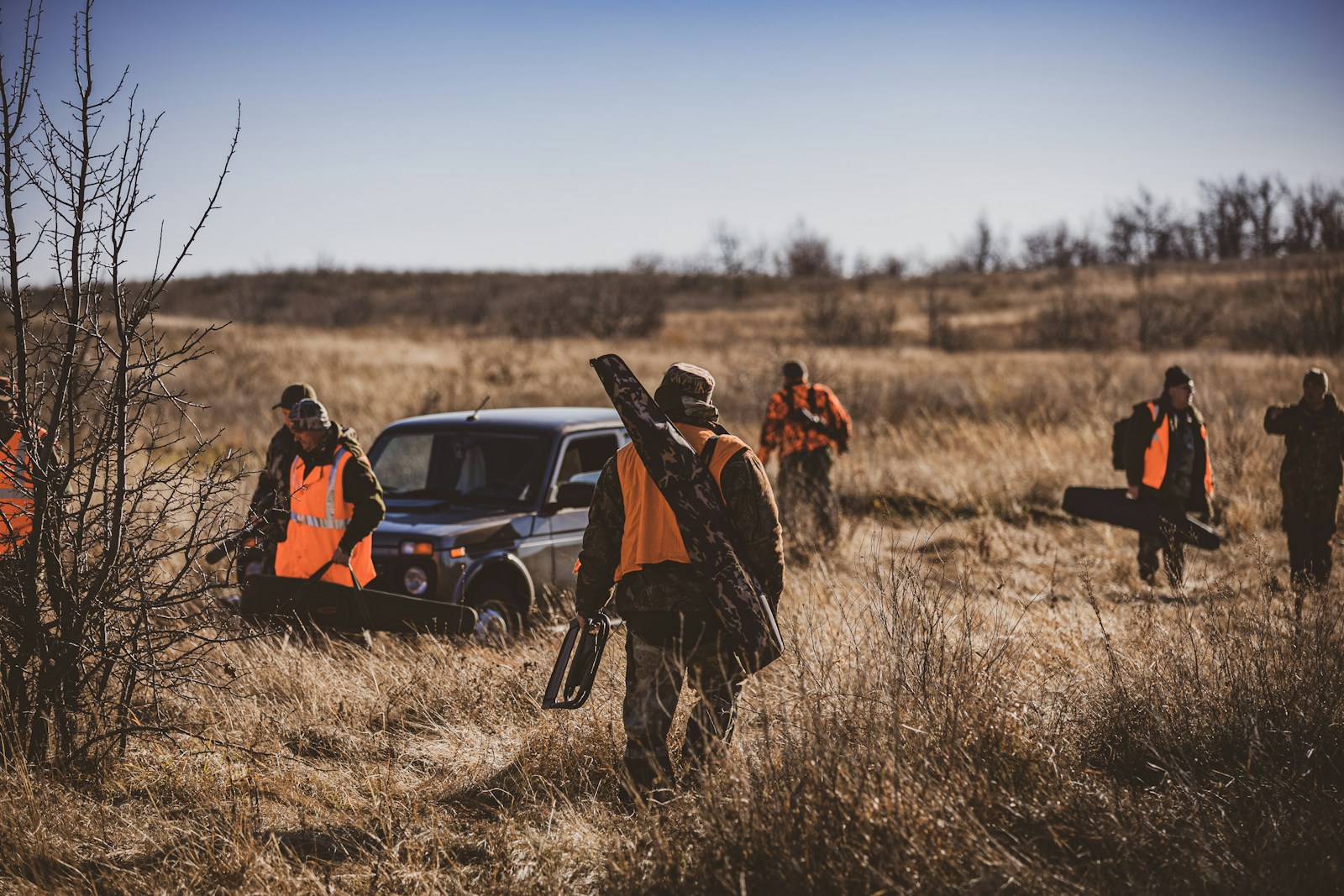
Skipping pre-hunt scouting is one mistake that can ruin your chances before you even begin. Learning animal patterns, feeding areas, and travel routes builds confidence and strategy. Using trail cameras or spending time in the field gives you vital insight. The more you understand the terrain, the more likely you are to make your shot count.