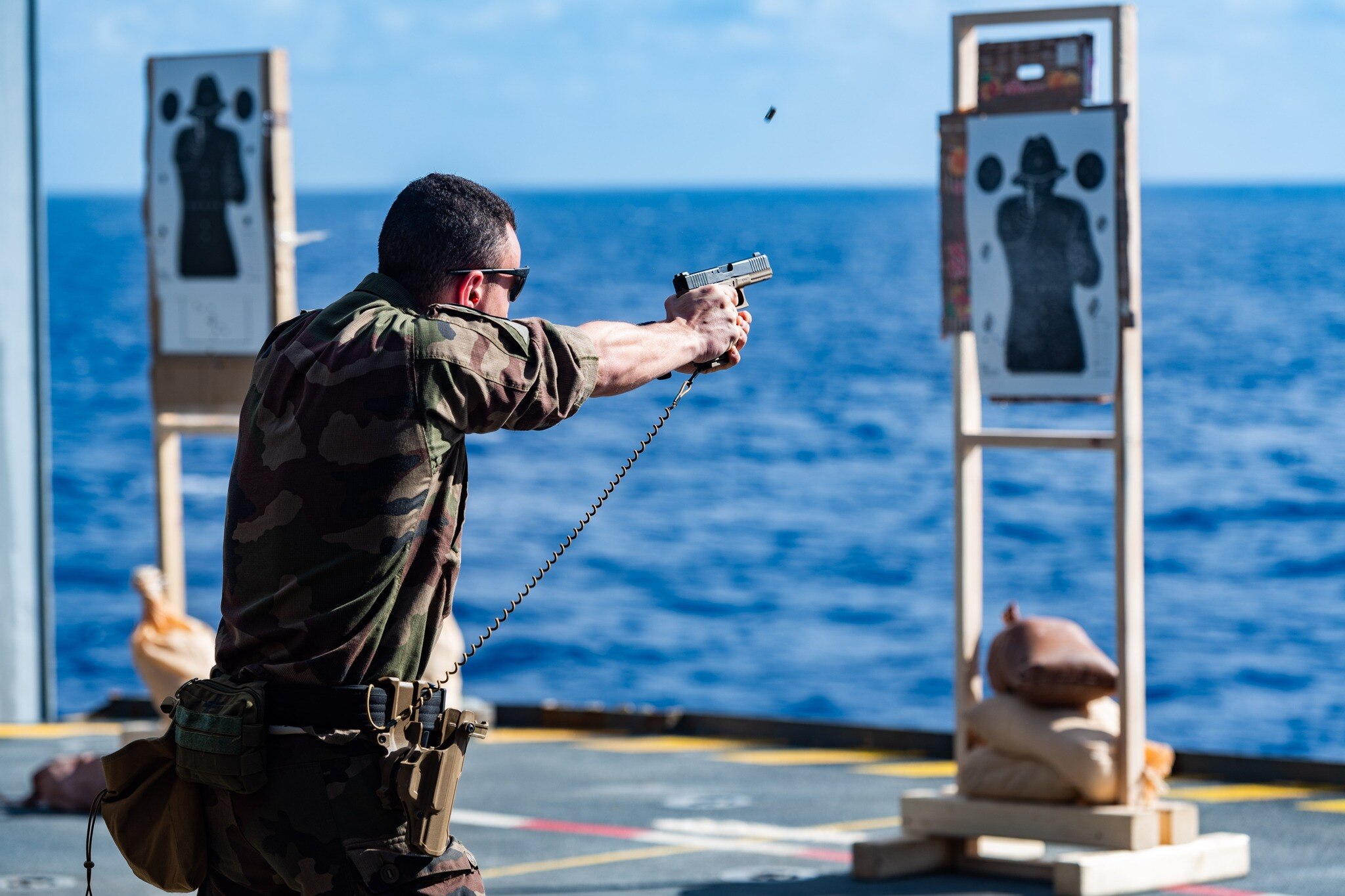
The 9mm cartridge has become the world’s most widely used handgun caliber, trusted by military forces, law enforcement agencies, and civilians alike. Its balance of manageable recoil, effective stopping power, and high capacity helped define modern handgun design. Over the decades, certain pistols rose above the rest, not just as tools, but as benchmarks that influenced engineering, doctrine, and culture. These legendary 9mm handguns did more than serve users. They reshaped expectations of reliability, ergonomics, and performance. Each firearm on this list earned its place through real-world use, enduring design, and lasting impact on how handguns are built and carried today.
1. Glock 17
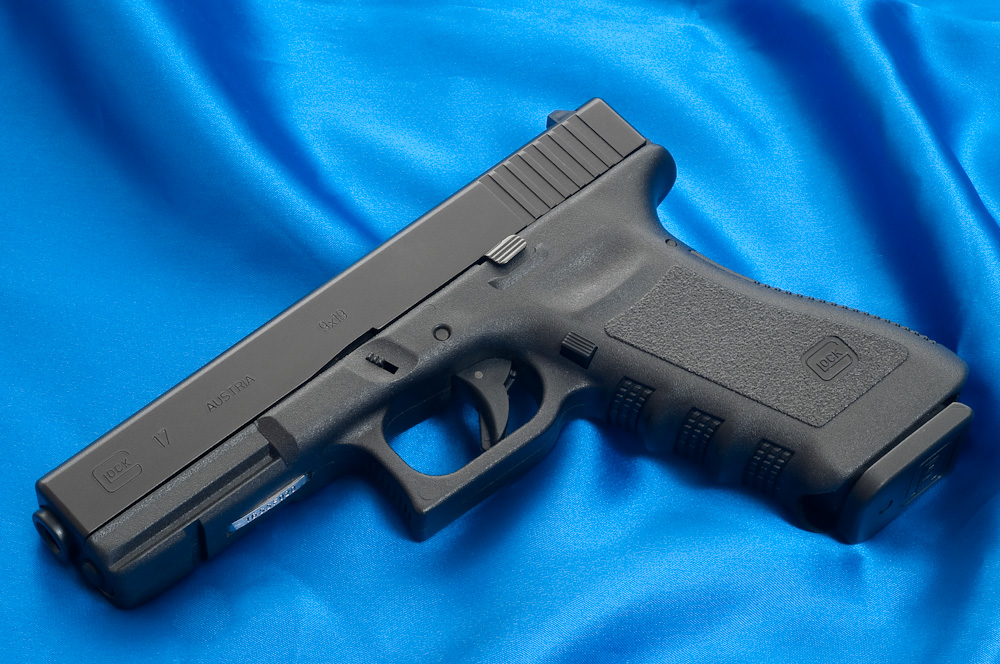
Introduced in the early 1980s, the Glock 17 changed the handgun world permanently. Its polymer frame challenged tradition at a time when steel and aluminum ruled. Skeptics quickly became believers as the pistol proved incredibly reliable under harsh conditions. The striker-fired system simplified operation and reduced external controls, making training easier and performance more consistent. High magazine capacity and light weight made it ideal for duty use. Law enforcement agencies worldwide adopted it in record numbers. The Glock 17 also influenced nearly every modern service pistol that followed. Its durability, simplicity, and ease of maintenance established a new industry standard that still dominates today.
2. Beretta 92FS
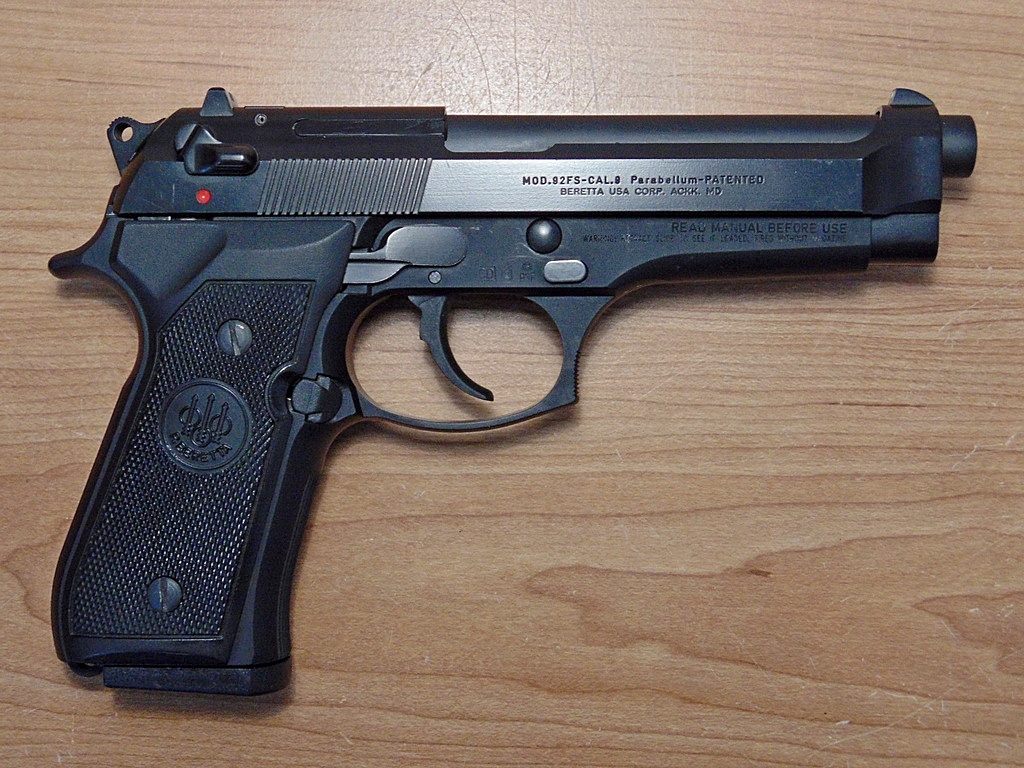
The Beretta 92FS became iconic after its adoption by the US military as the M9. Known for its open-slide design, the pistol offered excellent reliability and smooth cycling. Its all-metal construction gave it a solid feel, while the long sight radius supported accuracy. The double-action and single-action trigger system reflected classic service pistol thinking of its era. Used extensively by armed forces and police, the 92FS gained a reputation for durability and controllability. Its distinctive profile made it instantly recognizable in popular culture. The Beretta 92FS represents a transitional period between traditional metal pistols and modern designs.
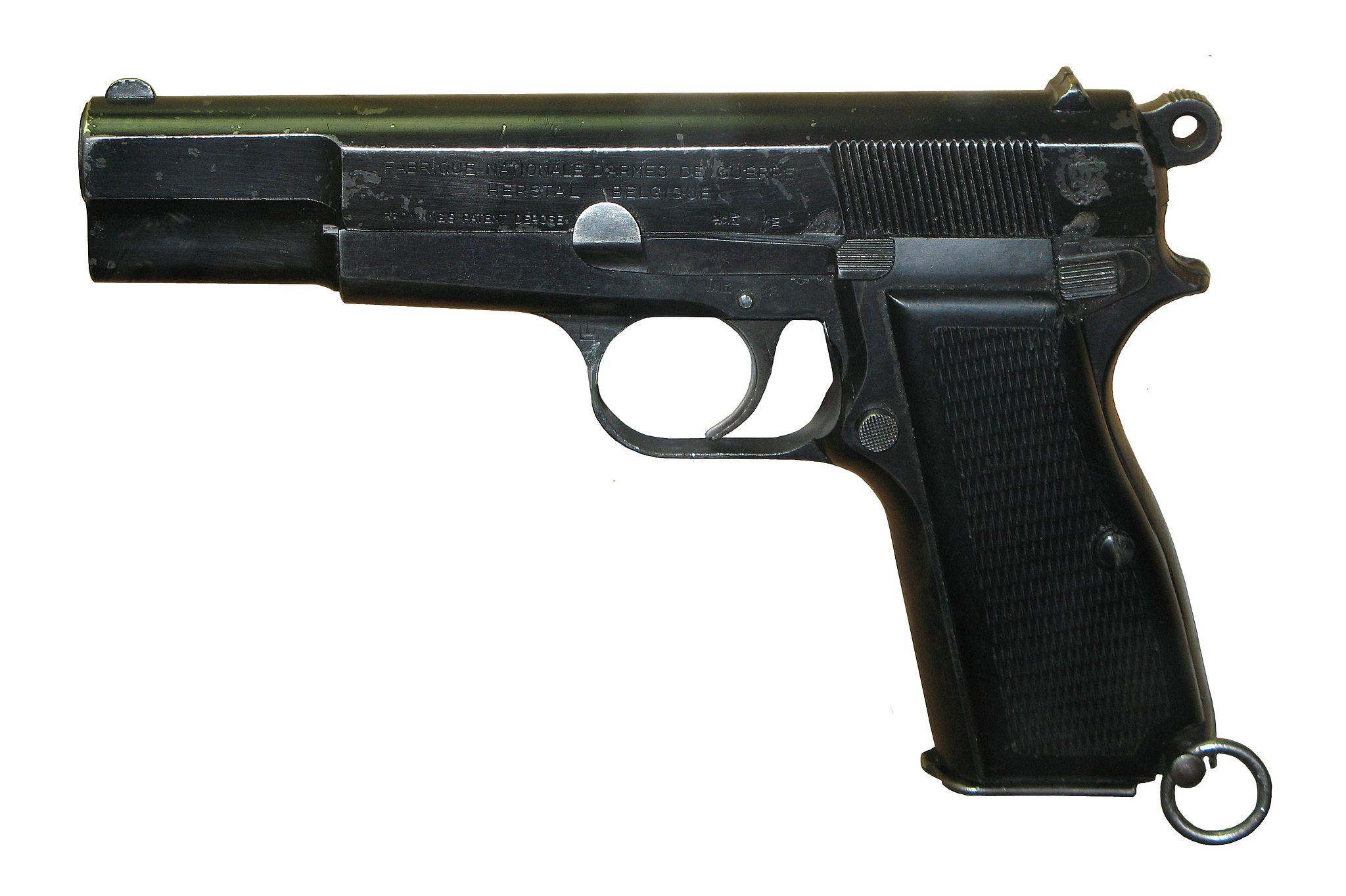
3. Browning Hi-Power
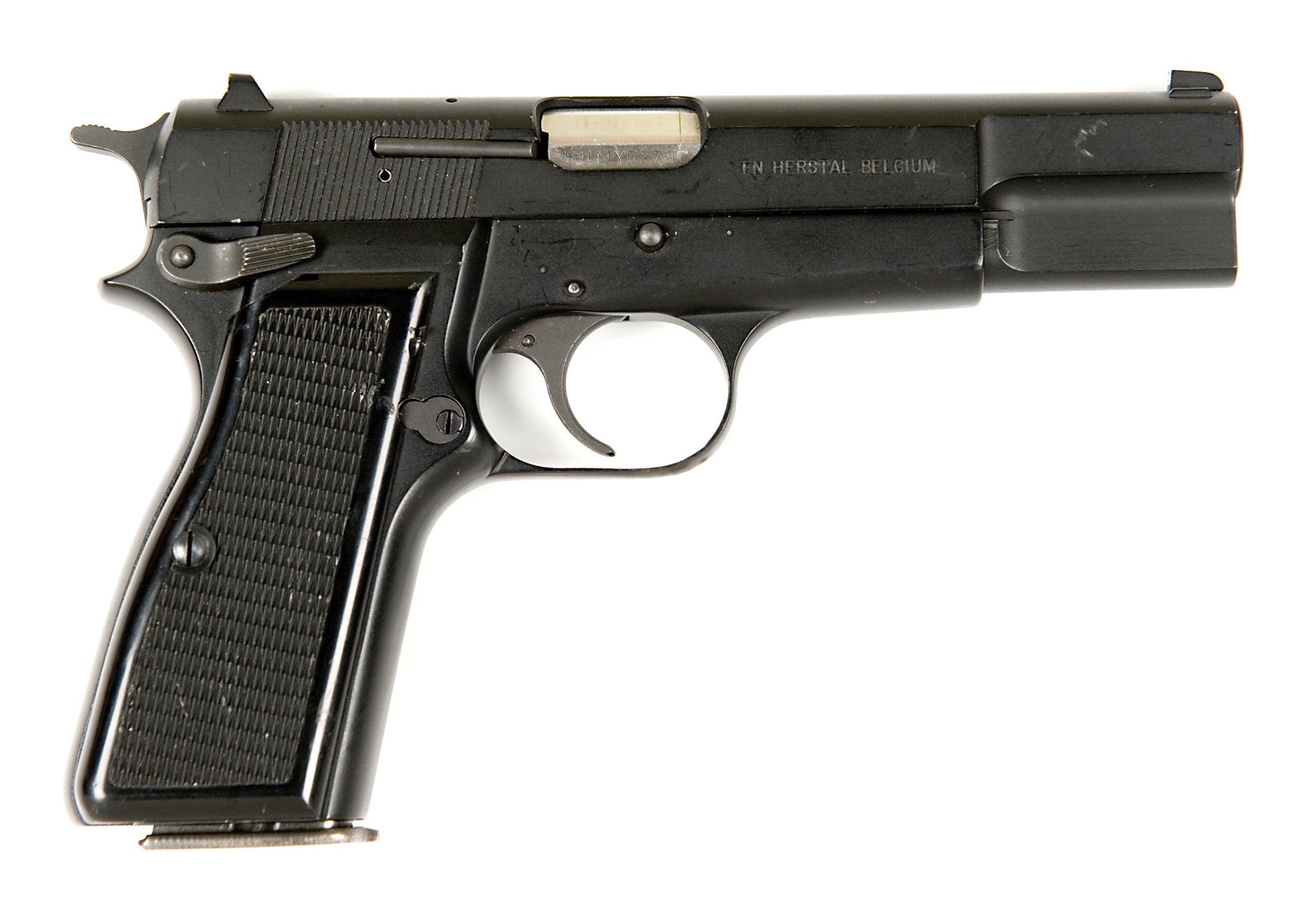
Designed by John Moses Browning and finalized by Dieudonné Saive, the Hi-Power was revolutionary. It introduced the concept of a high-capacity 9mm handgun long before it became common. With a 13-round magazine, it changed military sidearm expectations worldwide. Its slim grip and natural pointability made it comfortable for many shooters. Adopted by dozens of countries, it saw service across continents and conflicts. The Hi-Power influenced generations of pistol designers and remained in production for decades. Even today, its balance of elegance and performance is admired. Few handguns can claim such global and historical reach.
4. SIG Sauer P226
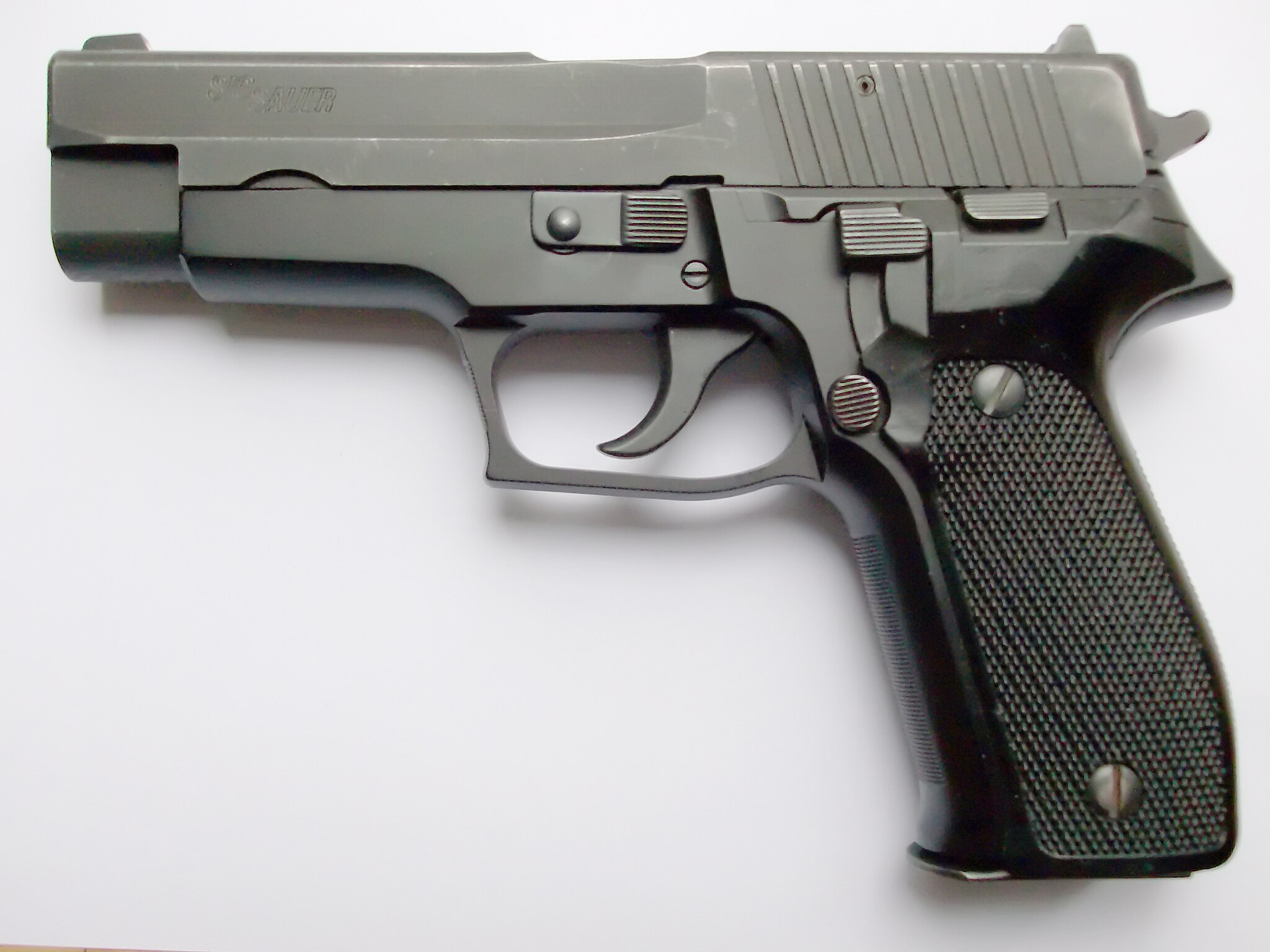
Built for reliability under extreme conditions, the SIG Sauer P226 earned trust through performance. Developed for military trials, it became a favorite among elite units and police forces. Its alloy frame balanced strength and weight, while the slide design handled high round counts with ease. The double-action and single-action system offered safety without sacrificing readiness. Shooters praised its accuracy and smooth trigger pull. The P226 proved that precision engineering could coexist with battlefield durability. Its influence extended into modern service pistols and cemented SIG Sauer’s reputation. The P226 remains a benchmark for duty-grade 9mm handguns.
5. CZ 75
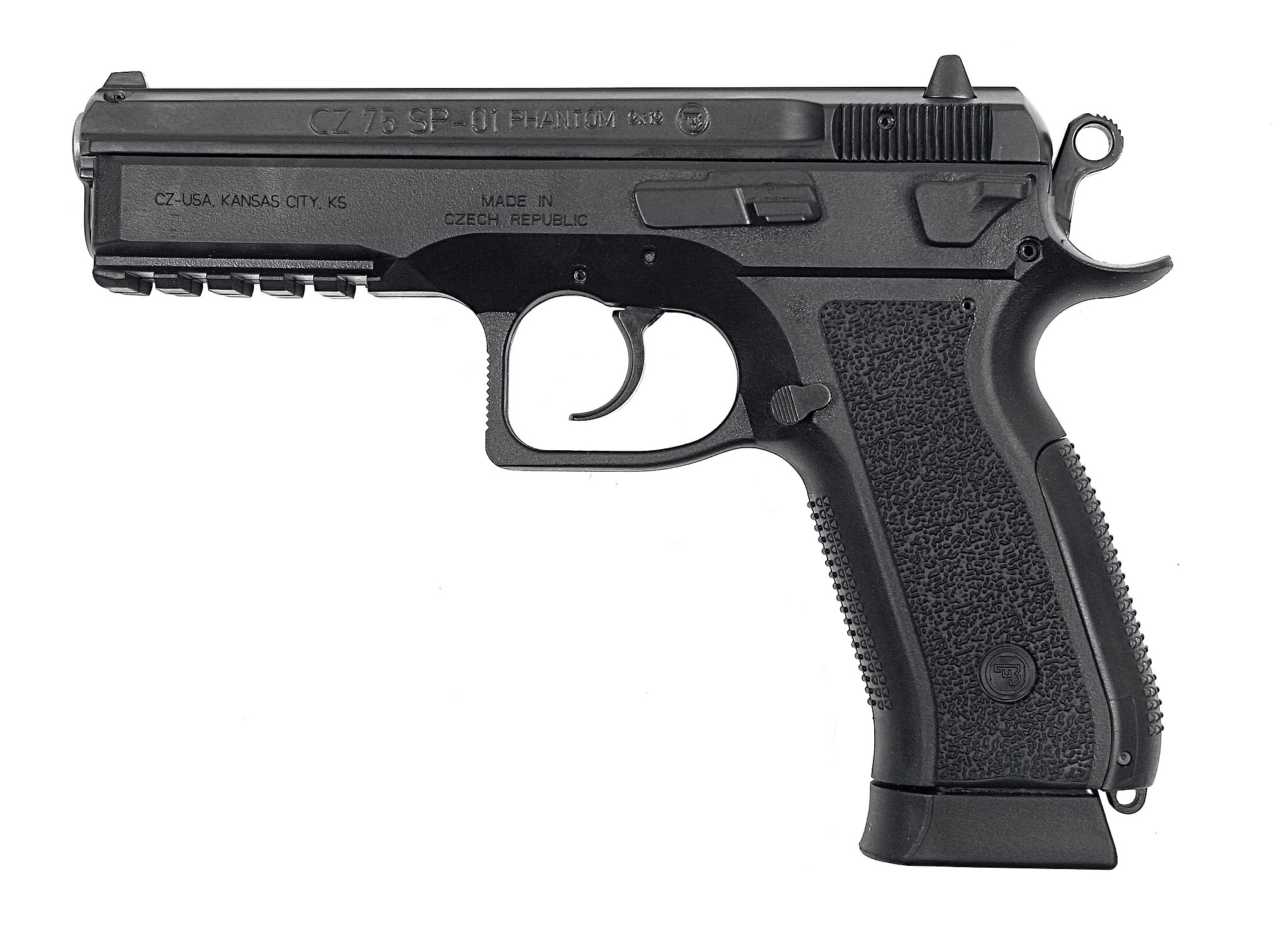
The CZ 75 stood out with its ergonomics and internal slide rails, which lowered the bore axis and improved recoil control. Introduced during the Cold War, it gained popularity despite limited early export. Shooters appreciated its comfortable grip and excellent accuracy. The steel frame reduced felt recoil, making follow-up shots smoother. Its design inspired countless clones and competition pistols. Law enforcement, military units, and civilian shooters all embraced it. The CZ 75 demonstrated that comfort and shootability mattered as much as raw specifications. It quietly shaped modern handgun ergonomics and remains highly respected among enthusiasts.
6. Smith and Wesson Model 39
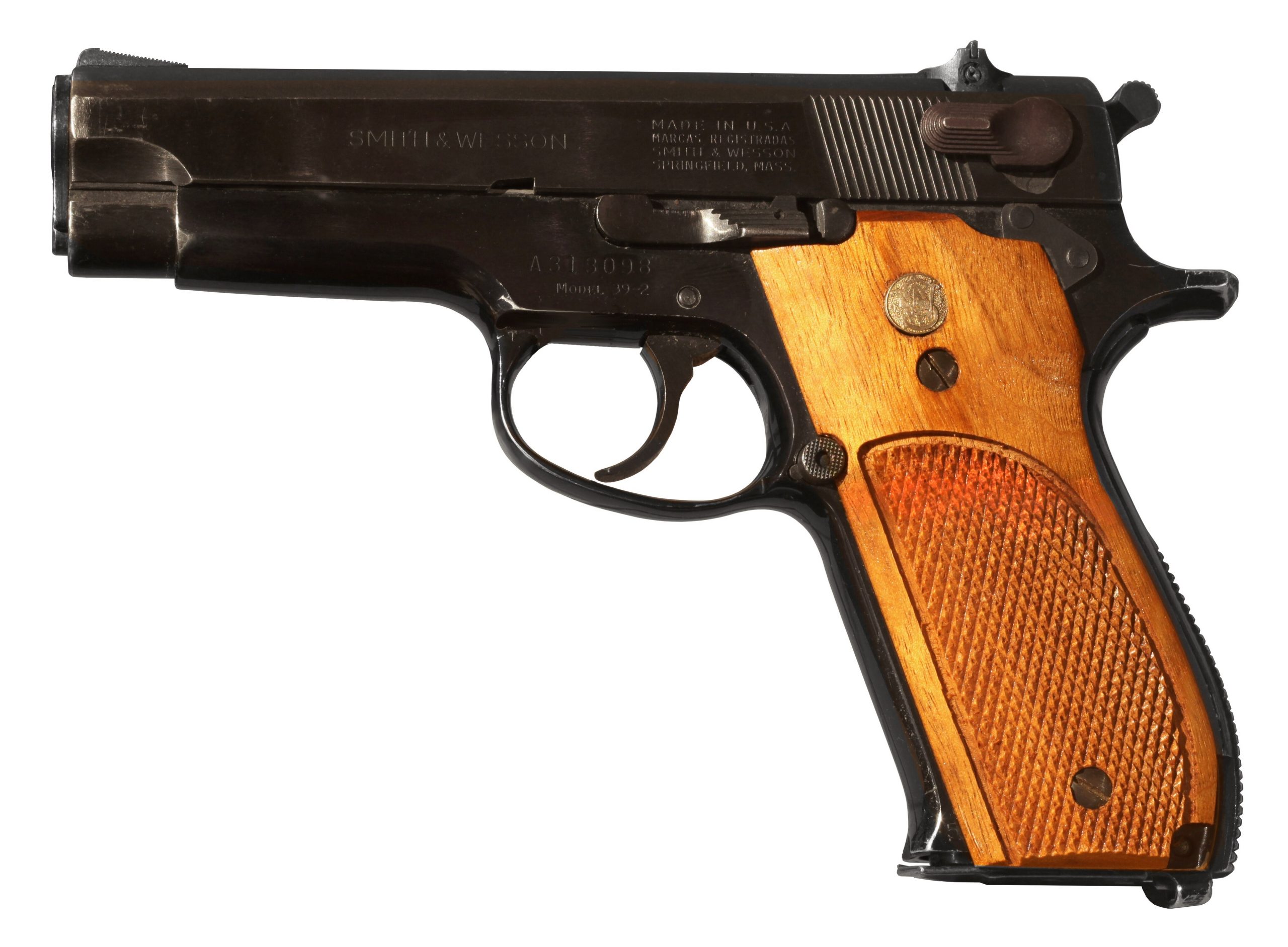
The Model 39 was one of the first American-made double-action 9mm pistols. Developed for military and law enforcement interests, it marked a shift from revolvers to semi-automatics. Its slim profile and manageable recoil appealed to officers transitioning from wheel guns. Though capacity was modest by modern standards, its reliability and accuracy were solid. The Model 39 paved the way for later Smith and Wesson semi-automatic designs. It represented a learning step for American handgun manufacturing. Its legacy lies in opening the door for widespread adoption of 9mm pistols in the United States.
7. Heckler and Koch VP70
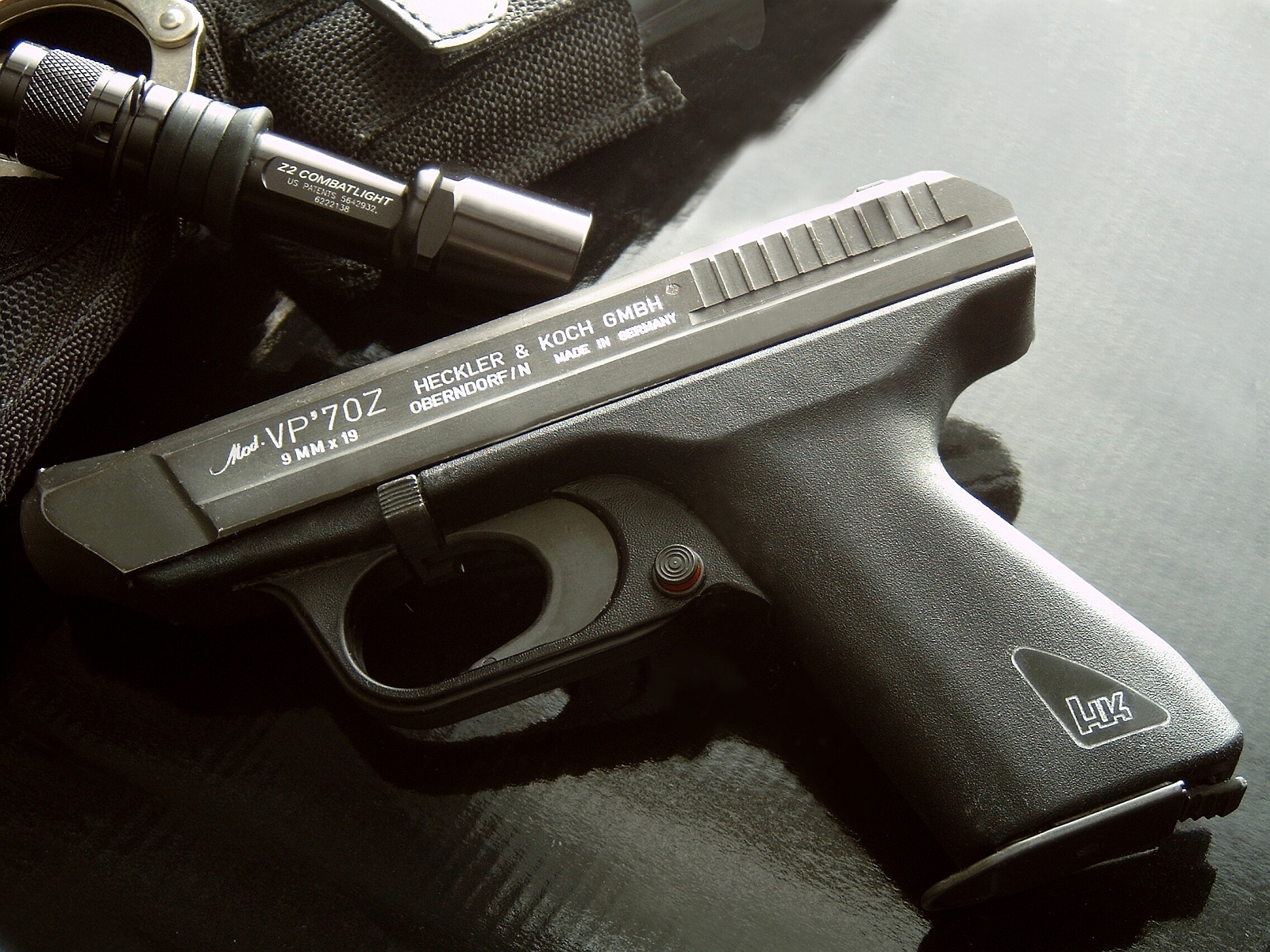
The VP70 was ahead of its time, featuring a polymer frame decades before it became common. Introduced in the 1970s, it also offered striker-fired operation long before the concept gained popularity. Though its trigger was heavy, the pistol was rugged and innovative. It even had a select-fire capability when paired with a stock, a rare feature for a handgun. The VP70 demonstrated bold experimentation during a conservative era. While not universally loved, its design influenced future developments. It stands as an important stepping stone in the evolution of modern polymer 9mm pistols.
8. Walther P38
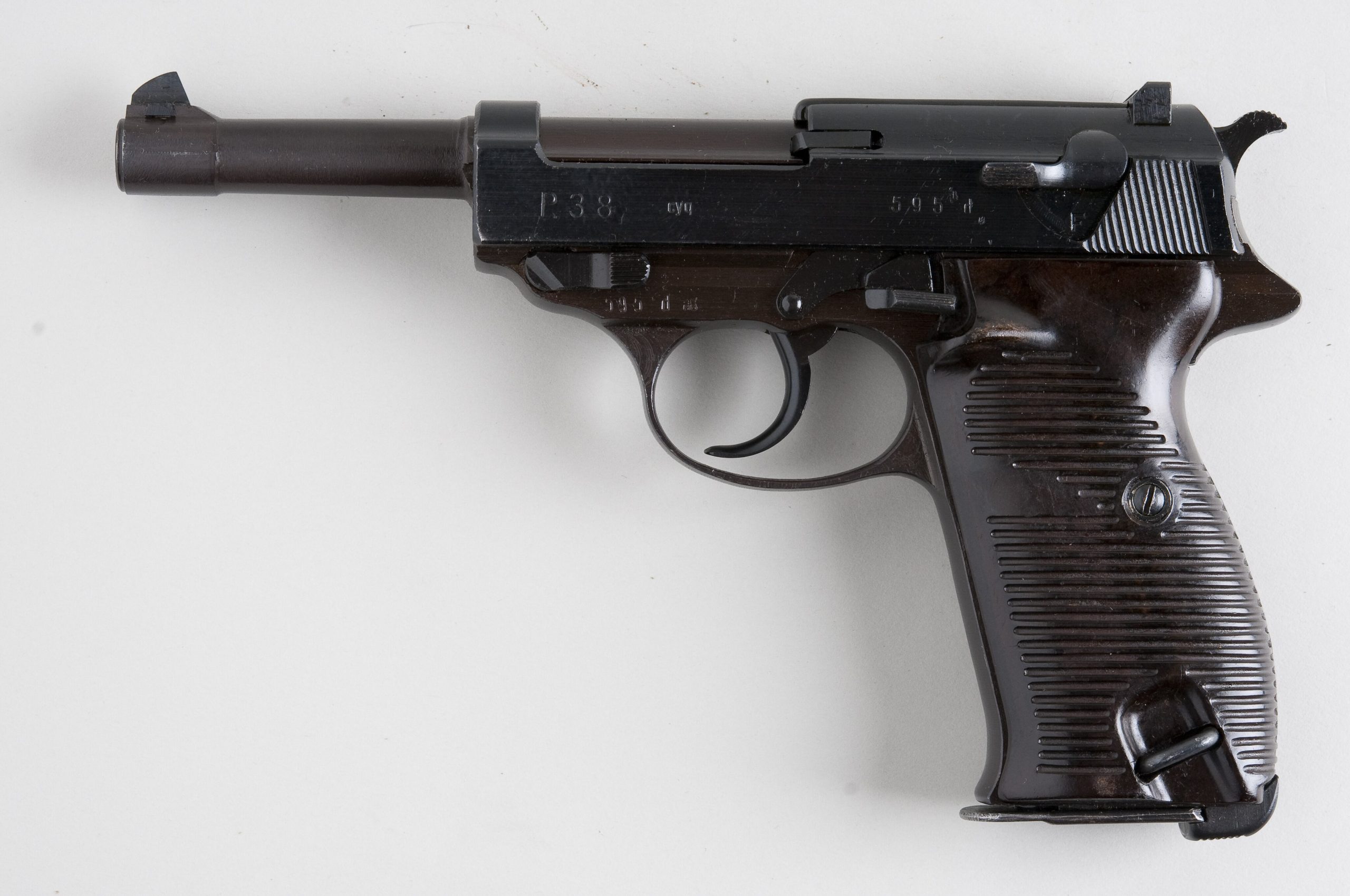
The Walther P38 was one of the first service pistols to use a double-action trigger system effectively. Adopted during World War II, it introduced a safer carry with a round chambered. Its locking system and open-top slide enhanced reliability. The P38 influenced postwar handgun development across Europe. It balanced innovation with practicality at a critical time in history. Many later pistols borrowed elements from its design. The P38 proved that safety and readiness could coexist in military handguns. Its legacy extends beyond its era, shaping how service pistols approached trigger systems and controls.
9. Ruger P89
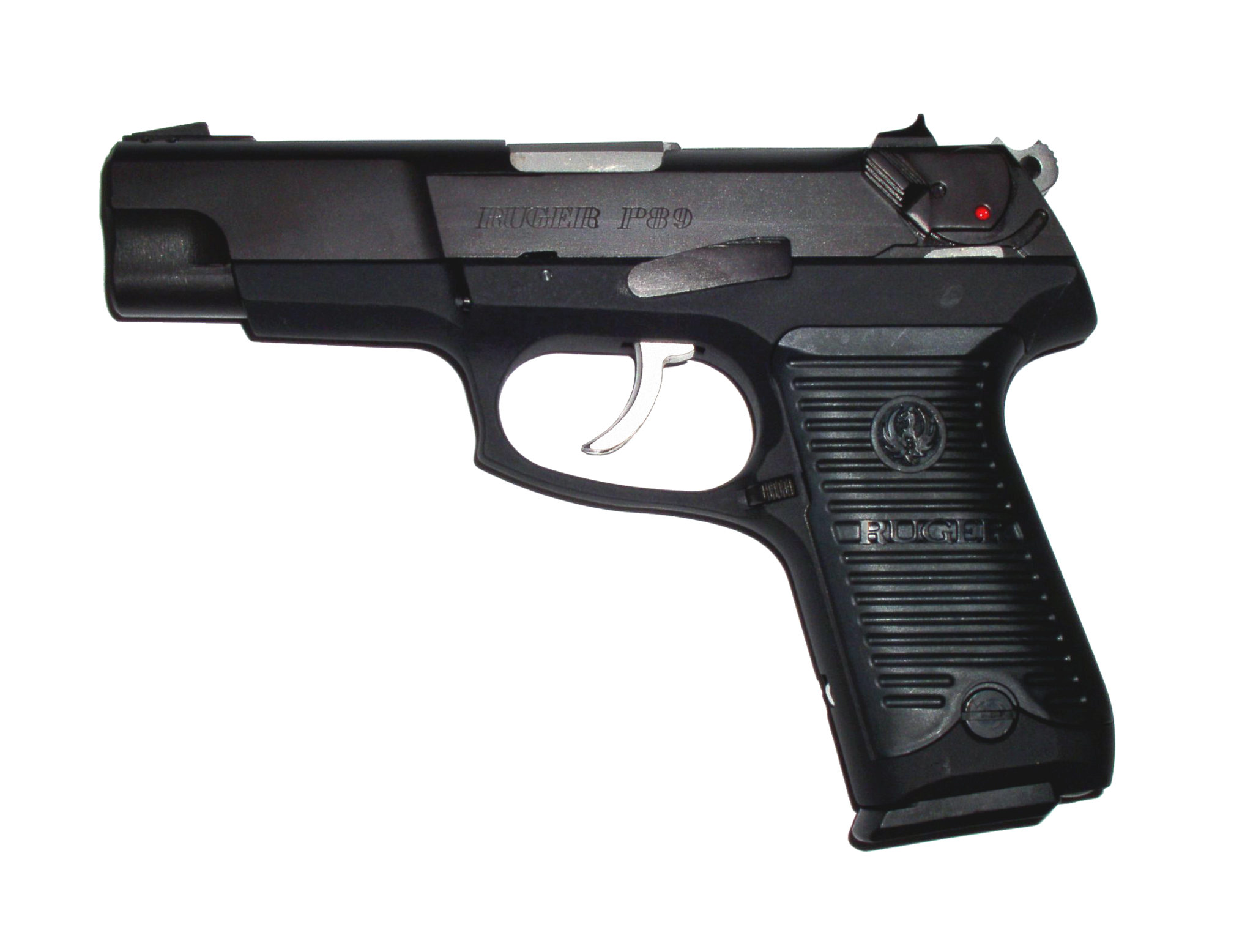
Built like a tank, the Ruger P89 prioritized durability over refinement. Its robust construction made it extremely reliable under neglect and abuse. Law enforcement agencies valued its strength and consistent function. While not the lightest or most ergonomic, it earned respect for dependability. The P89 reflected Ruger’s focus on affordability and toughness. It helped make reliable 9mm pistols accessible to a wider audience. Its influence lies in proving that working-class pistols could perform without compromise. The P89 may not be glamorous, but its reputation for reliability secured its place in handgun history.
10. FN FNS-9
The FN FNS-9 represents the modern evolution of 9mm handgun design. Featuring a polymer frame, striker-fired system, and ambidextrous controls, it was built for contemporary service needs. Law enforcement adoption highlighted its reliability and adaptability. Interchangeable backstraps allowed a better fit for different shooters. The pistol reflected lessons learned from decades of earlier designs. Its clean lines and practical features made it well-suited for duty and defense. The FNS-9 shows how far 9mm handguns have come. It stands as a product of accumulated knowledge shaped by the legends before it.