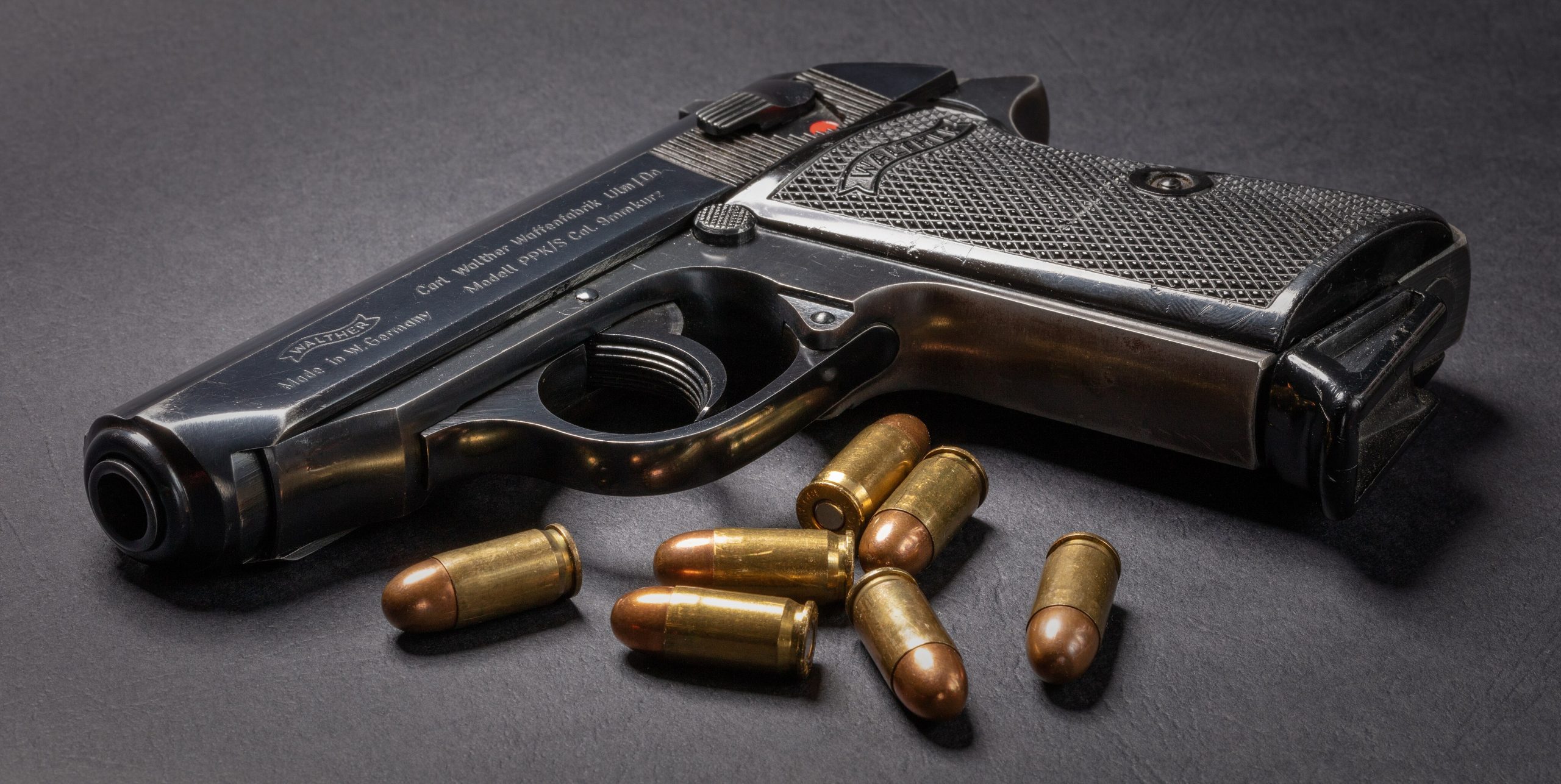
Throughout the twentieth century, handgun manufacturers didn’t just sell firearms as tools. They sold them as symbols of progress, protection, and modern living. Advertisements framed pistols as essential household items, often equating ownership with responsibility, confidence, or status. From glossy magazine spreads to mail-order catalogs, certain handguns were promoted as must-have products for everyday Americans. Over time, public attitudes, laws, and cultural values shifted, changing how these firearms are perceived today. Looking back at how these iconic handguns were marketed reveals a fascinating intersection of commerce, fear, pride, and evolving American identity.
1. Colt M1911
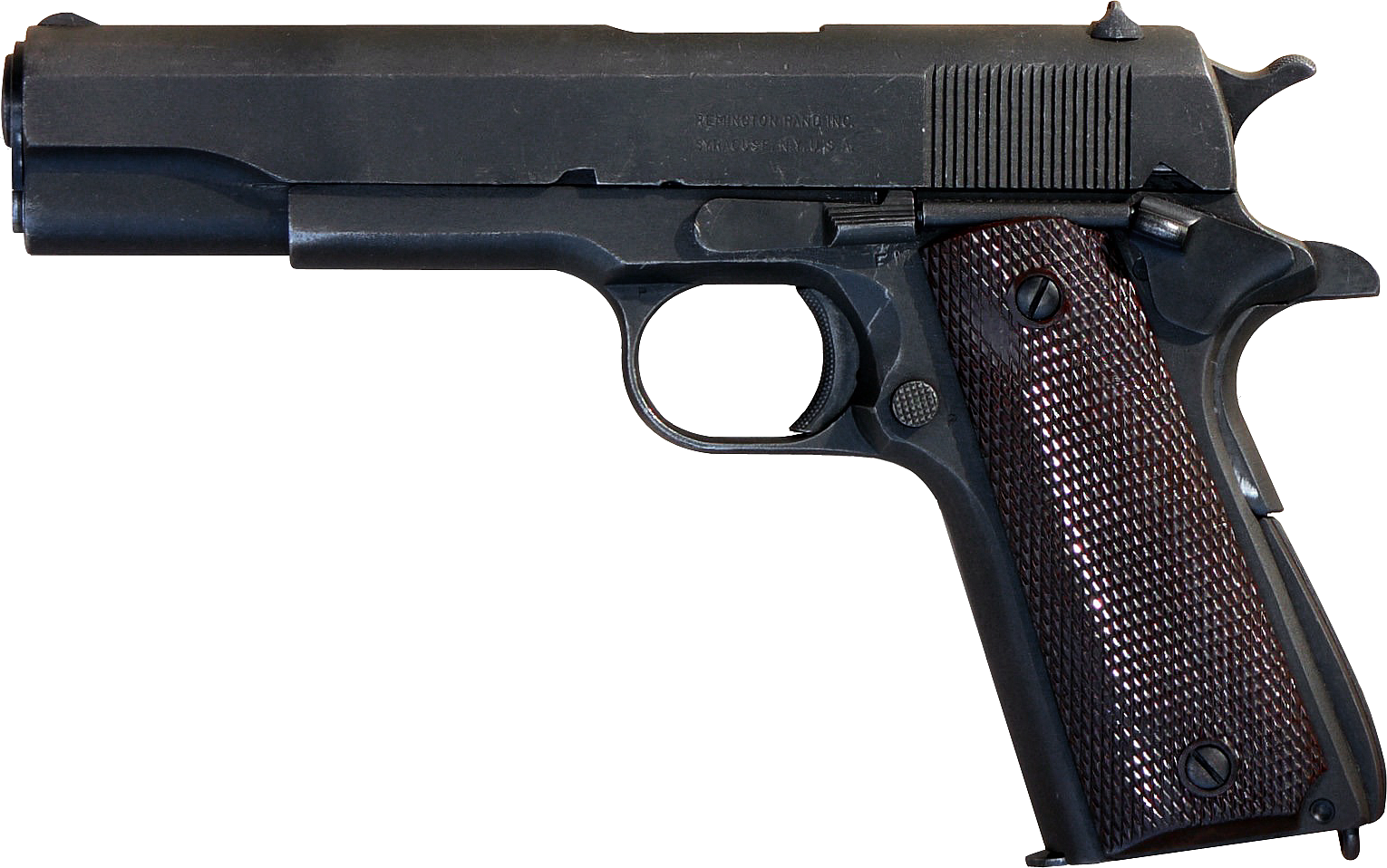
When the Colt M1911 entered civilian markets, it was promoted as the pinnacle of reliability and American engineering. Advertisements emphasized its military pedigree, suggesting that owning the same sidearm trusted by U.S. soldiers offered unmatched dependability. Marketing materials framed it as a logical choice for businessmen, outdoorsmen, and homeowners alike. Its solid construction and stopping power were presented as reassuring features rather than extremes. The M1911 was positioned not as excessive, but as sensible preparedness, reflecting a time when military association increased consumer confidence rather than concern.
2. Smith & Wesson Model 10
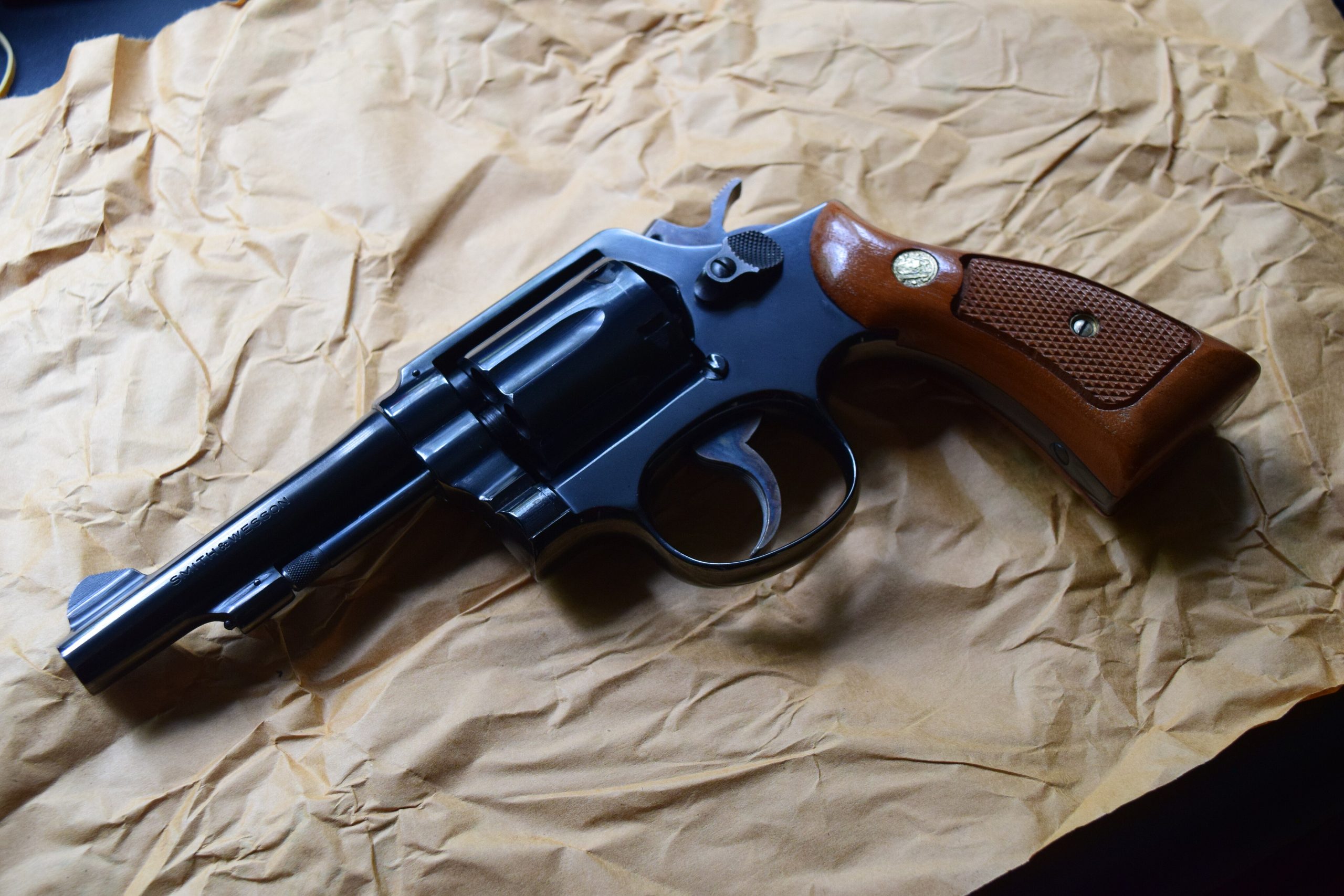
The Smith & Wesson Model 10 was marketed as the practical revolver every responsible adult should own. Ads highlighted its simplicity, ease of maintenance, and law-enforcement adoption. Consumers were encouraged to view it as dependable insurance rather than a specialized weapon. Its clean lines and manageable size were promoted as ideal for home protection and professional use. The revolver’s widespread presence in police holsters helped cement its image as trustworthy and respectable, reinforcing its status as a must-have firearm for ordinary citizens.
3. Walther PPK
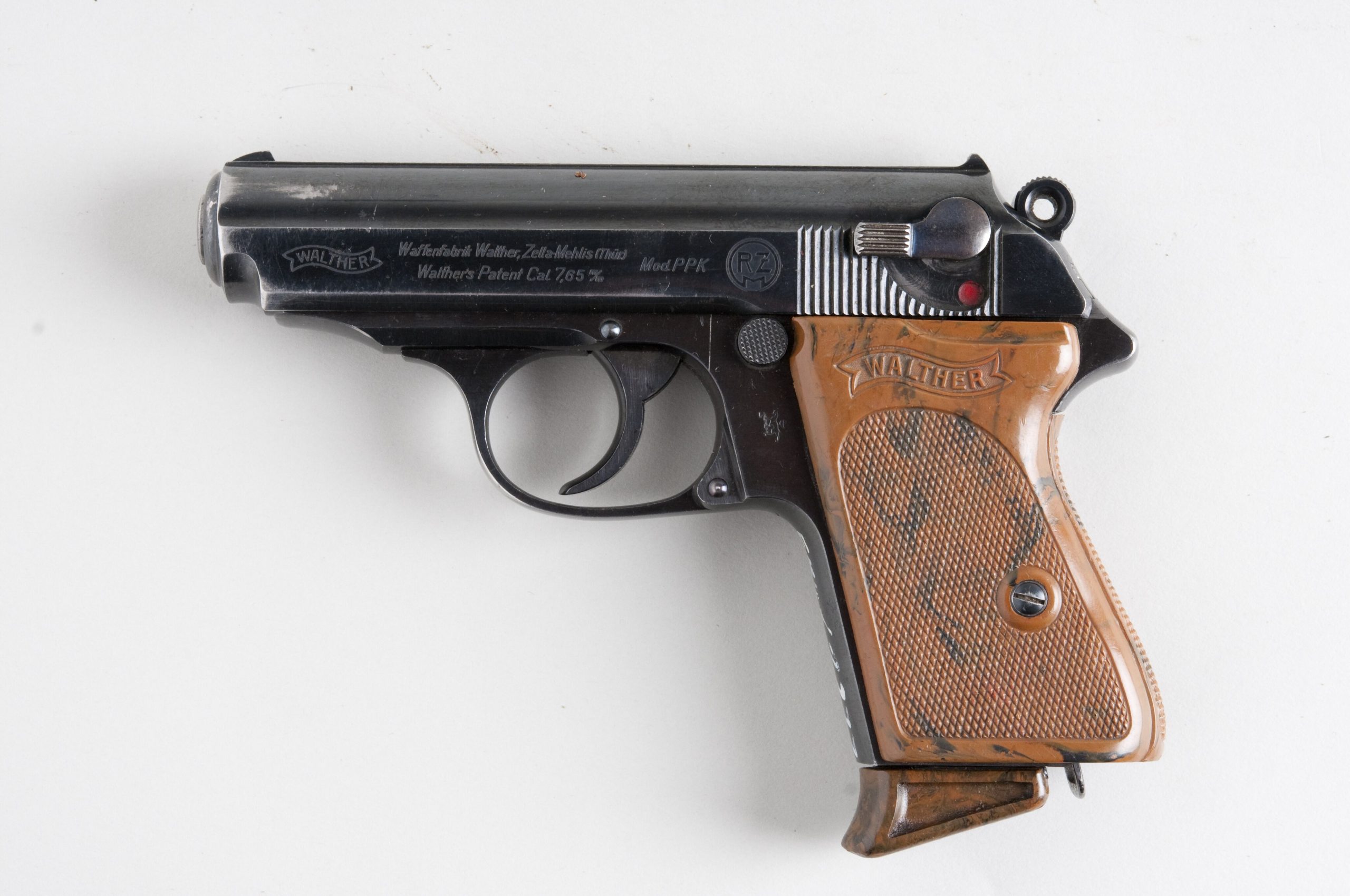
The Walther PPK was marketed as the elegant solution for discreet personal protection. Advertisements emphasized its slim profile, refined craftsmanship, and European sophistication. It was often framed as a modern accessory for professionals who valued subtlety over brute force. Rather than focusing on power, marketing leaned heavily into concealability and style. The PPK was positioned as a firearm for those who wanted protection without drawing attention, aligning with an era when personal defense was increasingly tied to urban living and understated design.
4. Browning Hi-Power
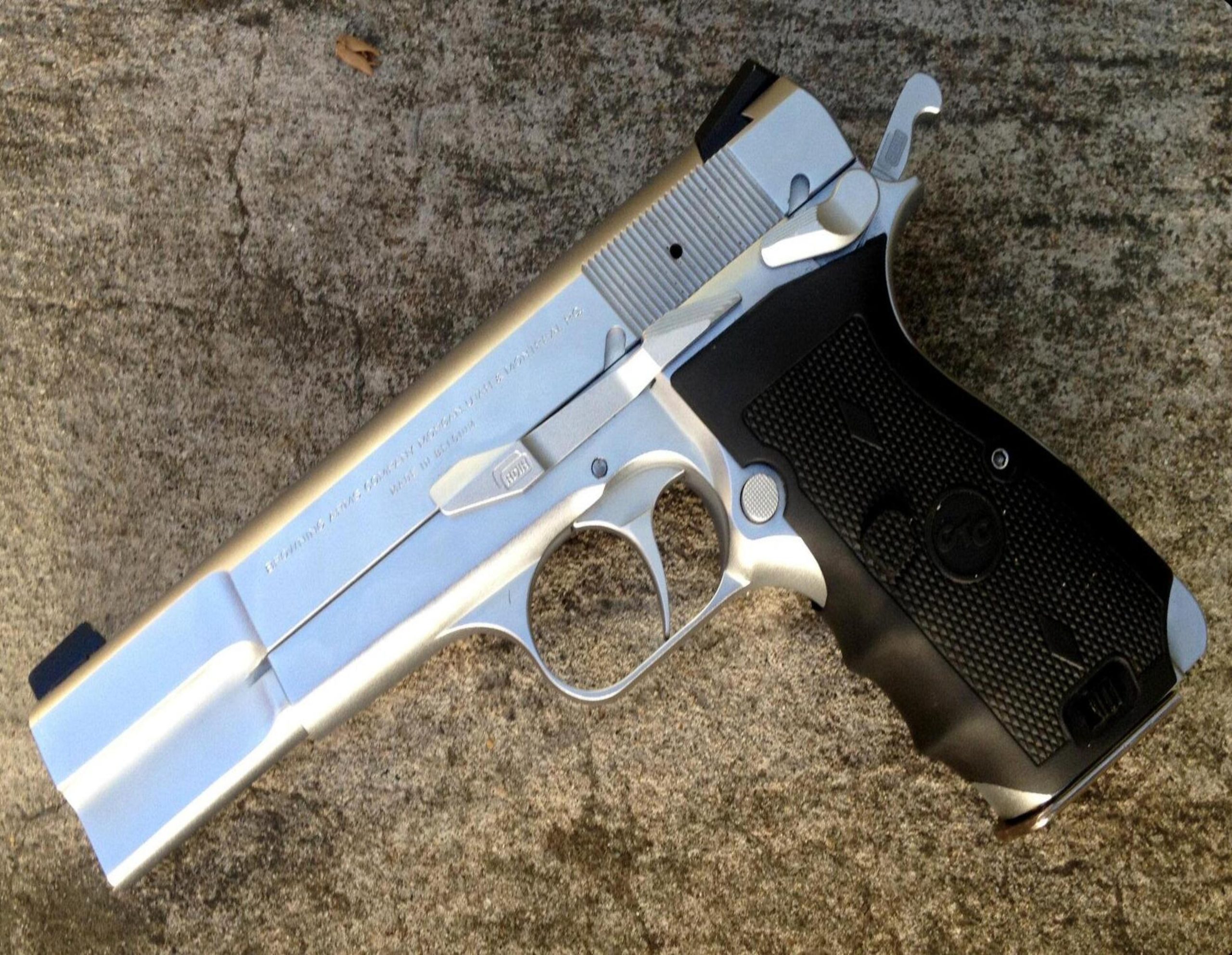
Browning promoted the Hi-Power as a revolutionary advancement in handgun capacity and design. Marketing stressed innovation, calling attention to its higher magazine capacity and smooth ergonomics. Consumers were encouraged to see it as a forward-thinking choice, ideal for those who wanted cutting-edge technology. Its global military adoption reinforced its credibility, while civilian ads framed ownership as staying ahead of the curve. The Hi-Power was sold not just as a firearm, but as proof of modern thinking and preparedness.
5. Ruger Standard Model
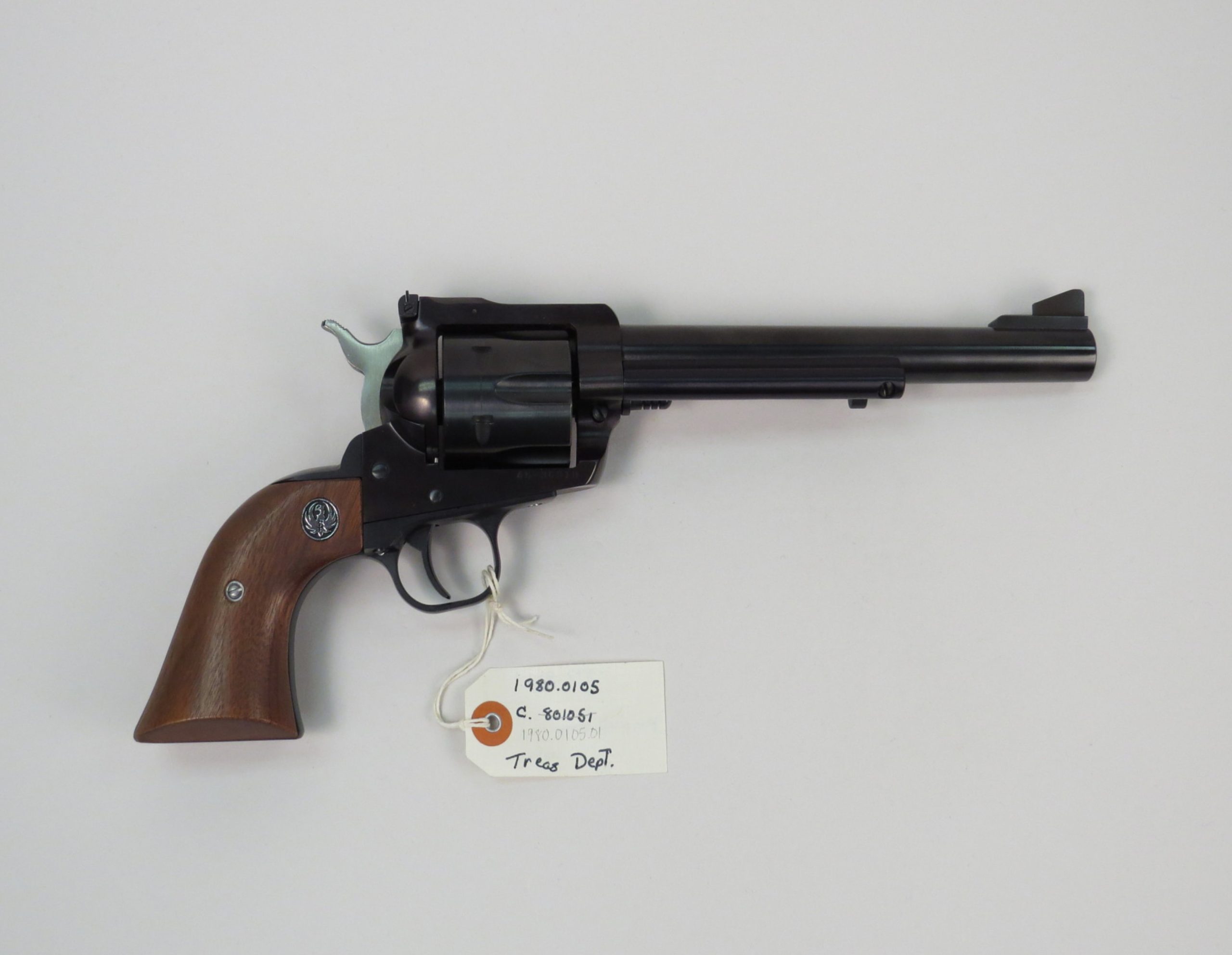
The Ruger Standard Model was marketed as the perfect entry-level handgun for responsible Americans. Advertisements emphasized affordability, accuracy, and recreational appeal. It was presented as an ideal first firearm, suitable for training, sport shooting, and casual ownership. The tone of marketing was friendly and approachable, positioning the pistol as a wholesome pastime rather than a defensive necessity. Ruger successfully framed ownership as a normal, enjoyable hobby, helping the handgun achieve widespread popularity across generations.
6. Colt Detective Special
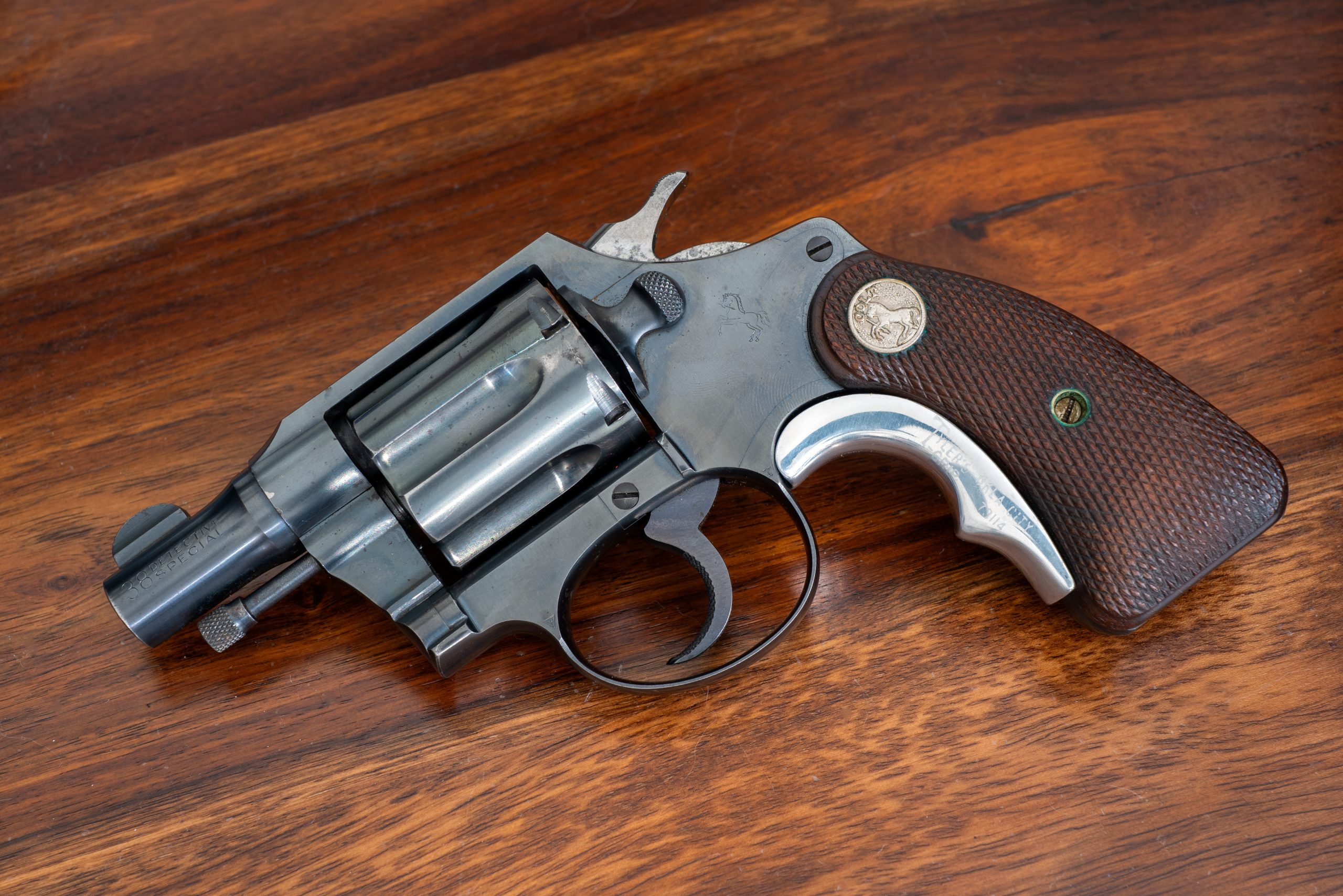
Colt marketed the Detective Special as compact, powerful reassurance for urban life. Advertisements leaned into their association with plainclothes officers and investigators, suggesting professional credibility. Its small frame was promoted as convenient for daily carry, while its stopping power was portrayed as confidence-building. The revolver was framed as a practical response to city living rather than paranoia. This marketing resonated with consumers who wanted protection that felt smart and discreet, reinforcing the idea that preparedness was simply part of modern adulthood.
7. Beretta 92
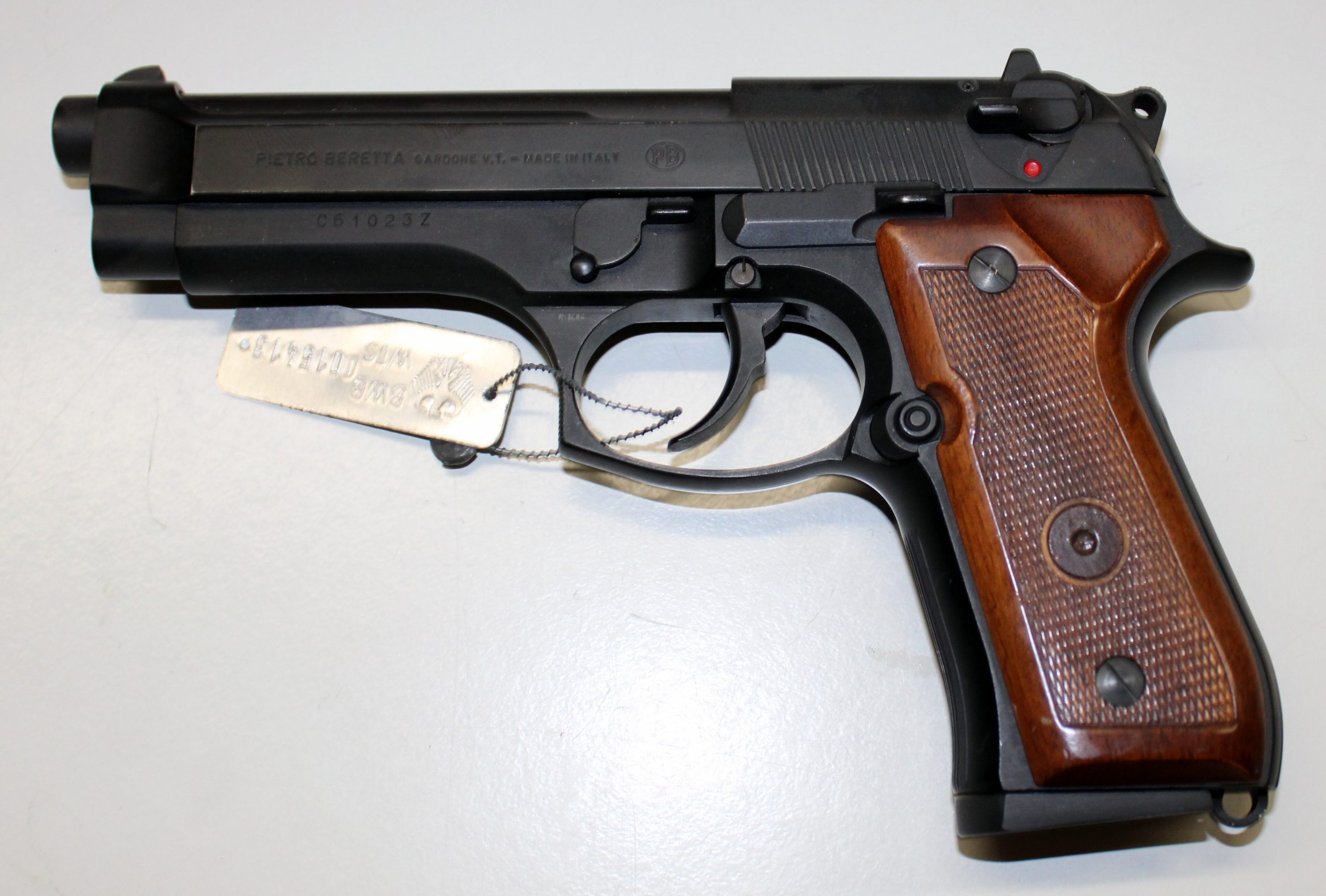
When Beretta introduced the 92 to American consumers, it was marketed as a symbol of precision and modern reliability. Advertisements highlighted its smooth operation, high capacity, and military adoption. The pistol was framed as technologically advanced and globally trusted. Ownership was associated with confidence and competence, appealing to buyers who valued engineering and performance. Marketing often emphasized balance and control rather than aggression, positioning the Beretta 92 as a refined yet capable choice for serious owners.
8. Glock 17
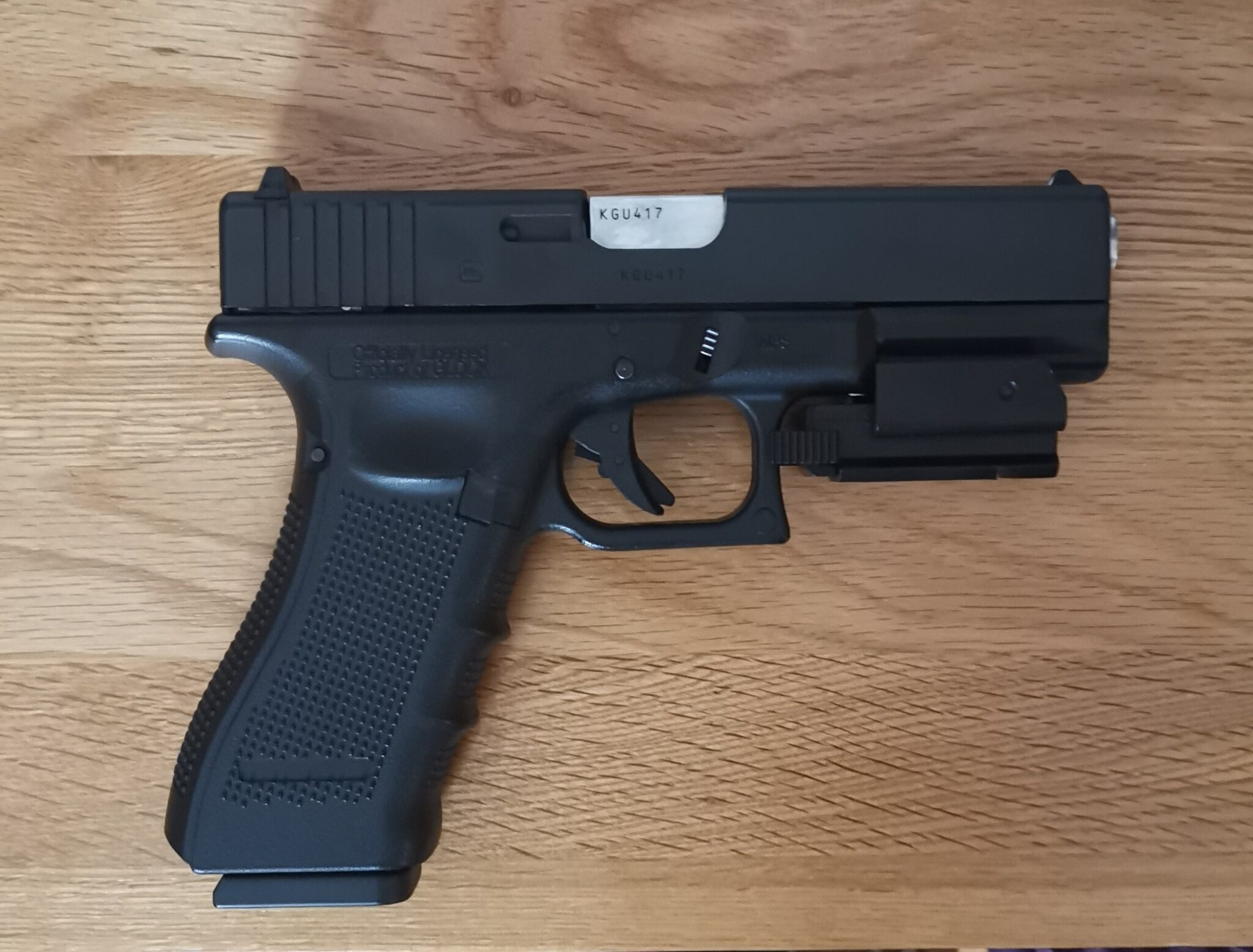
Early Glock marketing focused on innovation and simplicity. Advertisements emphasized polymer construction, reliability, and reduced maintenance. The Glock 17 was framed as a smart upgrade from traditional designs, appealing to consumers who valued efficiency. Marketing avoided nostalgia, instead promoting modern materials and forward-thinking engineering. Ownership was portrayed as practical and informed, aligning with a growing cultural shift toward minimalism and performance. Glock’s approach redefined what a must-have handgun looked like in a changing market.
9. Colt Python
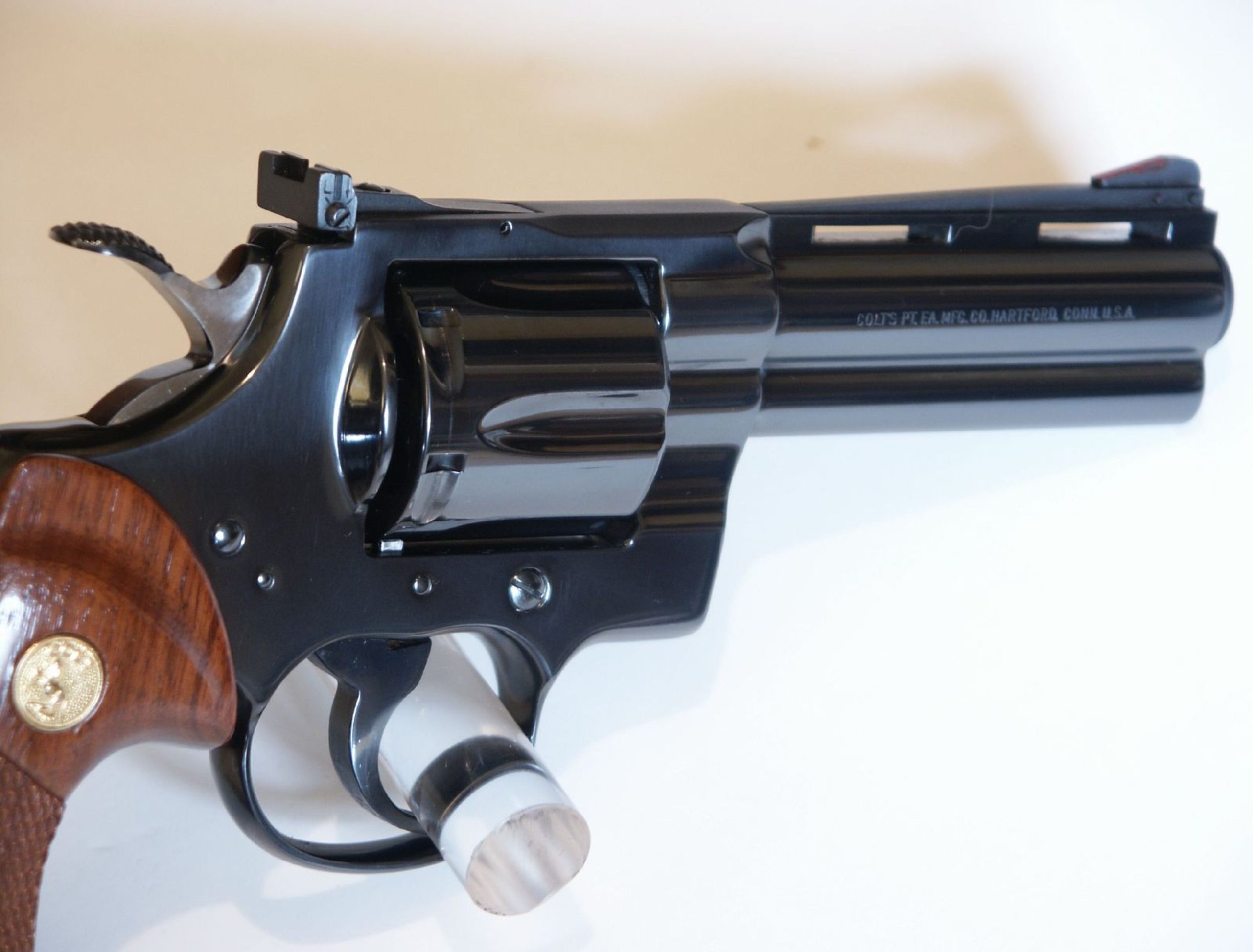
The Colt Python was marketed as the luxury standard in revolvers. Advertisements highlighted its craftsmanship, smooth trigger, and premium finish. It was framed as an investment and a point of pride, appealing to enthusiasts who valued precision and aesthetics. Ownership was associated with discernment and appreciation for quality. Rather than emphasizing necessity, marketing leaned into excellence, positioning the Python as a firearm for those who wanted the best available, regardless of price.
10. SIG Sauer P226
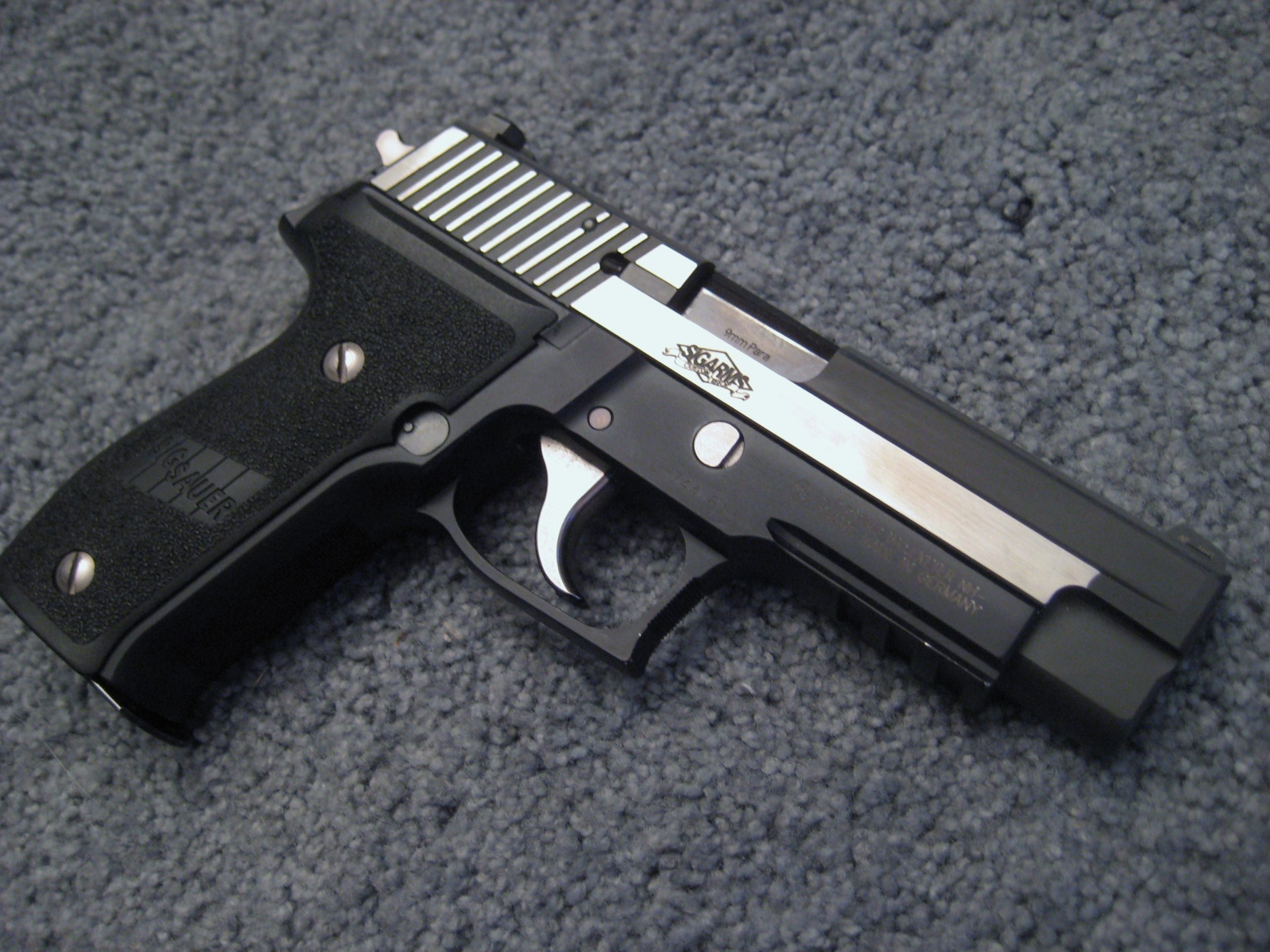
SIG Sauer marketed the P226 as a professional-grade handgun suitable for serious users. Advertisements emphasized durability, accuracy, and adoption by elite units. Civilian ownership was framed as access to the same reliability trusted by professionals. The messaging suggested preparedness rooted in quality rather than fear. The P226 was positioned as a rational, well-researched choice, appealing to buyers who valued performance data and reputation over flash, solidifying its place as a must-have for informed consumers.