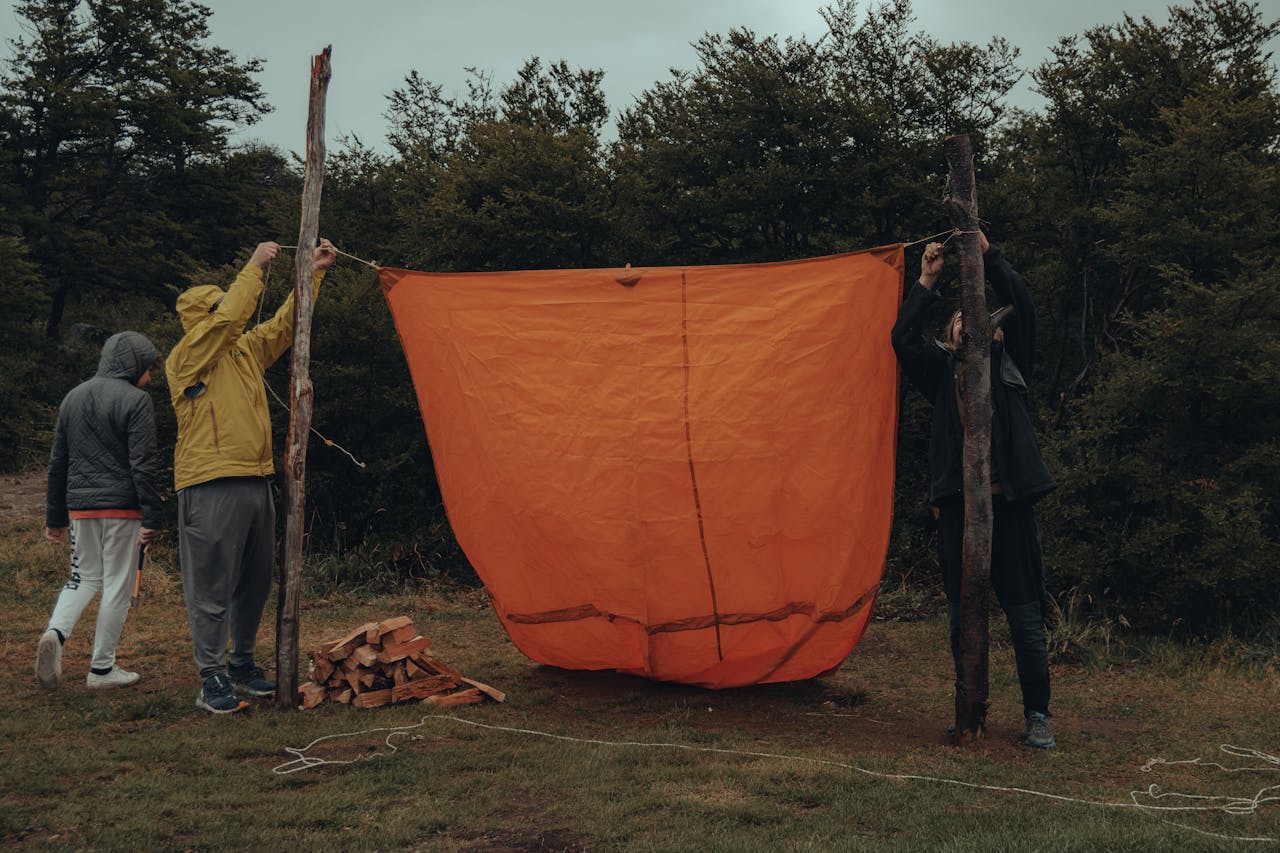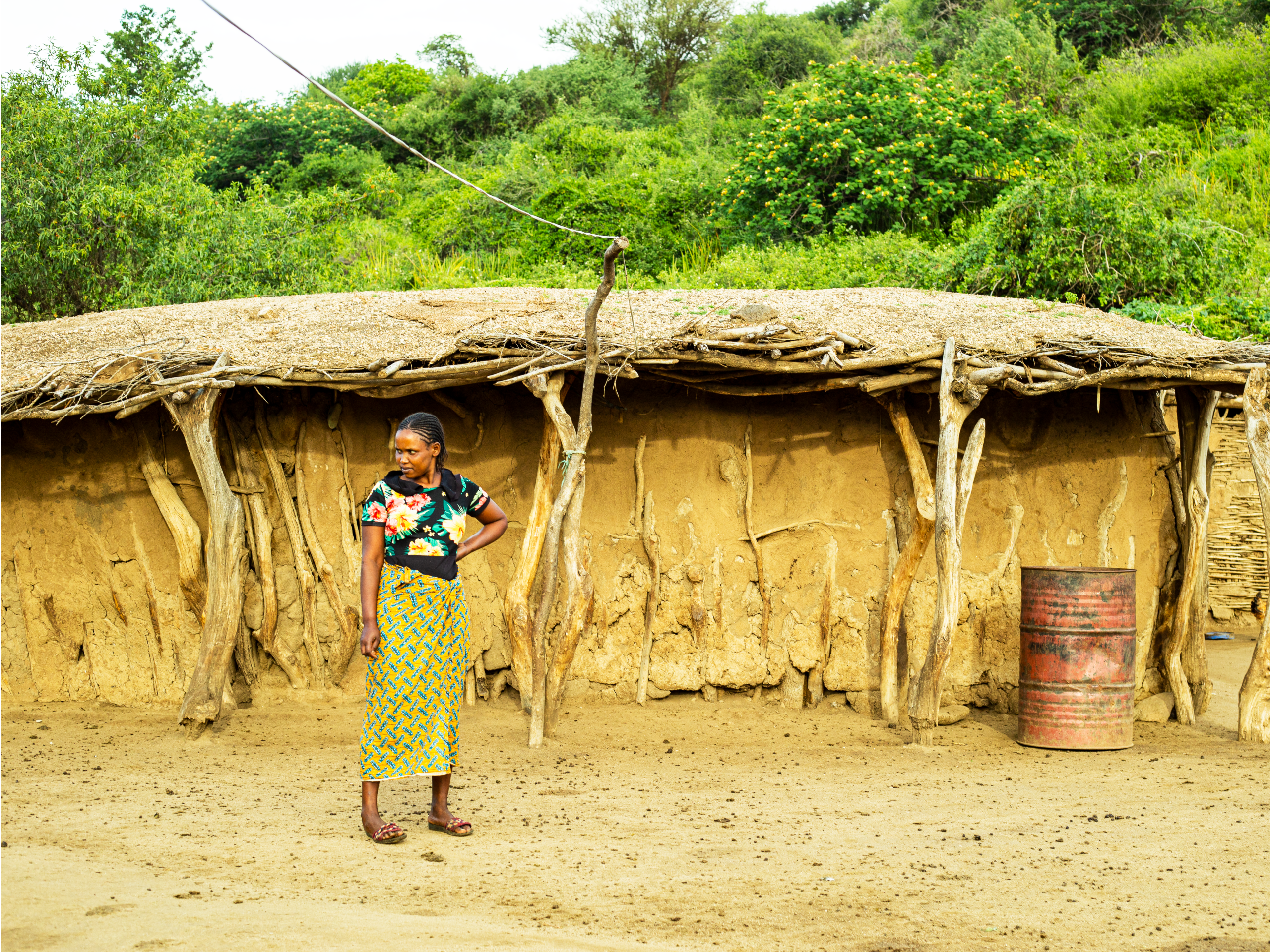
In a world mapped by satellites and stitched together by instant communication, it’s easy to assume no corner of Earth remains untouched. Yet deep within dense jungles and remote islands, a small number of human tribes continue to live entirely outside modern civilization. These groups have chosen isolation not out of ignorance, but survival. Many have learned through violent history that contact brings disease, exploitation, or extinction. Their lives revolve around hunting, foraging, ritual, and an intimate understanding of nature passed down for centuries. Governments now attempt to protect these tribes by enforcing strict no-contact laws. What remains is a fragile balance between curiosity and respect, as these communities persist on their own terms.
1. Sentinelese
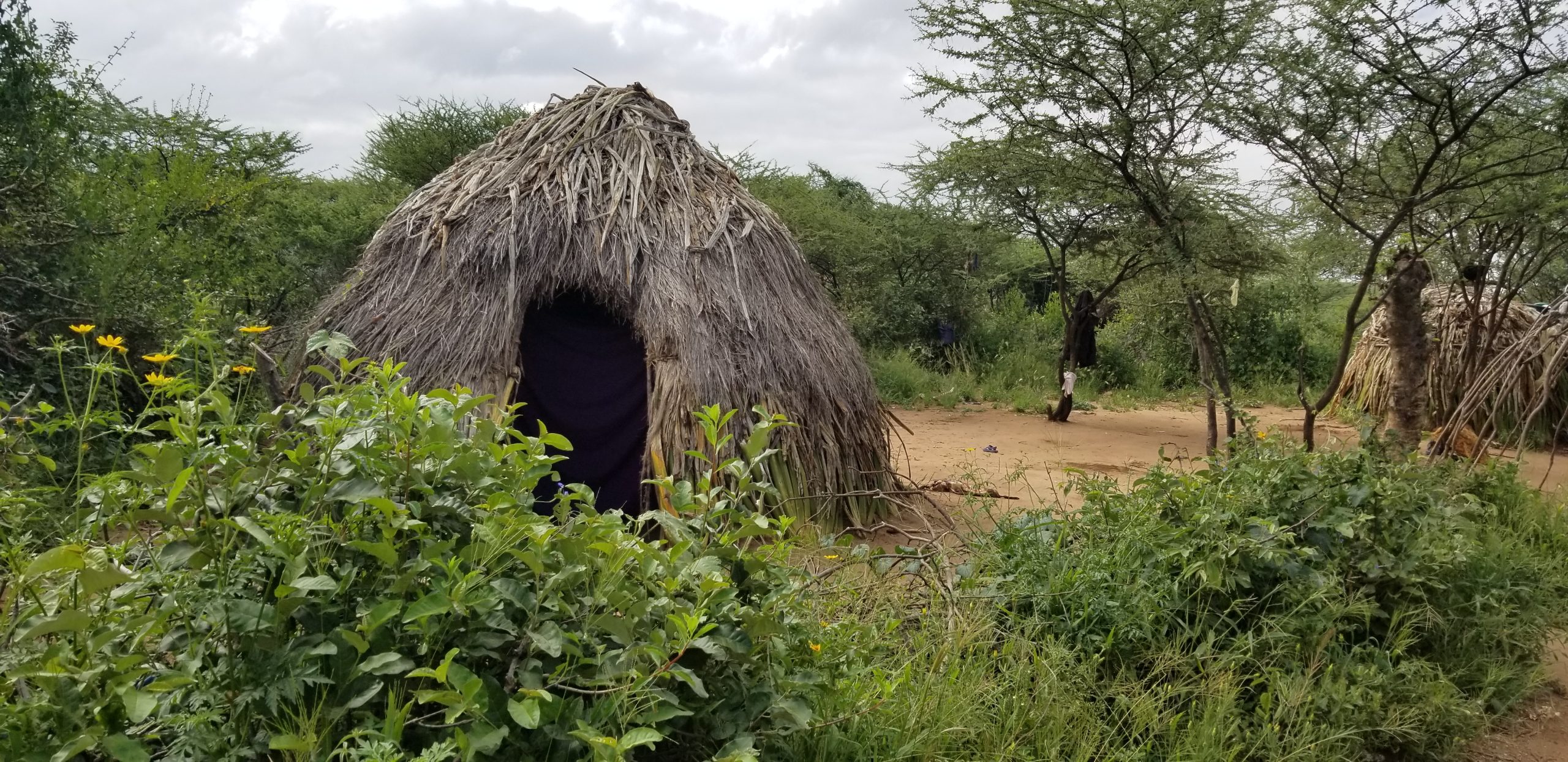
The Sentinelese inhabit North Sentinel Island in the Andaman Sea, one of the most isolated places on Earth. Located near North Sentinel Island, this tribe has rejected every known attempt at contact. They defend their shoreline with bows and spears, making their stance unmistakably clear. Very little is known about their language, beliefs, or population size. Even brief encounters have ended violently, often provoked by outsiders. Indian law strictly prohibits approaching the island to protect the tribe from disease. Their survival depends on fishing, hunting, and gathering, using techniques refined over thousands of years without outside influence.
2. Mashco-Piro
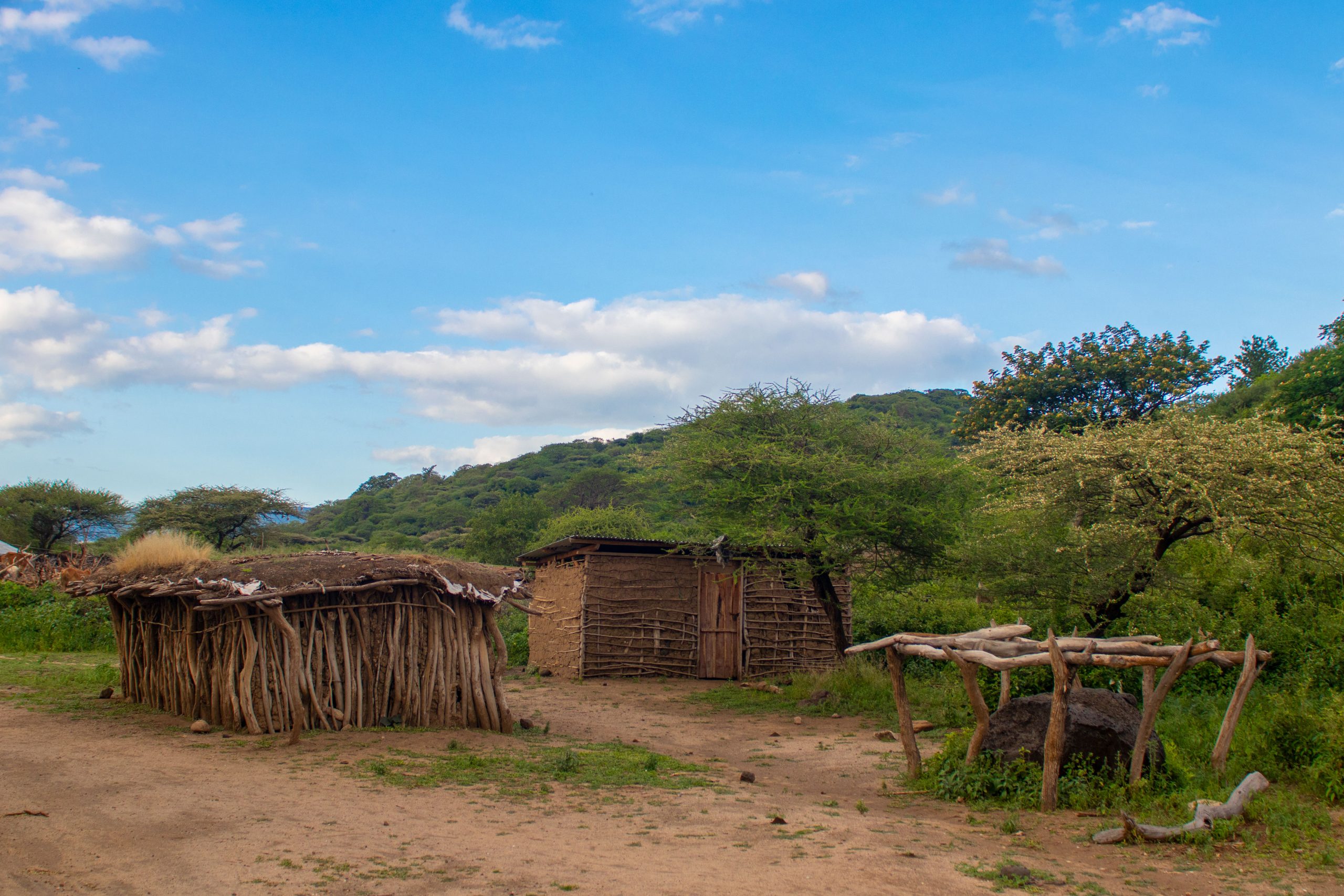
Deep in the Amazon rainforest of southeastern Peru, the Mashco-Piro live a nomadic life hidden beneath a thick jungle canopy. Their territory lies near the headwaters of rivers flowing through the Amazon Rainforest, making access extremely difficult. They avoid outsiders but occasionally appear along riverbanks, usually during food shortages. Linguists believe they speak a Panoan language, though little has been documented. The tribe relies heavily on hunting and seasonal foraging, moving frequently to avoid conflict. Illegal logging poses the greatest threat to their isolation. Even accidental contact risks introducing diseases that could devastate their population within weeks.
3. Korubo
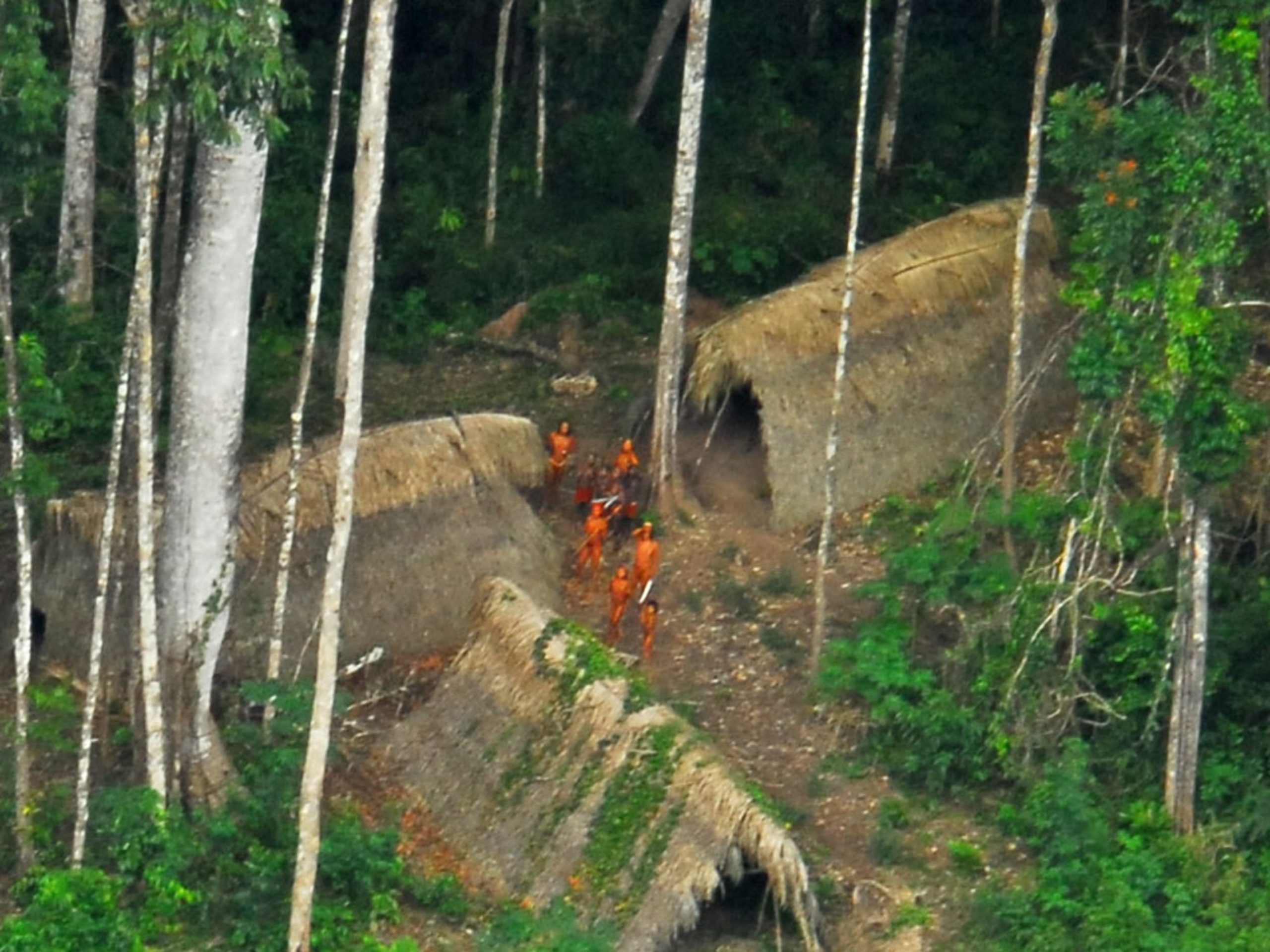
The Korubo are among the most aggressive uncontacted tribes in Brazil, known for defending their land with heavy wooden clubs. They inhabit a remote region of the western Amazon near the Javari Valley, close to the border of Brazil. Their hostility is rooted in past violence inflicted by outsiders, including loggers and miners. While a few Korubo groups have made limited contact, others remain fully isolated. They live in communal longhouses and depend on hunting monkeys, fishing, and gathering wild fruits. Brazilian authorities now monitor their territory from a distance to prevent forced encounters and land invasion.
4. Ayoreo-Totobiegosode
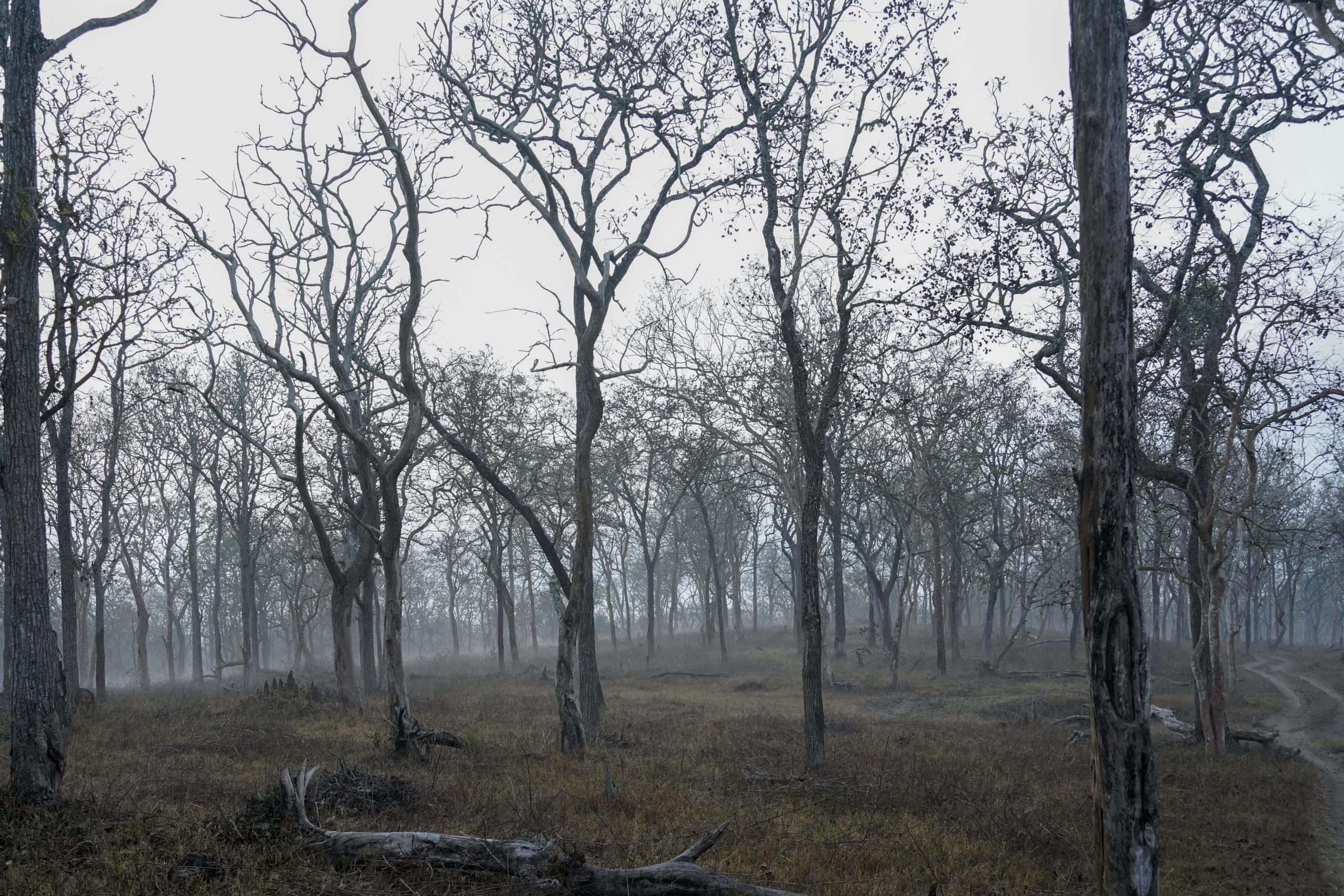
Living in the dry forests of the Gran Chaco, the Ayoreo-Totobiegosode are one of the last uncontacted tribes outside the Amazon. Their homeland spans remote regions of Paraguay and Bolivia, where dense thorn forests provide cover. They practice a hunter-gatherer lifestyle, tracking animals and harvesting native plants. Deforestation for cattle ranching has forced some groups into unwanted contact. Those who remain isolated continue to move frequently to avoid detection. Their spiritual beliefs are deeply tied to the forest, viewing it as both provider and protector. Loss of land remains their greatest existential threat.
5. Tagaeri
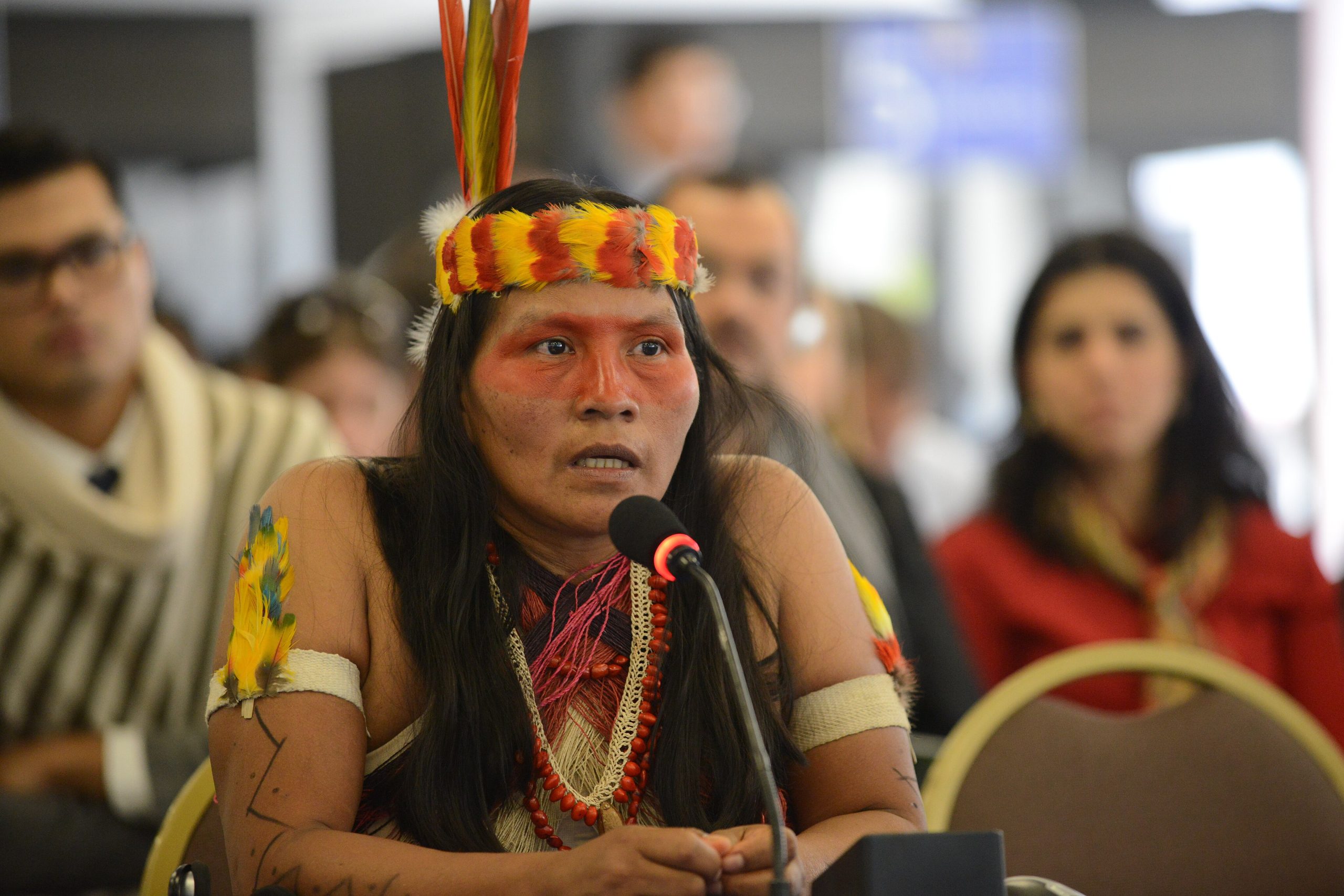
The Tagaeri are a small, highly vulnerable group living within Ecuador’s Yasuni National Park. This protected area lies in the western Amazon basin of Ecuador. They are closely related to the Waorani people but chose isolation after violent encounters with oil workers decades ago. The Tagaeri hunt with spears and rely on seasonal forest resources. Oil exploration nearby increases the risk of accidental contact. Ecuador has declared its territory off-limits, yet enforcement remains difficult. Because their numbers are believed to be extremely low, even minimal exposure to outside diseases could be catastrophic.
6. Taromenane
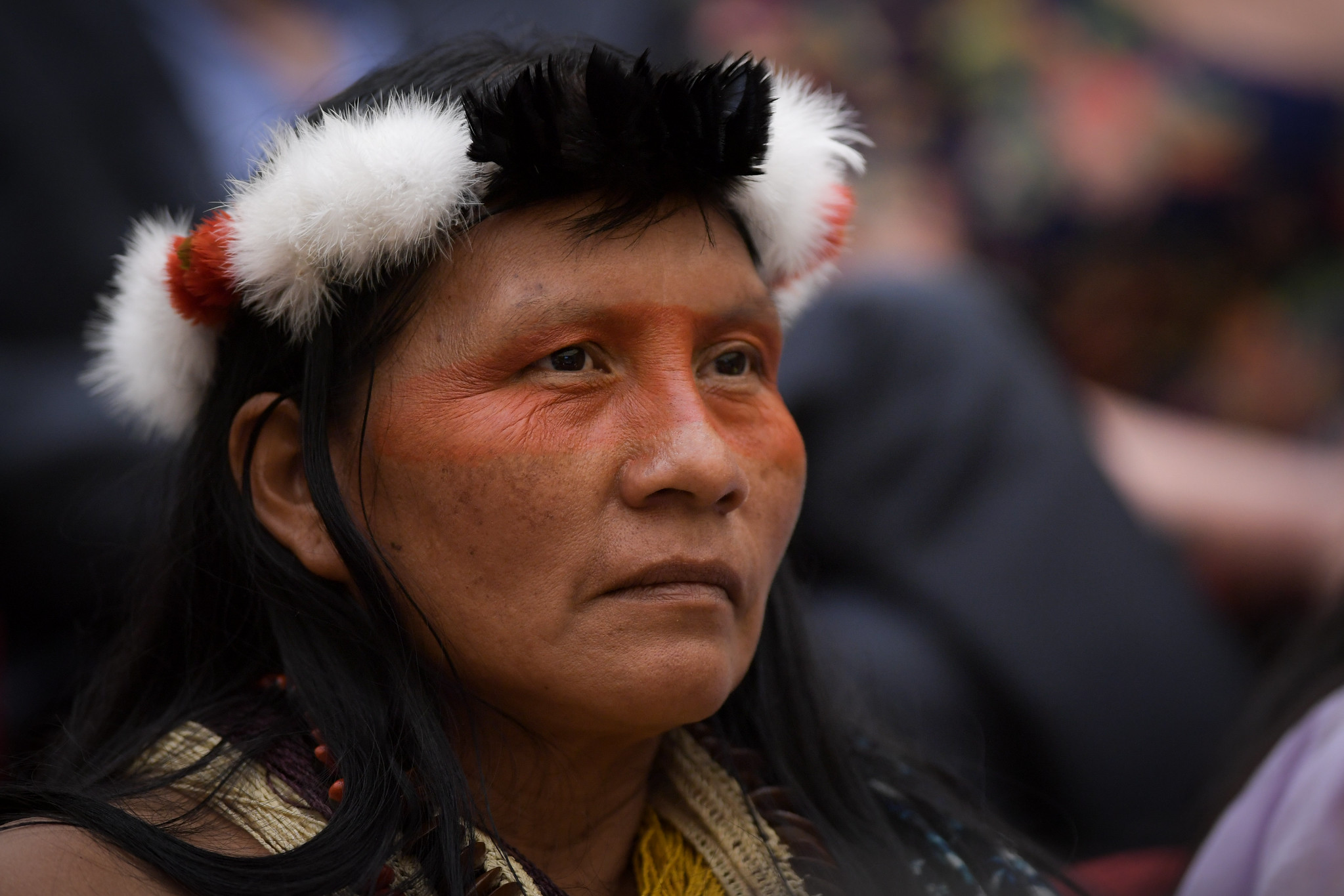
The Taromenane share territory with the Tagaeri but remain even more elusive. They live in the most remote sections of Yasuni, where rivers and dense vegetation shield them from intrusion. Like their neighbors, they depend on hunting, fishing, and gathering forest plants. Their movements are highly unpredictable, likely a strategy to avoid detection. Violent clashes have occurred when their paths crossed with outsiders, reinforcing their isolation. The Ecuadorian government recognizes them as a protected people, yet illegal activity persists. Their continued survival depends entirely on maintaining untouched forest corridors free from roads and industrial development.
7. Flecheiros
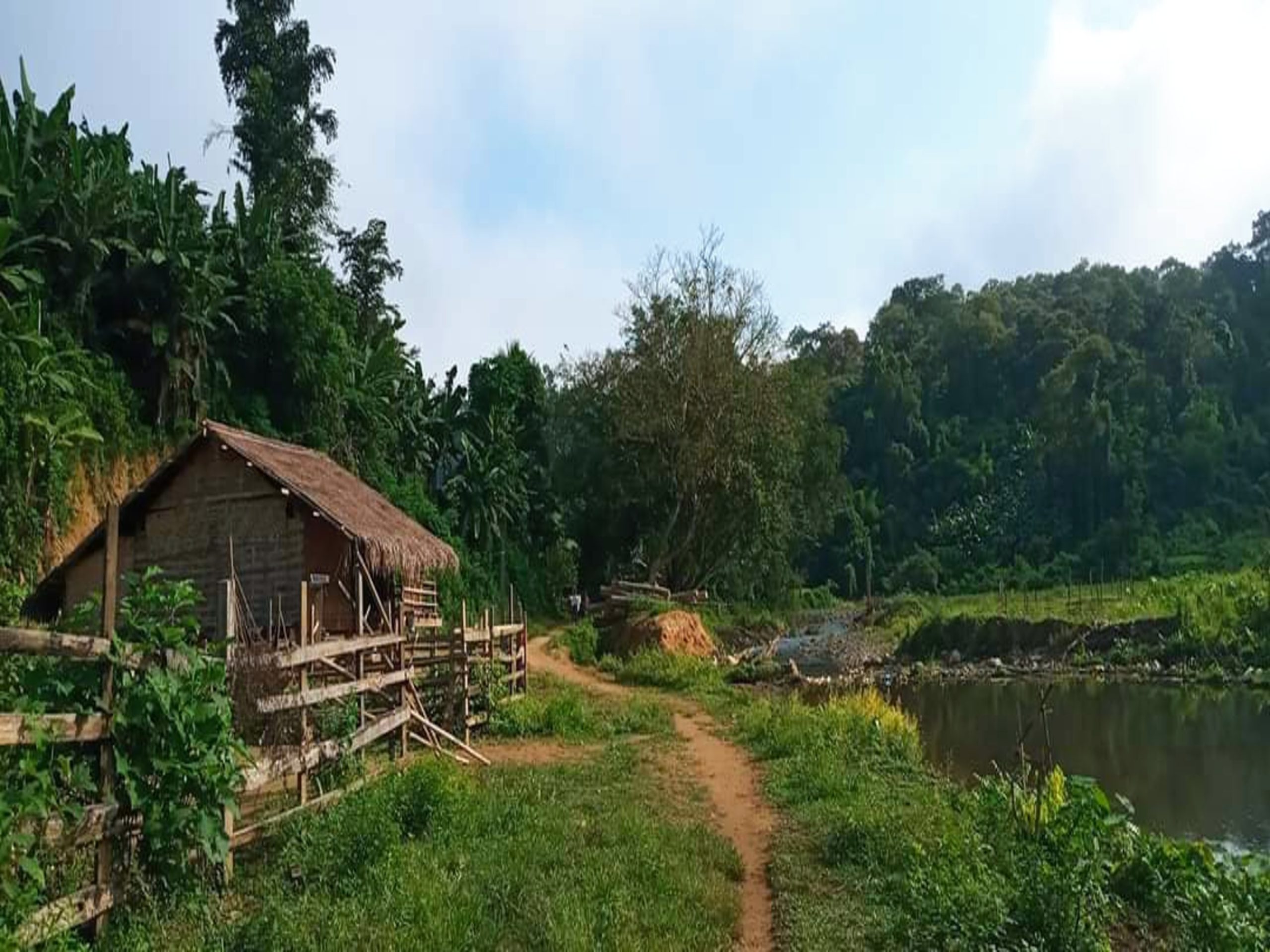
Named for their skill with long bows, the Flecheiros live in Brazil’s Javari Valley, one of the most inaccessible regions of the Amazon. This area lies near the border of Peru and Brazil, where rivers serve as natural barriers. The tribe is known for firing arrows at aircraft flying overhead, signaling their refusal to make contact. They live in small family groups, building temporary shelters as they move through the forest. Hunting large game and fishing form the core of their diet. Government agencies monitor the area remotely to prevent encroachment by loggers and traffickers.
8. Kawahiva
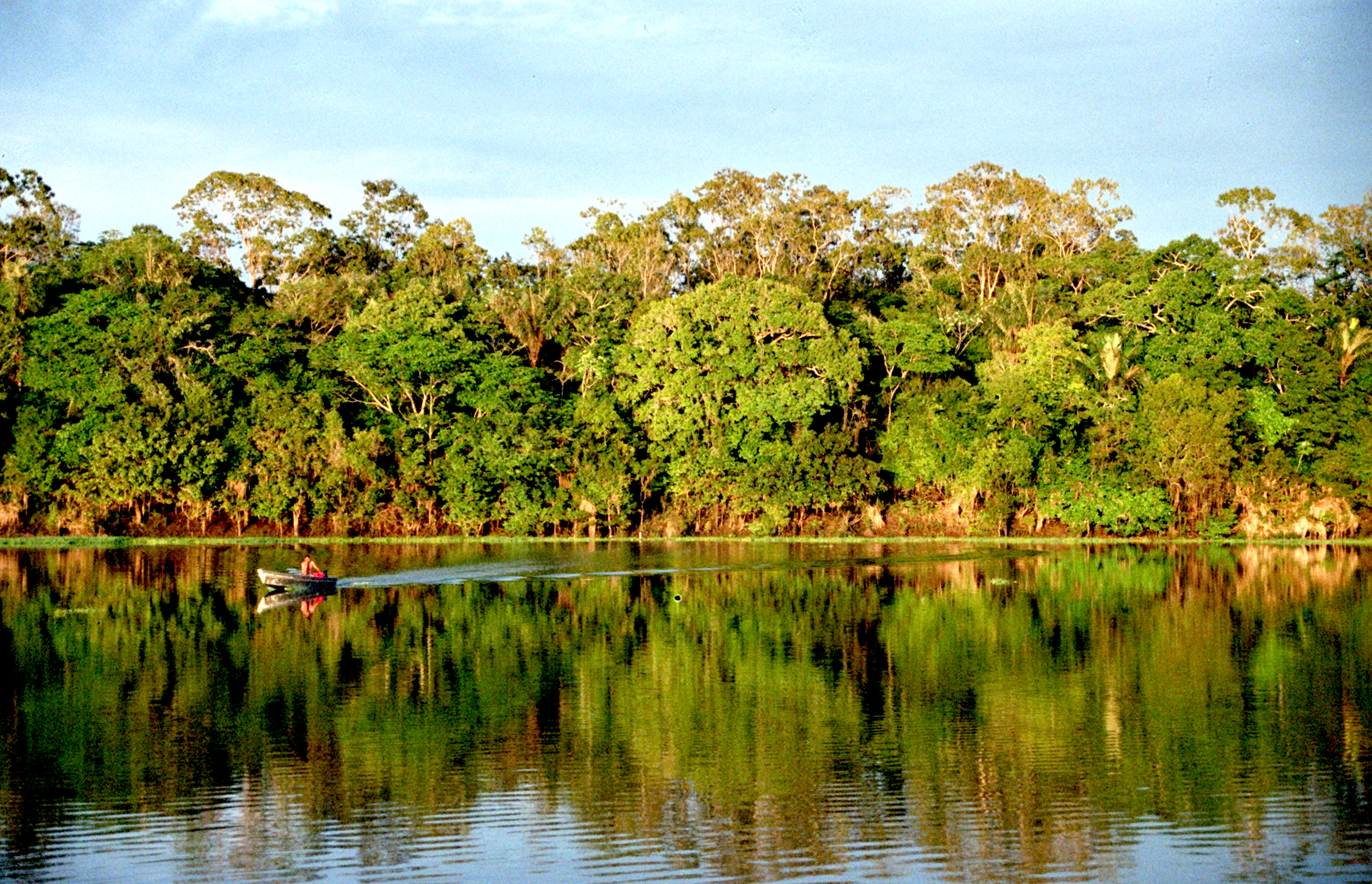
The Kawahiva are nomadic hunter-gatherers living in the forests of Mato Grosso, Brazil. Their population is believed to be extremely small, making them especially vulnerable. They construct simple shelters from palm leaves and abandon them as they move. The tribe avoids permanent settlements, likely due to repeated violent encounters in the past. Their land has been heavily targeted by illegal loggers, forcing constant movement. Brazil has established a protected zone, but enforcement is challenging. The Kawahiva’s deep knowledge of forest ecology allows them to survive with minimal tools, relying instead on adaptability and intimate environmental awareness.
9. Pintupi Nine
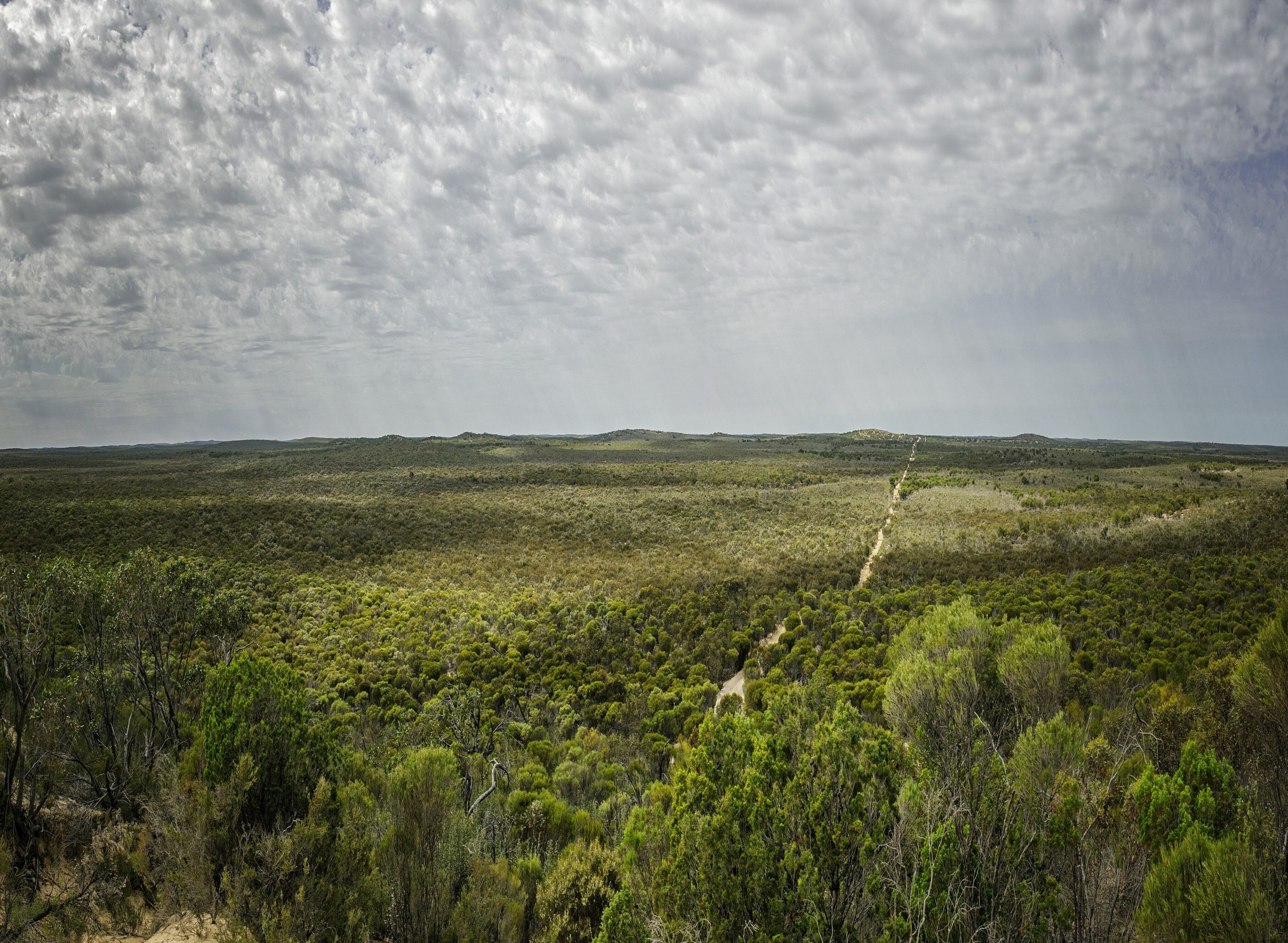
The Pintupi Nine lived traditionally in Australia’s desert interior and avoided contact until 1984. Though no longer fully isolated today, their story represents one of the most recent examples of complete separation from modern society. They survived in the harsh environment of the Great Victoria Desert by tracking scarce water sources and hunting small animals. Their late contact revealed how recent isolation can still exist in modern times. While now integrated into nearby communities, their experience highlights how human societies can persist independently for generations when knowledge is preserved, and land remains undisturbed.
10. Uncontacted Andamanese Groups
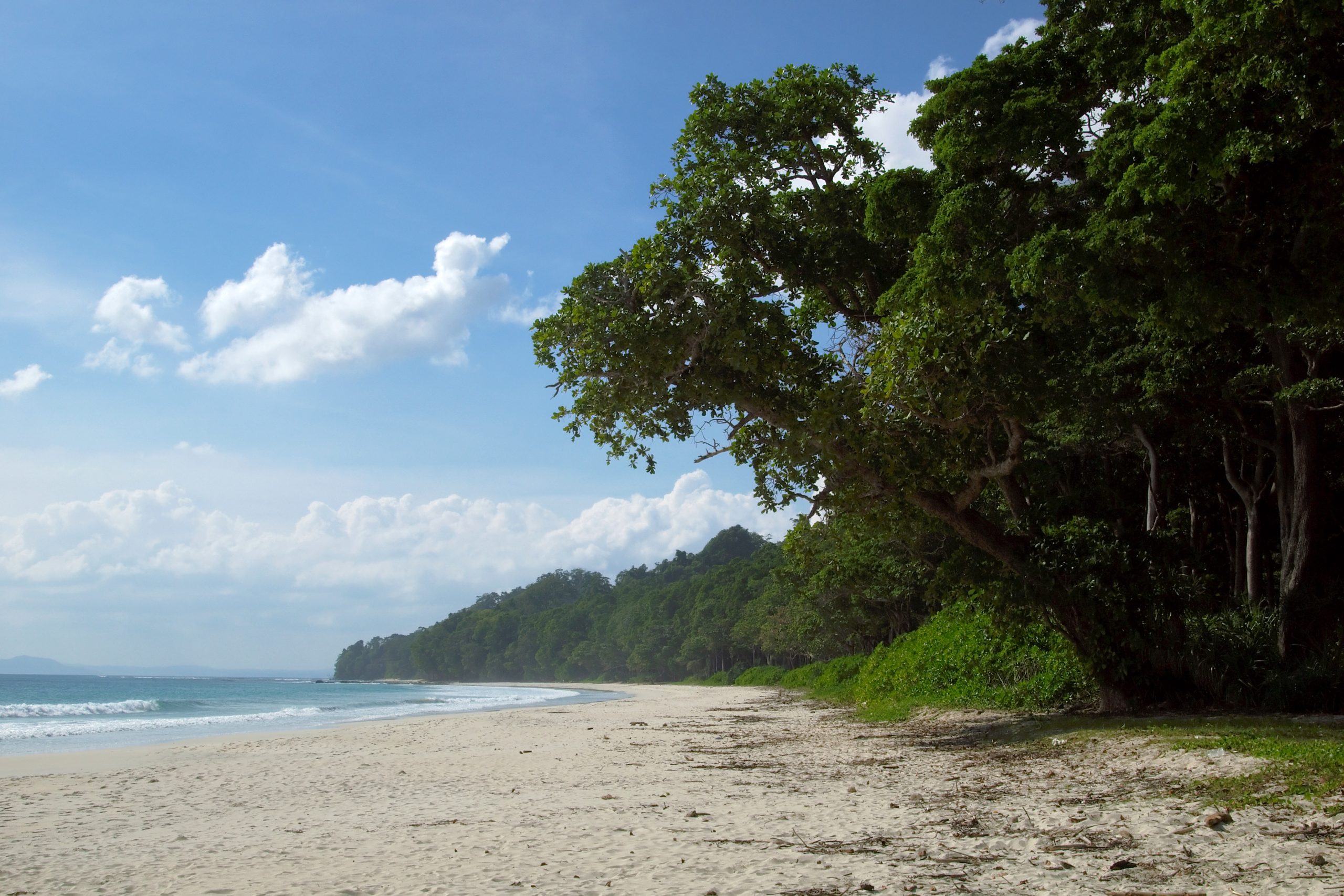
Beyond the Sentinelese, other isolated Andamanese groups once lived across the Andaman Islands. While many have since faced contact, remnants of isolation persist in remote forest interiors. These islands belong tothe Andaman Islands and are characterized by dense jungle and limited access. Historically, these tribes relied on hunting wild pigs, fishing, and gathering forest produce. Contact during colonial times caused a massive population decline due to disease. Today, the remaining groups are heavily protected under Indian law. Their history serves as a warning of how quickly contact can erase entire cultures.