Modern firearm enthusiasts often encounter a perplexing phenomenon where a brand-new semi-automatic pistol performs flawlessly during the initial evaluation phase before developing peculiar mechanical habits. This transition usually occurs after the first two hundred rounds when factory lubricants wear thin and internal components begin their final seating process. Selecting a reliable sidearm requires understanding how specific designs respond to heat and carbon accumulation over extended firing sessions. While many shooters celebrate a perfect first day at the local range, long-term consistency remains the true benchmark for any defensive tool intended for serious daily carry applications.
Sig Sauer P365
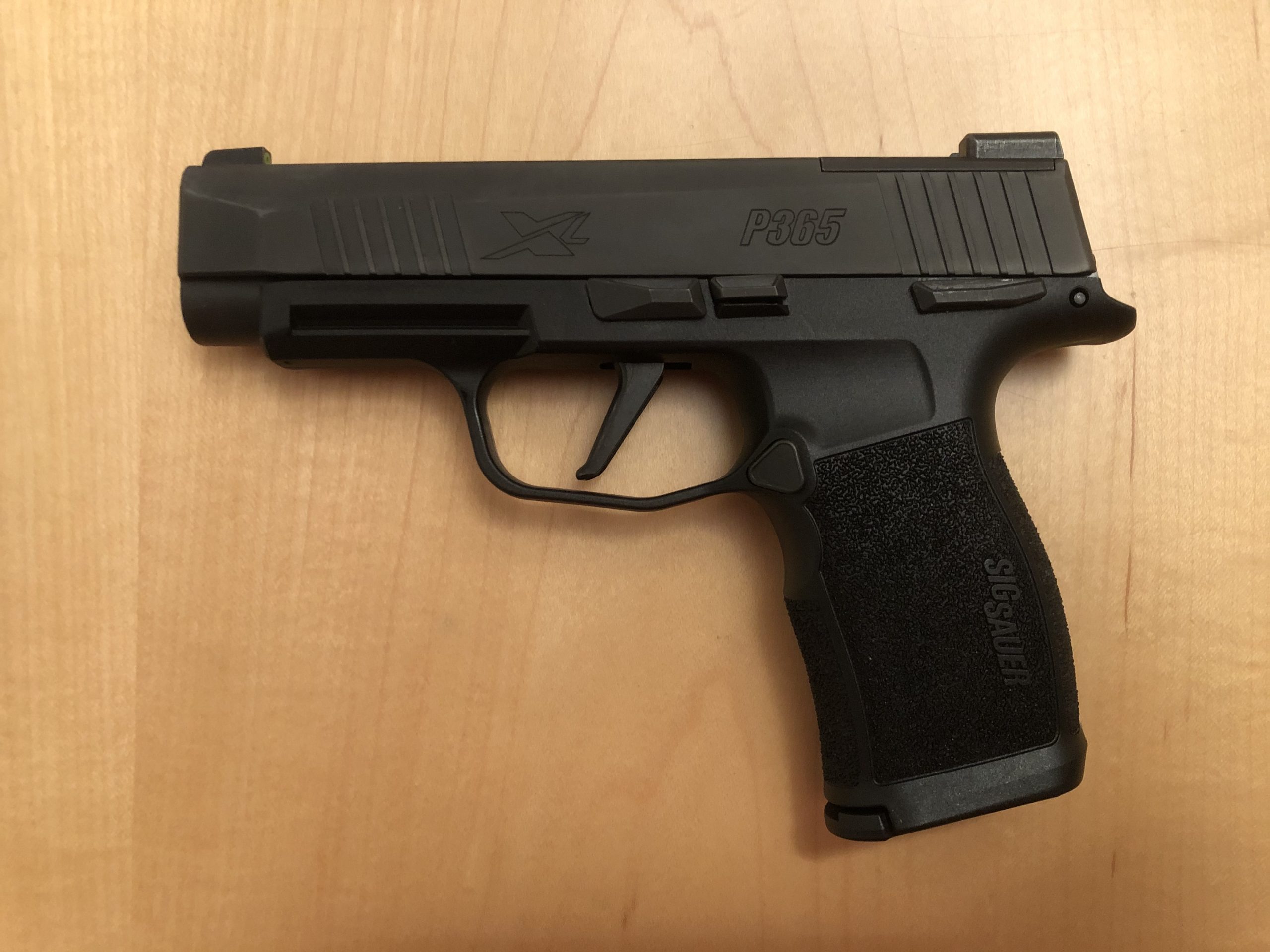
The Sig Sauer P365 revolutionized concealed carry by offering impressive magazine capacity within a remarkably slim frame. During the initial break-in period of approximately two hundred rounds, most users report flawless performance and exceptional accuracy from this striker-fired subcompact. However, some units eventually develop striker drag or occasional return-to-battery issues once the internal components settle. These mechanical quirks often emerge after the pristine factory lubricants dissipate and the tight tolerances interact with carbon buildup. Maintaining rigorous cleaning schedules helps, yet the transition from perfect out-of-the-box operation to intermittent cycling behavior remains a documented experience for many owners.
Kimber Micro 9
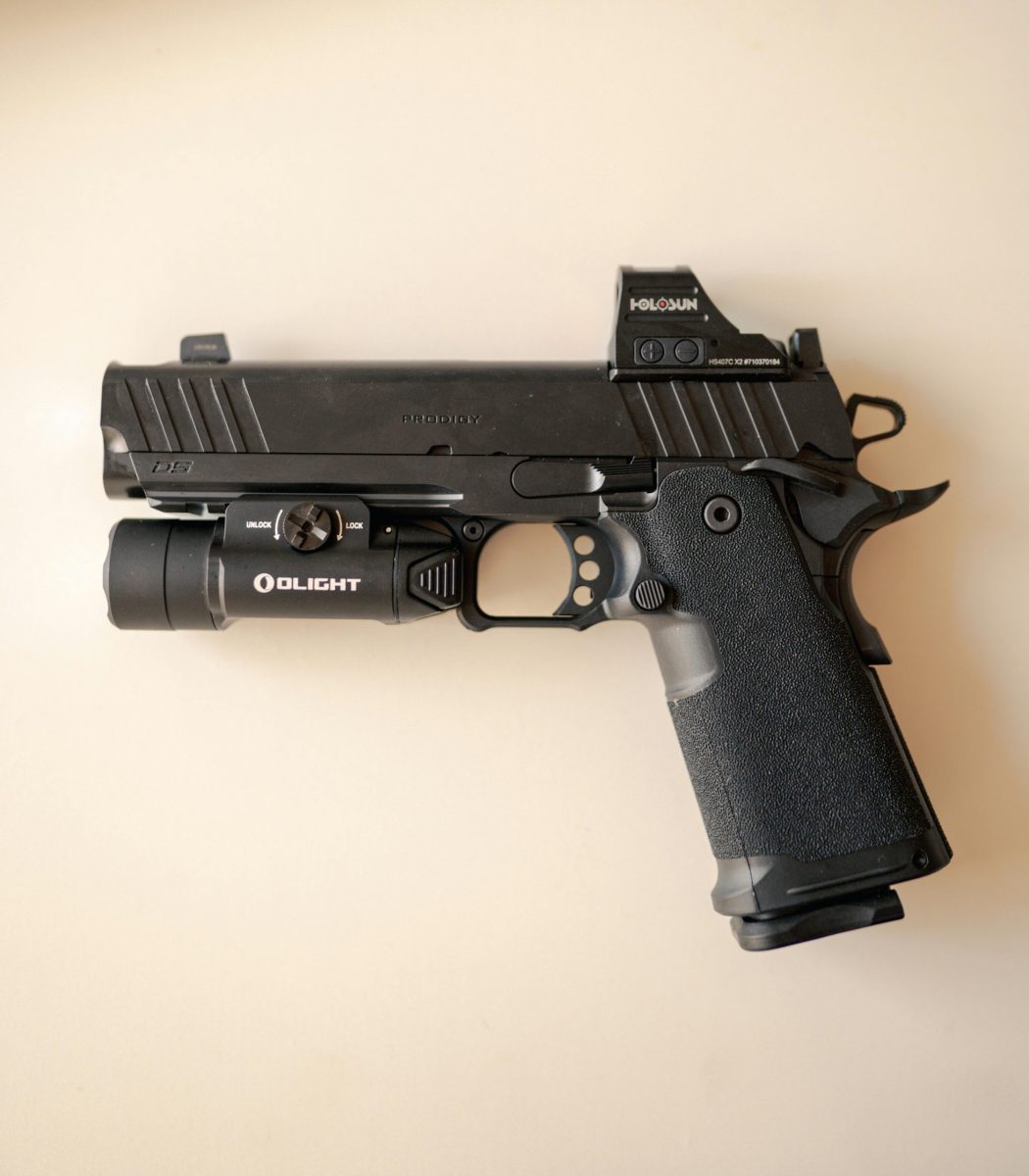
Kimber is renowned for producing visually stunning 1911-style pistols that feel premium in the hand right away. The Micro 9 typically sails through the first few boxes of ammunition with crisp trigger pulls and reliable feeding. As the round count climbs past the two-hundred mark, the stiff recoil springs and tight slide-to-frame fitment sometimes cause premature wear or failure to eject. These issues often stem from the high-tolerance engineering required for such a small chassis. While beautiful, this handgun demands consistent lubrication to prevent the “weird” cycling hiccups that frequently appear after the initial honeymoon phase ends.
Remington R51
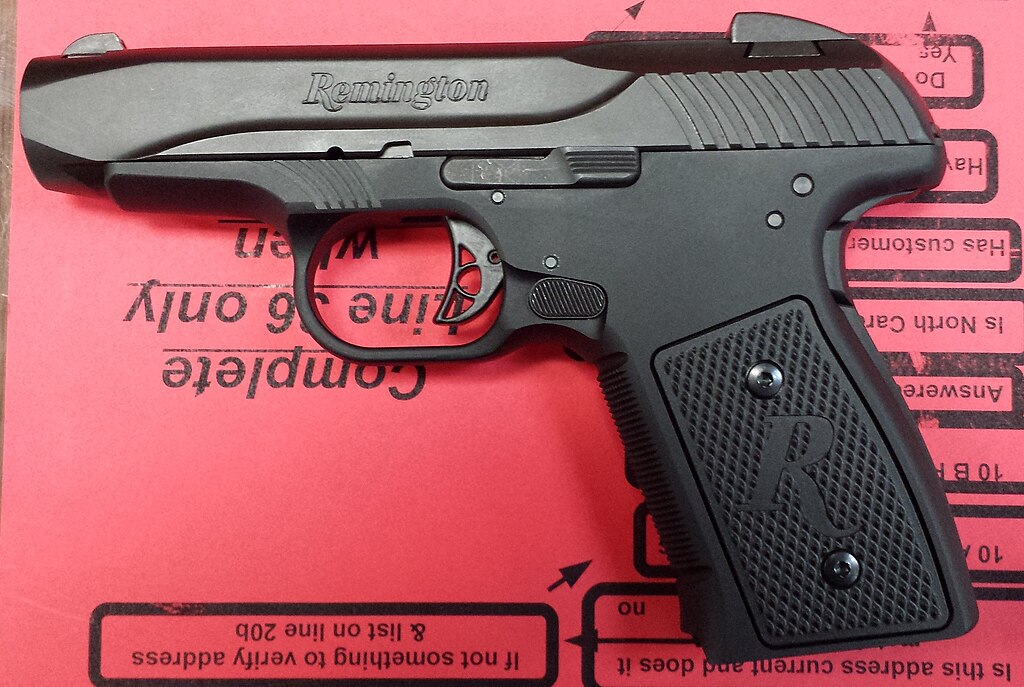
The Remington R51 features a unique Pedersen hesitation lock design intended to reduce felt recoil significantly for shooters. Initial testing usually feels promising because the low bore axis provides a comfortable and flat shooting experience during the first afternoon at the range. Unfortunately, once the internal mechanism accumulates standard firing debris, the complex bolt assembly often begins to malfunction or bind. Users frequently encounter double feeds or stovepipes that were nonexistent during the first hundred rounds. This shift in reliability typically signals that the internal geometry is sensitive to fouling, making long-term consistency difficult without frequent deep cleanings.
Beretta Pico
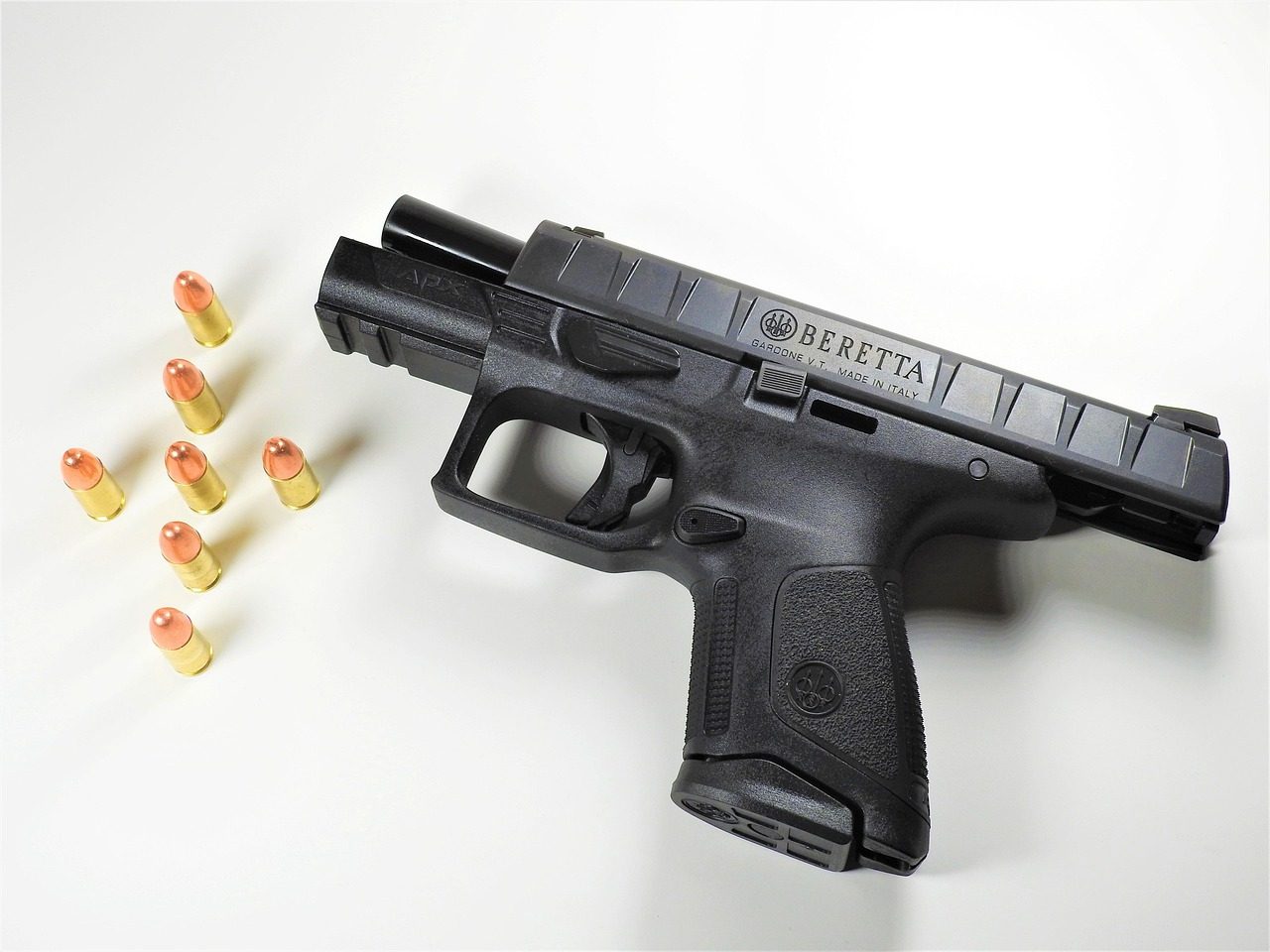
Beretta designed the Pico to be one of the thinnest .380 ACP pistols available on the modern market today. Its modular subterranean chassis and snag-free profile make it an excellent choice for deep concealment during early testing sessions. The first two hundred rounds generally cycle well, but the incredibly stiff magazine springs and tiny extractor can lose their tension balance quickly. Once this threshold passes, many shooters notice a sudden increase in light primer strikes or failures to feed specific hollow-point ammunition. The ultra-compact dimensions leave very little margin for error as the firearm components begin to wear in.
Kahr PM9
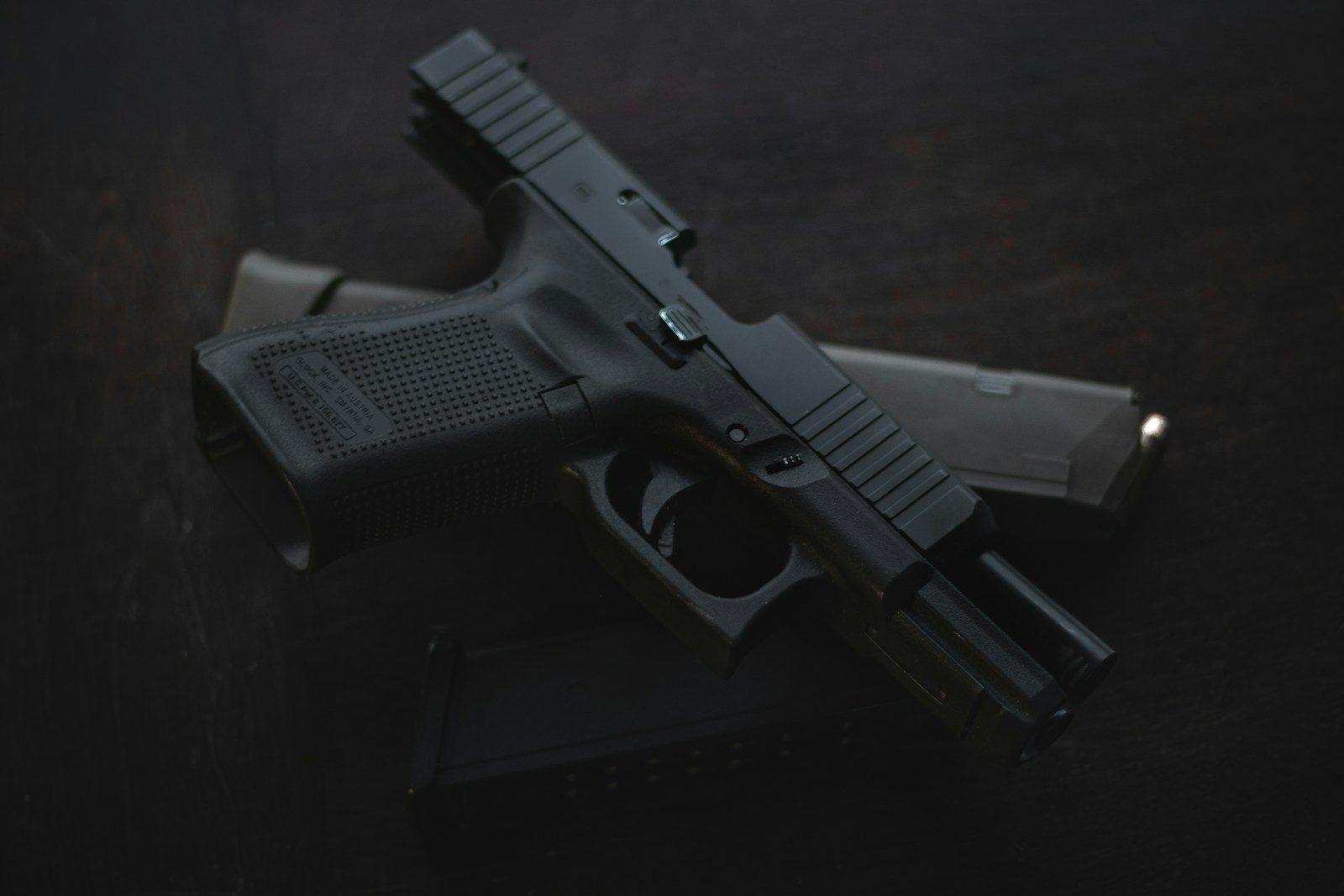
The Kahr PM9 is a premium pocket pistol known for its smooth double-action-only trigger and high-quality stainless steel construction. Kahr explicitly recommends a two-hundred-round break-in period to ensure all moving parts mate together perfectly for optimal performance. While the pistol often runs smoothly during this specific window, some owners report that the slide lock lever begins to engage prematurely afterwards. This unexpected behavior usually involves the slide locking back while rounds remain in the magazine. Tuning the recoil assembly or adjusting the grip often becomes necessary to regain the initial reliability experienced during those first few boxes.
Walther CCP M2
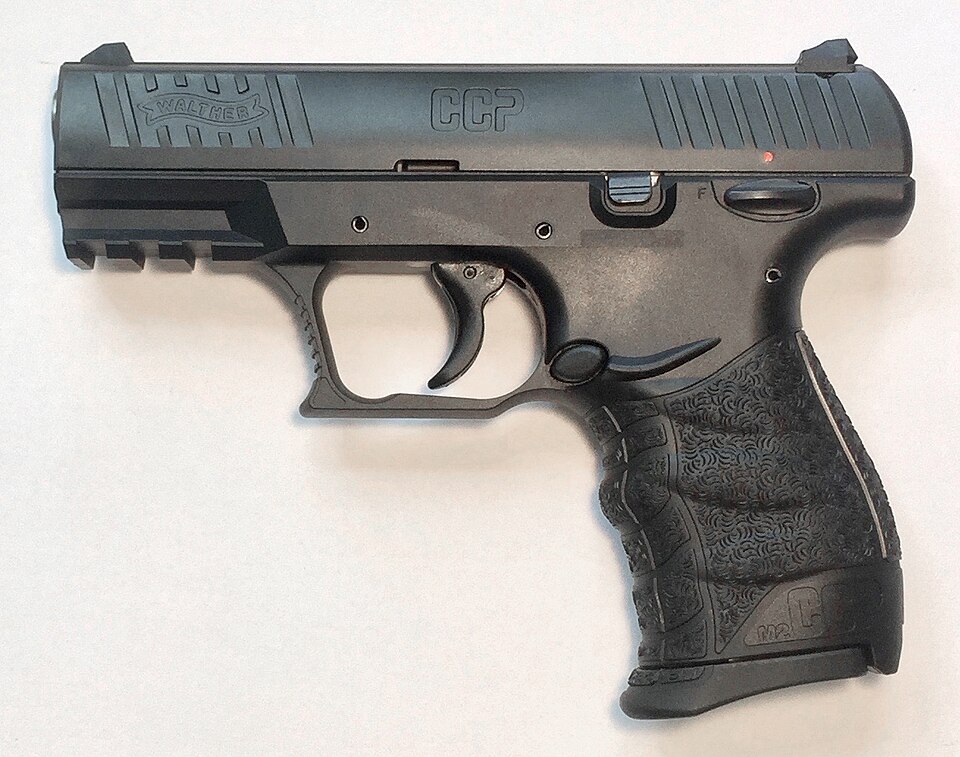
Walther utilized Softcoil gas technology in the CCP M2 to make the slide much easier to rack for everyone. This innovative system works beautifully during the first few range trips, providing a soft shooting experience that most enthusiasts appreciate immediately. However, the gas piston system accumulates carbon rapidly, which eventually slows down the slide velocity after several hundred rounds are fired. This slowdown leads to erratic ejection patterns or occasional failures to chamber the next round properly. Without meticulous maintenance of the gas cylinder, the once-smooth operation can become frustratingly inconsistent as the round count increases.
Colt Mustang
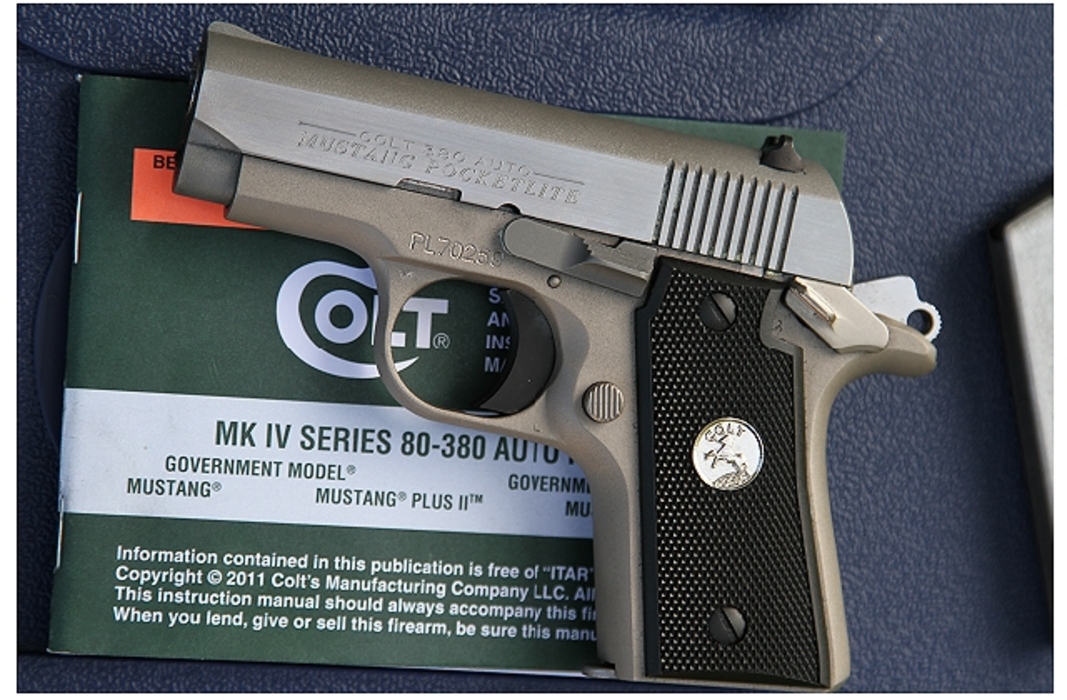
The Colt Mustang is a classic pocketlite chambered in .380 ACP that mimics the beloved 1911 control layout. Most shooters find that the first two hundred rounds are a joy, featuring manageable recoil and surprisingly good accuracy for a short barrel. As the aluminum frame and steel slide continue to cycle, the timing of the leaf spring can sometimes shift slightly. This minor mechanical change often results in the safety engaging itself under recoil or the hammer failing to reset correctly. These subtle gremlins typically surface only after the pistol has been broken in and used regularly.
Springfield 911
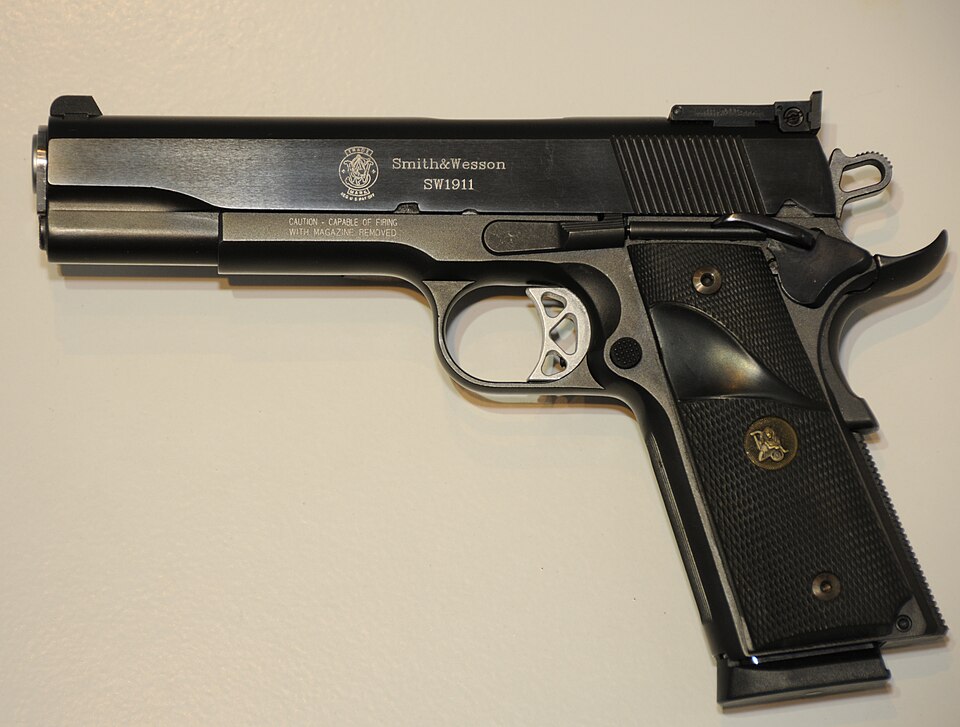
Springfield Armory released the 911 to provide a highly capable and feature-rich option for the small-frame handgun market. Out of the box, the G10 grips and tritium sights make it feel like a professional-grade tool that functions perfectly. After the initial two hundred rounds, the tiny extractor claw occasionally loses its bite on the rim of the spent casings. This leads to frustrating extraction failures that were not present when the firearm was brand new. Owners must often experiment with different ammunition weights to find a load that maintains the reliability seen during the very first outing.
Smith & Wesson Bodyguard 380
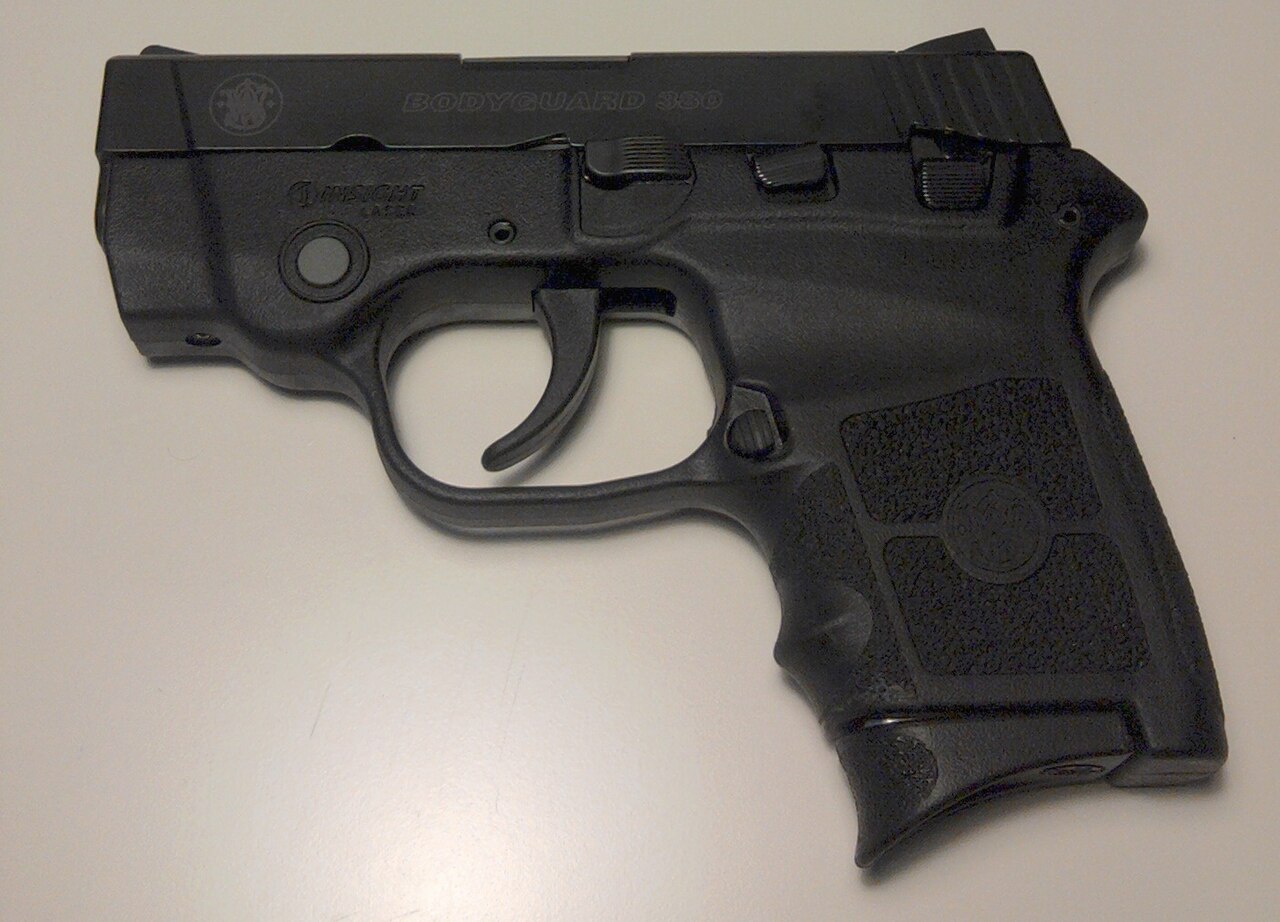
The Smith & Wesson Bodyguard 380 offers an integrated laser and a compact polymer frame for easy daily carry. During the initial evaluation, the heavy trigger pull provides a sense of safety while the pistol cycles standard ball ammunition effectively. Once the firing pin channel gathers even a small amount of debris, light primer strikes often become a recurring problem for users. This transition usually occurs right after the first few boxes of ammo have been spent at the range. The internal safeties and firing components require frequent attention to prevent the trigger from becoming gritty or unresponsive.
Taurus Spectrum
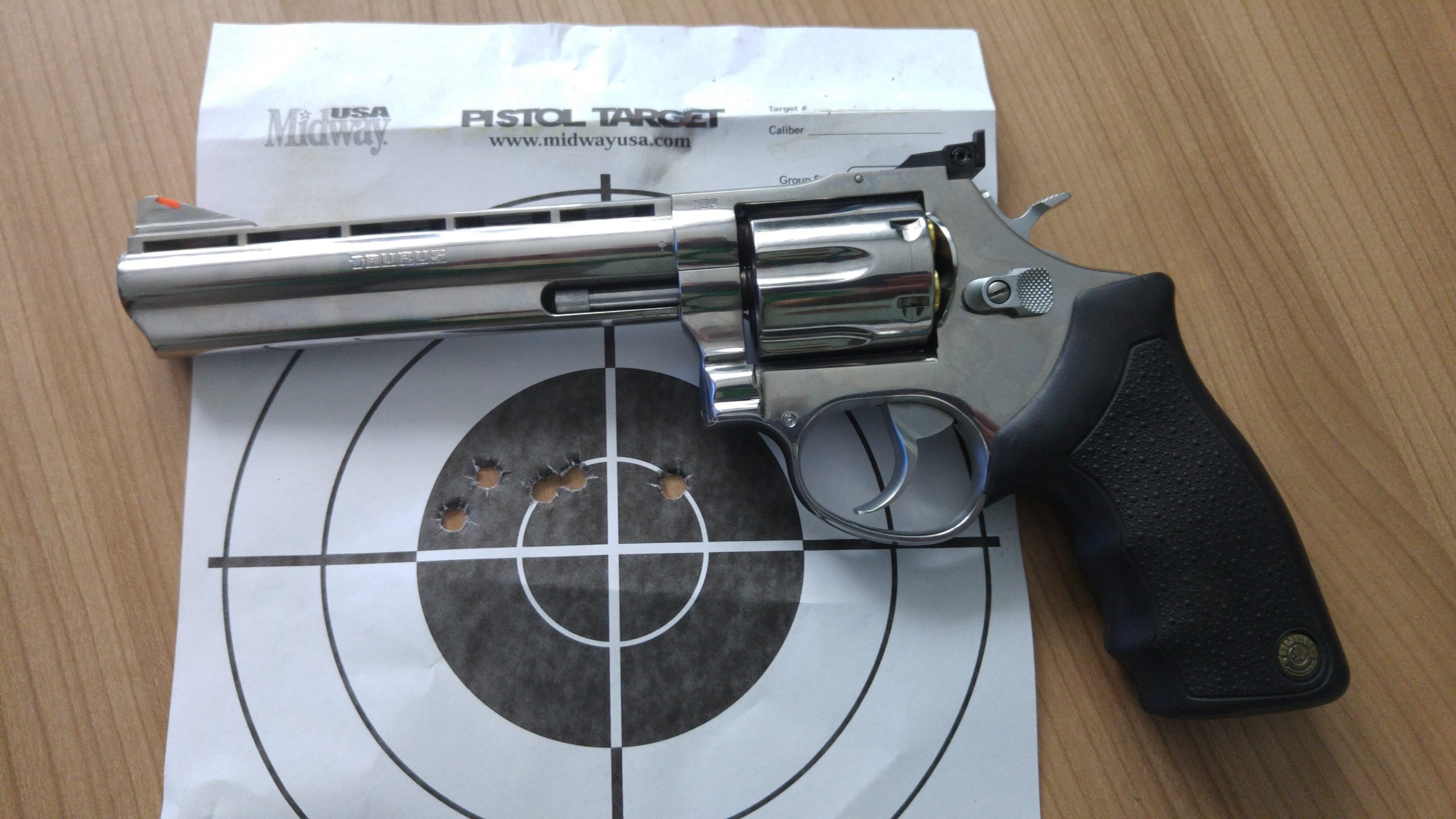
Taurus introduced the Spectrum with soft-touch overmolded panels to improve ergonomics and provide a unique aesthetic for concealed carry. The first two hundred rounds often pass without incident, leading many owners to believe they have a perfectly reliable budget-friendly firearm. Unfortunately, the internal striker block and spring interface can begin to show signs of premature fatigue shortly after this period. Shooters might experience a failure of the trigger to reset or issues with the slide failing to lock back on an empty magazine. These quirks often require factory service to ensure the handgun remains functional for defensive use.