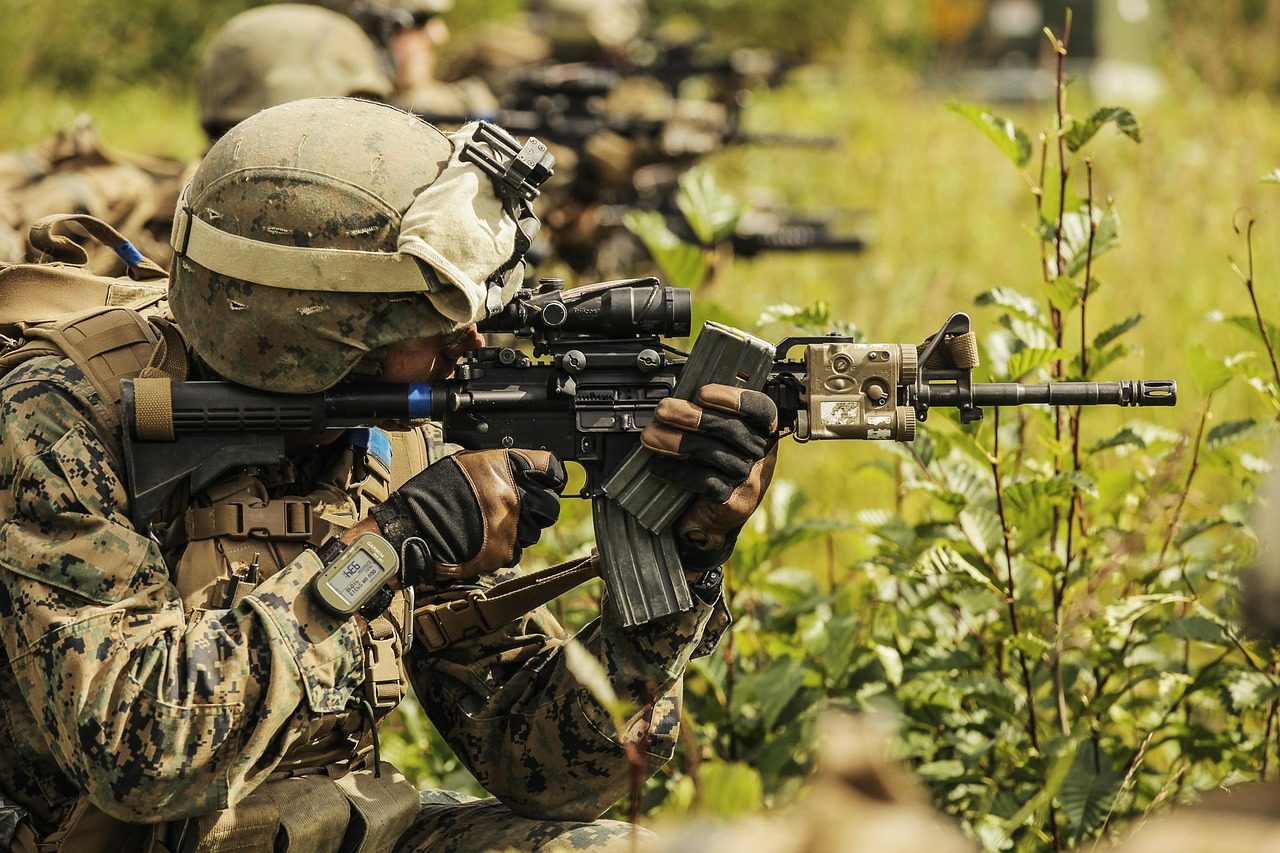
The firearm market has experienced a dramatic shift in pricing over the last half-decade that has left many collectors stunned. 10 guns that were extremely cheap 5 years ago but cost a fortune now have transitioned from bargain bin clearance items to premium investment assets. Supply chain disruptions and import bans have combined with high inflation to drive the cost of these specific models through the roof. Enthusiasts who hesitated to buy when prices were low now face stickers that are often triple the original asking price. This guide examines the legendary firearms that rapidly graduated from affordable tools to expensive collectibles.
Mosin Nagant M91/30
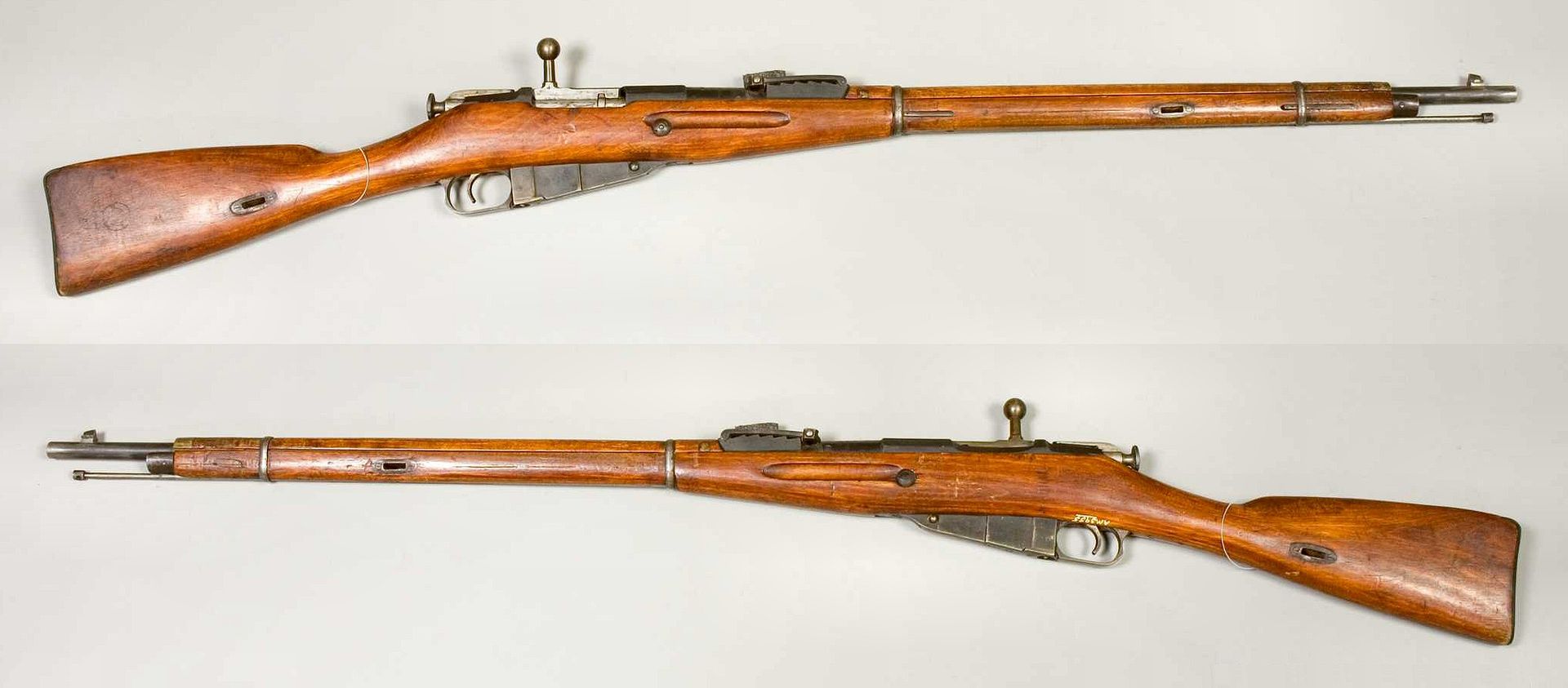
The days of walking into a sporting goods store and buying a Mosin-Nagant for less than one hundred dollars are officially over. These rugged Soviet rifles were once the cheapest centerfire option available to American shooters and were frequently sold in crates. Today, a decent example with matching numbers commands a price tag that rivals modern hunting rifles on the used market. The drying up of overseas surplus stockpiles has turned this plentiful infantry weapon into a sought-after historical artifact. Collectors now eagerly pay a premium for a rifle that was essentially given away just a few years ago.
SKS Carbine
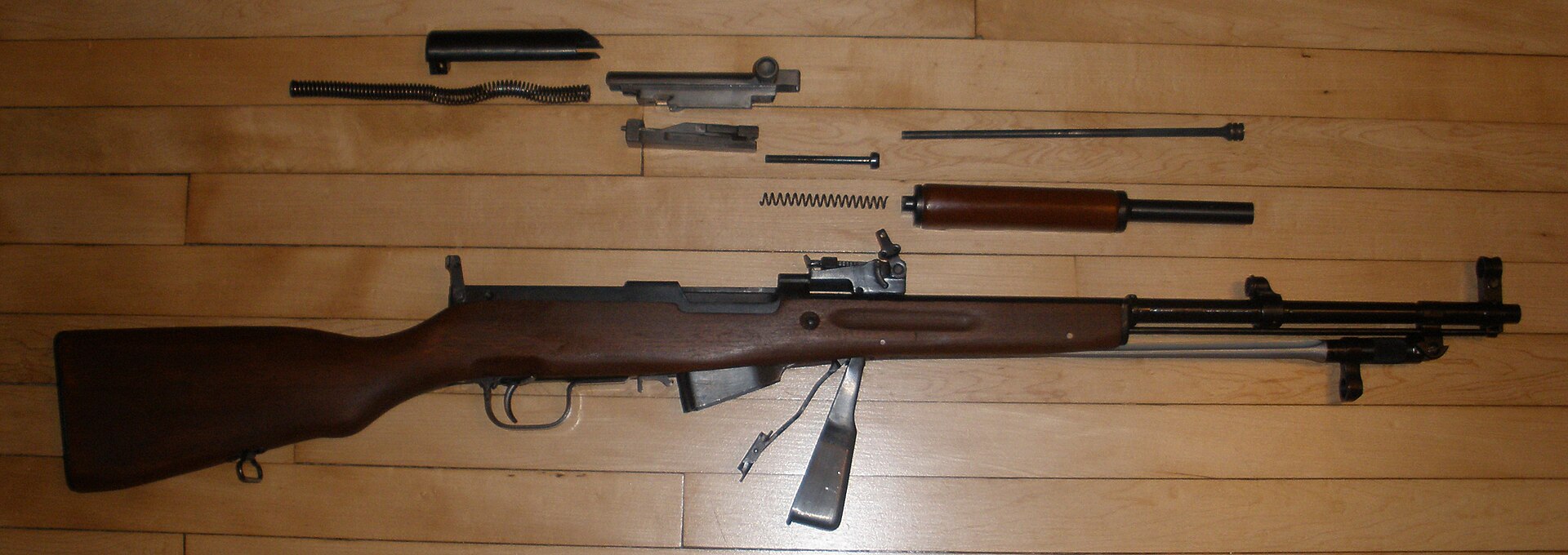
The SKS carbine served as the budget-friendly semi-automatic rifle for generations of shooters who wanted reliable performance without the high cost. Chinese and Yugoslavian imports were stacked on tables at gun shows for prices that made them an impulse purchase for many attendees. Recent import restrictions and a surge in popularity have pushed the value of these rugged firearms well near the thousand-dollar mark. What was once considered a cheap truck gun is now viewed as a legitimate historical collectible by a new generation. The era of the affordable SKS has largely passed into history.
Marlin 336 JM Stamped
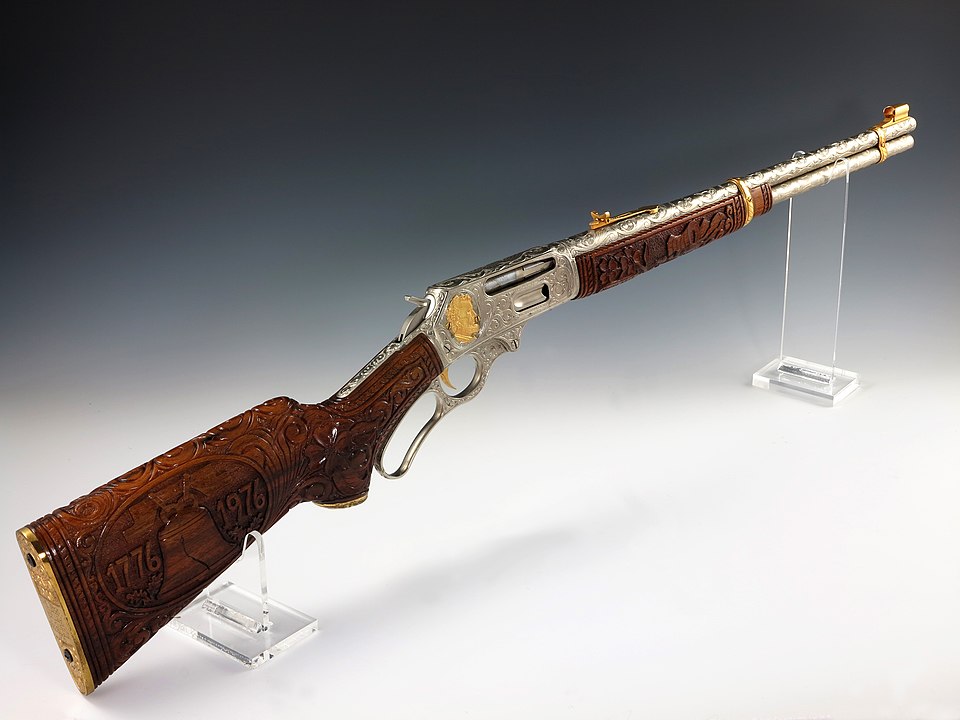
Older Marlin lever-action rifles stamped with the JM proof mark have seen an explosion in value following the bankruptcy of Remington. Enthusiasts universally agree that these pre-acquisition models possess superior craftsmanship compared to the rifles produced during the transition years. The current production models made under new ownership are excellent, but collectors specifically hunt for the vintage originals. Prices for a clean JM stamped 30-30 have doubled or even tripled as buyers seek out the perceived golden era of manufacture. They are no longer the cheap pawn shop finds they used to be.
Swiss K31
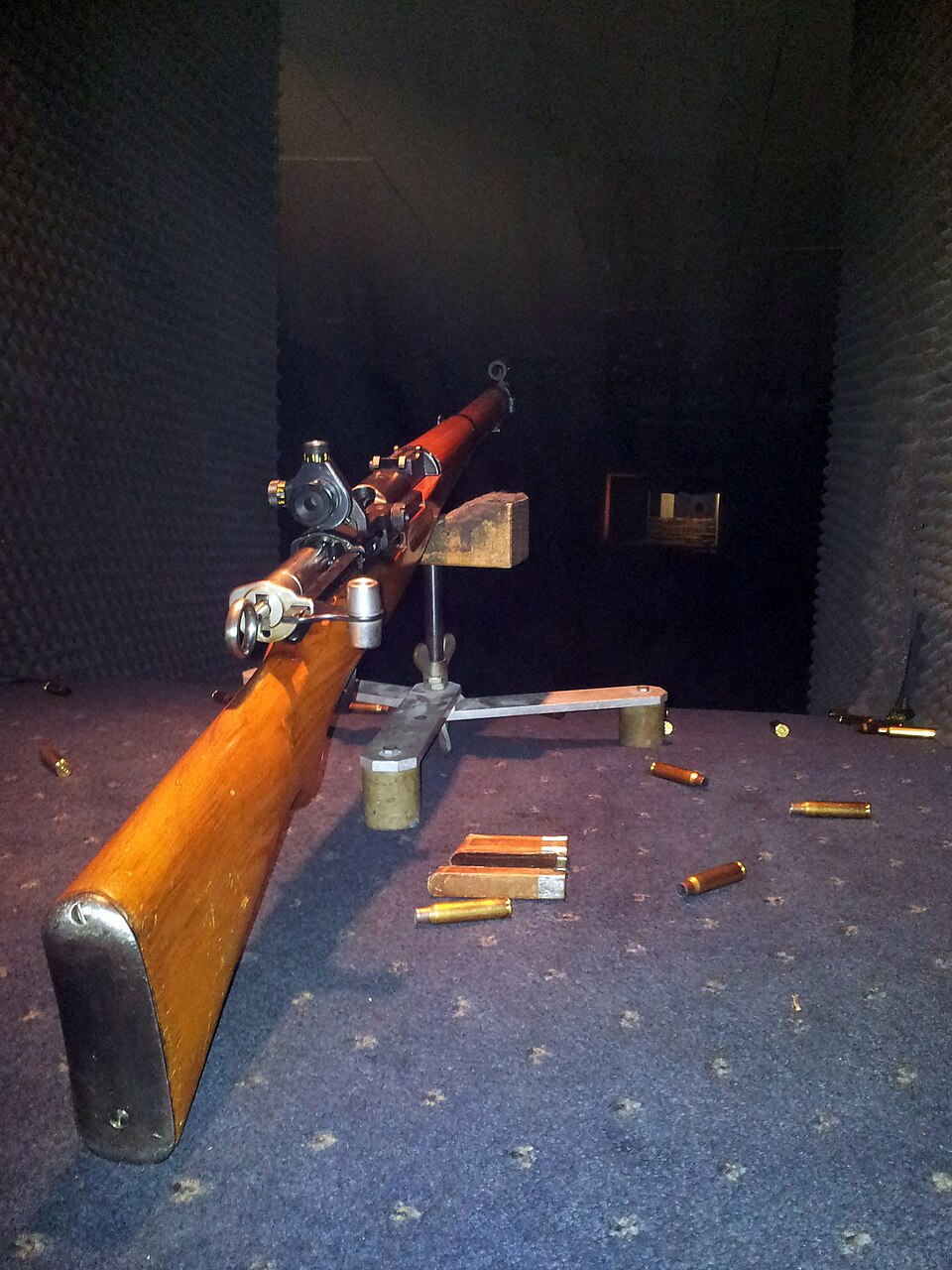
The Swiss K31 was once the best-kept secret in the surplus world, offering match-grade accuracy for a bargain-basement price. These straight pull rifles were imported in large batches that kept the market value artificially low for a long period. As the supply from Switzerland was finally exhausted, the prices adjusted rapidly to reflect the incredible machining quality of the firearm. Shooters who missed the boat on the three-hundred-dollar era now face prices that approach the cost of a high-end modern precision rifle. It remains one of the finest military bolt actions ever produced.
Russian Saiga Series
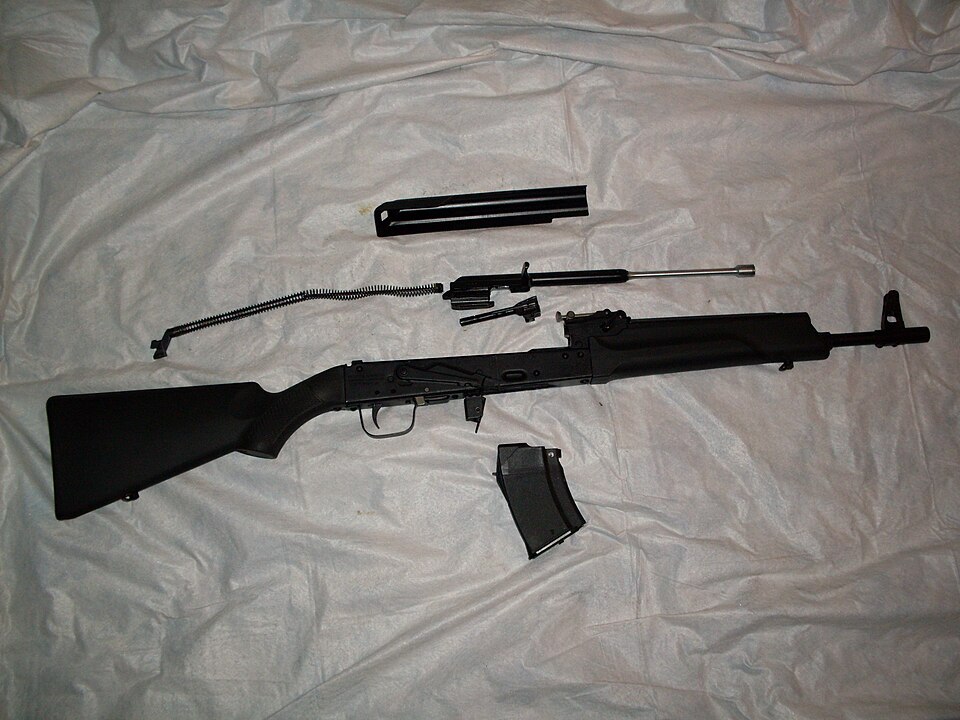
Russian-made Saiga rifles were once the most affordable way to enter the AK platform before political sanctions halted their importation completely. These sporterized firearms were manufactured at the legendary Izhmash factory and could be converted to military configuration with basic tools. Since the ban, the value of these genuine Russian receivers has skyrocketed to astronomical levels on the secondary market. Collectors willingly pay thousands for what was originally a three-hundred-dollar sporting rifle in order to own a piece of banned history. They represent the forbidden fruit of the modern Kalashnikov world.
Mauser K98k Russian Capture
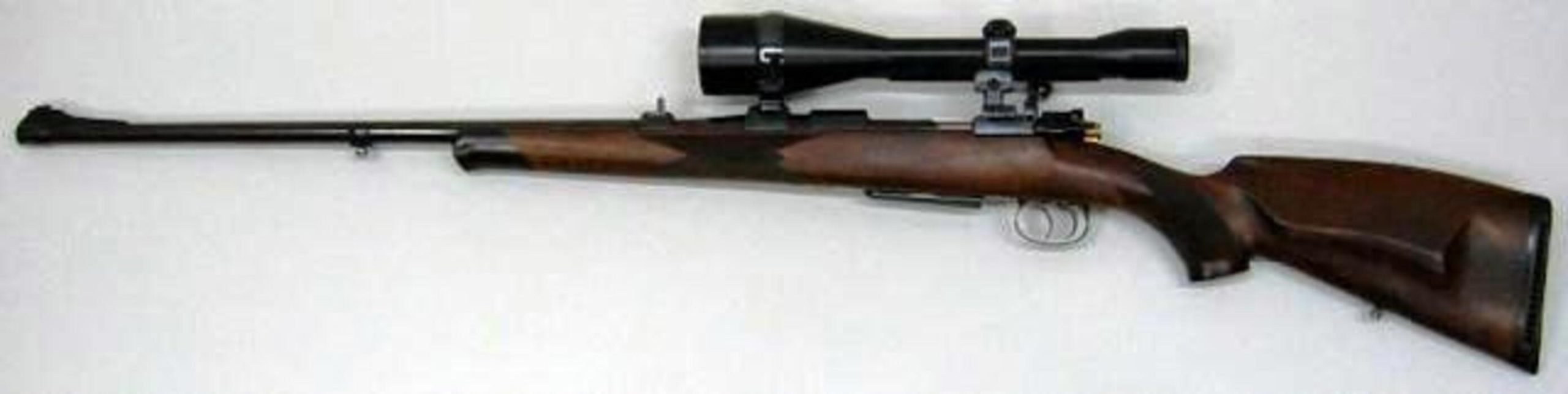
Russian capture Mauser K98k rifles were historically viewed as the ugly ducklings of the German surplus market due to their mixed parts and shellac finish. Purist collectors often ignored them in favor of matching examples, which kept the prices of these captured weapons very low. As original German rifles became unobtainable, the market turned its attention to the Russian captures as the next best option. This shift in demand has driven the price of these once-neglected rifles into the prestigious collector tier. They are now respected as legitimate pieces of World War Two history.
WASR-10 AK-47
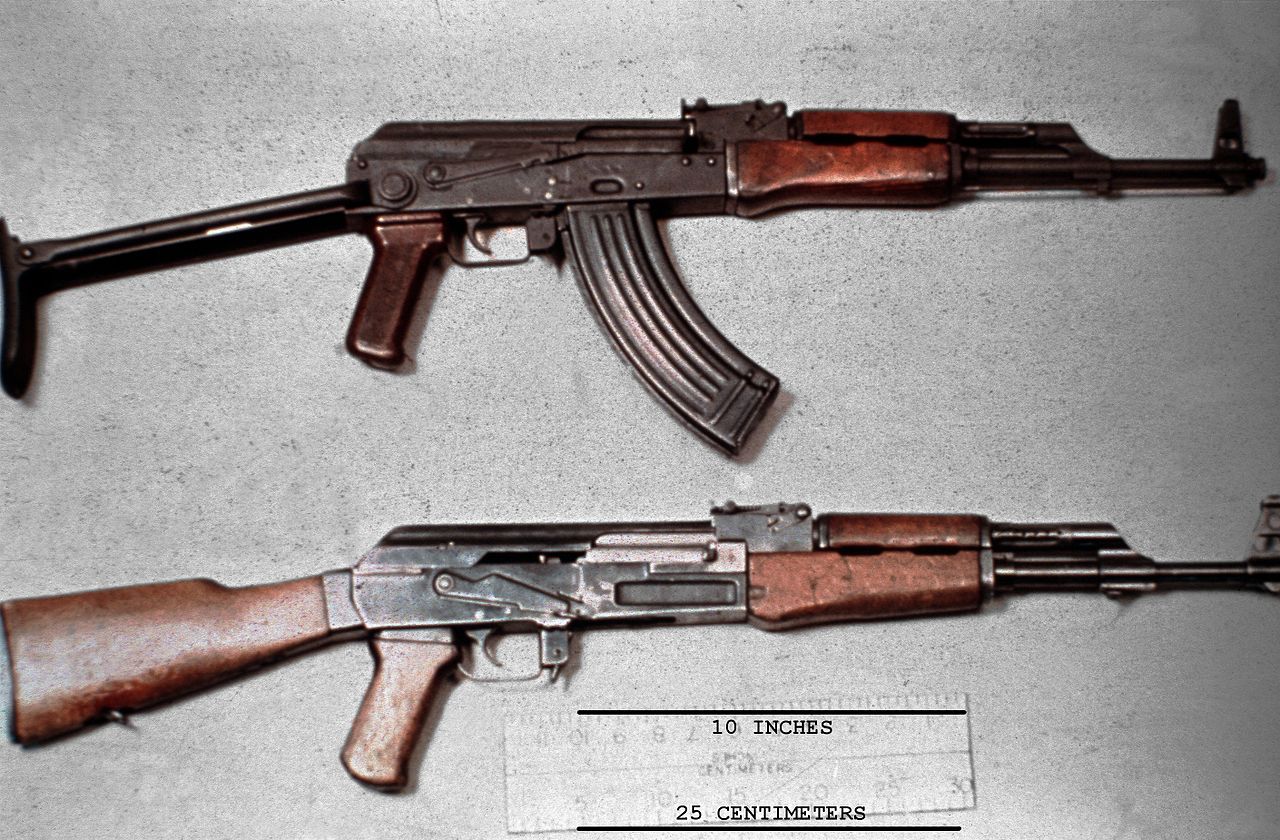
The Romanian WASR-10 was famously known as the bottom of the barrel option for anyone wanting a cheap AK-style rifle. Early imports often suffered from canted sights and rough finishes, which kept their retail price well under five hundred dollars. As other import sources dried up, the WASR established a reputation for distinct durability that changed public perception entirely. Today, new production models sell for nearly double their original price, while older examples hold their value surprisingly well. It transformed from a budget compromise into the standard benchmark for import reliability.
Norinco MAK-90
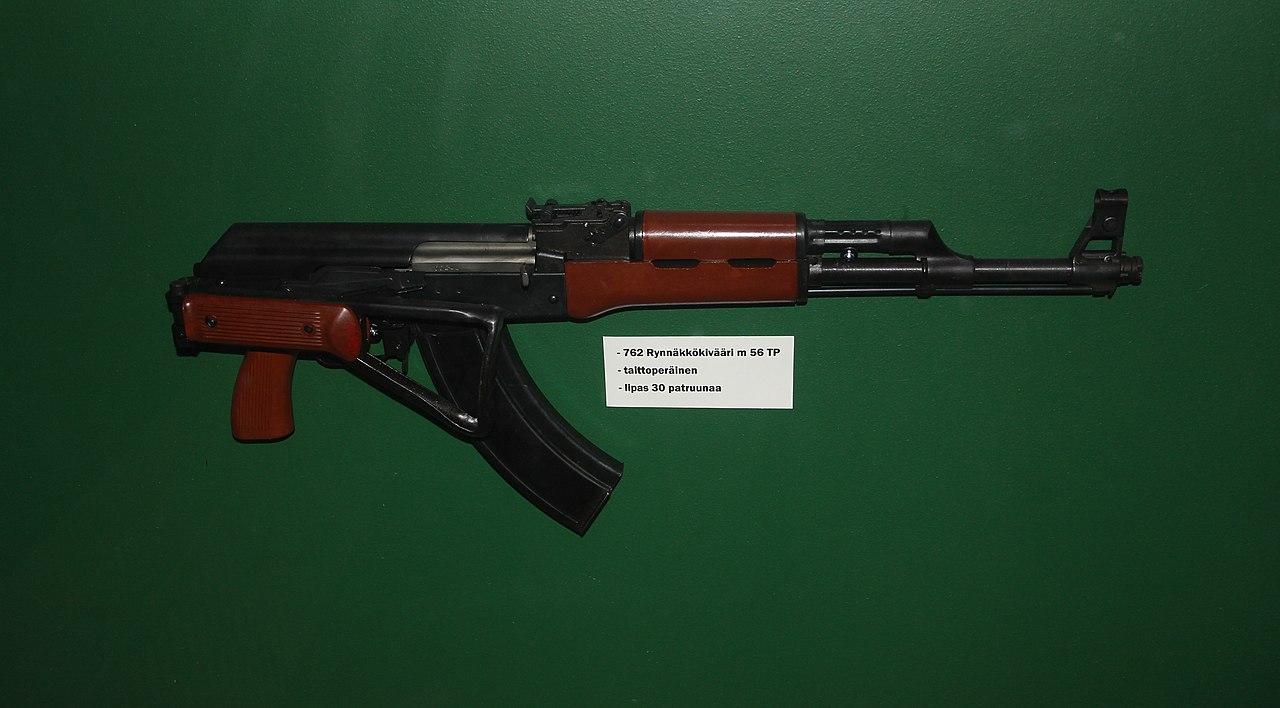
Chinese AK variants like the MAK-90 were banned from importation decades ago, but their prices remained relatively stagnant until recently. As the interest in retro firearms exploded, the demand for these high-quality pre-ban rifles surged effectively overnight. The thick receivers and excellent triggers found on these Chinese guns are now recognized as superior to many modern production alternatives. Collectors who once turned their noses up at these thumbhole stock rifles now pay top dollar to acquire them. They have become iconic symbols of the nineties ban era.
Tokarev TT-33
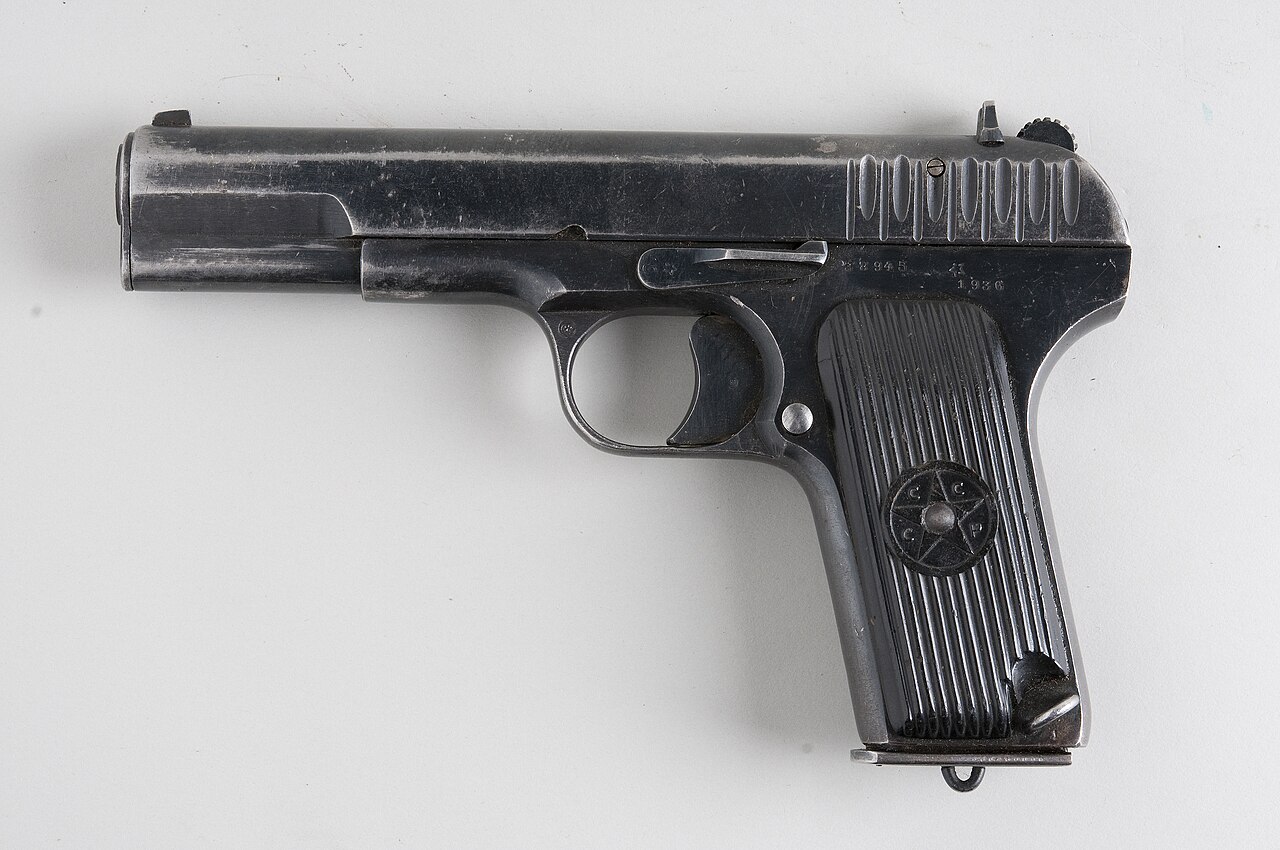
The Tokarev TT-33 and its various Eastern Bloc clones were once the standard cheap handgun found in every surplus catalog. Ammunition was plentiful, and the pistols themselves could be had for the price of a nice dinner for two. The sudden exhaustion of surplus lots combined with the unique ballistics of the cartridge caused a massive spike in market value. Shooters realized that these slim pistols were robust and incredibly fun to shoot, which drove demand higher. Finding a clean example for a bargain price is now a rare occurrence in the used case.
Romanian PSL
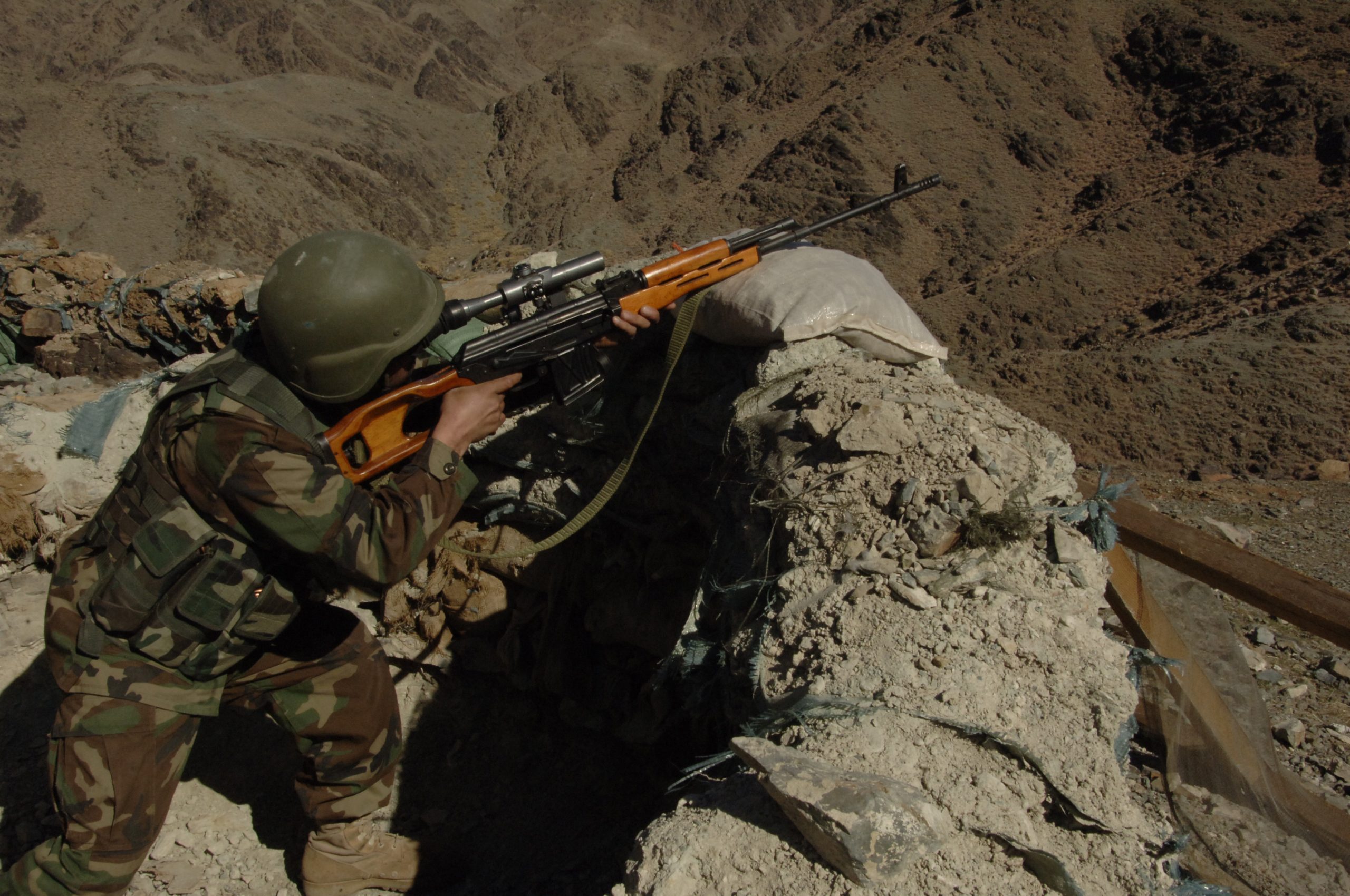
The Romanian PSL is often mistaken for the Russian Dragunov, but for years, it served as the affordable alternative for DMR enthusiasts. These long-barreled rifles were imported frequently and sold for prices that made them accessible to the average working shooter. The cessation of regular imports and the rising cost of parts kits have pushed the PSL into the luxury price bracket. What was once an eight-hundred-dollar range toy now commands a price tag that exceeds many high-end custom builds. It stands as a prime example of how quickly surplus markets can change.