
Military history is filled with firearms that promised to revolutionize combat with innovative specifications. Engineers often prioritize theoretical performance metrics like range or weight reduction without considering the chaotic reality of the battlefield. 10 guns that look brilliant on paper but terrible in the field frequently suffered from complex mechanisms that jammed instantly when exposed to mud or sand. Soldiers and civilians alike quickly discovered that a weapon must be reliable above all else to be truly effective. This guide examines the most famous examples of ambitious designs that failed miserably when they left the clean laboratory environment.
Ross Rifle

The Ross Rifle was designed to be the most accurate and rapid-firing bolt-action weapon in the world. Canadian officials praised its straight pull mechanism, which allowed for faster follow-up shots than the standard British Lee Enfield. However, the tight tolerances that made it a champion on the target range became a liability in the muddy trenches of Europe. Dirt and grit caused the action to seize up completely during intense combat, which left soldiers defenseless. Troops often discarded these expensive rifles in favor of the rugged weapons dropped by their fallen British allies.
Chauchat
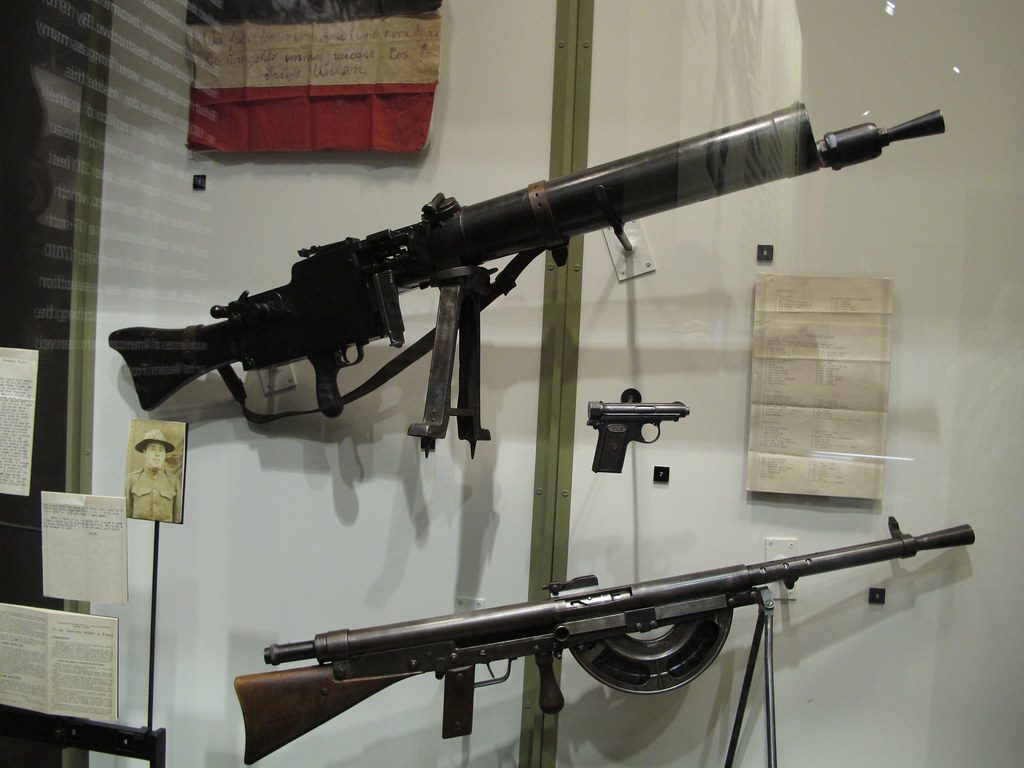
French commanders envisioned the Chauchat as a revolutionary tool that would allow infantry to provide their own suppression while moving forward. Its mass production design utilized stamped metal parts to ensure that thousands could be manufactured quickly and cheaply. The concept of walking fire looked excellent in strategic plans, but the open-sided magazines were a fatal flaw in reality. Mud and debris entered the action easily through these large cutouts, which caused immediate and frequent jamming. Soldiers hated the weapon because it failed them constantly in the filthy conditions of the First World War trenches.
L85A1
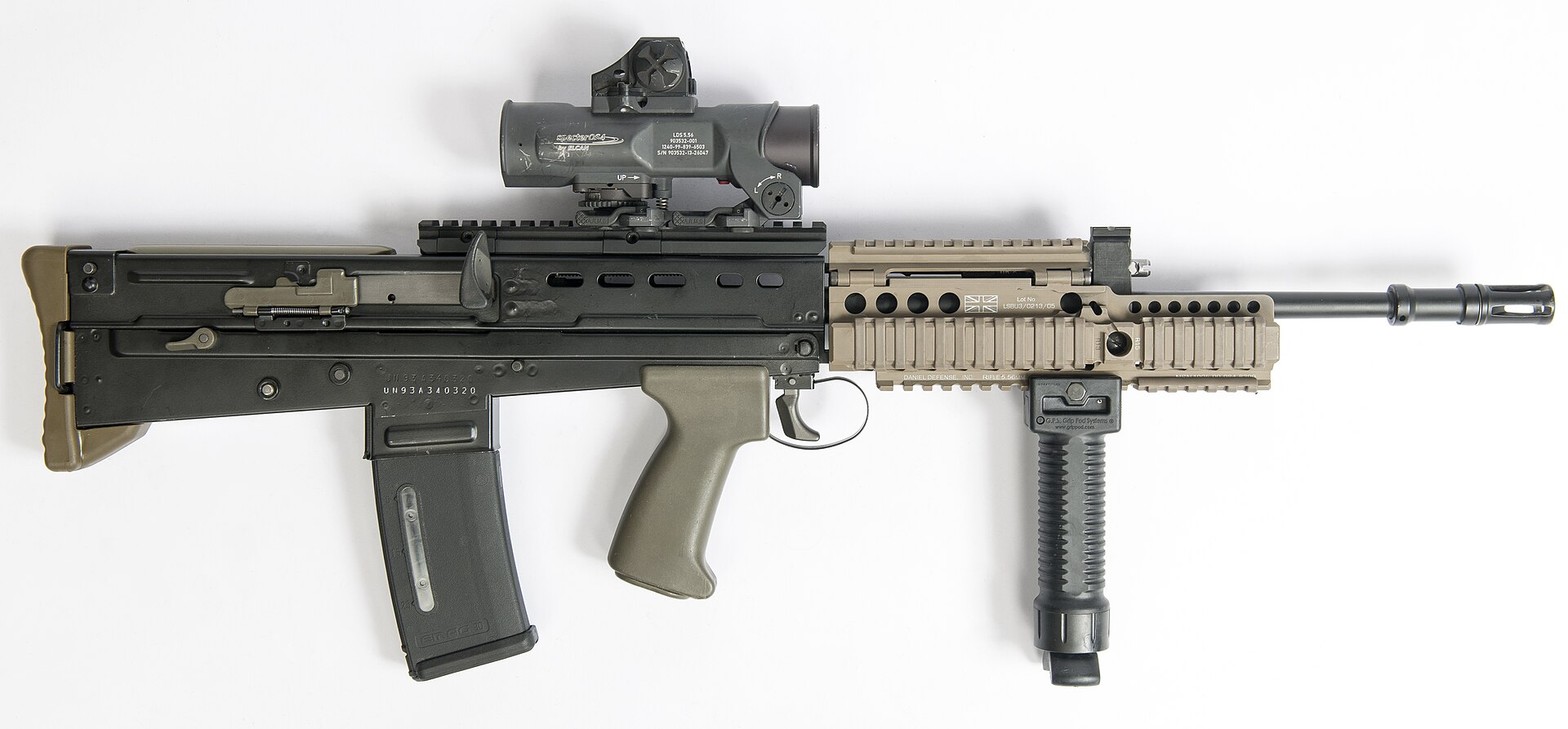
The L85A1 bullpup rifle promised to modernize the British military by offering a compact package with full-barreled ballistics. On paper, it was a technological marvel that included an optical sight as standard issue for every infantryman. The reality of its deployment was a disaster of broken plastic parts and magazines that fell out accidentally. Sand and dust caused the complex internal mechanism to jam repeatedly during operations in desert environments. It required a massive and expensive rebuilding program by German engineers to finally make the weapon functional enough for reliable combat service years later.
Colt 2000
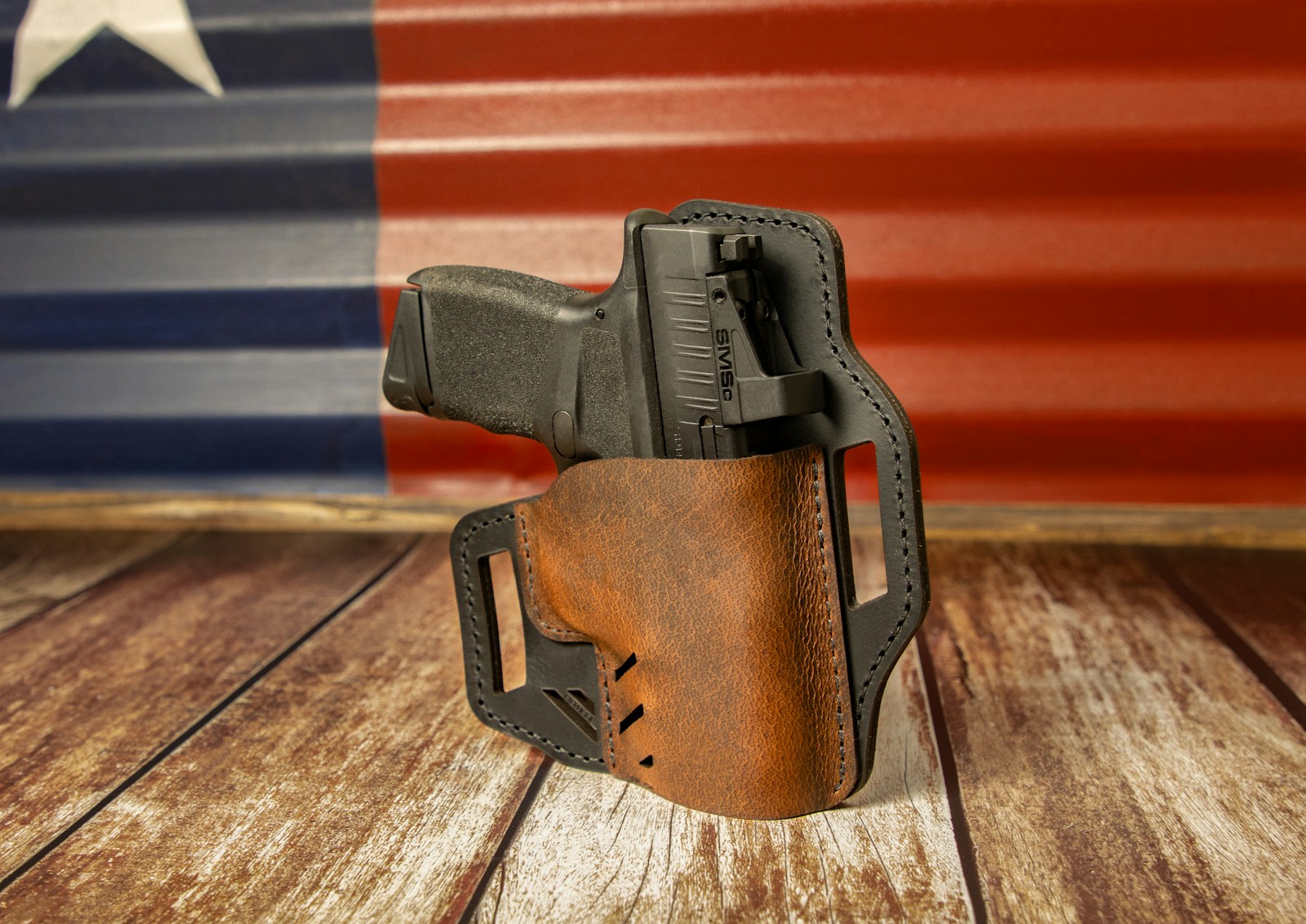
The Colt 2000 brought together two legendary designers to create the ultimate polymer-framed service pistol for law enforcement. Eugene Stoner and Reed Knight utilized a rotating barrel system intended to reduce recoil and improve accuracy significantly. Marketing materials promised a revolution in handgun technology that would dominate the police market for decades to come. Users quickly discovered that the trigger pull was heavy and gritty, which made hitting targets incredibly difficult. Reliability issues plagued the design and forced a recall that destroyed the reputation of the pistol before it could ever gain a foothold in the industry.
USFA ZiP .22
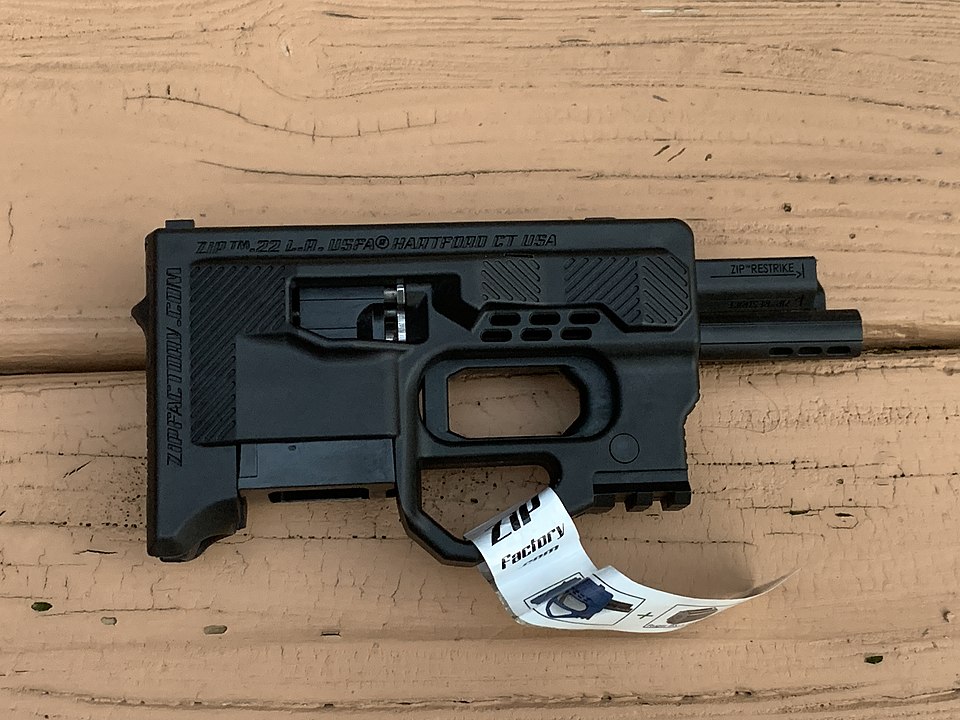
The USFA ZiP .22 attempted to redefine the rimfire market with a futuristic modular design that could attach to other firearms. Its space-age aesthetic and high-capacity magazines generated immense hype among tech-focused shooting enthusiasts. The actual experience of firing the gun was dangerous because the charging handles were located right next to the muzzle. Frequent jamming and ejection failures turned a fun concept into a frustrating and unsafe chore at the range. The company gambled everything on this radical innovation and ultimately went bankrupt when the product failed to perform basic functions.
Gyrojet

Rocket scientists designed the Gyrojet to replace conventional ammunition with miniature self-contained rocket projectiles that accelerated after firing. The pistol was incredibly lightweight and had almost no recoil, which made it seem like the perfect weapon for space-age soldiers. However, the rockets had very little velocity at the muzzle, which meant they could not penetrate targets at close range. Accuracy was abysmal because the manufacturing inconsistencies caused the projectiles to spiral unpredictably during flight. It remains a fascinating piece of engineering that solved problems that did not actually exist in the world of small arms.
Reising M50
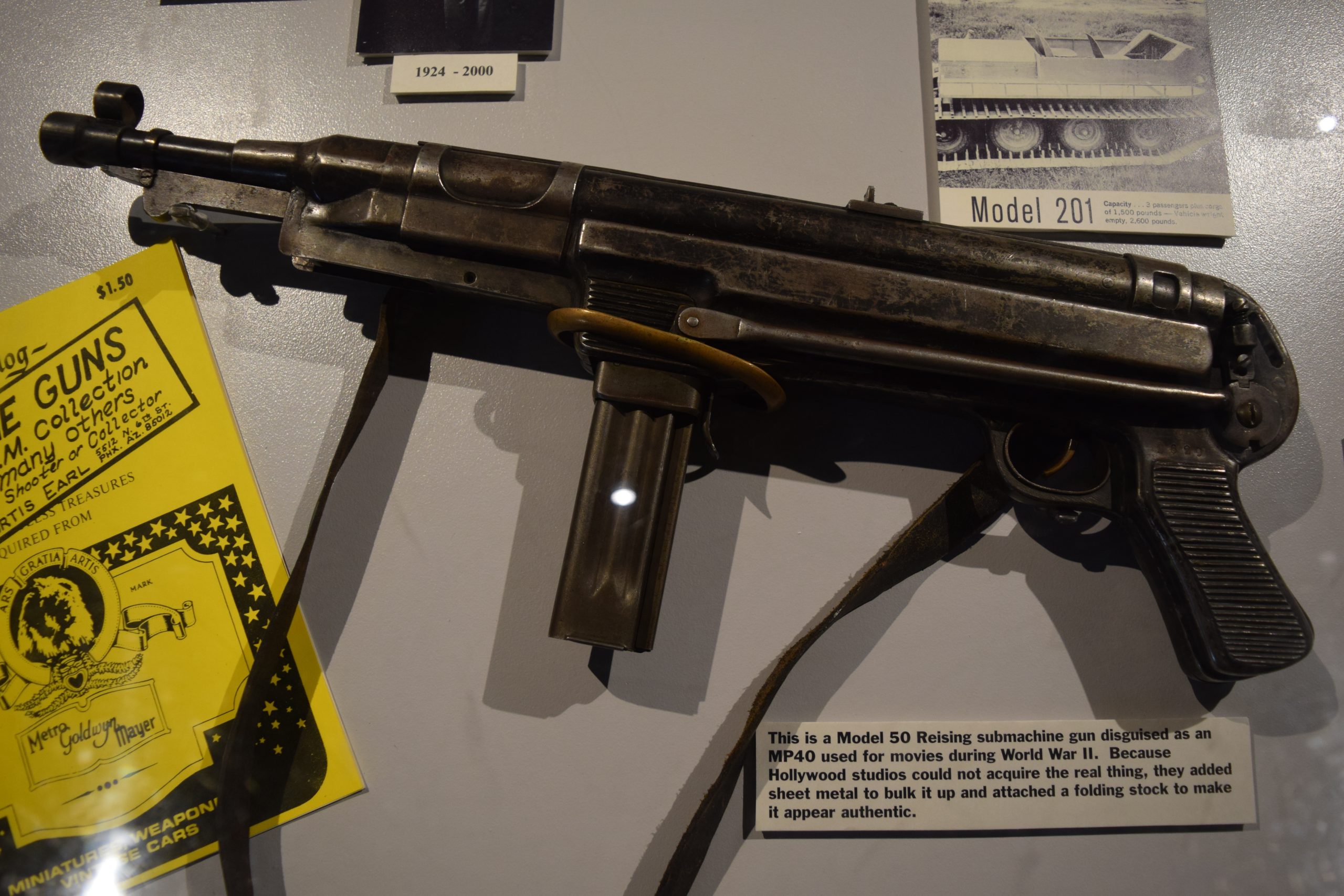
The Reising M50 offered the United States Marine Corps a cheaper and lighter alternative to the Thompson submachine gun. Its closed bolt operation provided superior accuracy during semi-automatic fire, which appealed to marksmanship instructors. In the humid jungles of the Pacific theater, the tight tolerances of the weapon became a nightmare for maintenance. Rust formed quickly on the complex internal parts, and the gun was difficult to disassemble for cleaning in the field. Marines frequently threw them into rivers and stole other weapons because the Reising could not be trusted to fire when needed.
Remington R51

Remington attempted to revive a classic early twentieth-century design with the modern R51 compact carry pistol. The hesitation locked action allowed for a very low bore axis, which theoretically reduced muzzle flip and recoil. Early reviews praised the sleek ergonomics and the pointability of the firearm before it hit mass production. Customers soon reported that the guns were shipping with rough internal machining that caused constant failures to feed. The disaster was so complete that the manufacturer had to recall every single unit and redesign the pistol entirely to make it work properly.
Nambu Type 94
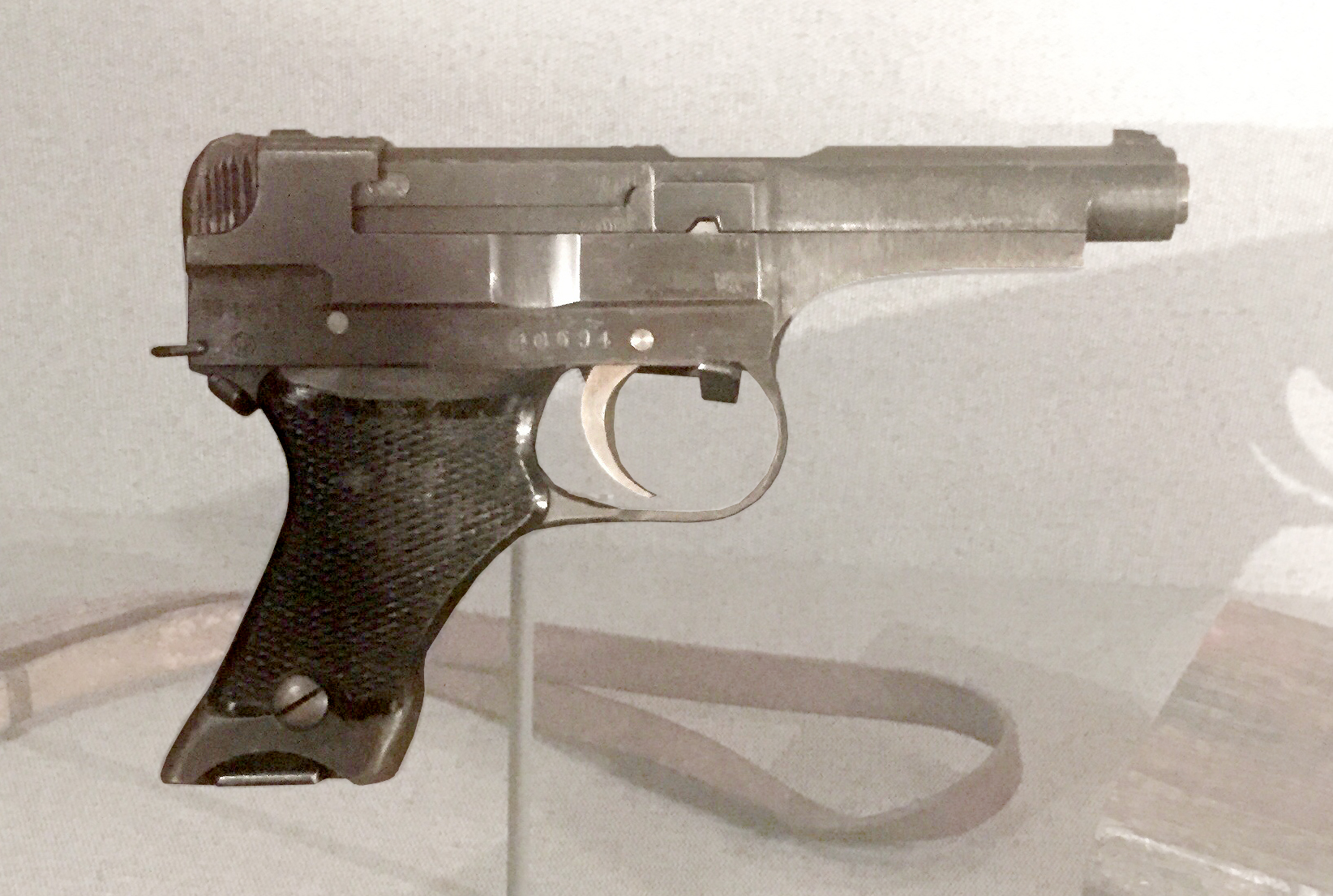
Japanese officers required a small and lightweight sidearm that would not be burdensome to carry during long campaigns. The Nambu Type 94 achieved this goal with a compact frame and a unique, futuristic silhouette. However, the design included an exposed sear bar on the side of the frame that was a massive safety hazard. Pressing this bar while holstering or handling the loaded gun could cause it to fire without the trigger being pulled. It is widely considered one of the worst service pistols ever issued because it was more dangerous to the user than the enemy.
Stoner 63
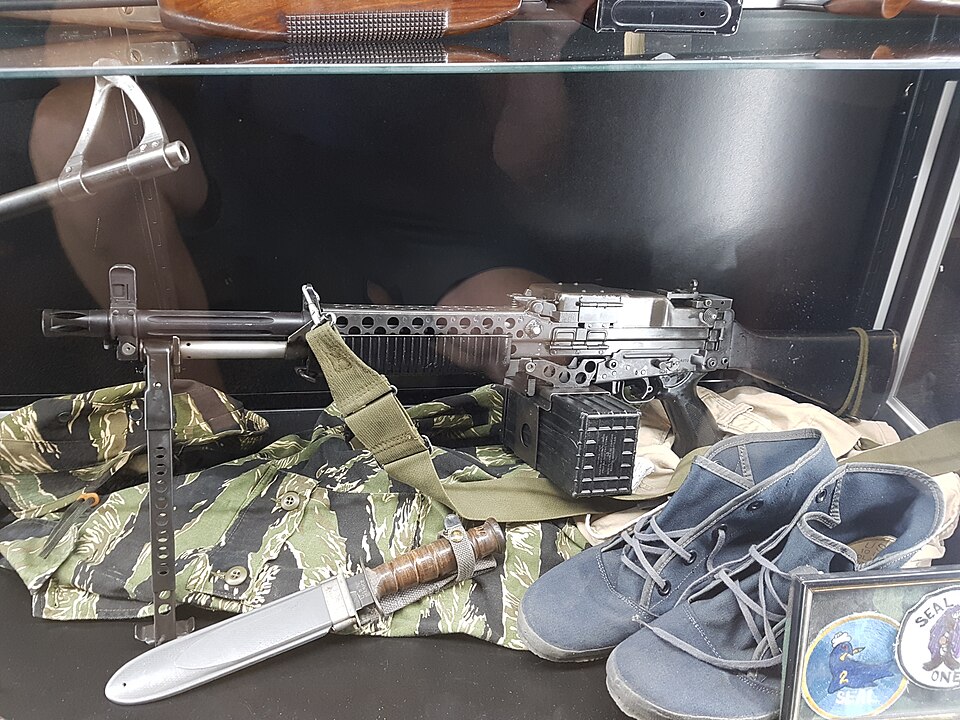
The Stoner 63 system was a brilliant modular concept that allowed one receiver to be converted into a rifle or machine gun. Navy SEALs appreciated the versatility and the lightweight firepower it offered during special operations missions. The main drawback was that the complex mechanism required constant cleaning and maintenance to function reliably in harsh environments. It had too many small parts that could be lost or broken by average soldiers in the field. The weapon demanded a level of care that was simply impractical for general infantry issue, despite its undeniable engineering genius.