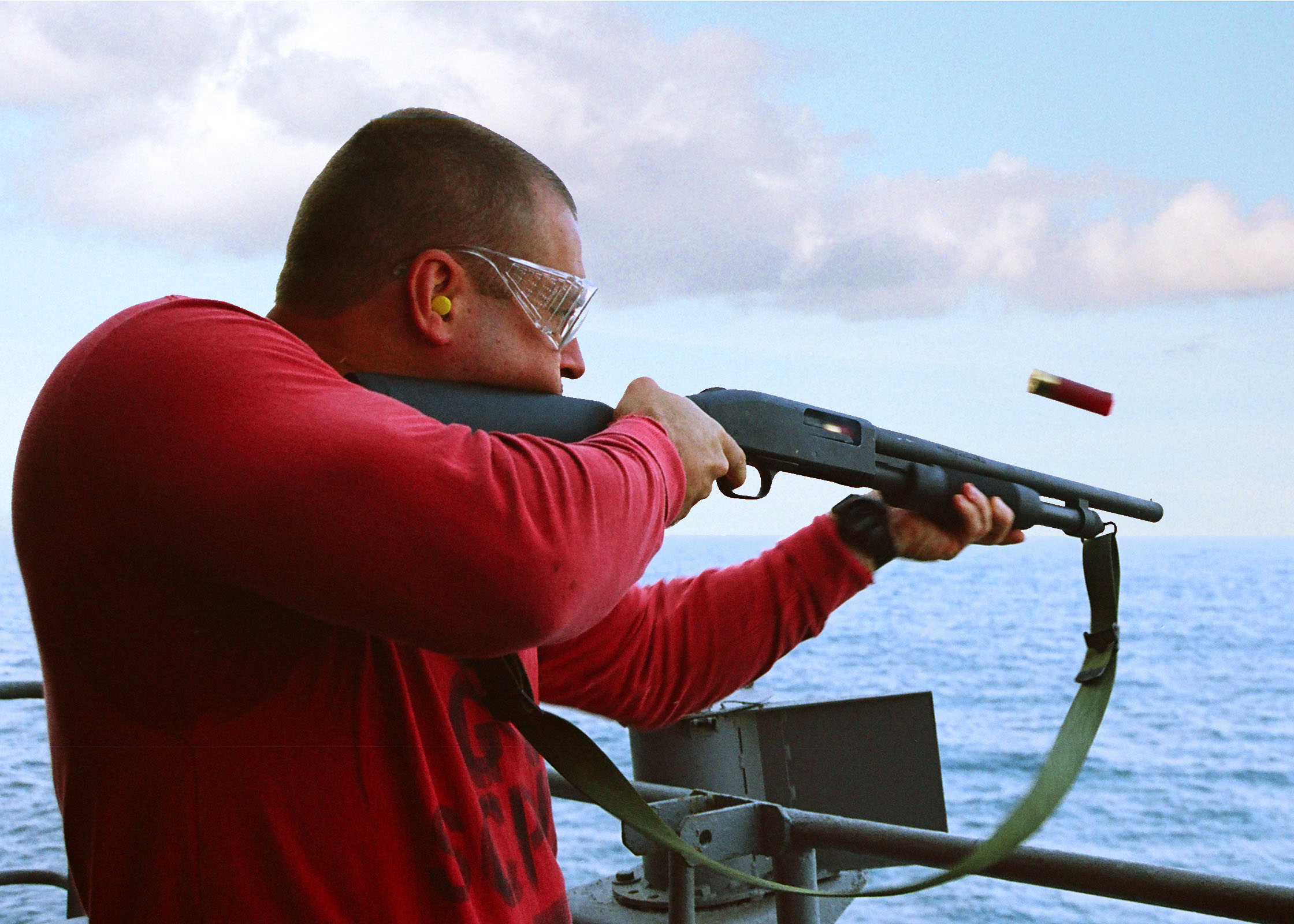
Firearms vary widely in design, power, and handling characteristics. While many guns are reliable and safe when used correctly, some models or types require significantly more caution from their owners. Factors such as extreme recoil, unusual mechanical designs, high operating pressures, or historical manufacturing quirks can make certain firearms more challenging to manage safely. Inexperienced shooters sometimes underestimate these characteristics, leading to discomfort, poor control, or increased risk of mistakes. Responsible ownership always involves understanding the strengths and limitations of any firearm before relying on it. The following list explores ten guns that often surprise owners with how demanding they can be. Each example highlights why careful handling, proper training, and realistic expectations matter when dealing with powerful or unusual firearms.
1. Ultra-Lightweight .357 Magnum Revolvers
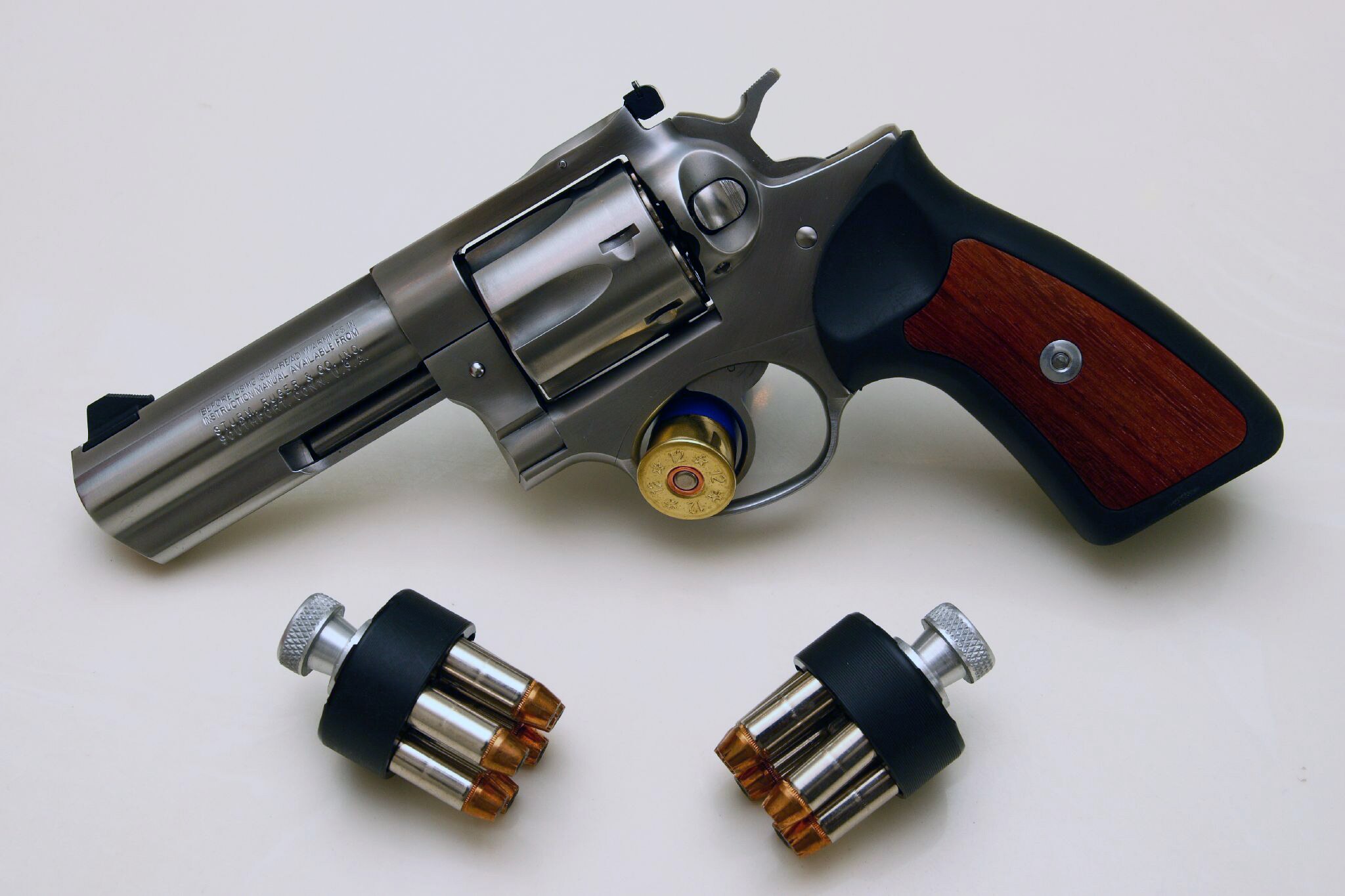
Ultra-lightweight revolvers chambered in .357 Magnum look appealing because they combine serious power with a small, easy-to-carry frame. However, the same lightweight design that makes them convenient also creates intense recoil. When a powerful magnum round fires from a compact revolver, the energy transfers sharply into the shooter’s hand. Many owners describe the experience as startling during their first range session. The short barrel also produces bright muzzle flash and loud blast, especially in low light or indoor environments. These factors can make accurate follow-up shots difficult without consistent practice. Another issue is that small revolver grips often provide limited surface area for control. While experienced shooters can manage these characteristics, new owners sometimes struggle with comfort and accuracy. Understanding recoil management and choosing appropriate ammunition can make these revolvers safer and more practical for long-term use.
2. Short-Barreled 12 Gauge Shotguns
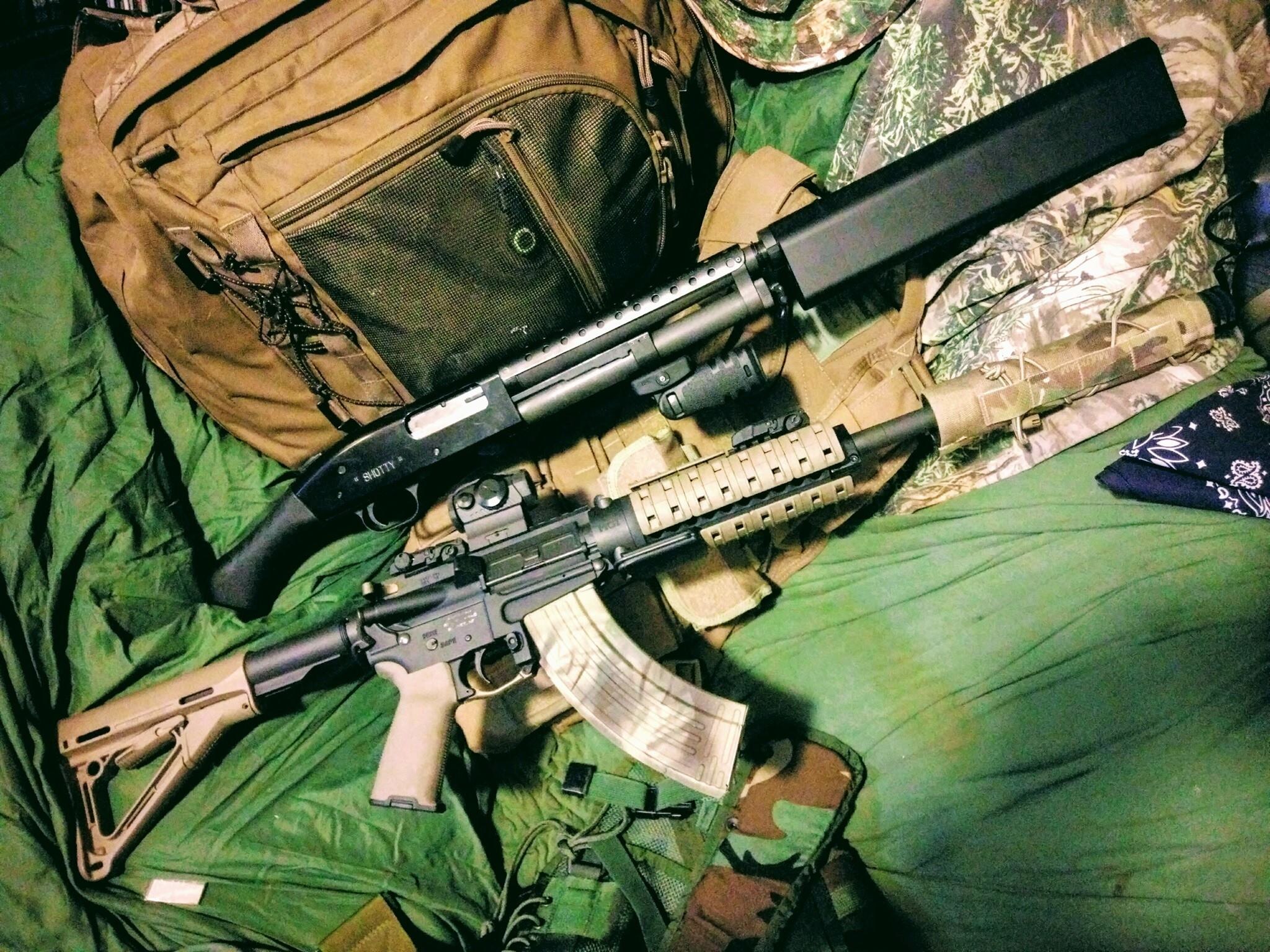
Short-barreled 12-gauge shotguns are often admired for their compact size and serious stopping power. Many people assume that the shorter length makes them easier to handle in tight spaces. In reality, these shotguns can be surprisingly difficult for inexperienced shooters to control. The powerful recoil of a 12-gauge becomes even more noticeable when the firearm has less weight and a shorter barrel. This combination can cause the muzzle to rise sharply during firing. Loud muzzle blast and bright flash also increase when the barrel length is reduced. Inside enclosed spaces, the noise and concussion can be overwhelming without hearing protection. Another challenge is the widespread use of certain ammunition types at close range. Without practice, shooters may struggle with accuracy and recoil control. While short shotguns have legitimate uses, they demand respect, training, and careful handling to ensure safe operation.
3. Pocket-Sized .380 Pistols
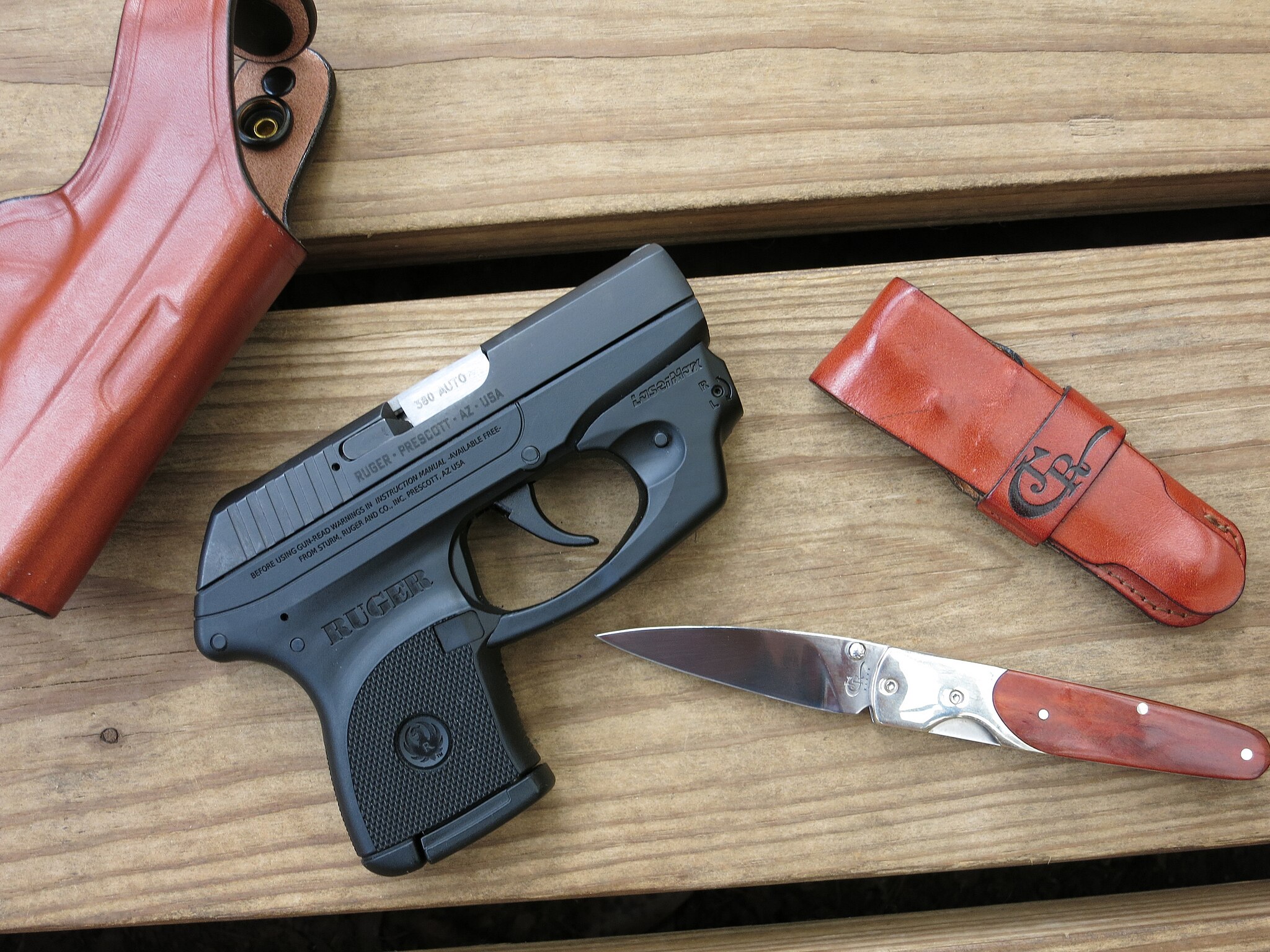
Pocket pistols chambered in .380 ACP are popular because they are small enough to carry almost anywhere. Their compact size makes them convenient for concealed carry, but that same design can create several handling challenges. Very small pistols typically have short grips, minimal sights, and light frames. These characteristics can make them harder to shoot accurately, especially for people with larger hands. The short sight radius also makes precise aiming more difficult. Recoil can feel sharper than many shooters expect because the gun’s light weight absorbs less energy during firing. Some pocket pistols also require a firm grip to function reliably due to their compact recoil systems. Owners who do not practice regularly may find them harder to control than larger handguns. Although these pistols are useful for discreet carry, responsible ownership means committing time to practice and learning proper grip and control techniques.
4. .454 Casull Hunting Revolvers
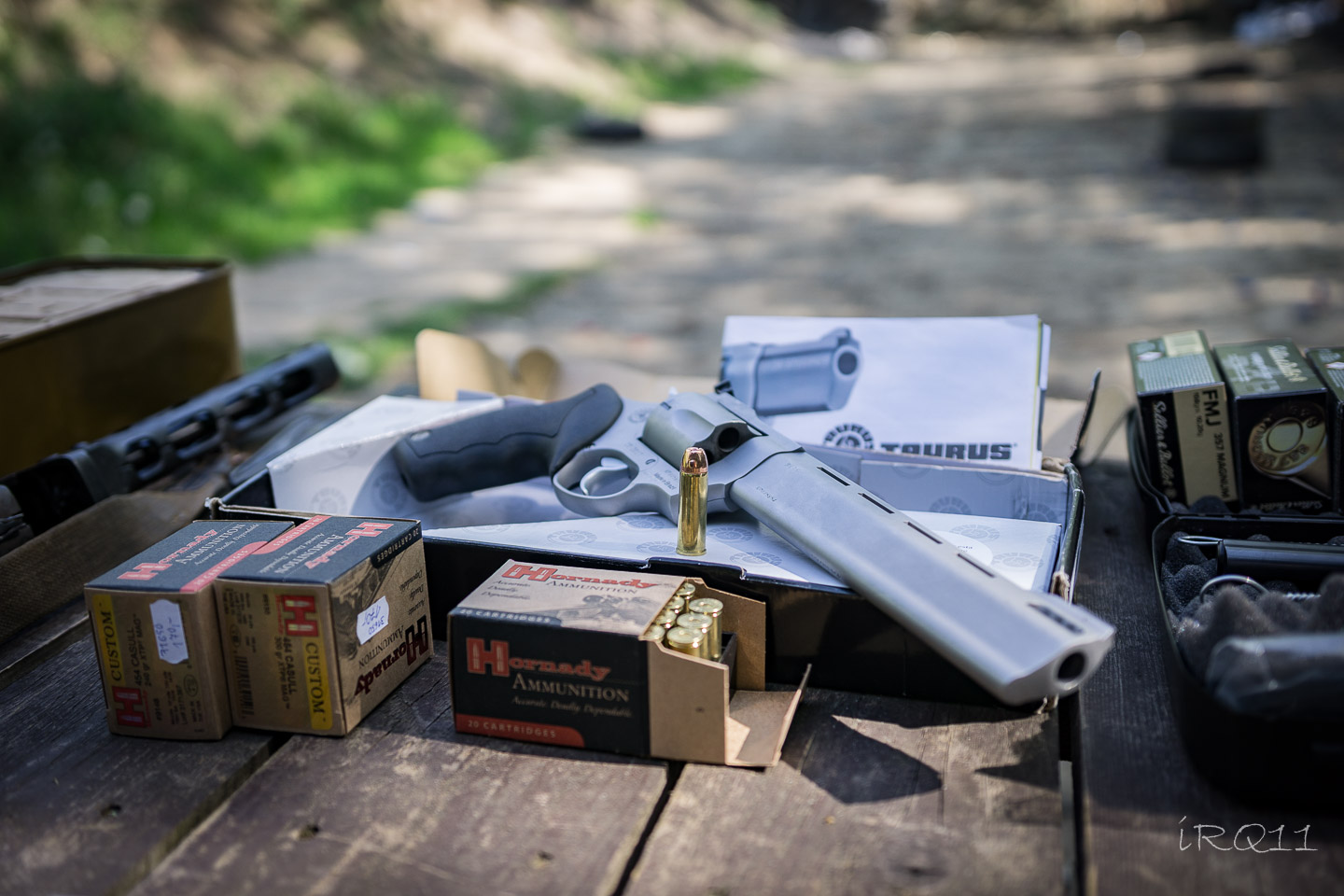
Revolvers chambered for the powerful .454 Casull cartridge are built for serious hunting applications. These firearms generate tremendous energy and are capable of taking large game animals. Because of this power, the recoil produced by a .454 Casull revolver is among the most intense commonly experienced by handgun shooters. Even experienced firearm enthusiasts approach these revolvers with caution. The recoil impulse can be sharp and forceful, often requiring a strong two-handed grip and careful stance. Muzzle blast and flash are also substantial, especially with shorter barrels. Without proper preparation, the force can surprise new owners and lead to poor control during firing. Many shooters begin with lighter loads before moving to full-power ammunition. While these revolvers are impressive tools for specific outdoor uses, they demand respect, practice, and disciplined handling to ensure safe operation during hunting or range sessions.
5. Compact 10mm Semi-Automatic Pistols
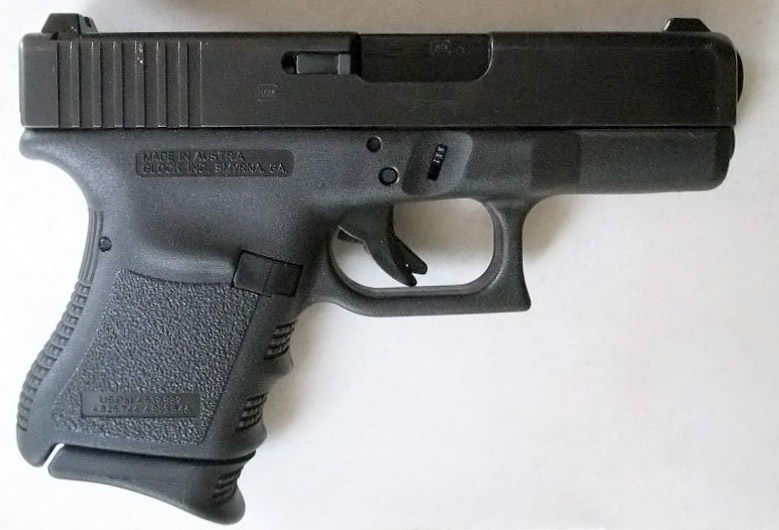
The 10mm Auto cartridge is known for its impressive velocity and energy. In full-size pistols, it offers strong performance and manageable recoil for experienced shooters. However, when the same cartridge is placed into compact or lightweight handguns, the shooting experience changes significantly. The reduced size and weight of these pistols can make recoil feel sharper and faster. This often surprises new owners who expect recoil similar to common defensive calibers. Rapid follow-up shots may require more practice due to the increased muzzle movement. Another factor is the higher pressure of many 10mm loads, which can create noticeable slide movement and mechanical force during firing. Compact frames also offer less gripping surface, which can affect control. With proper training and grip technique, many shooters learn to handle these pistols effectively. Still, they require more experience than many standard defensive handguns.
6. Very Old Surplus Military Rifles
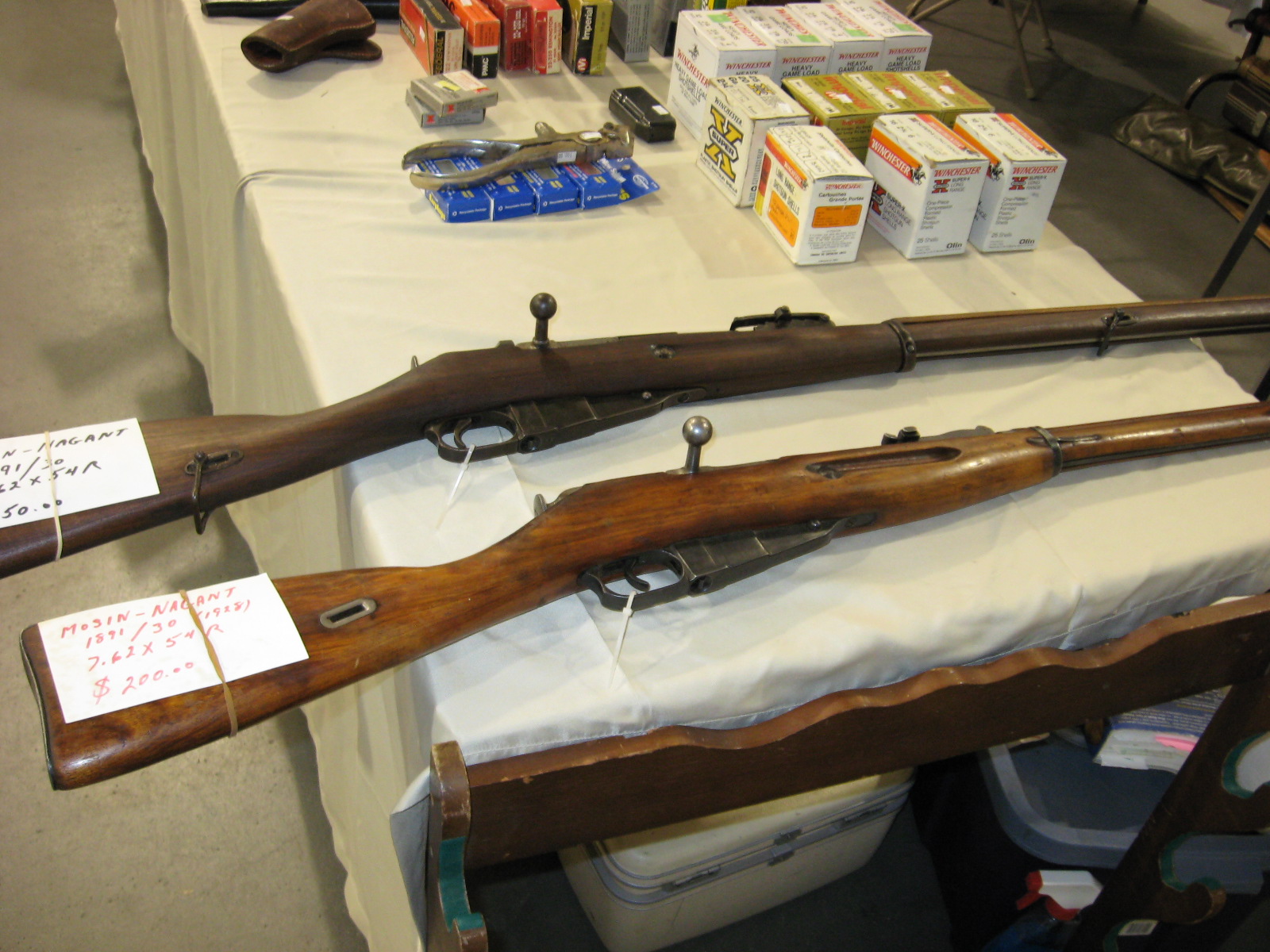
Surplus military rifles from earlier eras can be fascinating historical pieces. Many enthusiasts enjoy collecting them because they represent important moments in military history. However, some very old rifles come with unique safety considerations. Decades of storage, previous modifications, or unknown maintenance histories can affect reliability. In some cases, internal components such as springs, firing pins, or locking surfaces may be worn. Ammunition compatibility can also be confusing, especially with rifles that were originally designed for cartridges no longer widely produced. Owners who fire these rifles without proper inspection may overlook potential issues. Responsible collectors usually have a qualified gunsmith evaluate the firearm before regular use. Proper cleaning, correct ammunition selection, and careful maintenance can help ensure safe operation. While surplus rifles are valuable historical artifacts, they require thoughtful handling and mechanical understanding.
7. Extremely Small Derringer Pistols
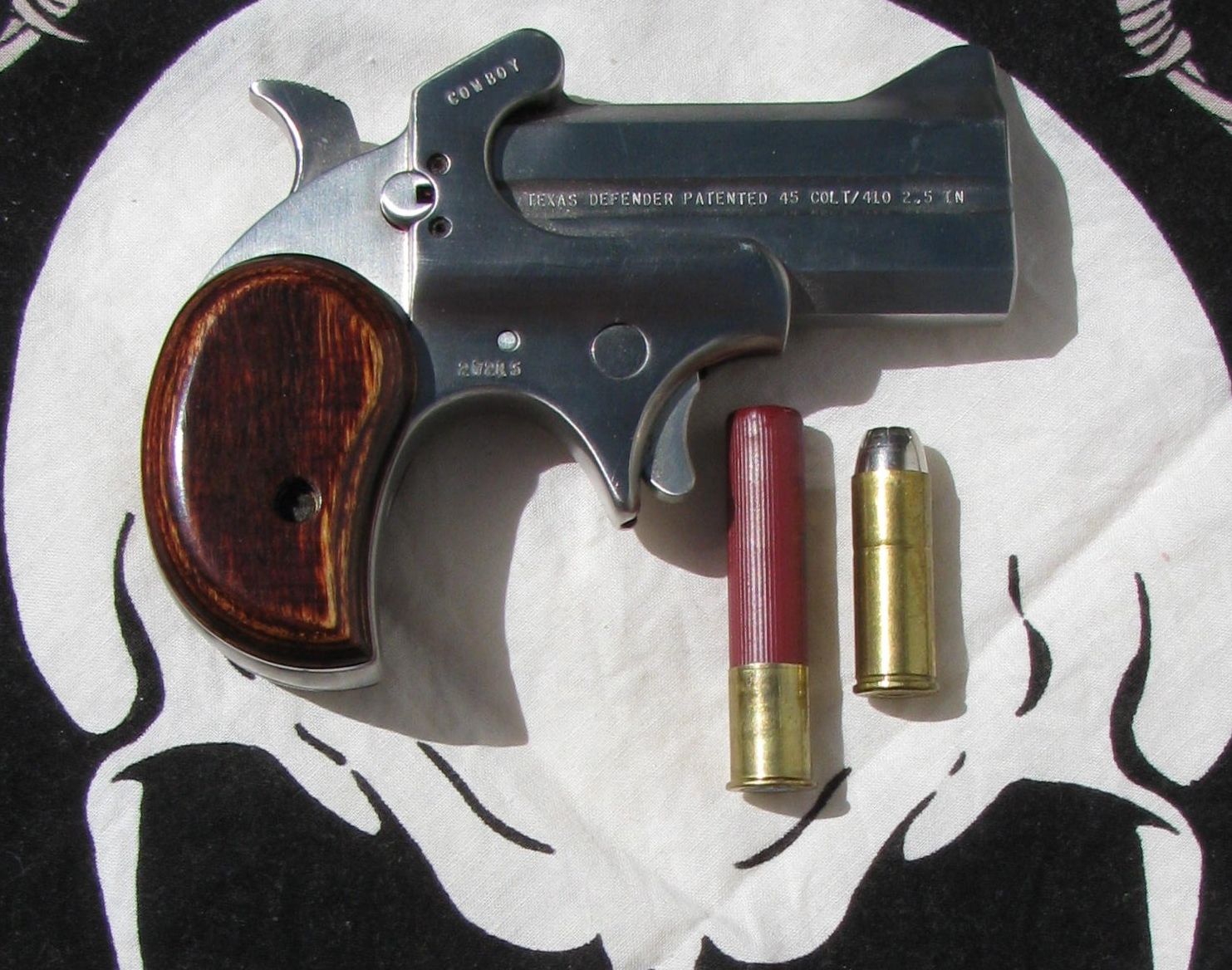
Derringer pistols are among the smallest firearms commonly available. Their compact size and simple design make them easy to conceal and straightforward to operate. However, these tiny pistols also present several practical challenges. Most derringers have extremely short barrels and minimal grips, which can make them difficult to control during firing. Even moderate cartridges can produce noticeable recoil in such a small platform. The limited sighting systems also reduce accuracy, especially beyond very short distances. Another factor is capacity. Many derringers hold only one or two rounds, leaving little margin for error. Reloading is usually slower compared with modern semi-automatic pistols. Because of these limitations, owners often discover that these pistols require more practice than expected. While derringers have historical appeal and niche uses, they demand careful handling and realistic expectations about their performance.
8. Large Bore Revolvers in Lightweight Frames
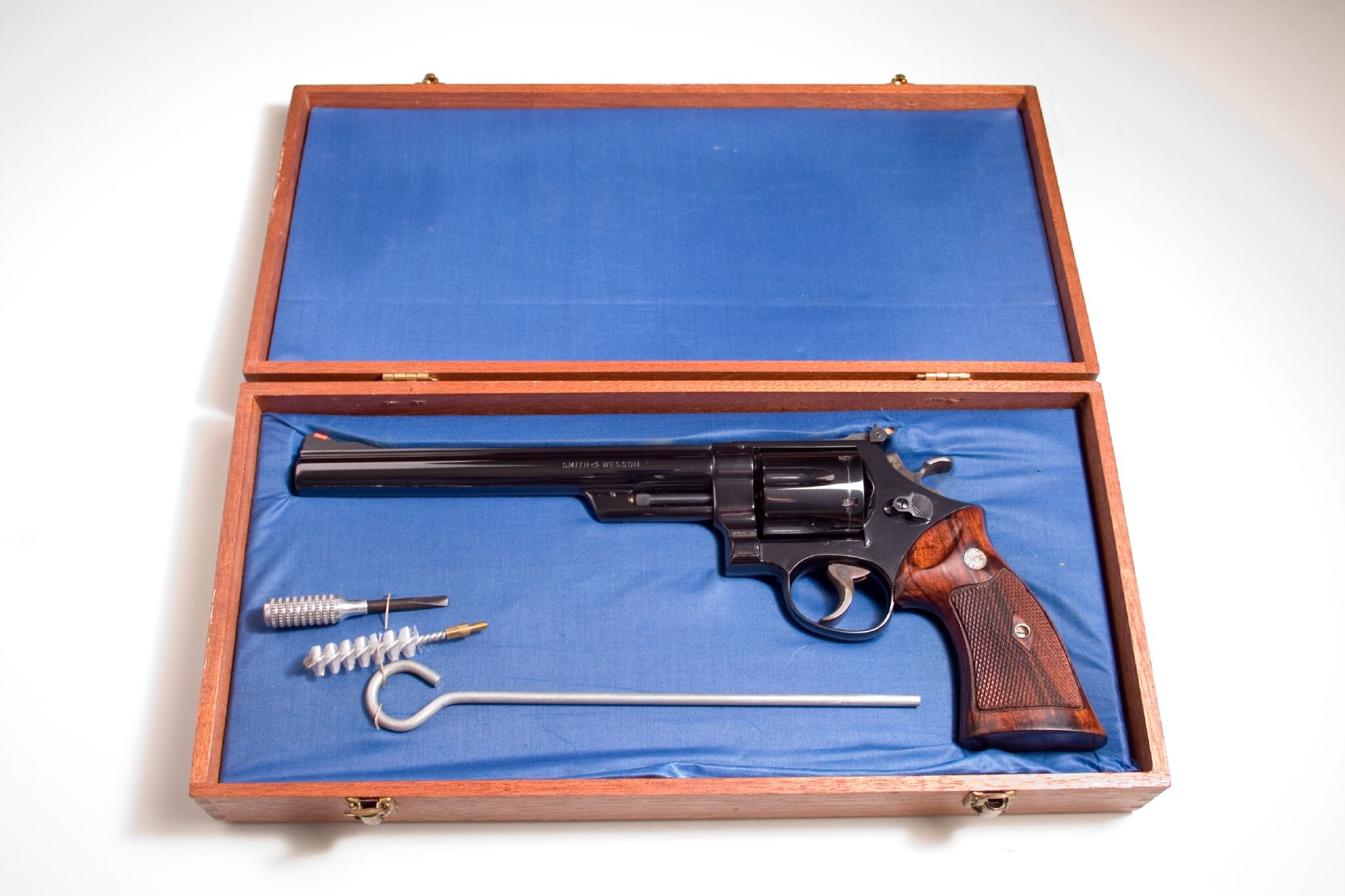
Large-bore revolvers chambered for cartridges such as .44 Magnum or similar rounds are famous for their raw power. When these cartridges are fired from heavy steel revolvers, recoil can be manageable with practice. Problems sometimes arise when manufacturers produce lightweight versions using aluminum or other reduced-weight materials. The lighter frame transfers more recoil directly to the shooter. Many owners are surprised by how forceful the experience can be during the first range session. The strong recoil impulse may cause the muzzle to rise sharply, slowing follow-up shots. Some shooters also find extended practice sessions uncomfortable. Proper grip technique and gradual familiarization are important for controlling these firearms safely. Choosing appropriate ammunition can also help reduce the intensity of recoil. While lightweight large bore revolvers are impressive tools, they require patience and experience to master safely.
9. High-Capacity Drum-Fed Shotguns
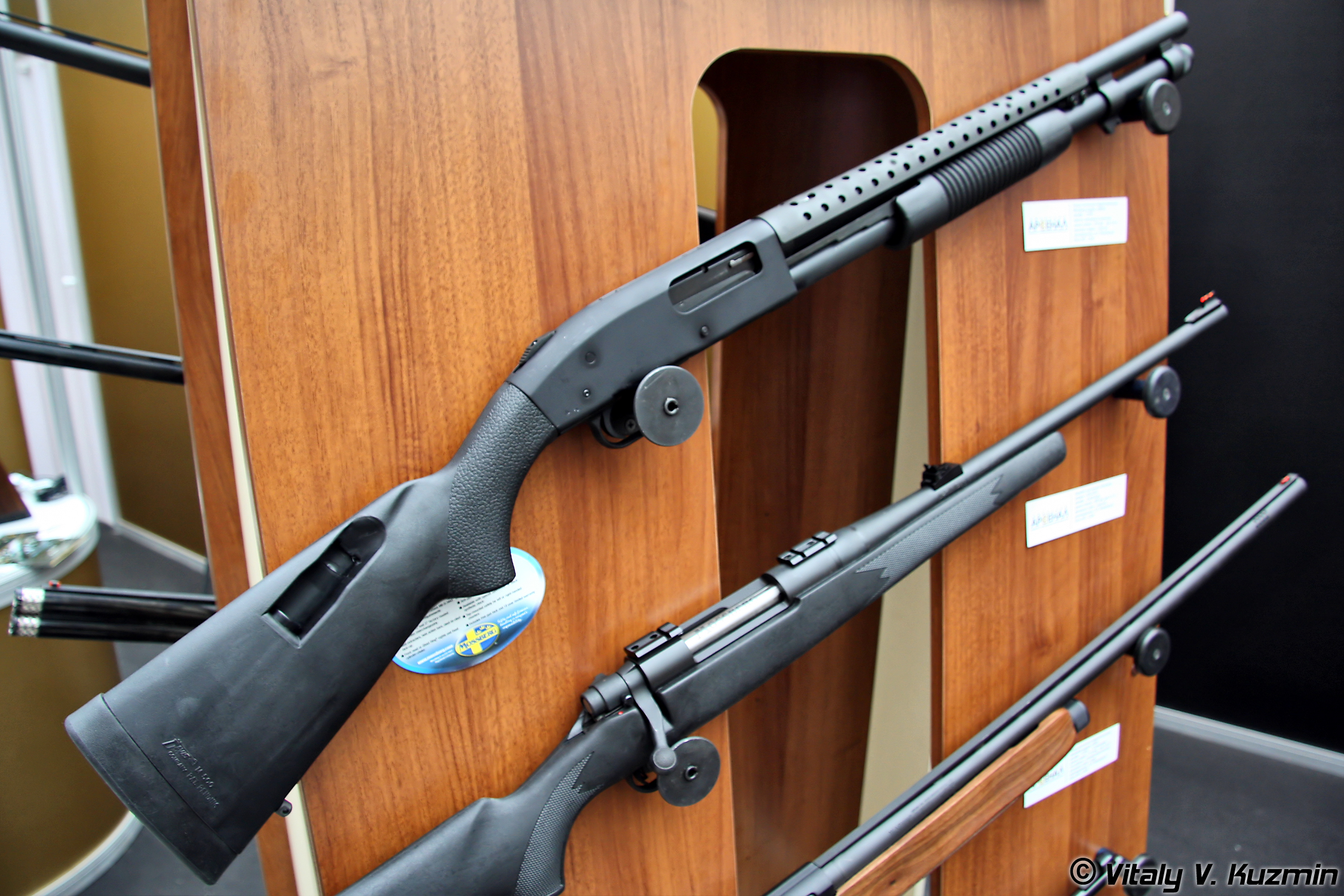
Drum-fed shotguns attract attention because of their high ammunition capacity and distinctive appearance. These firearms are often designed to hold far more shells than traditional tube-fed shotguns. While the concept sounds appealing, drum magazines can introduce new complications. Fully loaded drums add significant weight to the firearm, which affects balance and handling. The added bulk can make the shotgun feel awkward during extended use. Another factor is mechanical complexity. Drum magazines rely on multiple internal components to feed shells properly. If the magazine is not loaded correctly or maintained carefully, feeding issues may occur. Some shooters also find that the extra weight changes how the shotgun recoils and swings during aiming. Owners who are prepared to maintain and practice with these systems may appreciate them, but inexperienced users sometimes discover they require more effort than expected.
10. High-Pressure Magnum Semi-Automatic Pistols
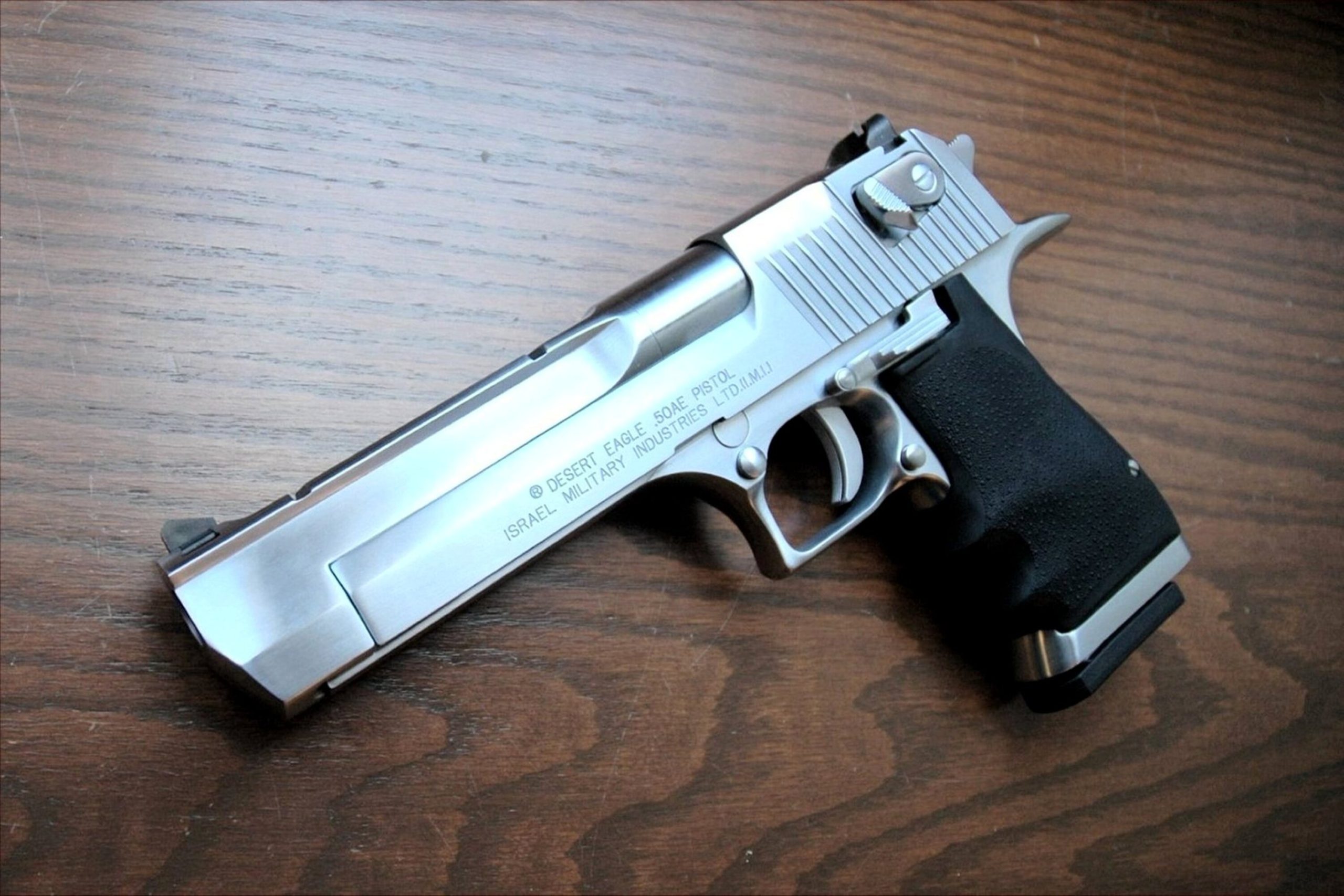
Certain semi-automatic pistols are designed to fire extremely powerful magnum-style cartridges. These firearms often use specialized operating systems to manage the high pressures involved. While they can deliver impressive performance, they also introduce additional challenges for the shooter. The combination of strong recoil, heavy slides, and large frames can make these pistols demanding to operate comfortably. The force required to rack the slide may be greater than that of many standard handguns. Muzzle blast and recoil energy are also noticeably higher than those of typical service pistols. Some shooters are surprised by how much concentration and grip strength these guns require. Regular maintenance is also important due to the stresses generated by powerful cartridges. With proper training and understanding, experienced enthusiasts can enjoy these pistols safely. However, new owners often discover that they require more preparation than typical handguns.