Deer diets extend far beyond obvious crops and food plots, especially in pressured landscapes. Seasonal needs, regional plants, and learned behavior shape what whitetails seek. Many preferred foods never appear in common scouting conversations, yet they influence movement and bedding decisions daily. Understanding these overlooked foods helps explain why deer avoid expected areas while thriving elsewhere. These ten foods consistently attract deer across regions but remain widely underappreciated by hunters. Each plays a quiet role in nutrition, cover proximity, and timing. Recognizing them sharpens scouting, improves stand placement, and reveals why some locations produce consistency.
Greenbrier Leaves
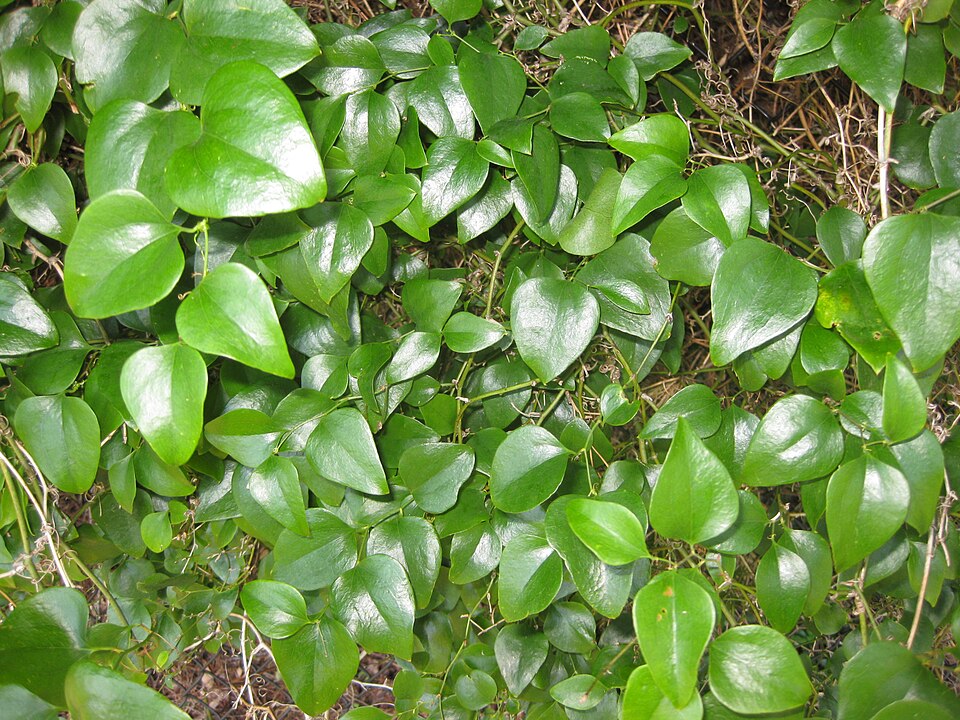
Greenbrier leaves provide dependable browse throughout much of the year, especially in southern and eastern forests. The vine stays green when other plants fade, offering moisture and nutrition. Deer feed on tender leaves and growing tips. Thick greenbrier also provides security cover, keeping feeding close to bedding. Hunters often avoid these tangles. Trails within them reveal repeated use. During fall and winter, greenbrier concentrates movement in overlooked areas. Recognizing its presence explains why deer remain active where mast and crops seem absent, shaping travel patterns near dense cover during cold months and pressured seasons locally.
Honeysuckle Vines
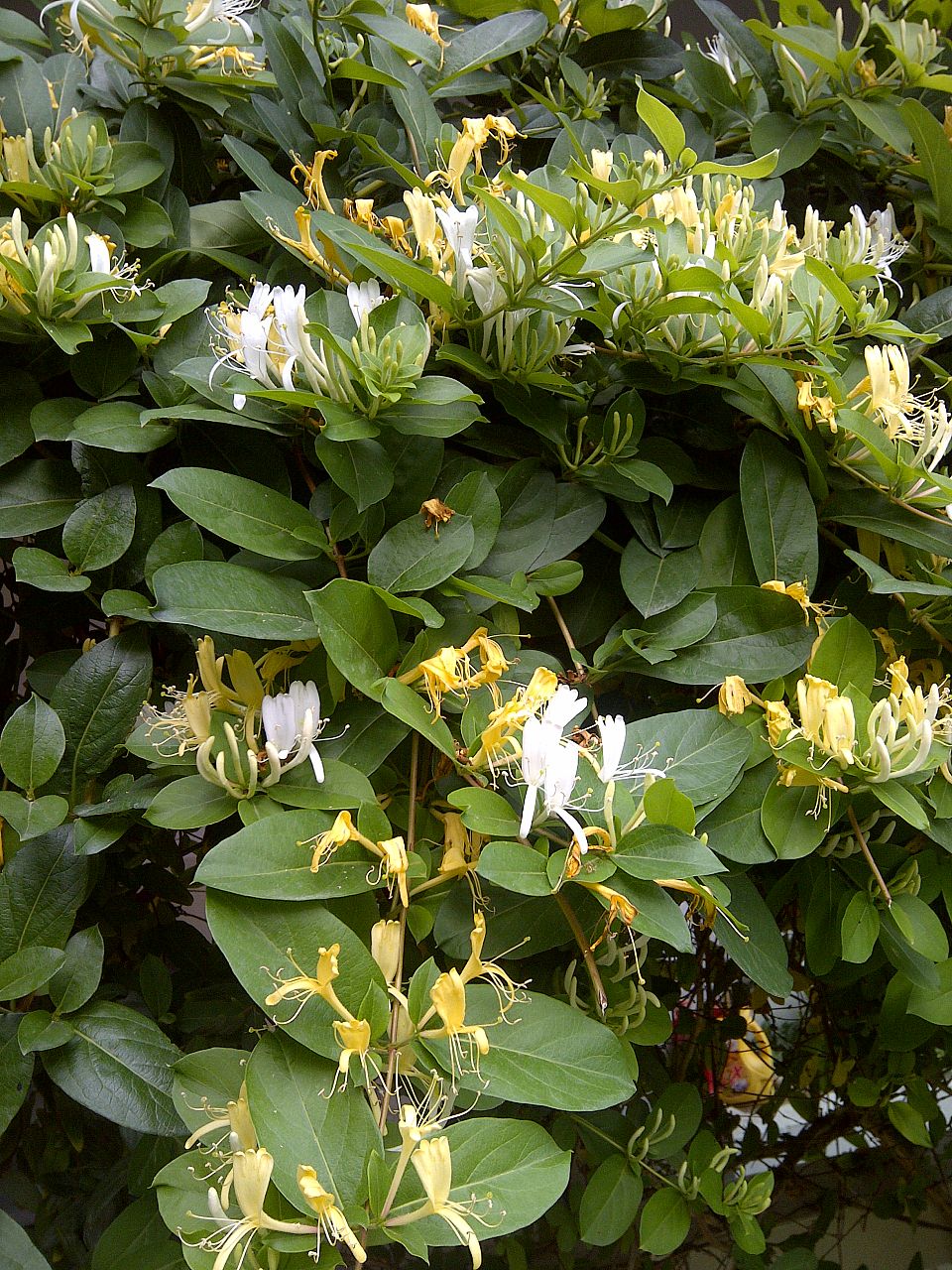
Honeysuckle vines remain palatable long after other vegetation declines, making them highly attractive to deer. The plant retains green leaves into late fall and winter. Deer browse leaves and tender stems regularly. Honeysuckle often grows along edges, roads, and disturbed ground. These locations receive frequent deer traffic. Hunters overlook the plant because it spreads aggressively. However, deer rely on it for nutrition when options narrow. Concentrated browsing reveals hidden travel corridors. Recognizing honeysuckle patches helps explain consistent movement near human disturbed areas, especially during late season when green forage becomes scarce across surrounding habitat.
Ragweed Leaves
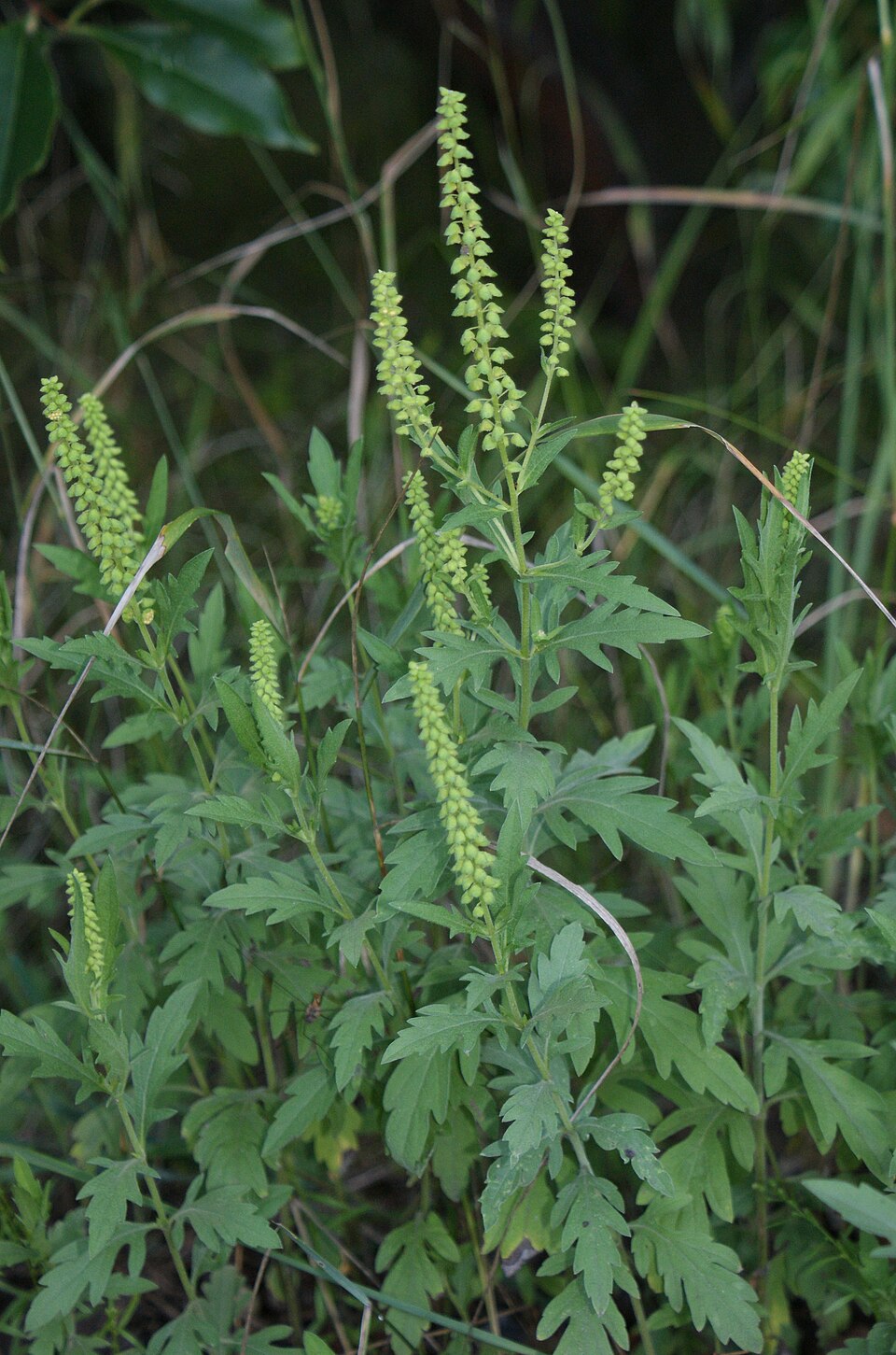
Ragweed leaves attract deer more than many hunters realize, especially during late summer and early fall. While known for pollen, the plant provides high protein forage. Deer browse leaves before flowering peaks. Ragweed grows in open fields, clearcuts, and disturbed soil. These areas often sit near bedding cover. Heavy browsing creates uneven plant height. Hunters mistake this sign for random feeding. In reality, ragweed draws repeat visits. Understanding its value explains daytime movement in weedy openings that lack crops, shaping travel routes between cover and overlooked feeding zones during early season periods.
Japanese Knotweed
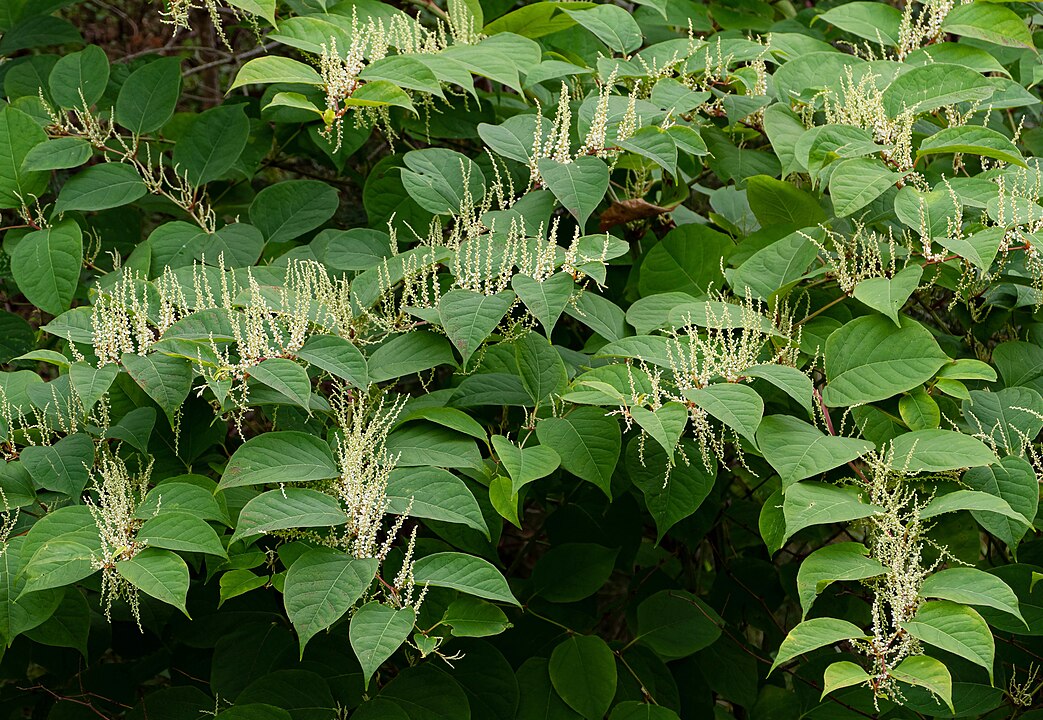
Japanese knotweed offers nutrient rich forage that deer readily consume, particularly young shoots and leaves. The invasive plant grows along waterways, roads, and forest edges. Deer browse it heavily in spring and summer. Knotweed regrows quickly after feeding, encouraging repeated use. Hunters often ignore these patches due to dense growth. Trails through knotweed indicate habitual movement. Its presence explains deer activity near streams and ditches. Recognizing knotweed helps identify overlooked feeding hubs that remain productive when surrounding vegetation matures or becomes less palatable across midseason landscapes and transitional habitat zones.
Maple Buds And Twigs
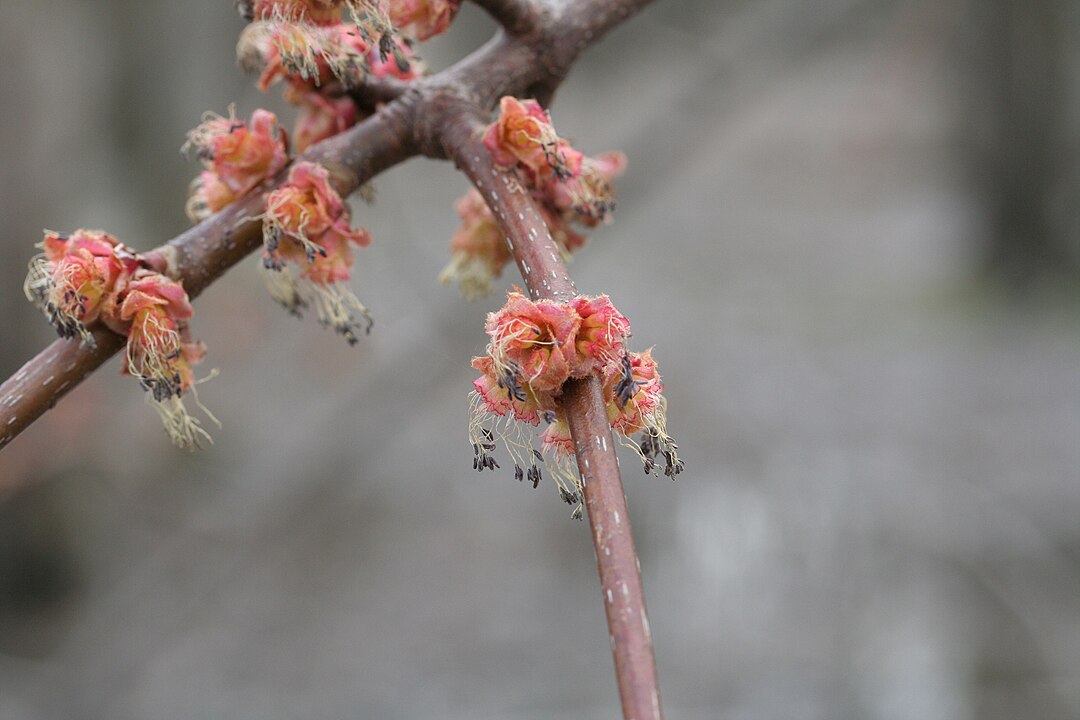
Maple buds and twigs provide critical late season nutrition when browse options decline. Deer feed on red and soft maple tips during winter. These trees grow widely across mixed forests. Browsing often occurs above snow line. Hunters rarely associate maples with feeding. However, repeated twig clipping shows preference. Bedding often lies nearby. Maples offer both food and cover proximity. Recognizing winter browsing patterns helps locate late season movement. This overlooked food source explains deer presence in hardwood stands lacking mast, especially during prolonged cold periods when energy demands rise steadily.
Poison Ivy
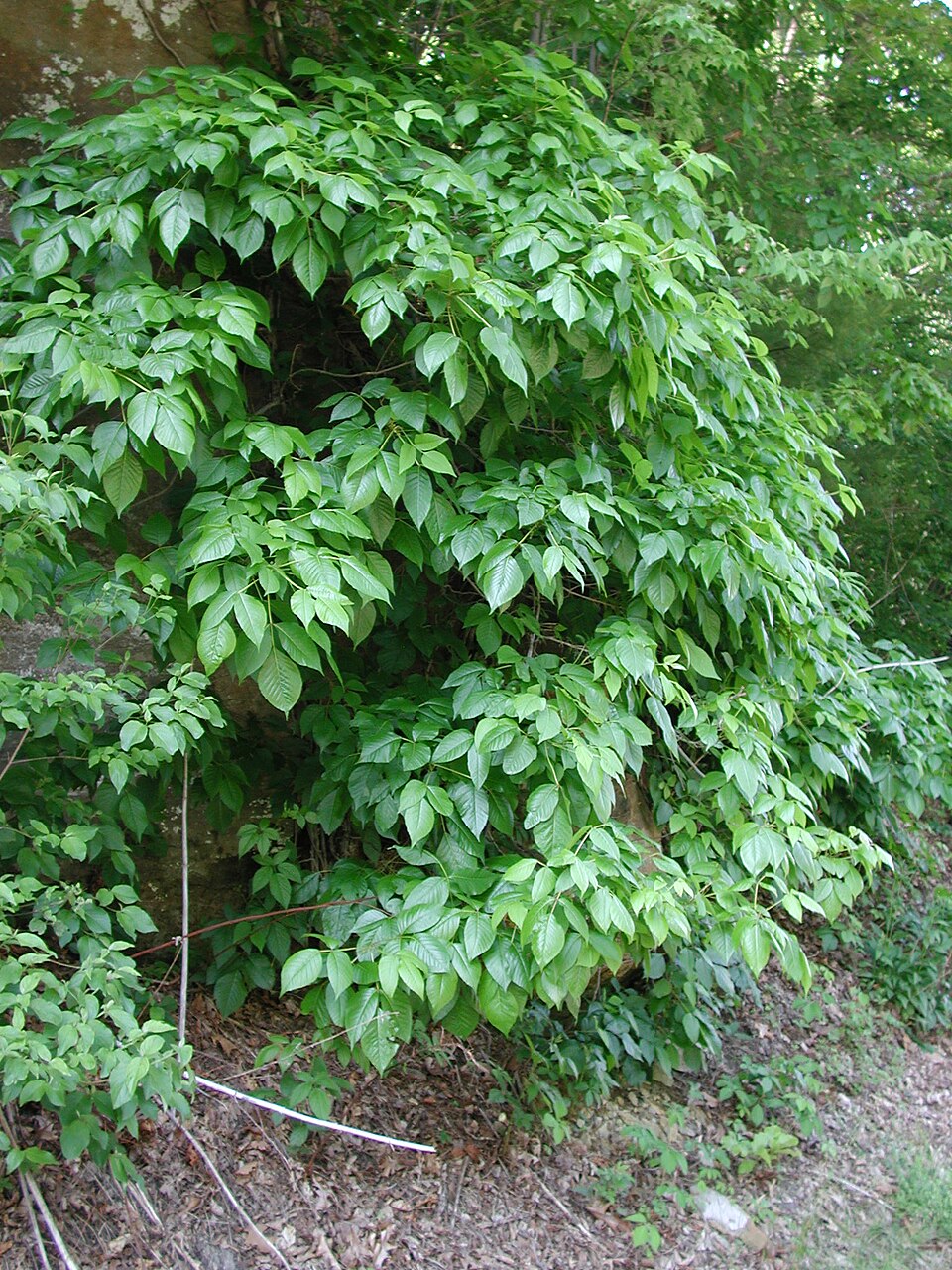
Poison ivy serves as an important food source for deer despite human avoidance. Deer browse leaves, stems, and berries throughout the year. The plant contains high nutritional value for ungulates. It grows in diverse habitats including edges, timber, and disturbed ground. Heavy browsing often keeps plants low. Hunters avoid contact and overlook sign. Deer repeatedly return to poison ivy patches. Recognizing its use helps explain activity near edges and overgrown cover. This plant quietly supports consistent feeding where other forage appears limited, especially in pressured areas where deer rely on overlooked vegetation.
Wild Rose Tips
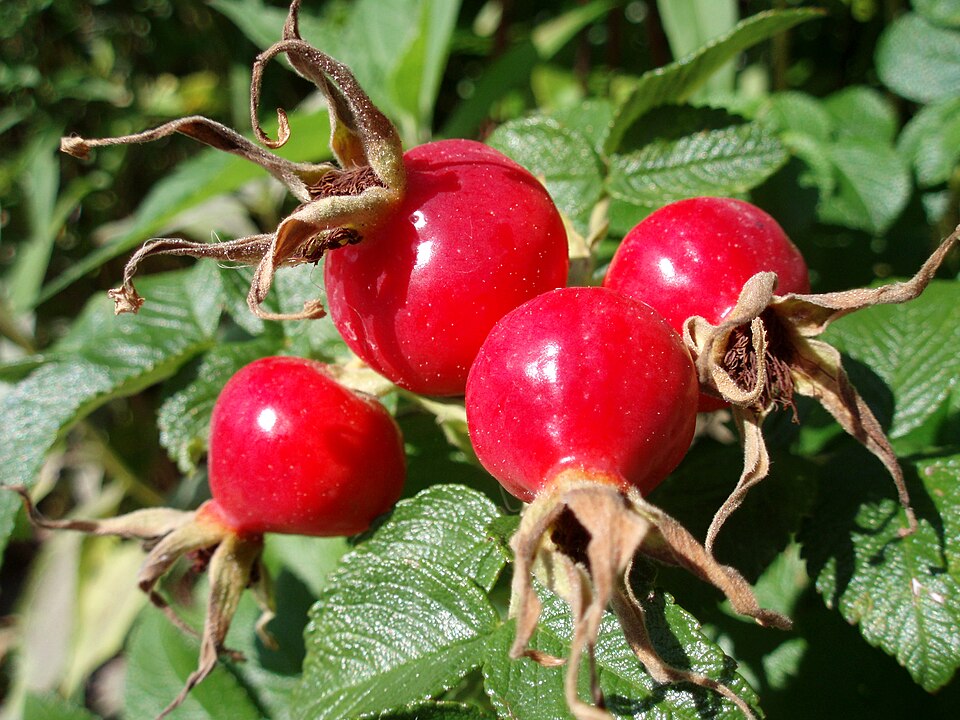
Wild rose tips attract deer due to tender new growth and accessible structure. Deer browse shoots and leaves despite thorns. Rose patches often grow along field edges and clearings. Browsing creates uneven growth patterns. Hunters assume roses deter feeding. In reality, deer exploit them regularly. These patches provide both food and cover. Trails often pass nearby. Recognizing rose browsing explains movement through thorny cover others avoid. This overlooked food source supports consistent activity in edge habitats, particularly during spring and early summer when new growth offers nutrition and security together.
Cedar Foliage
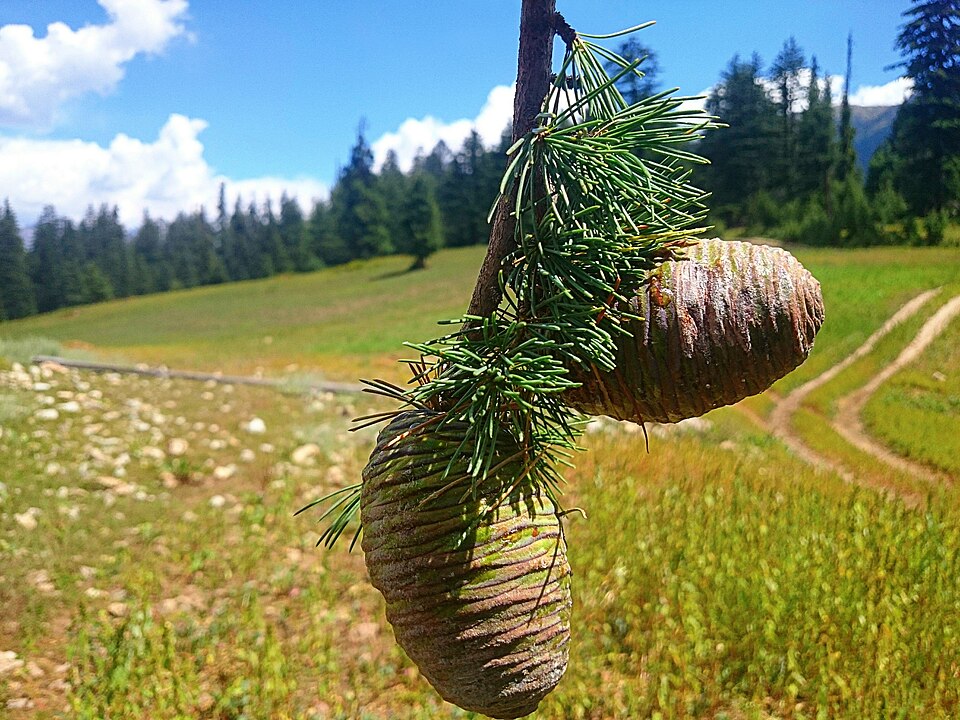
Cedar foliage provides critical winter nutrition for deer in northern regions. The evergreen needles remain available during deep snow. Cedar swamps offer thermal cover. Deer yard in these areas, feeding heavily on lower branches. Hunters often avoid cedars due to thick cover. However, sign accumulates quickly. Browsed branch tips reveal consistent use. Cedar stands explain winter concentration areas. Recognizing cedar’s importance helps locate late season movement and bedding. This food source shapes survival patterns during harsh winters when deciduous browse disappears and energy conservation becomes essential for maintaining herd health.
Acorn Caps And Residue

After acorns drop, deer continue feeding on caps and fragments overlooked by hunters. These remnants persist in leaf litter. Deer paw through leaves to access remaining nutrition. Feeding continues well after visible mast disappears. Hunters abandon oak flats too early. Subtle sign indicates continued use. Acorn residue provides fat during transition periods. Recognizing this behavior explains lingering activity in hardwoods. This overlooked feeding extends the value of mast areas, shaping movement and bedding decisions later into the season than commonly expected, especially in lightly pressured timber.
Mushrooms
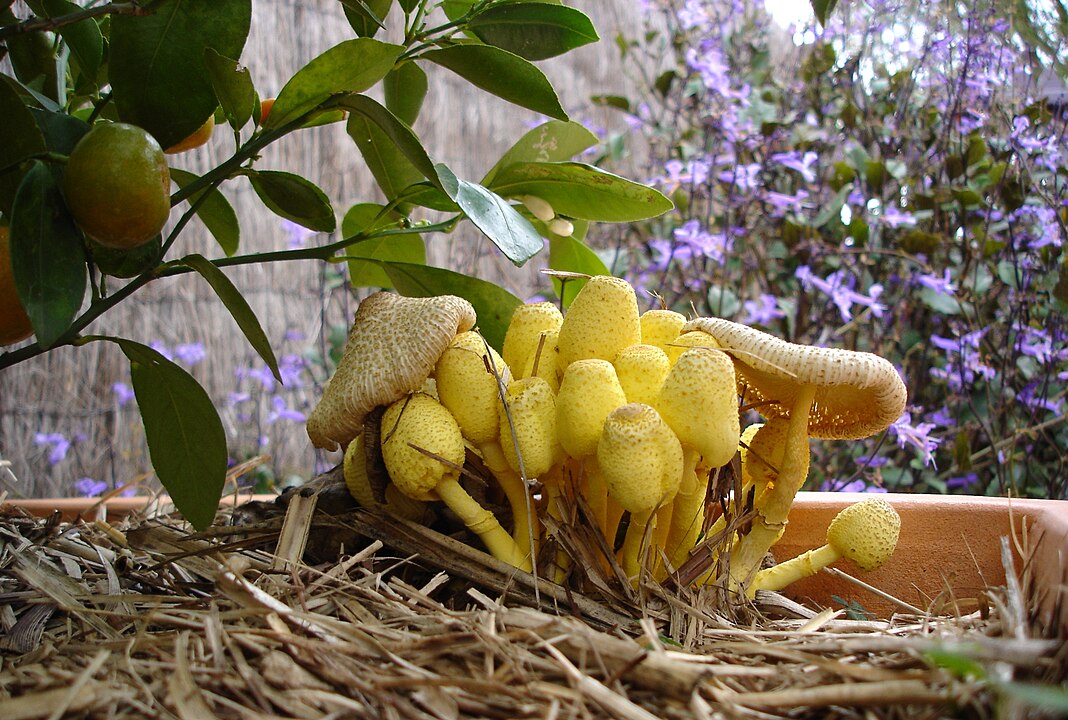
Certain wild mushrooms attract deer, particularly during moist periods. Deer consume fungi for minerals and moisture. Mushroom growth follows rain events. Feeding occurs sporadically but repeatedly in known areas. Hunters dismiss mushrooms as insignificant. However, deer revisit productive spots annually. Trails and beds often sit nearby. Recognizing mushroom feeding helps explain short term movement spikes. This food source influences travel timing more than location. Understanding its role helps hunters interpret sudden sign appearance in otherwise quiet areas, especially during early fall when moisture and temperature align for fungal growth across forest floors.