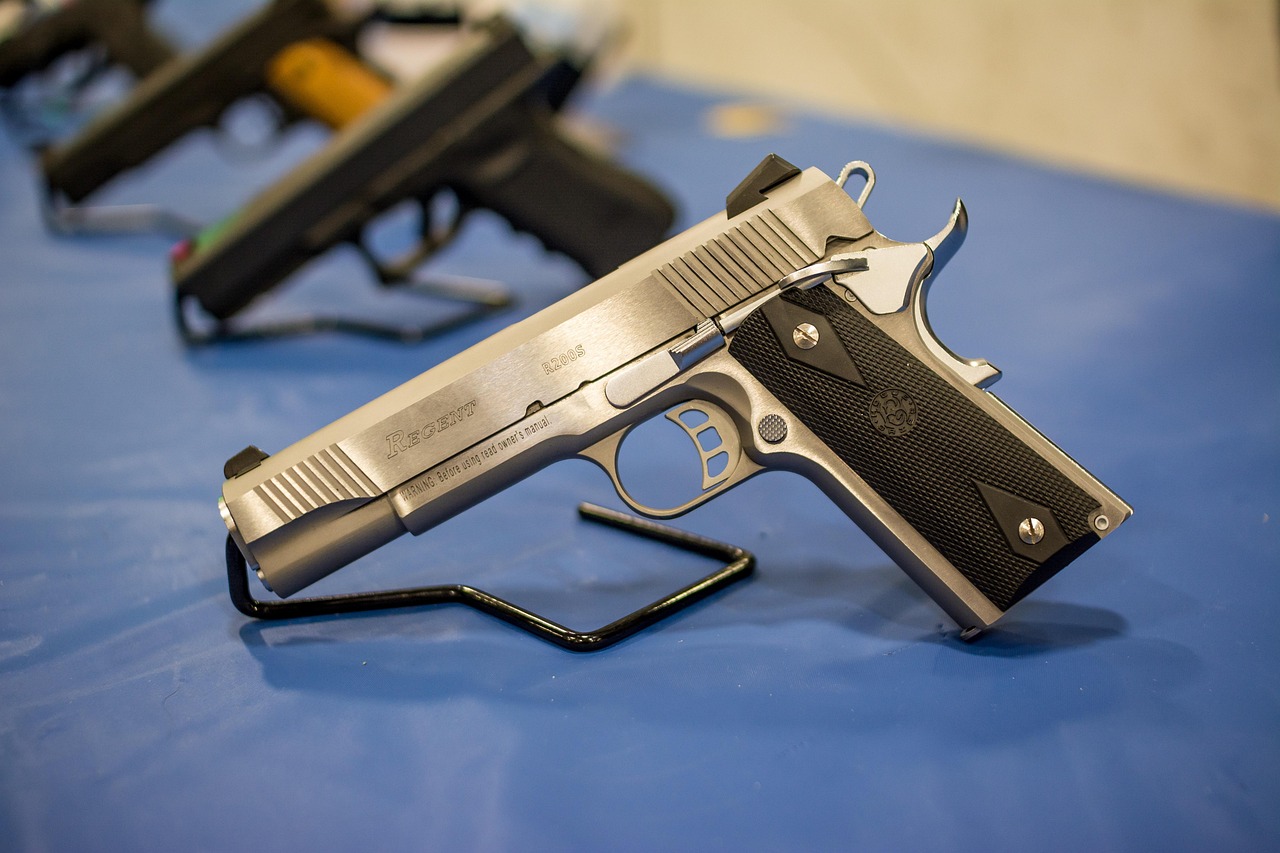
Firearms often get added to cars, backpacks, or nightstands under the idea of vague preparedness. Without a clear role, training routine, or legal understanding, specific firearms can create more problems than protection. Weight, recoil, ammunition limits, and handling demands all matter. Many popular models look capable yet fail when carried without context or planning. Ownership alone does not equal readiness. These ten firearms frequently appear in just in case thinking, where familiarity or reputation replaces strategy. Each example shows how carrying a recognizable firearm without a defined purpose undermines safety, effectiveness, and responsible decision making in unpredictable real world situations. This reality surprises owners who expected reassurance but instead gained complexity, burden, and responsibility overall.
Smith & Wesson Model 500
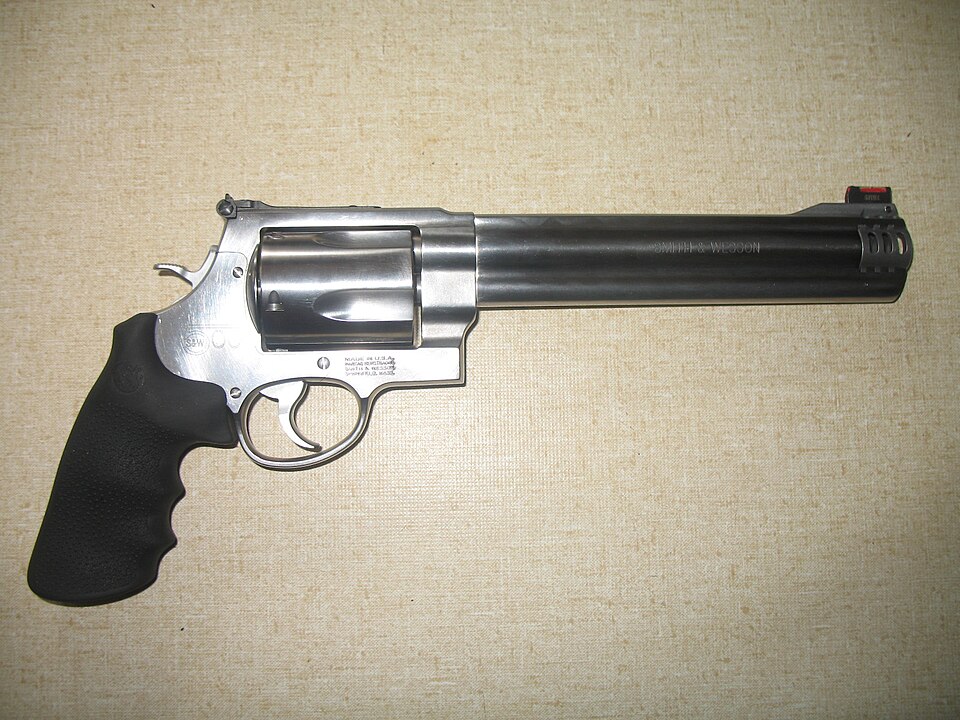
The Smith & Wesson Model 500 often appears in just in case thinking due to its extreme power. Its massive size and weight make carry impractical. Recoil requires significant training. Ammunition is heavy, expensive, and limited. Reloading under stress is unrealistic. Overpenetration poses serious risk. Holster options are scarce. Few carriers practice regularly with it. The revolver excels in controlled hunting contexts, not undefined emergencies. Carrying a Model 500 without a plan creates false confidence while adding bulk, recoil challenges, and legal complexity, making it far more likely to hinder response than provide meaningful defensive or survival capability. This reality surprises owners who expected reassurance but instead gained complexity, burden, and responsibility overall.
Mossberg 590 Shockwave
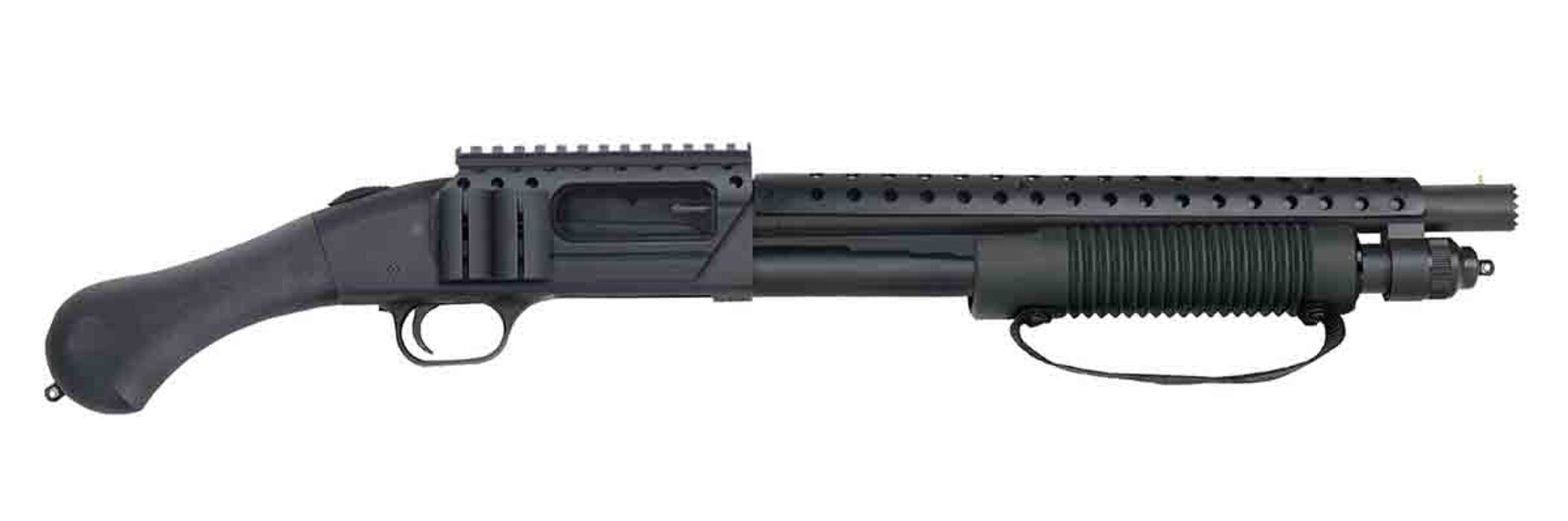
The Mossberg 590 Shockwave often sits in vehicles as a catch all defense tool. Its short barrel complicates aiming. Recoil control demands training many lack. Ammunition storage is bulky. Effective range is limited. Legal status varies by jurisdiction. Maneuvering indoors or around others is risky. Few owners practice loading under stress. Without a specific defensive scenario, its usefulness drops sharply. Carrying a Shockwave just in case replaces planning with intimidation, overlooking logistics, safety, and training requirements that matter far more than raw presence in chaotic or uncertain situations. This reality surprises owners who expected reassurance but instead gained complexity, burden, and responsibility overall.
Ruger LCP
The Ruger LCP frequently represents unplanned minimal carry. Its light weight feels convenient, but its small grip reduces control. Short sights limit accuracy. Recoil feels sharp despite low caliber. Many owners avoid training due to discomfort. Pocket carry introduces debris and safety concerns. Reliability depends heavily on ammunition choice. Drawing safely requires practice rarely performed. The LCP suits disciplined concealment, not casual reassurance. Carrying it just in case without drills or intent increases risk of poor accuracy, unsafe handling, and overconfidence unsupported by consistent practice or situational planning. This reality surprises owners who expected reassurance but instead gained complexity, burden, and responsibility overall.
Remington 700
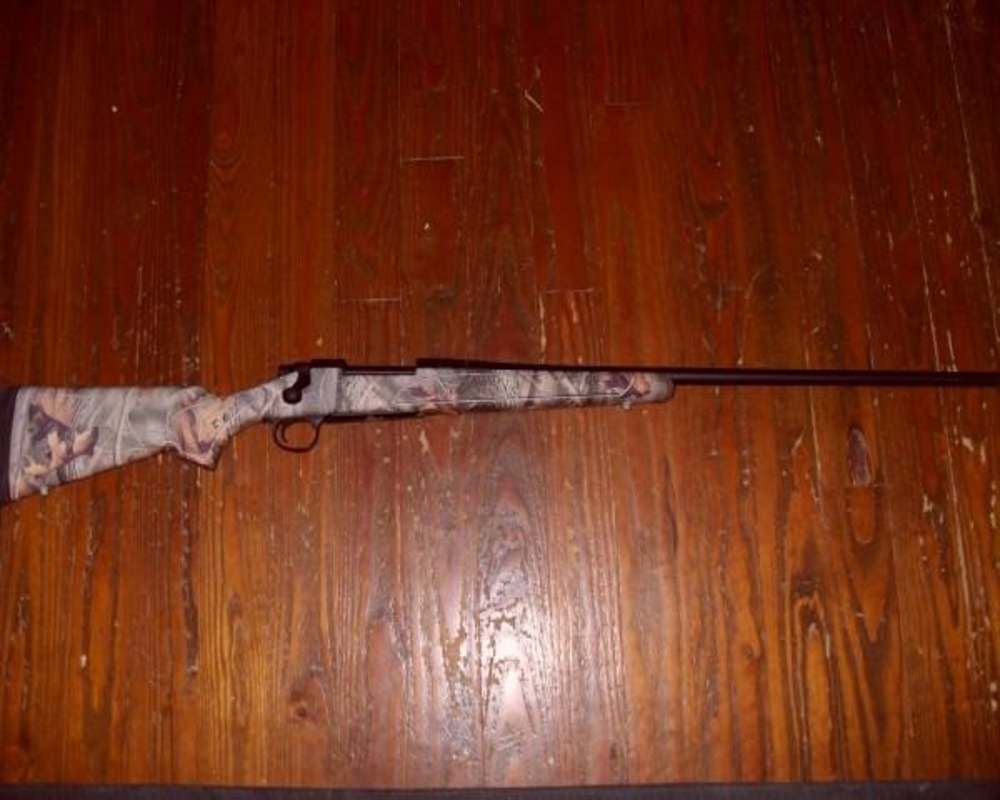
The Remington 700 often stays in vehicles under generalized preparedness assumptions. Designed for hunting or precision shooting, it lacks adaptability. Length and optics limit mobility. Ammunition weight restricts carry. Overpowered rounds increase collateral risk. Defensive training rarely applies. Storage raises safety and legal concerns. Reload speed is slow. Without terrain specific planning, it becomes impractical. The Remington 700 excels in deliberate hunting roles, not spontaneous emergencies. Carrying it just in case confuses purpose, turning a specialized rifle into dead weight or liability rather than a realistic survival or defensive option. This reality surprises owners who expected reassurance but instead gained complexity, burden, and responsibility overall.
Glock 17 With No Training Plan
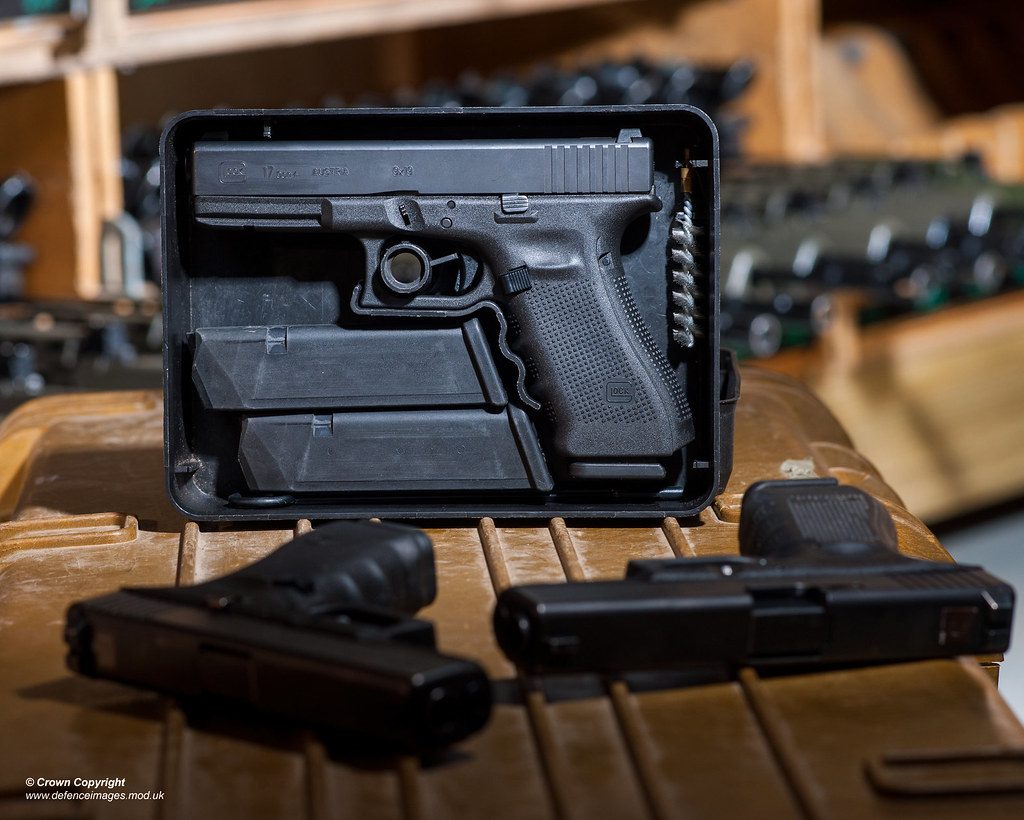
The Glock 17 is commonly carried just in case due to reputation alone. Without training, its advantages disappear. Owners may neglect draw practice, recoil control, and decision making drills. Magazine capacity creates false confidence. Maintenance often gets overlooked. Holster choice may be unsafe. Legal understanding may be incomplete. A Glock requires discipline to use responsibly. Carrying one without a defined role replaces preparation with assumption. The firearm itself is capable, but without a plan, training, or context, it becomes another object adding risk rather than meaningful security. This reality surprises owners who expected reassurance but instead gained complexity, burden, and responsibility overall.
Colt Single Action Army
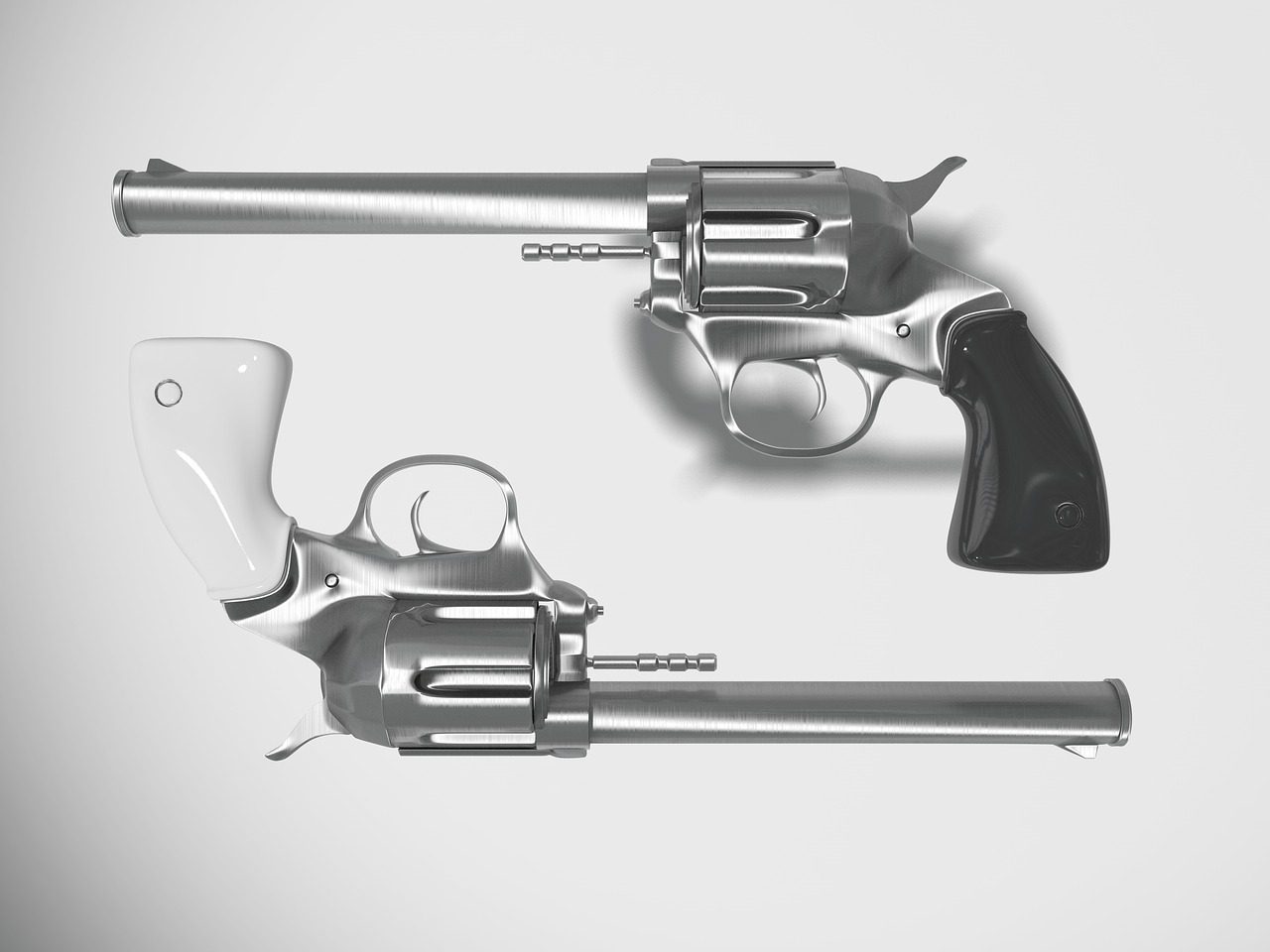
The Colt Single Action Army sometimes appears in carry due to heritage or nostalgia. Single action operation slows response. Reloading is extremely slow. Ammunition availability varies. Safety features differ from modern firearms. Holster options are limited. Training familiarity is rare. Reliability depends on maintenance. While historically significant, it lacks adaptability. Carrying it just in case prioritizes sentiment over practicality. Without planning and skill, the Colt becomes unpredictable under stress, offering little advantage in modern defensive or survival scenarios where speed, safety, and reliability matter most. This reality surprises owners who expected reassurance but instead gained complexity, burden, and responsibility overall.
FN Five Seven
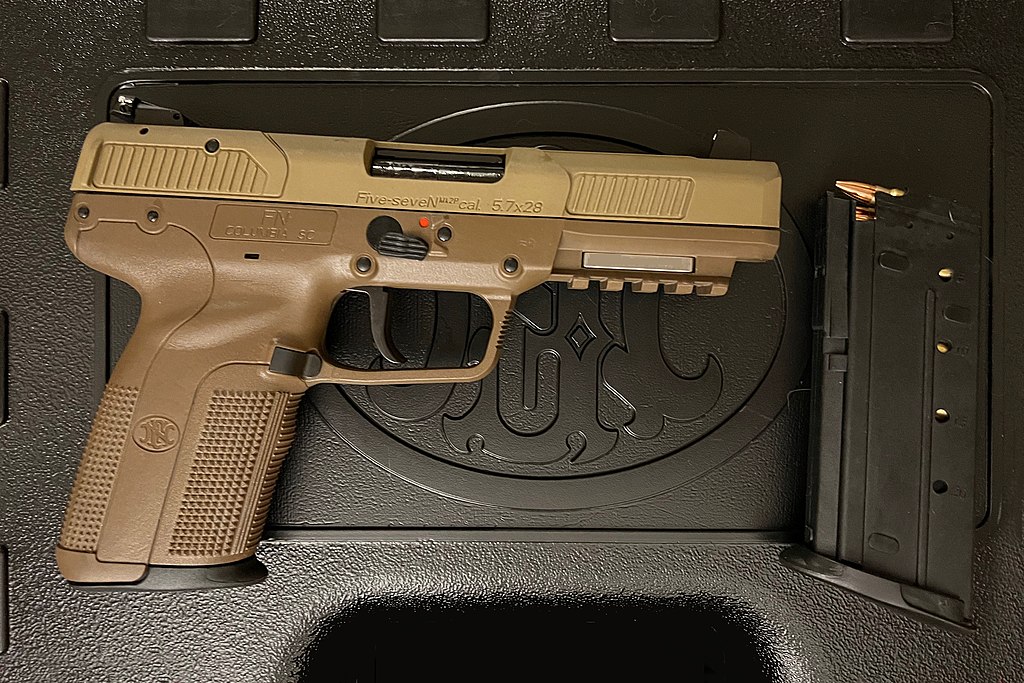
The FN Five Seven often attracts carriers seeking innovation. Ammunition remains expensive and scarce. Terminal performance varies by load. Reloading options are limited. Platforms are large for concealment. Training resources are uncommon. Legal restrictions apply in some regions. Its strengths rely on specific contexts rarely planned. Carrying it just in case introduces supply challenges without clear benefit. The Five Seven excels in niche roles but fails generalized preparedness. Without logistics, training, and purpose, it complicates survival planning rather than simplifying response under stress. This reality surprises owners who expected reassurance but instead gained complexity, burden, and responsibility overall.
Desert Eagle
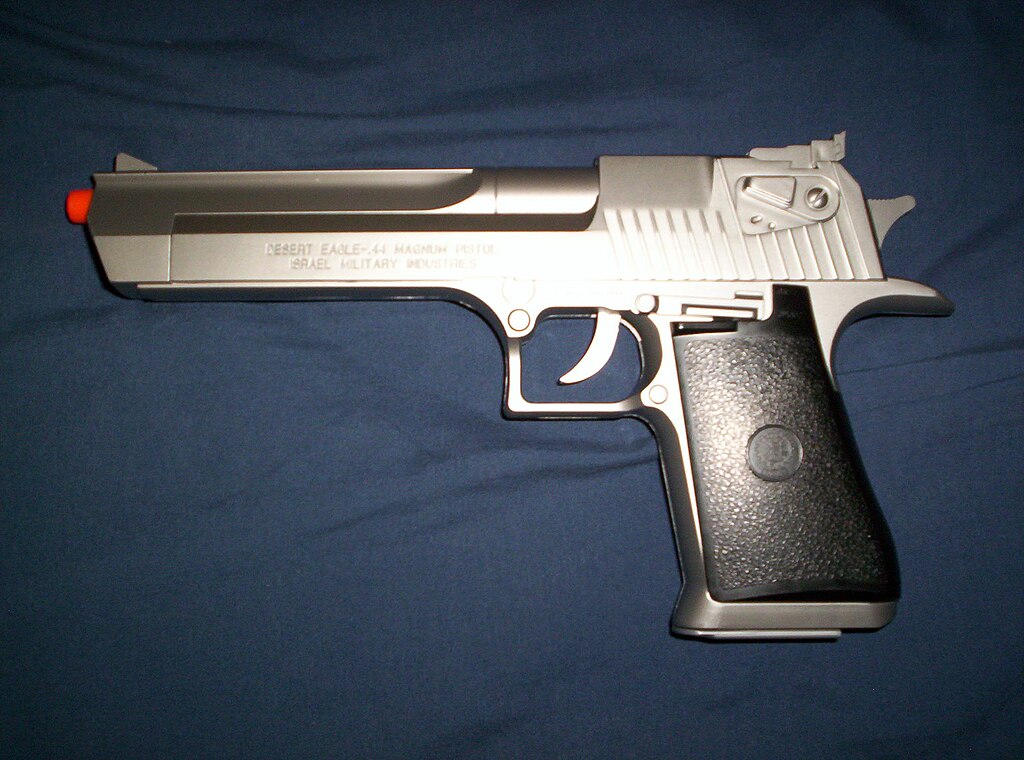
The Desert Eagle frequently symbolizes power over practicality. Its size and weight make carry unrealistic. Recoil management is difficult. Ammunition is heavy and expensive. Reliability depends on grip and load. Holsters are cumbersome. Magazine capacity is limited. Training demands are high. Few environments justify its use. Carrying a Desert Eagle just in case substitutes intimidation for planning. Without a defined role, it becomes a burden that slows movement, increases fatigue, and adds risk without providing realistic defensive or survival capability. This reality surprises owners who expected reassurance but instead gained complexity, burden, and responsibility overall.
AR-15 Pistol With No Configuration Plan
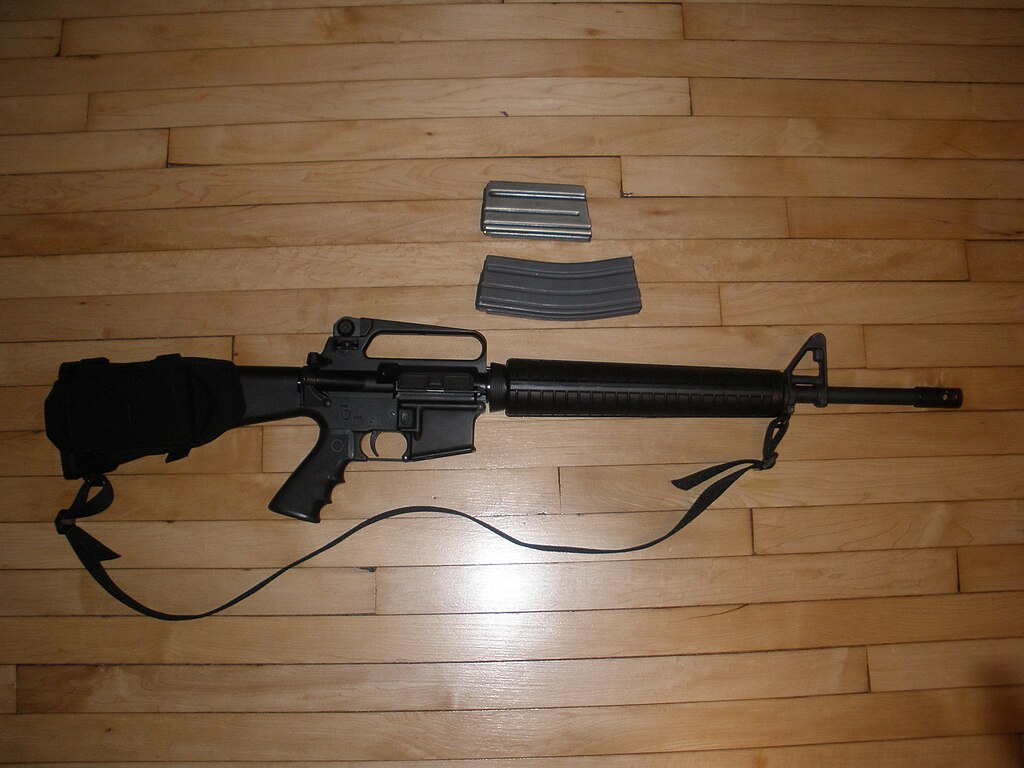
An AR-15 pistol often gets carried without configuration thought. Brace legality varies. Barrel length limits velocity. Noise and blast are extreme. Optics may be inappropriate. Ammunition weight adds up quickly. Training is often incomplete. Transport laws differ. Without a clear use case, it becomes awkward. AR pistols excel when purpose built. Carrying one just in case without legal clarity, training, or setup introduces complexity and exposure rather than readiness, especially in crowded or dynamic environments. This reality surprises owners who expected reassurance but instead gained complexity, burden, and responsibility overall.
Taurus Judge
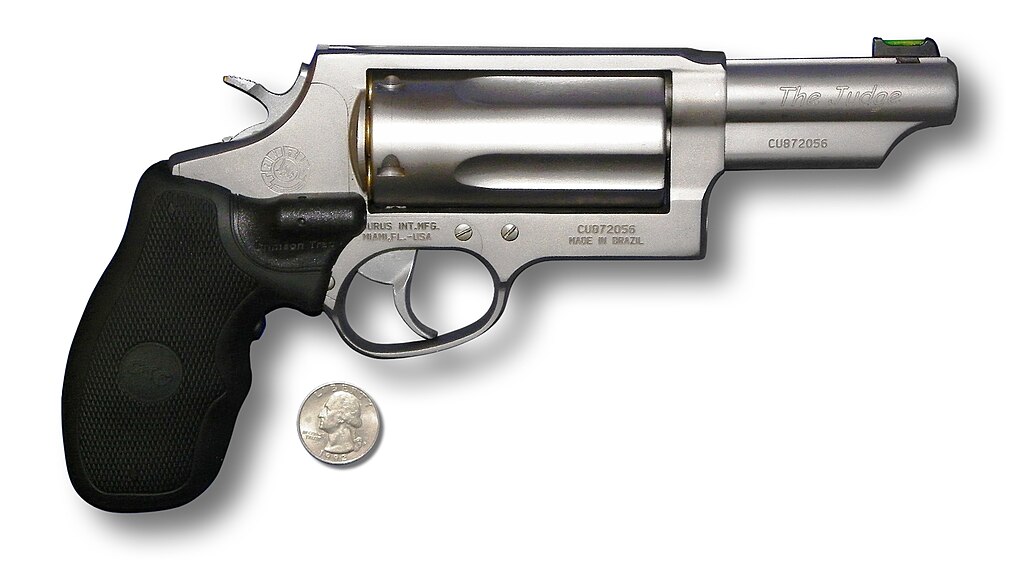
The Taurus Judge appeals for its ability to fire .410 and .45 Colt. In practice, accuracy suffers. Ammunition performance varies widely. Recoil is heavy. Cylinder gaps reduce effectiveness. Reloading is slow. Training is inconsistent. Many assume versatility equals preparedness. It does not. Carrying a Judge just in case ignores ballistic limitations and practical drawbacks. Without planning, its hybrid design creates compromises rather than solutions, leaving carriers with a firearm that looks adaptable but performs poorly when clarity, consistency, and reliability matter most. This reality surprises owners who expected reassurance but instead gained complexity, burden, and responsibility overall.