Outdoor tools make work easier, safer, and more efficient when used correctly, but even familiar equipment can become dangerous when handled carelessly. Many injuries outdoors happen not because tools fail, but because users underestimate them. Fatigue, poor footing, rushed movements, and lack of attention all increase risk. Understanding how harm occurs is the first step toward preventing it. Each tool below is commonly used for camping, yard work, trail maintenance, or general outdoor tasks. The goal is not fear, but awareness. Knowing where mistakes happen helps you slow down, use better technique, and treat every tool with the respect it deserves.
1. Hatchets and Small Axes

Hatchets are compact and easy to carry, which often leads users to underestimate their cutting power. Injuries usually happen when swings glance off wood or when the blade strikes an unexpected knot. Poor grip, dull edges, and unstable footing increase risk. Many cuts occur during splitting rather than chopping. Using a stable chopping block and keeping hands well clear of the blade path reduces danger. Carrying a hatchet without a sheath also creates unnecessary risk. Treating small axes with the same caution as full-sized tools prevents serious hand, leg, and foot injuries.
2. Folding Knives
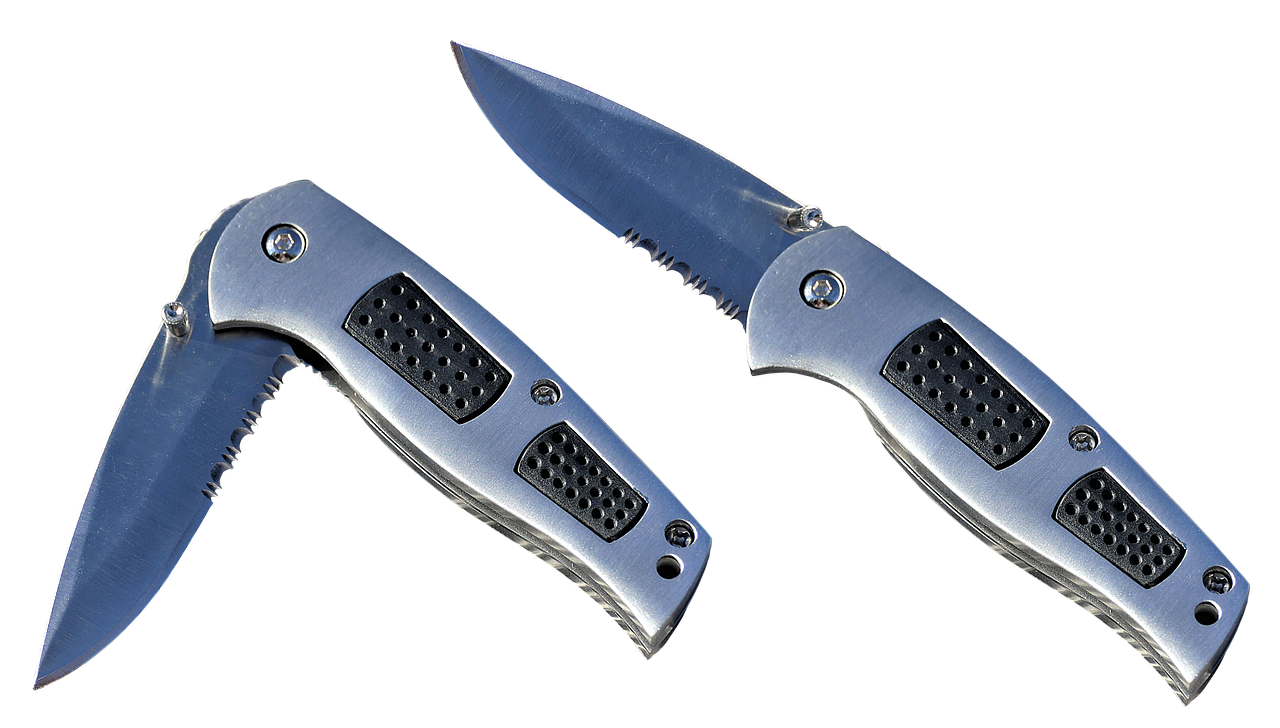
Folding knives are popular for their portability, but misuse often leads to deep cuts. Closing mechanisms can fail if dirt or wear affects the lock. Many injuries happen when users cut toward themselves or apply too much pressure. Slippery handles and wet conditions increase the chance of loss of control. Using a sharp blade actually improves safety by reducing force. Keeping fingers clear of the blade path and checking the lock before use helps prevent accidents. A folding knife should never be treated casually, even during simple tasks.
3. Camp Saws
Camp saws are efficient for cutting branches, but their teeth can cause serious injuries. Cuts often occur when saws bind and suddenly release. Poor body positioning places hands or legs in the cutting path. Folding saws may snap closed if not fully locked. Using smooth, controlled strokes reduces risk. Clearing the area of loose debris helps maintain balance. Storing saws with blade covers prevents accidental contact. Respecting the saw’s cutting direction and keeping a firm grip protects against sudden slips.
4. Shovels and Spades
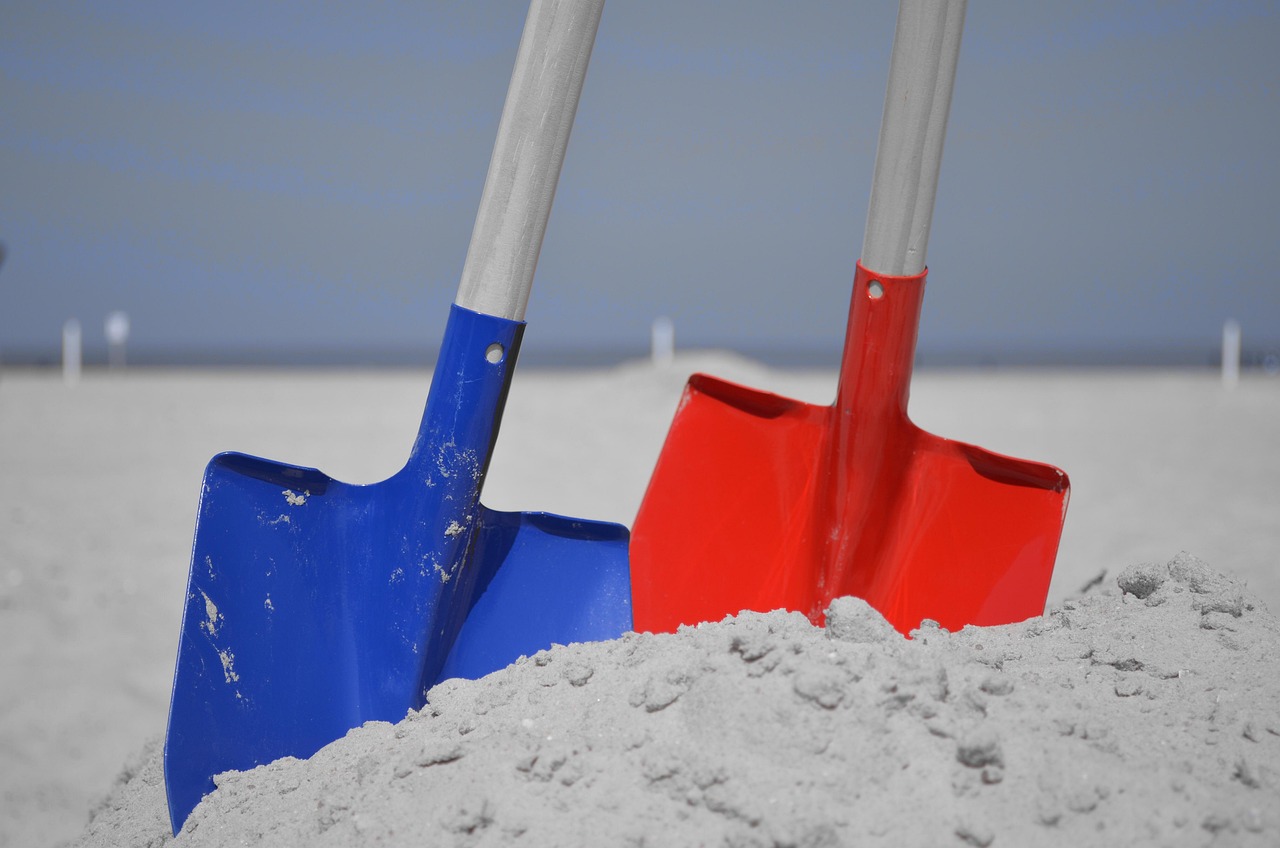
Shovels seem harmless, yet they cause many injuries through overexertion and poor technique. Lifting heavy soil improperly strains backs and shoulders. Striking rocks or roots can cause sudden jarring impacts. Metal edges can cut if handled carelessly. Fatigue increases the chance of slipping or losing balance. Using leg strength instead of back strength reduces strain. Wearing gloves improves grip and control. A shovel should be sized correctly for the user. Slow, steady work prevents cumulative injuries that develop over time.
5. Machetes

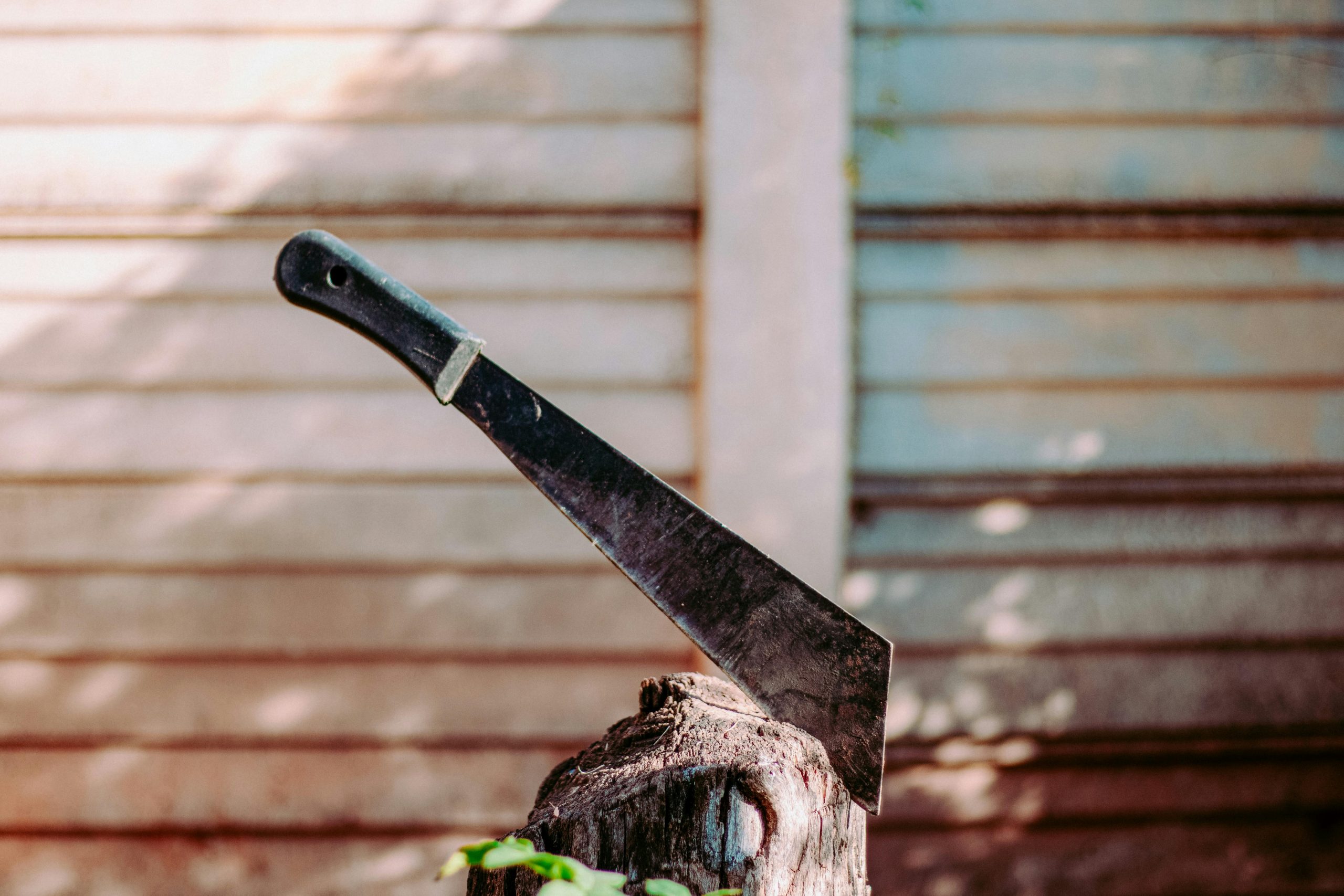
Machetes are effective for clearing vegetation, but they demand strict attention. Long blades increase reach and cutting power, which can lead to unintended contact. Many injuries occur when users swing without clearing their surroundings. Rebounds from tough vines or branches can redirect the blade unexpectedly. Maintaining a stable stance and controlled motion is essential. Sharp blades reduce the need for force. Carrying a machete without a sheath is dangerous. Proper technique and constant awareness prevent serious leg and hand injuries.
6. Multi Tools
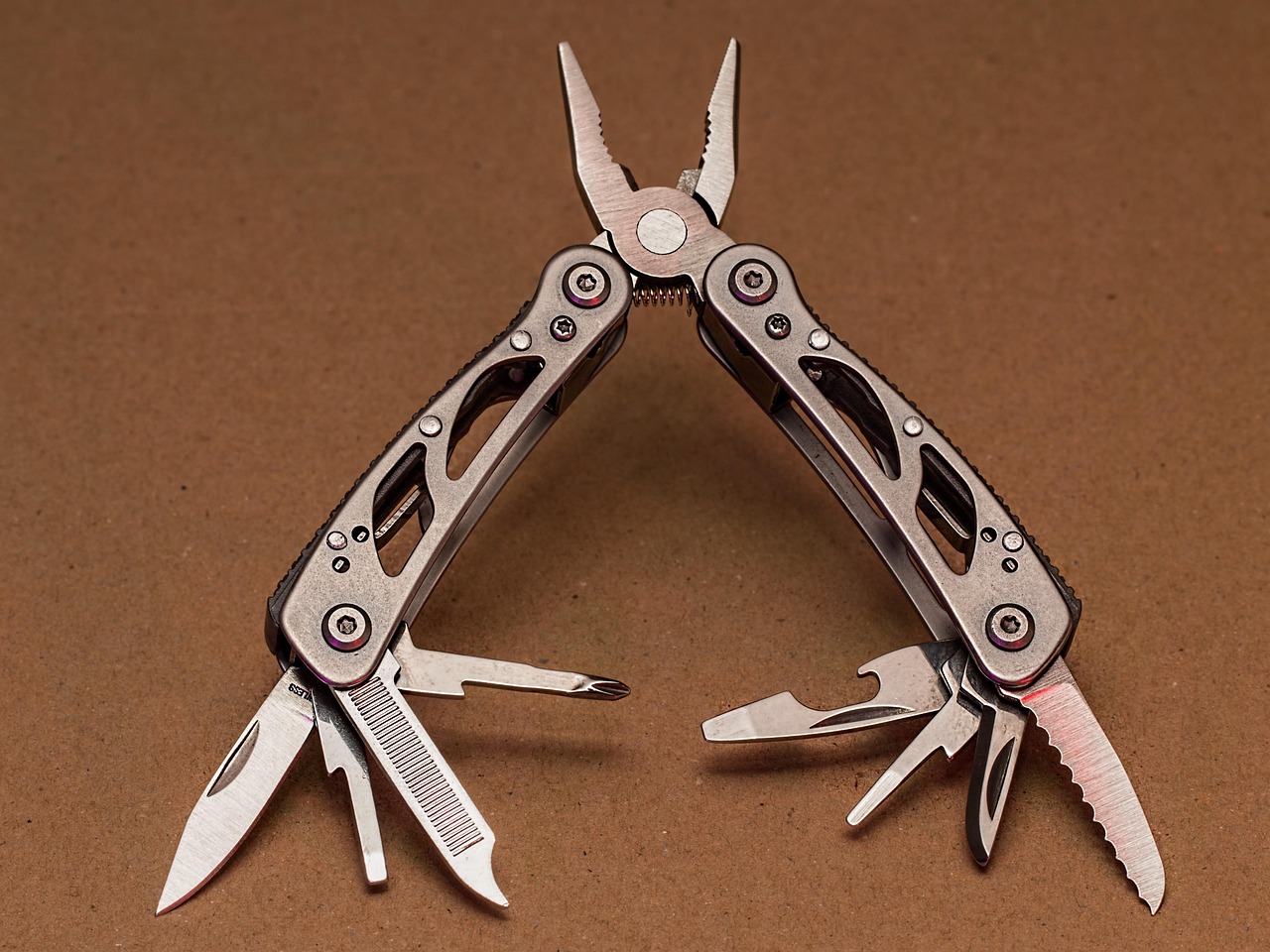
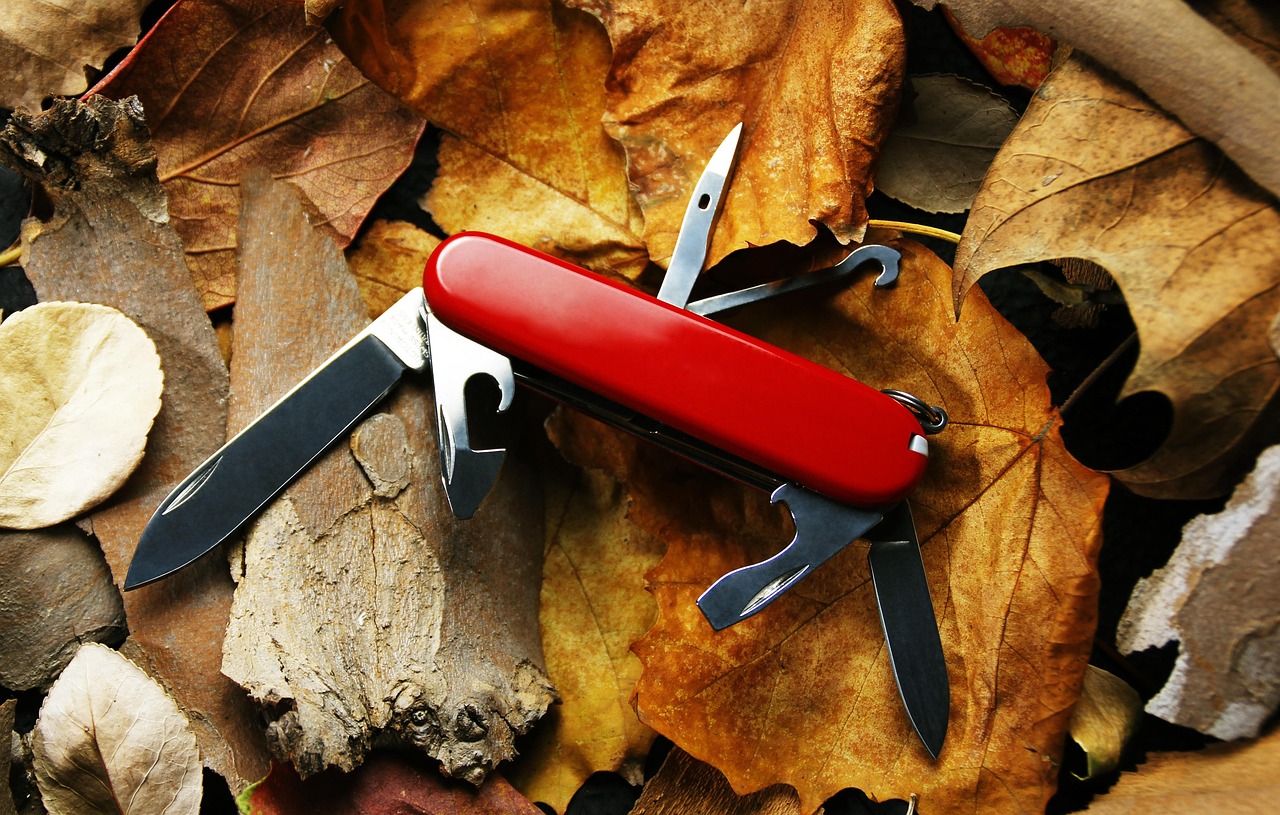
Multi-tools combine several functions, which increases misuse potential. Tools may fold unexpectedly if not fully locked. Small blades and saws are often used awkwardly due to limited grip space. Applying too much force bends or slips components. Pinched fingers are common during opening and closing. Using the correct tool for each task improves safety. Keeping the multi-tool clean helps the locks function properly. Despite their convenience, multi-tools require the same caution as single-purpose tools.
7. Fire Starters and Ferro Rods
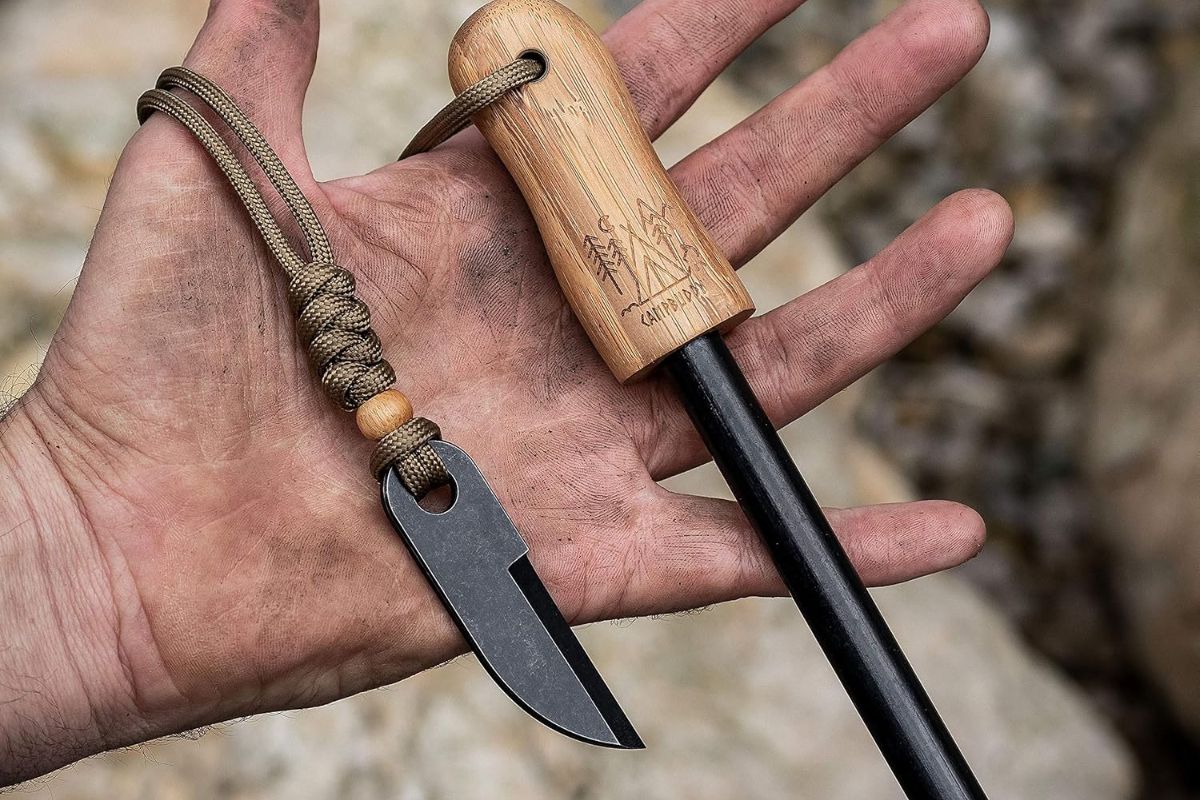
Fire starters can cause burns and eye injuries if misused. Sparks travel unpredictably and can ignite dry material unintentionally. Scraping at poor angles sends sparks toward hands or faces. Fatigue increases sloppy technique. Wearing eye protection reduces risk. Clearing flammable debris from the strike zone is essential. Controlled, deliberate movements improve safety. Fire tools should never be used playfully. Treating spark production with respect prevents burns and accidental fires.
8. Rope and Cordage

Rope seems harmless, but it causes injuries through tension and recoil. Sudden releases snap rope ends with force. Friction burns occur when rope slides across skin. Knots tied incorrectly can fail under load. Tangled cordage creates tripping hazards. Wearing gloves protects hands during tensioning. Keeping rope organized reduces accidents. Understanding load limits prevents failure. Rope injuries are often severe because users underestimate stored energy. Awareness and proper handling prevent serious harm.
9. Hammers and Mallets
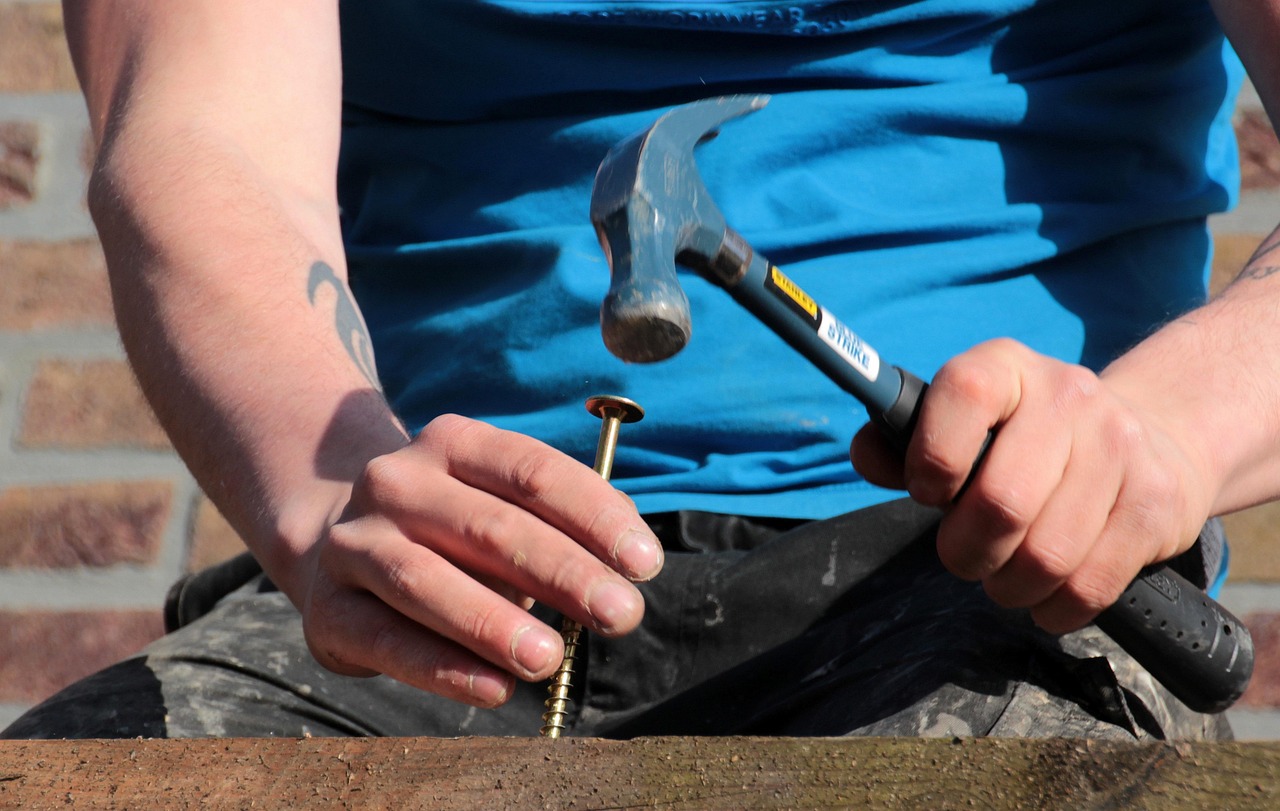
Hammers cause injuries through missed strikes and flying debris. Striking hardened surfaces can chip metal fragments. Loose handles increase risk. Fatigue leads to poor aim. Using the wrong hammer for the task worsens control. Wearing eye protection reduces injury risk. Keeping a firm grip and proper stance improves accuracy. Hammers should be inspected regularly. Even simple tools can cause serious harm when used carelessly.
10. Pry Bars and Crowbars
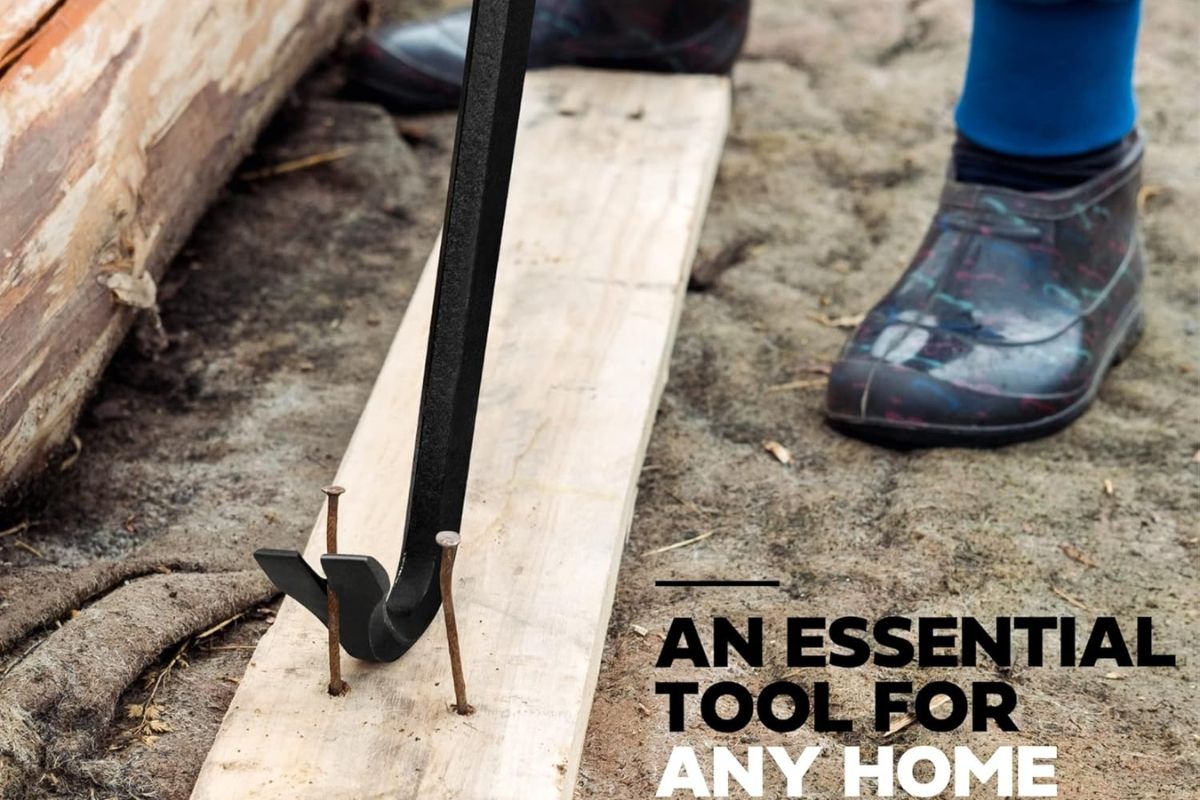
Pry bars store significant force when leveraged. Sudden releases can cause loss of balance or impact injuries. Slipping tips redirect force unpredictably. Hands placed too close to the fulcrum risk crushing injuries. Using correct angles improves control. Stable footing is essential. Eye protection guards against debris. Pry bars should be used slowly and deliberately. Respecting leverage physics prevents injuries caused by sudden mechanical advantage.