Canyons are known for their dramatic walls and quiet, isolated feel, but some of them create echo patterns that can completely throw hikers off track. These echoes bounce unpredictably, making simple sounds seem closer, farther, or even behind you. For inexperienced hikers, this acoustic trickery can distort judgment during navigation or emergency communication. The following canyons are known for echo effects that mislead hikers, offering both stunning beauty and unusual challenges for anyone exploring them.
1. Antelope Canyon, Arizona

Antelope Canyon’s narrow sandstone corridors create sharp echo rebounds that confuse hikers trying to gauge distance or direction. Sound waves hit the curved walls and scatter unpredictably, making footsteps seem duplicated or voices appear to come from behind. The tight passageways also amplify faint noises, heightening the sense of disorientation for newcomers. While the canyon is breathtaking, hikers unfamiliar with acoustic distortions may second-guess their path. Careful pacing and staying with a guided group help reduce confusion.
2. Buckskin Gulch, Utah

Buckskin Gulch is one of the longest slot canyons in the U.S., and its twisting pathways create echo patterns that shift with every turn. Narrow walls send sound bouncing in multiple directions, making conversations sound distant even when spoken nearby. This deceptive acoustics effect can cause hikers to misjudge how far ahead or behind someone is. The constant echoing can also mask the sound of approaching water after storms, adding extra risk. Staying alert and checking visual cues becomes essential here.
3. Echo Canyon, Nevada

True to its name, Echo Canyon serves strong sound reflections that can easily mislead hikers exploring its rugged terrain. The canyon’s angled rock faces bounce voices across the space in ways that distort both tone and direction. Even small noises like pebbles shifting can sound amplified enough to feel unnerving. This acoustic confusion may cause hikers to think someone is calling from another route. Using landmarks and avoiding reliance on sound alone helps maintain orientation in this dramatic desert canyon.
4. Zion Narrows, Utah

The Zion Narrows’ steep, towering sandstone walls create long-lasting echoes that can throw hikers off as they move through the rushing river. Voices echo across the canyon and often return delayed, making it hard to determine the speaker’s location. The roaring water also interacts with the walls, producing layered sound reflections that distort natural cues. This blend of noise and echo can make the canyon feel more chaotic to navigate. Staying close to companions reduces the chances of confusion or separation.
5. Royal Gorge, Colorado
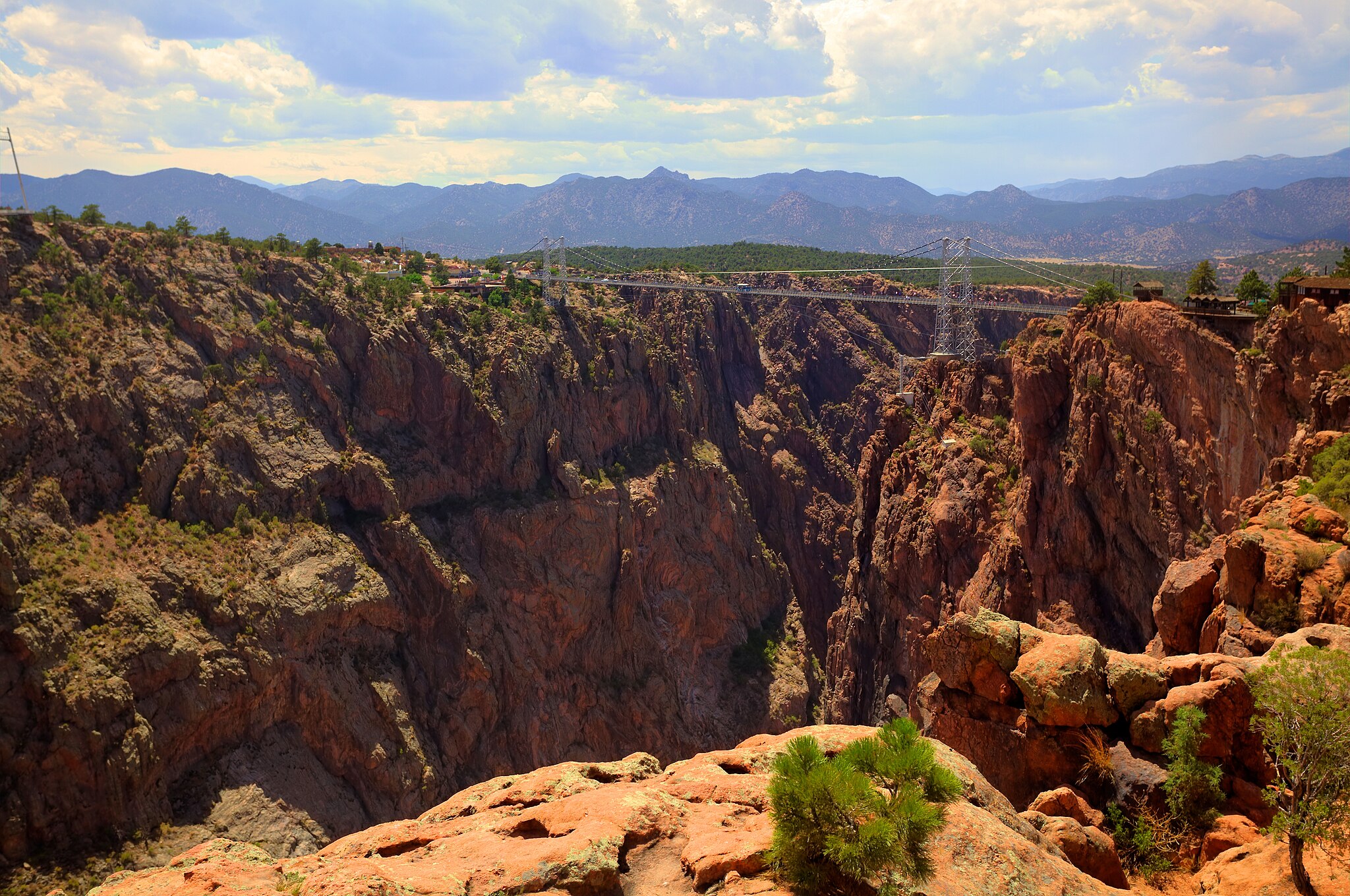
Royal Gorge features massive vertical walls that catch and reflect sound in unpredictable ways. The depth of the gorge creates echo delays that can shift a sound’s perceived direction, especially during windy conditions. Hikers often note that noises seem to bounce from multiple sides, making it difficult to pinpoint movement or voices. This can be especially confusing near narrow overlooks. Combining careful observation with clear visual communication helps hikers stay oriented while taking in the gorge’s dramatic scenery.
6. Canyonlands Needles District, Utah

The Needles District in Canyonlands National Park contains dozens of narrow passages where echoes bounce between tall spires and tight walls. Because these sandstone formations vary in height and shape, they create inconsistent sound reflections that mislead hikers about distance. Even simple calls can sound stretched or relocated depending on the surrounding rock. This unpredictable echo behavior can make solo hiking disorienting. Keeping track of the trail and checking markers frequently ensures safe passage through this rugged, maze-like landscape.
7. Havasu Canyon, Arizona

Havasu Canyon’s high walls and layered rock formations create unique echo effects that distort voices and movement. As hikers follow the water-filled paths, the reflections from the canyon’s surfaces make natural sounds seem closer or louder than they really are. This can cause confusion about how near other hikers may be or how far the trail continues. The mix of waterfalls, open chambers, and narrow corridors contributes to the shifting acoustics. Paying attention to signs and trail markers helps prevent wrong turns.
8. Palo Duro Canyon, Texas

Palo Duro Canyon’s wide chambers and sudden narrow sections create unusual echo patterns that can mislead hikers exploring its colorful cliffs. Sound waves travel differently depending on where you stand, making conversations seem to jump from one direction to another. This distortion can confuse hikers trying to follow voices or locate companions in windy areas. Because the canyon’s terrain changes quickly, the echoes vary throughout the hike. Maintaining visual contact with your group helps reduce miscommunication in these vast open spaces.
9. Black Canyon of the Gunnison, Colorado

The steep, dark walls of the Black Canyon create dramatic echo effects that compress and stretch sound across its narrow interior. Voices often reflect back at odd angles, making it difficult to determine where they originated. The deep chasm also amplifies even small noises, causing hikers to overestimate surrounding activity. These confusing echoes can mislead those unfamiliar with the canyon’s unique soundscape. Relying on maps and clear sightlines rather than listening for cues is the safest way to navigate here.
10. Red Rock Canyon, Nevada

Red Rock Canyon features towering sandstone formations that scatter sound unpredictably, especially in its tighter side canyons. Echoes bounce between the smooth walls and create misleading impressions of how far away people or animals might be. Wind often intensifies this effect, pushing sound farther or masking it entirely. This can cause inexperienced hikers to think they’re being called from another direction. Staying aware of trail markers and terrain changes helps prevent confusion while exploring this striking desert canyon.