Smart gear storage can make or break a camping experience, especially for explorers who move often and pack tightly. Poor organization wastes time, damages equipment, and adds unnecessary stress on the trail. Good storage hacks focus on accessibility, protection, and efficient use of space without adding weight. From base camp setups to vehicle-based adventures, thoughtful storage keeps gear dry, visible, and ready when needed. These hacks are practical, field-tested ideas that help campers stay organized in changing conditions. Each one is designed to simplify packing, reduce clutter, and protect valuable equipment while keeping everything easy to find.
1. Use Color-Coded Stuff Sacks
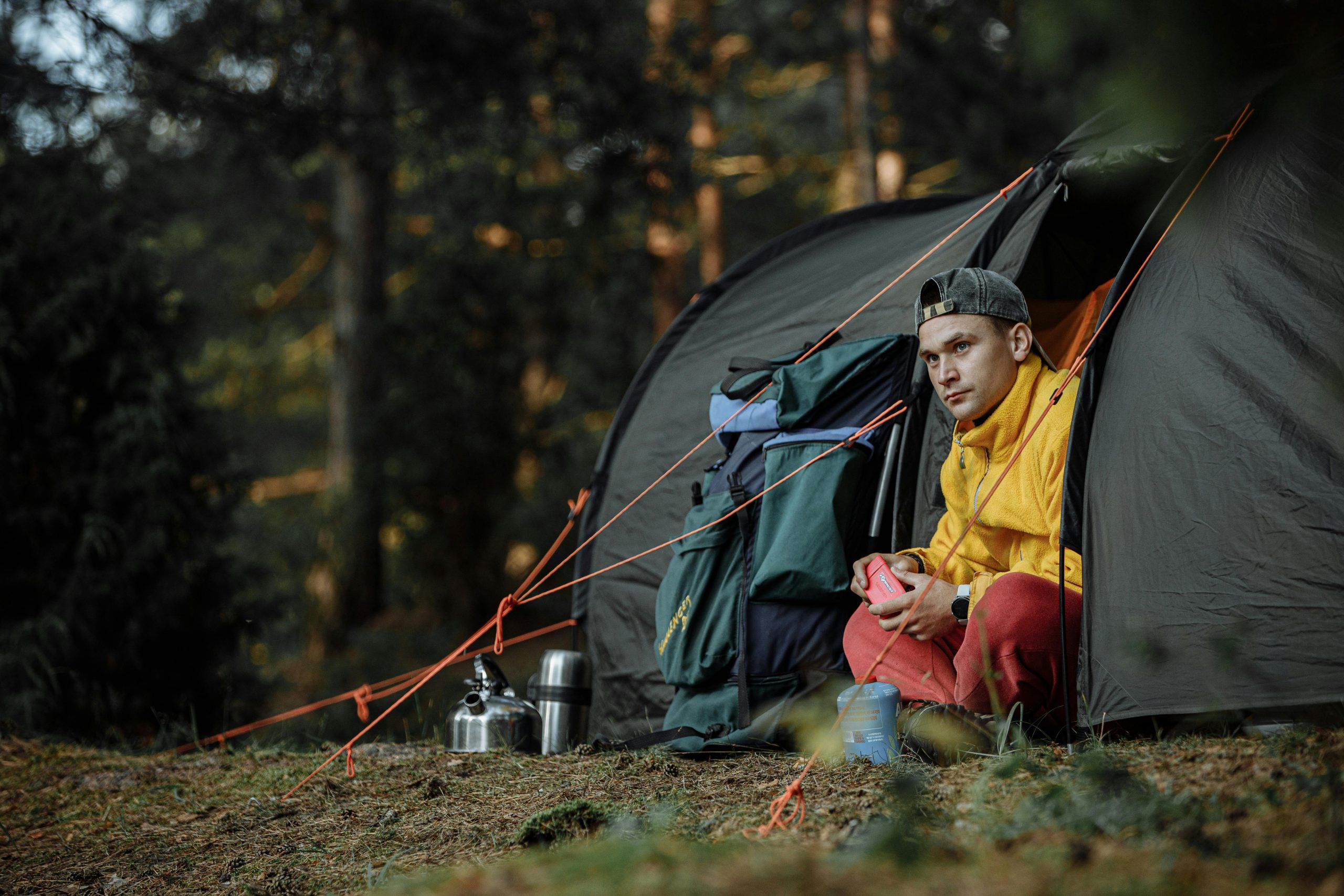
Color-coded stuff sacks simplify gear organization by letting you identify items instantly. Assign specific colors to categories like cooking gear, clothing, or sleep systems. This prevents unnecessary unpacking and speeds up camp setup. Lightweight nylon sacks compress easily and protect gear from dust and light moisture. They also help distribute weight evenly inside packs. When breaking camp, color coding reduces the chance of forgetting items. This system works well for solo explorers and groups alike, especially in low light or bad weather.
2. Pack Gear Vertically, Not Flat
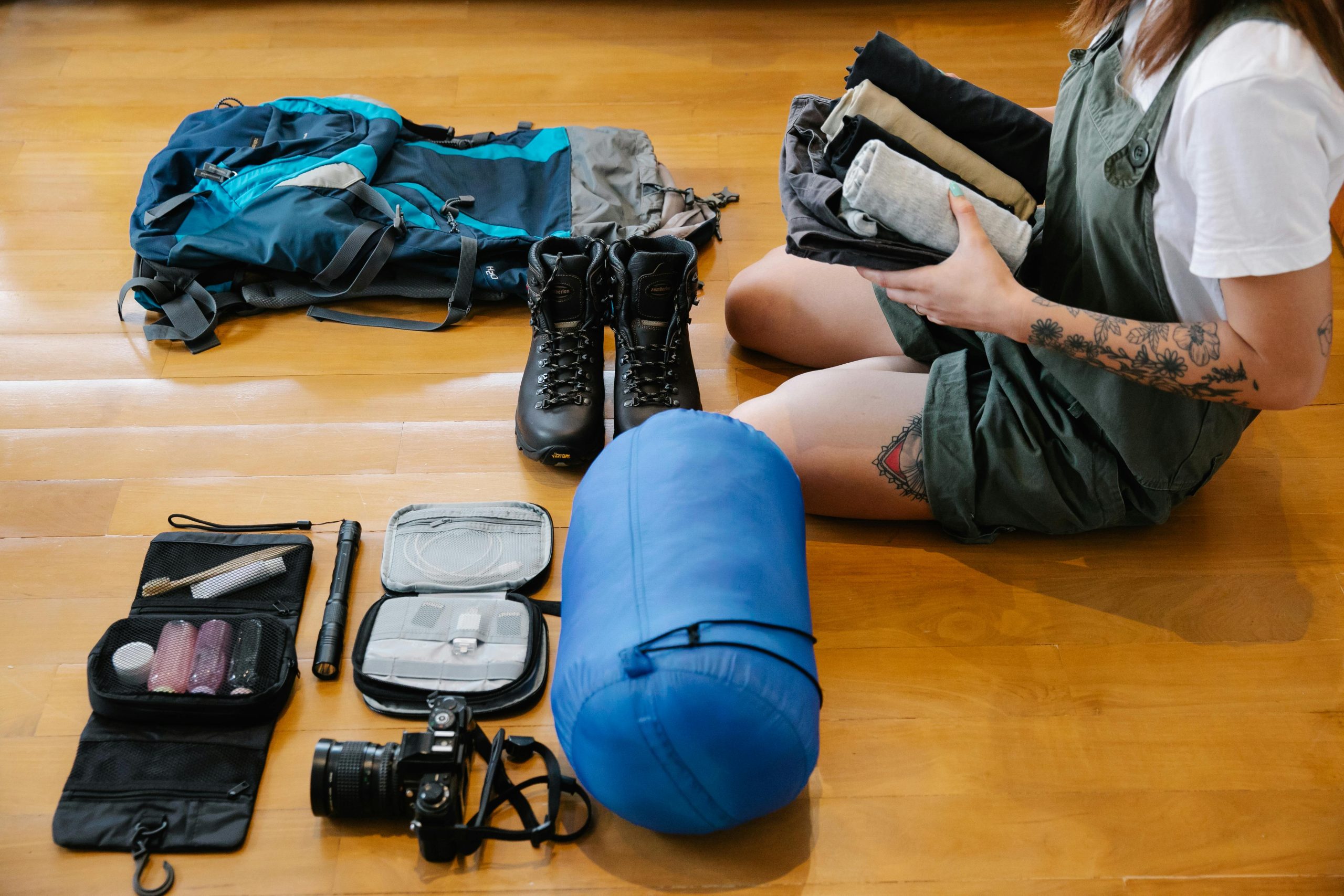
Vertical packing maximizes backpack and bin space while improving access. Standing items upright prevents gear from being buried at the bottom. It also distributes weight more evenly along your back. This method works especially well with dry bags and packing cubes. Vertical packing reduces wasted gaps and keeps frequently used items within reach. It also minimizes shifting while hiking. Explorers benefit from faster access and better balance during long days on the trail.
3. Use Clear Storage Containers
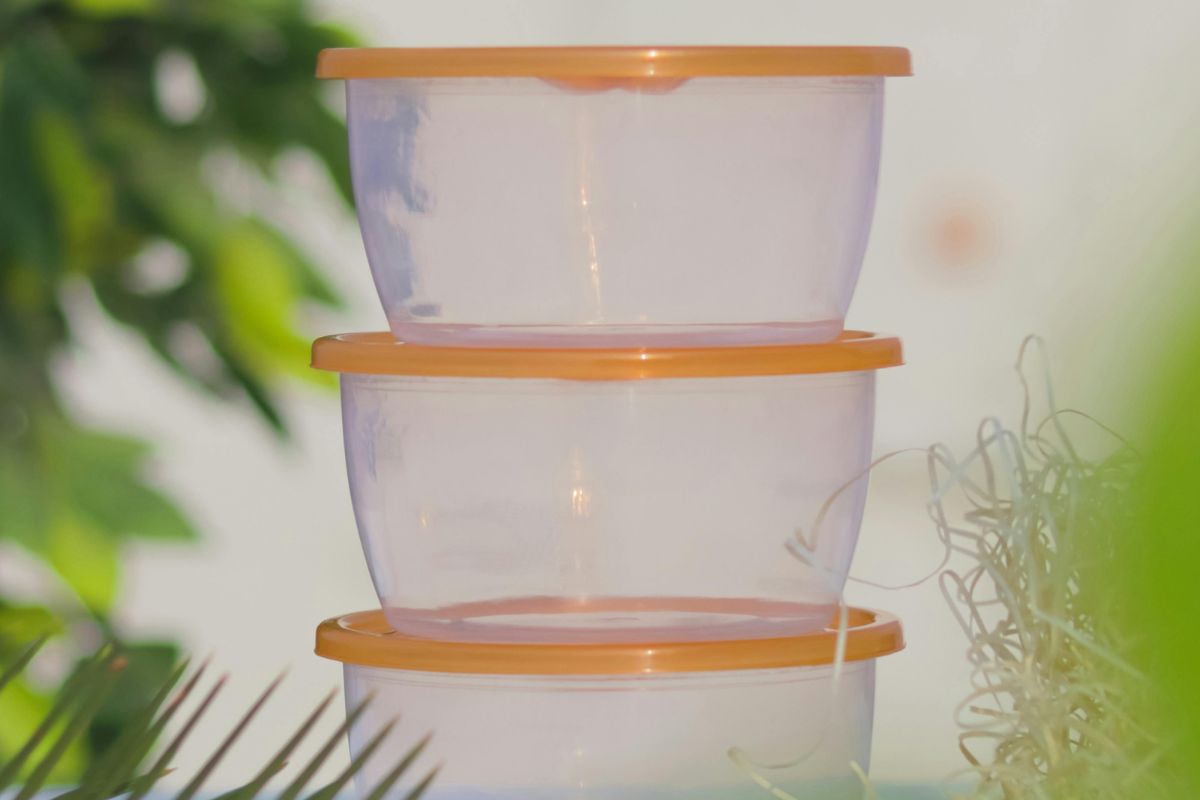
Clear containers allow quick identification without opening lids. They are ideal for vehicle-based camping or base camps. Durable plastic bins protect gear from moisture, insects, and dirt. Labeling adds another layer of organization. Clear bins stack well and keep camps tidy. They also make packing and unloading faster. For explorers carrying extra tools or electronics, visibility saves time and frustration.
4. Create a Dedicated Camp Kitchen Box
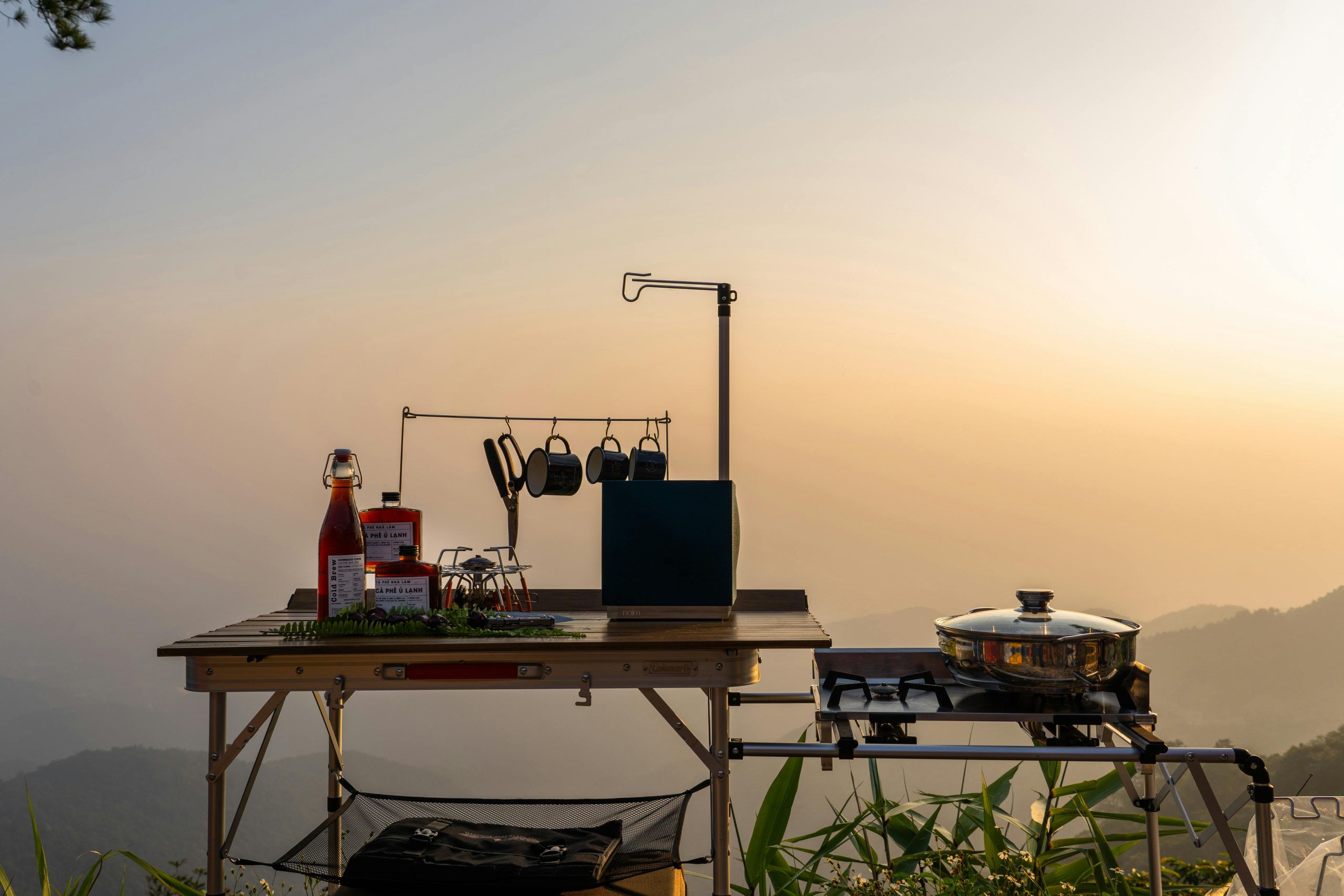
A dedicated kitchen box keeps all cooking gear in one place. Store stove, fuel, utensils, spices, and cleaning items together. This reduces setup time and prevents missing tools. A rigid container protects fragile items like stoves and mugs. Organizing the kitchen box the same way every trip builds routine and efficiency. Explorers appreciate the consistency after long travel days.
5. Hang Gear Whenever Possible

Hanging gear keeps items dry, clean, and accessible. Use paracord or lightweight carabiners to suspend packs, shoes, or food. Hanging prevents pests from reaching supplies and allows wet gear to air out. It also frees ground space in camp. This hack works well in forests or under shelters. Explorers benefit from faster drying and reduced clutter.
6. Use Packing Cubes for Clothing
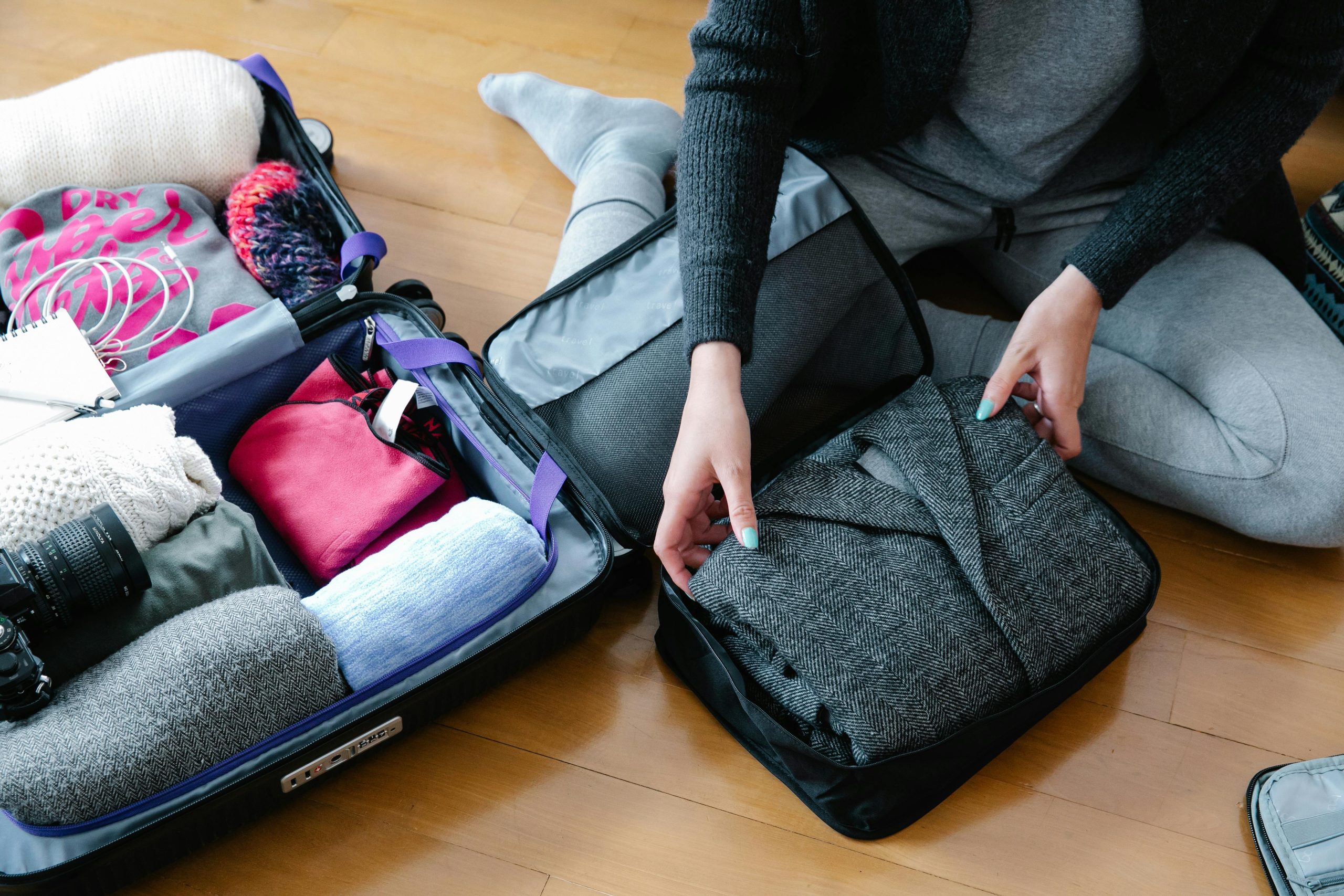
Packing cubes separate clothing by type or use. Clean clothes, sleepwear, and outer layers stay organized. Cubes compress items and prevent shifting inside packs. They also simplify repacking during multi-day trips. Explorers save time and avoid rummaging through bags. Lightweight cubes add structure without bulk.
7. Store Small Items in Zip Pouches
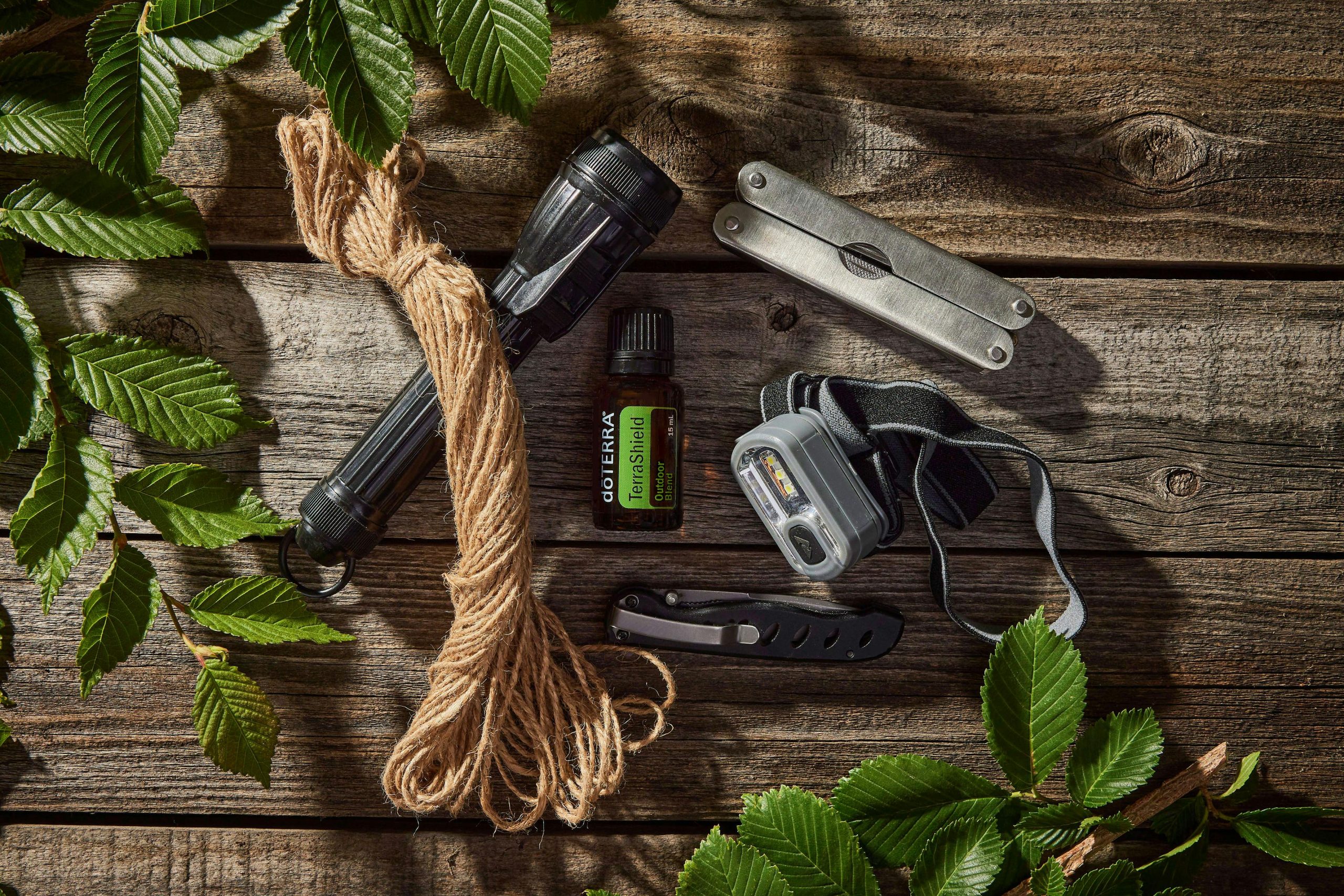
Small gear, like headlamps, batteries, and tools, easily gets lost. Zip pouches keep these essentials together. Use different sizes or labels for quick identification. Waterproof pouches add protection from rain. This method prevents damage and saves time during setup or emergencies. Explorers benefit from knowing exactly where critical items are stored.
8. Use the Lid Space in Backpacks
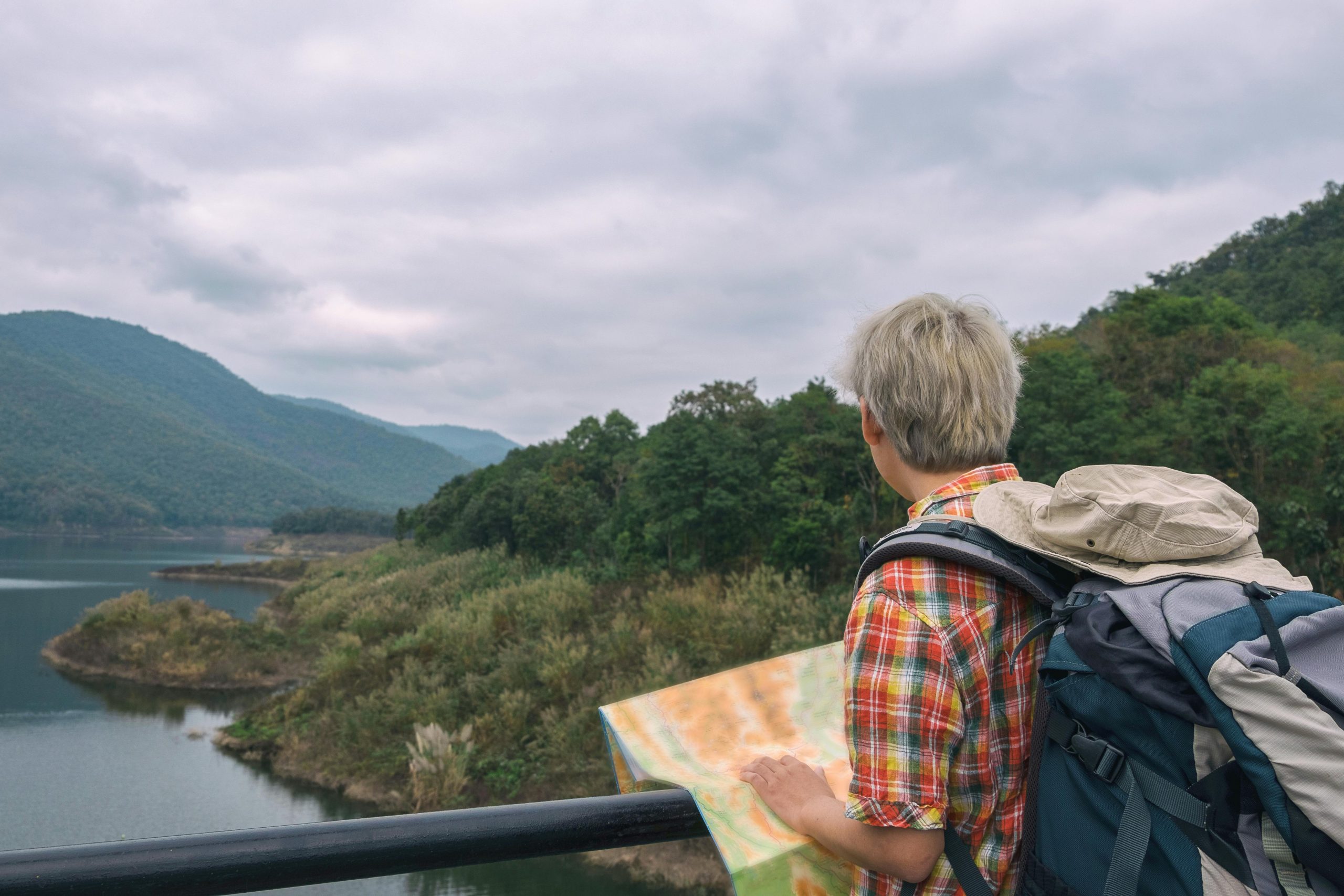
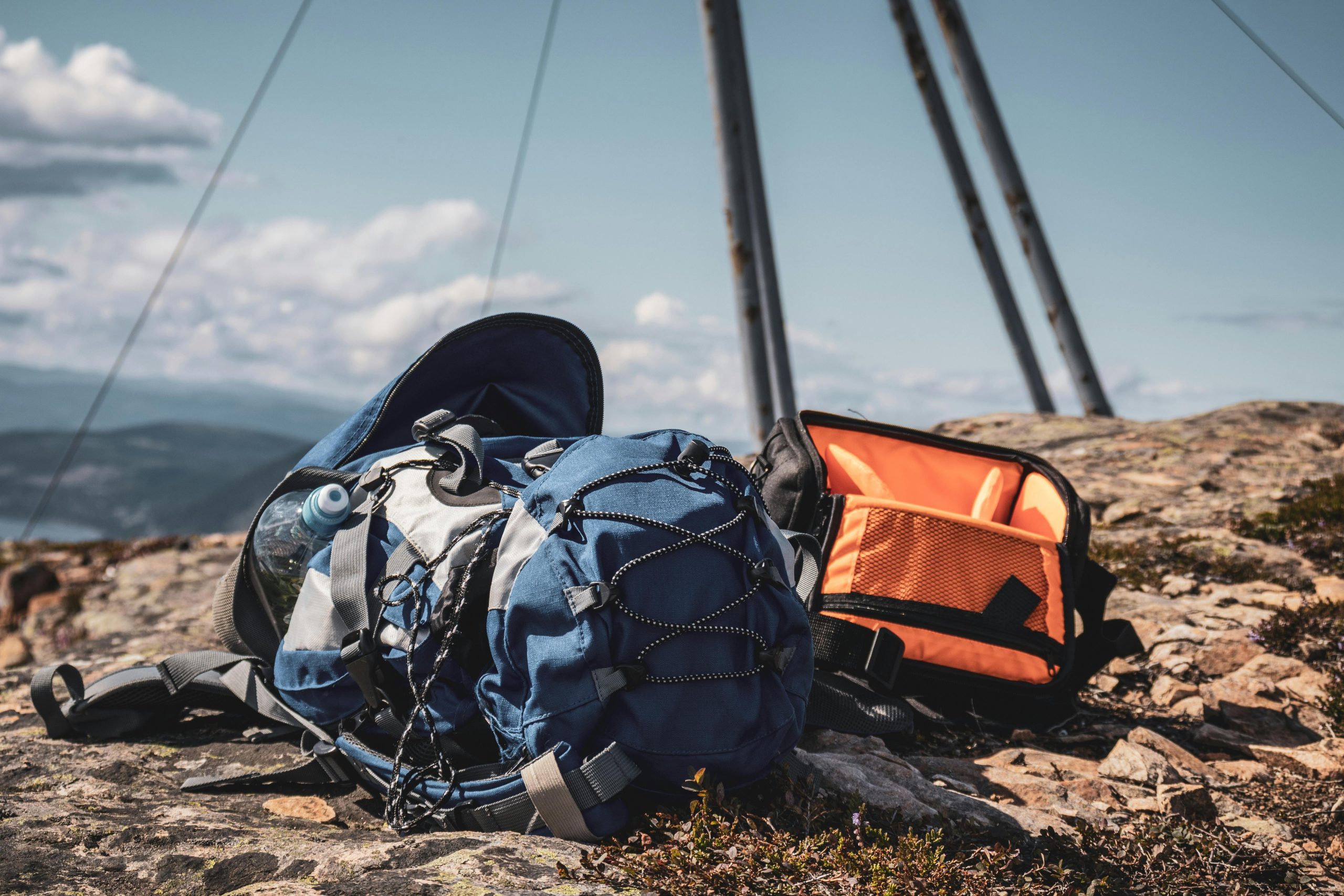
Backpack lid compartments are ideal for frequently used items. Store maps, snacks, gloves, or headlamps there. This keeps essentials accessible without unpacking. Proper use of lid space balances weight and improves efficiency. Explorers moving through changing conditions rely on quick access. Ignoring this space wastes valuable storage potential.
9. Rotate Gear Seasonally

Seasonal rotation prevents carrying unnecessary gear. Store winter items separately from summer gear. This reduces pack weight and clutter. Keeping off-season gear stored properly extends its lifespan. Explorers benefit from lighter loads and simpler packing. Seasonal organization also makes pre-trip preparation faster and more efficient.
10. Keep a Master Gear Checklist
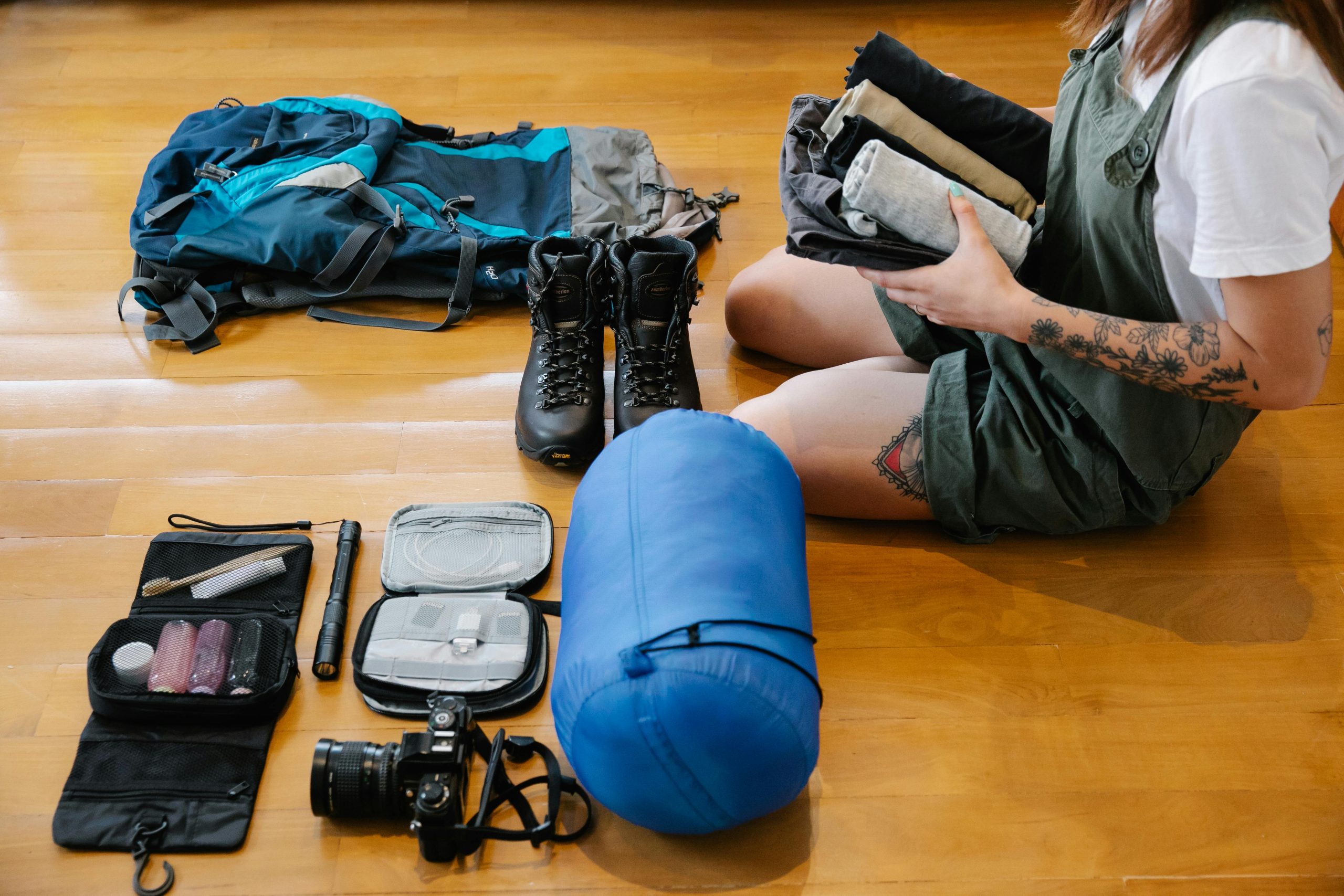
A master checklist ensures nothing is forgotten or duplicated. It helps track where items are stored and when they were last used. Checklists reduce stress before trips and speed up packing. Update it after each adventure. Explorers who travel often rely on consistency and preparation. This simple habit improves organization more than any container.