Camping in the wild strips life down to its essentials. Without electricity, running water, or nearby help, every item you carry must serve a clear purpose. Forgetting a critical piece of gear can turn an enjoyable trip into a stressful or even dangerous situation. From sudden weather shifts to unexpected injuries or navigation errors, the backcountry demands preparation. These ten camping essentials aren’t about luxury; they’re about safety, comfort, and self-reliance. Whether you’re hiking deep into public land or setting up a remote basecamp, these items form the foundation of a successful wilderness experience and should never be left behind.
1. Reliable Shelter
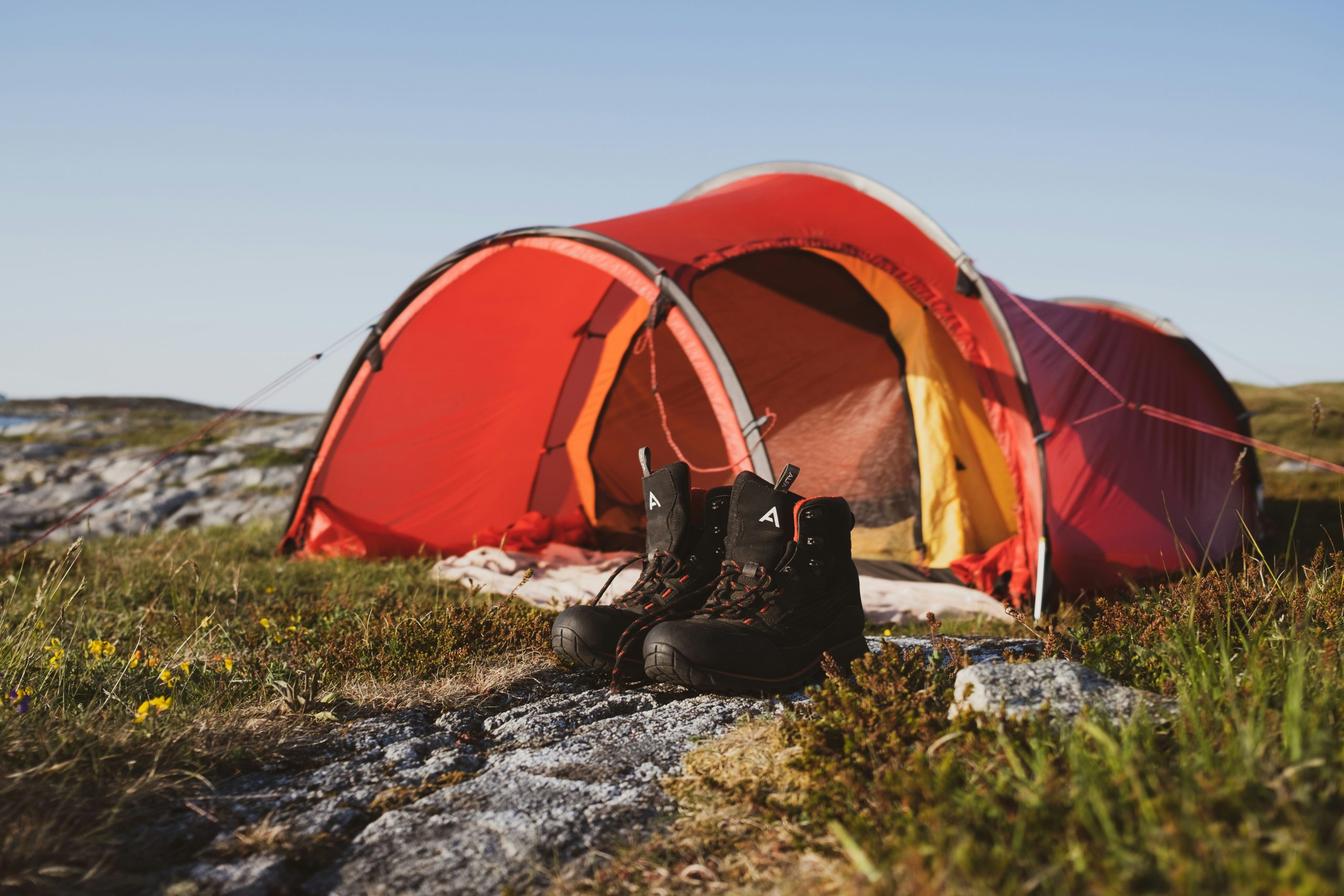
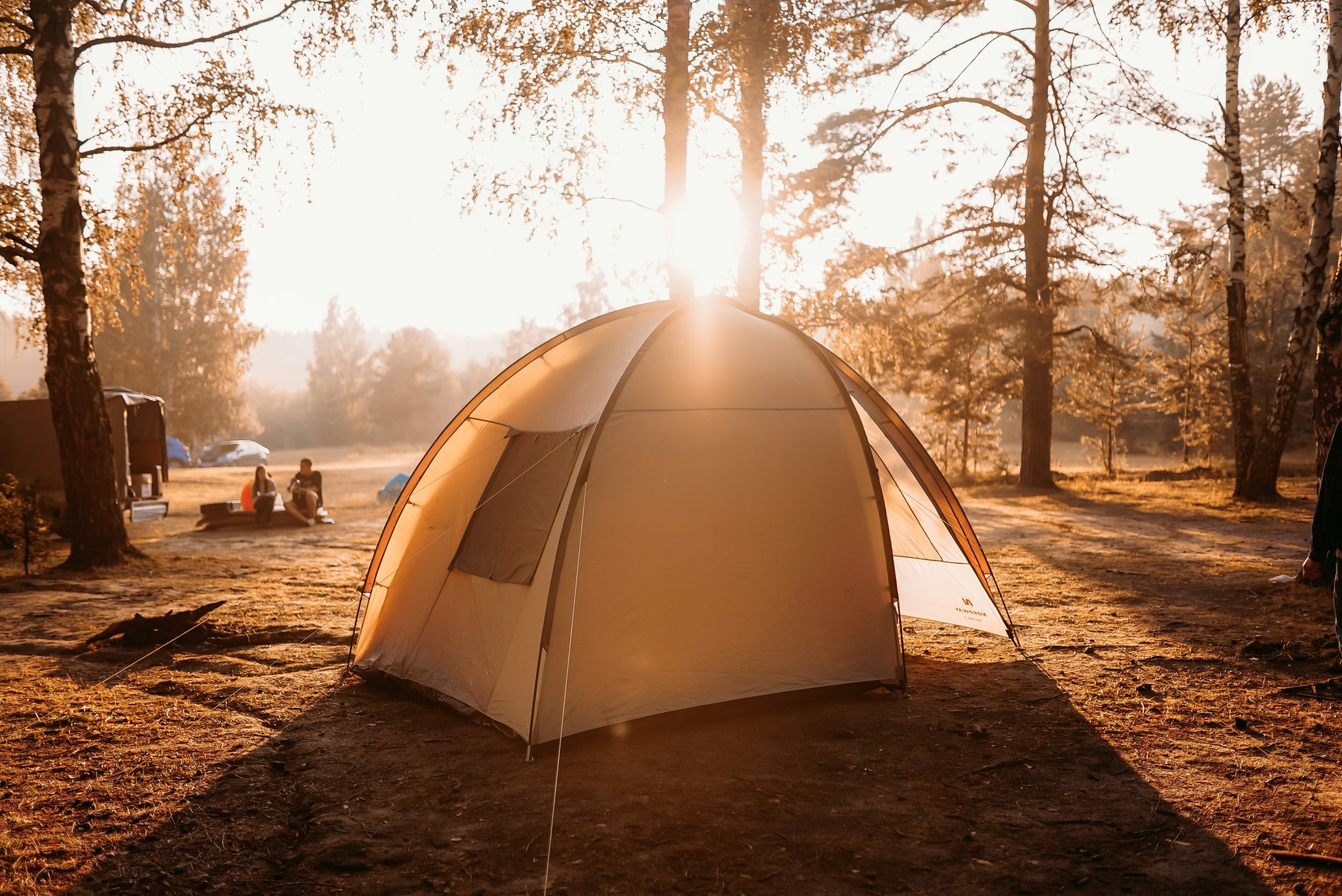
A dependable shelter is your first line of defense against the elements. Whether it’s a tent, tarp system, or bivy sack, your shelter protects you from wind, rain, insects, and temperature drops. In the wild, exposure is one of the fastest ways to become unsafe. A quality shelter should be lightweight, weather-resistant, and easy to set up in low light or bad conditions. Proper ventilation helps prevent condensation, while sturdy stakes and guy lines ensure stability. Even in fair weather, shelter provides rest and recovery, making it essential for both comfort and survival.
2. Sleeping System
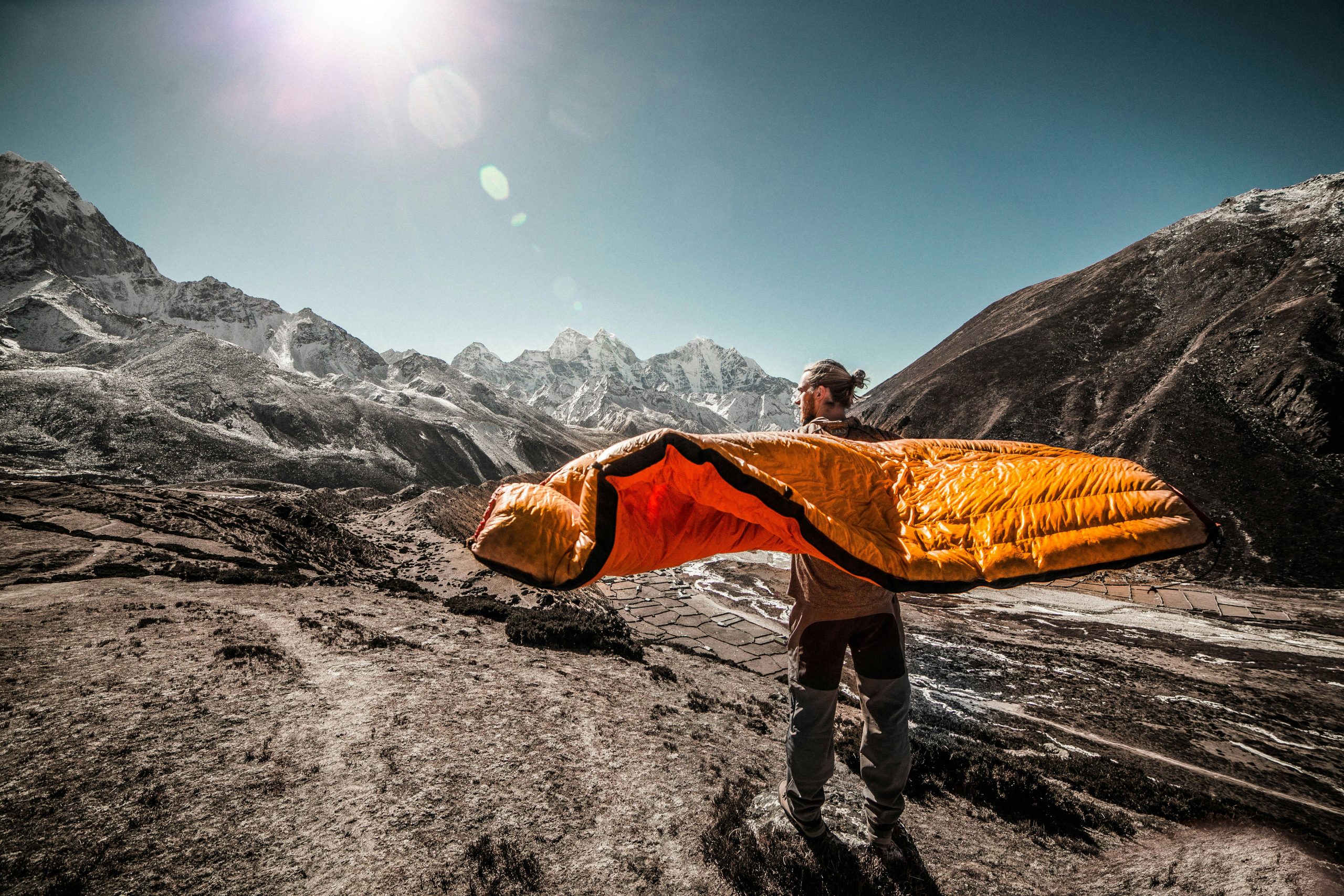
A complete sleeping system includes a sleeping bag rated for the conditions and an insulated sleeping pad. Many campers underestimate how much heat the ground pulls from the body. A good sleeping pad prevents heat loss and improves rest quality. Your sleeping bag should match nighttime temperatures and pack efficiently. Poor sleep affects decision-making, coordination, and morale. In the wild, rest isn’t optional; it’s functional. A warm, dry sleeping setup ensures your body recovers overnight, helping you stay alert, energized, and prepared for long days of hiking, cooking, and navigating unpredictable terrain.
3. Water Filtration or Purification
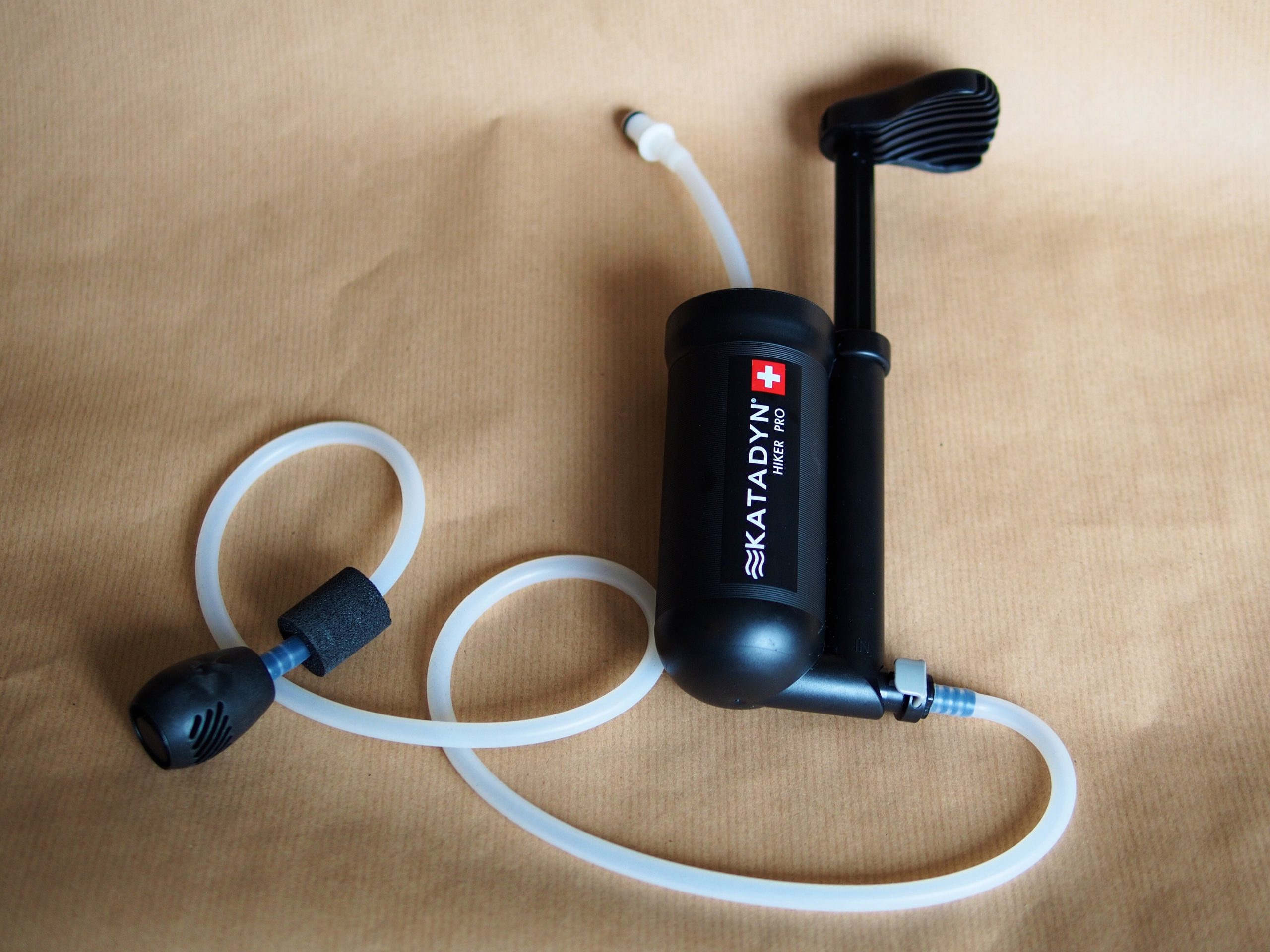
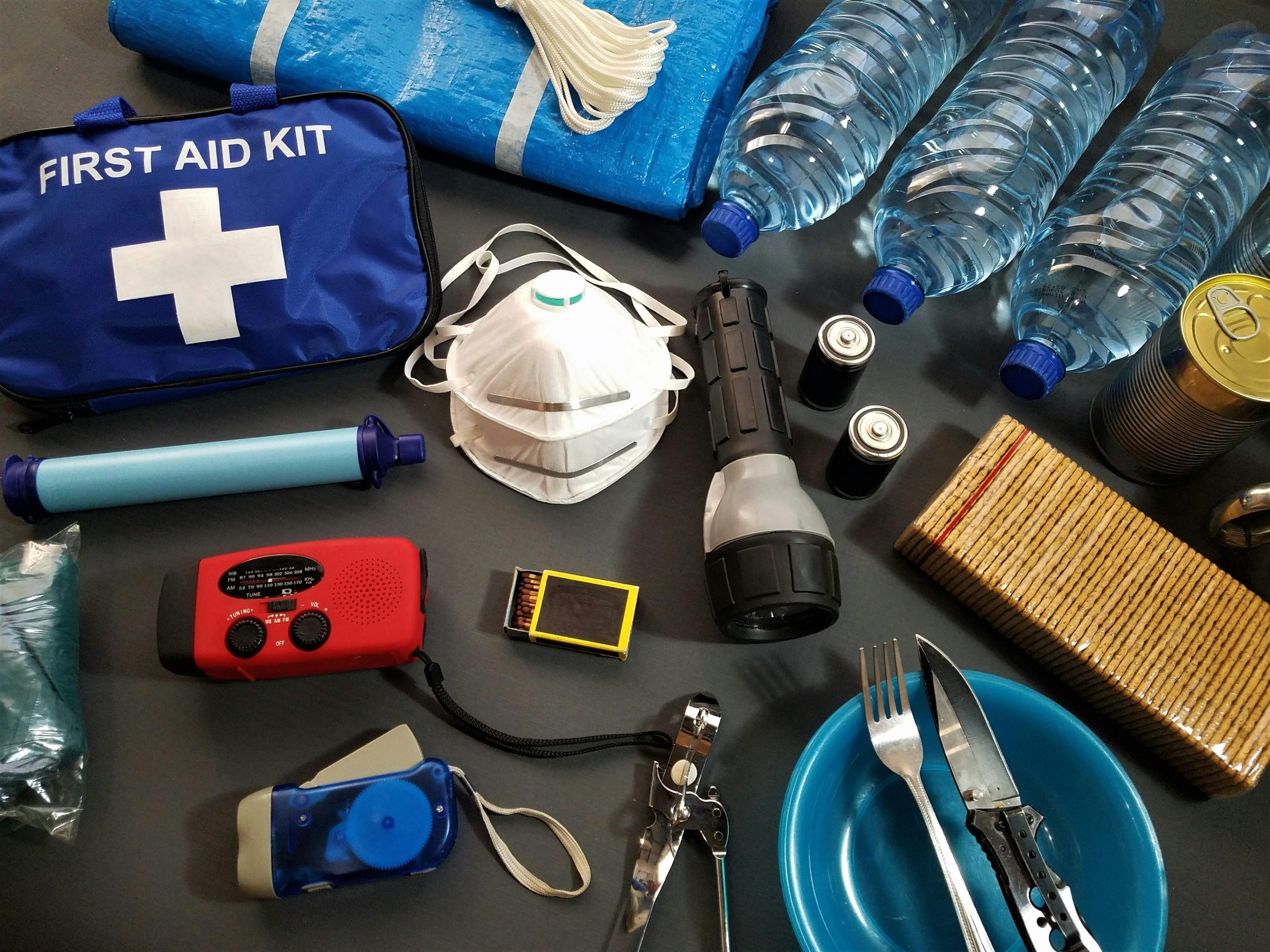
Clean drinking water is non-negotiable in the wilderness. Streams and lakes may look clear, but often contain bacteria, parasites, or harmful microorganisms. A reliable water filter, purifier, or chemical treatment allows you to safely use natural water sources. Dehydration reduces strength, judgment, and endurance quickly. Carrying only bottled water limits range and adds weight. Filtration systems provide flexibility and security, especially on longer trips. Knowing where water sources are located and having the tools to make them safe ensures hydration without unnecessary risk, making this one of the most critical camping essentials.
4. Fire-Starting Tools
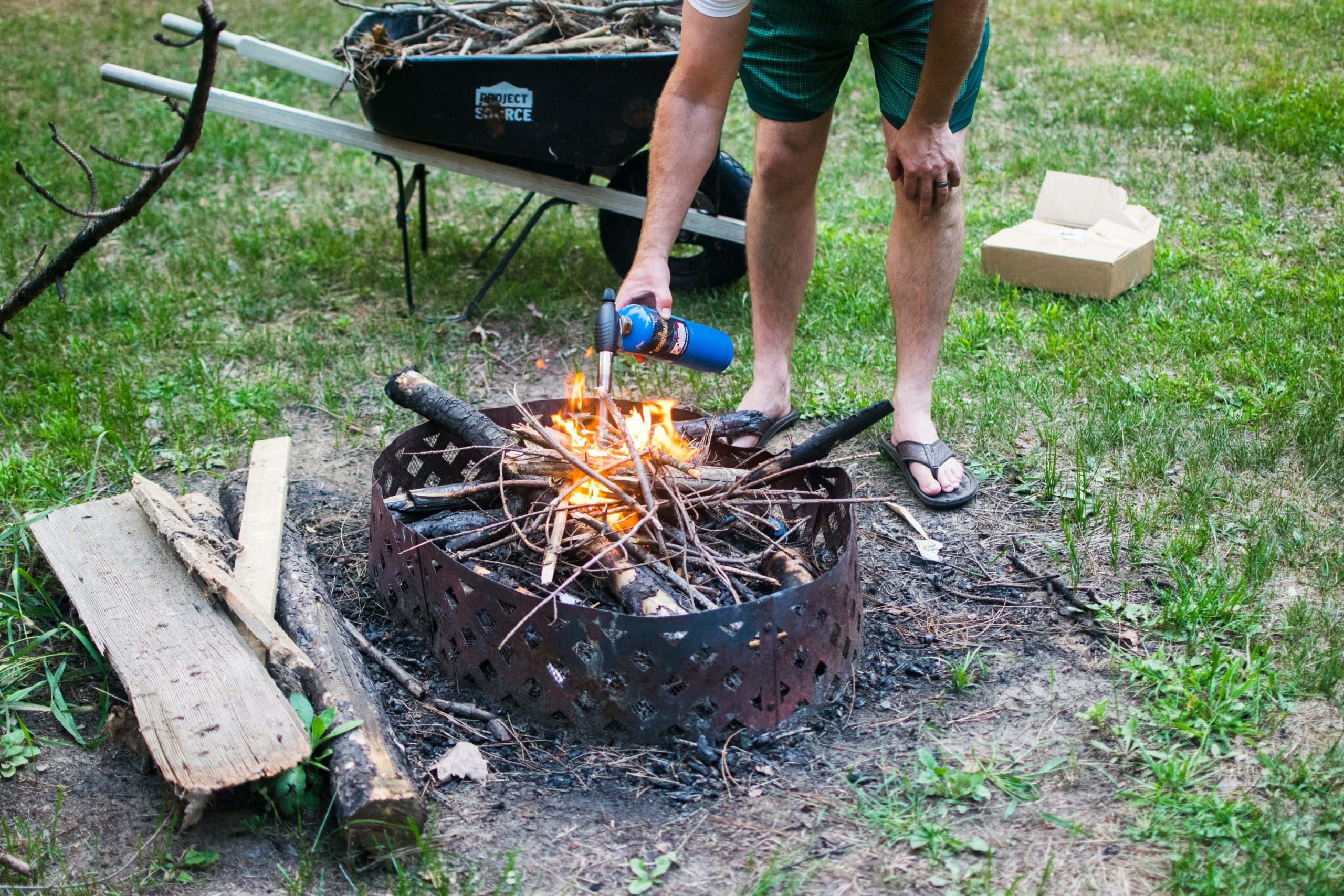
Fire provides warmth, light, cooked food, and emergency signaling. In the wild, it also offers psychological comfort. A dependable fire-starting kit should include multiple methods, such as waterproof matches, a lighter, and a ferro rod. Relying on a single tool is risky. Weather, wind, or moisture can complicate ignition. Practicing fire-starting before your trip is just as important as carrying the tools. Whether used for warmth on cold nights or boiling water, fire remains a cornerstone of survival and comfort, especially when conditions change unexpectedly.
5. Navigation Tools
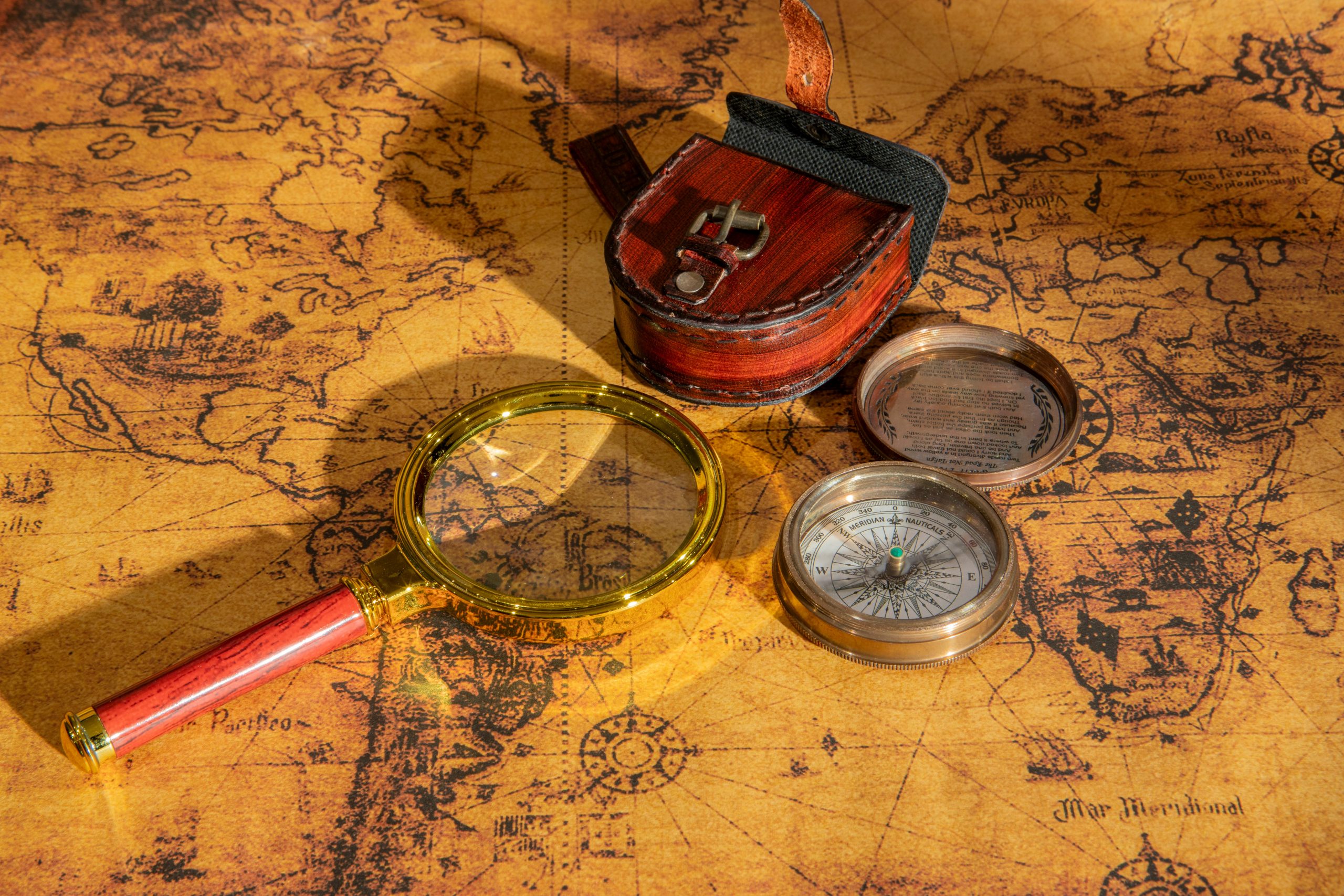
Getting lost in the wild can escalate from inconvenient to dangerous quickly. Navigation tools such as a map, compass, and GPS device help you understand terrain and maintain orientation. Technology can fail due to dead batteries or signal loss, so traditional tools are essential backups. Knowing how to use them matters as much as carrying them. Clear navigation prevents wasted energy and poor decisions. Even experienced campers benefit from checking their position regularly. Reliable navigation tools keep you confident, efficient, and safe while exploring unfamiliar landscapes far from established trails.
6. First-Aid Kit
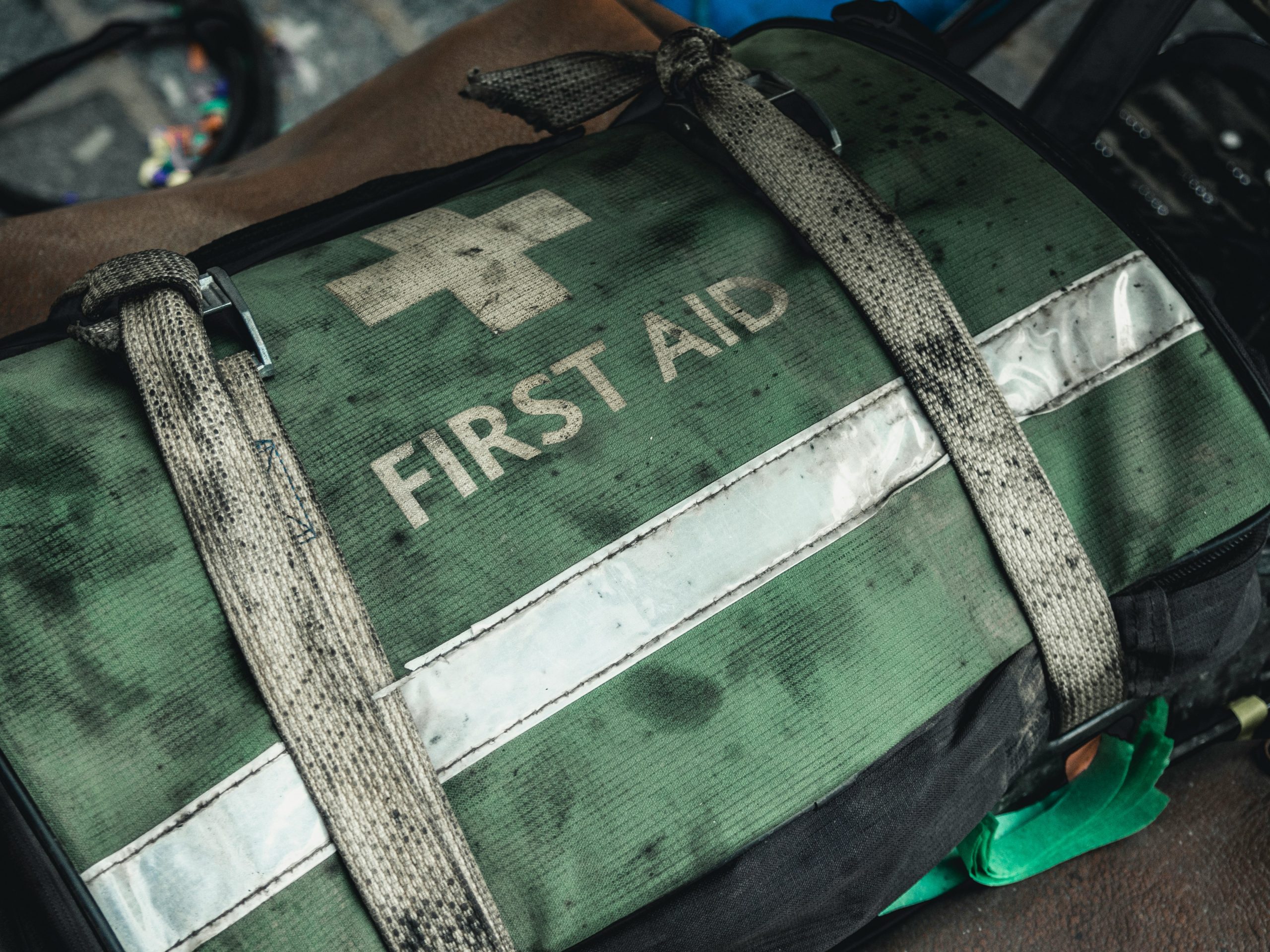
In the wilderness, minor injuries can become serious without prompt care. A well-stocked first-aid kit allows you to handle cuts, blisters, burns, sprains, and allergic reactions. Include bandages, antiseptics, pain relief, and any personal medications. Knowledge of basic first aid is just as important as the kit itself. Treating issues early prevents infections and mobility problems. When help is far away, self-sufficiency matters. A first-aid kit provides peace of mind and the ability to respond calmly to accidents, making it a vital component of any wilderness camping setup.
7. Proper Clothing Layers
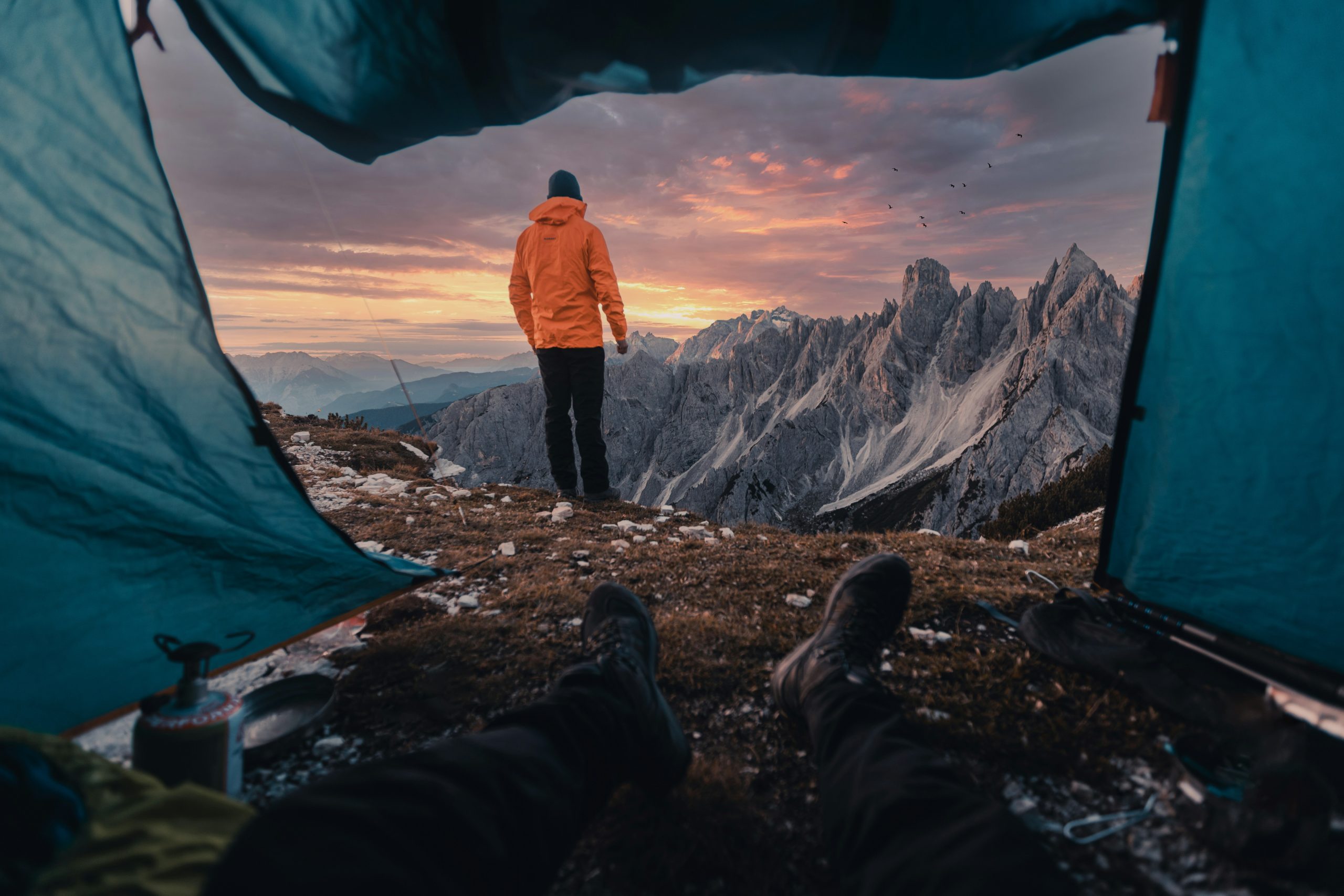
Weather in the wild is unpredictable, and clothing choices directly affect safety. Layering allows you to regulate body temperature as conditions change. Moisture-wicking base layers keep sweat off your skin, insulation retains warmth, and an outer shell blocks wind and rain. Cotton should be avoided because it traps moisture. Extra socks and gloves can prevent cold-related issues. Proper clothing reduces fatigue and risk of hypothermia or overheating. Staying dry and warm keeps your energy focused on navigation, camp tasks, and enjoyment rather than fighting discomfort caused by poor apparel choices.
8. Food and Cooking Supplies
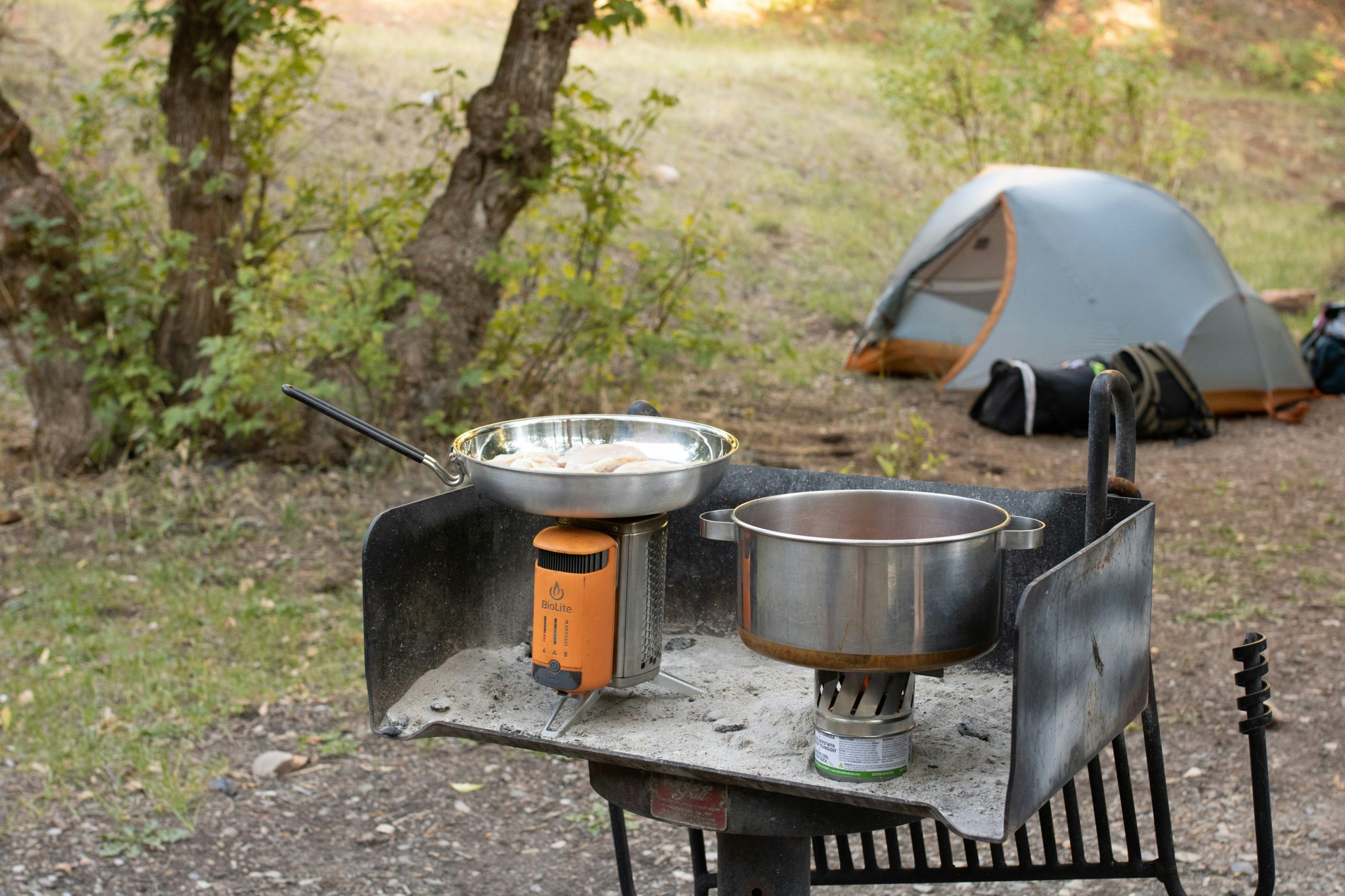
Adequate food fuels both physical activity and mental clarity. Choose high-calorie, lightweight meals that are easy to prepare. A compact stove, fuel, and basic cookware allow you to cook safely and efficiently. Hot meals boost morale and body temperature, especially in cold conditions. Planning meals prevents waste and hunger. Bear-safe food storage may be required in certain areas. Reliable cooking gear ensures you can prepare food regardless of the weather. In the wild, food is more than sustenance; it’s energy, warmth, and motivation rolled into one essential system.
9. Lighting
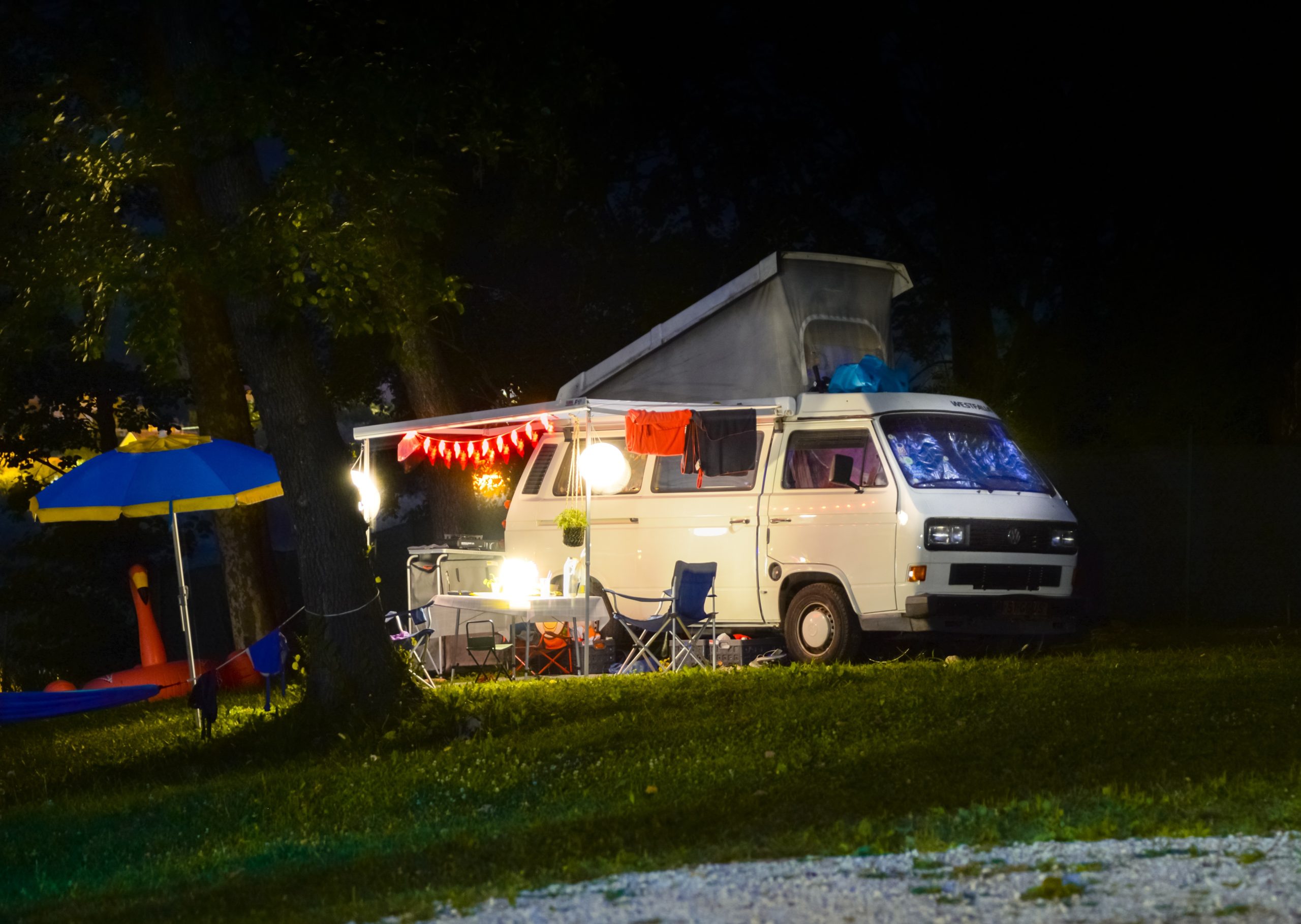
Once the sun sets, the darkness in the wild is absolute. A reliable headlamp or flashlight allows you to navigate camp, prepare food, and handle emergencies safely. Headlamps keep hands free, making tasks easier and safer. Always carry extra batteries or a backup light source. Darkness increases the risk of falls and mistakes. Proper lighting also improves confidence and reduces stress. Whether reading a map or locating gear at night, dependable lighting ensures that your campsite remains functional and safe long after daylight fades.
10. Multi-Tool or Knife
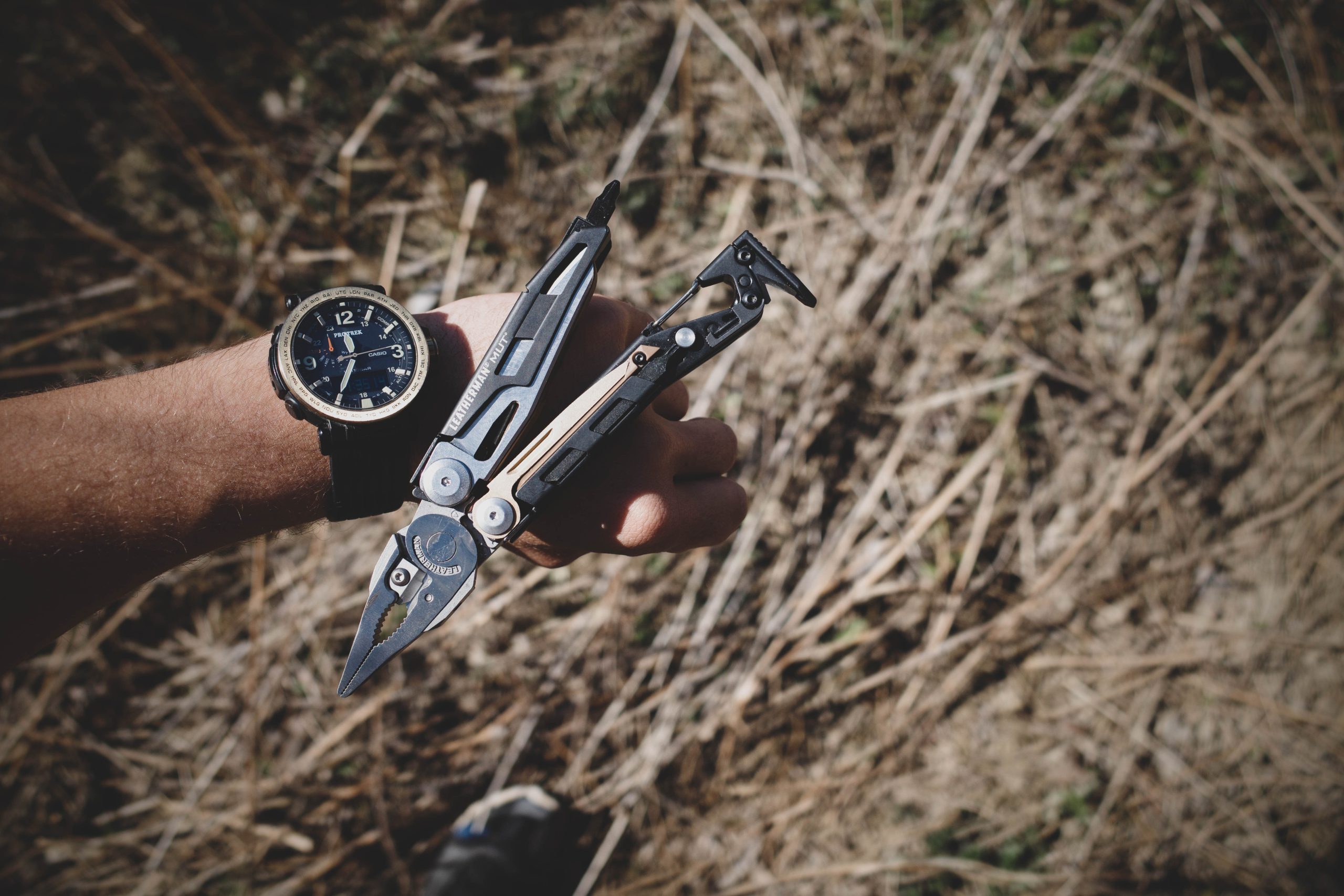
A quality knife or multi-tool is one of the most versatile items you can carry. From food prep and gear repair to cutting cordage or preparing firewood, it serves countless purposes. Choose a durable, sharp tool that feels comfortable in your hand. In emergencies, a knife can become critical for shelter setup or first-aid improvisation. Its usefulness extends far beyond obvious tasks. Having a dependable cutting tool increases efficiency and problem-solving ability, making it a foundational piece of gear for anyone venturing into the wild.