Camping in the 1970s was shaped by simplicity, heavier gear, and a higher tolerance for discomfort. Outdoor recreation focused more on self-reliance than convenience, and many comforts modern campers now consider normal simply did not exist or were unavailable to average families. Campsites were quieter, but also less forgiving, especially when the weather turned bad or equipment failed. Over time, advances in materials, electronics, and design slowly transformed camping into a more accessible and comfortable experience. These changes did not remove challenge from the outdoors, but they reduced unnecessary hardship and expanded who could participate safely. Looking back highlights just how much camping has evolved, not through luxury alone, but through practical improvements that address sleep, food, safety, and recovery. The following ten comforts illustrate how modern camping differs from the 1970s, showing how today’s outdoor experience benefits from decades of innovation while still relying on the same natural settings.
1. Lightweight Sleeping Pads With Real Insulation

In the 1970s, most campers slept directly on the ground or used thin foam pads that offered little insulation or cushioning. Comfort depended largely on site selection and tolerance for uneven terrain. Modern sleeping pads use advanced foams and air chambers that trap heat and distribute weight evenly. This dramatically improves sleep quality and recovery, especially in cold conditions. Better rest reduces fatigue and injury risk during multi-day trips. These pads pack smaller, weigh less, and adjust firmness easily. Campers no longer accept poor sleep as unavoidable. This comfort alone has changed how long people can comfortably stay outdoors, making camping more enjoyable without removing the physical connection to the environment.
2. Compact, Reliable LED Lighting
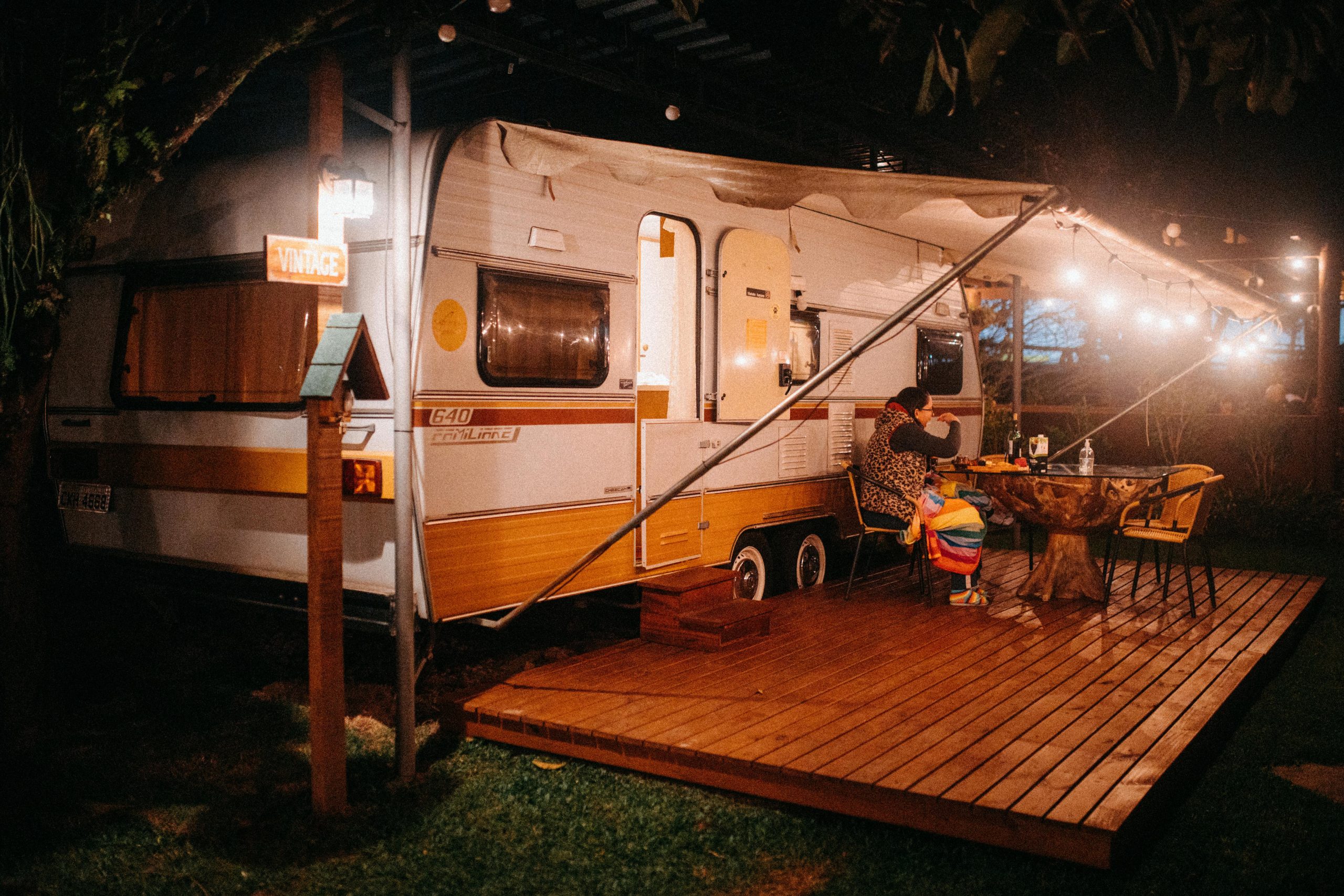
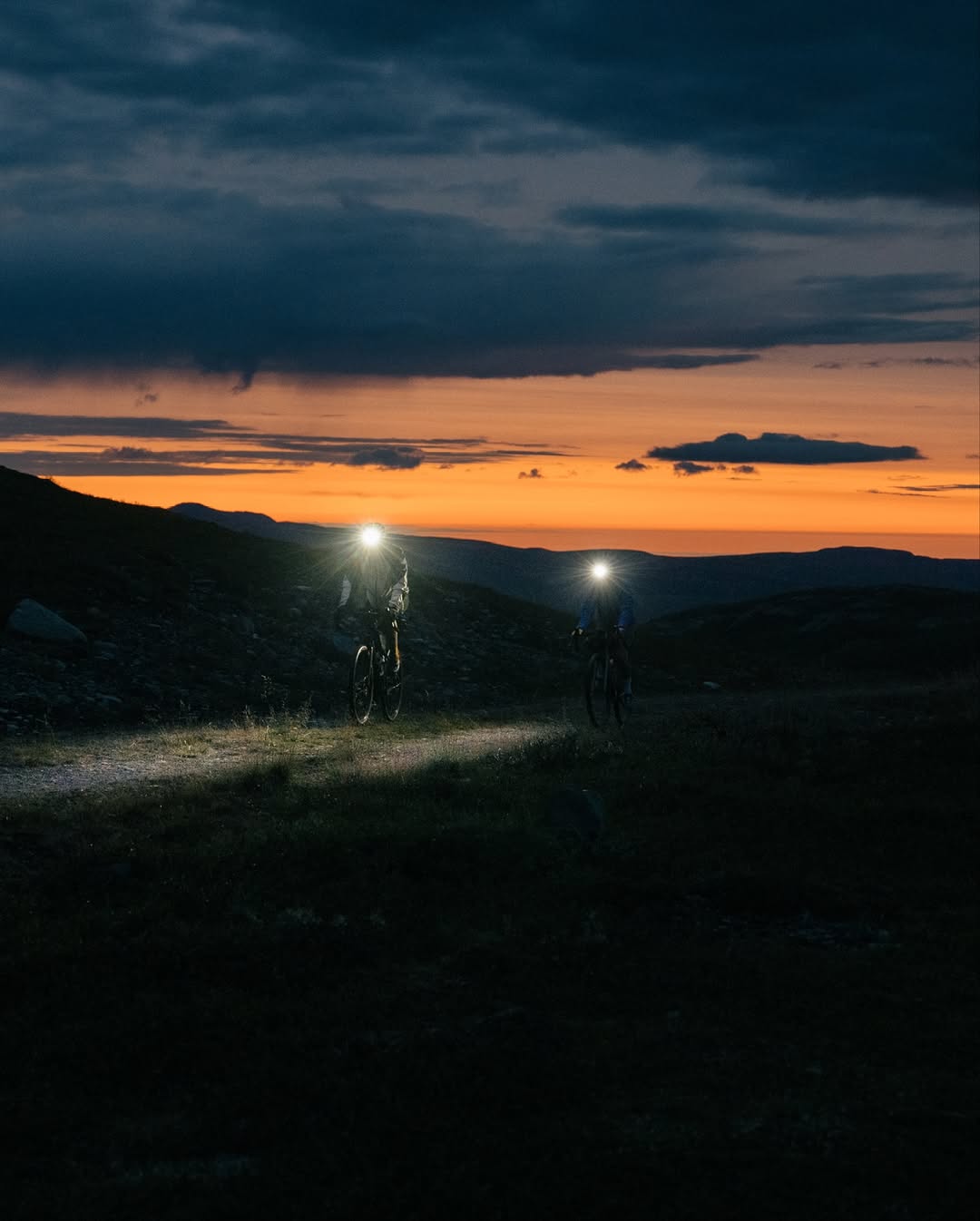
Lighting in the 1970s relied on bulky flashlights and fuel lanterns that were heavy, fragile, and often unreliable. Batteries drained quickly, and spare bulbs were essential. Today’s LED headlamps and lanterns provide bright, adjustable light while using minimal power. Campers can work hands-free, navigate trails safely, and manage campsites after dark with ease. Rechargeable options reduce waste and dependence on spares. This comfort improves safety and efficiency rather than luxury. Better lighting extends usable hours without increasing risk. What was once dim and frustrating is now simple and dependable, changing nighttime camping from a limitation into a manageable part of the experience.
3. Weather-Resistant Synthetic Clothing
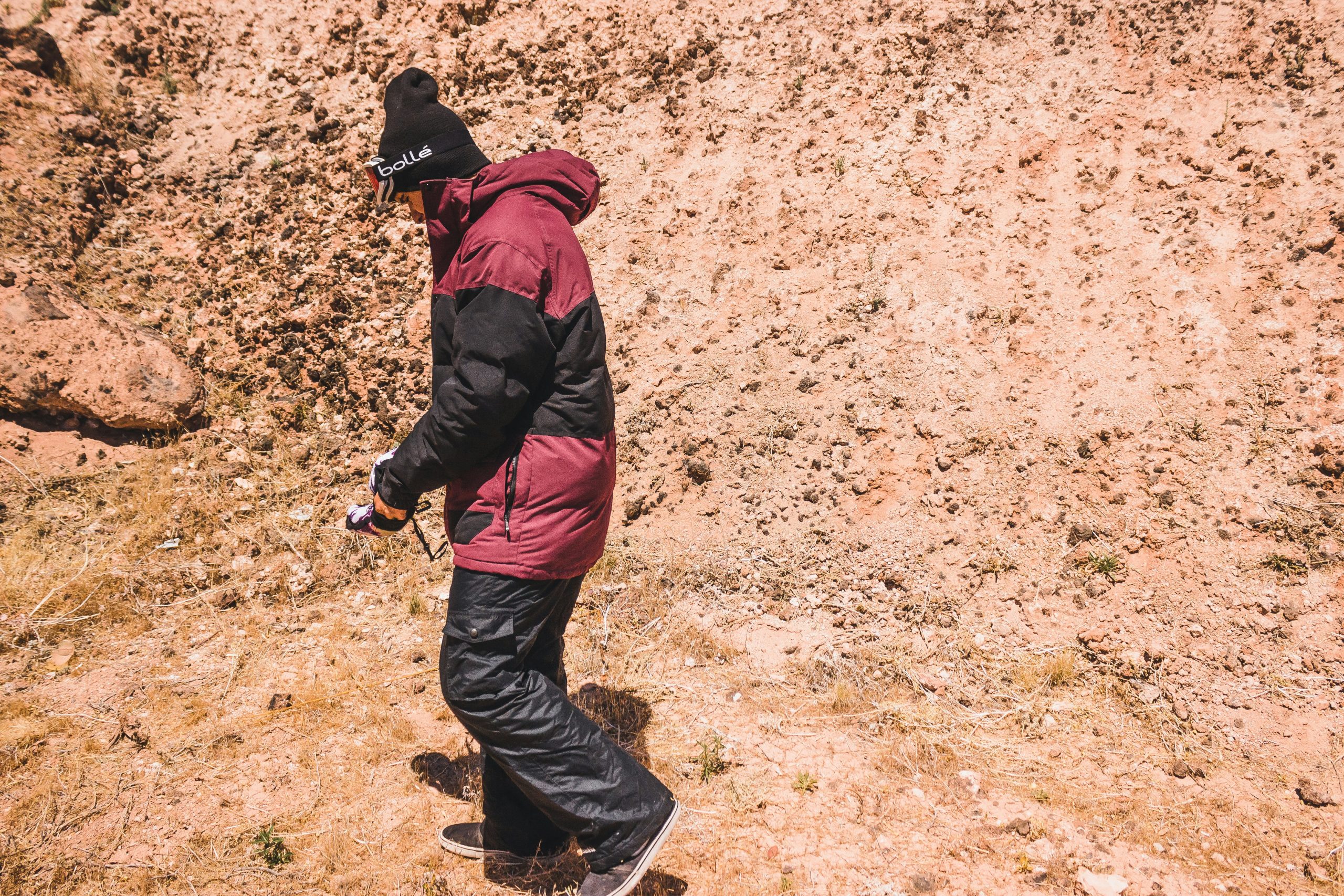
Campers in the 1970s relied heavily on cotton, denim, and wool blends that absorbed moisture and dried slowly. Once wet, clothing became heavy and uncomfortable, increasing the risk of hypothermia. Modern synthetic fabrics wick moisture, dry quickly, and insulate even when damp. Lightweight rain shells and breathable layers offer protection without bulk. This advancement allows campers to adapt to changing conditions more effectively. Comfort improves because clothing works with the body rather than against it. Staying dry and warm is no longer dependent on perfect weather. This shift expanded camping seasons and reduced weather-related misery significantly.
4. Efficient Portable Cooking Systems
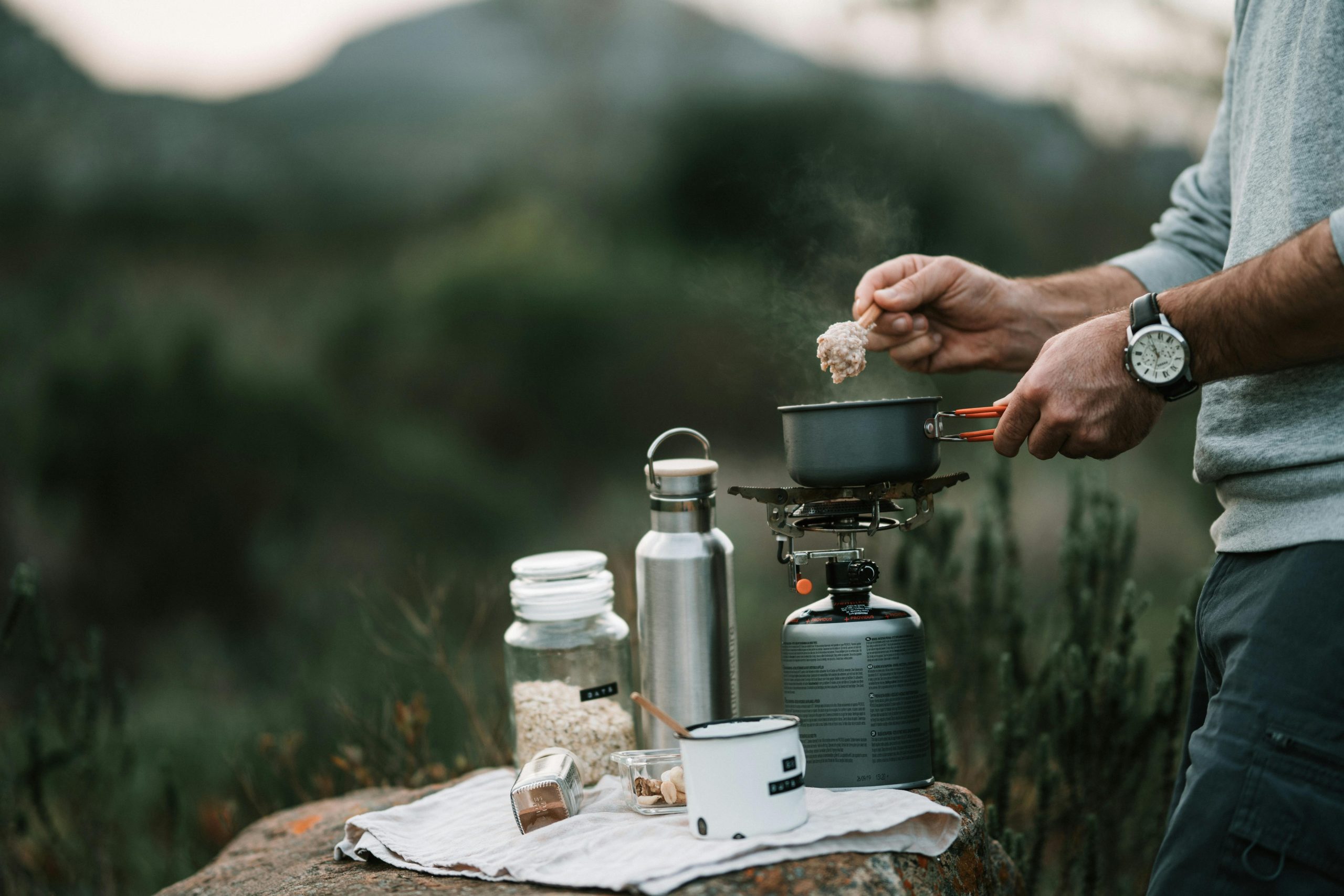
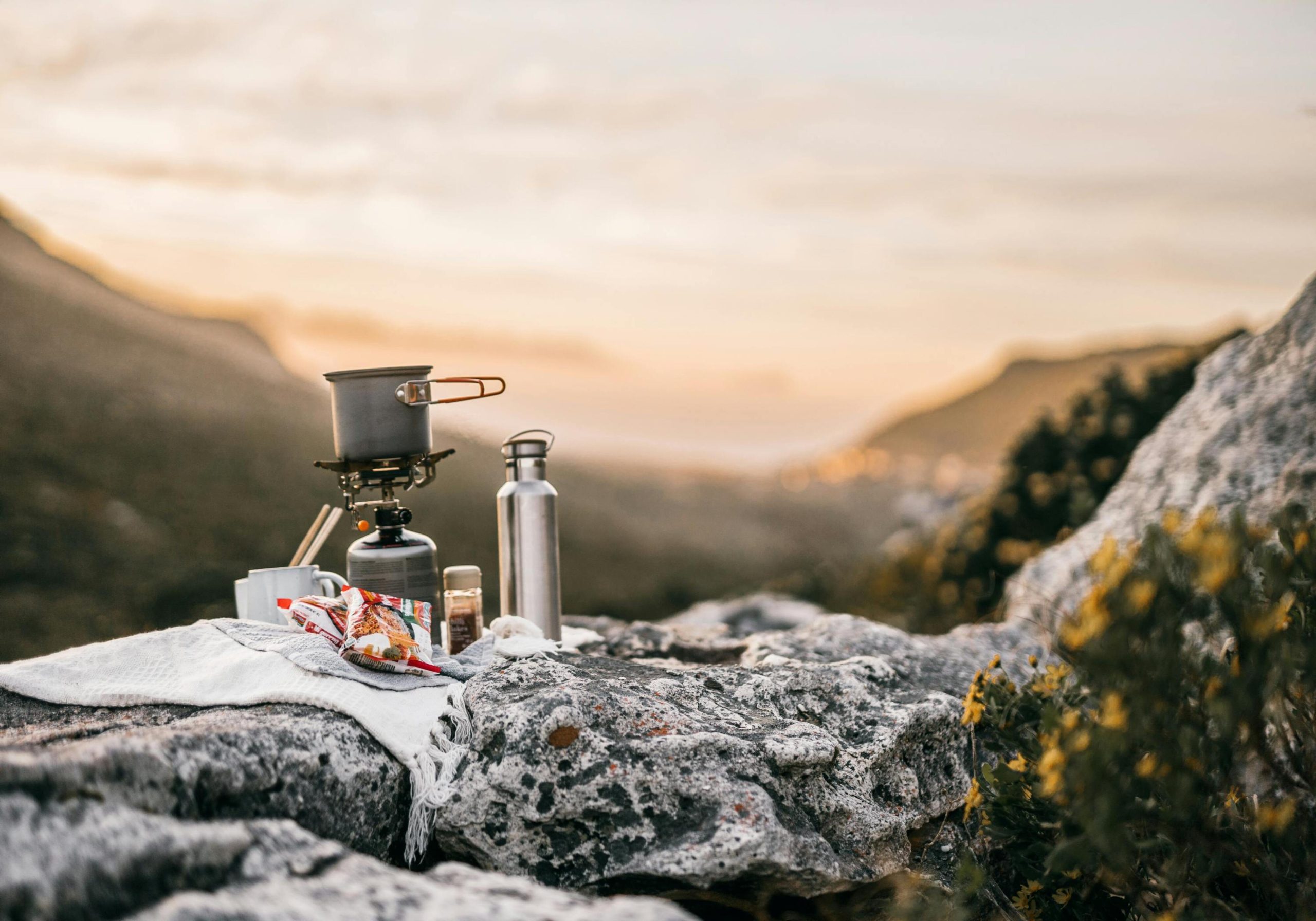
Cooking while camping in the 1970s often meant heavy stoves, slow heating, and limited control. Fuel systems were inconsistent, and meals required patience. Modern backpacking and car-camping stoves boil water quickly, simmer accurately, and pack compactly. Integrated systems reduce setup time and fuel waste. Campers can prepare reliable meals without extensive cleanup or guesswork. This comfort supports better nutrition and morale. Eating well outdoors no longer requires excessive effort. Improved cooking technology changed camp meals from survival tasks into enjoyable routines, making longer trips more practical and pleasant.
5. Insulated Coolers That Actually Work

Older coolers struggled to keep ice for more than a day, especially in summer heat. Campers planned meals carefully to avoid spoilage. Today’s high-performance insulated coolers can preserve ice for several days. This allows safer food storage and greater flexibility in meal planning. Fresh ingredients last longer, reducing waste and stress. This comfort does not remove outdoor challenges, but it lowers food-related risk. Better cooling technology improved sanitation and convenience, especially for families. What once required constant attention is now reliable, making campsite cooking easier and safer.
6. Comfortable, Packable Camp Chairs
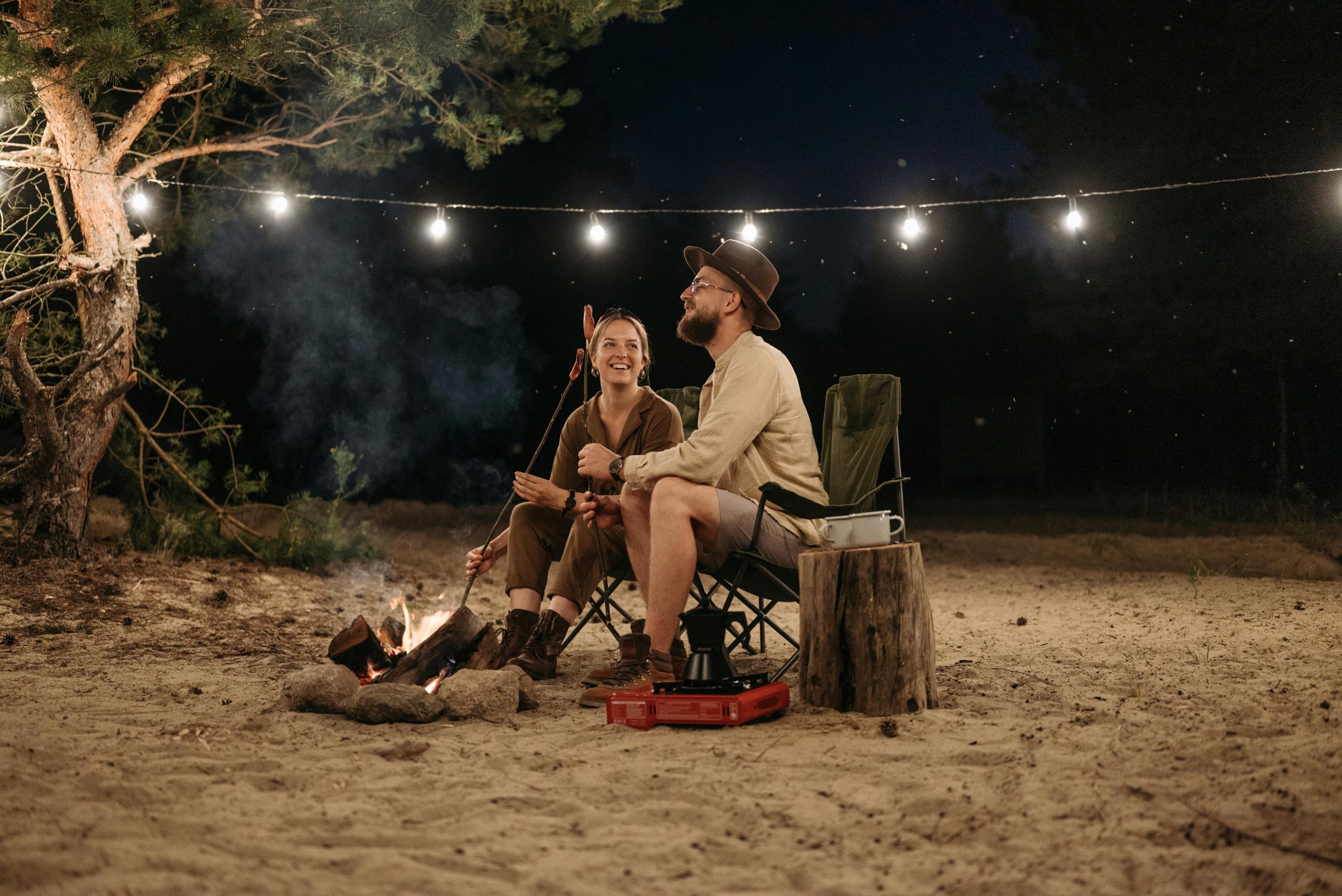
In the 1970s, seating options were limited to logs, coolers, or heavy folding chairs. Sitting comfortably at camp was not guaranteed. Modern camp chairs use lightweight frames and supportive designs that pack small and set up easily. They provide real back support and stability on uneven ground. This comfort improves recovery after hiking or physical activity. Resting well reduces strain and increases enjoyment. Comfortable seating changes evenings at camp, making them social and relaxed instead of stiff and tiring. It is a small improvement with a big impact on overall comfort.
7. Reliable Weather Forecasting Access
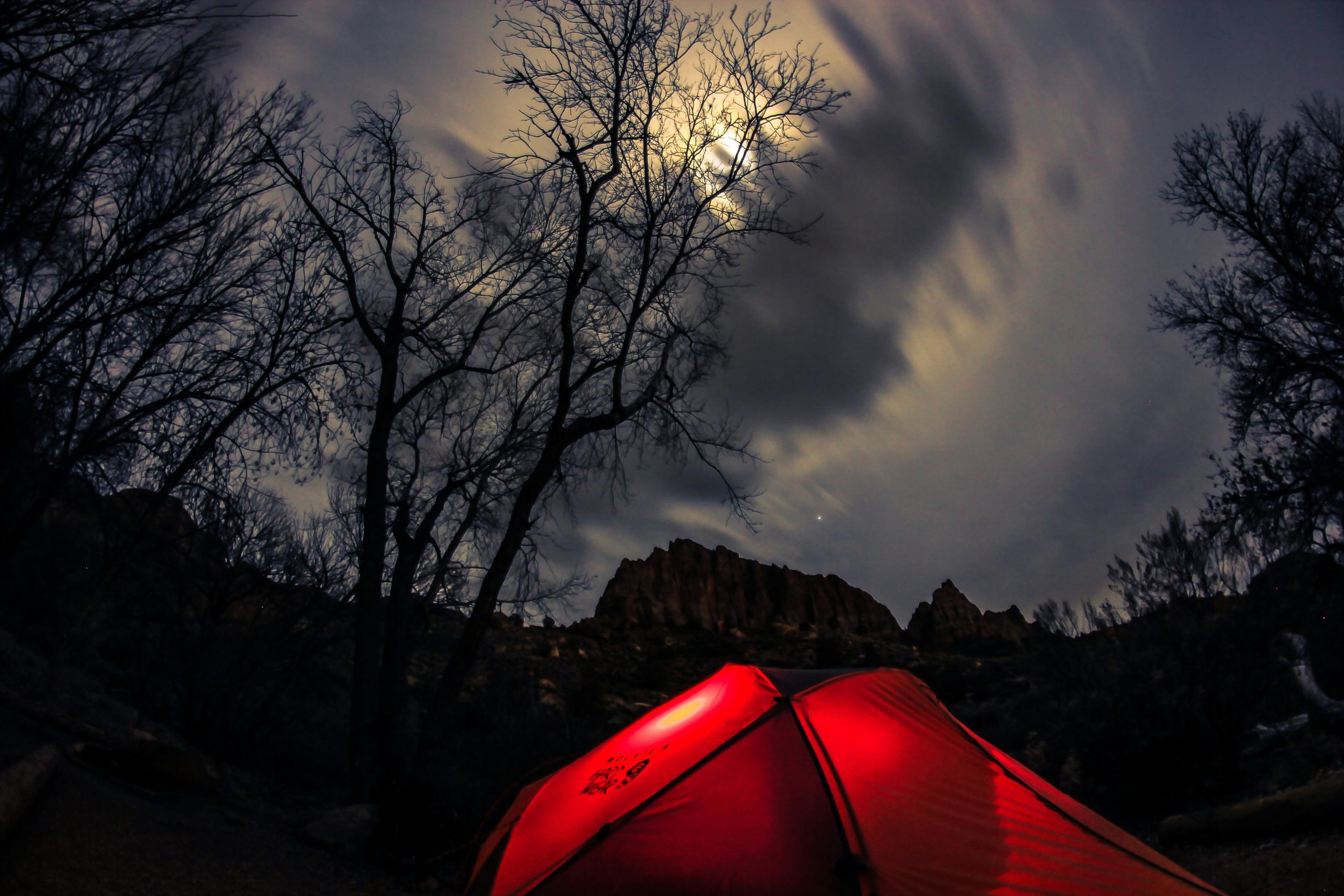
Campers in the 1970s relied on radio reports or local advice for weather updates. Forecasts were broad and often outdated by the time they were heard. Today, detailed forecasts are accessible before and during trips. Campers can plan routes, clothing, and shelter with better accuracy. This comfort improves safety and decision-making. While the weather still surprises, preparation is stronger. Knowing what is coming reduces anxiety and unnecessary exposure. Access to timely information allows campers to adapt rather than endure blindly, changing how people approach trip planning.
8. Compact Water Filtration Systems
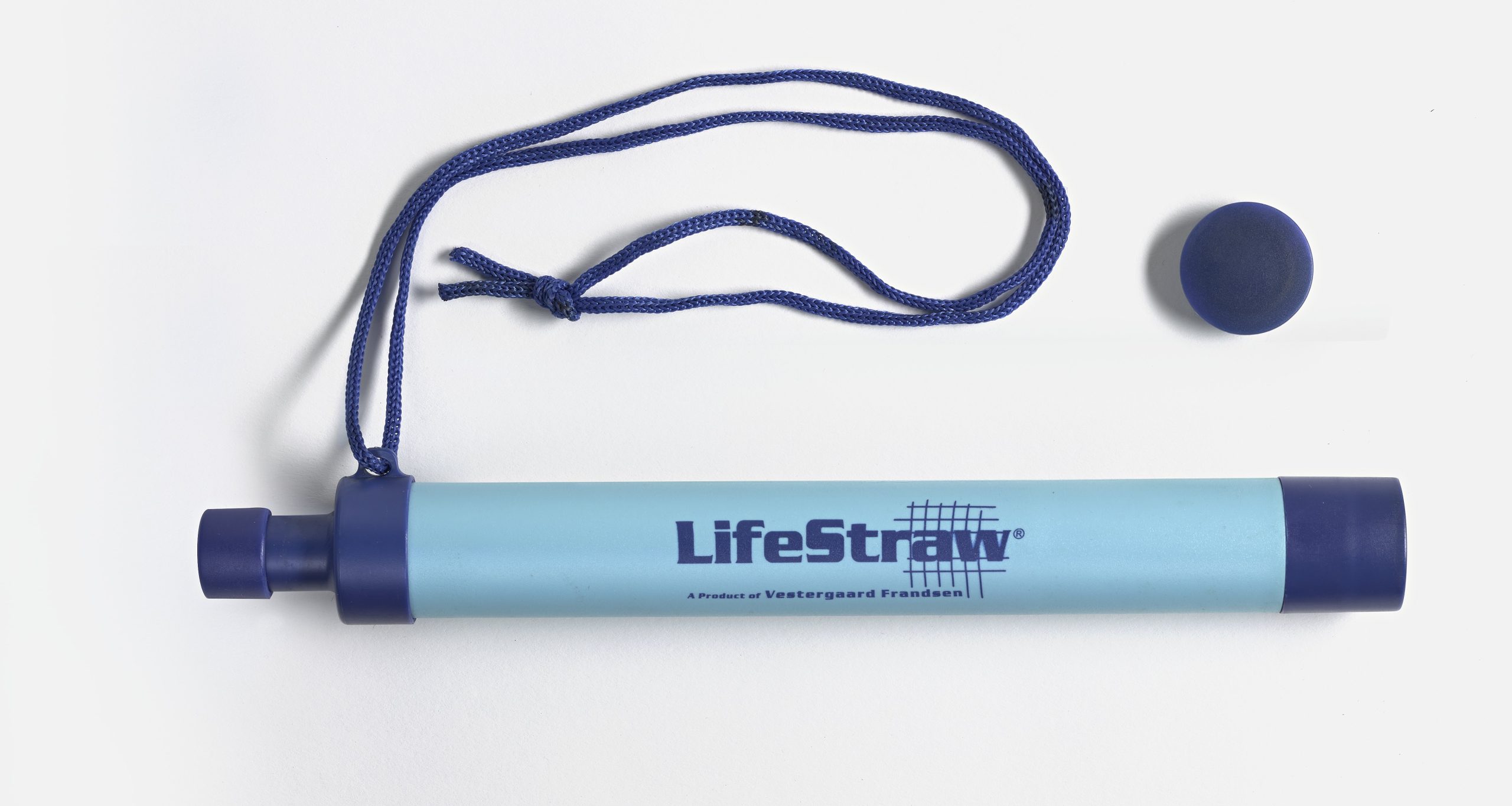
Water treatment in the 1970s involved boiling or chemical tablets that affected taste and required time. Modern filters remove bacteria and protozoa quickly with minimal effort. Lightweight systems provide clean water on demand. This comfort reduces dehydration risk and saves fuel. Campers no longer avoid hydration due to inconvenience. Reliable water access improves energy and health. Filtration technology made longer trips safer and more comfortable, especially in remote areas where water sources are uncertain.
9. Advanced Tent Materials and Designs
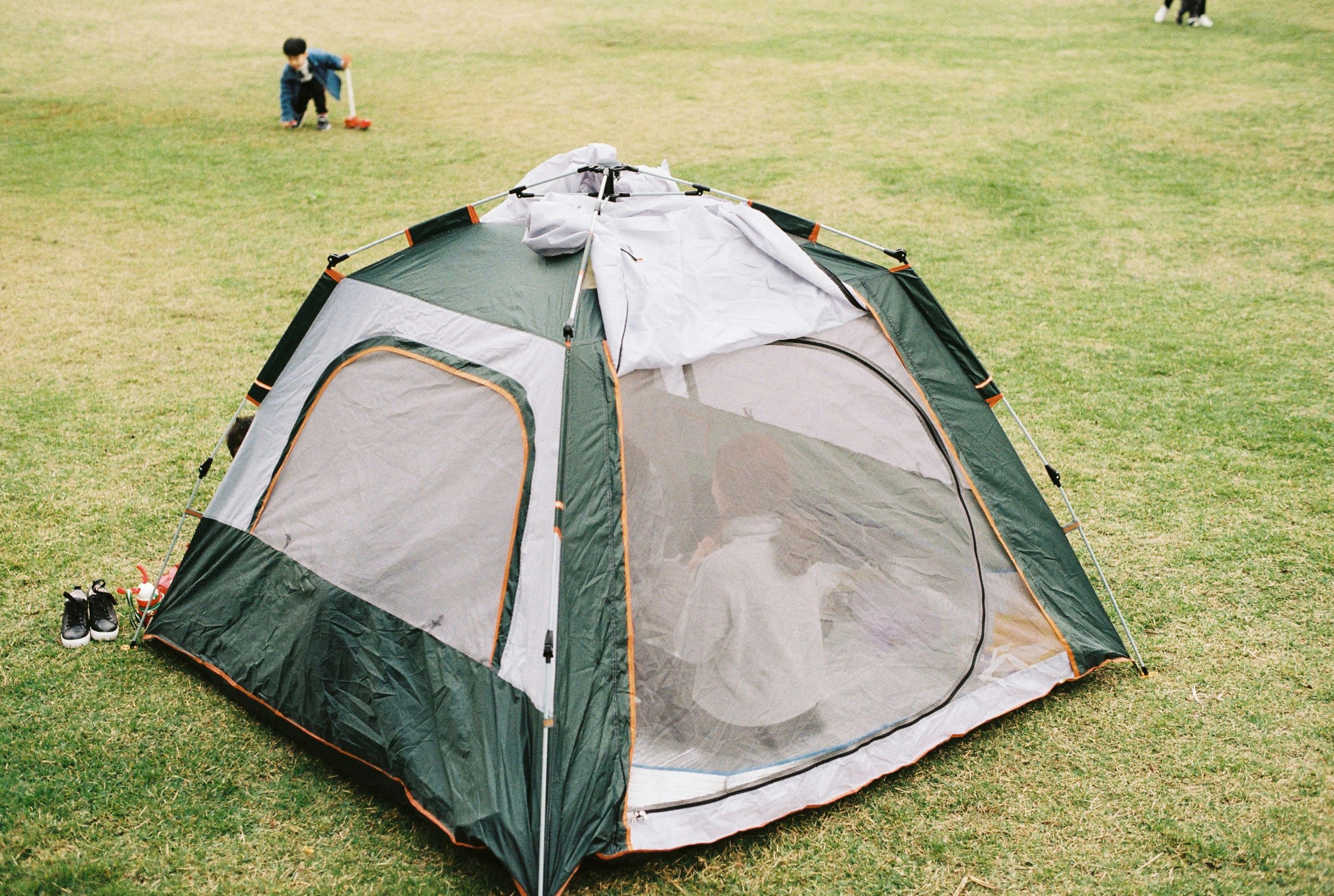
Older tents were heavier, leaked more, and took longer to set up. Weather protection depended heavily on site choice. Modern tents use lightweight fabrics, sealed seams, and intuitive designs. Setup is faster, and protection is more consistent. Better ventilation reduces condensation. This comfort improves sleep and morale during bad weather. Campers spend less time managing shelter and more time enjoying their surroundings. Tent improvements reduced frustration and increased reliability, making camping accessible to a wider range of people.
10. Portable Power and Charging Options
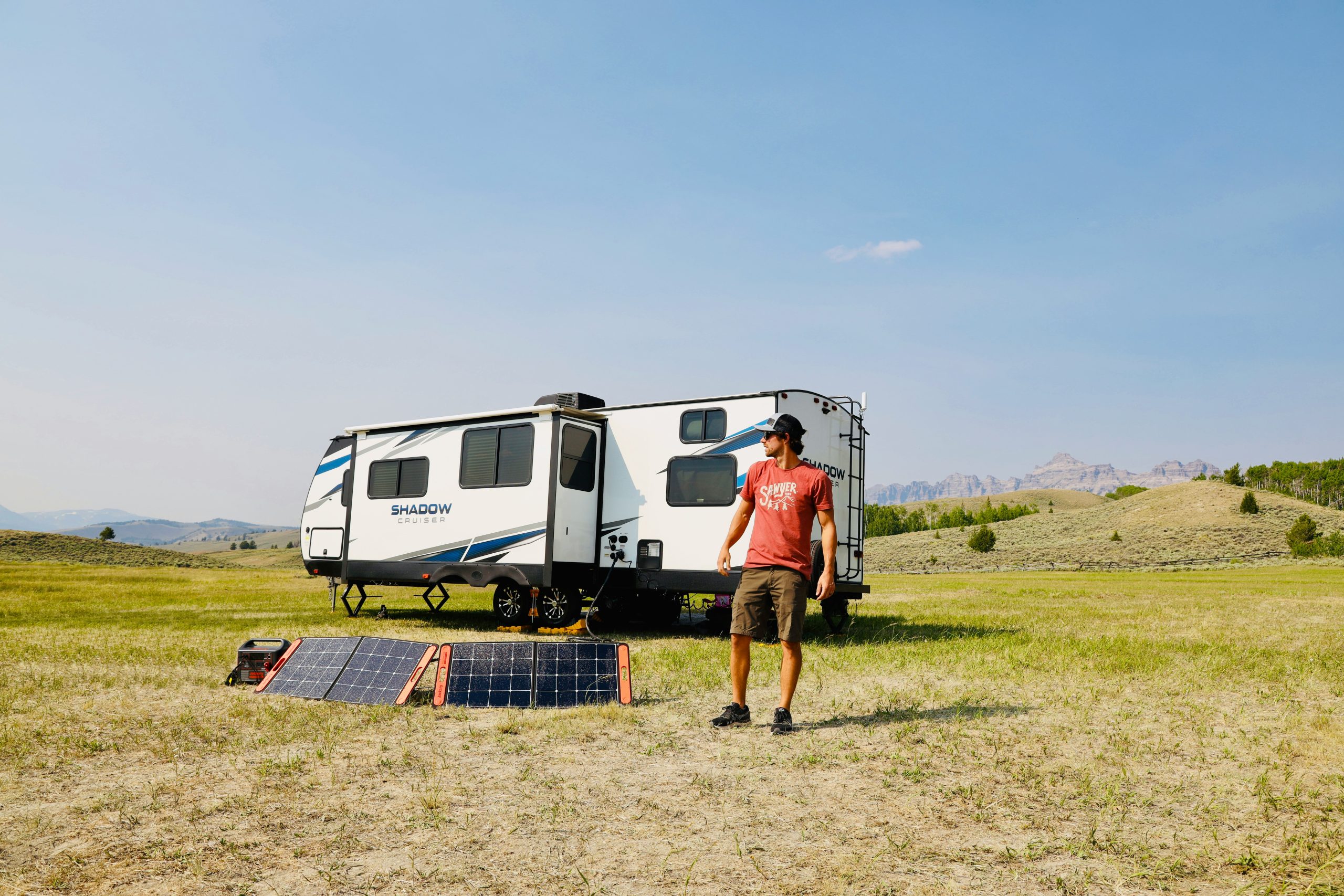
In the 1970s, campers disconnected completely once batteries died. Today’s portable power banks and solar chargers allow limited device use for safety and navigation. While camping remains unplugged by choice, having backup power adds security. Emergency communication and navigation tools remain functional longer. This comfort supports safety rather than distraction. Knowing devices can be recharged reduces stress in unfamiliar terrain. Portable power does not replace outdoor skills, but it provides an additional layer of preparedness unavailable to earlier generations.