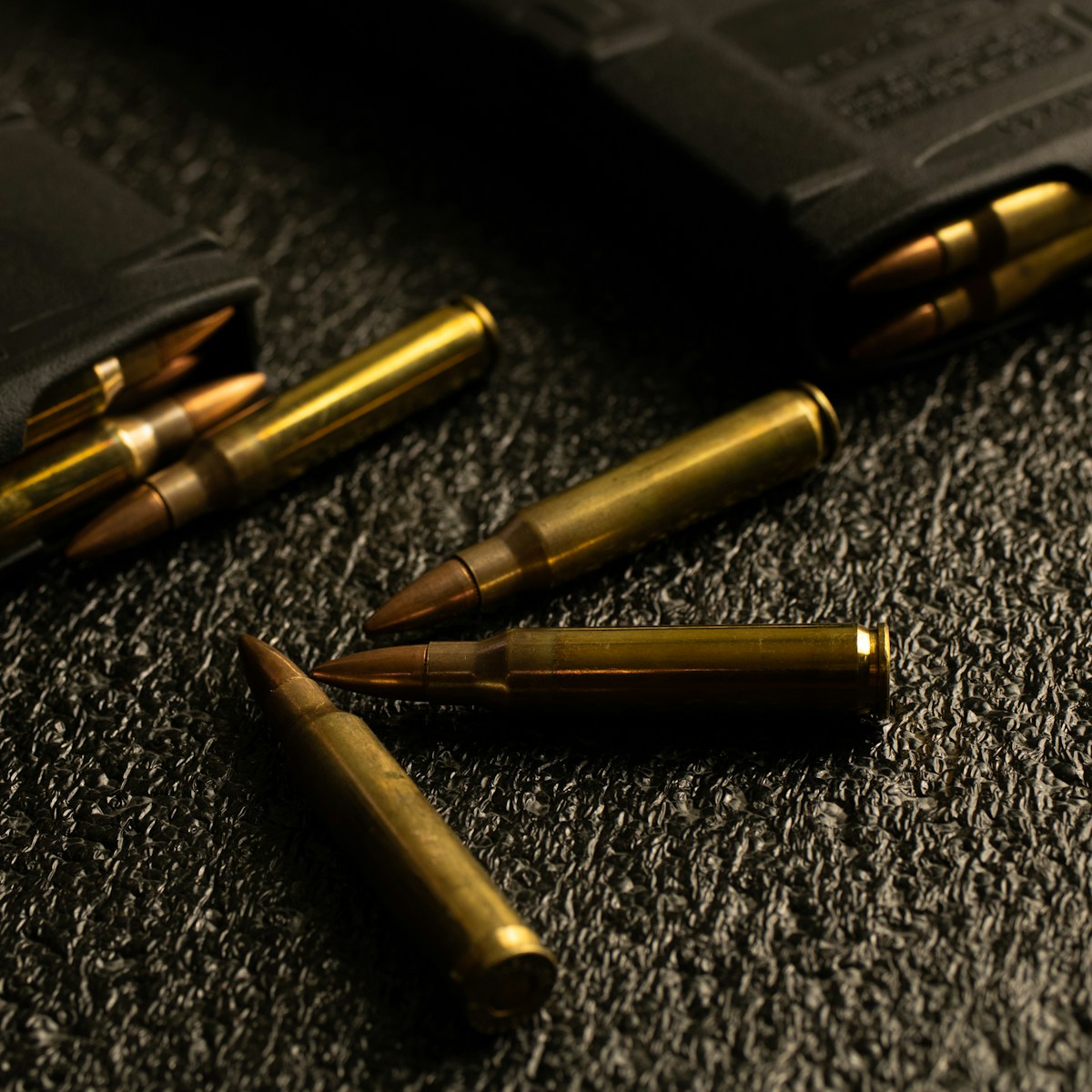
Firearms enthusiasts frequently discuss the 10 calibers that sound deadly on paper but fail when it counts today. Exploring these 10 calibers that sound deadly on paper but fail when it counts helps buyers make smart outdoor defensive choices. Many impressive cartridges feature incredible ballistic statistics inside controlled laboratory environments. Unfortunately, those spectacular numbers rarely translate into reliable stopping power during actual wilderness emergencies. Some incredibly fast bullets fragment too quickly upon impacting heavy bone, while other large rounds penetrate poorly despite their massive size. Understanding these specific ballistic limitations prevents terrible mistakes when selecting appropriate survival ammunition perfectly.
.25 ACP
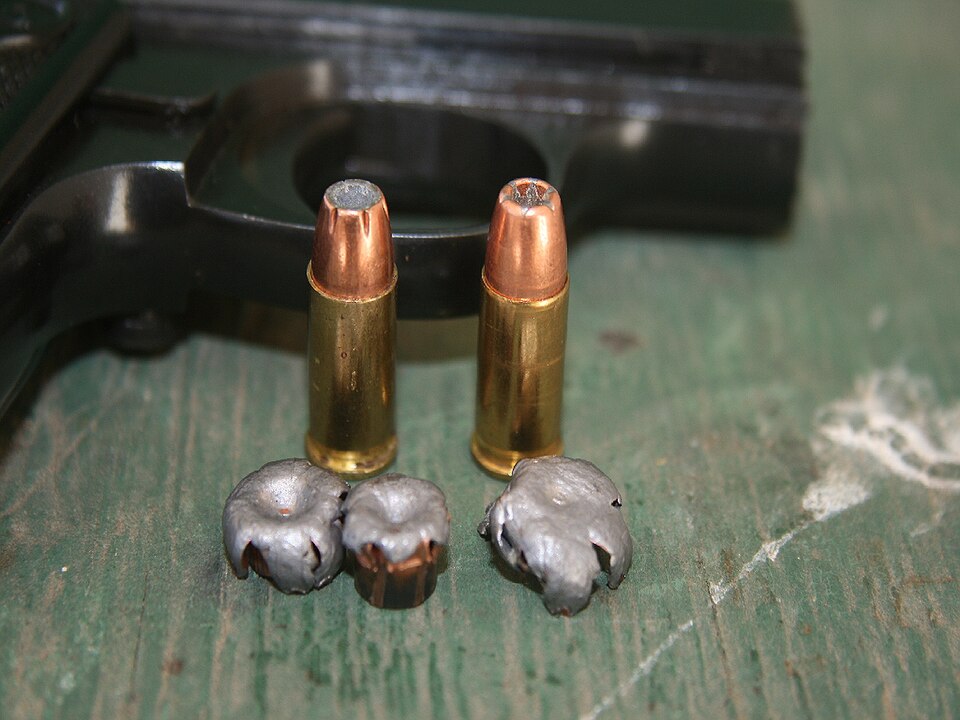
The tiny twenty-five automatic Colt pistol cartridge possesses an incredibly fearsome reputation among classic vintage firearms collectors. Early pocket pistols chambered in this caliber look remarkably dangerous inside antique wooden display cases. However, the phenomenally slow bullet velocity severely limits any actual defensive capability during real outdoor encounters. This minuscule projectile struggles completely to penetrate heavy winter clothing or thick leather jackets reliably. Even perfectly placed shots frequently fail to stop determined, aggressive threats moving rapidly forward. Modern ballistics strongly advise carrying significantly larger cartridges to guarantee adequate personal protection during highly stressful wilderness situations, as well today.
.380 ACP
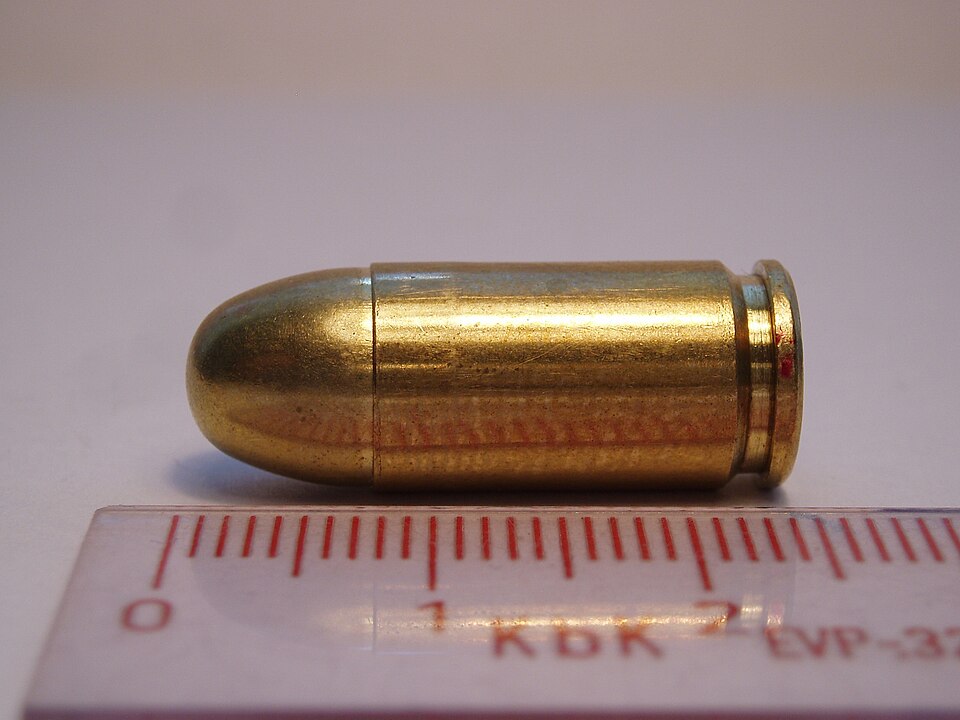
Manufacturers heavily market the three eighty automatic Colt pistol cartridge as the ultimate deep concealment solution for responsible citizens. Paper ballistics appear incredibly promising when tested through long barrels inside totally controlled laboratory conditions. However, tiny modern pocket pistols feature remarkably short barrels that drastically reduce critical bullet velocity overall. This extreme velocity loss prevents standard hollow point ammunition from expanding reliably upon impacting heavy targets outdoors. Shooters frequently discover that these incredibly snappy little rounds often penetrate without causing significant tissue damage during stressful defensive situations. Relying entirely upon this marginal caliber requires incredibly precise shot placement constantly today.
.45 GAP
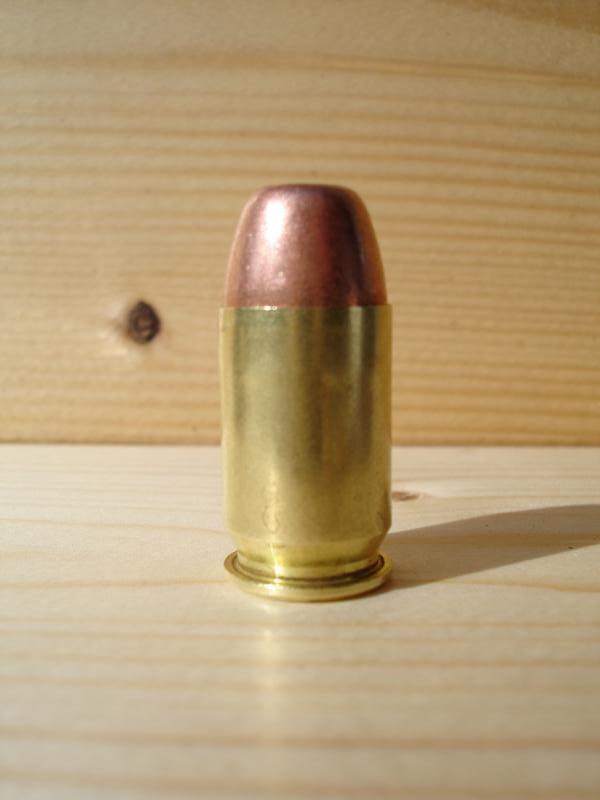
The innovative forty five glock automatic pistol cartridge promised completely revolutionary ballistic performance upon its highly anticipated initial release. Engineers cleverly attempted to perfectly duplicate legendary forty-five automatic stopping power inside a remarkably compact polymer frame profile. While the resulting paper statistics looked phenomenal, the actual field performance proved incredibly disappointing for law enforcement agencies. The remarkably short casing design severely limited overall powder capacity and reduced reliable bullet expansion significantly outdoors. Officers quickly abandoned this strange proprietary cartridge because standard nine millimeter ammunition offered significantly better magazine capacities and vastly superior terminal ballistics, perfectly well today.
5.7x28mm
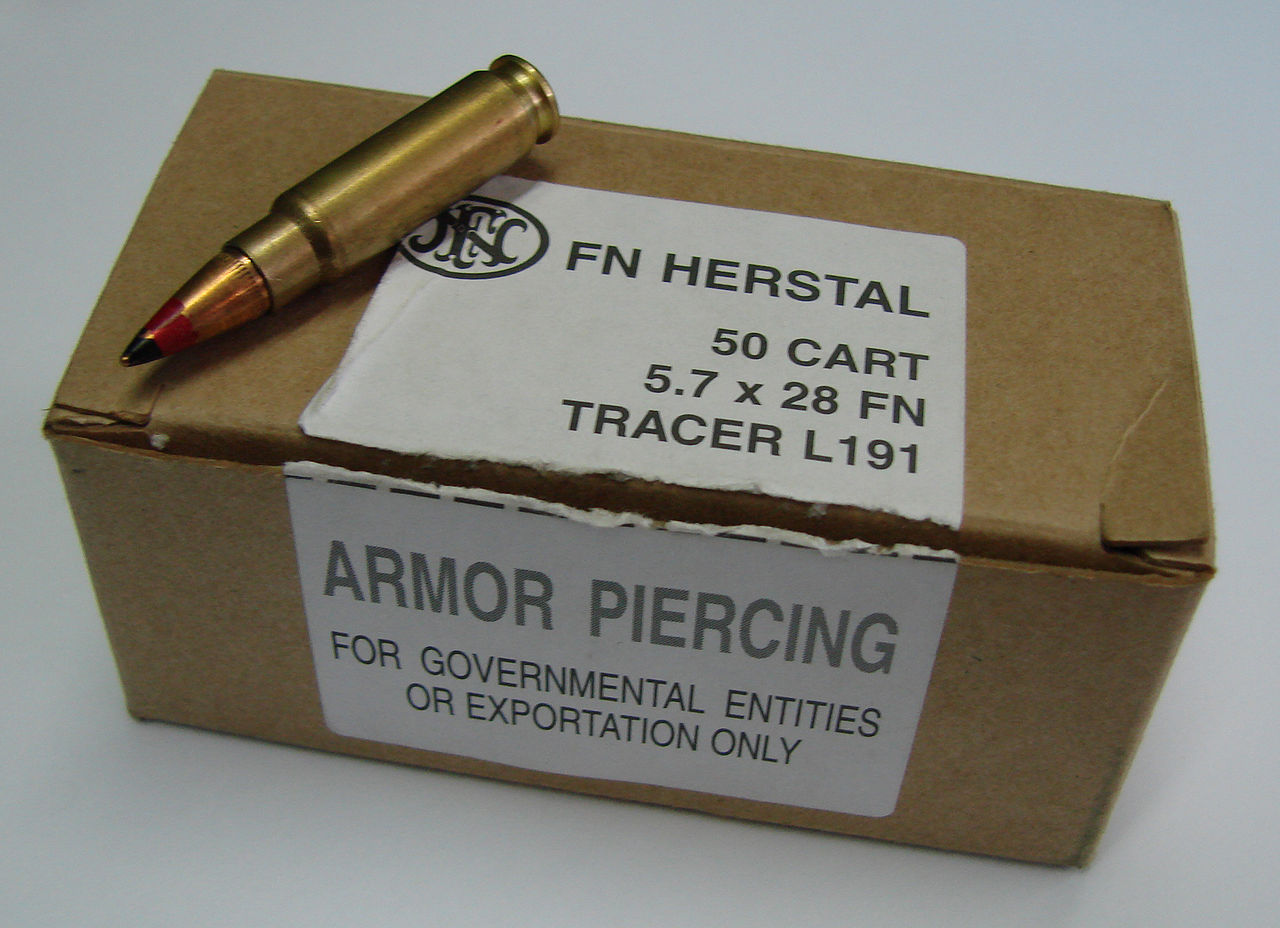
Video games heavily popularized the futuristic five-seven cartridge by highlighting its absolutely incredible armor-piercing capabilities constantly. The exceptionally high velocity numbers generated on laboratory testing paper sound utterly devastating against unarmored wilderness targets. However, the tiny, lightweight projectile frequently fails to deliver sufficient kinetic energy to neutralize heavy animal threats rapidly. The phenomenally fast bullet often passes completely through soft tissue without creating a substantially large wound cavity. Civilian shooters utilizing commercially available hollow point ammunition routinely experience terribly disappointing terminal performance whenever hunting medium-sized game animals across vast open rural wilderness environments today.
.40 S&W
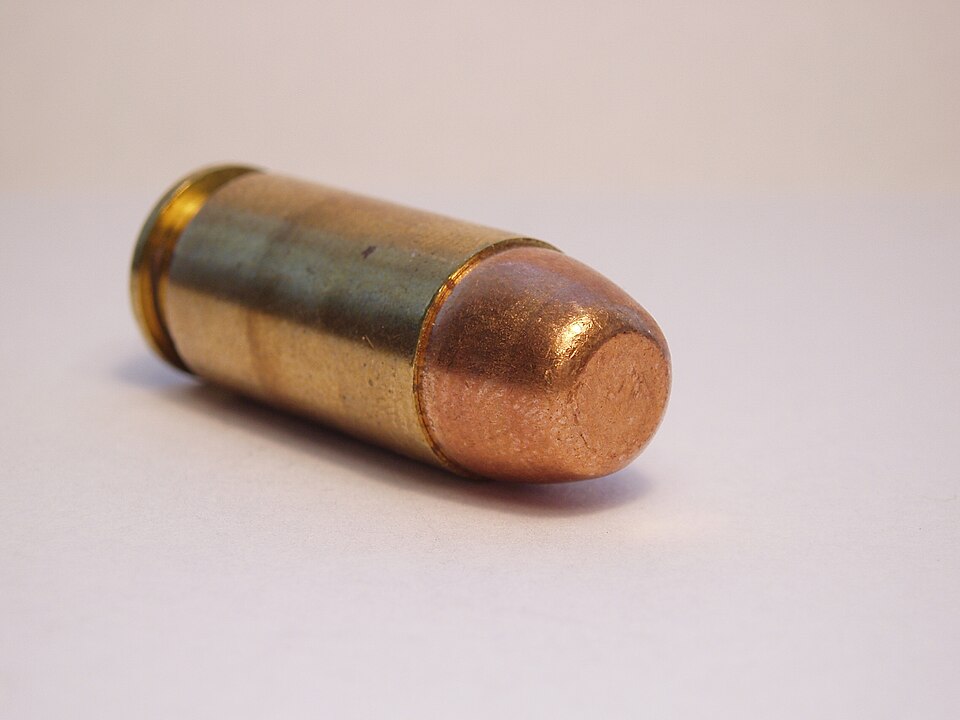
The forty Smith and Wesson cartridge dominated the professional law enforcement market completely during the late twentieth century. Paper ballistics suggested this heavy round provided the perfect compromise between magazine capacity and absolute raw stopping power. However, intensive real-world field data eventually proved this snappy caliber failed to significantly outperform standard nine millimeter ammunition. Officers frequently struggled with the harsh recoil impulse, which drastically reduced their overall shooting accuracy during incredibly stressful gunfights. Many major police departments recently abandoned this aggressive cartridge entirely because modern bullet technology has completely erased any meaningful ballistic advantage it originally possessed outdoors today.
.357 SIG
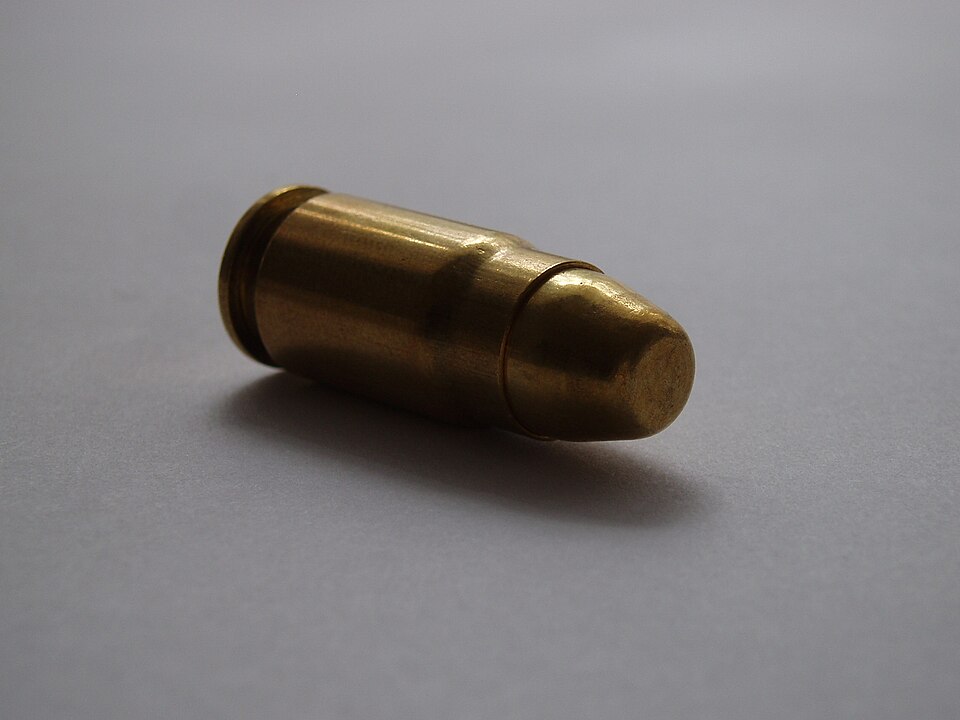
The phenomenally loud three fifty-seven sig cartridge promised to beautifully replicate legendary magnum revolver ballistics inside modern semi-automatic pistols. Muzzle velocity statistics displayed upon colorful retail packaging looked absolutely incredible for serious defensive carry applications. Unfortunately, the extremely high operating pressures generate a remarkably deafening muzzle blast that frequently disorients unprotected shooters completely indoors. The incredibly sharp recoil impulse makes landing highly accurate consecutive shots remarkably difficult during fast-paced outdoor defensive drills. State highway patrol agencies ultimately discarded this highly specialized bottleneck cartridge because the theoretical ballistic benefits simply never materialized effectively during real wilderness encounters today.
10mm Auto
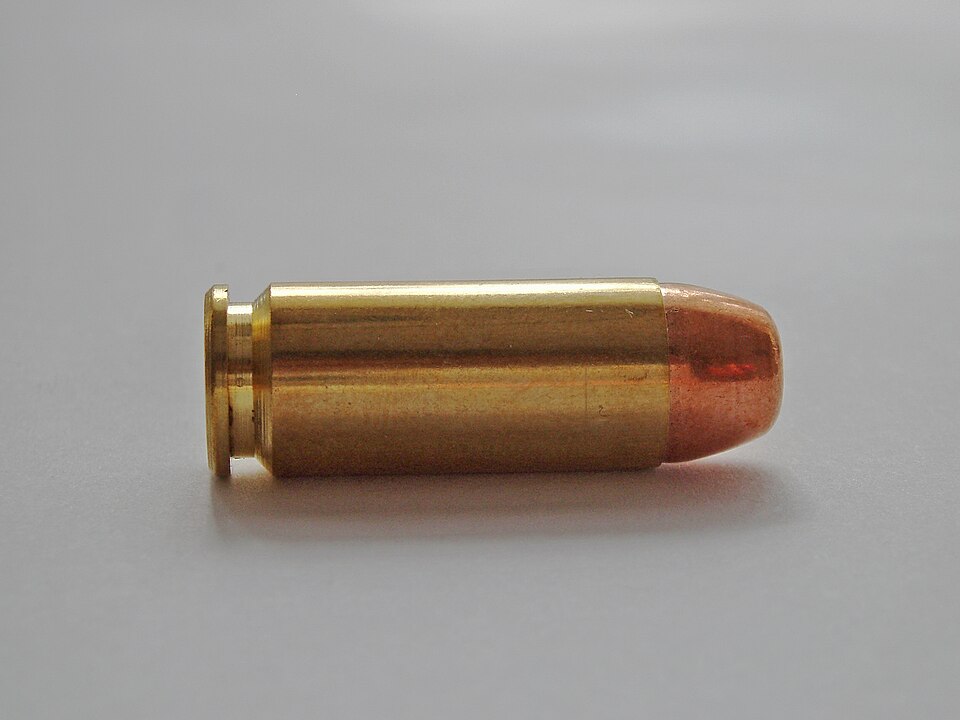
Firearm enthusiasts constantly praise the massive ten millimeter automatic cartridge for its absolutely tremendous kinetic energy statistics shown on ballistic charts. The heavy bullet definitely looks incredibly deadly when strictly analyzing raw mathematical formulas inside quiet laboratories. However, this phenomenally powerful handgun round famously over-penetrates soft tissue targets without dumping its massive destructive energy properly. The overwhelmingly violent recoil physically tortures standard shooters attempting to precisely control their defensive weapons during terrifying wilderness encounters. Many dedicated outdoor adventurers ultimately realize this legendary powerhouse performs significantly better on paper than it actually does against heavily muscled, dangerous wild predators.
.32 ACP
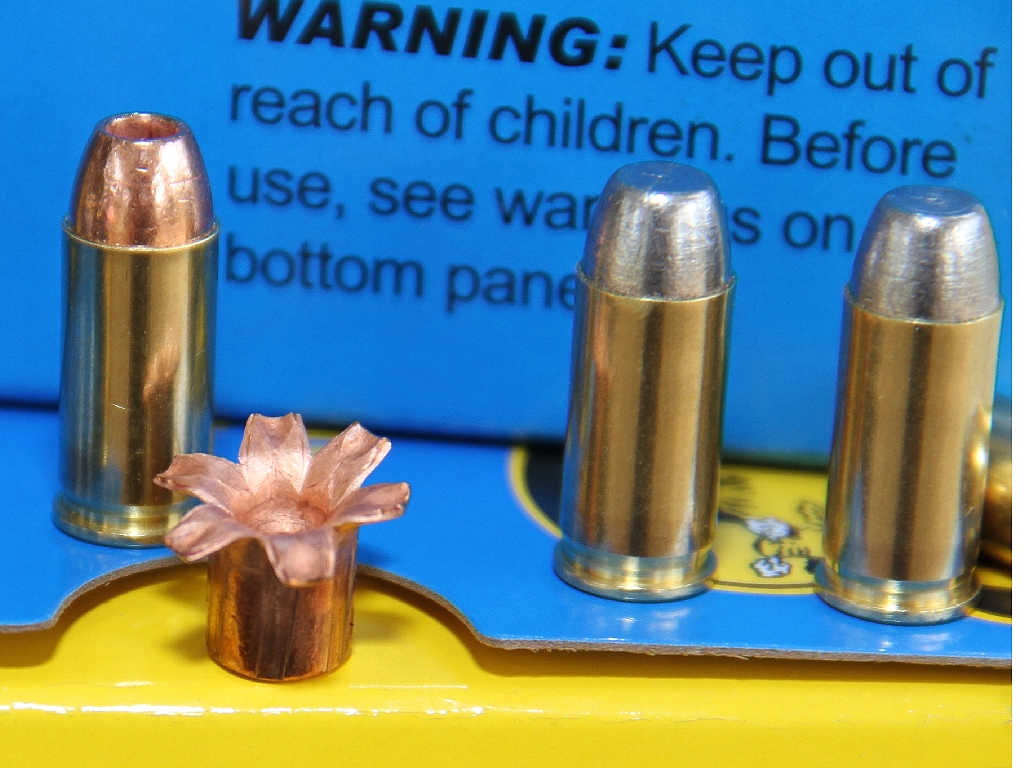
The thirty-two automatic Colt pistol rounds once served brilliantly as the absolute standard defensive choice for numerous European police agencies. Vintage ammunition specifications display seemingly adequate muzzle energy numbers perfectly suitable for simple historical military combat applications. Unfortunately, modern ballistic testing destroys any lingering romantic myths surrounding this highly obsolete miniature cartridge. The remarkably slow-moving spherical bullet frequently fails to penetrate heavy winter layers effectively during close-range defensive situations outdoors. Responsible modern marksmen clearly understand that relying upon this terribly weak caliber invites absolute disaster whenever confronting determined wild predators during remote camping vacations entirely.
.44 Magnum
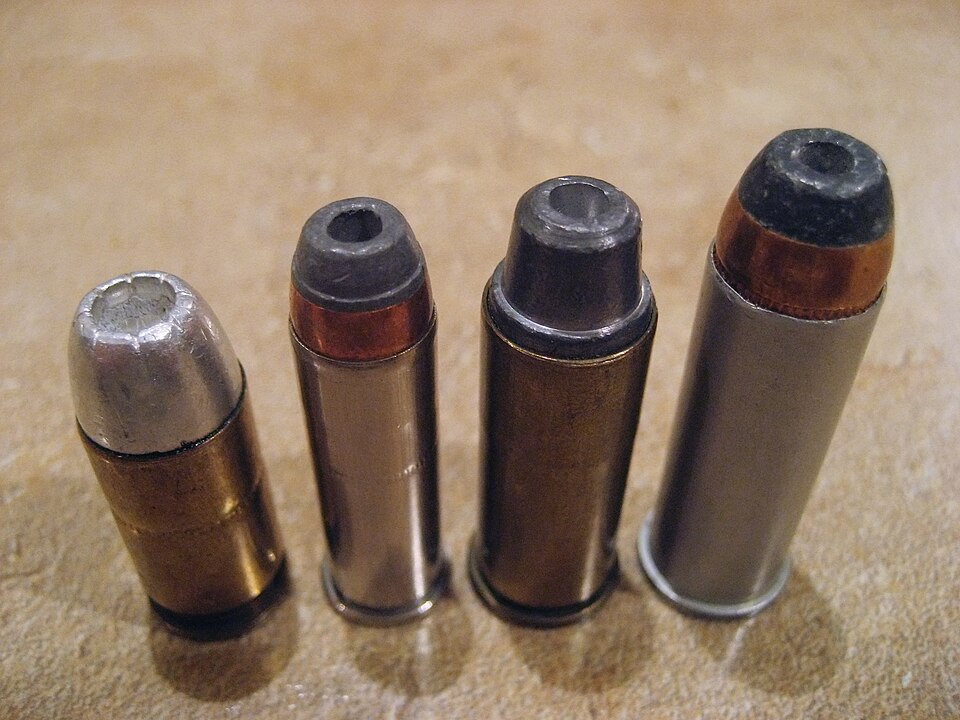
Hollywood blockbuster films absolutely immortalized the phenomenally destructive forty-four magnum cartridge inside massive, beautiful, shiny steel wheel guns completely. Ballistic paper charts confirm this massive round delivers truly spectacular kinetic energy capable of stopping enormous charging bears easily. However, the phenomenally brutal recoil physically paralyzes average recreational shooters attempting to rapidly follow up their initial missed shots. Firing this tremendously loud caliber without heavy hearing protection frequently causes severe permanent auditory damage instantly outdoors. Most enthusiastic buyers quickly realize this highly romanticized powerhouse completely fails as a practical defensive tool because it remains entirely uncontrollable during terrifying emergencies.
.50 Action Express
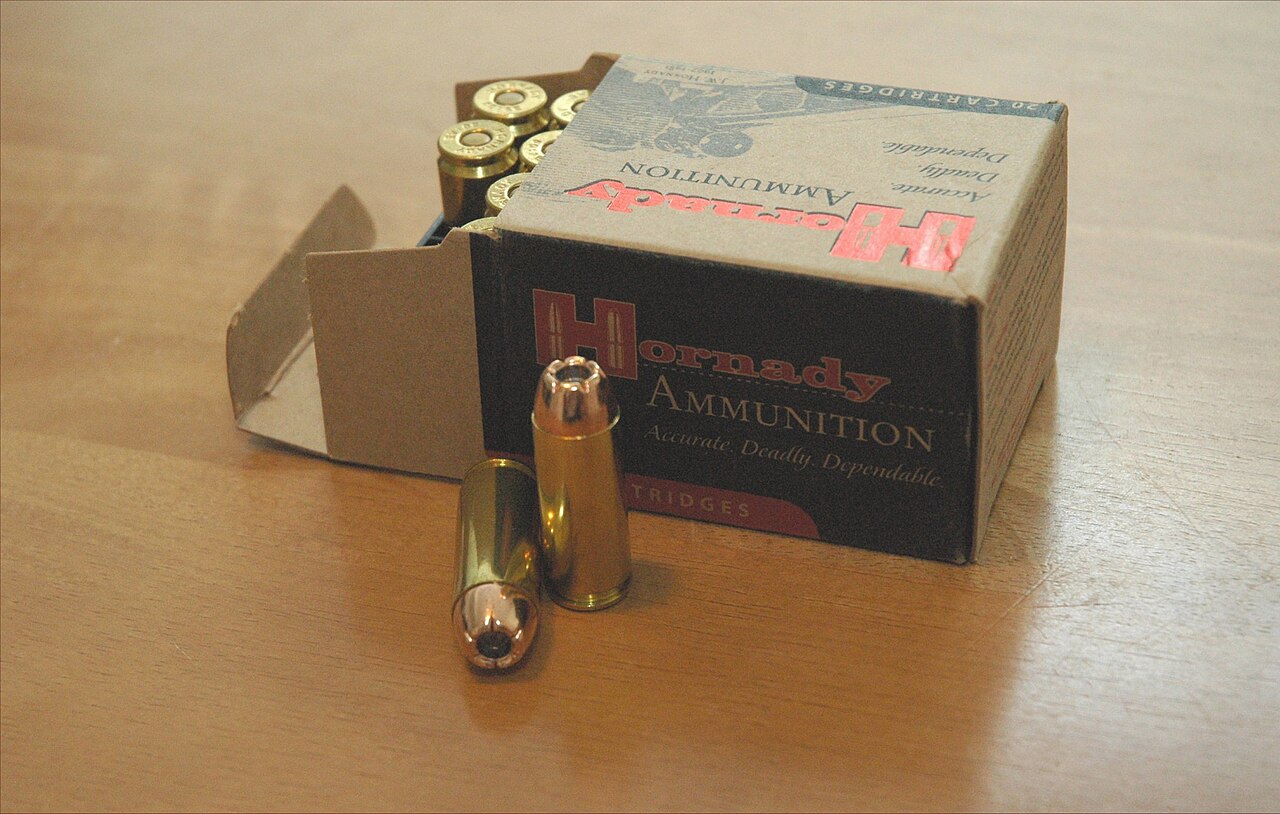
The ridiculously enormous fifty action express cartridge absolutely dominates every single theoretical ballistic conversation regarding raw mechanical stopping power today. Displaying nearly unparalleled kinetic energy numbers on official testing paper makes this heavy round appear completely unstoppable visually. Unfortunately, practically fielding this comically large ammunition during an actual high-stress wilderness emergency proves entirely disastrous for normal human beings. The astronomically expensive hollow point bullets frequently fail to properly expand because their heavy, thick copper jackets remain completely solid upon striking soft tissue. The shockingly heavy host weapons consistently jam terribly whenever thick blowing trail dust enters the action.