Choosing the right caliber matters just as much as choosing the right rifle. Bigger is not always better, especially when the goal is ethical harvesting, manageable recoil, and usable meat. Many hunters are drawn to powerful calibers because of marketing hype or long-range potential, even when their typical game and distances do not require that level of force. Overpowered calibers often bring unnecessary recoil, higher cost, excessive meat damage, and reduced shooting comfort. Understanding when a caliber exceeds real hunting needs helps hunters make smarter, more responsible decisions in the field.
1. .50 BMG
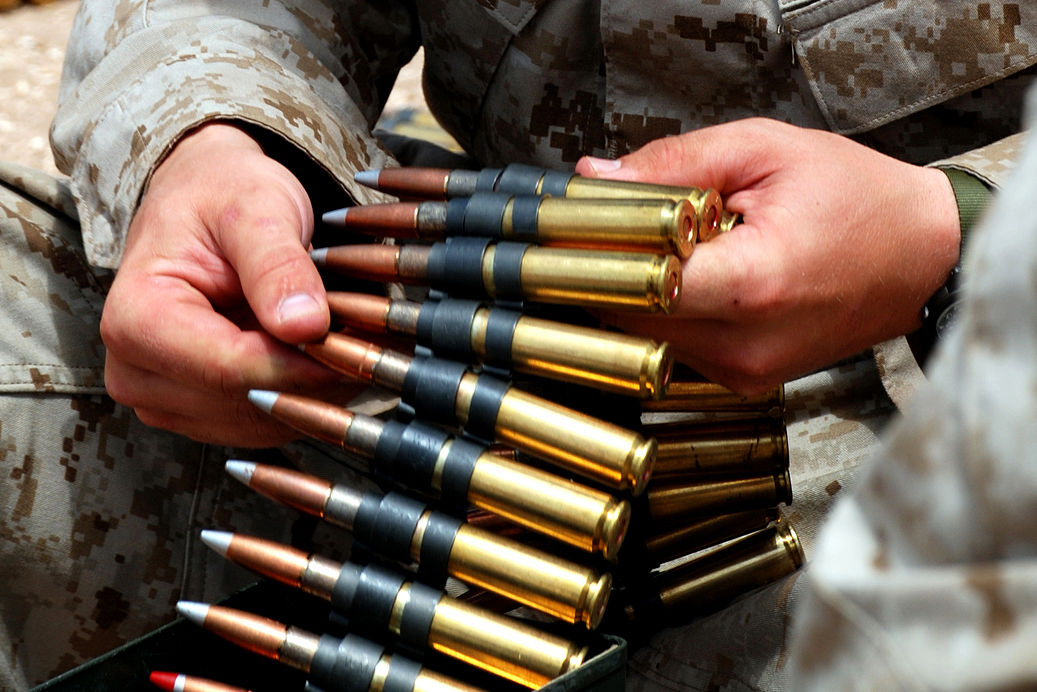
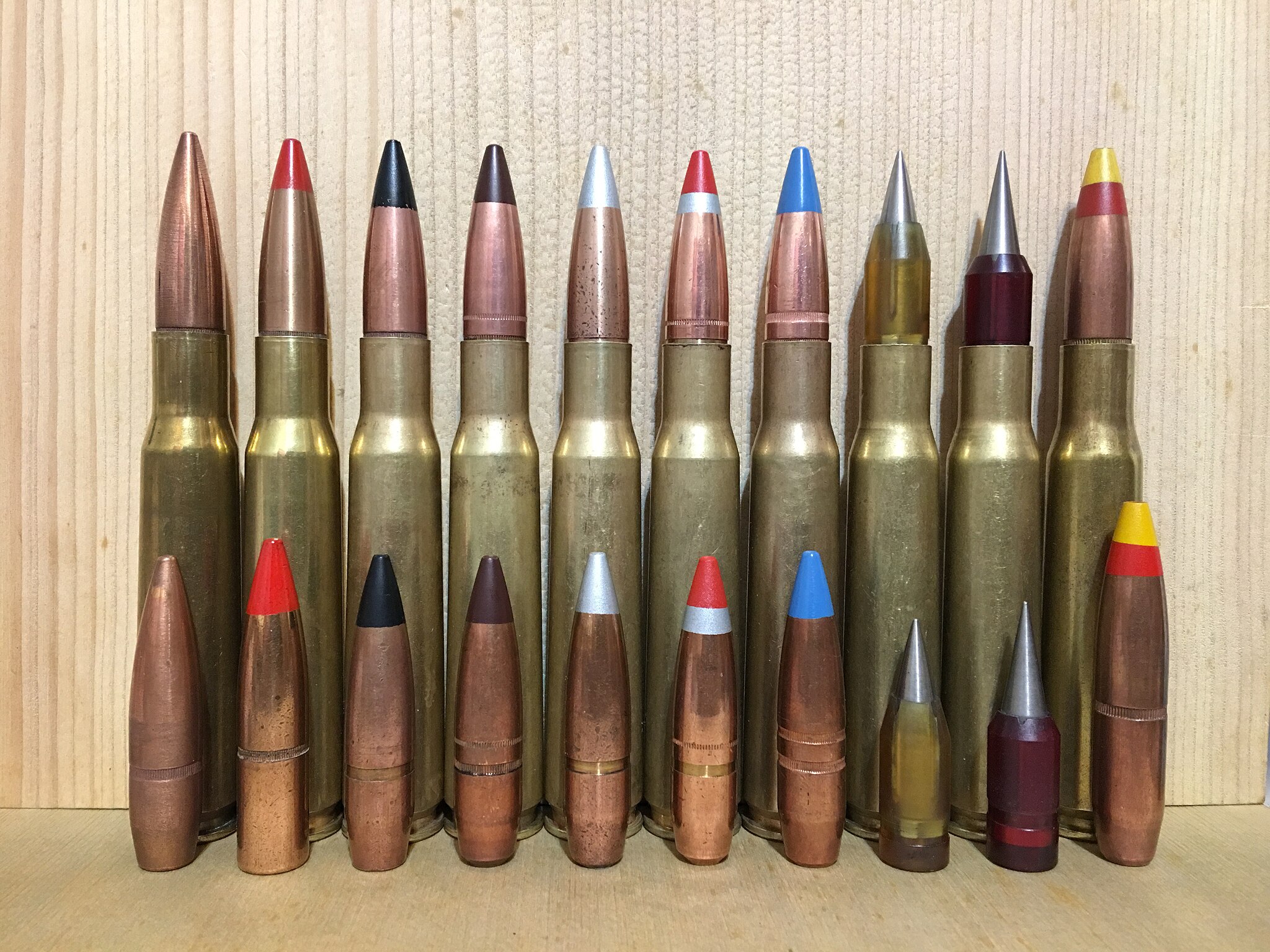
The .50 BMG was designed for military use, not hunting game animals. Its massive power, extreme range, and heavy rifle platforms make it wildly impractical for typical hunting scenarios. Recoil management requires specialized equipment, and the sheer energy delivered far exceeds what is necessary for even the largest North American game. Meat damage would be extreme, and ethical shot placement becomes difficult at common hunting distances. Ammunition is expensive and heavy, limiting mobility. For hunters pursuing deer, elk, or similar game, the .50 BMG offers no practical advantage and many serious drawbacks.
2. .416 Rigby
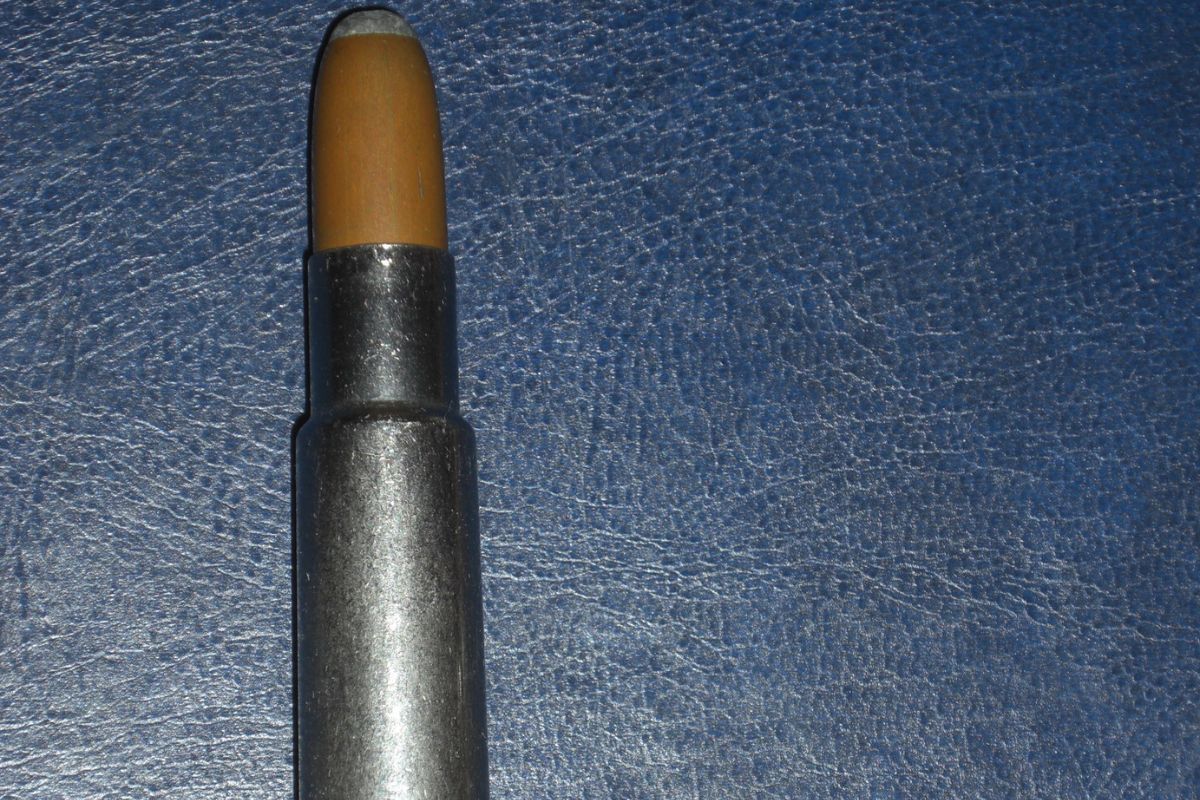
The .416 Rigby is a legendary dangerous game cartridge designed for African big game, such as Cape buffalo. Its heavy bullets and deep penetration are unnecessary for most common hunting animals. Using this caliber on deer or elk introduces excessive recoil, slower follow-up shots, and significant meat loss. Rifles chambered in .416 Rigby are typically large and heavy, reducing comfort on long hunts. Ammunition availability is limited and costly. While respected for its purpose, this caliber far exceeds the needs of a standard North American hunting situation.
3. .458 Winchester Magnum
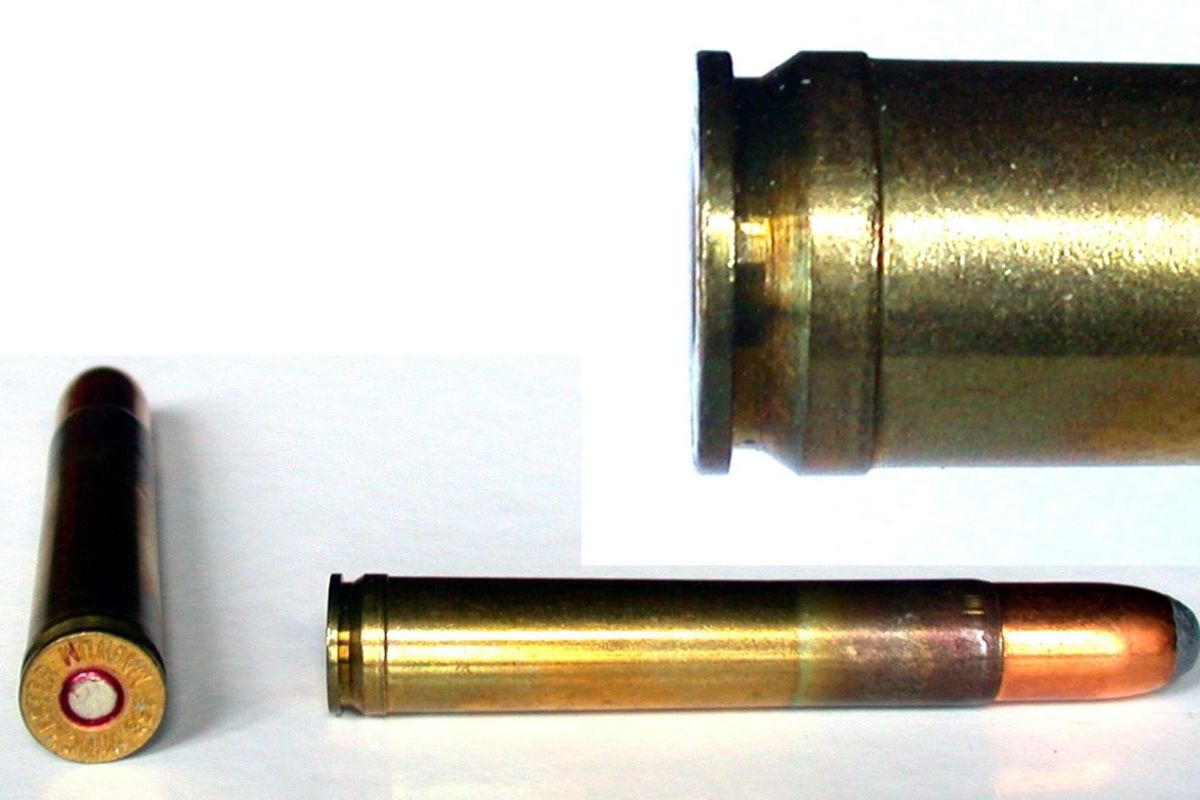
Designed to stop dangerous animals at close range, the .458 Winchester Magnum delivers tremendous stopping power. That level of force is unnecessary for most game animals and can result in excessive tissue damage. The recoil is punishing for many shooters, reducing accuracy and enjoyment. Rifles are heavy, and ammunition is expensive, making it impractical for routine hunting. While it excels in specialized dangerous game roles, using it for common hunts sacrifices efficiency, comfort, and ethical meat recovery without providing meaningful benefits.
4. .375 H&H Magnum
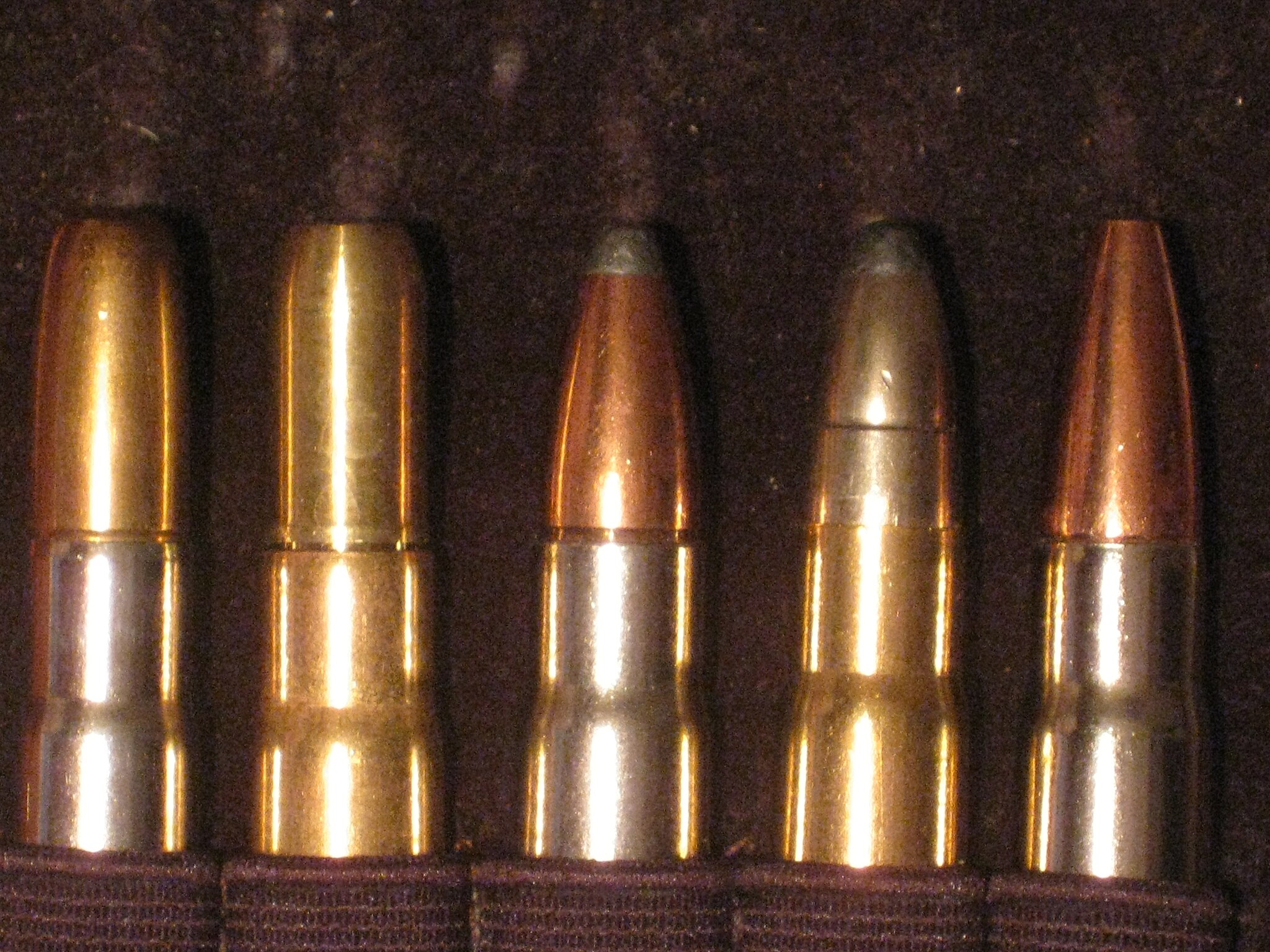
The .375 H&H Magnum sits at the lower edge of dangerous game calibers, yet it still exceeds what most hunters need. It offers deep penetration and strong energy, but for deer or elk, that power is unnecessary. Recoil is substantial, especially for less experienced shooters. Ammunition costs more than common calibers, and rifles are often heavier. While versatile in theory, it is far more caliber than required for typical North American game at standard hunting distances.
5. .338 Lapua Magnum
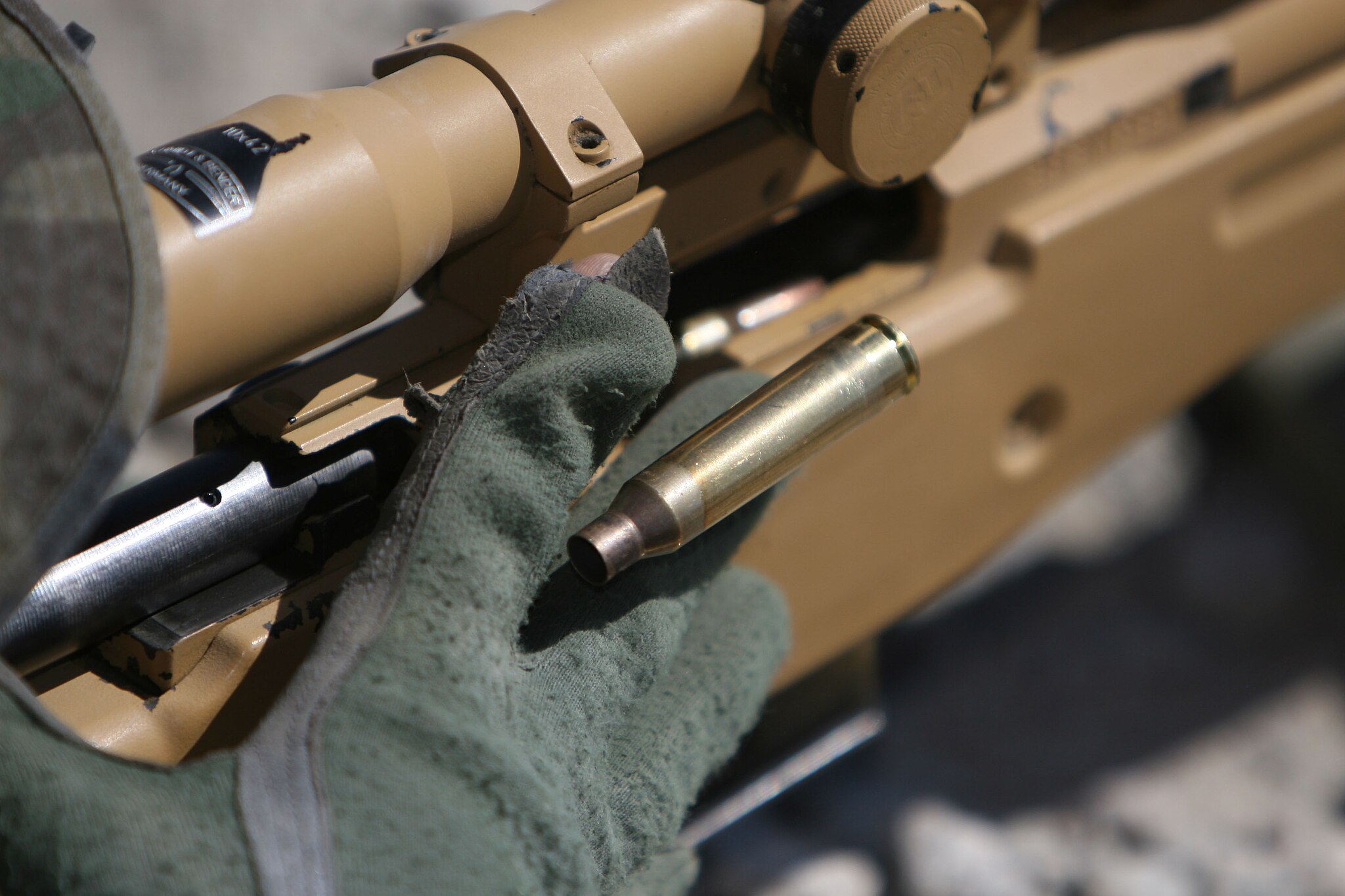
The .338 Lapua Magnum shines in long-range shooting, not everyday hunting. Its design prioritizes extreme distance performance, which most hunters will never need. Rifles are heavy, optics are large, and recoil is noticeable. Ammunition is costly and often excessive for animals taken within normal hunting ranges. The cartridge’s power can cause unnecessary meat damage on medium game. While impressive on paper, it offers little advantage over milder calibers for practical hunting applications.
6. .300 Remington Ultra Magnum
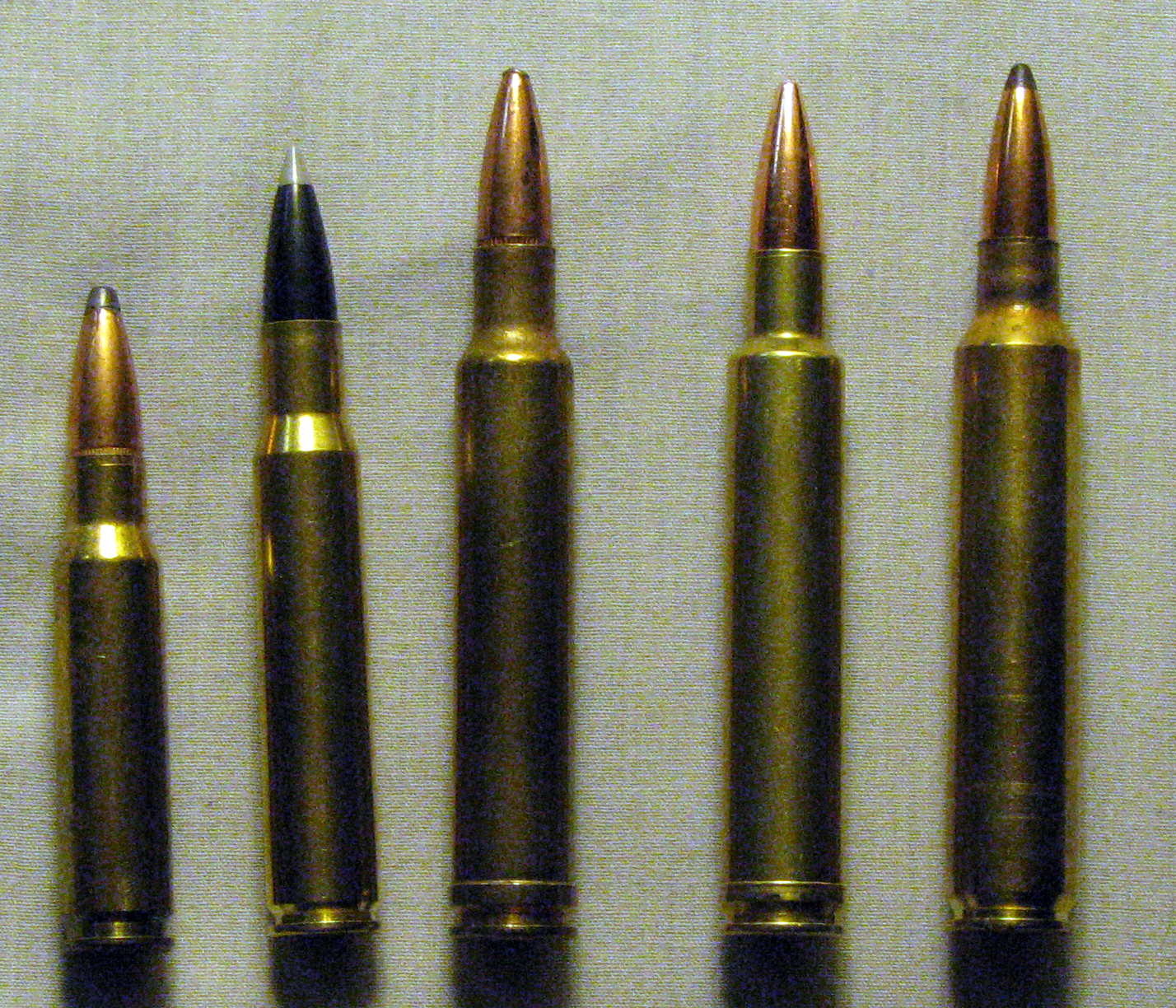
The .300 RUM delivers extreme velocity and energy, often beyond what is required for ethical harvesting. Recoil is sharp, making accurate follow-up shots harder for many shooters. Barrel wear is faster compared to standard calibers, and ammunition costs are higher. While capable at long distances, most hunting shots occur well within ranges where less powerful cartridges perform just as effectively. The added power rarely translates into better results on game.
7. .416 Weatherby Magnum
The .416 Weatherby Magnum offers tremendous speed and penetration, intended for the largest and most dangerous animals. For standard hunting, this level of power is excessive and unnecessary. Recoil is intense, requiring strong technique and experience. Rifles are bulky, and ammunition is expensive and uncommon. Using this caliber for common game risks excessive damage and reduced accuracy without offering meaningful advantages. It is a specialized tool far beyond typical hunting needs.
8. .460 Weatherby Magnum
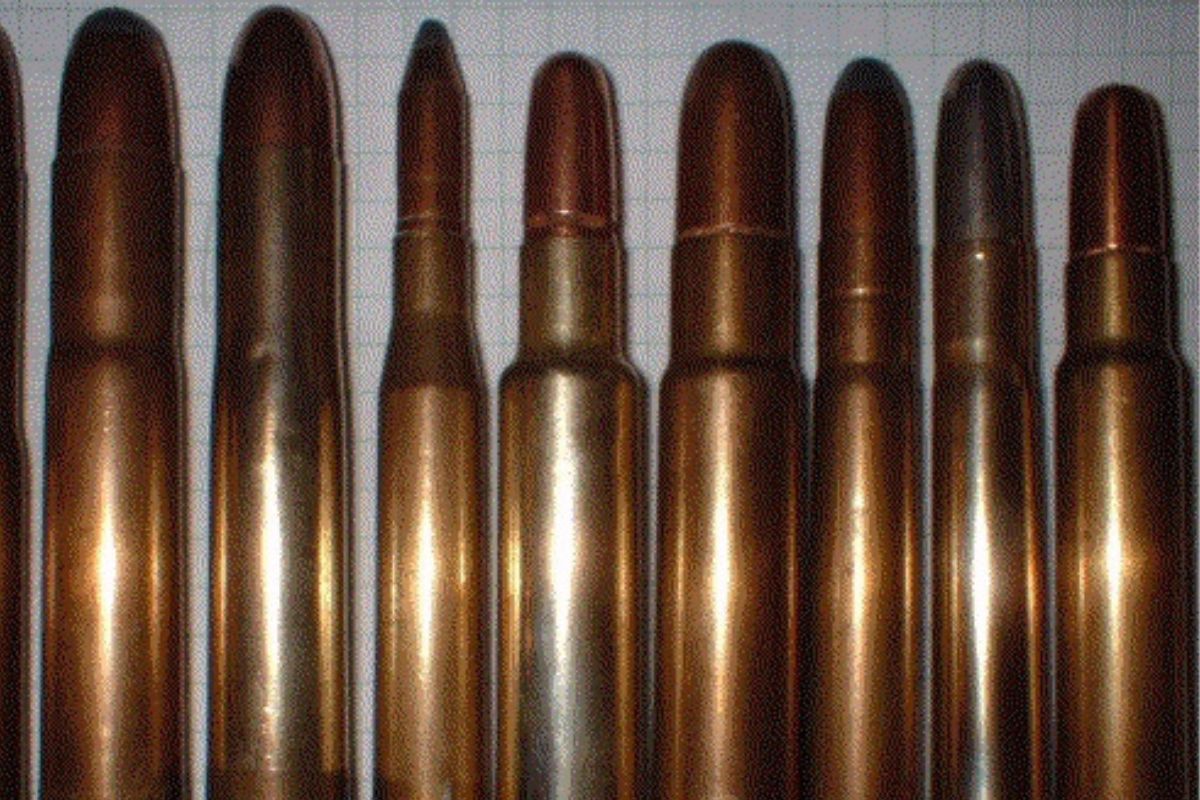
One of the most powerful sporting cartridges ever made, the .460 Weatherby Magnum produces extreme recoil and energy. It was createdto stopg the most dangerous game on Earth. For everyday hunting, it is impractical, uncomfortable, and inefficient. Meat damage would be severe, and rifles are heavy and difficult to handle. Ammunition costs are very high. This caliber represents power for power’s sake rather than responsible hunting utility.
9. .378 Weatherby Magnum
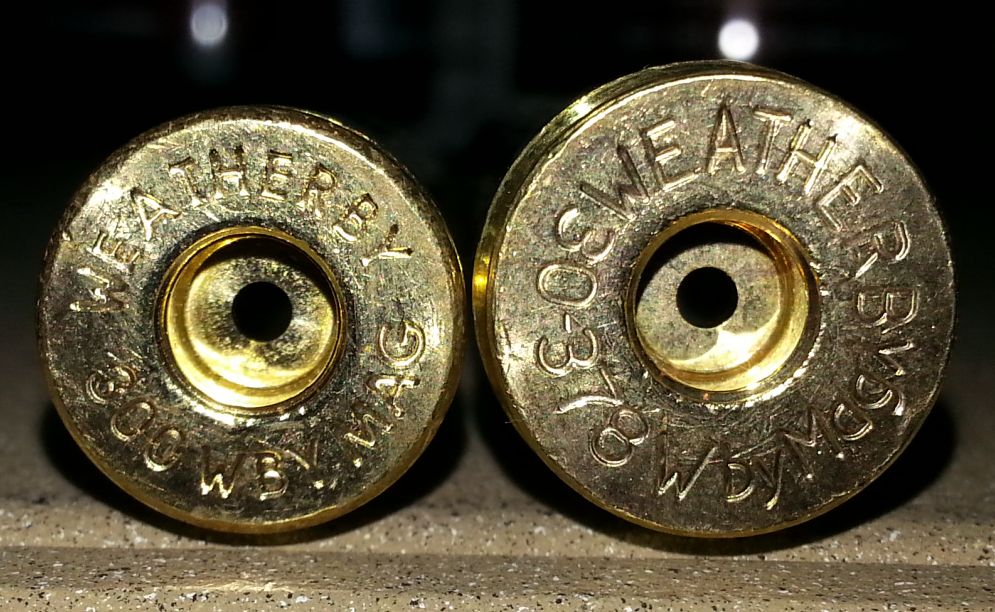
The .378 Weatherby Magnum pushes high velocity and heavy bullets to extreme levels. While impressive, it greatly exceeds the needs of most hunting scenarios. Recoil is strong, rifles are large, and ammunition is expensive. The cartridge’s speed can cause excessive tissue damage on medium game. Hunters gain little benefit compared to more moderate magnum calibers that are easier to shoot and more efficient in the field.
10. .50 Beowulf
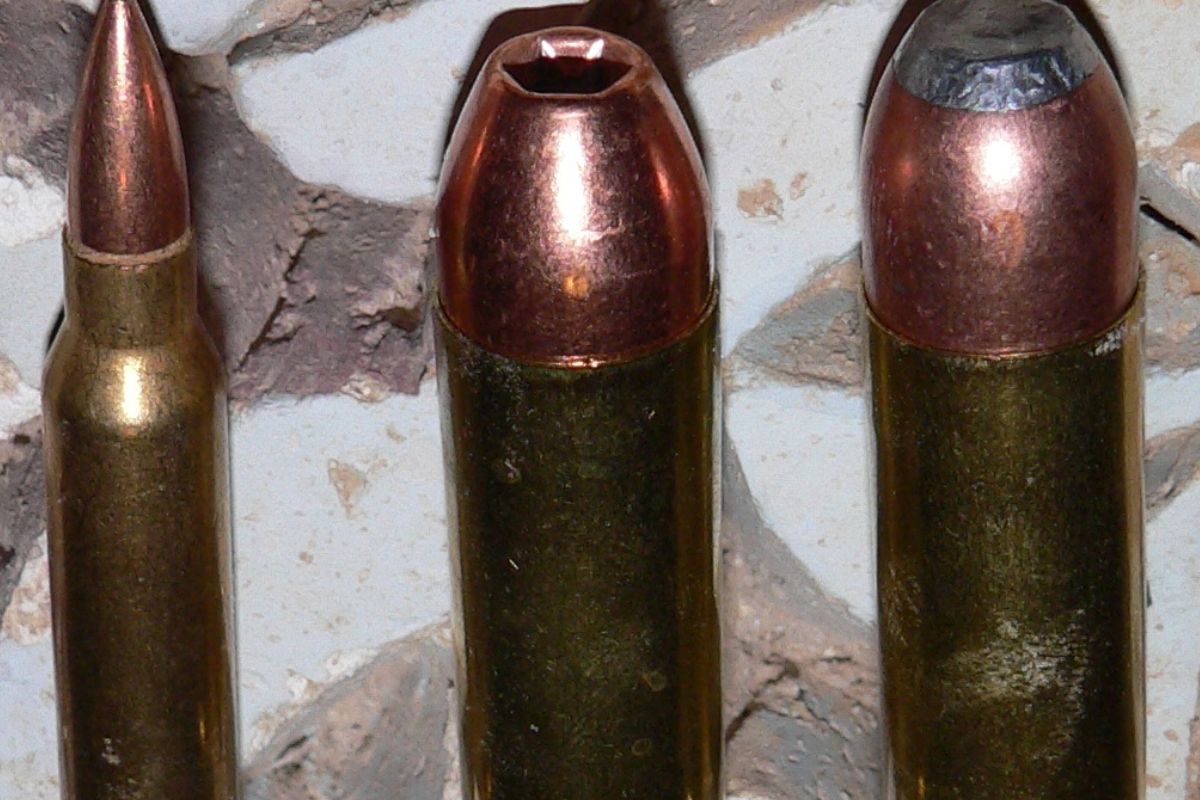
The .50 Beowulf was designed for short-range power in specialized platforms, not traditional hunting efficiency. Its heavy bullet delivers massive impact, often more than necessary for a common game. The effective range is limited, and the trajectory drops quickly. Meat damage can be significant, and recoil is noticeable. While useful in niche roles, it lacks the balance and versatility needed for ethical, practical hunting across varied conditions.