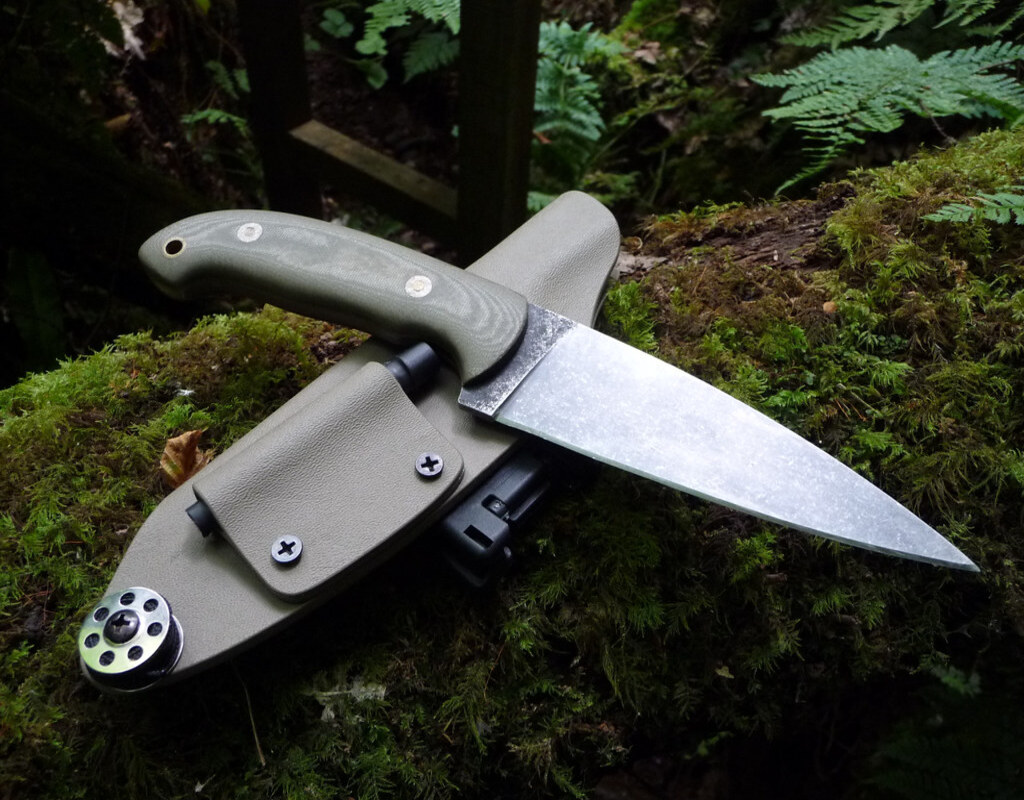
Stainless knives are popular in bushcraft because they resist rust and require less upkeep than carbon steel, but they are not indestructible tools. Despite their durability, stainless blades have limitations that many outdoor enthusiasts overlook when tackling demanding camp tasks. Certain jobs place excessive stress on the steel, weaken the edge, or risk permanent damage that a basic sharpening session cannot undo. Understanding these limits helps bushcrafters protect their gear and avoid unsafe practices. Knowing when to reach for the right tool ensures better performance and keeps your stainless knife reliable during extended time outdoors.
1. Never Use It to Pry Heavy Objects
Prying is one of the fastest ways to ruin a stainless knife because it subjects the blade to twisting forces that steel simply isn’t designed to handle. Even tougher stainless alloys can chip, bend, or snap when used to lift wedged rocks, open tight knots, or lever apart wooden joints. The tang may also loosen if stress travels down the handle, making the knife unsafe to use afterwards. While stainless steel resists corrosion well, it does not resist lateral pressure nearly as effectively. A small fixed-blade knife is for cutting, not prying, so always carry a proper pry tool or multitool instead.
2. Avoid Batoning Through Knotty or Oversized Wood
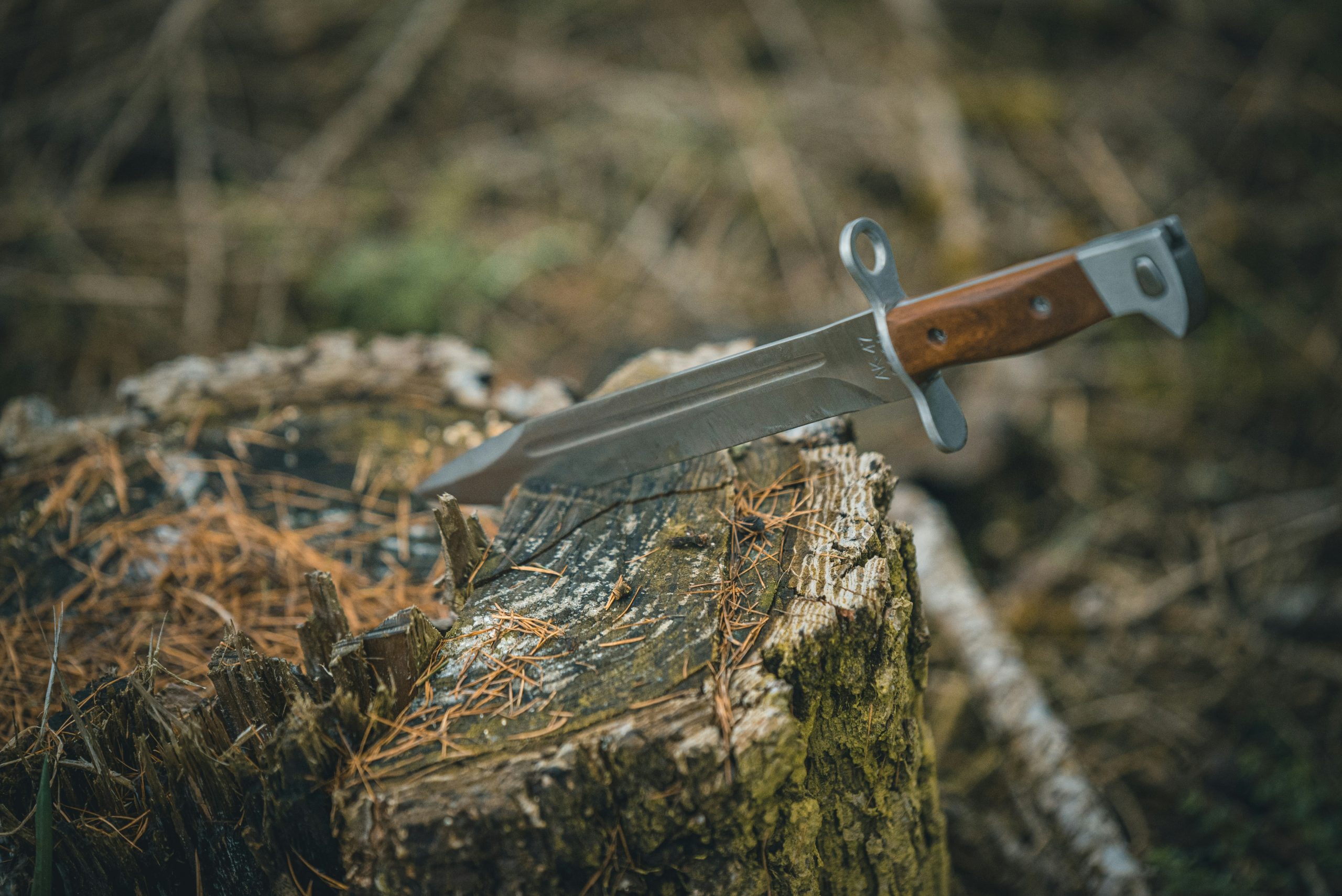
Batoning is common in bushcraft, but forcing a stainless knife through thick or knot-filled wood can overstress the blade and create micro-fractures near the edge. Knots act like small hardwood barriers, stopping the blade suddenly and concentrating shock into one point. Stainless steel is strong, yet its tougher alloys can still snap if repeatedly hammered through irregular grain. This not only risks breaking the knife but also poses a safety hazard if the blade twists unexpectedly. When wood is too dense or oversized, it’s smarter to use an axe, hatchet, or saw designed to handle those heavy-duty impacts.
3. Do Not Use It as a Throwing Knife
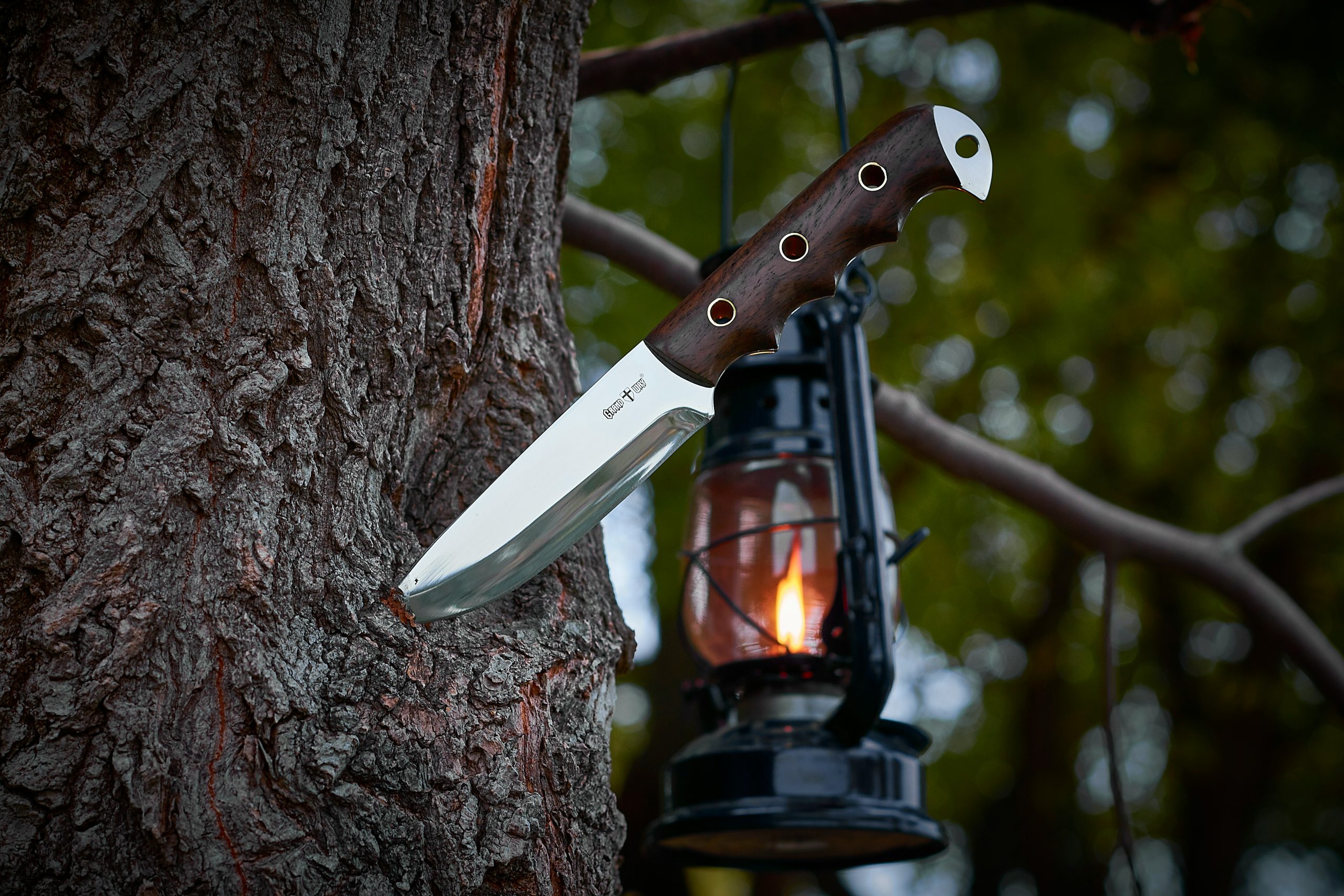
Throwing a stainless steel knife might seem harmless or fun, but it dramatically increases the chance of bending, chipping, or breaking the blade. Stainless knives are heat-treated for cutting performance, not the repetitive, violent impacts that occur when a thrown knife hits a hard target or bounces unpredictably. Even if the blade survives, the handle scales, pins, or tang joints can loosen over time. Throwing also dulls the edge quickly, making it far less reliable for real bushcraft work. If you want to practice knife throwing, use a dedicated throwing blade rather than risking damage to your essential outdoor tool.
4. Never Hammer or Strike the Spine With Metal Tools
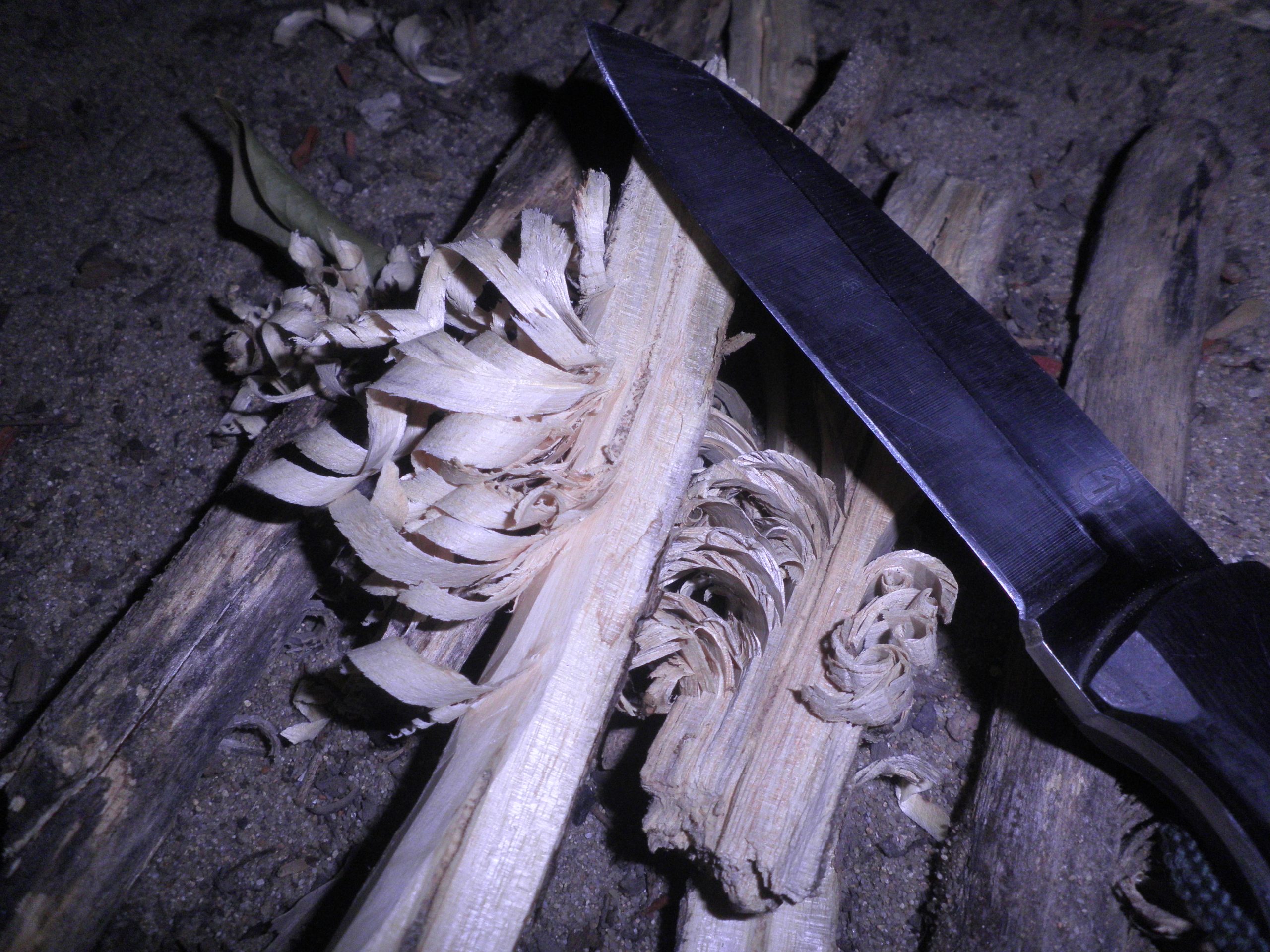
Striking the spine of a stainless knife with another metal object may seem like a shortcut when splitting wood or freeing stuck gear, but it can cause serious long-term damage. The concentrated metal-on-metal impact can deform the spine, weaken the heat treatment, and create stress fractures that spread with continued use. This kind of abuse can also throw the edge alignment off, making sharpening more difficult. In bushcraft, tools often double as improvisations, but a stainless knife is not built to withstand hammering. A wooden baton, if used gently, is acceptable; metal hammers are not.
5. Avoid Digging or Scooping Soil, Clay, or Sand
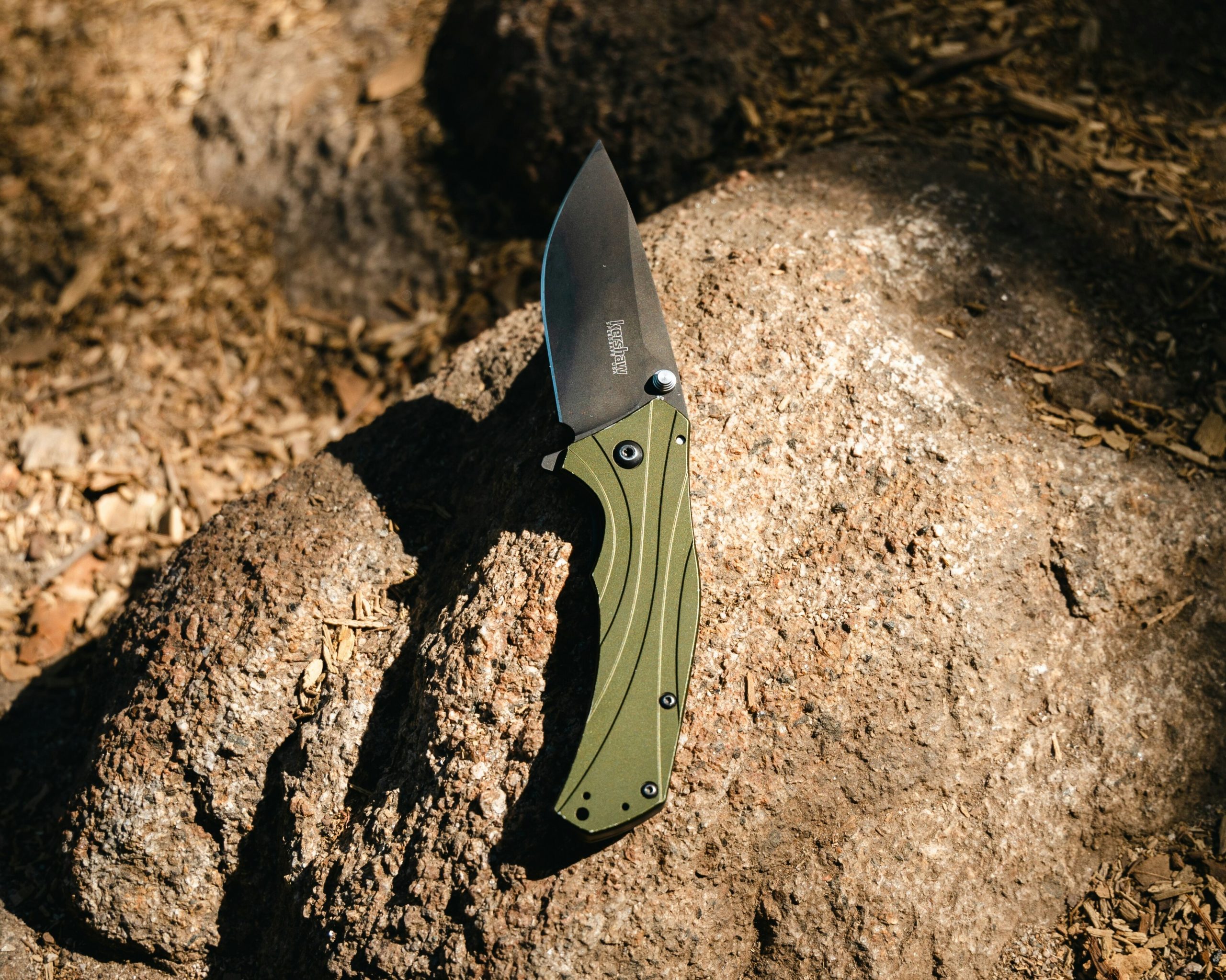
Digging with a stainless knife seems convenient when you don’t have a trowel, but it exposes the blade to abrasive materials that dull the edge almost immediately. Sand, dirt, and small stones scrape the cutting surface, leaving scratches and microchips that weaken overall performance. The leverage required to dig also stresses the knife, especially if the soil hides roots or rocks. Stainless steel resists rust well, but gritty debris can cling to the blade and grind against it during future tasks. A compact folding shovel or sturdy stick is a better choice for any type of ground work.
6. Never Use It to Cut Metal Wire or Nails
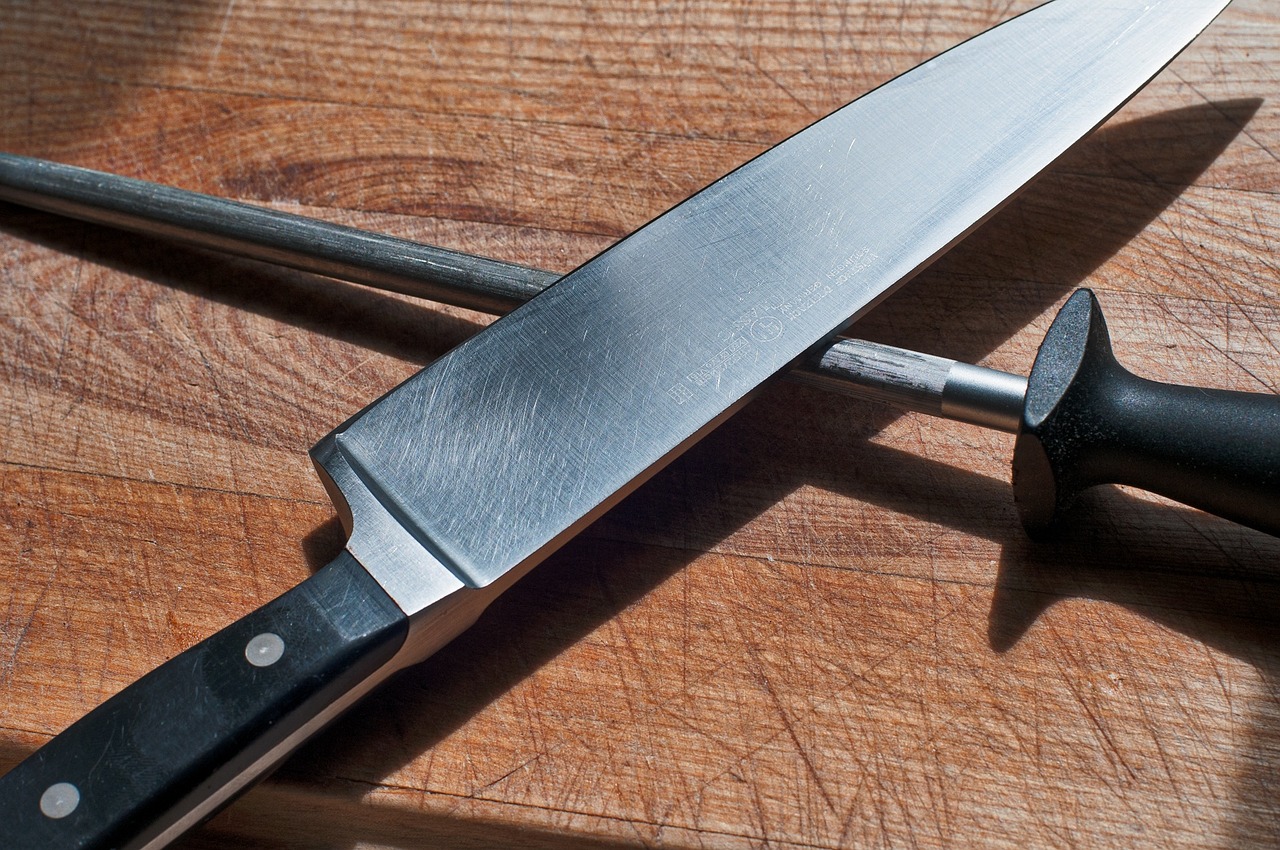
Cutting metal wire, nails, or fencing with a stainless knife may appear to save time, but it can cause deep chips along the cutting edge that are extremely difficult to repair. Stainless knives are hardened to slice organic materials, not shear through tough metal objects that require far more compression strength. Even soft wire can roll the edge and ruin its sharpness, leaving you with a blade that performs poorly for carving or food prep. Using the knife improperly also risks slipping and causing injury. A proper wire cutter or multitool is always the safer and more effective option.
7. Do Not Use It to Strike Ferro Rods Aggressively
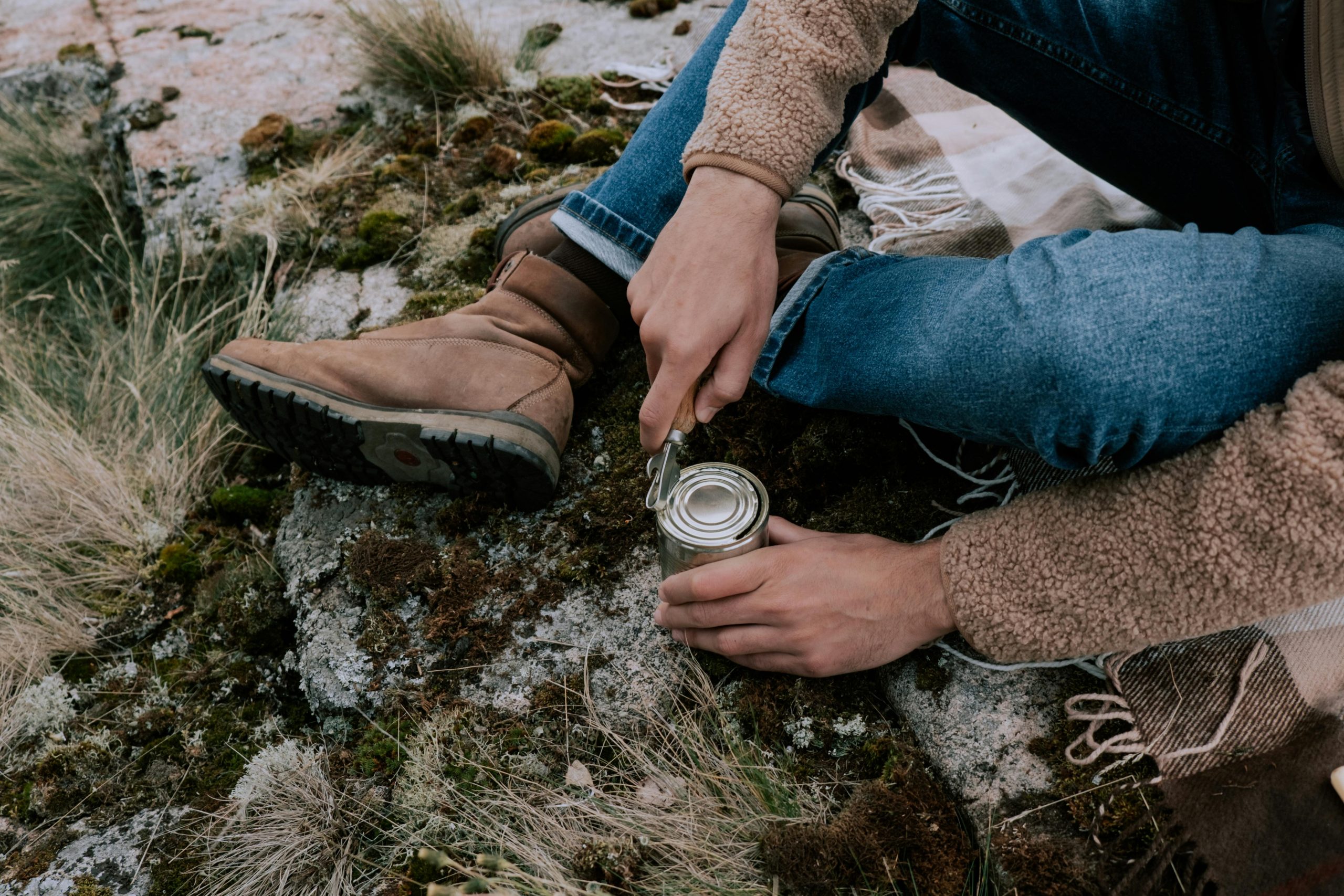
Starting a fire with a ferro rod is a common bushcraft skill, but scraping aggressively with the knife’s spine can damage both the blade and the heat treatment. Some stainless knives have spines designed for sparking, while others have a round spine intentionally to reinforce structural strength. Using the wrong blade section can wear down coatings, dull the spine, or create burrs that degrade performance. Harsh scraping can also slip and cut your fingers during cold or wet conditions. It’s far better to carry a dedicated ferro striker or use a purposely squared spine if the knife is designed for it.
8. Avoid Using It as a Food Chopper on Hard Surfaces
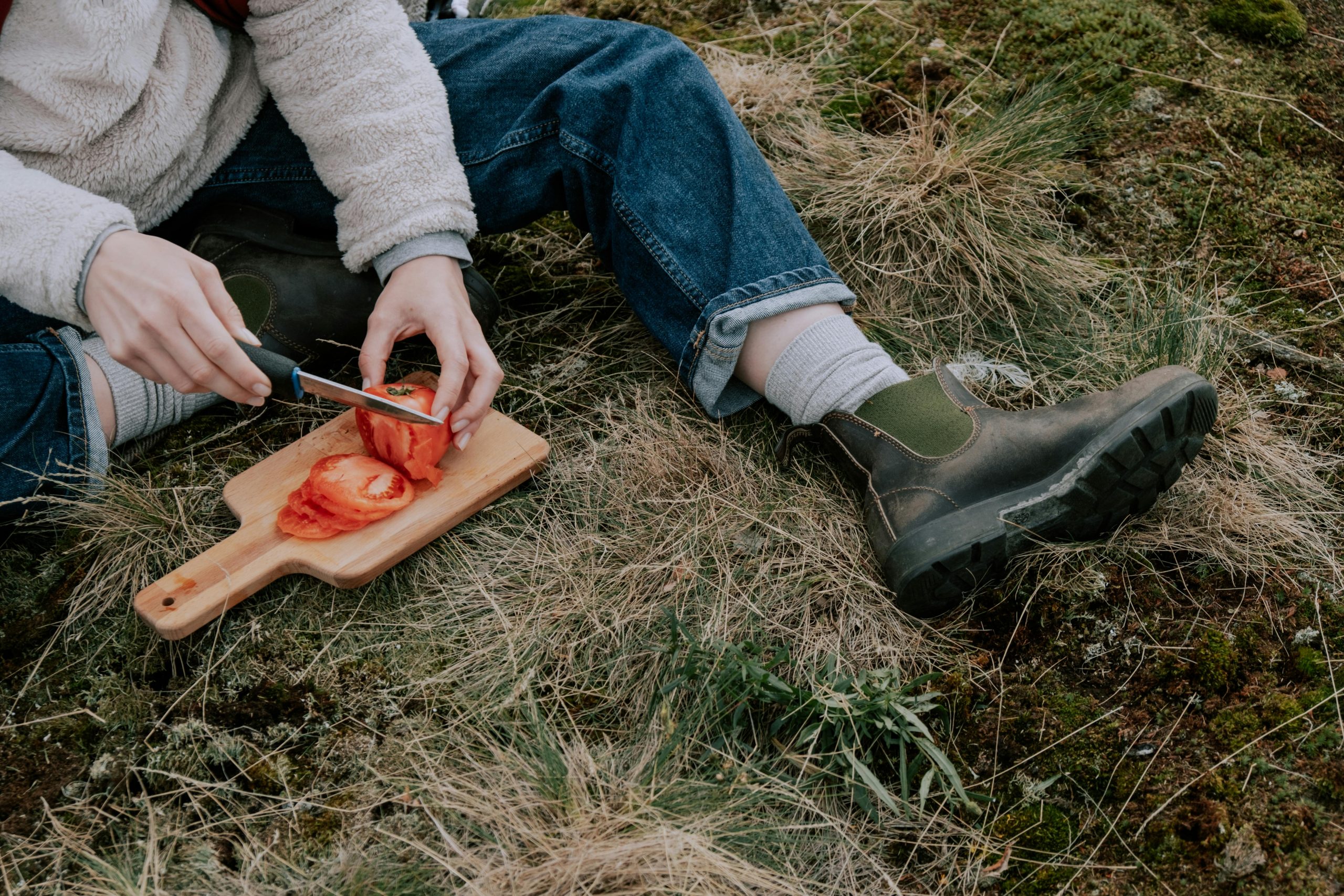
Chopping food on stone, metal, or even dense wood can quickly dull a stainless knife, as the repeated impacts crush the edge rather than allowing it to slice cleanly. Stainless steel loses sharpness faster under direct compression, especially when the cutting board is unforgiving. Hard surfaces can cause microchips and flatten portions of the edge, making fine bushcraft tasks like feathering sticks or carving notches far more difficult. A flat wooden log or dedicated camp board is a much safer option. Preserving edge quality is essential, and poor chopping habits create unnecessary long-term maintenance issues.
9. Never Heat the Blade Directly in a Fire
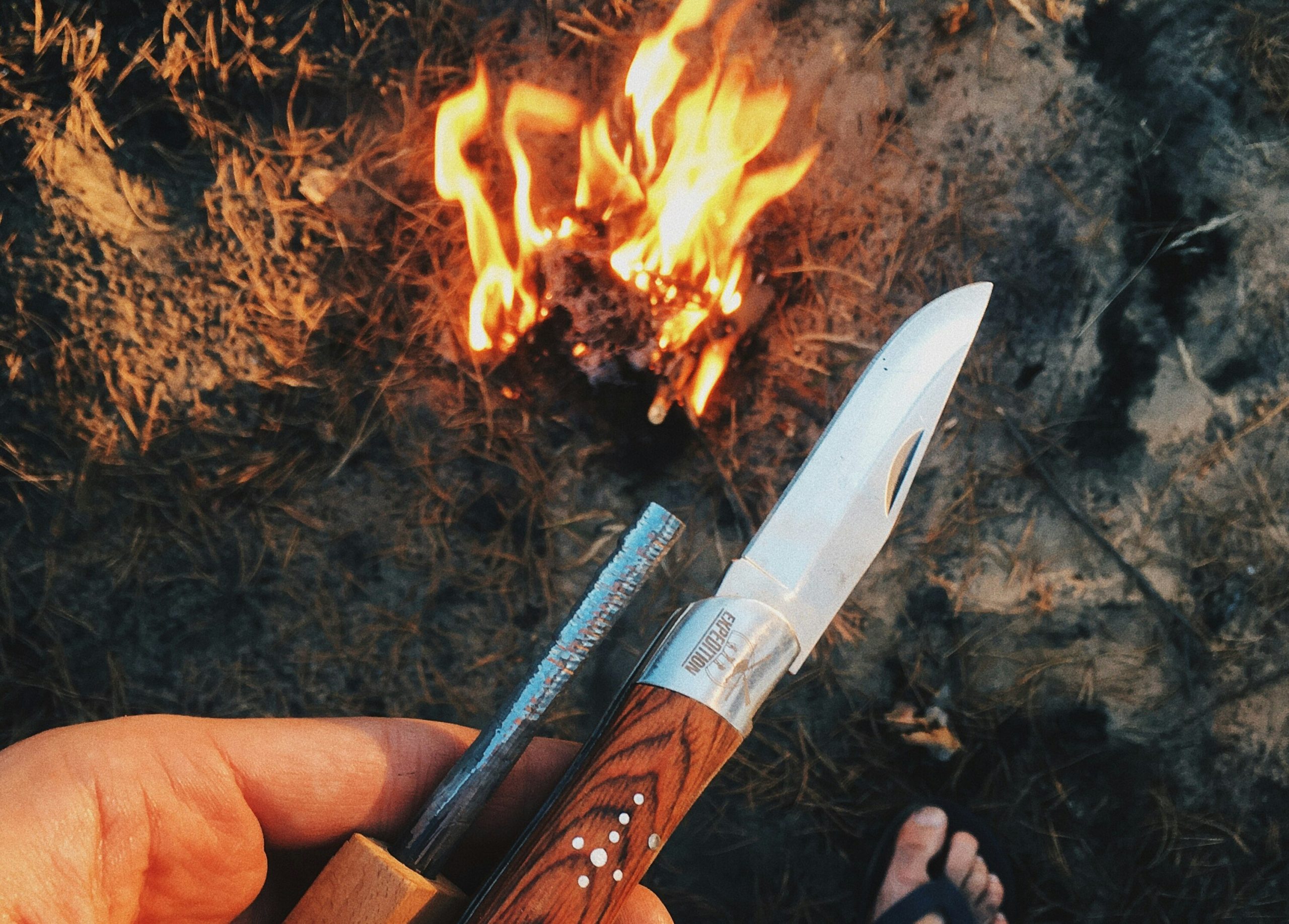
Heating a stainless knife over flame may seem like a survival trick for sterilising or bending metal, but it can permanently ruin the blade’s heat treatment. High temperatures alter the steel’s hardness and temper, making the edge brittle, soft, or unevenly warped. Once that change occurs, a stainless knife can never return to factory performance. Heat also damages handle materials, adhesives, and pins, putting the entire knife at risk. If sterilisation is needed, boiling water is safer. A stainless blade should never be used as a makeshift fire poker or exposed directly to open flame.
10. Avoid Using It for Heavy Carving in Frozen Wood
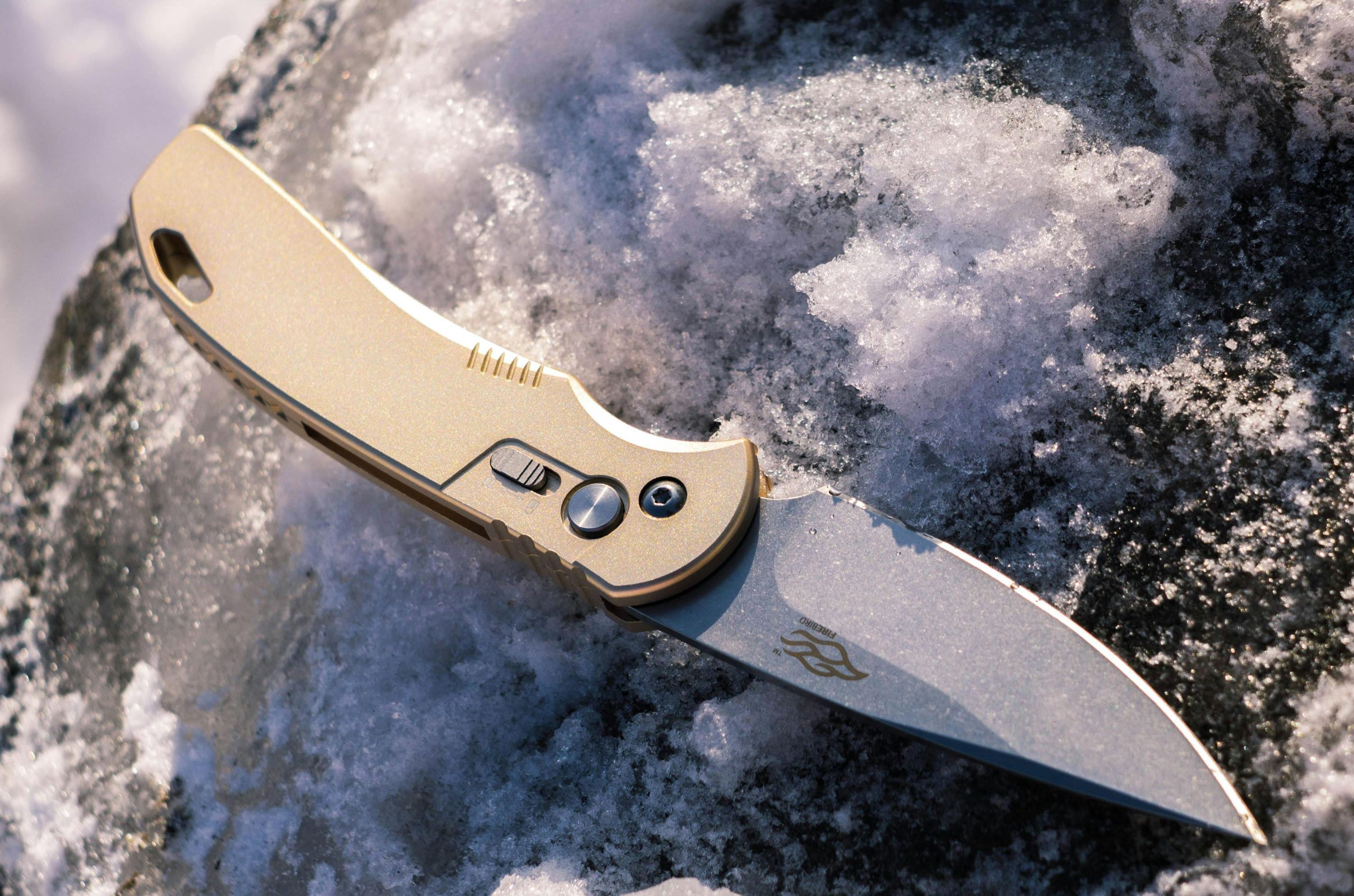
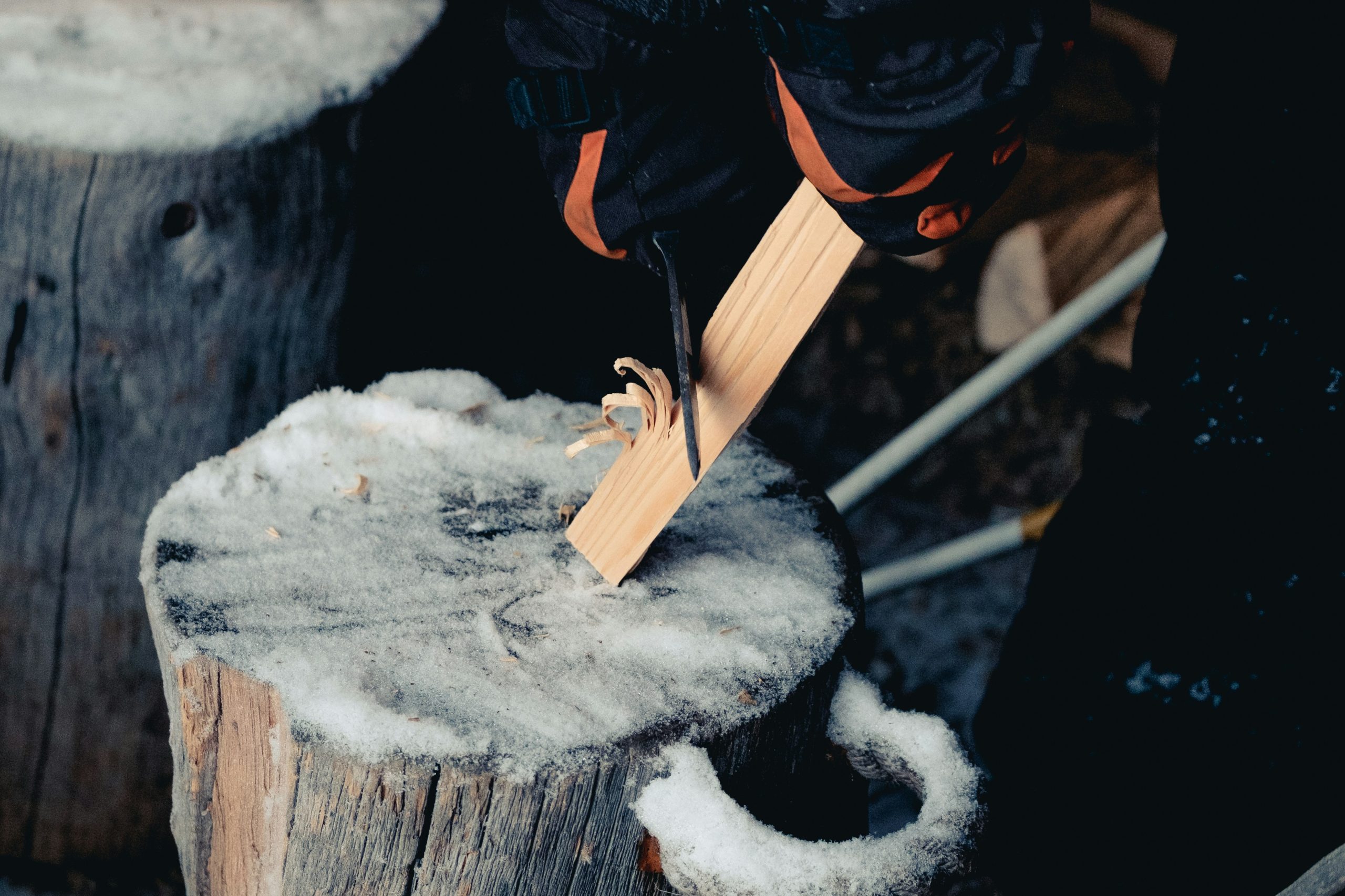
Frozen wood behaves more like stone than timber, and forcing a stainless knife through it can create fractures along the edge. Cold temperatures make steel more brittle, especially thin edges designed for fine carving. Trying to notch, split, or shape frozen branches increases the likelihood of chipping or rolling the blade. The strain also travels into the handle, where cold weather can make materials shrink or crack. If you must process frozen wood, warm it near the fire first or switch to a sturdier tool such as an axe or saw. These simple precautions preserve edge geometry and reduce the chance of field-ending damage or injury.