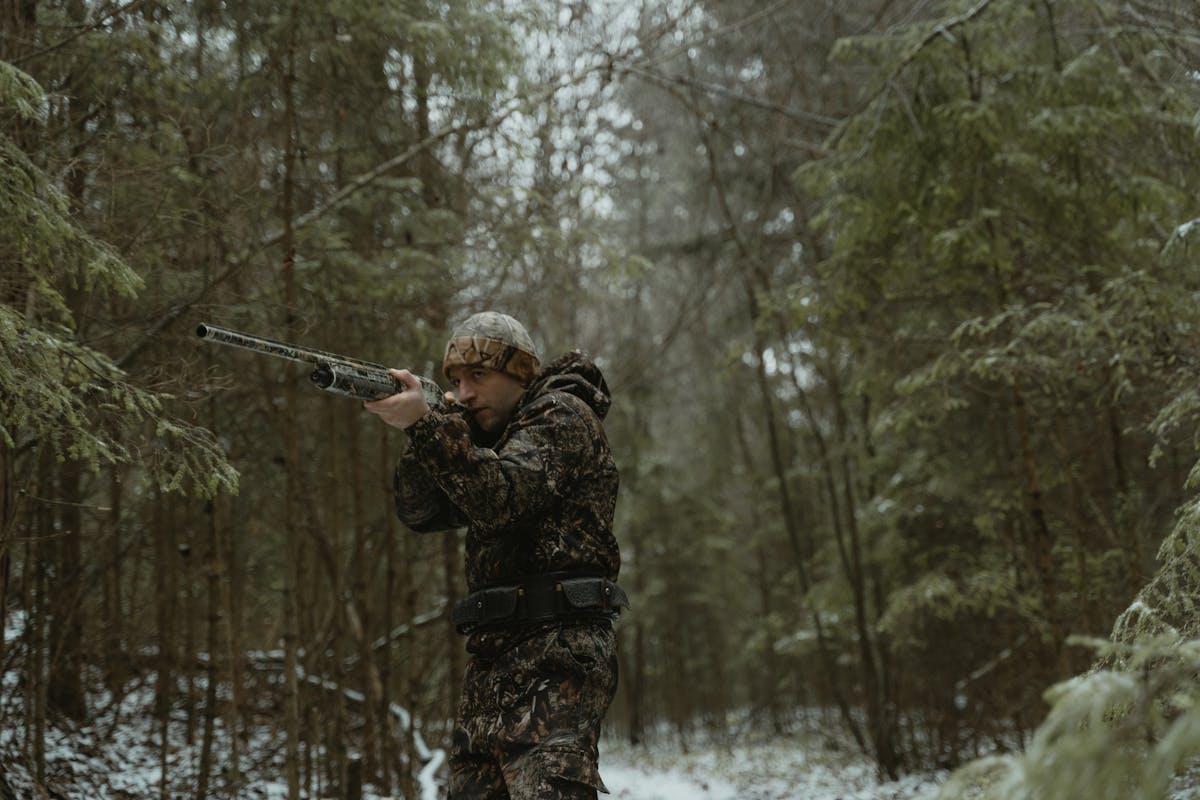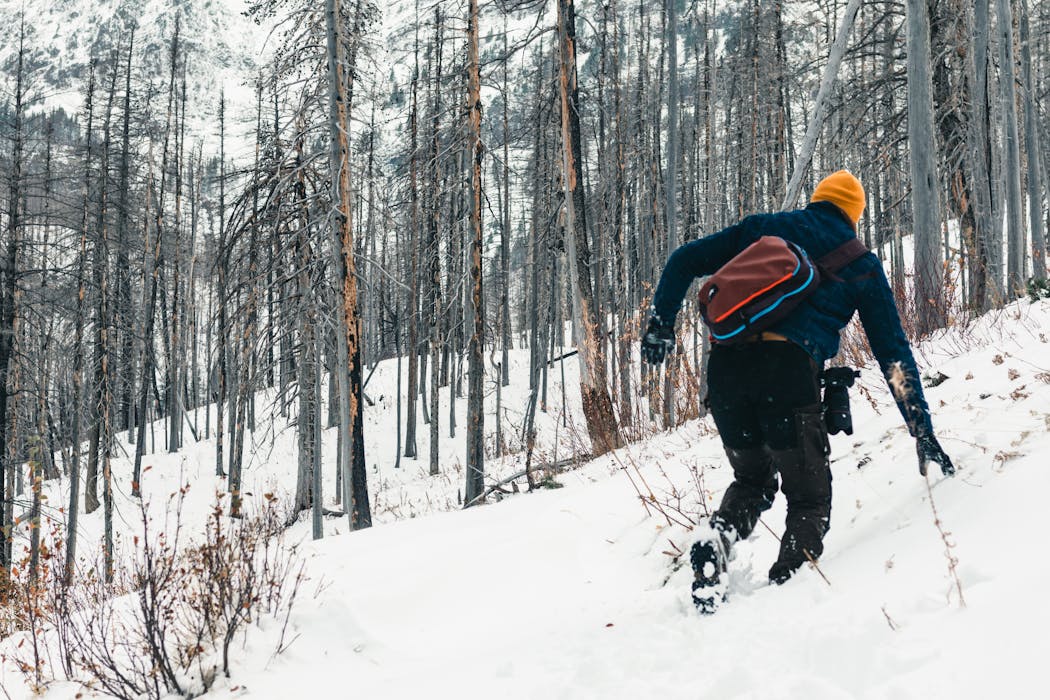
Online bushcraft tutorials often show outdoor skills in simplified, dramatic ways that do not match real conditions found in forests, mountains, and remote backcountry. Many of these tips appear trustworthy because they look easy on video, yet they overlook weather changes, terrain challenges, and natural variables that affect safety. These myths spread quickly and encourage unrealistic expectations that can cause stressful or dangerous situations. Understanding why these ideas fail in practice helps create safer habits and better decision-making during outdoor travel.
Moss Always Grows on the North Side of Trees
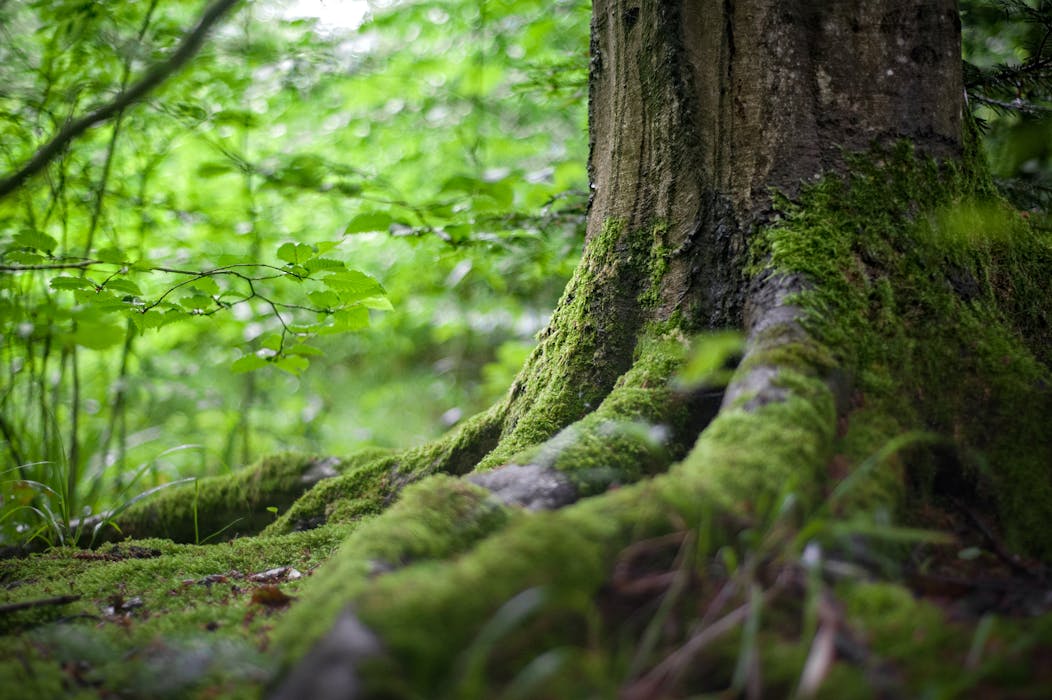
The belief that moss reliably grows on the north side of trees ignores how sunlight, moisture, and shade influence its spread. In reality, moss grows wherever conditions remain damp, meaning it can appear on all sides of a trunk or only in scattered patches. Seasonal shade patterns often shift as trees grow or canopy density changes. Depending on moss for navigation easily leads travelers in the wrong direction, especially in dense or humid forests where moss covers multiple surfaces.
Boiling Water for One Minute Makes It Safe

Boiling water can remove many harmful organisms, but the belief that one minute is always enough fails to account for variations in temperature, contamination, and altitude. Water boils at lower temperatures in elevated areas, reducing its ability to kill certain pathogens. Some sources contain chemical pollutants or sediment that boiling cannot remove. Relying only on quick boiling encourages false confidence when more thorough treatment methods remain necessary for safety.
Rubbing Sticks Together Starts a Fire Quickly
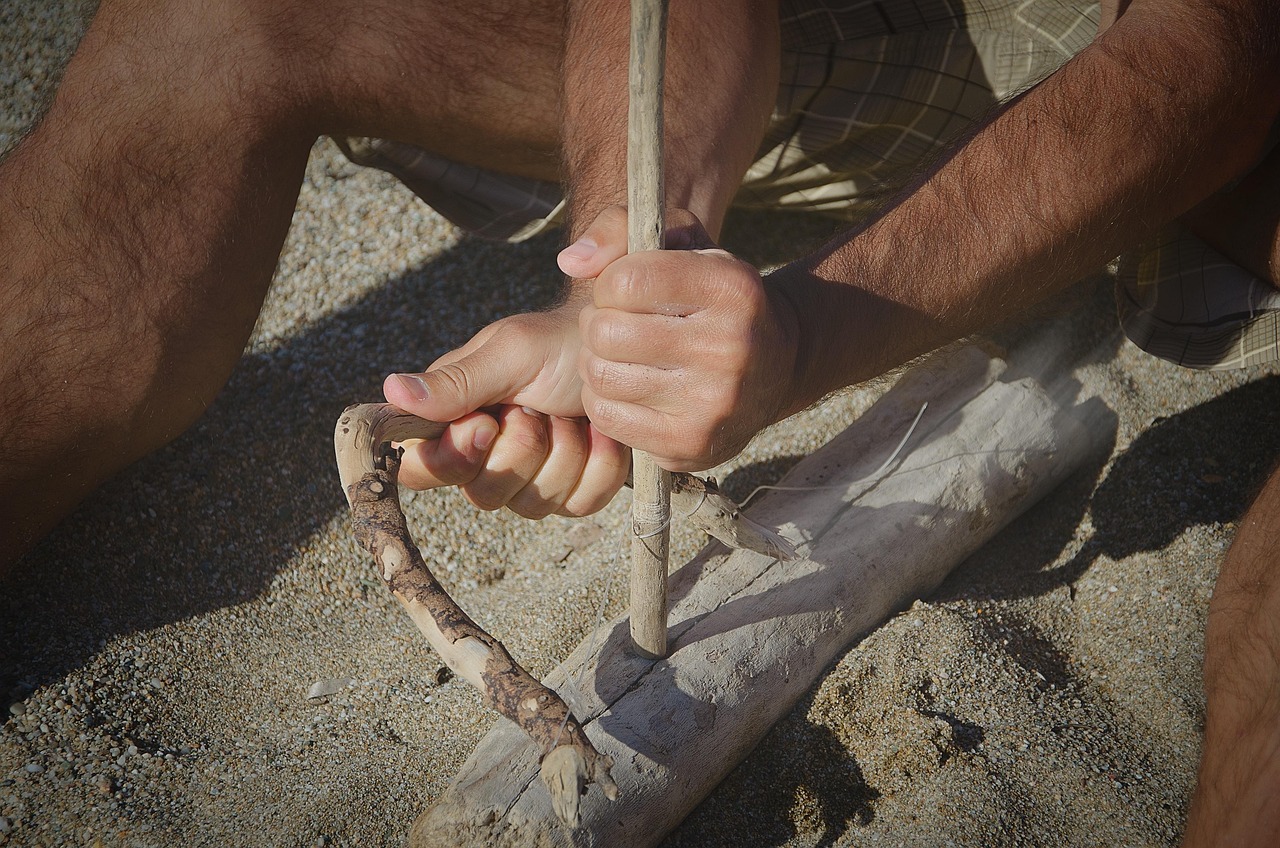
Friction-based fire appears simple online, but real conditions make it one of the most challenging fire-starting methods. Humidity, wood density, and the moisture content of tinder all affect how much heat can be produced. Even slight variations in pressure or rhythm prevent an ember from forming. Attempting friction fire without preparation often wastes energy that should be spent gathering dry materials or building a wind-protected fire bed.
Eating Any Insect Provides Reliable Nutrition
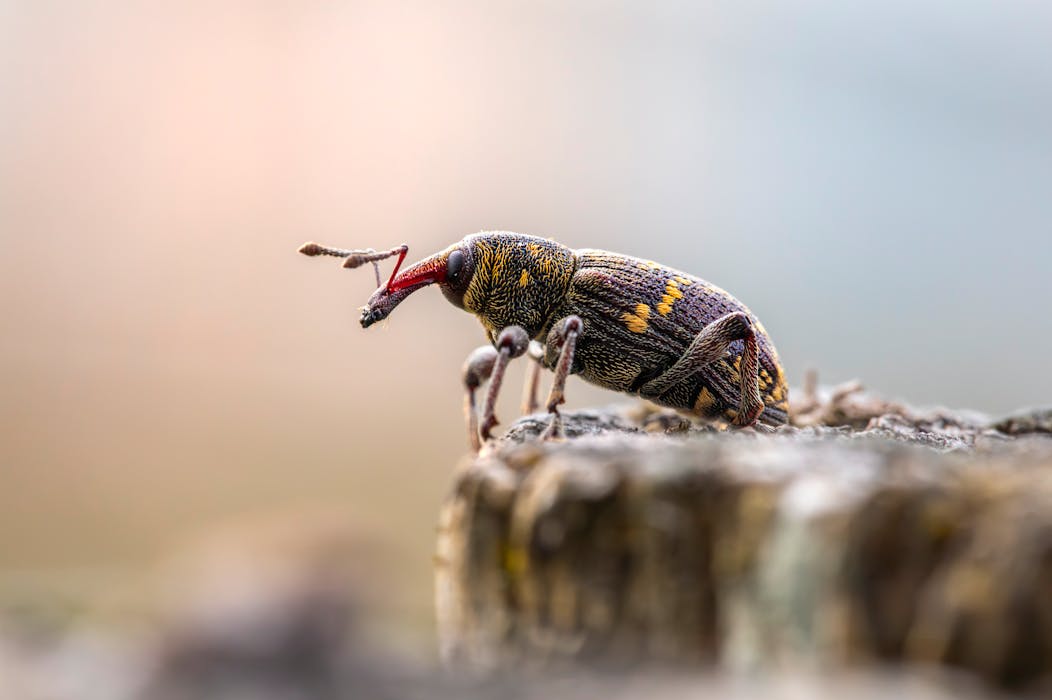
The claim that all insects provide safe protein ignores important differences in species, diet, and environmental exposure. Many insects contain toxins or irritants that cause illness, and those found near decaying matter may carry harmful bacteria. Proper identification and preparation remain essential for anything gathered in the wild. Assuming all insects are harmless risks digestive issues that become serious without access to medical care.
Drinking From a Fast-Moving Stream Is Always Safe
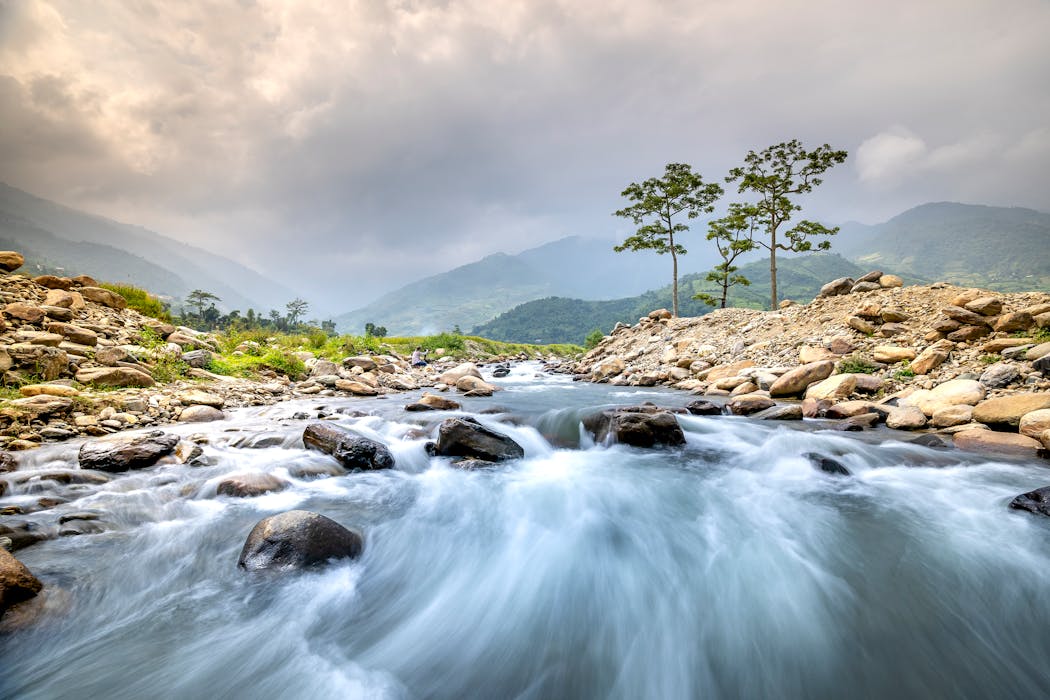
Clear, fast-moving water can still carry parasites, bacteria, or chemical runoff even when it looks perfectly clean. Wildlife activity upstream, unseen debris fields, or soil disturbance all influence water quality. Movement alone cannot neutralize contaminants. Drinking untreated water based solely on appearance remains one of the most common ways people get sick during outdoor travel.
Using a Knife to Defend Against Wildlife Works Consistently

The idea that a knife offers reliable defense against large wildlife promotes unrealistic expectations. Most animals are faster and stronger than humans, making close-contact defense dangerous. Knives require proximity, which increases the risk of injury in a confrontation. Avoidance, awareness, and distance remain far safer strategies than attempting physical defense with a blade.
Building a Shelter Takes Only a Few Minutes
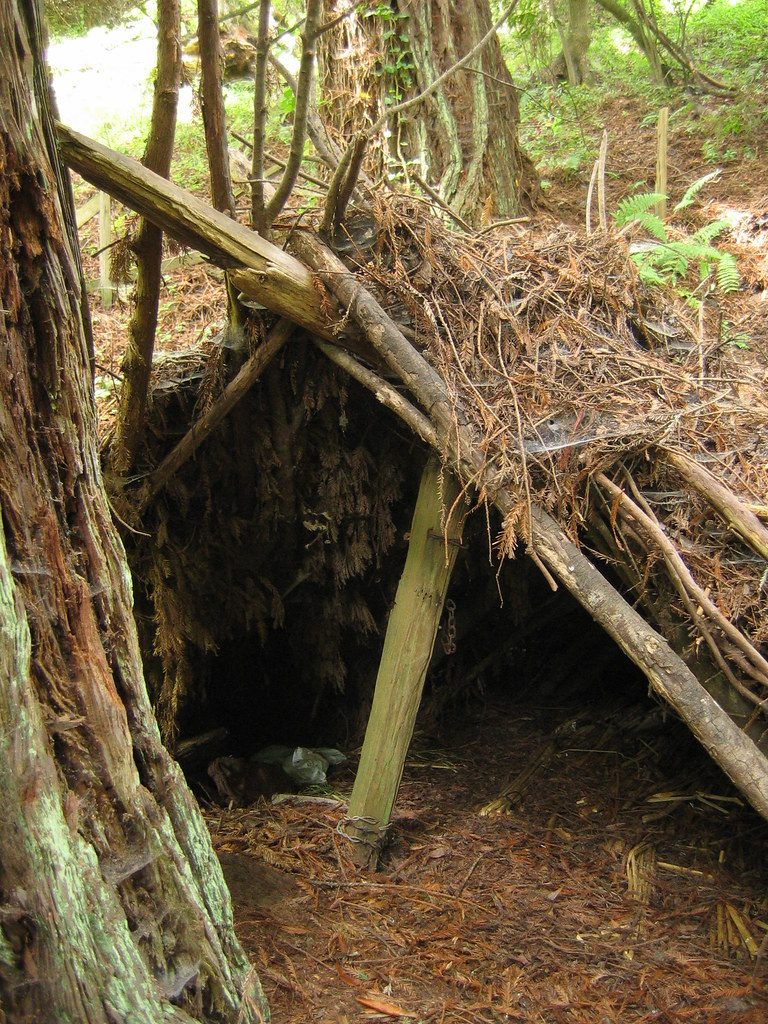
Shelters shown online often rely on carefully chosen materials, perfect weather, and preselected locations that reduce effort. In real conditions, gathering enough branches, insulation, and debris takes significant time, especially in damp or windy weather. Quick shelters built without planning rarely protect against heat loss or precipitation. Underestimating the time required leads to exposure when temperatures drop unexpectedly.
Charcoal From Any Fire Works as a Water Filtration
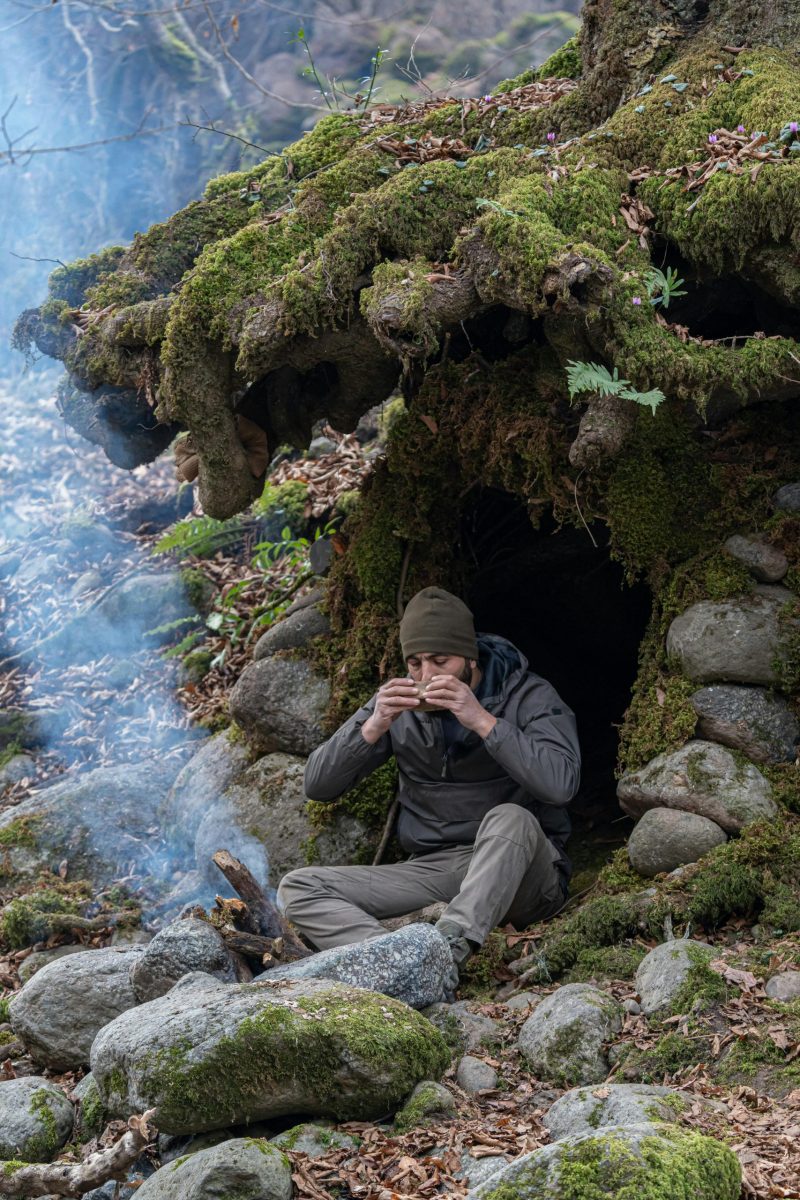
Using leftover charcoal from a fire seems easy, but ordinary charcoal does not function like activated carbon used in true filtration systems. Campfire charcoal contains ash, an inconsistent carbon structure, and residues that fail to remove harmful chemicals or microorganisms. Improvised filters made with these materials create misleading expectations and offer little protection against contaminated water.
Cotton Balls and Petroleum Jelly Catch Fire in All Weather
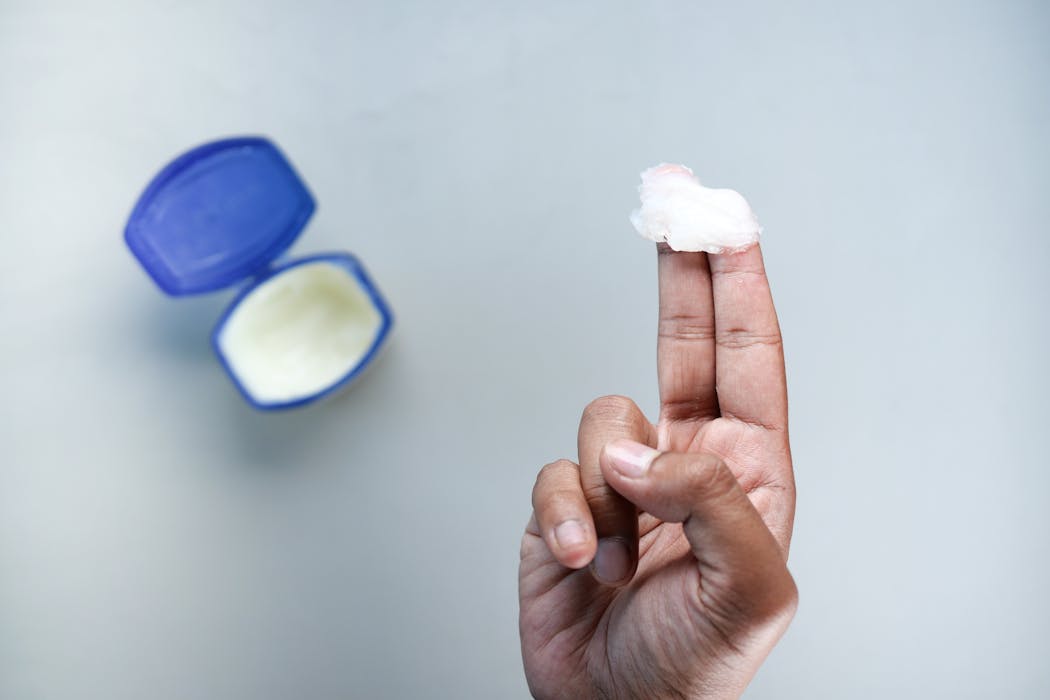
While cotton balls coated in petroleum jelly ignite well in dry conditions, their performance drops sharply in rain, snow, or high humidity. Cotton absorbs moisture quickly, making it difficult to light when the weather changes suddenly. Depending on this single method leads to unreliable results when damp tinder or wet ground reduces ignition effectiveness. A combination of fire-starting tools remains more dependable.
Large Animal Tracks Mean the Animal Is Nearby
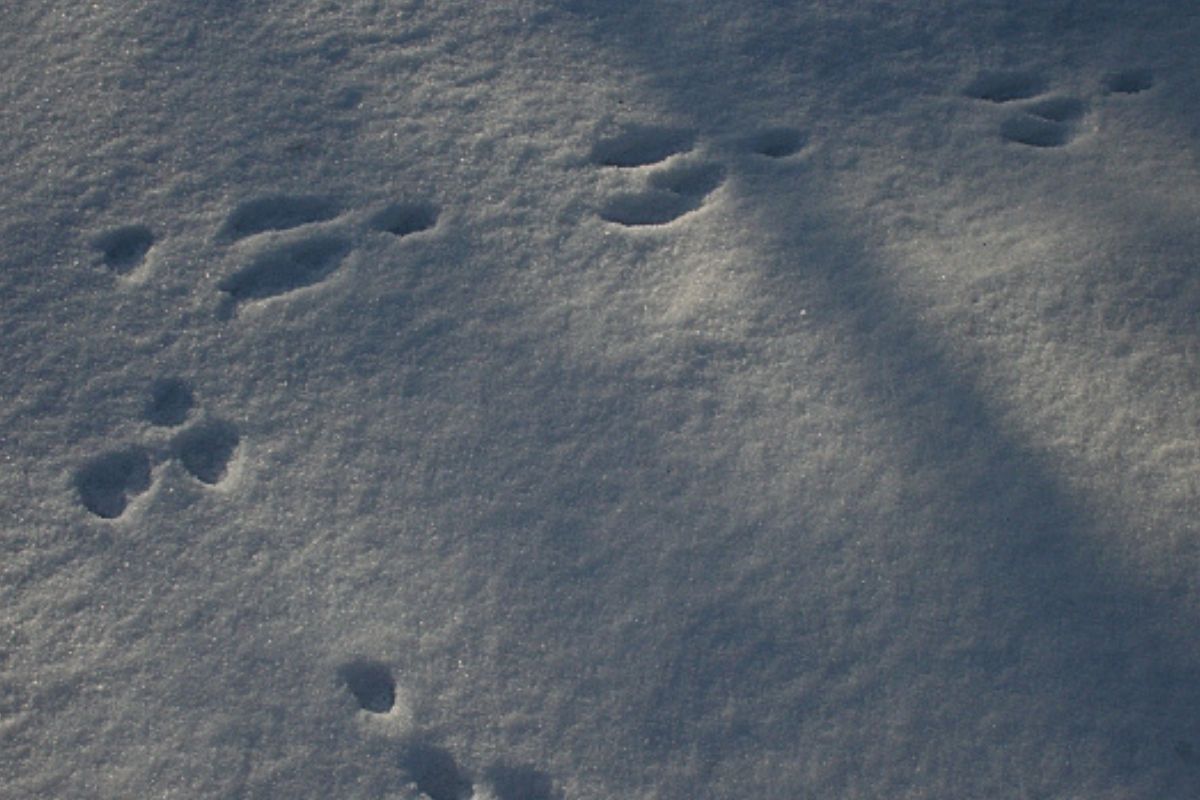
Animal tracks vary in how long they remain visible depending on soil type, shade, temperature, and wind. Some prints look fresh hours after they were made, while others fade within minutes. Large animals often travel long distances between feeding and resting areas, making track interpretation difficult without experience. Assuming an animal is close based on track size alone creates unnecessary fear or false expectations.