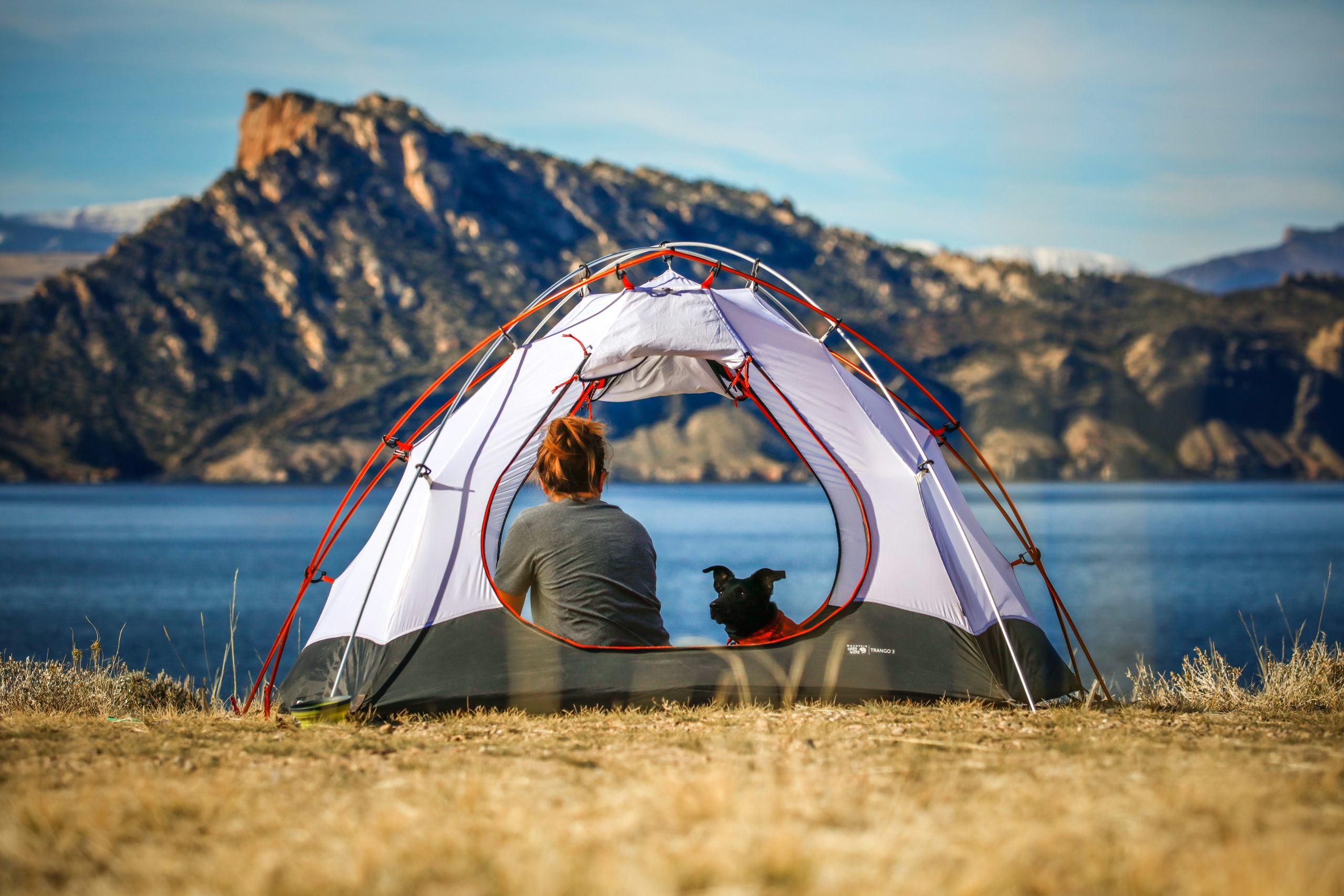
Shelter is the one piece of camping gear where getting it wrong costs more than money. A poorly chosen tent does not just make a trip uncomfortable. It can turn a manageable weather event into a genuine emergency, leave you sleepless at altitude, or add enough weight to your pack that every mile becomes a negotiation with your own endurance. The lightweight tent market has evolved dramatically over the past decade, with materials science, manufacturing precision, and design philosophy all advancing in ways that have genuinely expanded what is possible within tight weight budgets. The days of choosing between light and livable are largely over for buyers willing to research carefully and spend thoughtfully. What remains is a market that rewards specificity. The best tent for a solo thru-hiker crossing the Sierra Nevada in July is categorically different from the best tent for a couple base camping in the Scottish Highlands in October, and treating those as equivalent decisions produces predictably poor outcomes. The ten tents reviewed below cover the genuine range of lightweight camping needs with the specific weights, dimensions, weather ratings, and practical field details that make each recommendation meaningful rather than generic
1. Big Agnes Copper Spur HV UL2
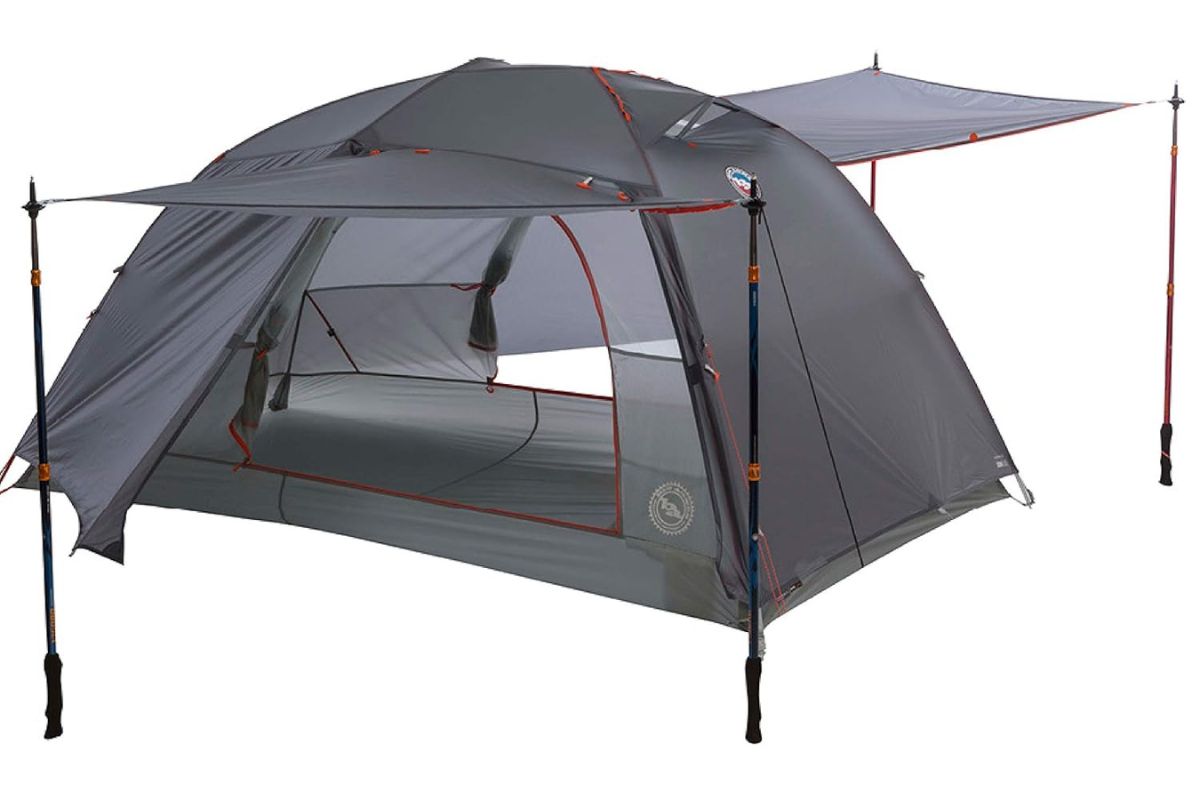
The Big Agnes Copper Spur HV UL2 has held a position near the top of the lightweight backpacking tent category for several consecutive years, and the reasons are specific enough to justify that reputation honestly. The packed weight sits at 1.36 kilograms, with a minimum trail weight of 1.13 kilograms when carrying only essential components. The high-volume hubbed pole architecture creates interior headroom of 100 centimeters at the peak, which is genuinely exceptional for a tent this light and meaningfully reduces the claustrophobic feeling that plagues many ultralight two-person designs. The floor area covers 2.8 square meters with two doors and two vestibules, adding 1.2 square meters of covered gear storage. The rainfly uses 15-denier ripstop nylon with a 1,200mm hydrostatic head rating, which handles moderate rain reliably but requires reinforced seam sealing for sustained heavy precipitation above treeline. Retail pricing runs between $550 and $600. Its primary weakness is pole fragility in sustained high winds above 60 kilometers per hour, where the lightweight hubbed system flexes more than freestanding designs with heavier pole sets tolerate more comfortably.
2. Nemo Hornet Elite OSMO 2P
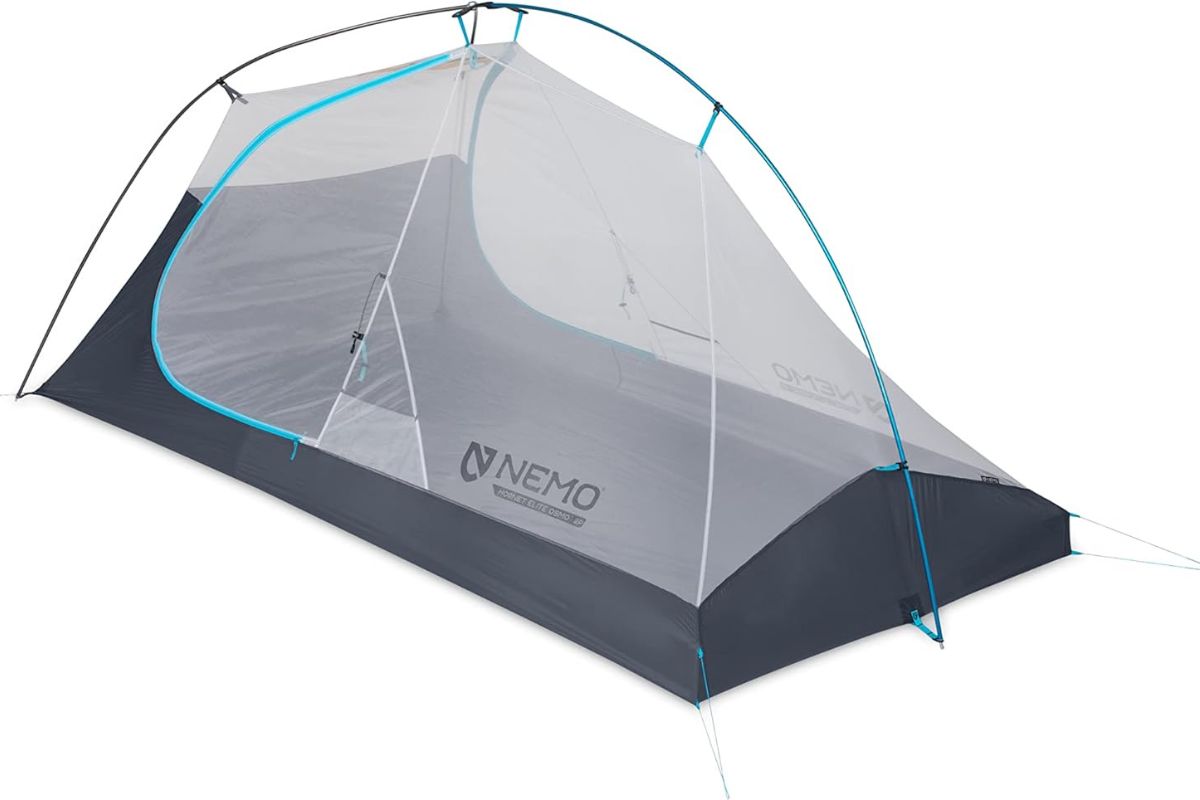
Nemo’s Hornet Elite OSMO 2P represents the current state of the art in ultralight two-person tent construction, using OSMO fabric, a proprietary blend of nylon and polyester that addresses the historical weakness of nylon-only ultralight shelters by reducing moisture absorption by approximately 30 percent compared to standard nylon construction. Packed weight reaches just 880 grams in the stripped configuration, placing it among the lightest freestanding two-person options available from any major manufacturer. The single central pole design with two secondary poles creates 97 centimeters of peak headroom across a 2.6 square meter floor. The 10-denier fly fabric requires careful site selection and avoidance of abrasive surfaces that heavier fabrics tolerate without consequence. Hydrostatic head rating sits at 1,200mm on the fly and 3,000mm on the bathtub floor. Retail pricing between $700 and $750 positions it firmly in the premium segment, where the weight savings justify the investment for gram-conscious thru-hikers covering high daily mileage. Two vestibules provide adequate gear coverage for a two-person team traveling with a lightweight kit rather than bulky recreational camping equipment.
3. MSR Hubba Hubba NX2
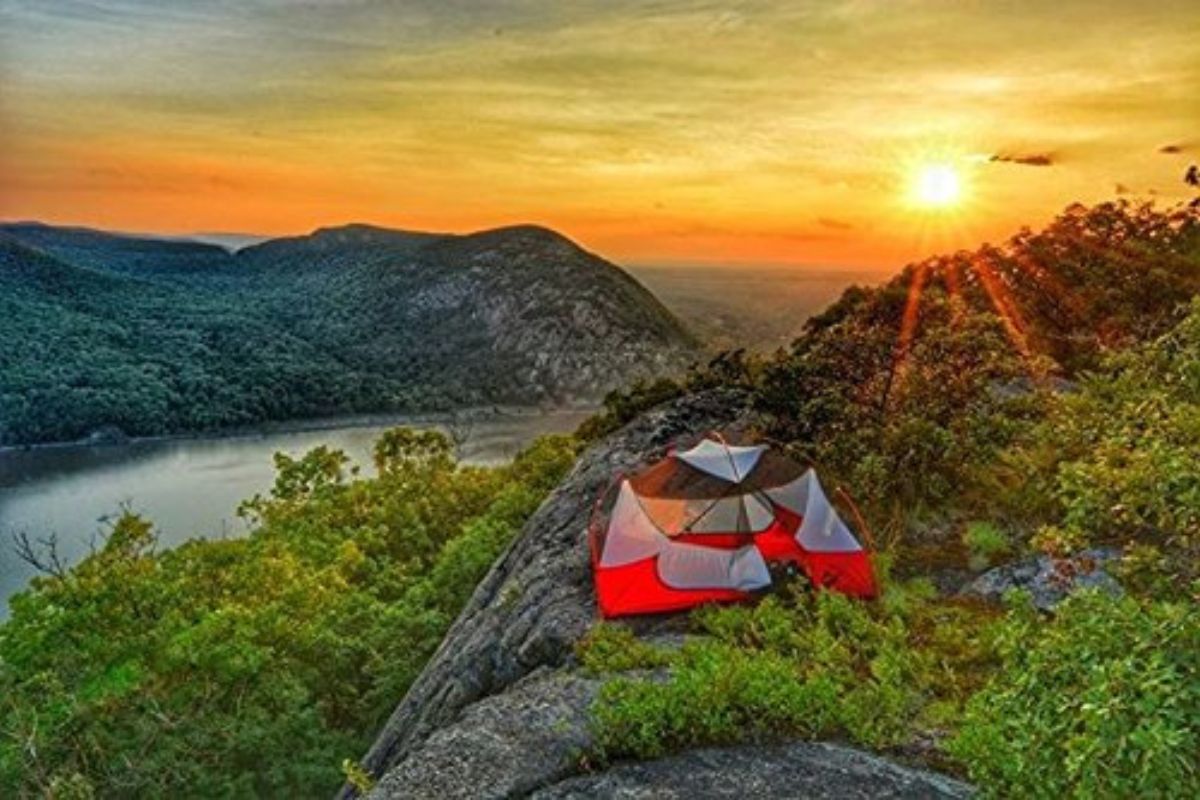
The MSR Hubba Hubba NX2 occupies a genuinely useful middle ground between ultralight minimalism and robust all-conditions performance that makes it one of the most practically versatile lightweight tents available at its price point of approximately $450. Packed weight sits at 1.72 kilograms, which is not competitive with the lightest options in the category but represents a meaningful weight saving over traditional three-season backpacking tents, averaging 2.2 to 2.8 kilograms. The DAC Featherlite NFL pole system provides a freestanding structure with 100 centimeters of peak headroom across a 2.9 square meter floor, with two vestibules adding 1.5 square meters of covered storage. The fly uses 20-denier ripstop nylon with a 1,500mm hydrostatic head rating that handles sustained moderate rainfall reliably without seam tape failure concerns common in lower-denier fabrics. The Xtreme Shield waterproof coating applied to the fly fabric is field-reversible, allowing reapplication without returning to the manufacturer. The two-door, two-vestibule configuration provides full independent access for two occupants, which becomes a practical quality-of-life issue on multi-night trips sharing close quarters.
4. Hilleberg Allo 2
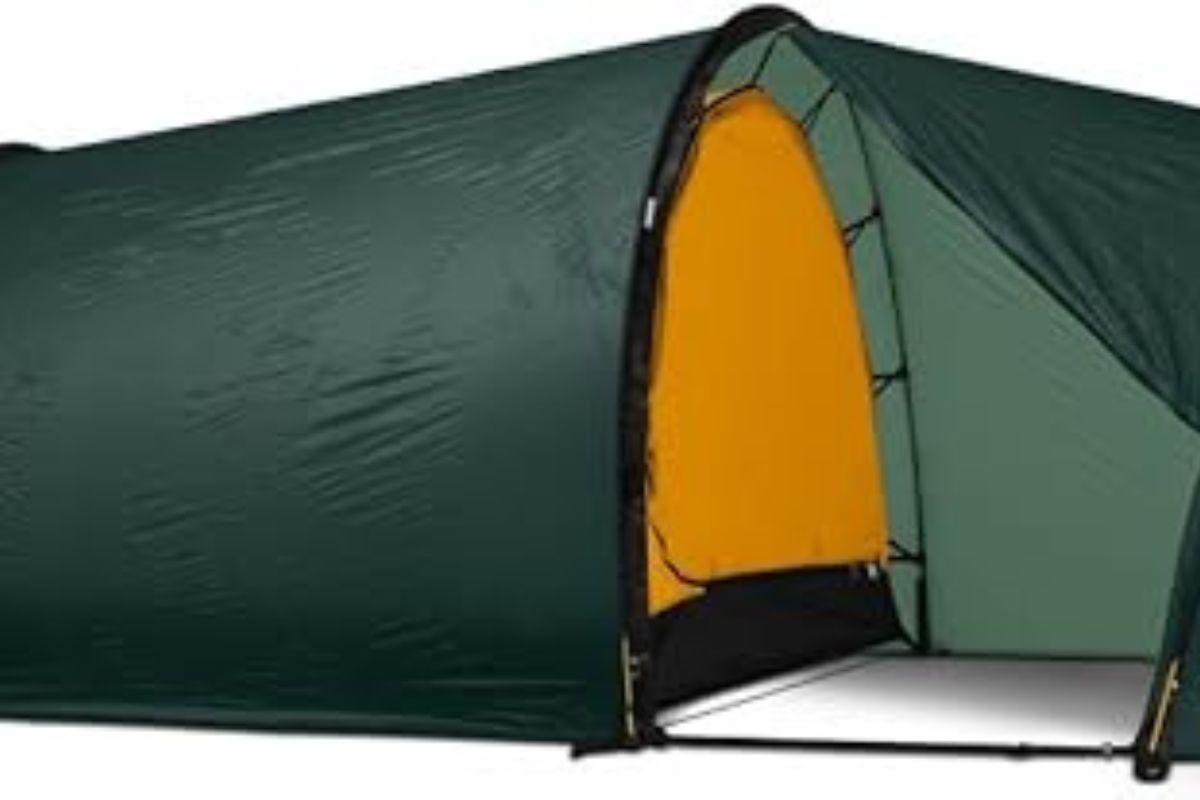
Hilleberg occupies a specific and honestly earned position in the tent market as the manufacturer that serious mountaineers and expedition travelers reach for when conditions move beyond what most three-season tents are honestly rated to handle. The Allo 2 is Hilleberg’s entry into the lighter end of their product range, weighing 1.8 kilograms packed while maintaining the construction standards that define the brand. The linked inner and outer design, a Hilleberg signature feature, allows simultaneous pitching that keeps the sleeping area dry during setup in active rain, a practical advantage that freestanding designs with separate fly attachment cannot match. The 9mm Easton Syclone poles handle sustained winds exceeding 80 kilometers per hour without structural compromise in documented field testing. The 40-denier outer fly fabric with 3,000mm hydrostatic head rating represents construction approximately double the denier weight of comparable ultralight competitors, which translates directly to abrasion resistance and long-term durability. Retail pricing between $700 and $800 is significant but reflects a product designed for a 15 to 20-year field life rather than the 3 to 5-year lifespan typical of ultralight construction.
5. Zpacks Duplex
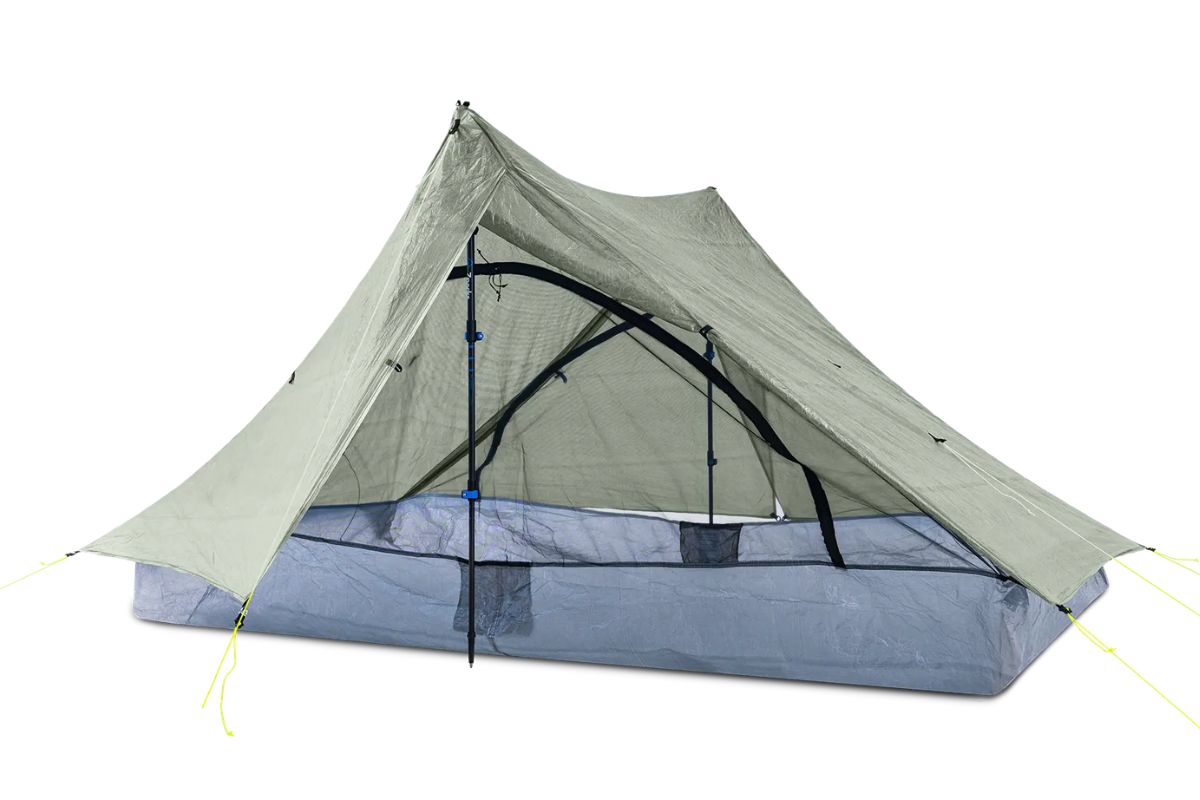
The Zpacks Duplex is the tent that genuinely changed how the ultralight backpacking community thought about what was achievable in a two-person shelter, delivering a packed weight of approximately 510 grams using Dyneema Composite Fabric that was simply not available to the broader market at accessible price points before Zpacks brought it to mainstream attention. That weight figure remains competitive with virtually anything else in the two-person category more than a decade after the design’s introduction. The non-freestanding trekking pole supported design requires two trekking poles between 100 and 125 centimeters for pitch, which most backpackers carry anyway, eliminating dedicated pole weight. Floor area reaches 2.8 square meters with 112 centimeters of peak headroom. The Dyneema fabric carries a hydrostatic head rating of 20,000mm, dramatically exceeding nylon competitors, while being lighter and more packable than any nylon construction at equivalent structural performance. Retail pricing around $650 for the base model reflects Dyneema material costs rather than brand premium. The primary limitation is condensation management, as the non-breathable Dyneema walls require a deliberate ventilation technique to prevent interior moisture accumulation during cool, humid nights.
6. Sea to Summit Telos TR2
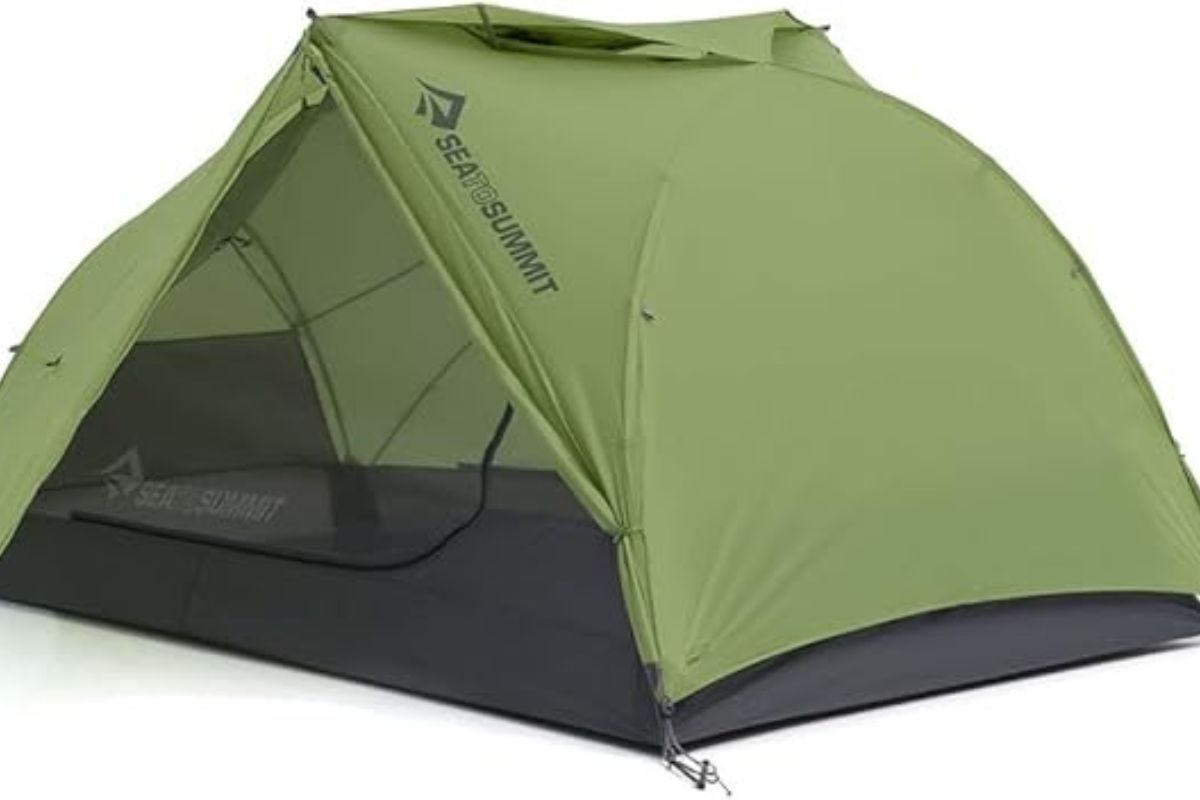
The Sea to Summit Telos TR2 approaches the lightweight tent design problem from an ergonomic angle that most competitors have not prioritized as directly, building the tent’s architecture specifically around livability within a constrained weight budget rather than minimizing weight first and accepting whatever interior results. The Tension Ridge pole architecture creates vertical side walls that increase usable interior volume by approximately 25 percent compared to traditional dome designs at equivalent floor dimensions, with 2.8 square meters of floor space and 100 centimeters of peak headroom feeling noticeably more spacious than the numbers suggest. Packed weight sits at 1.54 kilograms. The fly uses 15-denier ripstop nylon with a 1,200mm hydrostatic head rating, adequate for three-season use across most conditions below alpine exposure. The two-door, two-vestibule design provides 1.5 square meters of covered gear storage. A freestanding inner with a separate fly attachment allows inner-only use in fair weather, reducing carry weight on clear-sky trips. Retail pricing between $500 and $550 positions it competitively against the Big Agnes Copper Spur at a similar weight and comparable features, with the livability advantage being the primary differentiating factor for buyers prioritizing interior comfort over absolute minimum weight.
7. Tarptent Stratospire Li
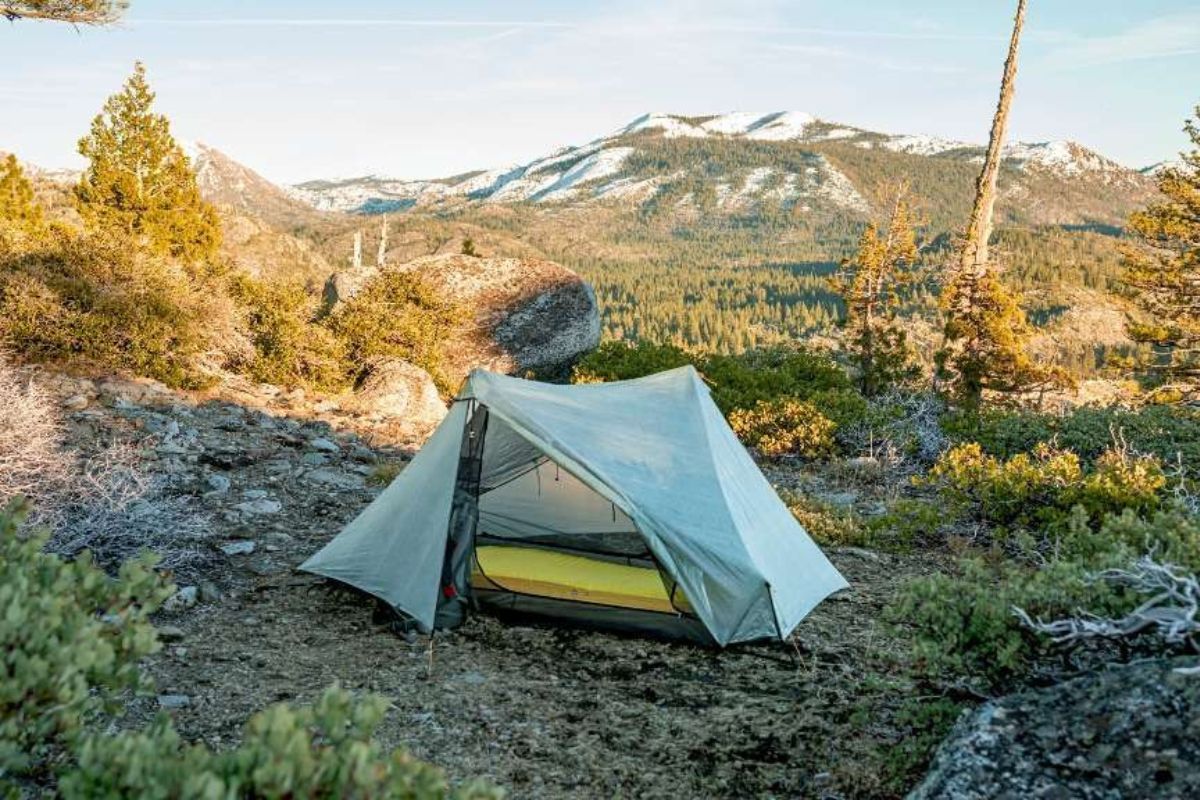
The Tarptent Stratospire Li brings a level of two-person interior volume to the ultralight category that genuinely surprises first-time users, creating a shelter that functions as a practical living space rather than simply a sleeping chamber with weather protection. The trekking pole-supported design achieves 2.97 square meters of floor area with 122 centimeters of peak headroom, figures that exceed most freestanding two-person tents at two to three times the weight. Packed weight with stakes reaches 794 grams using the Dyneema fabric version and 1.08 kilograms in the standard silnylon configuration. The dual-door, dual-vestibule layout provides 1.4 square meters of covered gear storage per side. The silnylon fly carries a hydrostatic head rating of approximately 1,500mm with field-applied seam sealing required after purchase, which adds approximately 30 minutes of setup work before first use but produces reliable waterproofing that holds across multi-season use. Retail pricing between $450 and $650, depending on fabric choice, represents outstanding value relative to competing products at equivalent interior volume. Wind performance requires careful staking geometry, with all eight stake points tensioned symmetrically for optimal structural stability in sustained gusts above 50 kilometers per hour.
8. Black Diamond Firstlight 2P
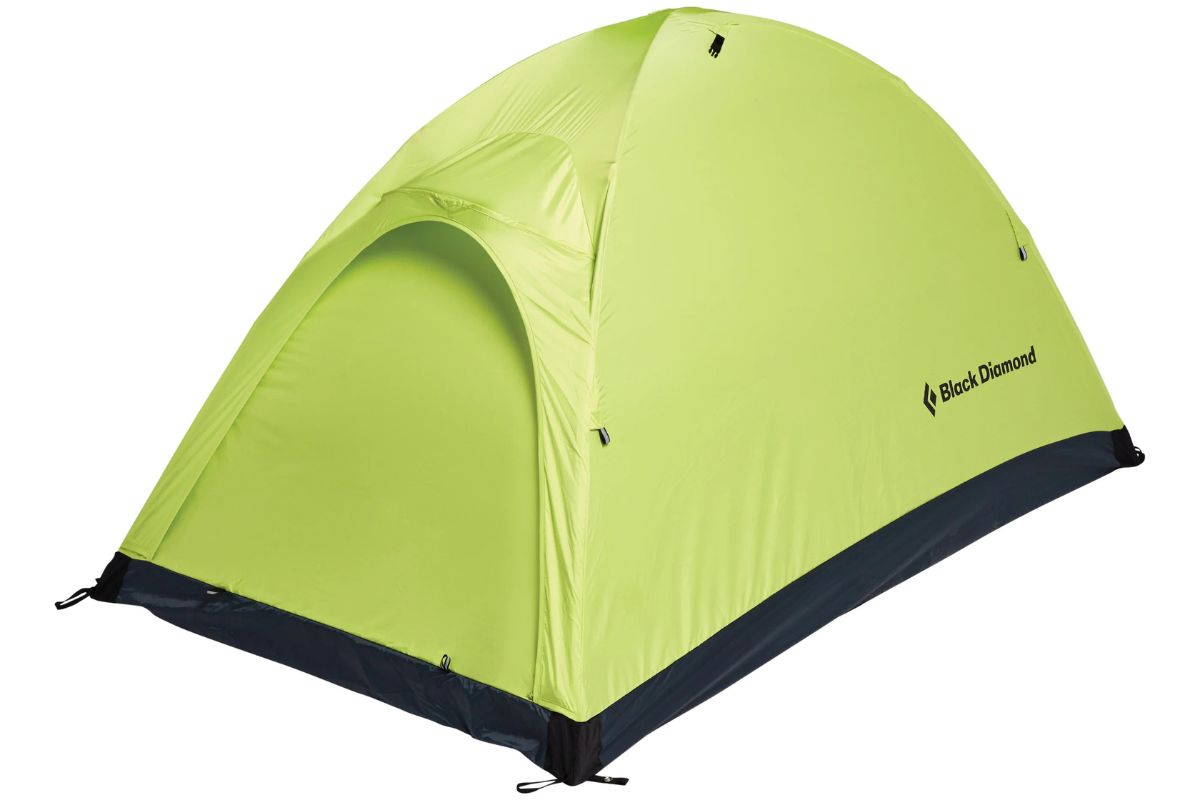
The Black Diamond Firstlight 2P was designed specifically around the demands of alpine and mountaineering use, prioritizing rapid deployment, structural wind resistance, and four-season weather capability within a weight envelope that most dedicated mountaineering tents cannot approach. Packed weight sits at 1.47 kilograms, which is exceptional for a tent genuinely rated for winter use and sustained high-altitude wind exposure. The single-pole continuous clip design pitches in under 3 minutes in field conditions, a meaningful advantage when weather moves in rapidly above treeline. Peak headroom reaches 96 centimeters across a 2.5 square meter floor, which is modest for two occupants but adequate for the alpine use case where time inside the tent is dominated by sleeping rather than socializing. The 40-denier ripstop nylon fly with 1,500mm hydrostatic head rating and factory-taped seams provides reliable waterproofing without field preparation. The single vestibule on a mountaineering-oriented tent reflects a design philosophy that accepts reduced gear storage in exchange for simplified structure and reduced pole weight. Retail pricing between $500 and $550 makes it one of the most accessible genuine four-season options available from a major manufacturer.
9. Gossamer Gear The Two
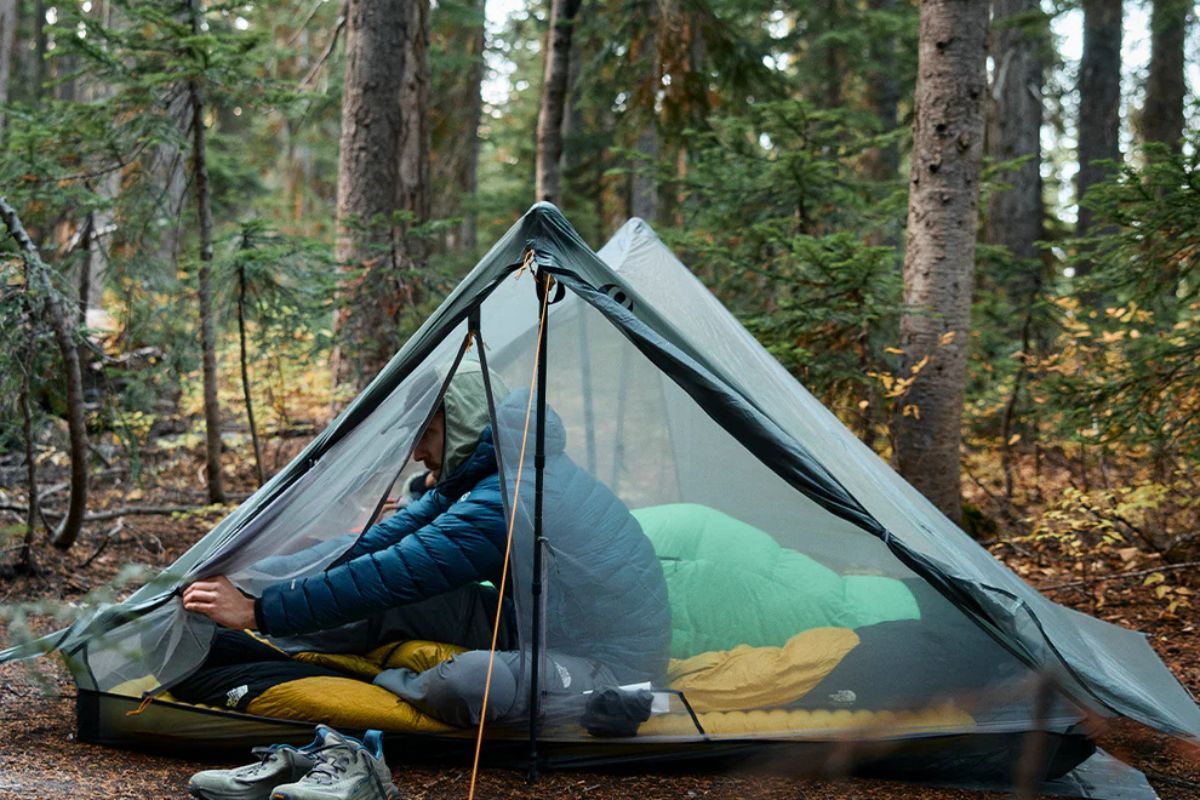
Gossamer Gear built its reputation in the ultralight backpacking community through a design philosophy that consistently prioritizes actual field utility over specification sheet performance, and the Two tent reflects that philosophy in every measurable dimension. The trekking pole-supported design reaches a packed weight of 680 grams in the DCF Dyneema version and 850 grams in the silnylon configuration, both of which are competitive with the lightest options in the category without requiring the compromises in interior volume that the most aggressively minimized shelters impose. Floor area covers 2.8 square meters with 109 centimeters of peak headroom and two doors providing independent entry and exit for both occupants. The silnylon version carries a hydrostatic head rating of 1,200mm with seam sealing required before first use in wet conditions. Single vestibule storage of approximately 0.7 square meters per side accommodates two hikers traveling with a lightweight kit comfortably. Retail pricing between $500 and $700, depending on fabric choice, sits at honest value for the category rather than premium positioning. Gossamer Gear’s direct-to-consumer model eliminates retail markup, which is reflected in pricing that undercuts comparable specification competitors from brands selling through traditional retail channels by 15 to 20 percent consistently.
10. Naturehike Cloud Up 2
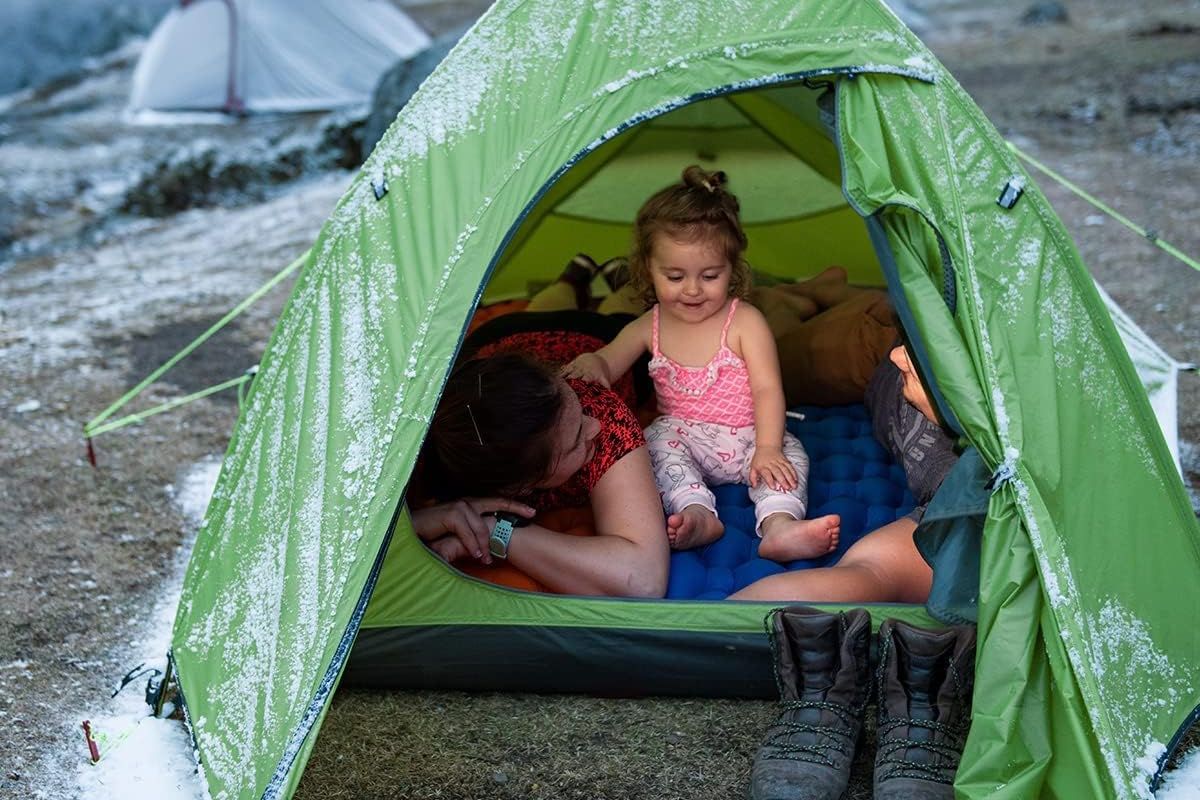
The Naturehike Cloud Up 2 occupies a genuinely important position on this list as the tent that proves meaningful lightweight performance does not require premium pricing, delivering a packed weight of 1.57 kilograms at a retail price point between $120 and $160 that places serious lightweight camping within reach of budget-conscious explorers who would otherwise be priced out of the category entirely. The aluminum alloy pole system creates a freestanding dome with 100 centimeters of peak headroom across a 2.7 square meter floor with two doors and a single vestibule providing covered gear storage. The 20-denier ripstop nylon fly with 3,000mm hydrostatic head rating performs reliably in sustained rain without seam tape failure, a specification that competes directly with products costing three times as much. Manufacturing consistency has improved substantially across production runs from 2022 onward, following early quality control criticism. The aluminum pole joints are the component most likely to require attention after extended use, with junction reinforcement recommended after approximately 50 pitching cycles using field-applied adhesive. For weekend campers, festival attendees, and explorers taking their first serious steps into lightweight backpacking, the Cloud Up 2 delivers 80 percent of the performance of premium options at 25 percent of the cost.