An animal can appear cute, calm, or even familiar, yet still carry a very serious risk at times. Some rely on powerful jaws or crushing weight, while others wield venom that acts fast and quietly. In many cases, danger comes from surprise, because the animal looks like a placid grazer, a small shell, or a pretty sea creature. Even in cities, routine encounters can turn risky in moments. A responsible approach starts with learning which species deserve extra distance and why, especially around water, nesting areas, or feeding sites. The ten animals below often fool first impressions, but each has a well-documented record of harming people.
Hippopotamus

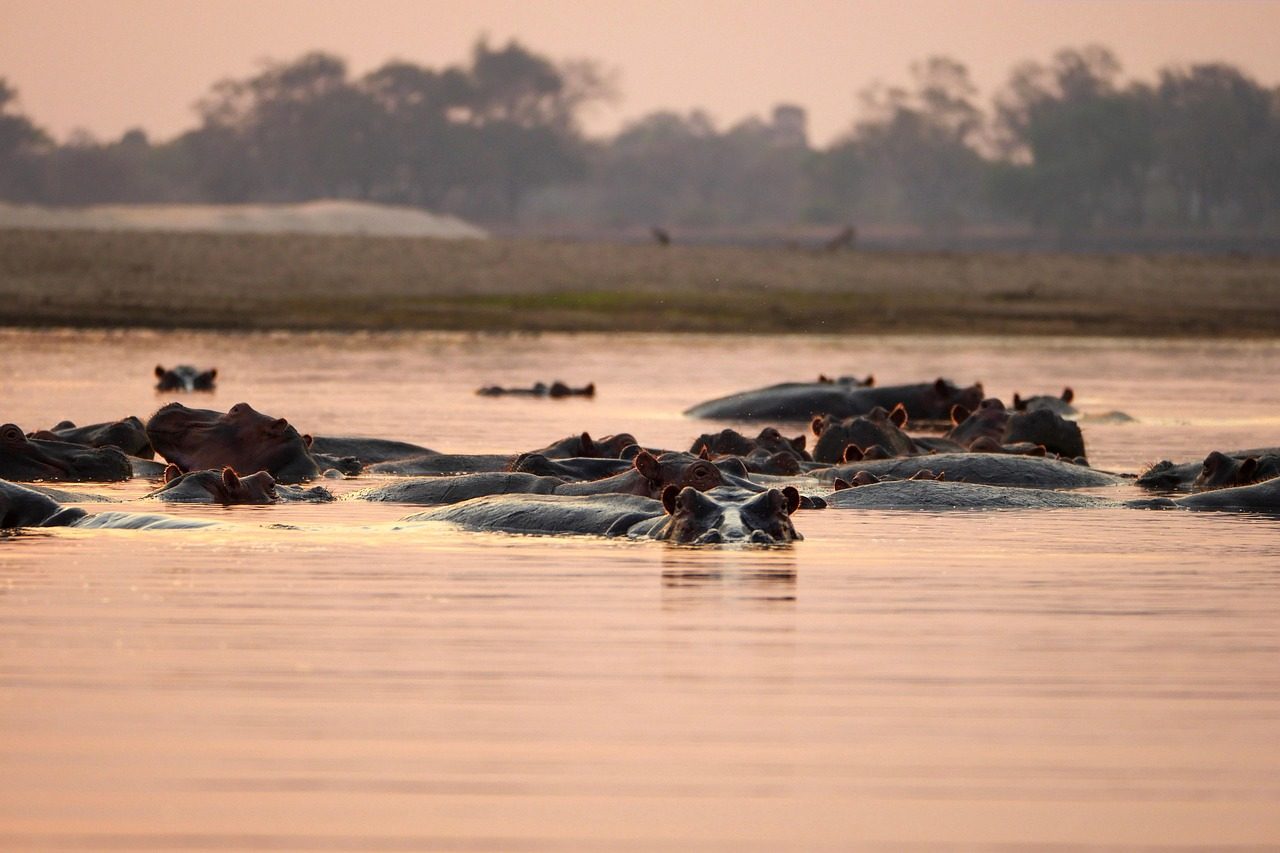
A hippopotamus looks like an oversized, sleepy river animal, but it is a highly territorial mammal in many African waterways. On land, its bulk can still move quickly over short distances, and in water it can surge with surprising speed. Its mouth can open wide, and the tusk-like canines can cause severe trauma. Most dangerous encounters happen near rivers and lakes when hippos defend space, calves, or access routes between water and grazing areas. Tour boats and shoreline walks can trigger sudden charges when distance feels safe. Even a brief block of its path can be treated as a threat.
Moose
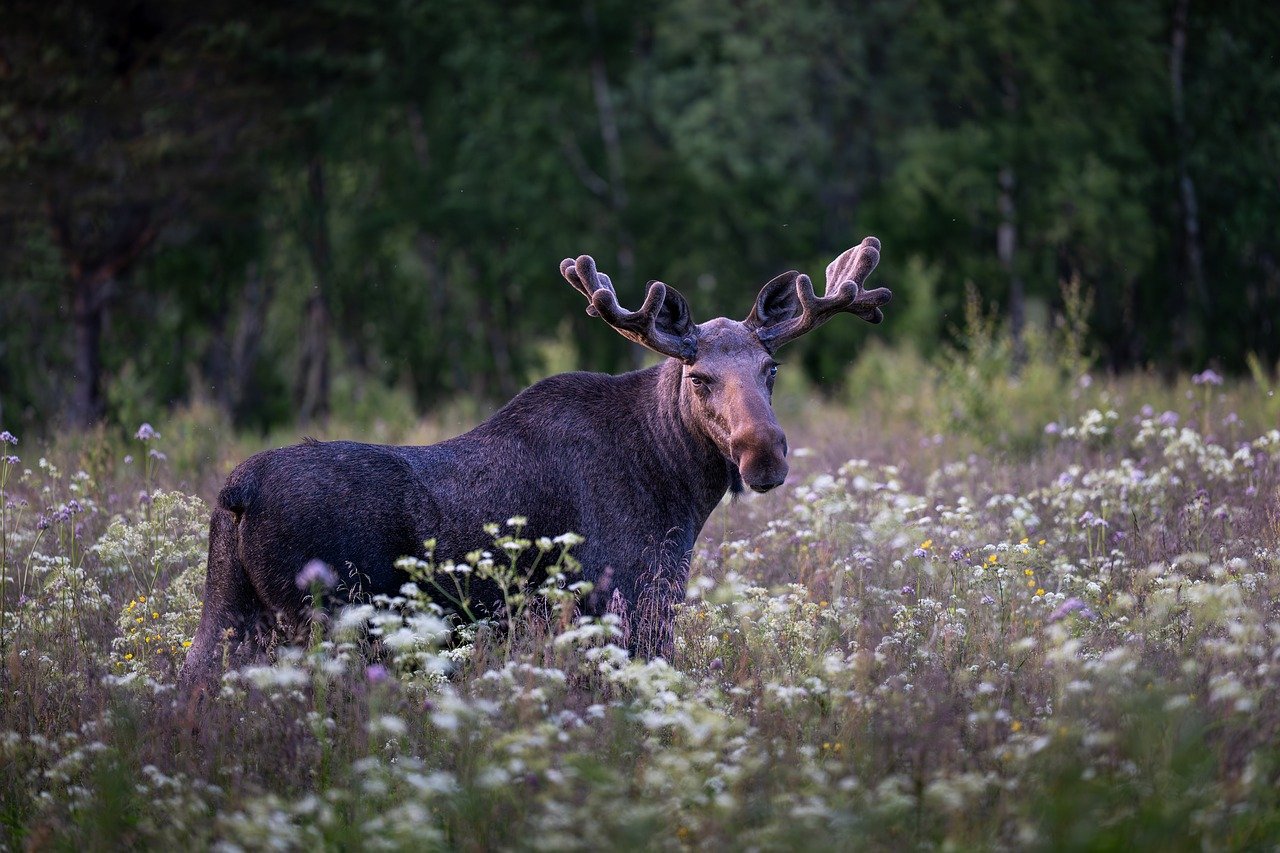
A moose can read as a quiet, long-faced deer, yet it is the largest member of the deer family and can be extremely aggressive when stressed. Cows with calves may attack to create space, and bulls during the fall rut can react to movement as a sign of rivalry. Hooves and front-leg strikes can break bones, and a close-range charge can happen with little warning. In northern forests and suburbs across North America, moose sometimes wander onto trails and road edges, where surprise encounters escalate. Many agencies urge a slow retreat and keeping dogs leashed always. Deep snow can also raise tension by limiting escape routes and forcing close contact.
White-Tailed Deer
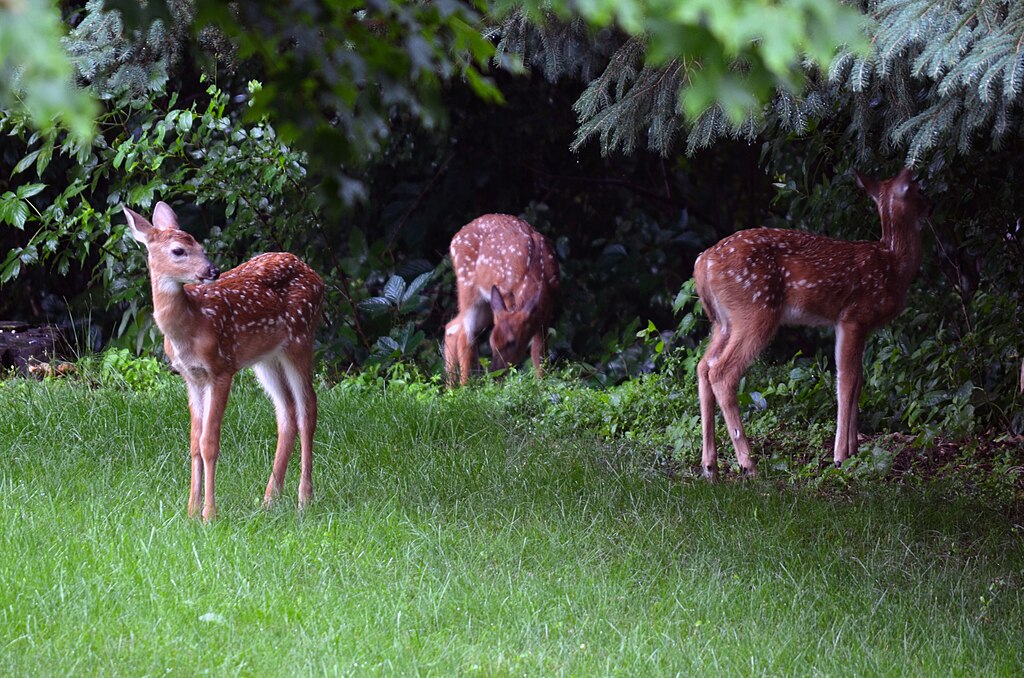
A white-tailed deer looks gentle and is common near neighborhoods, but the species is involved in many serious roadway collisions each year on familiar routes. The risk spikes at dawn and dusk, especially in autumn when movement increases during the breeding season. At close range, a cornered deer can also kick hard, and bucks can gore with antlers while defending space. Because deer often travel in groups, one animal crossing a road can signal more behind it, which adds to crash danger. Many drivers slow near tree lines and watch for reflective eyes ahead. Staying aware around forest edges and open fields helps reduce sudden, high-speed surprises.
Southern Cassowary
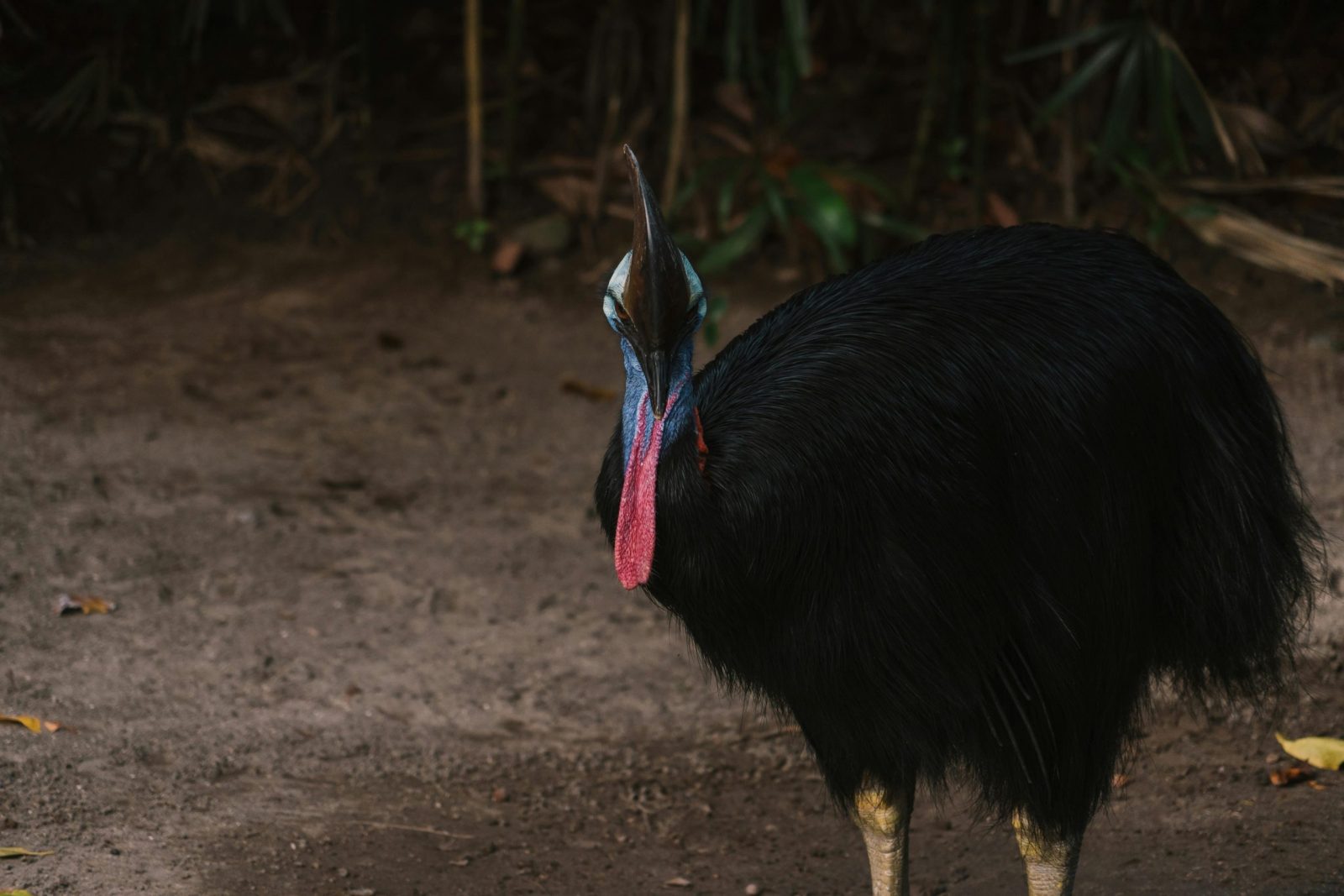
A cassowary has bright colors and a comical crest, yet it is a large, flightless bird capable of dangerous attacks. Native to northeastern Australia and New Guinea, it uses strong legs for fast sprints through dense rainforest. Each foot carries a long, dagger-like claw that can slash deeply with a single kick. Incidents often involve birds that feel threatened, especially near food sources or when protecting chicks. Because the body shape looks like an oversized backyard bird, people sometimes underestimate how quickly it can close the distance and strike. Wildlife agencies advise giving it room and never attempting to feed it.
Cape Buffalo
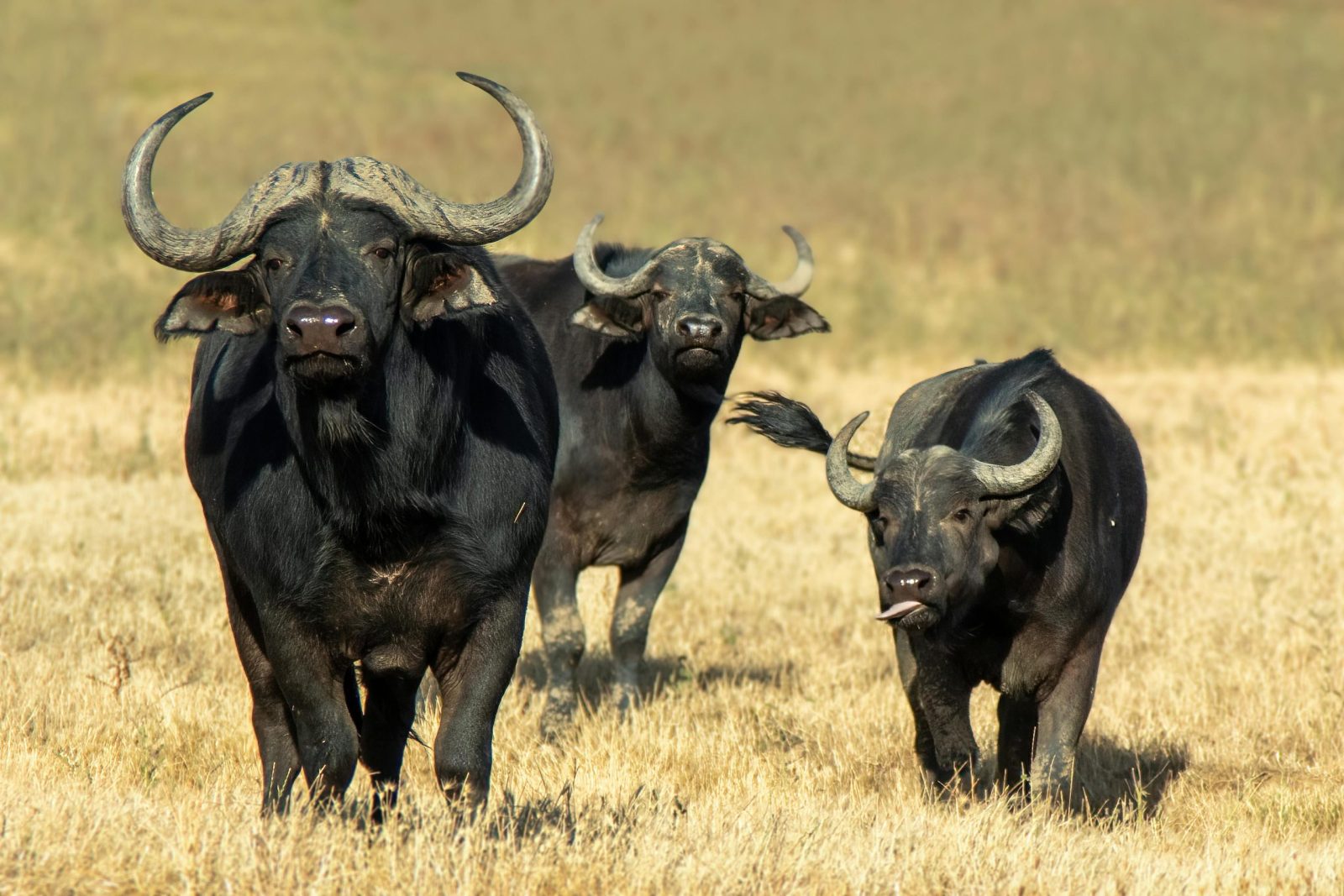
A Cape buffalo can resemble a heavy, slow-moving cow, but it is a wild African bovine with a reputation for forceful defense. Adults carry thick, curved horns and can pivot quickly despite their size. Herd dynamics matter because a stressed group may bunch up, then surge toward a perceived threat. Old bulls may linger alone in brush, where visibility drops and reactions turn sudden. Unlike many grazers that flee, buffalo sometimes stand their ground and charge, and their mass can knock a person down before their hooves do further damage. Guides treat distance and wind direction as basic safety essentials.
Cone Snail
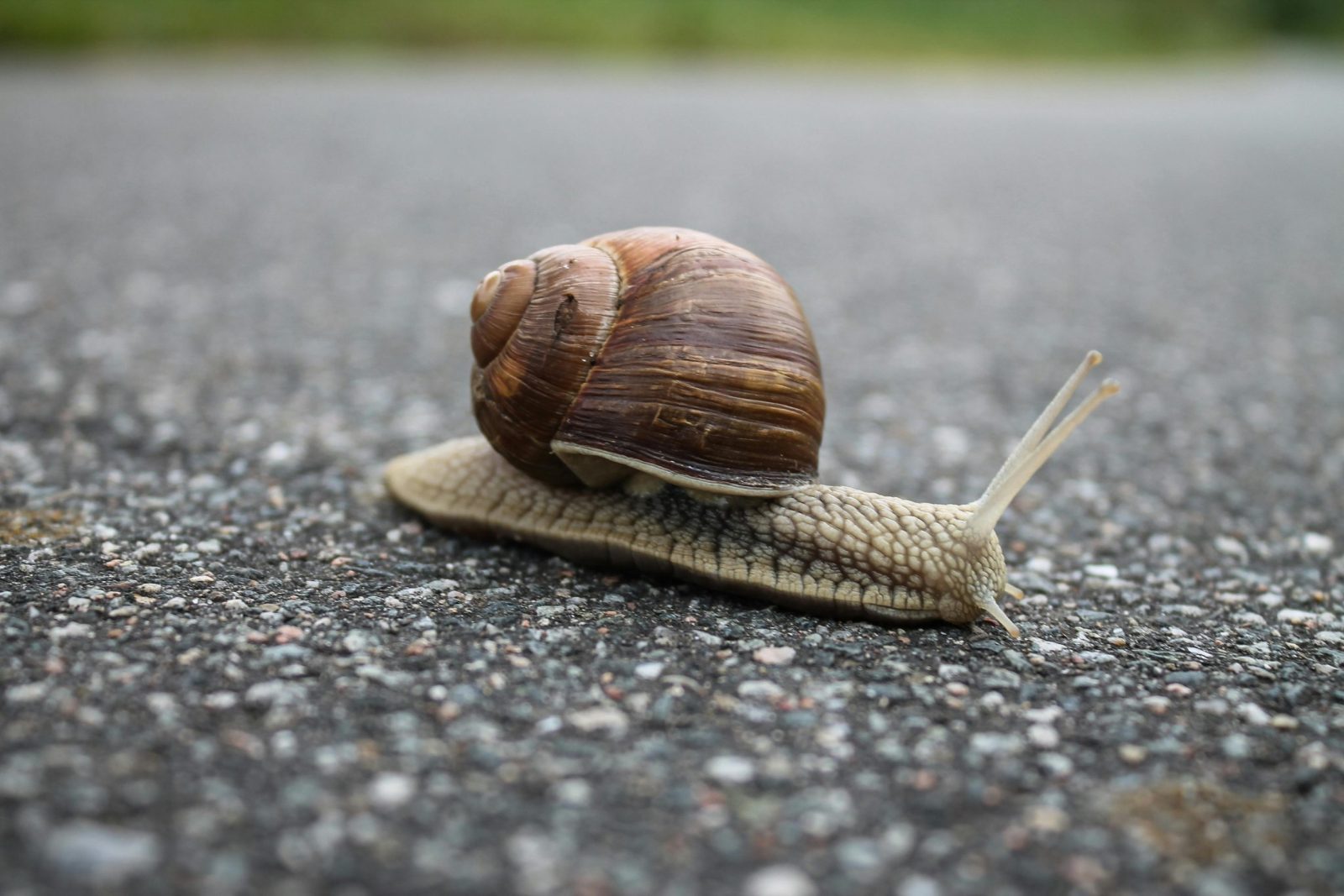
A cone snail looks like a pretty seashell sliding across sand, yet many species use a venomous harpoon to capture fish and worms. In tropical and subtropical seas, a careless hand can meet a rapid sting that feels minor at first. Venom chemistry varies by species, but severe cases can involve paralysis and respiratory failure without prompt medical care. Because the shell pattern invites collecting, the danger often comes from handling rather than an obvious threat display. Even a dead-looking shell can still contain a living snail, so beachcombing requires caution and respect for local warnings.
Blue-Ringed Octopus
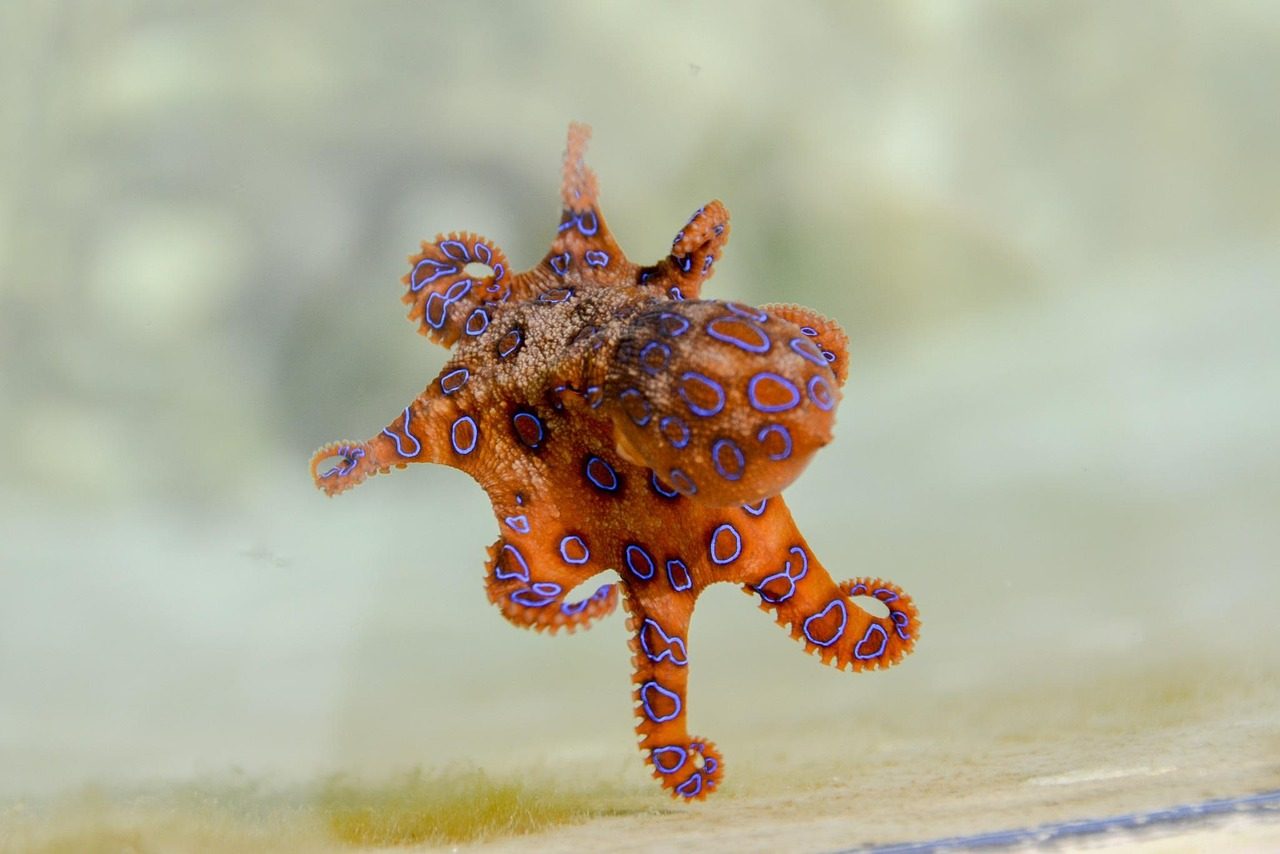
A blue-ringed octopus is tiny and can appear almost toy-like until stress brings out vivid blue rings as a warning signal. These octopuses live in tide pools and shallow reefs in the Pacific and Indian oceans, including waters around Australia. The bite may be painless, yet the saliva contains tetrodotoxin, a potent neurotoxin that can stop breathing. Symptoms can progress quickly, making an immediate emergency response crucial. The animal often hides under rocks and shells, so the risk rises during casual shore exploring, when fingers reach into crevices that seem harmless or lift a small stone.
Stonefish
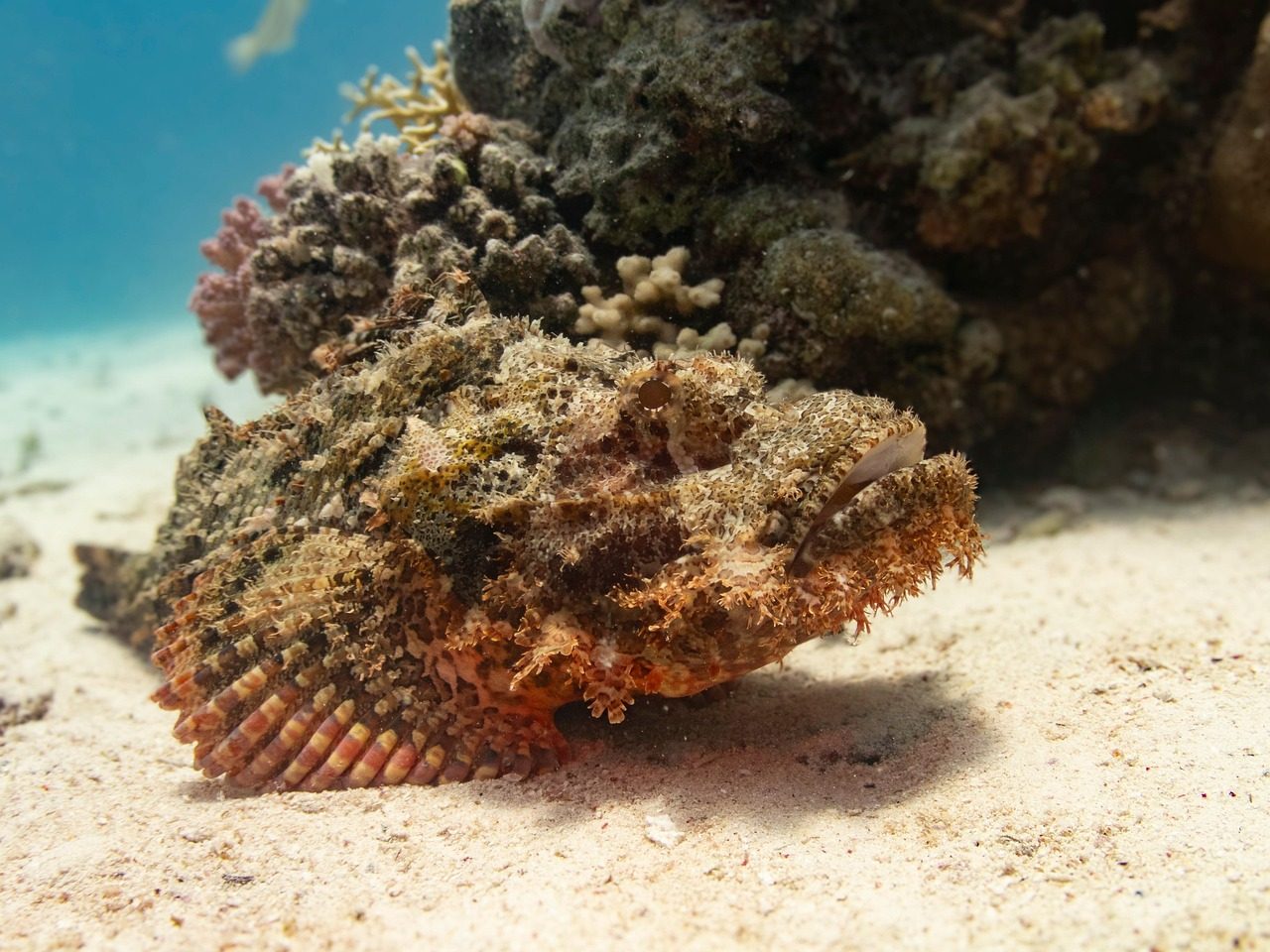
A stonefish blends into reefs and sandy bottoms so well that it can look like a lump of rock or algae. Found across parts of the Indo-Pacific, it carries venomous spines along the dorsal fin that inject a toxin when stepped on or grabbed. The pain is famously intense and can be accompanied by swelling, nausea, and cardiovascular complications. Because the fish relies on camouflage rather than fleeing, it may stay still under a foot, creating a sudden emergency in shallow water. Local clinics often stock antivenom, and first-aid guidance stresses urgency. Protective footwear and careful footing on reefs reduce risk where stonefish are known to live.
Box Jellyfish
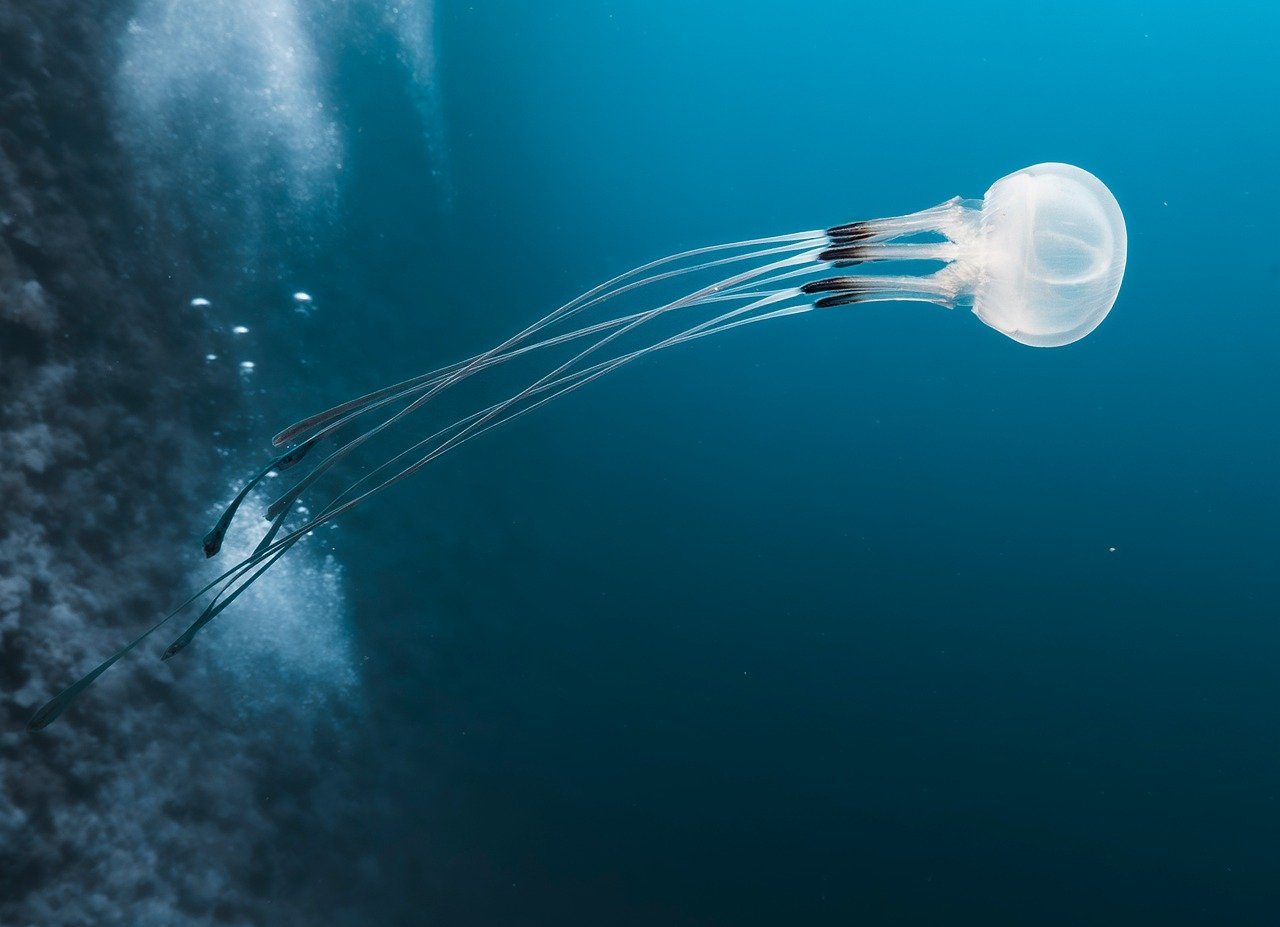
A box jellyfish can seem like a drifting, almost invisible blob, yet its tentacles carry powerful stinging cells. Several species occur in the Indo-Pacific, and some are associated with life-threatening envenomation in northern Australia and nearby regions. Contact can trigger severe pain, skin injury, and effects on the heart, sometimes within minutes. The danger feels deceptive because clear water can hide tentacles, and calm seas can still hold jellyfish near beaches. Seasonal warnings, protective swim gear, and quick access to first-aid protocols matter in areas where box jellyfish occur regularly. Stinger nets are used at some beaches.
Pufferfish
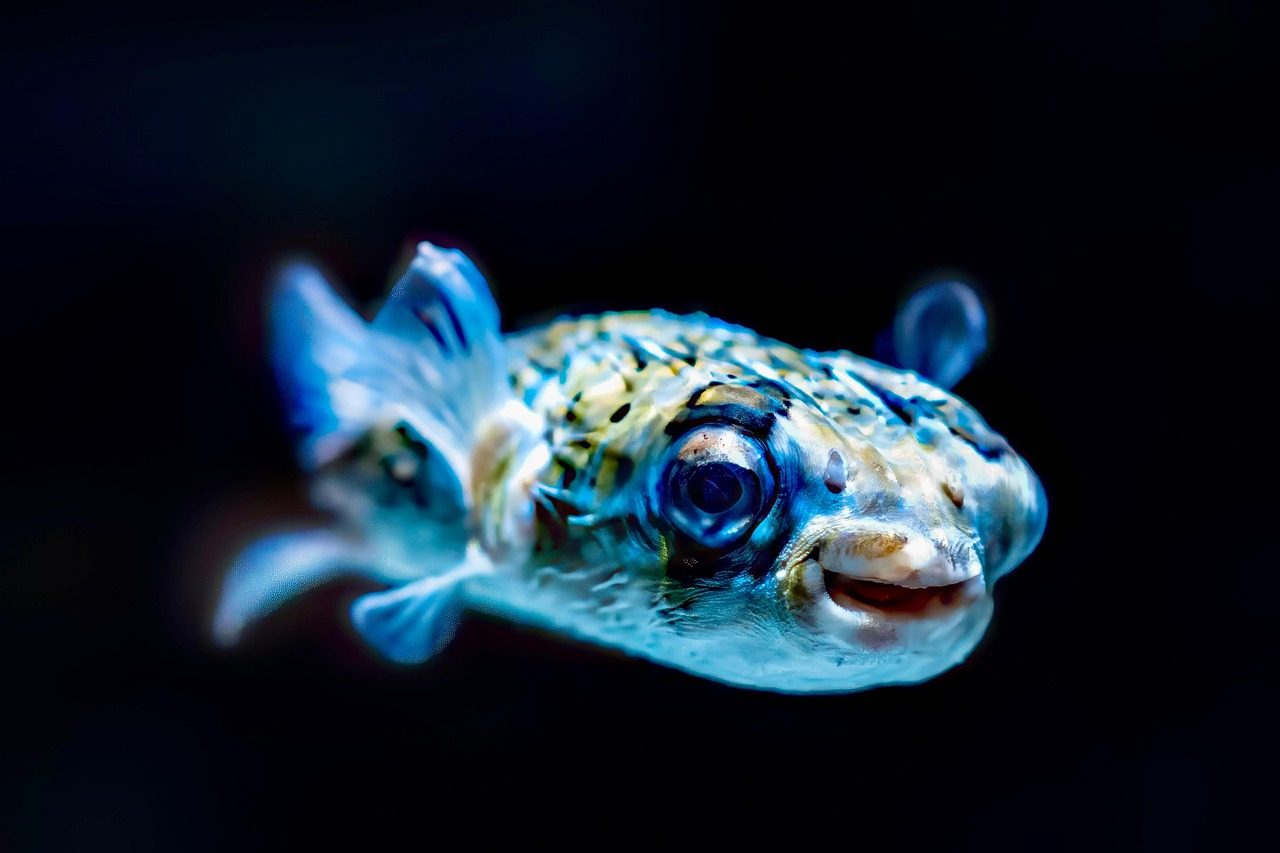
A pufferfish can look like a cartoon swimmer with big eyes, but many species contain tetrodotoxin in their organs and skin. The toxin can cause numbness, weakness, and paralysis, and severe poisoning can be fatal without supportive care, even for diners. The danger usually comes from eating improperly prepared pufferfish, not from casual viewing in the water, which makes the risk easy to overlook. In Japan, licensed chefs prepare fugu under strict rules, reflecting how serious the hazard is. Because the fish’s defensive puffing looks playful, its true threat often stays hidden behind a charming display.