Throughout modern military history, the United States has developed weapons so powerful, controversial, or unpredictable that leaders hesitated to ever use them. Some projects advanced far beyond the planning stage, reaching full testing before being quietly shelved. Fear of escalation, environmental damage, global backlash, or uncontrollable consequences often outweighed battlefield advantage. These weapons were not science fiction fantasies. They were real, funded, and in some cases fully functional. This article explores one such weapon, examining why it terrified adversaries and why American leadership ultimately decided it was too dangerous to unleash.
Project Pluto Nuclear Ramjet Missile

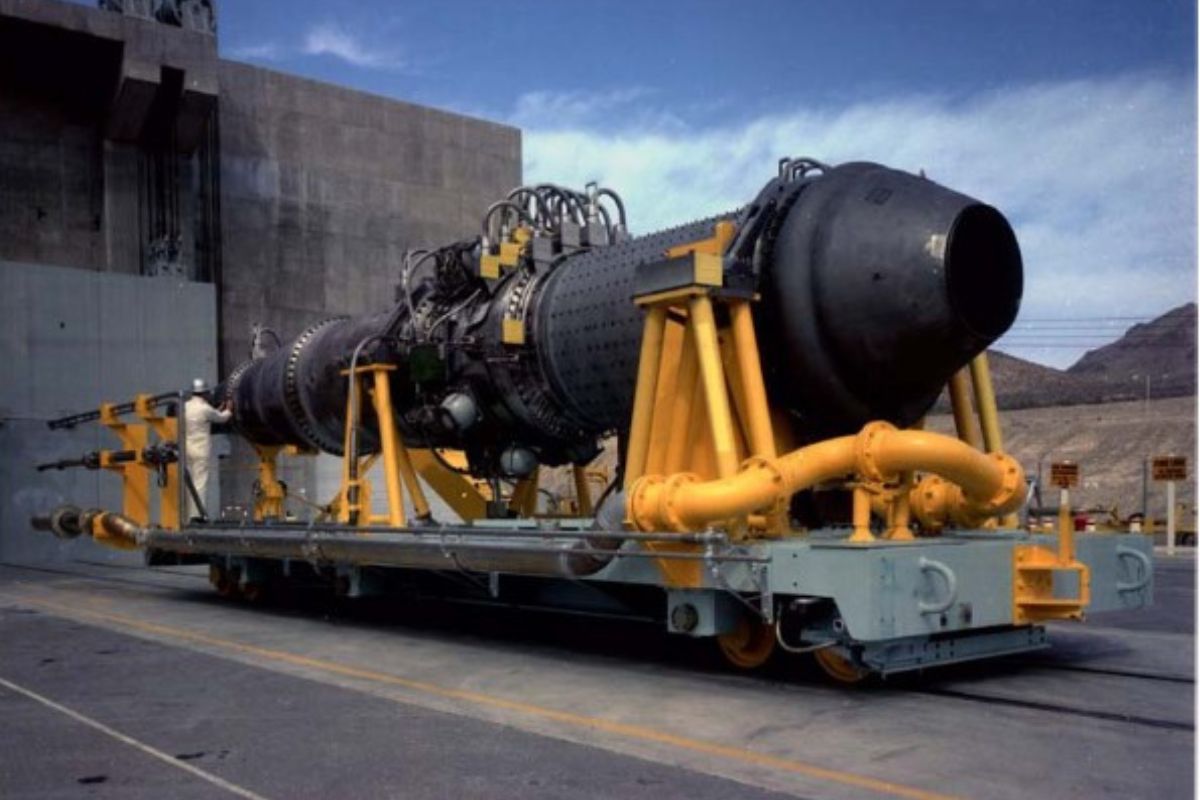
Project Pluto was one of the most frightening weapons ever conceived by the United States during the Cold War. It involved a nuclear-powered cruise missile designed to fly at low altitude for days while releasing intense radiation along its path. Powered by an unshielded nuclear ramjet, the missile required no fuel and could theoretically circle the globe before striking multiple targets. Test reactors proved the engine worked, producing immense power. However, the weapon posed terrifying risks. Its flight alone would contaminate everything below it. Control after launch was limited, and crashes would spread radioactive debris. Military leaders realized that deploying it could trigger uncontrollable escalation. Despite its effectiveness, Project Pluto was canceled, remembered as a weapon too dangerous even for total war.