
Military history is filled with weapons that arrived too early, too late, or simply vanished behind more famous contemporaries. Among these overlooked designs are several Czech rifles that demonstrated remarkable engineering but never achieved widespread recognition. Czechoslovakia’s arms industry consistently produced innovative firearms, often blending practical battlefield lessons with advanced manufacturing techniques. Yet geopolitical shifts, competing doctrines, and the rapid pace of small arms development frequently pushed promising designs into obscurity. Some rifles, despite excellent performance or forward-thinking concepts, became historical footnotes rather than standard-issue icons. Exploring these forgotten firearms offers a fascinating glimpse into how close certain technologies came to reshaping infantry equipment. One such rifle stands out not merely for its mechanics but for the broader influence it might have exerted had circumstances unfolded differently.
The Vz. 52 and Its Unusual Path
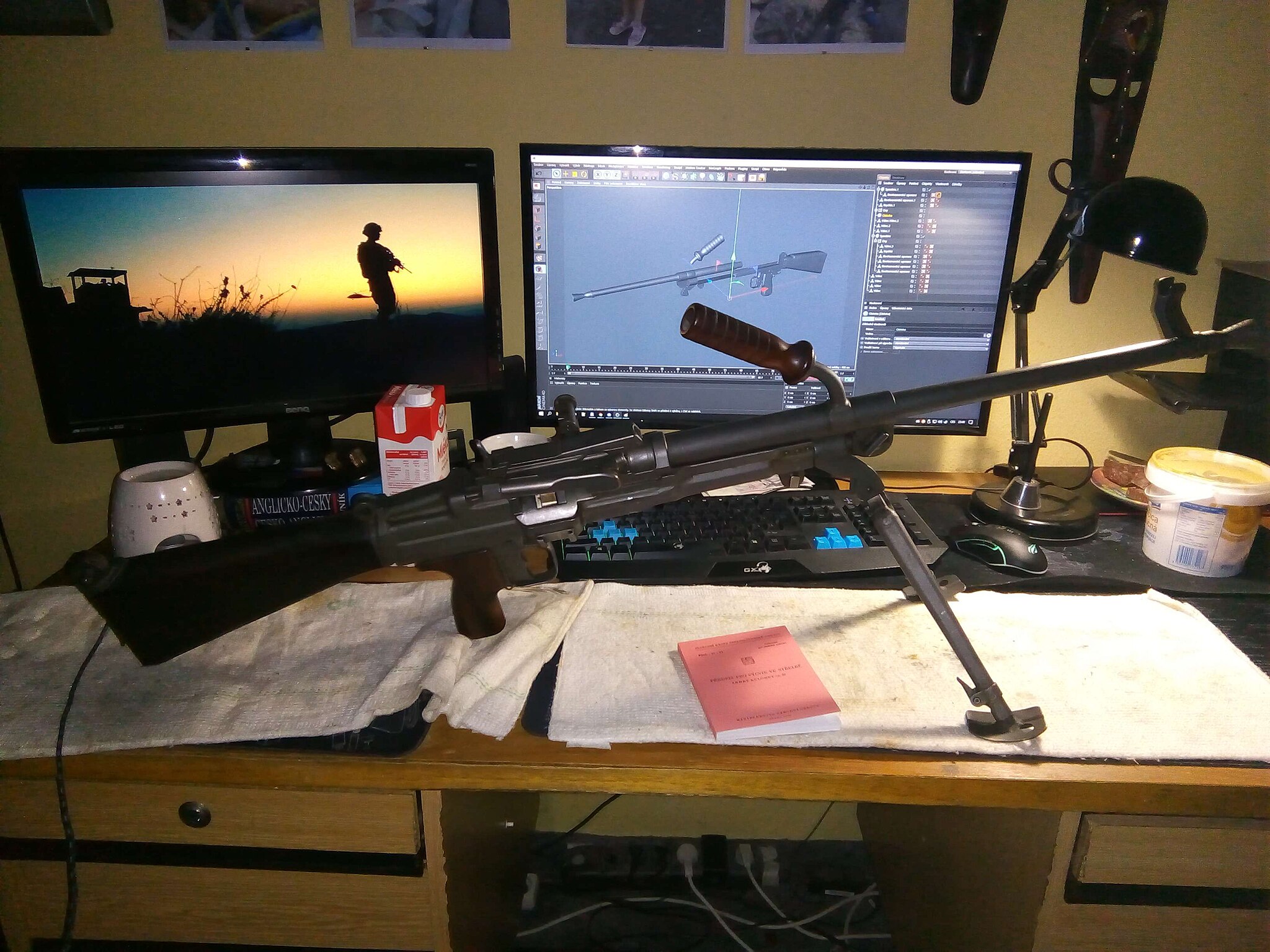
The Czech Vz. 52 rifle represents a compelling example of innovation meeting unfortunate timing. Developed in the early Cold War period, it embodied a distinct approach to infantry rifle design. Instead of following conventional trends, engineers pursued a roller locking mechanism combined with a lightweight, compact profile. This system provided strong action strength while maintaining manageable recoil characteristics, traits highly valued in service rifles. Chambered for an intermediate cartridge, the rifle anticipated shifting military preferences toward controllable automatic fire and reduced ammunition weight. However, political alignment within the Eastern Bloc soon dictated standardization around Soviet calibers, forcing modifications that diluted the rifle’s original advantages. While reliable and durable, the Vz. 52 never fully realized its conceptual potential. Its story illustrates how political realities often shape small arms evolution as much as engineering merit, leaving capable designs overshadowed by more widely adopted platforms.