Nature presents many beautiful sights, but also harbors creatures that pose serious threats to human safety. The world’s most dangerous animals ranked list often surprises people because size does not always equal lethality. Small insects frequently cause more devastation than massive predators through the spread of deadly diseases. Large mammals and reptiles also claim their share of lives through territorial aggression and hunting instincts. Understanding which species are the most formidable helps travelers and outdoor enthusiasts stay safe during their adventures. This guide examines the creatures that statistically and physically represent the greatest risks to human life globally.
The Mosquito
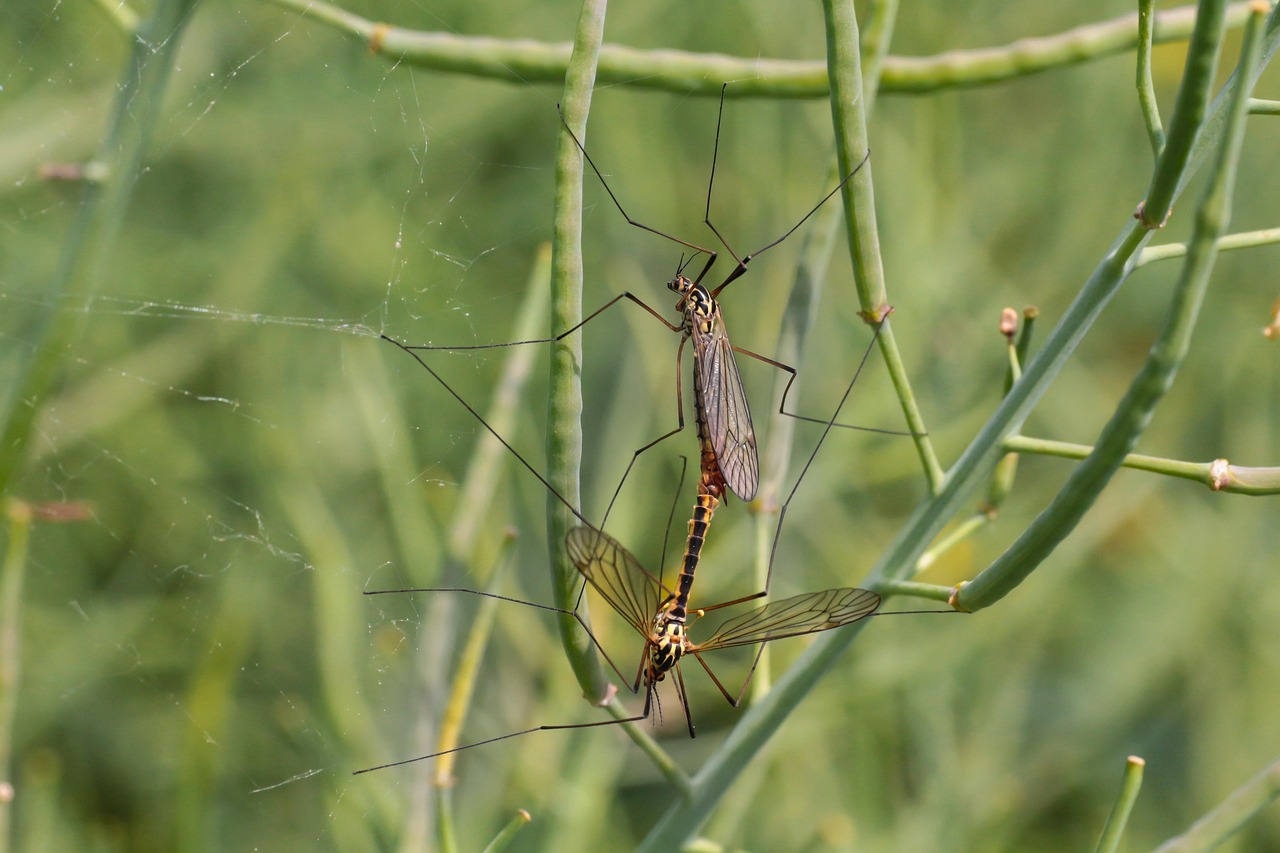
The tiny mosquito holds the undisputed title of the deadliest animal on the entire planet. These buzzing insects transmit malaria, dengue fever, and yellow fever to millions of people annually. Female mosquitoes require blood to produce eggs and inadvertently spread parasites and viruses between hosts during feeding. Their ability to thrive in nearly every climate makes them a persistent global health threat. Public health organizations work tirelessly to control populations through netting, medication, and habitat removal. No other creature comes close to the sheer number of human fatalities caused by this small flying pest every year.
Saltwater Crocodile
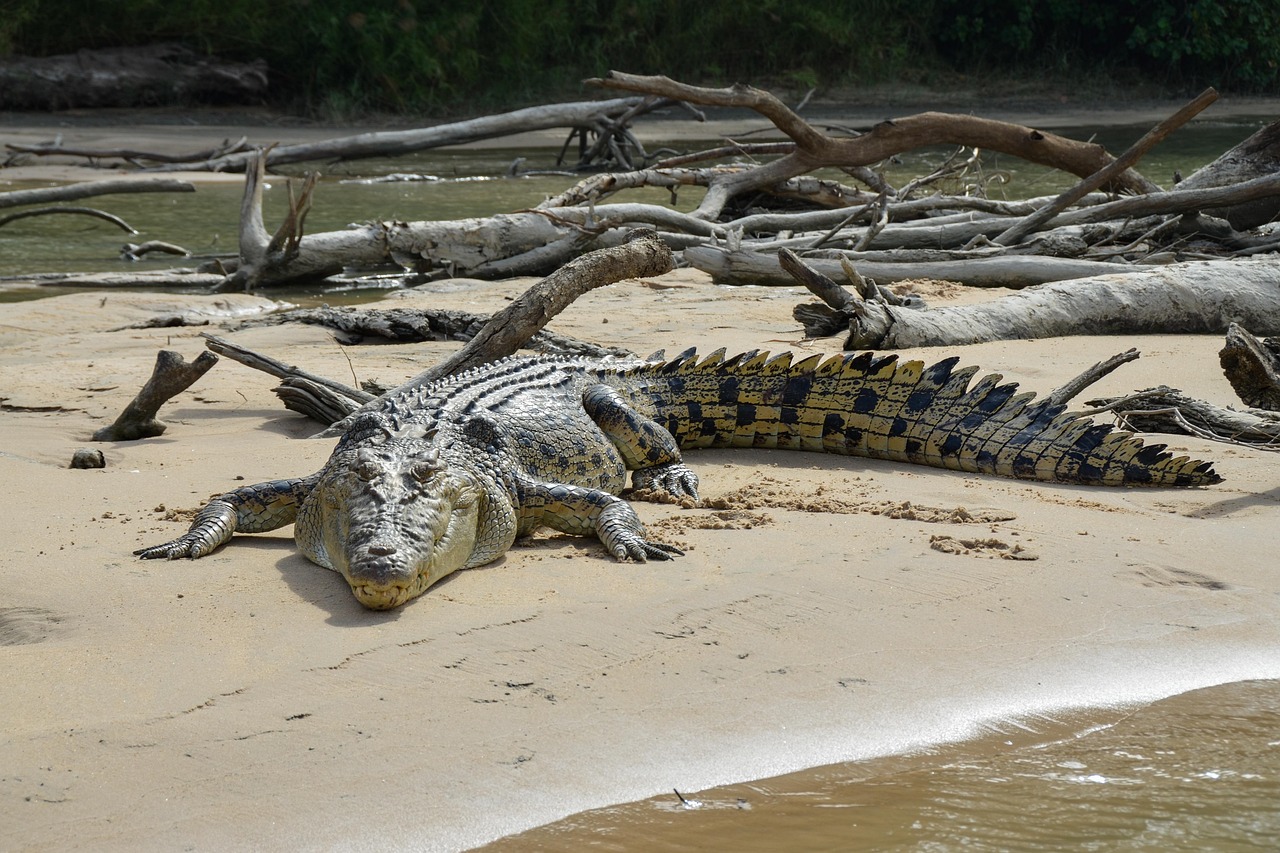
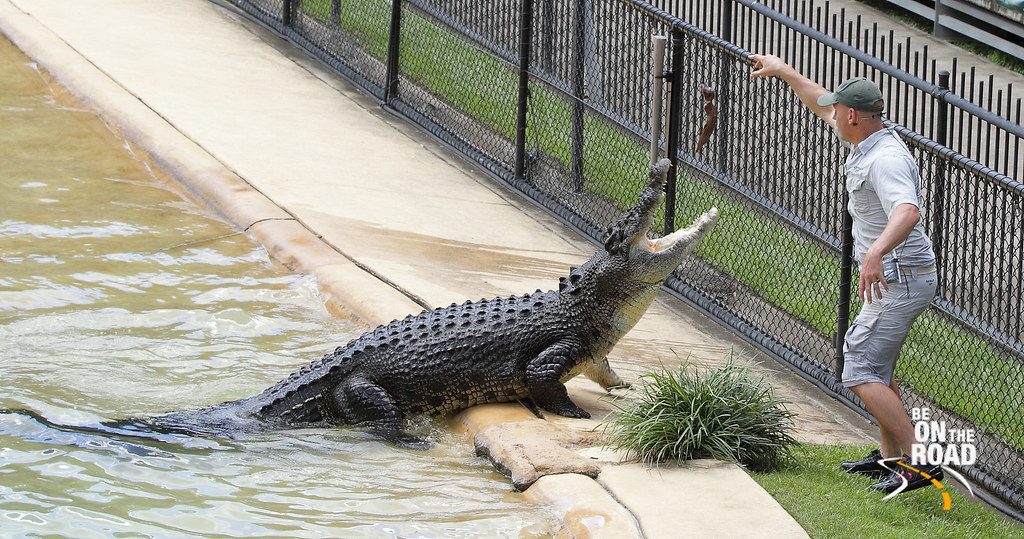
Saltwater crocodiles are the largest living reptiles and are known for their extreme aggression and power. These opportunistic predators lurk in murky waters and ambush prey with terrifying speed and bone-crushing force. They view humans as viable food sources and will attack without hesitation if someone enters their territory. Their bite force is the strongest in the animal kingdom and allows them to drag victims underwater instantly. Survivors of these attacks are rare because the crocodile spins its prey to disorient and drown it. They remain the undisputed apex predators of the rivers and coasts they inhabit.
African Hippopotamus
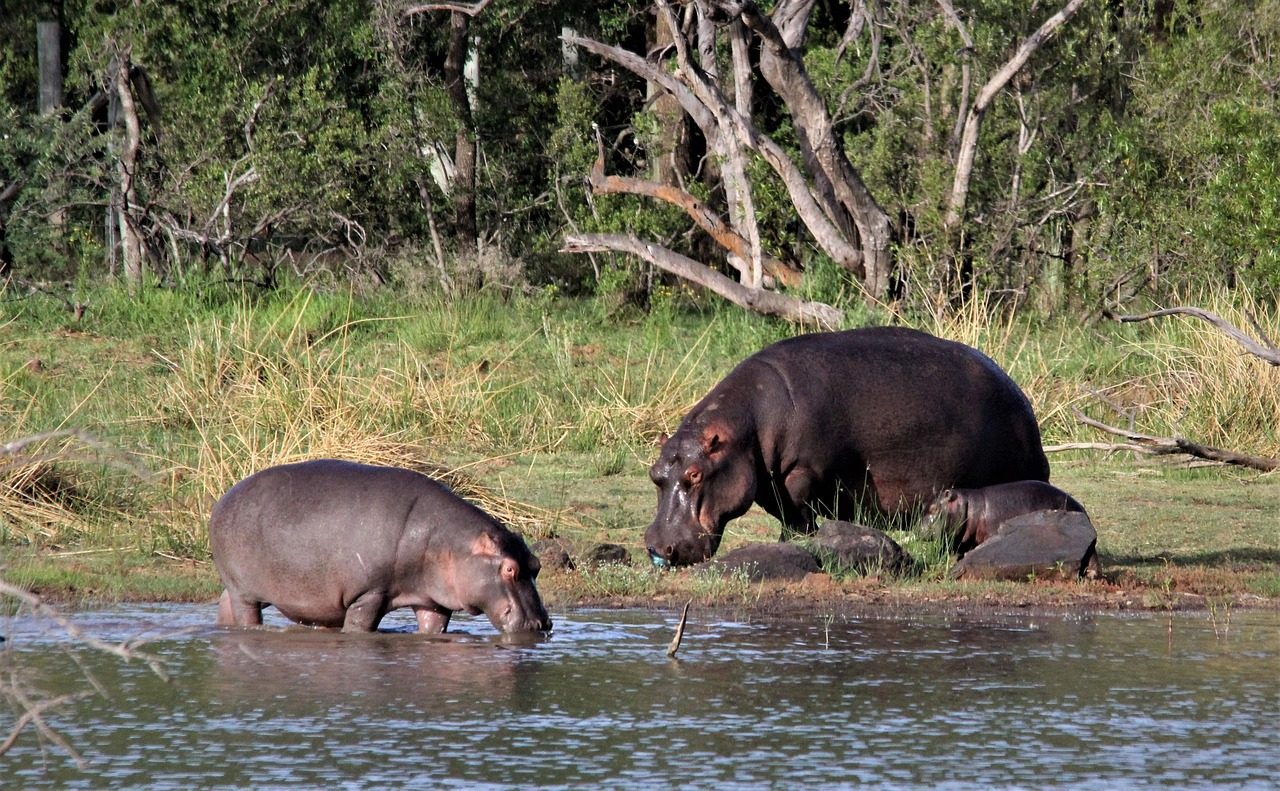
The African hippopotamus is often regarded as the most dangerous large land mammal in Africa. These massive herbivores are extremely territorial and will capsize boats or trample anyone who blocks their path to water. Their unpredictable nature makes them far more deadly than lions or elephants in the wild. Huge canine teeth can sever limbs and pierce the hulls of small canoes with ease. Hippos can run surprisingly fast on land, which catches many tourists and locals off guard near riverbanks. Respecting their space is the only way to avoid a fatal encounter with these giants.
Box Jellyfish
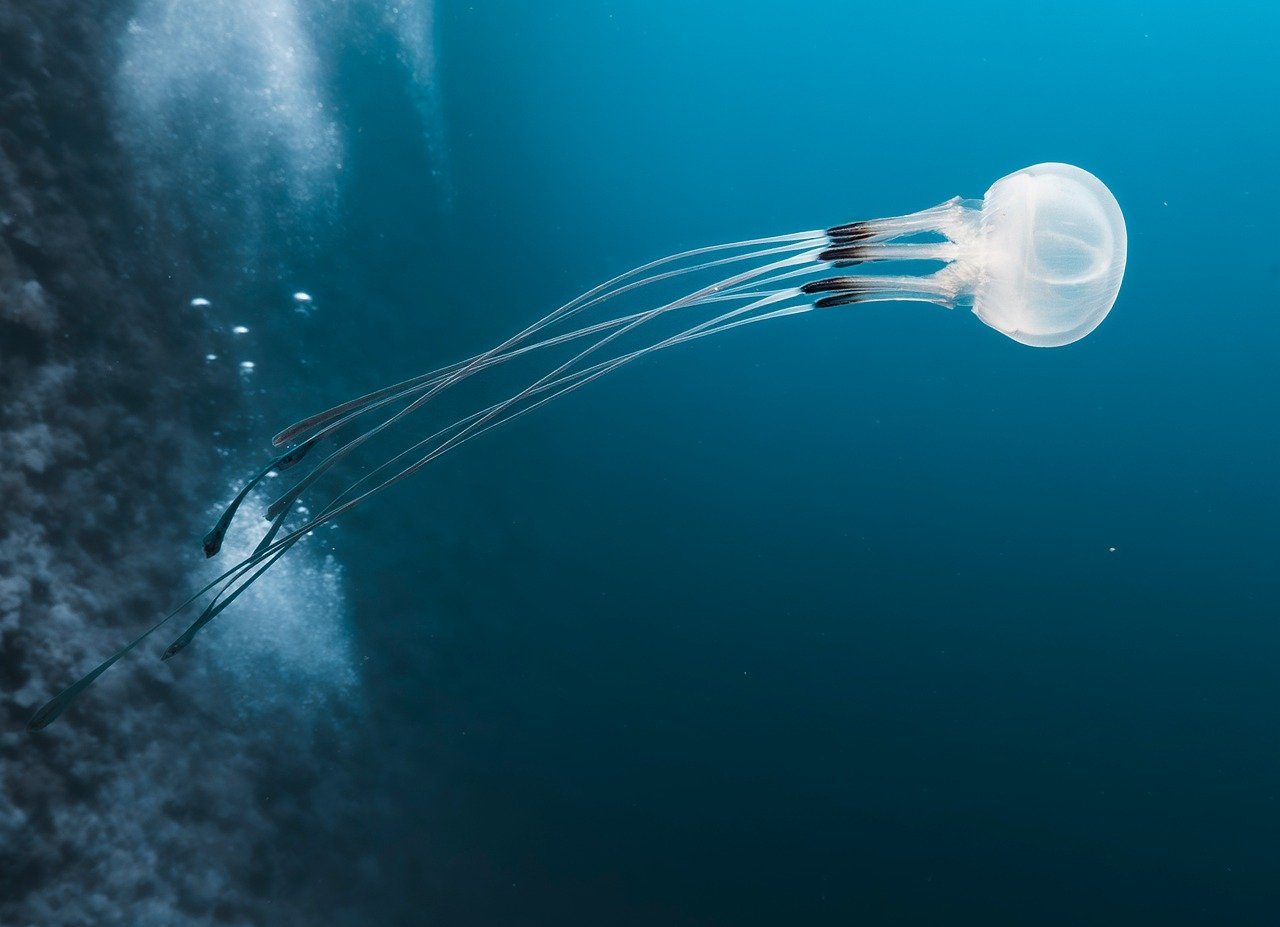
Swimmers in the Indo-Pacific region fear the box jellyfish for its potent and often fatal venom. This transparent invertebrate possesses tentacles covered in thousands of stinging cells that fire immediately upon contact. The toxins attack the heart and nervous system, and skin cells simultaneously, causing overwhelming pain and shock. Victims often go into cardiac arrest and drown before they can even reach the safety of the shore. Vinegar can help neutralize the stinging cells if applied quickly after an accidental encounter occurs. Its nearly invisible appearance in the water makes it a silent and deadly killer.
Saw-Scaled Viper
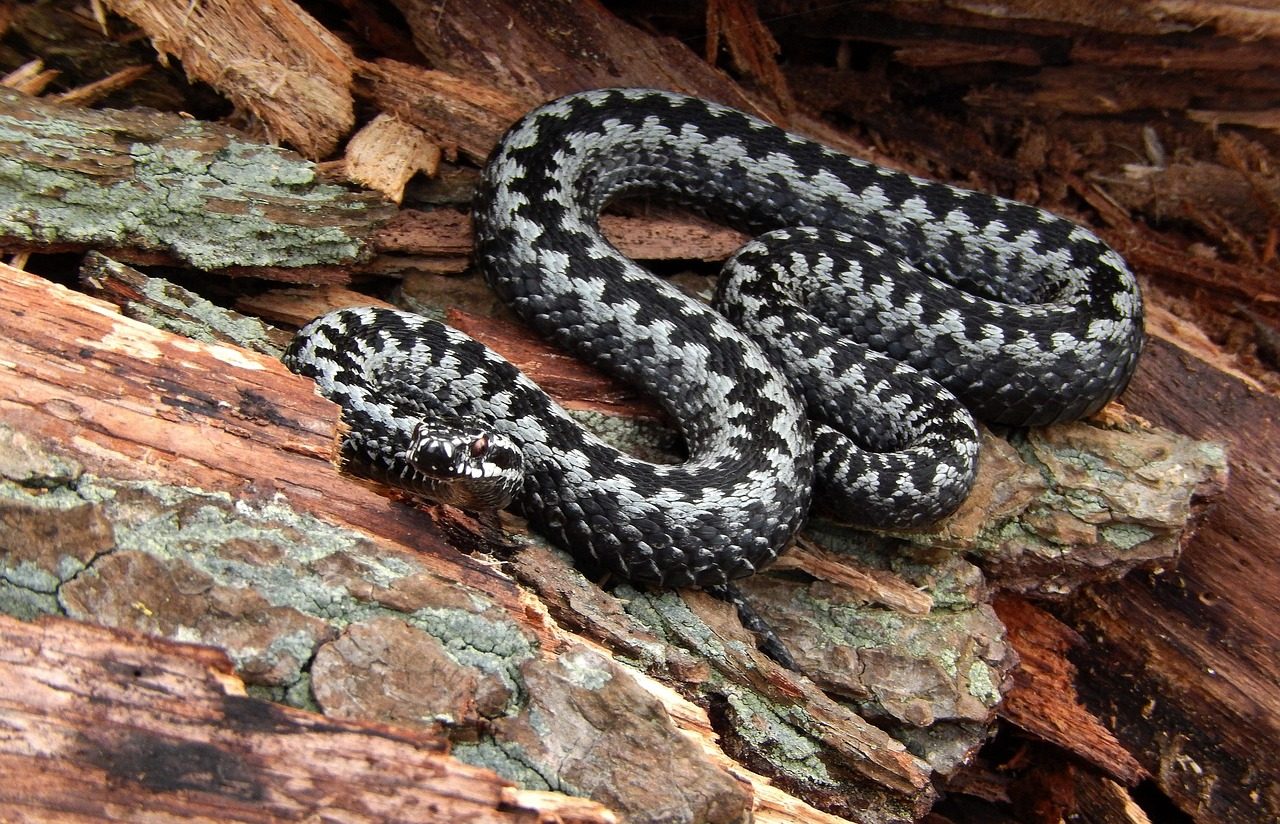
The saw-scaled viper is responsible for more snakebite deaths than any other species in the world. This small but irritable reptile lives in populated regions of Africa and Asia where medical care is scarce. It rubs its scales together to create a sizzling warning sound before striking repeatedly with lethal accuracy. The venom causes internal bleeding and tissue damage that can be fatal without immediate treatment. Its camouflage allows it to blend perfectly into the sand and rocks where people walk barefoot. This combination of aggression and proximity to humans makes it a statistically significant threat.