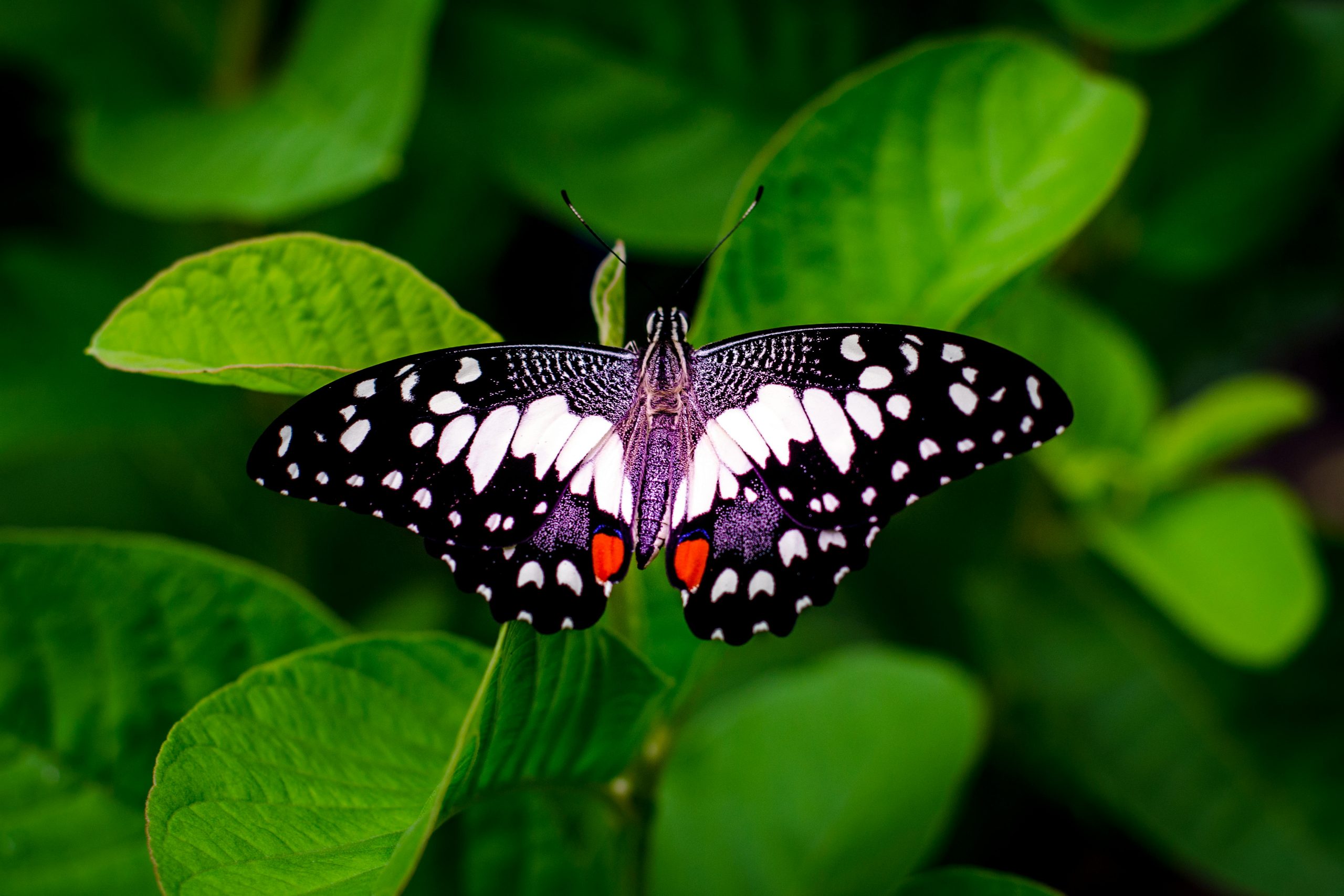
Sometimes the most heartwarming wildlife moments happen far from forests and nature reserves. In a quiet residential neighborhood, one woman unintentionally created a peaceful retreat for passing animals. What began as a simple backyard quickly transformed into a favorite resting place for unexpected visitors. The scenes captured there feel almost unreal, blending suburban life with the gentle rhythms of nature. As images and videos began circulating online, viewers found themselves captivated by the calm, trust, and surprising beauty of these encounters. The backyard did not just host wildlife; it became a symbol of coexistence.
A Surprise Visitor Changes Everything
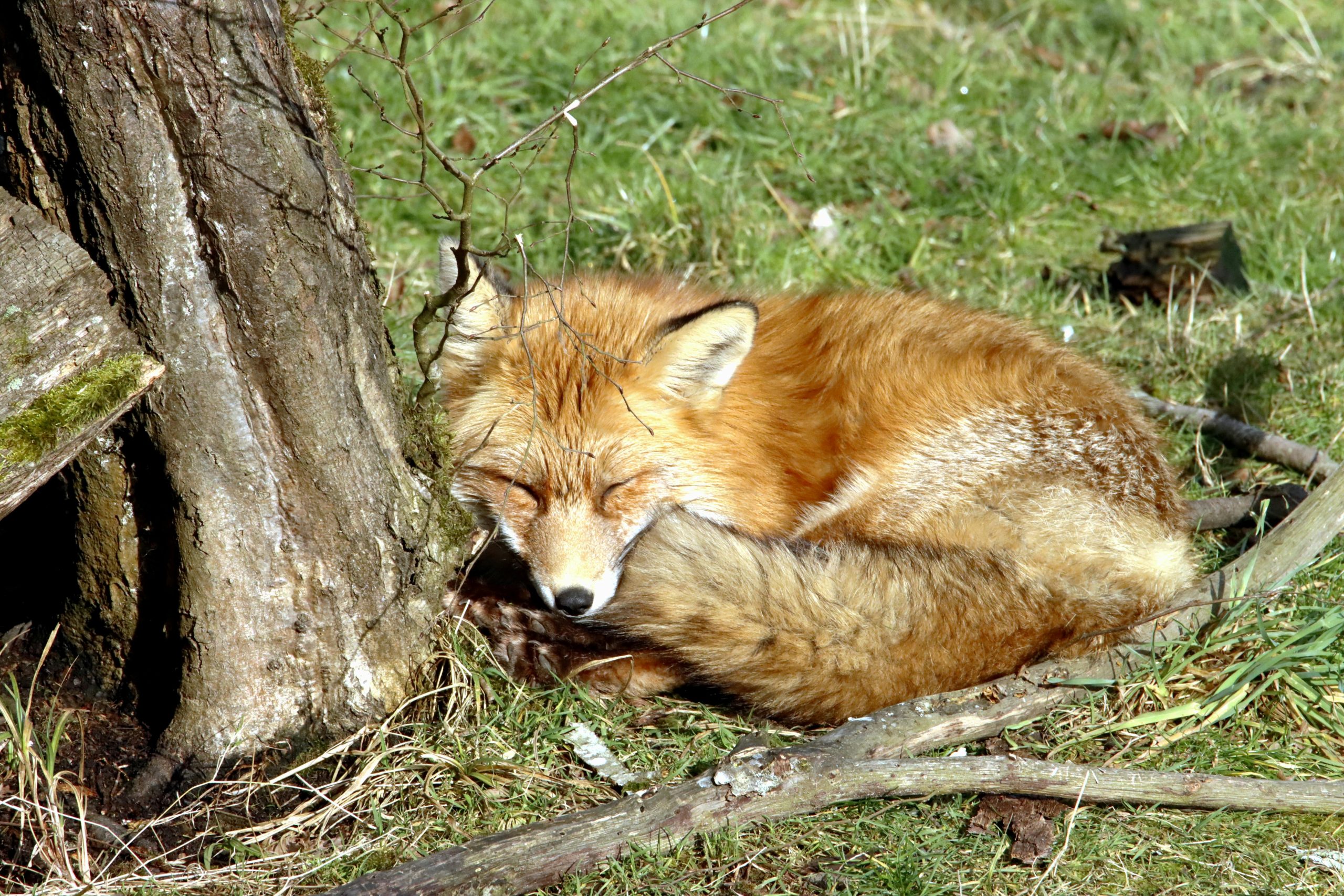
The story began with a single, unexpected guest. One afternoon, the homeowner noticed a wild animal curled up comfortably in her yard, fast asleep as though it had always belonged there. There was no sign of fear or tension, only a sense of complete ease. The animal’s relaxed posture suggested a rare level of trust, something not often seen in urban or suburban settings. Curious but careful, the woman observed from a distance, allowing the visitor to rest undisturbed. That quiet decision would soon shape a remarkable pattern of repeat visits that no one could have predicted.
Why the Backyard Felt So Safe

Animals are naturally cautious, especially around human spaces. Yet something about this yard clearly felt different. The environment was quiet, free from sudden disturbances, loud noises, or frequent activity. Mature trees and soft patches of greenery created a sense of cover and comfort. No aggressive pets were roaming the space, and human presence remained calm and predictable. Over time, it became evident that wildlife responds strongly to subtle signals of safety. Without realizing it, the homeowner had created conditions that mimicked a natural resting zone, offering both visibility and protection, which are essential for vulnerable moments like sleep.
The Internet Falls in Love
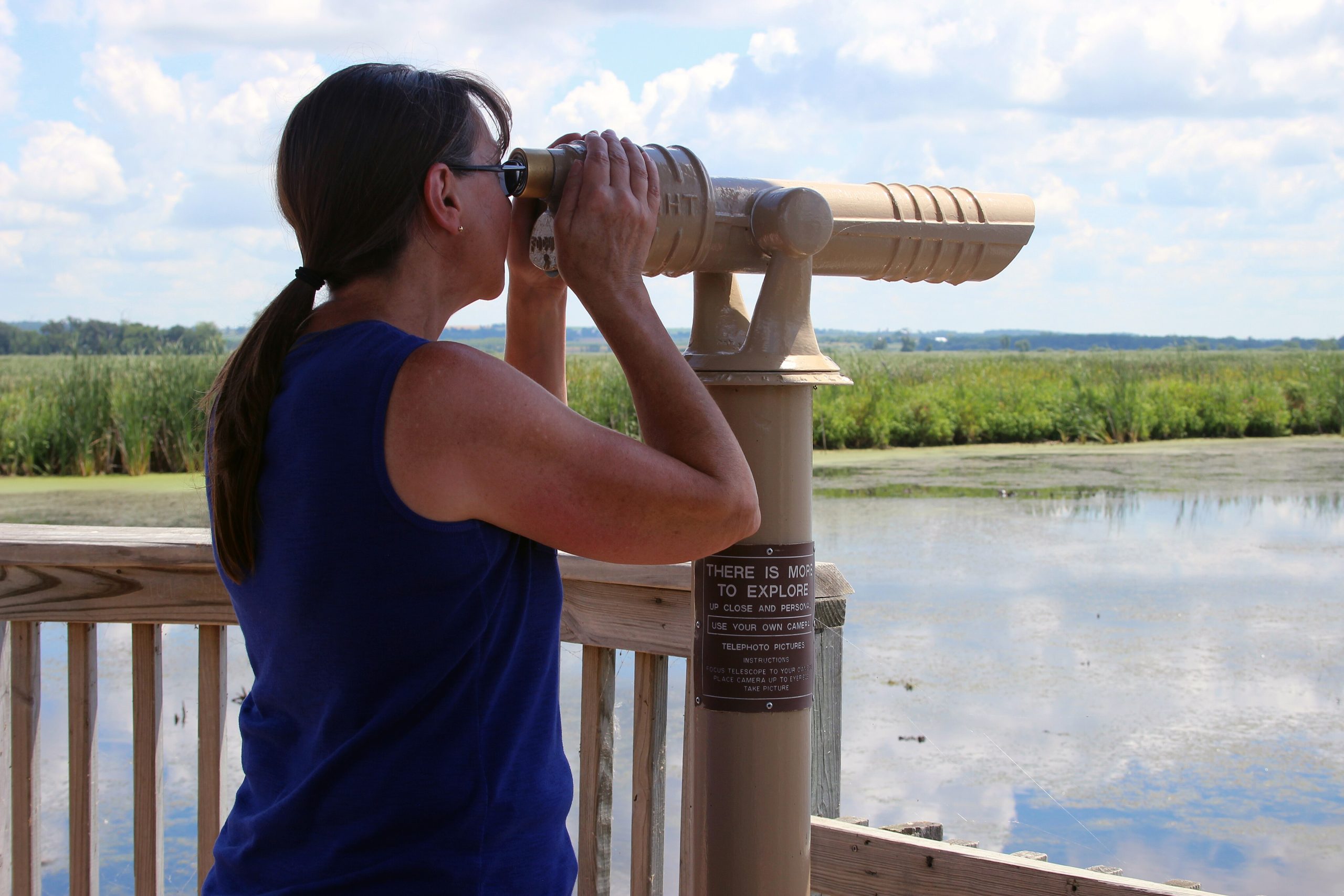
When photos of the sleeping visitor appeared online, reactions were immediate and emotional. Viewers expressed amazement at seeing a wild creature resting so peacefully near a human home. Many described the images as soothing, even therapeutic. Social media users began sharing the content widely, drawn to its gentle, almost storybook quality. Unlike dramatic wildlife footage, these scenes felt intimate and authentic. The simplicity of a sleeping animal, undisturbed and serene, resonated deeply with audiences. People found comfort in the idea that small pockets of harmony still exist between humans and nature, even in ordinary neighborhoods.
More Guests Begin to Appear
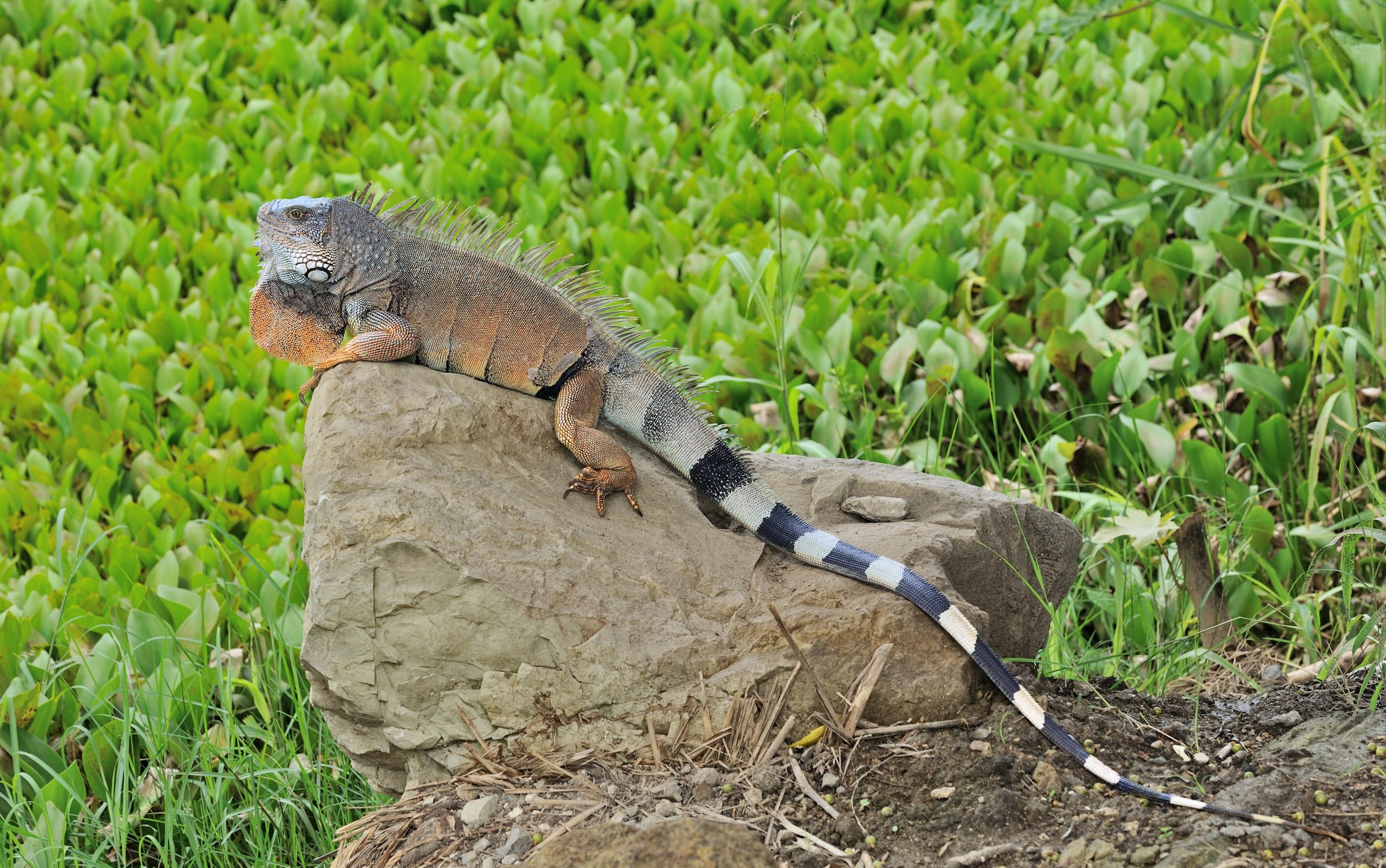
What made the situation truly remarkable was not just one visitor, but many. Over weeks and months, different animals were spotted using the same yard as a resting place. Each arrival seemed to reinforce the backyard’s reputation as a haven. The sightings were unpredictable, adding an element of wonder to daily life. Some visitors lingered briefly, while others appeared entirely at ease, settling in for longer naps. The homeowner never attempted to interfere or overmanage the space. This hands-off approach may have been key, allowing animals to behave naturally without pressure or perceived threat from human interaction.
The Role of Human Behavior
Wildlife experts often emphasize that animal comfort around humans is heavily influenced by behavior. In this case, the homeowner’s consistent calmness likely played a crucial role. There were no sudden attempts to approach, feed, or startle the animals. Movements remained slow, quiet, and respectful. Animals are highly sensitive to perceived danger, and even minor disturbances can alter their decisions. By simply coexisting rather than controlling, the woman fostered an atmosphere of predictability. That sense of stability is essential for wildlife, particularly when choosing a location for rest, which is when animals are most exposed and defenseless.
A Reminder of Urban Wildlife Adaptation
The story also highlights a broader ecological reality. Many wild animals are increasingly adapting to human-dominated landscapes. As natural habitats shrink or shift, creatures learn to navigate cities, suburbs, and residential zones. These adaptations often go unnoticed, happening quietly at the edges of daily life. The backyard nap spot illustrates how animals sometimes integrate human environments into their survival strategies. Rather than being purely accidental, such behavior reflects intelligence, flexibility, and environmental awareness. It challenges common assumptions that wildlife and urban spaces must always remain separate or incompatible.
Emotional Reactions From Viewers
Online audiences did not just find the scenes interesting; many described them as deeply moving. Comments frequently mentioned feelings of peace, joy, and renewed appreciation for nature. Some viewers interpreted the images as symbolic, representing trust between species. Others simply enjoyed the calming effect of watching a sleeping animal, free from stress or urgency. In a fast-paced digital world dominated by noise and distraction, the quiet stillness of these moments felt refreshing. The emotional response demonstrated how strongly people crave connections to nature, even indirect ones experienced through screens.
The Importance of Respectful Distance
While the story is uplifting, it also carries an important message about boundaries. Wildlife thrives best when human interference is minimal. Experts consistently warn against approaching, feeding, or attempting to domesticate wild creatures. The success of this backyard as a resting place may stem precisely from the absence of such actions. Animals retained their autonomy and instincts. Respectful distance preserves safety for both humans and wildlife, reducing stress, dependency, and potential conflict. The homeowner’s passive observation model offers a valuable example of how coexistence can occur without disrupting the animals’ natural behaviors.
How Small Spaces Can Support Nature
Not every backyard will attract wildlife, but many can still contribute positively to local ecosystems. Elements like native plants, quiet corners, and reduced disturbances can make a meaningful difference. Even modest green spaces may provide shelter, food sources, or temporary refuge. The nap spot story underscores that large wilderness areas are not the only environments that matter. Urban and suburban landscapes contain countless microhabitats capable of supporting biodiversity. Simple design choices and mindful habits can gradually encourage a healthier relationship between human living spaces and surrounding wildlife.
A Gentle Lesson in Coexistence
Ultimately, the backyard nap spot represents more than charming images. It offers a subtle lesson about coexistence and awareness. The woman did not set out to create a wildlife sanctuary, yet her environment and actions enabled one to emerge organically. The story reminds us that interactions with nature need not be dramatic to be meaningful. Sometimes, the quiet presence of a resting animal can inspire reflection, curiosity, and respect. In a world where human expansion often dominates the narrative, moments like these highlight the possibility of shared spaces built on calmness, patience, and mutual tolerance.