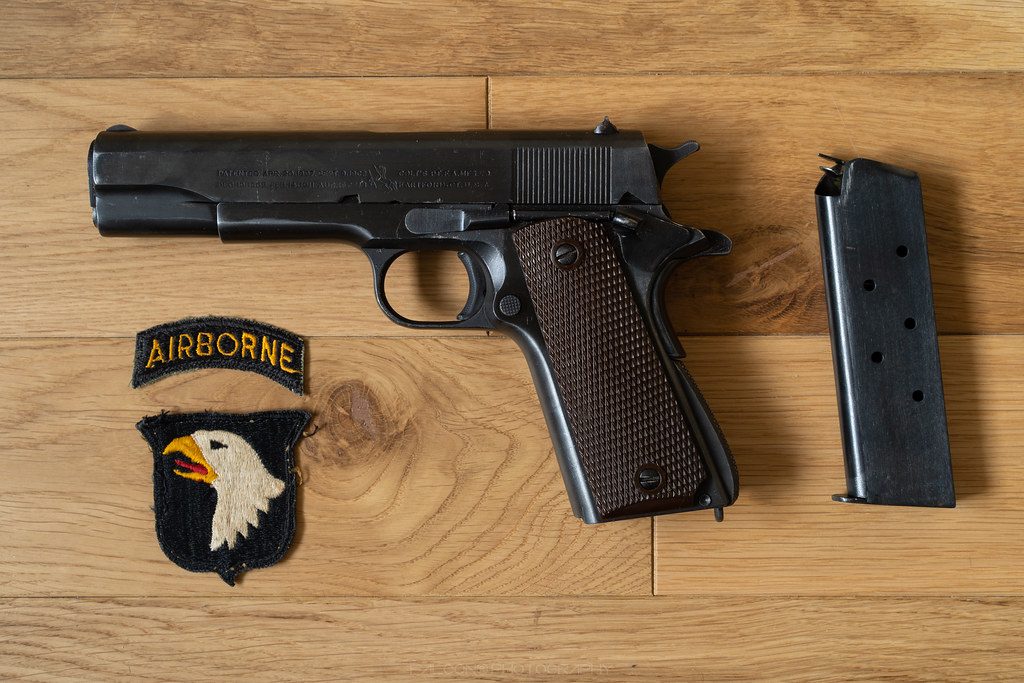
Moving wild game from field to table connects food, responsibility, and tradition in a very direct way. The process requires more than skill with equipment because safety and ethics shape every decision. Understanding legal seasons, humane harvest, and proper handling protects both people and wildlife. Careful field dressing prevents contamination and preserves meat quality. Thoughtful cooking practices reduce health risks while honoring the animal taken. When done correctly, the journey from hunt to meal becomes practical and respectful. Learning each stage builds confidence, reduces waste, and ensures wild game provides nourishment without unnecessary risk or harm.
Ethical And Legal Hunting
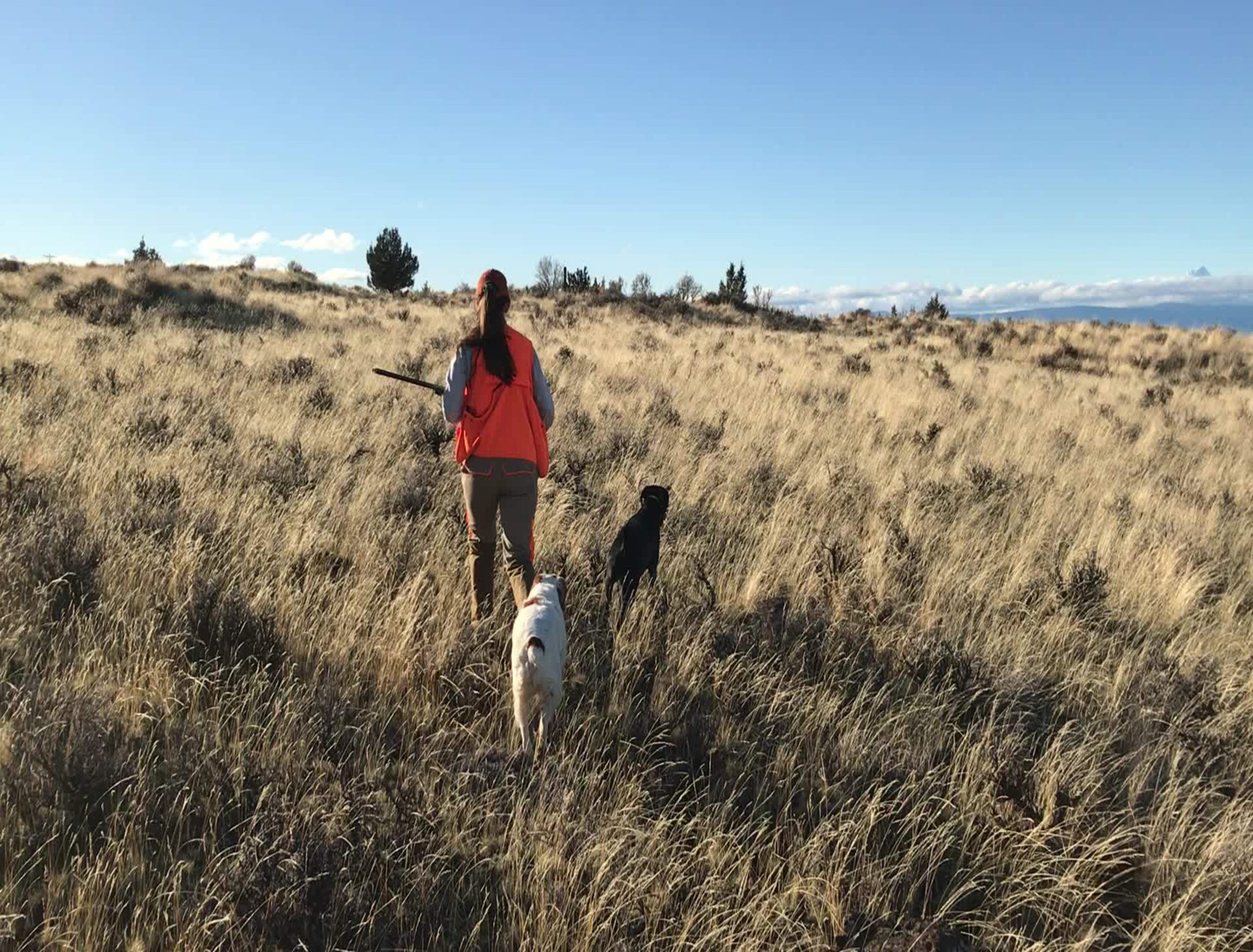
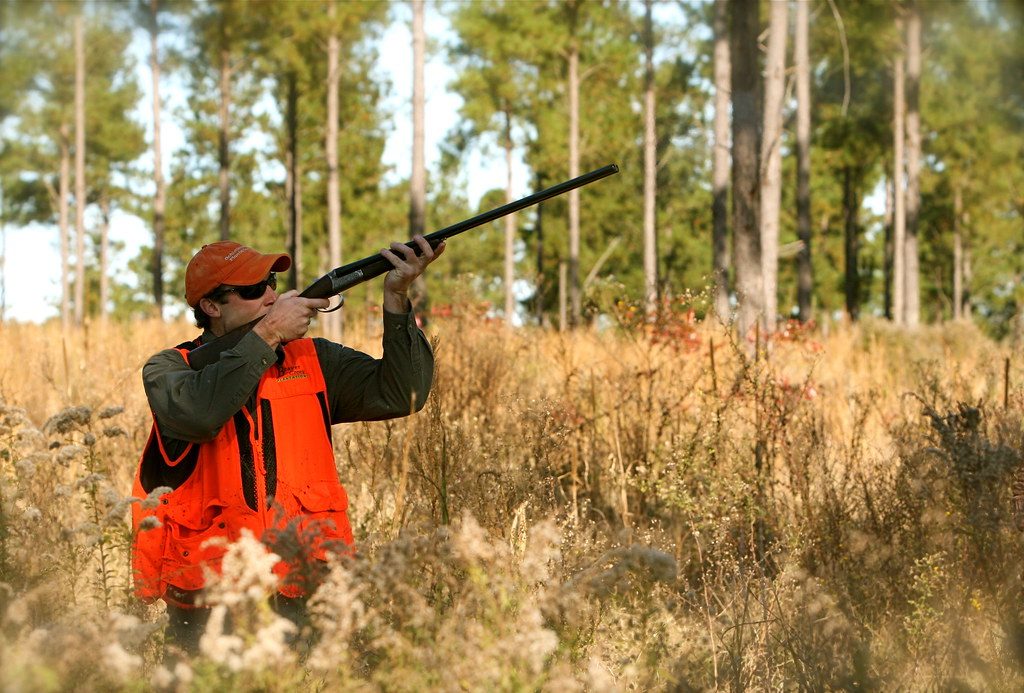
Safe wild game meals begin long before cooking, starting with ethical and legal hunting practices. Hunters must follow local regulations, seasons, and licensing requirements to protect populations and ecosystems. Using appropriate firearms or archery equipment and practicing accurate shot placement reduces suffering and meat damage. Weather awareness and land access permissions also matter for safety. Proper identification of species prevents accidental harvest of protected animals. Ethical hunting emphasizes patience and respect rather than haste. These considerations ensure the animal is taken cleanly, the environment remains protected, and the process supports conservation rather than undermining it.
Field Dressing And Meat Handling Safety
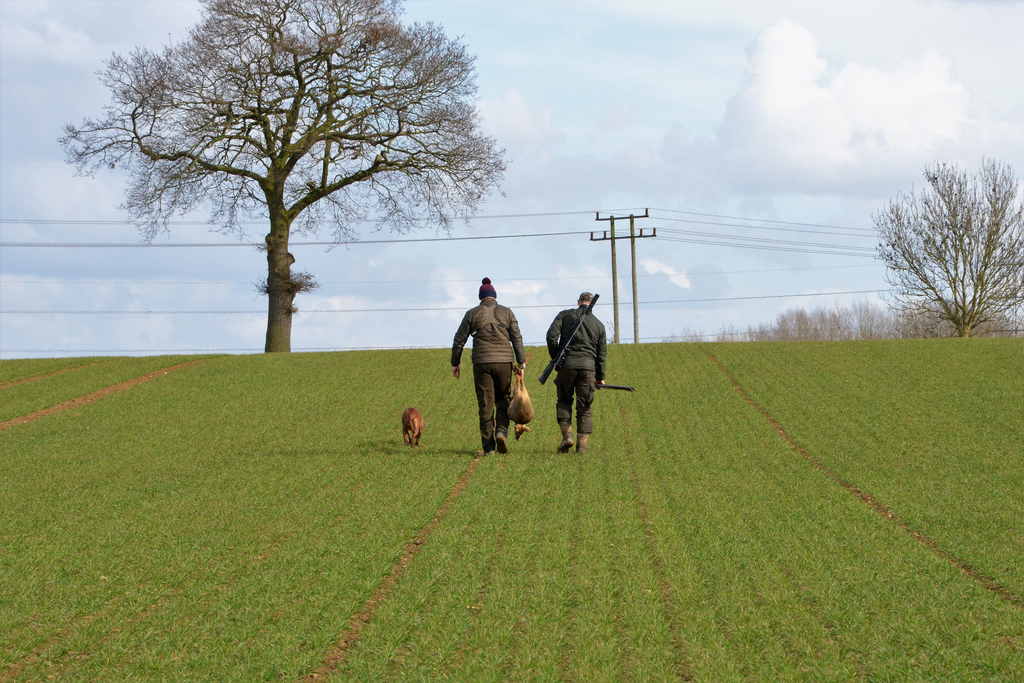
Field dressing is a critical stage where cleanliness directly affects food safety. Wearing gloves and using clean, sharp knives helps limit bacterial spread. The digestive tract should be removed carefully without puncturing organs that can contaminate meat. Prompt cooling of the carcass slows spoilage, especially in warm conditions. Avoid contact between meat and dirt, hair, or standing water. Transporting game in breathable conditions prevents heat buildup. Proper disposal of remains follows local guidelines. Attention during field dressing preserves flavor, reduces health risks, and prepares meat for safe storage and cooking later at home.
Safe Storage And Aging Practices
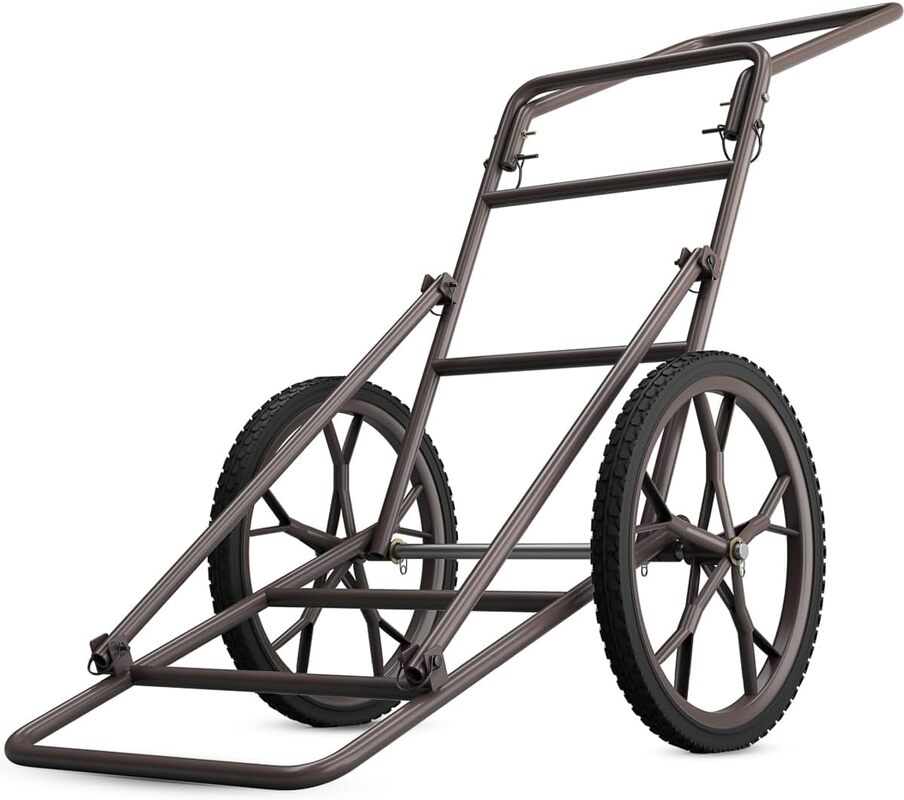
Proper storage plays a major role in maintaining wild game safety and quality after harvest. Meat should be cooled quickly and kept at consistent temperatures to prevent bacterial growth. Aging, when done correctly, improves tenderness while requiring careful control of humidity and airflow. Game should be stored separately from other foods to avoid cross contamination. Clean packaging and labeling help track dates and cuts accurately. Freezing must occur promptly if meat will not be used soon. Attention to storage conditions preserves nutritional value, reduces spoilage, and ensures wild game remains safe for future preparation.
Health Risks And Disease Awareness

Understanding potential health risks is essential when handling and consuming wild game. Certain species may carry parasites or diseases transmissible to humans if precautions are ignored. Wearing protective gloves, avoiding contact with bodily fluids, and inspecting animals for abnormalities reduces exposure. Hunters should stay informed about regional disease advisories affecting wildlife populations. Proper cooking temperatures eliminate most biological risks. Avoiding meat from animals showing unusual behavior or visible illness is critical. Awareness and caution protect both individuals and families, ensuring wild game consumption remains safe, responsible, and aligned with public health guidance.
Cooking Wild Game Safely
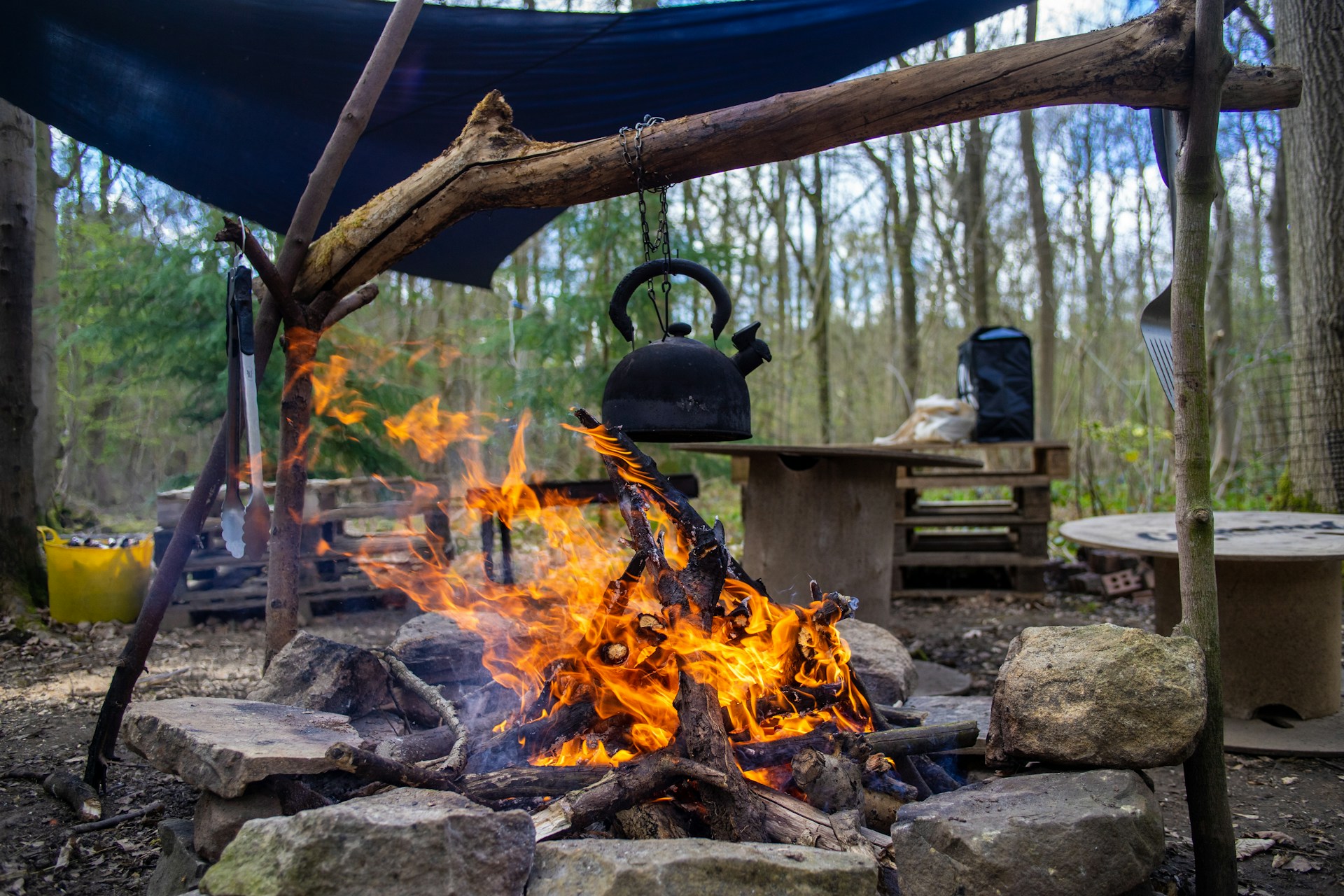
Cooking wild game safely requires attention to temperature, preparation, and cross contamination. Meat should be kept refrigerated or frozen until ready to use and thawed slowly. Using separate cutting surfaces prevents bacteria transfer to other foods. Wild game must reach recommended internal temperatures to destroy parasites and pathogens. Slow cooking methods often help tenderize lean cuts. Avoid consuming undercooked meat, especially from species known to carry disease. Proper seasoning and rest time improve quality. Safe cooking completes the process, turning harvested game into a nutritious and enjoyable meal that supports health and respects safe food traditions.